The ascent of Brazil’s pharmaceutical giants represents one of the most compelling success stories in emerging market industrial development. Companies such as Hypera Pharma, EMS, Eurofarma, and Aché have transformed from local players into dominant regional forces, challenging the long-held supremacy of multinational corporations within Latin America’s largest economy. Their success is not a product of happenstance but of a unique and potent formula: a strategic interplay between a quasi-protected domestic market, transformative public policy, aggressive and distinct corporate strategies, and a sophisticated adaptation to a uniquely complex healthcare ecosystem.
This report deconstructs the pillars of this success. It begins by analyzing the Brazilian pharmaceutical arena, a market defined by the paradox of high growth potential and significant structural barriers. The universal public healthcare system, the Sistema Único de Saúde (SUS), has acted as both a massive, scale-building customer and a formidable price-pressuring gatekeeper. Simultaneously, the legal phenomenon of “judicialization” has created an unconventional, high-margin pathway for innovative medicines, bypassing traditional reimbursement channels.
The analysis then profiles the champions of this market, revealing divergent strategic DNAs. Hypera Pharma has mastered growth through the acquisition and marketing of established consumer brands. EMS built a generics empire on the back of landmark legislation and is now leveraging that scale to fund a bold pivot into global, high-complexity molecules. Eurofarma has pursued a deliberate strategy of internationalization, architecting a pan-Latin American footprint. Aché, in contrast, has opted for a more conservative, partnership-driven approach to innovation through strategic joint ventures.
Three core pillars underpin this collective rise. First, the 1999 Generic Drug Law, which, while intended to lower prices, had the profound, unintended consequence of forcing a systemic upgrade in the domestic industry’s quality and technical capabilities. Second, the formidable regulatory complexity of the national agency, ANVISA, which acts as a competitive moat protecting entrenched domestic players who have mastered its navigation. Third, a wave of strategic mergers and acquisitions that has consolidated the market and amplified the scale of these leading firms.
Now, these giants stand at a critical inflection point. Having achieved domestic dominance, they are embarking on the next, more challenging chapter of their story: the transition from a business model rooted in imitation to one driven by high-value innovation. Surging investments in research and development, a determined push into biotechnology, and the pursuit of international expansion into developed markets signal a new era of ambition. This report concludes with a strategic outlook, examining the persistent challenges of the “Custo Brasil” and outlining the pathways to future growth, offering actionable intelligence for industry stakeholders navigating this dynamic and consequential market.
Section 1: The Brazilian Pharmaceutical Arena: A Market of Paradox and Potential
To comprehend the rise of Brazil’s domestic pharmaceutical champions, one must first understand the unique and often contradictory environment in which they operate. The Brazilian market is a continental-scale opportunity characterized by robust growth, yet it is simultaneously insulated by structural complexities that have nurtured local industry. This ecosystem, shaped by a massive public healthcare system, landmark legislation, and unconventional legal dynamics, has provided both the fertile soil for growth and the selective pressures that forged these giants.
1.1 Market Vitals: Sizing a Continental Opportunity
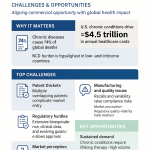
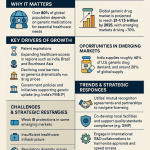
Brazil stands as the largest and highest-value pharmaceutical market in Latin America, presenting a compelling growth trajectory.1 Market analyses project significant expansion, with one forecast estimating the market size to grow from USD 21.71 billion in 2024 to USD 57.35 billion by 2034, reflecting a compound annual growth rate (CAGR) of 10.20%.2 Another projection anticipates revenue reaching US$ 48.6 billion by 2030, growing at a CAGR of 5.8% from 2025.1 While the specific growth rates vary based on underlying economic assumptions, the consensus points toward a sustained, high-growth environment. This expansion is fueled by fundamental drivers, including a large and aging population, a growing middle class, increased healthcare awareness, and the rising prevalence of chronic and non-communicable diseases such as oncology, cardiovascular conditions, and diabetes.1
A defining feature of this lucrative market is the commanding position held by domestic companies. In 2023, imports accounted for a relatively low 30.3% of the total market size, indicating a strong preference for and reliance on local production.4 This domestic dominance is further evidenced by market share rankings, where Brazilian firms like Hypera, EMS, and Eurofarma consistently occupy top positions, a significant shift from 1998 when only one Brazilian company, Aché, was in the top ten.5
This market structure offers a rare combination of advantages. It provides the high-growth dynamics typical of a major emerging economy while simultaneously affording a degree of insulation from the full force of global competition, a characteristic more common in mature, protected markets. This “protected growth” environment has been a crucial incubator. It allowed nascent Brazilian companies to achieve significant scale and profitability by serving a booming domestic demand base before having to compete directly with the world’s largest multinational corporations (MNCs) on all fronts. This structural advantage, born from a mix of regulatory complexity, distribution challenges, and tailored public procurement, is a foundational element of their success story.
The market’s composition is also evolving rapidly. While conventional small-molecule drugs still represented the largest segment in 2024 with a 57.4% revenue share, the fastest-growing and most lucrative segment is biologics and biosimilars.1 Therapeutic areas such as oncology, central nervous system disorders, and immunology are dominating investment and growth, signaling a strategic shift across the industry from high-volume generics to high-value, complex treatments.2
1.2 The Power of the State: Navigating the Sistema Único de Saúde (SUS)
Central to the Brazilian pharmaceutical landscape is the Sistema Único de Saúde (SUS), the country’s universal public healthcare system. Established by the 1988 Constitution, SUS is one of the largest public health systems in the world, providing free access to services for all citizens and legal residents.6 Its role as a massive purchaser of medicines profoundly shapes the industry’s structure and strategy.
The scale of SUS procurement is immense. The federal government’s expenditure on medicines alone surged from R2billionin2000toapproximatelyR18 billion in 2020 and over R$25 billion in 2021.8 In 2019, federal purchases accounted for roughly 16% of the entire pharmaceutical sector’s revenue.8 These figures underscore the system’s function as a critical source of stable, high-volume demand for pharmaceutical manufacturers.
The procurement process itself is a key strategic determinant. Responsibility is decentralized across federal, state, and municipal governments, each managing different tiers of complexity and cost.9 However, a trend towards centralizing the purchase of high-cost, complex medications at the federal level has increased the government’s bargaining power.8 The system’s procurement model overwhelmingly favors generic drugs, acquired in bulk through competitive bidding processes where the lowest price is the primary determinant.9 This process is also tax-exempt, further incentivizing cost-efficiency.9
This structure functions as a powerful, albeit perhaps unintentional, industrial policy tool. The relentless demand for vast quantities of low-cost generics created an undeniable business case for massive domestic investment in manufacturing capacity. It established a competitive environment where economies of scale are paramount. To win large government tenders profitably, companies needed to build highly efficient, large-scale production facilities. This dynamic naturally filtered the market, rewarding companies that could achieve this scale and leading to the consolidation of the industry around a few dominant players. Firms like EMS and Hypera were directly incentivized to construct the largest pharmaceutical operating complexes in Latin America to meet this specific demand.11 In this way, the very architecture of SUS procurement helped create the “giants” by defining the terms of competition and rewarding scale above all else.
However, operating within the SUS ecosystem is a double-edged sword. While it provides a foundational demand base, the system is plagued by inefficiencies, including frequent stock shortages at public pharmacies and bureaucratic delays in dispensing medicines, which can take months for specialized treatments.9 Furthermore, the government’s significant bargaining power and focus on cost containment exert constant downward pressure on prices, squeezing margins. Success in this environment requires not only manufacturing prowess but also mastery of a complex, multi-layered public tender system and the logistical capabilities to supply a continent-sized nation.
1.3 The “Judicialization” of Health: An Unconventional Demand Driver
A uniquely Brazilian phenomenon known as “judicialization” has emerged as a powerful and unconventional force in the pharmaceutical market. Stemming from the constitutional guarantee of health as a fundamental right, patients increasingly turn to the courts to compel the state to provide access to medicines.13 This has created a parallel pathway for drug reimbursement that bypasses the standard administrative and technical evaluation processes of the public health system.
The financial impact of this trend is staggering. Federal expenditures on court-ordered medicines have grown dramatically, increasing their share of the federal medication budget from 4% in 2012 to over 7% by 2018.8 In one period in the late 2000s, federal spending on these judicially mandated drugs increased by 2,000% over three years.9 These lawsuits often force the government to purchase high-cost, brand-name, and non-formulary drugs that have not been approved for reimbursement through the standard channels, such as the National Committee for Health Technology Incorporation (CONITEC).10 The state is often forced to buy these drugs on a case-by-case basis at retail prices, eliminating the price competition and bulk discounts characteristic of normal SUS procurement.10
While initially perceived as a mechanism used by affluent urban elites, empirical studies have countered this narrative, showing that a majority of litigants are often poorer, older individuals who rely on public defenders to file their claims.15 This underscores that judicialization is a widespread tool used across society to hold the state accountable to its constitutional health obligations.
For pharmaceutical companies, this legal reality has created a de facto market access strategy. It provides a powerful, high-margin route to market for innovative and specialty products, particularly in areas like oncology and rare diseases. A company can market a new, high-cost therapy directly to physicians. Even if the drug is not on the official SUS reimbursement list, a physician’s prescription can serve as the legal basis for a patient’s lawsuit. Given the judiciary’s historically broad interpretation of the right to health, these lawsuits have a high probability of success, effectively turning the court system into a price-insensitive customer for pharmaceutical firms.14 This dynamic helps explain the increasing investment by Brazilian giants into specialty therapeutic areas; they are betting not only on formal adoption by SUS but also on this potent, uniquely Brazilian judicial pathway to market.
Section 2: The Champions of Brazil: Profiles in Strategy and Scale
The Brazilian pharmaceutical landscape is dominated by a cadre of powerful domestic companies that have adeptly navigated the nation’s unique market dynamics. While they share a common origin story rooted in the opportunities of the local market, these giants have evolved with distinct strategic identities, operational models, and growth ambitions. An analysis of the leading players—Hypera Pharma, EMS, Eurofarma, and Aché—along with the next wave of contenders like Biolab and Blau, reveals a sophisticated and diverse industrial base poised for its next phase of evolution.
Table 1: Comparative Profile of Brazil’s Pharmaceutical Giants
2.1 Hypera Pharma: The M&A-Fueled Consumer Health Colossus
Hypera Pharma stands as a titan of the Brazilian market, holding the position of the country’s largest pharmaceutical company by market capitalization and total assets.37 Founded in 2001 as Prátika Industrial, its growth has been meteoric and largely driven by a relentless and highly effective mergers and acquisitions strategy.38 Hypera’s business model is more akin to that of a fast-moving consumer goods (FMCG) powerhouse than a traditional research-led pharmaceutical firm. Its core competency lies not in novel molecule discovery but in the acquisition, marketing, and mass distribution of established, high-recognition brands.
The company’s dominance is most pronounced in the Consumer Health segment, where it is the undisputed market leader.18 Its portfolio is a household medicine cabinet of iconic over-the-counter (OTC) brands, including the analgesic Neosaldina, the multi-symptom cold remedy Benegrip, the antispasmodic Buscopan, and the vitamin supplement Addera D3.12 This leadership is complemented by a strong #2 position in Branded Generics and a #5 position in Branded Prescriptions, demonstrating a diversified but strategically focused presence across Brazil’s retail pharmaceutical sector.18
Hypera’s strategy is a “roll-up” play executed at a massive scale. The company systematically acquires well-known product portfolios and plugs them into its formidable go-to-market platform. Recent examples include the acquisition of a portfolio of 12 brands from Sanofi, including AAS and Cepacol, and a selection of brands from Takeda, such as Neosaldina and Dramin.5 To support this brand integration, Hypera also makes strategic infrastructure acquisitions, such as its purchase of the Boehringer Ingelheim manufacturing facility to internalize production of the newly acquired Buscopan brand family.5 This platform is powered by a massive sales force that conducts over 260,000 visits to doctors per month, ensuring deep penetration and prescription loyalty across the country.39
While M&A remains its lifeblood, Hypera is showing signs of strategic evolution. The company has significantly increased its investment in innovation, spending R$618.1 million on R&D in 2023—a nearly 20% increase from the prior year—which funded approximately 90 new product launches.23 Furthermore, its recent entry into the non-retail channel, supplying hospitals and clinics, and the launch of its first biological drug, Hyblut, signal an ambition to expand beyond its consumer-facing stronghold into more complex, higher-margin segments.12
2.2 EMS S.A.: The Generic Juggernaut Targeting the Global Stage
EMS is the quintessential success story of Brazil’s post-1999 pharmaceutical era. As the country’s largest domestic pharmaceutical company and the leader in the generics market, its rise is inextricably linked to the landmark Generic Drug Law.11 Founded in the 1950s, EMS built its empire by mastering the production and distribution of generic and “similar” medicines, a category unique to Brazil.11 Its highly structured business, operating through five distinct divisions—EMS Generics, EMS Similars, EMS Sigma Pharma (branded drugs), EMS Hospital, and EMS Consumer—allows it to compete effectively across every major market segment.11
Having achieved unparalleled manufacturing scale and domestic market dominance, EMS is now executing a classic “climb the value chain” strategy. It is leveraging the substantial cash flow generated by its generics business to fund a strategic and ambitious pivot into high-value, complex molecules with global potential. The company is no longer content to be a domestic champion; it has clear global ambitions, already exporting its products to over 40 countries.33
The most potent evidence of this strategic shift is its heavy investment in R&D, with a stated goal of progressively increasing R&D spending to 6% of net revenue.26 This investment is sharply focused on the next frontier of pharmaceuticals. In a bold move, EMS has entered the highly competitive GLP-1 market, launching Brazil’s first domestically produced liraglutide analogs (Olire for obesity and Lirux for diabetes).34 This demonstrates a significant leap in technical capability. Looking beyond Brazil, EMS has already submitted an application in the United States for a generic version of semaglutide (the active ingredient in Ozempic/Wegovy), positioning itself to compete for a share of a multi-billion dollar market.34
This ambition is supported by strategic international infrastructure. The company’s acquisition of Galenika, a Serbian pharmaceutical firm, serves as a crucial beachhead for accessing the European market.11 EMS’s journey from a local generics producer to a global contender in complex molecules exemplifies the maturation of the Brazilian industry and its readiness to compete on the world stage. The proposed merger with Hypera, though currently facing resistance, would further consolidate its power, creating an undisputed national champion with immense scale and a diversified portfolio.3
2.3 Eurofarma: The Multinational Architect of Latin American Expansion
Eurofarma distinguishes itself from its domestic peers through its deliberate and highly successful internationalization strategy. While other giants were primarily focused on conquering the vast Brazilian market, Eurofarma, a 100% Brazilian-owned multinational founded in 1972, systematically built a commanding presence across Latin America.19 Today, the company operates in 22 countries, boasting a footprint that covers 100% of the Latin American market and makes it the most prescribed pharmaceutical company in Brazil.19
Eurofarma’s vision is to be the undisputed leader in Latin America and to use that position as a springboard for expansion into other key global markets, including the United States.42 Its growth is fueled by a dual-engine approach: aggressive inorganic expansion and strategic partnerships. A landmark move was its 2023 acquisition of Genfar, Sanofi’s generics operation headquartered in Colombia with affiliates in Ecuador and Peru, along with seven other Sanofi assets across the region.19 This single transaction dramatically consolidated its regional power.
Partnerships are equally fundamental to its strategy, with licensed products accounting for approximately 10% of the company’s total revenue.43 Eurofarma has positioned itself as a regional counterweight to global MNCs, becoming the “go-to” partner for companies seeking to enter or expand in Latin America. Its credibility as a high-quality regional manufacturer is validated by two high-profile collaborations. First, its partnership with Pfizer and BioNTech to manufacture at least 100 million annual doses of the COMIRNATY COVID-19 vaccine for distribution across Latin America.19 Second, its agreement with China’s Shanghai Henlius Biotech to produce and market three complex cancer biosimilars (rituximab, trastuzumab, and bevacizumab) throughout the region.44
With a diversified portfolio spanning prescription, OTC, generics, hospital, and oncology, and a powerful sales and marketing force of over 4,900 employees conducting 630,000 medical contacts per month, Eurofarma has built a comprehensive platform for regional dominance.19 Its journey illustrates a clear strategic choice: to become not just a Brazilian giant, but a Latin American one.
2.4 Aché Laboratórios: The Legacy Innovator Mastering Strategic Alliances
With roots tracing back to a laboratory founded in 1922 and officially established in its current form in 1966, Aché Laboratórios is one of Brazil’s oldest and most respected pharmaceutical companies.20 As a top-five player in the market, this privately-held firm has cultivated a reputation for steady growth and a strategic approach that balances internal development with collaborative innovation.29 Compared to the aggressive M&A of Hypera or the international drive of Eurofarma, Aché’s strategy appears more conservative and partnership-oriented, focusing on leveraging alliances to de-risk its entry into high-technology, high-cost pharmaceutical segments.
Aché maintains a broad and diversified portfolio that covers more than 157 therapeutic classes across prescription drugs, OTC products, generics, and dermocosmetics.29 The company’s M&A strategy is targeted and strategic rather than expansive. A key example is its acquisition of 100% of Indústria Farmacêutica Melcon, a specialist in hormonal drugs, which allowed Aché to consolidate its platform in this specific therapeutic area.25
The most defining feature of Aché’s modern strategy is its model of “collaborative innovation.” Recognizing the immense financial burden and risk associated with developing biologics and other complex biopharmaceuticals from scratch, Aché has chosen to pool resources and expertise. In 2012, it became a key participant in Bionovis, a joint venture with three other national laboratories dedicated to the production of high-complexity biopharmaceuticals.29 Through a partnership within this JV with public institutions like the Oswaldo Cruz Foundation (FIOCRUZ), Bionovis develops treatments for challenging diseases such as rheumatoid arthritis, psoriasis, multiple sclerosis, and various cancers.29
This JV strategy is a clever, capital-efficient method for building capabilities in the next wave of pharmaceutical innovation without “betting the company” on a few high-risk projects. It represents a distinct and more risk-averse path to the future compared to EMS’s direct, high-stakes investment in its own peptide pipeline. Aché’s approach demonstrates a deep understanding of the Brazilian value of partnership and collaboration, building a sustainable and resilient model for long-term innovation and growth.
2.5 The Next Wave: Profiling Emerging Giants Biolab and Blau Farmacêutica
Beyond the established leaders, a new generation of Brazilian pharmaceutical companies is rising, demonstrating the increasing maturity and ambition of the domestic industry. Biolab Farmacêutica and Blau Farmacêutica represent this next wave, with strategies that are “born” into a more innovative and international mindset, building upon the paths paved by their predecessors.
Biolab Farmacêutica, founded in 2001, has rapidly grown to become one of the top ten pharmaceutical companies in Brazil.21 It has established a leadership position in the prescription drug market for cardiology and boasts a significant presence in dermatology, gynecology, and CNS.21 What sets Biolab apart is its profound commitment to R&D; the company invests a remarkable 10% of its annual revenues into research and innovation, a figure that rivals many global pharma firms.27 This R&D-centric approach fuels a strategy aimed at international expansion. Having already established a presence in Latin America, Biolab has made concrete moves into North America by setting up Biolab Pharma Canada and is actively pursuing entry into the lucrative U.S. market.21
Blau Farmacêutica, founded in 1987, has carved out a distinct and highly profitable niche. The company specializes in developing and manufacturing complex, high-complexity drugs primarily for the institutional (hospital) segment.22 Its portfolio is concentrated in high-value areas like oncology, immunology, and other hospital-based specialties, including biologicals.22 Rather than competing in the crowded mass-market generics space, Blau’s strategy focuses on these specialized, higher-margin products. This focus has supported an impressive international expansion, with operations not only across Latin America but also in the United States and Europe (Netherlands, Hungary).36
Together, Biolab and Blau signal a new phase in the industry’s evolution. Their business models are not primarily based on capitalizing on the post-1999 generics boom. Instead, they are built for the next era of pharmaceutical growth: high-value specialty drugs, deep R&D investment, and a global market perspective from the outset. They benefit from the ecosystem the first-generation giants helped create and are starting their growth journeys from a more advanced and ambitious strategic position.
Section 3: The Pillars of Ascendancy: Deconstructing the Brazilian Success Model
The rise of Brazil’s pharmaceutical giants was not inevitable. It was propelled by a series of strategic decisions and environmental factors that, together, created a unique model for success. This model is built on three core pillars: a transformative public policy that inadvertently forged industrial capability, a complex regulatory system that became a competitive shield, and an aggressive consolidation strategy that amplified scale and market power. A fourth pillar, the strategic push beyond national borders, now defines their future.
3.1 The 1999 Generic Drug Law: A Policy Catalyst for Industrial Transformation
The single most important inflection point in the modern history of the Brazilian pharmaceutical industry was the passage of Law 9.787 in 1999, the Generic Drug Law.45 Enacted with the primary social and budgetary goals of reducing the cost of medicines and expanding access for the population, the law’s most profound impact was arguably on the industrial structure and technical capacity of domestic firms.46
The law created a new, clearly defined category of “generic” medicine, which, to gain approval, had to prove bioequivalence to the original “reference” drug.47 It also mandated that these generics be priced at least 35% below their branded counterparts, directly stimulating price competition.46 Initially, this new regulatory regime was met with strong opposition from local pharmaceutical companies. They were accustomed to producing “similar” drugs, which were copies of off-patent medicines but were not required to undergo the same rigorous bioequivalence testing. The high cost and technical challenge of adapting plants to meet Good Manufacturing Practices (GMP) and conducting the necessary clinical studies were seen as a significant threat.47
However, this policy acted as a “great filter.” Companies that were unable or unwilling to make the required investments in quality and technical upgrades were marginalized. In contrast, firms like EMS and Eurofarma, which embraced the challenge, were catapulted into a new competitive league.47 The law’s true, long-term impact was not merely the creation of a generics market, but the fundamental and forced modernization of the entire domestic industry’s technical and quality infrastructure.
The mandated investments in GMP, sophisticated analytical methods, and bioequivalence testing, while painful and costly in the short term, built an entirely new foundation of quality and expertise within these companies. This new capability became a powerful strategic asset. It allowed them to win the trust of physicians and consumers, dominate the price-sensitive public procurement tenders of the SUS, and ultimately, build the technical capacity to produce more complex drugs. The quality infrastructure built to manufacture generics is the same infrastructure that now allows Eurofarma to partner with Pfizer on vaccine production, EMS to pursue FDA approval for complex peptides, and Aché to participate in high-tech biologic joint ventures.19 Thus, the law that was initially perceived as a burden became the bedrock of their current competitive advantage and future global ambitions.
3.2 The ANVISA Gauntlet: Turning Regulatory Complexity into a Competitive Moat
The Brazilian Health Regulatory Agency, ANVISA (Agência Nacional de Vigilância Sanitária), is the powerful government body responsible for the regulation and oversight of all health-related products and services, from clinical trials to post-market surveillance.48 Its regulatory framework is notoriously complex, stringent, and time-consuming, creating what can be described as the “ANVISA Gauntlet” for any company wishing to operate in the market.
For new entrants, particularly foreign MNCs, this complexity represents a significant barrier to entry.50 The clinical trial approval process, for instance, can take as long as 18 months, substantially longer than the three to six months typical in other major markets.51 The drug approval process for generics and similar products is fraught with potential pitfalls, with common reasons for refusal including deficiencies in drug product quality control, inadequate stability studies tailored to Brazil’s specific climatic zone (IVb), and incomplete documentation for Active Pharmaceutical Ingredients (APIs).52 Additional layers of complexity, such as mandatory local GMP inspections for foreign manufacturing sites and intricate product traceability requirements, further raise the barrier.53 Language barriers, with most official communication conducted in Portuguese, add another hurdle for international firms.51
While these challenges frustrate outsiders, for the entrenched domestic giants, they constitute a formidable competitive moat. Having invested decades in building the expertise, dedicated teams, and institutional relationships necessary to navigate this labyrinth, Brazilian firms have turned regulatory complexity into a core competency. Companies like Eurofarma go so far as to explicitly list their regulatory expertise as a key commercial advantage they offer to potential international partners, highlighting their ability to manage pricing strategies and navigate non-standard approval pathways like those for orphan drugs.43 This mastery of the local regulatory environment is a crucial, intangible asset. It protects their domestic market share from foreign competition and provides them with a valuable service to offer in partnership negotiations. In essence, the ANVISA Gauntlet functions as a highly effective non-tariff barrier that has been instrumental in preserving the domestic dominance of Brazil’s pharmaceutical champions.
3.3 Growth by Acquisition: The Consolidation Playbook
A key driver of the scale and market power of Brazil’s leading pharmaceutical firms has been a sustained and strategic campaign of mergers and acquisitions.3 In a market characterized by both rapid growth and fragmentation, M&A has served as the primary tool for accelerating growth, consolidating market share, and acquiring strategic assets, from established brands to manufacturing capabilities. This trend has reshaped the competitive landscape, leading to a market increasingly dominated by a few, highly capitalized players.41
The strategic logic behind the acquisitions varies by company, reflecting their distinct corporate DNAs. Hypera Pharma is the archetypal brand consolidator. Its playbook involves acquiring portfolios of well-known, cash-generating OTC and prescription drugs and leveraging its massive marketing and distribution apparatus to maximize their sales. Its recent acquisitions of brand portfolios from global giants like Sanofi and Takeda are prime examples of this strategy in action, effectively buying established revenue streams to bolster its market leadership.5
Eurofarma, by contrast, uses M&A as the primary engine for its international expansion. Its acquisition of Sanofi’s regional generics business, Genfar, was a transformative move that instantly solidified its presence across Colombia, Ecuador, and Peru, furthering its goal of pan-Latin American leadership.19 Aché employs a more targeted M&A approach, using acquisitions to strengthen specific therapeutic platforms, as seen in its purchase of the hormone specialist Melcon.25
The ultimate expression of this consolidation trend is the proposed, though contested, merger between EMS and Hypera Pharma. Such a deal would create Brazil’s largest drug manufacturer by a significant margin, combining EMS’s leadership in generics with Hypera’s dominance in OTC and branded products.3 This ongoing wave of consolidation indicates a maturing industry where scale is increasingly critical for competing in R&D, manufacturing, and market access, both domestically and abroad.
3.4 Beyond Borders: The Strategic Imperative of Internationalization
After achieving dominant positions within the vast but finite Brazilian market, the country’s leading pharmaceutical companies have increasingly turned their sights abroad. Internationalization has become a strategic imperative, representing the next logical frontier for sustained growth and a clear signal of the industry’s coming of age. These firms are no longer just domestic champions; they are evolving into credible regional and, in some cases, global players.
Eurofarma stands as the pioneer and most prominent example of this strategy. With a presence in 22 countries, it has methodically executed a vision to cover 100% of Latin America, creating a regional powerhouse.19 Its strategy is now advancing to the next stage: establishing a foothold in the high-value U.S. market.42
Other giants are following suit, each with a tailored approach. EMS is pursuing a two-pronged international strategy: using its Serbian subsidiary as a logistical and regulatory gateway to the European market, while simultaneously targeting the highly competitive U.S. generics market with complex products like its proposed semaglutide generic.11 This demonstrates a sophisticated approach to tackling developed markets. The emerging players are also “born global.” Biolab has established operations in Canada as a stepping stone to the U.S., while Blau Farmacêutica already has a presence in both the U.S. and Europe.21
The operational resilience and strategic agility honed in the uniquely complex Brazilian market appear to be serving these companies well abroad. They have experience managing volatile economic conditions, navigating labyrinthine regulations, and serving diverse populations across vast geographies. Their internationalization strategies are often phased, beginning with the culturally and regulatorily similar markets of Latin America to build scale and experience, followed by targeted entries into the more demanding and lucrative markets of North America and Europe. This outward push marks a definitive shift in the industry’s mindset, transforming it from an inwardly focused sector to an ambitious global competitor.
Section 4: The Next Frontier: Innovation, R&D, and the Quest for Value
The Brazilian pharmaceutical giants have reached a strategic crossroads. The growth model that propelled them to domestic dominance—built largely on generics, “similars,” and brand acquisitions—is maturing. To secure future growth, compete in higher-margin segments, and make a credible impact on the global stage, these companies are undertaking a critical and capital-intensive pivot from a strategy of imitation to one of innovation. This shift is manifest in surging R&D investments, a determined push into the complex world of biotechnology, and a more sophisticated approach to leveraging intellectual property as a strategic weapon.
4.1 From Imitation to Innovation: The R&D Investment Surge
The most tangible evidence of this strategic pivot is the dramatic increase in spending on research and development. Having built formidable cash-generating engines from their established portfolios, the leading firms are now channeling significant capital into their innovation pipelines.
Hypera Pharma, for example, invested R$618.1 million in R&D in 2023, a 19.6% increase over the previous year. Over the last five years, its total R&D investment has surpassed R$2.0 billion, fueling over 440 product launches that contributed significantly to its revenue.23 EMS has publicly stated its ambition to increase R&D expenditure to 6% of its net revenue, a level that approaches the benchmarks of global, research-driven pharmaceutical companies.26 Biolab has already reached this echelon, consistently investing 10% of its revenue into R&D.27
This influx of capital is not for minor line extensions alone. It is funding the development of new products in high-value therapeutic areas. Hypera’s innovation pipeline includes 98 new products targeting oncology, specialty care, and biologicals, aimed at a potential market worth approximately R$16 billion.23 This demonstrates a clear strategic intent to move up the value chain. The era of relying solely on copying off-patent drugs is giving way to an era of creating new therapeutic solutions, a fundamental transformation of the industry’s core business model.
4.2 The Biotech Bet: Mastering Biologics and High-Complexity Molecules
The frontier of modern pharmaceutical innovation is biotechnology, and Brazil’s giants are placing significant bets on mastering this complex field. Biopharmaceuticals, including biologics and biosimilars, are consistently identified as the primary growth driver for the Brazilian market in the coming decade.1 Success in this high-stakes, high-reward arena is seen as essential for future relevance and profitability.
The leading companies are pursuing this goal through varied strategies that reflect their different risk appetites and corporate cultures:
Direct Investment: EMS is taking the most direct and high-risk approach, making a major internal investment to develop its own pipeline of complex peptides. Its successful launch of domestically produced GLP-1 analogs and its pursuit of a U.S. generic semaglutide filing are landmark achievements that showcase a rapidly advancing technical capability.34
Collaborative Development (Joint Ventures): Aché has opted for a more risk-averse, collaborative model. Through its participation in the Bionovis joint venture, it pools resources and expertise with other national laboratories to co-develop complex biopharmaceuticals, sharing both the immense costs and the potential rewards of biotech R&D.29
Strategic Licensing and Partnerships: Eurofarma is leveraging its regional commercial and manufacturing prowess to become the partner of choice for global biotech firms. Its agreement with China’s Henlius to license and market a portfolio of oncology biosimilars across Latin America is a prime example. This strategy allows Eurofarma to quickly bring cutting-edge products to market without bearing the full, upfront cost of discovery and development.44
Niche Specialization: Blau Farmacêutica has built its entire business model around high-complexity products, specializing in biologicals and oncology drugs for the institutional market from its inception.22
These diverse approaches all point to the same strategic conclusion: the future of the Brazilian pharmaceutical industry lies in its ability to master the science and manufacturing of biotechnology. The winners of the next decade will be those who successfully navigate this transition.
4.3 Intellectual Property as a Strategic Asset: Navigating the Patent Landscape
As Brazilian companies transition from imitators to innovators, their approach to intellectual property (IP) has become increasingly sophisticated. They now employ a dual strategy: aggressively protecting their own innovations while expertly navigating the patent landscape of innovator drugs to fuel their generic and biosimilar pipelines.
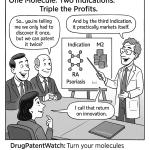
On the innovation front, Brazilian firms are no longer just focused on the domestic market. They are actively filing for patent protection for their novel products in key international jurisdictions, including the United States, Europe, and China, reflecting their global ambitions.55 They are also leveraging nuances in Brazilian patent law, which allows for “second medical use” patents (in the “Swiss-type” claim format). This creates opportunities to patent new uses for existing compounds, providing a pathway for valuable incremental innovation.56
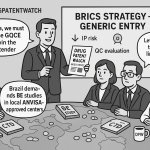
Simultaneously, for their generic businesses, these companies have become masters of patent intelligence. They utilize specialized business intelligence platforms like DrugPatentWatch to meticulously track patent expiry dates, monitor ongoing patent litigation, and identify vulnerabilities in innovator patents.57 This intelligence is crucial for planning market entry strategies. A key feature of the Brazilian system gives them a strategic advantage in this area: the deliberate “de-linking” of patent status from the regulatory approval process at ANVISA.57 Unlike in markets with strong patent linkage systems (like Mexico), where the health authority is legally barred from approving a generic if a patent is in force, ANVISA can review and approve a generic application regardless of patent status. This allows Brazilian companies to prepare their generic products for launch well in advance, enabling them to enter the market the very day a patent expires or is successfully challenged in court, thereby maximizing their first-mover advantage. This sophisticated, two-pronged IP strategy is a critical enabler of both their innovative aspirations and their continued dominance in the generics sector.
Section 5: Strategic Outlook: Challenges, Opportunities, and Recommendations
As Brazil’s pharmaceutical giants step onto a larger stage, their future trajectory will be defined by their ability to navigate persistent domestic challenges while capitalizing on new avenues for growth. The strategic pivot from imitation to innovation is well underway, but its success is not guaranteed. It requires overcoming systemic hurdles, deepening their hold on evolving domestic demand, and executing a nuanced international strategy. The coming years will be a critical test of their adaptability, resilience, and ambition.
5.1 Headwinds on the Horizon: Navigating Economic and Infrastructural Hurdles
Despite their impressive growth, Brazilian pharmaceutical companies continue to operate in an environment laden with systemic challenges, collectively known as the “Custo Brasil” (Brazil Cost). These factors act as an operational drag, capping efficiency and profitability, and present significant headwinds to their global competitiveness.
A primary challenge is the country’s infrastructure deficit. Inadequate and costly transportation and logistics channels create complexities in supplying a nation of continental proportions, while underdeveloped telecommunications and energy sectors add to operational costs.50 The Brazilian tax regime is another major burden, widely considered to be one of the world’s most complex and costly to comply with, diverting resources that could otherwise be invested in R&D and expansion.50
Furthermore, persistent macroeconomic volatility, including inflation and currency fluctuations, introduces a high degree of uncertainty into financial planning and international operations.41 On the healthcare front, while the industry is moving towards advanced therapies, the country faces daunting technical, regulatory, and economic hurdles to implementing next-generation treatments like gene therapy on a broad scale.58 These deep-seated structural issues mean that while the giants have achieved impressive scale, their ability to compete on a global cost basis remains constrained.
5.2 Pathways to Future Growth: Domestic Deepening and Global Niches
Despite the headwinds, the pathways to future growth are clear and compelling, involving a dual strategy of deepening their position in the domestic market while intelligently expanding into global niches.
Domestically, the demographic and epidemiological trends provide a powerful tailwind. Brazil’s aging population and the increasing prevalence of chronic diseases create a sustained and growing demand for pharmaceuticals, particularly for long-term treatments in cardiology, oncology, and metabolic disorders.1 There remains significant potential to increase patient adherence to these chronic therapies, representing a major growth opportunity.23 In the consumer space, the ongoing shift towards self-medication, coupled with the rise of digital health platforms and e-commerce, is creating new channels and business models for OTC and wellness products.41 Government support also continues through initiatives like the Productive Development Partnership (PDP) program, which encourages local production and technology transfer through strategic alliances between public and private laboratories.34
Internationally, the strategy should not be a head-to-head confrontation with global Big Pharma across all fronts. Instead, growth will likely come from targeting specific, well-defined niches where Brazilian firms have a competitive advantage. This includes:
Consolidating Regional Dominance: Continuing to use M&A and partnerships to solidify their leadership position across Latin America, creating a unified regional platform.
Targeting Complex Generics and Biosimilars: Leveraging their upgraded manufacturing capabilities to compete in the high-value complex generics and biosimilars space in developed markets like the U.S. and Europe.
Becoming the Partner-of-Choice: Marketing their deep expertise in navigating the Brazilian regulatory and market landscape to become the indispensable local partner for international firms seeking to enter Latin America’s largest market.
5.3 Actionable Intelligence: Strategic Imperatives for Industry Stakeholders
The evolving landscape of the Brazilian pharmaceutical industry presents distinct strategic imperatives for its key participants.
For the Brazilian Giants:
Accelerate the Innovation Pivot: The move from generics to innovation is paramount. This requires sustained, high-level investment in R&D. However, risk must be managed through a balanced portfolio of innovation strategies, including in-house discovery (like EMS), collaborative joint ventures (like Aché), and strategic in-licensing (like Eurofarma).
Weaponize Regulatory Mastery: Continue to leverage deep expertise in navigating ANVISA and SUS as a core competitive advantage. This capability is not just a shield for the domestic market but a valuable asset to offer in international partnership negotiations.
Systematize International Expansion: Move beyond opportunistic expansion to a more systematic approach for entering developed markets. This involves building dedicated teams, understanding the specific regulatory and market access requirements of the U.S. and EU, and focusing on niche products where they can establish a competitive edge.
For Multinational Corporations (MNCs):
Re-evaluate Brazil as a Strategic Hub: The Brazilian market should be viewed not just as a large end-market for sales, but as a potential hub for high-quality, cost-effective manufacturing, clinical research, and regional partnerships. The success of the Eurofarma-Pfizer vaccine deal provides a powerful blueprint for future collaborations.
Respect Local Competition: Do not underestimate the sophistication, scale, and ambition of the local champions. They are no longer simply generic manufacturers but are formidable competitors with deep market knowledge, strong physician relationships, and growing innovation capabilities. A collaborative rather than purely competitive approach may yield better long-term results.
For Investors:
Look Beyond Top-Line Growth: Analysis must go deeper than revenue growth and market share. The key determinant of long-term value creation will be the quality and progress of each company’s innovation pipeline and the viability of its internationalization strategy. The ability to successfully execute the transition from a generics-based model to a biologics- and specialty-driven one will separate future winners from losers.
Monitor Market-Altering Events: The competitive landscape could be radically transformed by major M&A. The proposed merger between EMS and Hypera, if it proceeds, would create a domestic entity of unprecedented scale, forcing a complete re-assessment of the market’s competitive dynamics and investment theses for all other players.3 Close monitoring of such strategic moves is essential.
The Brazilian National Policy on Pharmaceuticals – Journal of Public and International Affairs, accessed August 7, 2025, https://jpia.princeton.edu/document/409
The Judicialization of Health and the Quest for State Accountability: Evidence from 1,262 Lawsuits for Access to Medicines in Southern Brazil – PMC – PubMed Central, accessed August 7, 2025, https://pmc.ncbi.nlm.nih.gov/articles/PMC5070692/
Right-to-Medicines Litigation and Universal Health Coverage: Institutional Determinants of the Judicialization of Health in Brazil – PMC – PubMed Central, accessed August 7, 2025, https://pmc.ncbi.nlm.nih.gov/articles/PMC7348422/