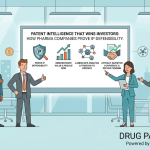
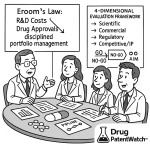
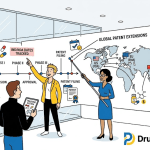
Patent expiration is the most predictable crisis in pharmaceuticals. The dates are public, the revenue cliffs are calculable, and yet companies still lose billions annually because they fail to act on the tools available to them. Patent term extensions (PTEs) and secondary patents are not obscure legal maneuvers reserved for corporate attorneys with time to burn. They are the core mechanics of pharmaceutical asset management, and executives who understand them at a technical level make materially better decisions than those who delegate the subject entirely to their IP departments.
This guide is for those executives. It covers the legal architecture of PTEs, the construction and defense of secondary patent portfolios, the strategic sequencing of these tools across a product lifecycle, and the competitive intelligence methods that let you see what your rivals are doing before their moves hit the market. Where appropriate, it draws on patent databases including DrugPatentWatch, which aggregates FDA Orange Book listings, patent expiration timelines, and exclusivity data into a format usable by non-attorneys who need actionable insight fast.
The revenue at stake is not hypothetical. A blockbuster drug generating $3 billion annually loses roughly $2.4 billion of that revenue within the first year of generic entry, based on historical pricing erosion patterns tracked across major patent cliffs. Multiply that across a portfolio of ten compounds and you have a strategic problem that requires a strategic answer, not a legal one.
Part One: The Architecture of Time
What Patent Term Extension Actually Does
A pharmaceutical patent in the United States is granted for 20 years from the filing date. That sounds generous until you account for the development timeline. A compound typically enters clinical trials five to eight years after the original patent is filed, and FDA approval adds another two to three years on top of that. By the time a drug reaches pharmacy shelves, the original patent may have only eight to twelve years of remaining life. In Europe and Japan, the numbers are comparable.
Patent term extension exists to compensate for that regulatory delay. In the United States, the mechanism is the Hatch-Waxman Act, enacted in 1984. In the European Union, the equivalent instrument is the Supplementary Protection Certificate (SPC), governed by Council Regulation (EEC) No. 1768/92 and its successor, Regulation (EC) No. 469/2009. Japan operates under Article 67-2 of the Patent Act. Each system has its own calculation rules, caps, and eligibility requirements, but the underlying rationale is the same: restore some of the patent term consumed by the regulatory approval process.
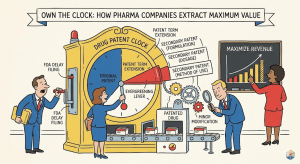
In the United States, the PTE calculation works as follows. You take half the time spent in clinical trials plus the full time spent under FDA review, subtract any period attributable to applicant delays, and cap the result at five years. The total remaining patent life after extension cannot exceed fourteen years from the date of marketing approval. In practice, most U.S. PTEs add between two and four years of exclusivity.
The European SPC system works on a different formula. An SPC is granted for a period equal to the time elapsed between the filing date of the basic patent and the date of the first marketing authorization in the EU, minus five years. The maximum duration is five years, with a possible six-month pediatric extension if the product has completed studies under the Pediatric Regulation. An SPC that reaches its maximum duration combined with the pediatric extension can therefore add five and a half years beyond the patent expiration date.
Japan’s system applies a five-year maximum extension based on the time required for regulatory review, calculated from the date the clinical trial application was submitted.
These are the statutory frameworks. They sound mechanical, and in many respects they are. But the decisions that determine whether a company extracts full value from these mechanisms are made years before the application is filed.
The Filing Clock and Why Companies Lose Time They Don’t Have to Lose
The U.S. PTE application must be filed within 60 days of FDA approval. Miss that window and you forfeit the extension entirely, with no mechanism for reinstatement. The European SPC application must be filed within six months of the first marketing authorization granted in the EU. Japan’s application deadline is three months from approval.
These are hard deadlines, not soft targets, and companies miss them more often than the industry publicly acknowledges. The reason is organizational, not legal. The team responsible for regulatory approval and the team responsible for patent prosecution often operate in separate silos, with different management chains and different calendars. When approval arrives faster than expected, which does happen, the IP team may not be positioned to file within the required window.
The structural fix is a dedicated cross-functional process that places PTE readiness on the same critical path as the NDA or BLA submission itself. At minimum, the patent team should have pre-drafted PTE applications ready for each potentially eligible patent before the approval date is known. At best practice, a standing protocol triggers the IP team automatically when approval is granted, with 72-hour turnaround targets for final review and submission.
Companies that implement this protocol consistently capture extensions that their competitors, who treat PTE as an administrative afterthought, routinely forfeit.
Selecting the Right Patent for Extension
A company with multiple patents covering a single drug product must choose which one to extend. In the United States, only one patent per product per regulatory approval can be extended. The selection decision is more consequential than it appears.
The instinctive choice is the patent with the latest expiration date, on the theory that extending the latest-expiring patent pushes the effective exclusivity period as far into the future as possible. This logic is often correct but not always. A patent with a later nominal expiration date may cover a formulation or method that is easily designed around by generic manufacturers, whereas an earlier-expiring patent may cover the compound itself in a way that is harder to circumvent.
The correct analysis requires integrating three inputs. First, what does each candidate patent actually claim? A composition-of-matter patent covering the active molecule provides broader protection than a process patent or a formulation patent, because generic manufacturers cannot avoid the claims simply by using a different synthesis route or dosage form. Second, what is the expected generic entry strategy? If you have access to Paragraph IV certification data, which DrugPatentWatch compiles and organizes by drug product, you can see which patents the generic manufacturers themselves identify as their primary obstacles. That reveals which patents they believe are most blocking and, by extension, which extensions would be most threatening to their timelines. Third, what is the regulatory exclusivity situation? If the product already has a five-year new chemical entity exclusivity period running, a PTE on the compound patent may provide less marginal value than an extension on a later-expiring formulation patent that kicks in after the NCE exclusivity expires.
This analysis is not performed once at approval. It should be modeled continuously throughout late-stage development, updated whenever the patent prosecution status changes, and finalized with a formal decision memo at least 90 days before the anticipated approval date.
Restoration of Term vs. Creation of New Rights
A conceptual point that shapes how courts and regulators evaluate PTEs: extension restores term that was consumed during regulatory review. It does not expand the claims of the patent. The extended patent covers exactly what it covered before. This matters in litigation because a generic challenger attacking an extended patent must still prove invalidity or non-infringement based on the patent’s original claims, not some theory that the extension itself was improper.
The flip side is that the extension does not make a weak patent strong. If the underlying claims are narrow, obvious, or anticipated by prior art, extension merely preserves a weak position for longer. This is the risk that makes patent selection for extension so important and so undervalued.
Part Two: Secondary Patents as Strategic Infrastructure
The Layered Portfolio Model
The original compound patent is, in the language of pharmaceutical IP strategy, the primary patent. Everything else is secondary. Secondary patents cover formulations, delivery systems, manufacturing processes, methods of treatment, metabolites, polymorphs, combinations, and dosing regimens. Individually, each secondary patent covers a specific technical improvement or characteristic of the drug product. Collectively, they form what the industry calls a patent thicket or, in more neutral language, a layered portfolio.
The layered portfolio model did not originate with pharmaceutical companies. The concept is borrowed from the technology sector, where companies like Bell Labs and IBM systematically patented incremental improvements to create portfolios that competitors could not enter without licensing. The pharmaceutical industry adapted this approach to the specific structure of drug development, where the regulatory pathway creates a predictable sequence of technical problems (formulation, stability, bioavailability, patient compliance) each of which generates patentable solutions.
A well-constructed layered portfolio for a major pharmaceutical product typically contains between 20 and 100 patents, spread across multiple families and multiple jurisdictions. The Orange Book listings for top-selling branded drugs regularly show 10 to 15 patents per product, and that number represents only the patents that the manufacturer has chosen to list as relevant to the approved product. The full portfolio is typically larger.
The strategic purpose of this portfolio is to create what economists call a “moat” around the commercial product. Each patent in the portfolio represents a potential basis for litigation against a generic manufacturer, a potential source of royalty income in licensing negotiations, and a potential fallback position if the primary patent is invalidated.
Formulation Patents: The First Ring of Defense
Formulation patents cover the physical and chemical composition of the finished drug product rather than the active ingredient itself. They include patents on extended-release systems, specific particle sizes, polymer coatings, salt forms, co-crystals, and excipient combinations that affect bioavailability or stability.
The commercial case for formulation patents is strong. An extended-release formulation that allows once-daily dosing instead of three-times-daily dosing is a genuine clinical improvement, not a trivial variation. It reduces pill burden, improves compliance, and frequently produces better therapeutic outcomes. A patent on that formulation is not merely a legal tool; it protects a real innovation.
The harder question is where to draw the line between genuine formulation innovation and what critics call “evergreening,” the practice of filing patents on incremental changes to extend exclusivity without meaningful therapeutic benefit. Courts and regulators in multiple jurisdictions have attempted to draw this line. India’s Section 3(d), famously used to reject Novartis’s patent application for imatinib’s beta crystalline form, explicitly requires that formulation patents demonstrate enhanced efficacy relative to the known substance. The European Patent Office applies an inventive step requirement that, in pharmaceutical cases, demands more than routine optimization.
U.S. courts have taken a more permissive approach, but Paragraph IV litigation has increasingly put formulation patents under scrutiny. Federal Circuit decisions in cases involving pharmaceutical formulation patents have required genuine unexpected results or technical advantages beyond what a skilled formulator would predict from the prior art.
The practical implication: formulation patents that will hold up in litigation are those that document specific, measurable technical advantages at the time of filing. That documentation requires the R&D team, the formulation scientists, and the patent attorneys to work together, not sequentially, but concurrently during the development process. Companies that run these workstreams in parallel consistently produce stronger formulation patent portfolios than those that treat patent drafting as a post-development exercise.
Method-of-Treatment Patents: Expanding the Claim Surface
Method-of-treatment patents cover the use of a compound to treat a specific condition, typically in a specific patient population or at a specific dose or according to a specific protocol. They are some of the most commercially valuable secondary patents in pharmaceutical portfolios because they are difficult for generic manufacturers to avoid.
A generic manufacturer can potentially design around a formulation patent by using a different delivery system. Avoiding a method-of-treatment patent is harder, because the patent covers what physicians and patients do with the drug, not just the drug itself. A generic product sold for a patented indication is an infringing use, even if the generic product itself is identical to the branded product. This is the theory underlying skinny labeling, the practice by which generic manufacturers attempt to launch without the patented indication on their label, relying only on unpatented uses.
Skinny labeling has become a major area of litigation. The Federal Circuit’s 2021 decision in GlaxoSmithKline LLC v. Teva Pharmaceuticals USA, Inc., which involved carvedilol, illustrates the risk for generic manufacturers. The court held that Teva’s “skinny label” that omitted the patented heart failure indication still induced infringement because Teva’s marketing effectively promoted the drug for the patented use. The decision significantly strengthened the position of brand manufacturers holding method-of-treatment patents.
For asset managers building secondary patent portfolios, the implication is clear. Method-of-treatment patents on significant clinical indications are worth pursuing aggressively, even when the underlying compound is old, because they create substantive barriers to full generic competition even after the compound patent expires.
Polymorph and Salt Form Patents
A crystalline compound can exist in multiple polymorphic forms, each with different physical properties including solubility, stability, and bioavailability. When a new polymorph is discovered during development or during the commercial life of a product, it may be patentable.
Polymorph patents are among the most litigated secondary patents in pharmaceuticals. Generic manufacturers frequently challenge them on obviousness grounds, arguing that routine screening of polymorphic forms is a standard practice in pharmaceutical development and that discovering a new polymorph through that screening is not inventive. Brand manufacturers counter that the specific polymorph provides unexpected advantages, such as superior stability or bioavailability, that justify patent protection.
The outcome of these disputes depends heavily on the evidence base built during development. Polymorph patents that are supported by comparative data showing specific, unexpected advantages survive challenge more often than those filed without detailed characterization data.
Salt form patents present similar issues. A free acid or free base compound may be formulated as any of several pharmaceutically acceptable salts. If a particular salt form provides meaningful advantages and those advantages were not predictable from the prior art, a patent on that salt form may be valid. The key word is “predictable.” If the prior art teaches that a particular salt is pharmaceutically acceptable and the specification does not demonstrate unexpected results, the obviousness challenge is strong.
Process Patents and Their Dual Function
Process patents cover methods of manufacturing the active pharmaceutical ingredient or the finished drug product. They serve two functions in a pharmaceutical portfolio strategy that are often not separately analyzed.
The first function is defensive. A process patent prevents generic manufacturers from using the specific manufacturing method covered by the patent. This does not prevent generic entry if the generic can use a different process that produces an identical product, and in most cases, a generic manufacturer is motivated to invest in an alternative synthesis precisely to avoid the brand’s process patent. In practice, process patents provide weaker exclusivity protection than composition-of-matter or formulation patents.
The second function is commercial. In the biosimilar context, manufacturing process patents take on far greater importance because the product and the process are intertwined in a way that small-molecule drugs are not. A biologic drug is defined in part by how it is made. Different manufacturing processes produce products with different glycosylation profiles, aggregation tendencies, and immunogenicity characteristics. Process patents in biologics therefore provide much stronger commercial protection than their equivalents in the small-molecule space.
For small-molecule drugs, the strategic value of process patents is primarily in the deterrence they create. A generic manufacturer that faces both product patents and process patents must develop not only an alternative formulation but also an alternative synthetic route, increasing the cost and timeline of the generic development program. This deterrence effect is measurable: internal analyses at major generic companies typically show that each additional patent to be designed around adds 12 to 18 months to the development timeline and $500,000 to $2 million in development costs, depending on the complexity of the circumvention required.
Pediatric Exclusivity as a De Facto Secondary Patent
The Best Pharmaceuticals for Children Act (BPCA) grants an additional six months of market exclusivity to drug manufacturers that conduct FDA-requested pediatric studies, regardless of whether those studies are positive. This exclusivity is separate from patent protection and attaches to all strengths and formulations of the drug product, not just those tested in children.
The economic value of pediatric exclusivity is substantial. For a drug generating $2 billion in annual U.S. revenue, six months of additional exclusivity before generic entry represents approximately $800 million in incremental revenue (assuming generic entry captures 60% of volume within three months of launch, a conservative estimate based on historical patterns). The typical cost of the pediatric studies required to earn this exclusivity is $10 to $50 million. The return on that investment is among the highest in pharmaceutical development.
The strategic timing decision is whether to pursue pediatric exclusivity during the primary patent period or to time the pediatric study request to provide a bridge between primary patent expiration and the maturity of the secondary patent portfolio. This timing cannot always be controlled, since FDA issues Written Requests for pediatric studies at its own discretion. But companies that proactively engage with FDA’s pediatric program and structure their development programs to generate pediatric data efficiently are better positioned to earn this exclusivity in a strategically useful timeframe.
Part Three: Building the Portfolio Before You Need It
The Development-Phase Patent Audit
The single most valuable activity in pharmaceutical IP strategy is the one performed earliest: a systematic patent audit during phase 2 development, before the compound’s commercial potential is confirmed but after enough data exists to identify likely development paths.
This audit should answer four questions. Which patents in the current portfolio cover the compound, its formulations, and its mechanisms of action? What additional inventions are likely to arise during phase 3 development and commercialization? What gaps exist in the current portfolio that competitors could exploit? What is the expected timeline for each patent’s expiration under different development and regulatory scenarios?
The audit requires input from clinical, regulatory, formulation, and manufacturing teams, not just the patent department. The clinical team knows what patient populations will be studied and what secondary endpoints might reveal new uses. The regulatory team knows what additional studies FDA is likely to require and what label language is expected. The formulation team knows what delivery system improvements are under development. The manufacturing team knows what process changes are being planned and whether those changes involve patentable innovations.
Companies that conduct this audit systematically and update it annually report materially stronger secondary patent portfolios at the time of primary patent expiration than companies that allow secondary patents to accumulate organically without strategic direction. The difference is not primarily in the quantity of patents filed but in the quality and strategic placement of the patents that are filed.
Sequencing Secondary Patents for Maximum Coverage
Secondary patents should be filed in a sequence that maximizes coverage across time, not just at a single point in the product lifecycle. A common mistake is filing all secondary patents in a cluster around the time of initial approval, which produces a portfolio with a collective expiration date not much later than the primary patent.
The better approach exploits the fact that pharmaceutical development is genuinely iterative. New formulations are developed after approval to address identified clinical limitations. New indications are discovered through post-approval research. Manufacturing processes are optimized to reduce cost or improve quality. Each of these events generates new patentable subject matter, and each new patent, if filed at the time of the invention, creates a new exclusivity runway that extends further into the future than patents filed at approval.
A well-sequenced secondary patent portfolio for a major drug product might include formulation patents filed at approval, method-of-treatment patents for new indications filed as those indications are developed (typically three to seven years after original approval), next-generation delivery system patents filed when those systems are ready (five to ten years after approval), and combination product patents filed when combination therapy data become available. Each layer extends the effective exclusivity window and creates a fresh opportunity for litigation or licensing negotiation.
Freedom-to-Operate Analysis as a Portfolio Tool
Freedom-to-operate (FTO) analysis is typically framed as a defensive tool: before launching a product, confirm that you are not infringing any existing patent. This framing understates its strategic value.
An FTO analysis performed on your own portfolio relative to a competitor’s products reveals where your patents create leverage and where they have gaps. An FTO analysis performed on a competitor’s product reveals which of your patents might be asserted against generic manufacturers who design around the competitor’s product using technologies your patents cover.
This cross-portfolio FTO analysis requires access to comprehensive patent databases. DrugPatentWatch provides Orange Book-linked patent data that makes it possible to map which patents are asserted against which generic challengers, which Paragraph IV certifications have been filed and by whom, and what the expected outcome of pending patent litigation is, based on the history of similar disputes. That information, integrated with an FTO analysis, allows a brand manufacturer to identify gaps in its portfolio before generic manufacturers identify them independently.
The practical output of this analysis is a list of target inventions: technical areas where a new patent, filed now, would create a blocking position against the most likely generic entry strategies for a product. These target inventions then become the priority items for the R&D team’s patent-generating agenda.
The Role of Continuation and Divisional Applications
The U.S. patent system allows applicants to file continuation applications, claiming the benefit of an earlier filing date while covering different aspects of the same invention. Continuation practice is a legitimate and widely used tool for extending the reach of a patent portfolio.
A continuation application filed years after the parent application can claim embodiments that were disclosed but not claimed in the parent. This is particularly valuable in pharmaceuticals, where the full scope of a compound’s uses may not be understood at the time of the original application. A continuation filed after clinical data establishes a new indication for the compound can claim the method of treating that indication with the priority date of the original disclosure.
The strategic management of continuation chains requires active oversight. A continuation application must be filed while the parent application is still pending, and continuation chains can span ten years or more. Tracking these filing windows requires systematic docketing, and the failure to file a continuation before a parent issues or is abandoned is irreversible.
Divisional applications serve a related but distinct function. When the patent office requires an applicant to restrict claims to a single invention, the restricted claims must be refiled in a divisional application or abandoned. Active prosecution management ensures that divisional applications are consistently filed rather than allowed to lapse, preserving all the claim scope supported by the original disclosure.
Part Four: The Litigation Landscape
Hatch-Waxman Paragraph IV Certifications
The Hatch-Waxman Act created an unusual structure for patent litigation in the pharmaceutical sector. When a generic manufacturer files an Abbreviated New Drug Application (ANDA) and certifies that a listed patent is invalid or will not be infringed (a Paragraph IV certification), the certification itself constitutes an act of patent infringement for purposes of federal law. This allows the brand manufacturer to sue the generic before any generic product enters the market.
If the brand manufacturer files suit within 45 days of receiving notice of the Paragraph IV certification, the FDA is automatically stayed from approving the ANDA for 30 months, or until a court decides the patent case, whichever comes first. This 30-month stay is enormously valuable. It gives the brand manufacturer time to litigate the patent while preventing generic entry during that period.
The first generic manufacturer to file a Paragraph IV certification and succeed in challenging the patent earns a 180-day exclusivity period during which no other generic can enter the market. This first-filer exclusivity is a powerful economic incentive that drives generic manufacturers to challenge patents early and aggressively.
For brand manufacturers, the Hatch-Waxman framework creates a clear strategic priority: ensure that every commercially significant patent is listed in the Orange Book and that the listing is current and accurate. A patent that is not listed in the Orange Book cannot trigger the 30-month stay, regardless of how strong the patent is. Many companies have lost 30-month stay protection because they failed to list a patent promptly upon issuance or failed to update a listing when a new patent covering the product was granted.
DrugPatentWatch tracks Orange Book listings in real time and provides alerts when new patents are listed or when Paragraph IV certifications are filed against listed patents. For brand manufacturers, this monitoring function allows rapid response to generic challenges. For generic manufacturers, it provides a competitive landscape view of which products are being challenged and by whom.
Inter Partes Review and the Patent Trial and Appeal Board
The America Invents Act of 2011 created a new venue for patent challenges: the Patent Trial and Appeal Board (PTAB) and the inter partes review (IPR) proceeding. IPR allows any party to petition the PTAB to review the validity of a granted patent on grounds of prior art. The proceeding is faster and cheaper than district court litigation and has a historically higher invalidation rate.
For pharmaceutical patents, IPR has become an important tool for generic manufacturers seeking to invalidate secondary patents without the full cost of district court litigation. The IPR timeline runs approximately 12 to 18 months from institution to final written decision, compared to three to five years for a typical district court case. The legal standard for institution is whether there is a “reasonable likelihood” that the petitioner would prevail on at least one challenged claim, which is a relatively low bar.
Brand manufacturers have pushed back on IPR through several strategies. Licensing agreements that include covenants not to challenge patents can preclude some IPR petitions. Patent prosecution strategies that create clear prosecution history documents addressing potential invalidity arguments can make IPR petitions harder to sustain. Settlement agreements in district court litigation that involve licenses to challenged patents can moot pending IPRs under certain conditions.
The statistics on IPR outcomes are sobering for patent owners. Approximately 60 to 70% of challenged claims are canceled or amended in IPRs that reach a final written decision, according to PTAB statistics from the first decade of the program. That invalidation rate reflects both the quality of the IPR mechanism and, in some cases, the quality of the patents being challenged.
The Federal Circuit’s Evolving Obviousness Standard
The obviousness standard under 35 U.S.C. 103 is the primary battlefield for secondary pharmaceutical patents in litigation. A patent is obvious, and therefore invalid, if the differences between the claimed invention and the prior art would have been apparent to a person having ordinary skill in the art at the time of the invention, who had a reasonable expectation of success in achieving the claimed result.
In the pharmaceutical context, this standard has been applied to produce some results that brand manufacturers find unfavorable. The Federal Circuit has repeatedly held that when the prior art teaches a lead compound with known biological activity, and the modification required to reach the claimed compound would have been obvious to a skilled medicinal chemist, the resulting compound is not patentable. This is the “lead compound” analysis.
For secondary patents specifically, obviousness challenges have focused on whether the specific modification covered by the patent, whether a new formulation, a new polymorph, or a new salt, represents a genuine departure from what the prior art taught or merely the application of routine skill.
The pharmaceutical industry’s response to this evolving standard has been to invest more heavily in secondary patent prosecution. Specifically, companies that build strong records of unexpected results, supported by quantitative comparative data, consistently produce secondary patents that survive Federal Circuit scrutiny. Companies that file secondary patents based on incremental improvements without comparative data do not.
This is not a legal conclusion. It is an operational one. The data generated to support a secondary patent claim needs to be generated in the laboratory, during the development process, by scientists who understand what they are generating it for. That understanding requires the patent attorneys and the scientists to communicate continuously, not just when a filing deadline arrives.
Brand-on-Brand Patent Disputes
Most discussion of pharmaceutical patent litigation focuses on brand versus generic. But brand-on-brand patent disputes, where two innovative companies fight over who has the right to market a drug in a particular form or for a particular indication, are becoming more frequent as the biosimilar market matures and as companies compete in closely related therapeutic areas.
These disputes are resolved through the same legal framework as brand-generic disputes, but the commercial dynamics are different. In a brand-versus-generic dispute, the brand manufacturer always prefers to delay generic entry. In a brand-on-brand dispute, both parties may have legitimate interests in using the disputed technology, and licensing or cross-licensing agreements are common outcomes.
The portfolio construction implications are significant. A company that holds broad secondary patents across a therapeutic area has leverage in negotiations with competitors who are developing products in that same space, not just against generic manufacturers. This leverage is most valuable when the patents cover platform technologies, delivery systems, or biomarkers that have wide applicability rather than being specific to a single compound.
Part Five: The Competitive Intelligence Dimension
Reading the Patent Landscape Before Your Competitors Do
The public record of pharmaceutical patents is one of the most information-rich data sets in business. Every patent application published by the USPTO or EPO reveals what a company is working on, what technical problems it is trying to solve, and where it believes its commercial opportunities lie. Companies that systematically read this record gain competitive intelligence that shapes development and licensing decisions.
The challenge is volume. Tens of thousands of pharmaceutical patent applications are published every quarter across the major patent offices. No human team can read them all. The solution is structured monitoring, using tools that filter and alert on specific compounds, therapeutic areas, companies, and claim types.
DrugPatentWatch’s patent tracking functionality monitors Orange Book listings and Paragraph IV certification filings, giving subscribers early warning of generic challenges to specific drugs. This is not the full scope of competitive patent intelligence, but it is the most actionable subset: the patents that are actively being disputed, the generic companies filing those disputes, and the expected timelines for resolution.
Broader patent landscape analysis requires patent database tools that allow full-text claim searching, citation analysis, and assignee tracking. Several commercial platforms, including Derwent Innovation and Clarivate’s CompuMark, provide this functionality. The output of a structured patent landscape analysis is a map showing where the current IP positions are concentrated, where gaps exist, and where patent positions are weak enough to challenge.
For business development teams, this map is critical input for licensing decisions. A therapeutic area where three competitors each hold broad primary patents but no meaningful secondary patent portfolios is an area where a company with strong secondary patents has structural leverage. A therapeutic area where a single competitor holds both primary and secondary patents across multiple mechanisms represents a higher barrier to entry.
Monitoring Generic Entry Timelines
Patent expiration dates are public information, but the effective date of generic competition is not simply the date on which the last listed patent expires. Several factors can accelerate or delay that date.
The factors that accelerate generic entry include successful IPR petitions that invalidate patents before their nominal expiration date, authorized generic agreements that result in generic product launch even while Paragraph IV litigation is pending, and negotiated settlements in Hatch-Waxman cases that include agreed entry dates earlier than the patent expiration date.
The factors that delay generic entry include 30-month stays triggered by Paragraph IV litigation, multiple sequential Paragraph IV certifications that each trigger new litigation and new stays, pediatric exclusivity that extends exclusivity by six months beyond all patents, and FDA manufacturing or approval delays on the generic side.
DrugPatentWatch integrates these factors into its generic entry timeline estimates, which are more useful to business planners than raw patent expiration dates because they reflect the actual competitive situation rather than the theoretical legal one. For a company managing a portfolio of ten branded products, the difference between patent expiration and expected generic entry date can represent hundreds of millions of dollars in revenue planning variance.
Tracking Competitor Licensing Activity
Patent licenses are private agreements and are not publicly disclosed in most cases. But indirect evidence of licensing activity is available in the public record and is worth tracking systematically.
Orange Book listings sometimes reveal that a company has licensed in technology from another patent holder. When a patent held by Company A is listed in the Orange Book for a product approved for Company B, and there is no corporate relationship between the two companies, a license or assignment is the most likely explanation. This can reveal ongoing licensing relationships between companies that are not otherwise apparent.
SEC filings of public companies often include material disclosures related to patent licenses, particularly when those licenses involve significant royalty obligations or milestone payments. Patent assignment records at the USPTO are public and show when patent ownership changes hands, which can reveal acquisitions of IP before they are otherwise announced.
Collectively, these public data sources allow a sophisticated competitive intelligence team to construct a reasonably accurate picture of the licensing landscape in a given therapeutic area, including which companies are net licensors (holding patents that others need) and which are net licensees (paying royalties to operate in the space). This picture directly informs decisions about which patents to pursue, which companies to approach for licensing discussions, and which acquisition targets hold undervalued IP.
Part Six: The Biosimilar Context
Why Biosimilars Change the Rules
The market dynamics of biosimilar entry are fundamentally different from small-molecule generics, and the patent strategies required to address them are correspondingly different. Understanding those differences is not optional for executives managing portfolios that include biologics.
The core difference is regulatory. A generic small-molecule drug is approved as bioequivalent to the reference product based on pharmacokinetic studies in healthy volunteers. A biosimilar is approved as highly similar to the reference biologic based on a much more extensive analytical, nonclinical, and clinical data package, including comparative studies demonstrating no clinically meaningful differences in safety, purity, and potency. This higher regulatory bar means that biosimilar development is more expensive, more time-consuming, and less certain than generic development.
The patent system reflects this complexity. The Biologics Price Competition and Innovation Act (BPCIA), enacted as part of the Affordable Care Act in 2010, established a parallel structure to Hatch-Waxman for biologics. It includes a 12-year data exclusivity period for reference products (compared to Hatch-Waxman’s five years for new chemical entities) and a complex patent resolution process known as the “patent dance.”
The patent dance requires biosimilar applicants and reference product sponsors to exchange information about the biosimilar product and the patents potentially covering it, negotiate a list of patents to be litigated immediately, and defer litigation on additional patents until the biosimilar is approved. The process is intended to streamline patent disputes, but its complexity has generated extensive litigation about what obligations it imposes and what happens when parties do not comply with its procedures.
Building a Biologic Patent Portfolio
Biologic patent portfolios differ from small-molecule portfolios in their composition and their relative strengths. Several categories of patents matter more in the biologic context than in the small-molecule context.
Manufacturing process patents are the most important category. Because a biologic’s structure and function are determined by how it is made, patents covering specific cell lines, fermentation conditions, purification steps, and glycosylation profiles can provide substantial protection. A biosimilar manufacturer who uses a different process may produce a product that is analytically different from the reference product, creating both patent exposure (if the reference product’s process is patented) and regulatory risk (if the analytical differences affect clinical performance).
Formulation patents covering specific stabilization systems, pH ranges, or excipient combinations can prevent biosimilar manufacturers from using identical formulations even when the active protein sequence is the same. Given that formulation can significantly affect immunogenicity and shelf life, these patents cover real clinical value.
Device patents covering the delivery systems, auto-injectors, and pre-filled syringes used with biologic products have become increasingly important. When a biologic is administered through a device that patients and physicians are trained to use, the device creates switching inertia that reinforces the brand’s market position. A device patent protects that position directly.
12-Year Data Exclusivity and Its Interactions with Patents
The 12-year data exclusivity period for biologics under the BPCIA runs from the date of approval of the reference product, regardless of when the underlying patents expire. This exclusivity prevents FDA from approving a biosimilar application that relies on the reference product’s data until the 12-year period has run, even if all the relevant patents have expired.
This creates a planning asymmetry. For a biologic approved in year one with composition-of-matter patents expiring in year twelve, the patent expiration and the data exclusivity expiration coincide, and secondary patents are the primary tool for extending exclusivity beyond year twelve. For a biologic approved in year one with patents expiring in year fifteen, the 12-year data exclusivity actually provides less protection than the patents themselves.
The most strategically interesting situation is where the 12-year data exclusivity provides a runway for building a secondary patent portfolio. During the first 12 years after a biologic’s approval, biosimilar manufacturers cannot file applications that rely on the reference product’s data. This means the brand manufacturer knows that biosimilar entry is at least 12 years away, giving the patent team 12 years to build a secondary portfolio that will continue to create barriers after the data exclusivity expires.
Companies that use this window aggressively, filing manufacturing process patents, device patents, and formulation patents throughout the product’s commercial life, emerge with meaningful IP coverage for three to five years beyond the data exclusivity window. Companies that treat the 12-year exclusivity as sufficient protection on its own typically face rapid biosimilar entry when that exclusivity expires.
Part Seven: Jurisdictional Strategy
Why Patent Expiration Dates Differ by Country
A drug product may have different effective exclusivity periods in different countries, for reasons that go beyond the nominal patent term. Different filing dates in different countries, different patent term extension rules, different SPC regulations, and different data exclusivity periods all contribute to national variation in the effective exclusivity window.
For a global pharmaceutical company, this means that revenue from a single product will face competitive erosion at different times in different markets. U.S. generic entry may occur in 2026, European generic entry in 2028, and Japanese generic entry in 2027. Managing cash flows, pricing strategies, and resource allocation across these different competitive timelines requires maintaining country-specific patent and exclusivity schedules rather than relying on a single global timeline.
The European SPC system adds a layer of complexity because SPC calculations are based on the date of the first marketing authorization in the EU, which may predate marketing authorizations in individual member states. A company that obtained EU-wide approval in 2015 and national authorizations in specific member states in 2016 will have SPC protection expiring on different dates depending on which country the calculation applies to.
Strategic Filing Decisions in Major Markets
Patent prosecution is not free, and filing and maintaining patents in every jurisdiction where a drug is sold is expensive. The strategic question is which markets justify the cost of comprehensive secondary patent coverage and which do not.
The calculus is straightforward in principle: the value of secondary patent protection in a given market equals the revenue in that market that would be lost to generic competition during the period covered by the secondary patents. A market that generates $50 million in annual revenue with generic entry expected five years after primary patent expiration would lose approximately $200 million in revenue without secondary patent protection (assuming 80% erosion over the five-year period). If comprehensive secondary patent prosecution and litigation in that market costs $10 million, the investment return is substantial.
In practice, the calculation is complicated by the uncertainty of secondary patent validity and the uncertainty of whether patent protection will actually prevent generic entry in markets with weaker patent enforcement infrastructure. In markets where compulsory licensing is common or where patent law provides limited protection for secondary pharmaceutical patents, the investment in secondary patent prosecution may not generate commensurate returns.
India’s Section 3(d), discussed earlier, is the most prominent example of a statutory limitation on secondary pharmaceutical patents. Brazil, China, Argentina, and several other emerging market countries have adopted policies that effectively limit the scope of secondary pharmaceutical patents, either through statutory requirements for enhanced efficacy or through regulatory linkage systems that do not provide the same protection as Hatch-Waxman.
For a company with a global portfolio, this means that secondary patent strategy must be jurisdictionally differentiated. The same portfolio that generates years of extended exclusivity in the United States and Europe may provide limited protection in markets with restrictive secondary patent policies.
The European SPC Reform Debate
The European SPC system is under pressure to change, with proposals circulating since 2018 to introduce an “SPC manufacturing waiver” that would allow European manufacturers to produce biosimilars or generics during the SPC period solely for export to markets where the SPC does not apply. The policy rationale is to preserve European manufacturing competitiveness: without the waiver, European manufacturers cannot begin production during the SPC period and are therefore at a disadvantage relative to manufacturers in countries without equivalent IP protection.
A modified form of the manufacturing waiver entered into force in 2019, applying initially to medicinal products. The policy continues to evolve, with ongoing debate about the appropriate scope of the waiver and its effect on the incentive value of the SPC system.
For pharmaceutical companies with European manufacturing operations and SPC-protected products, this reform represents a material change in the competitive environment. Products with SPCs that would otherwise have provided clean exclusivity windows in Europe are now subject to manufacturing activity by potential competitors during the SPC period, even if those competitors cannot sell in the EU markets during that period. The inventory implications of this waiver are nontrivial: a competitor that manufacturers for export during the SPC period is positioned to enter the EU market the moment the SPC expires, without the lead time previously required to build manufacturing capacity.
Part Eight: Licensing and Deals
Out-Licensing Secondary Patents to Create Revenue Streams
Secondary patents that cover technologies with broad applicability across multiple products can be licensed to generate royalty income independent of the primary product’s commercial performance. This is particularly relevant for formulation patents that cover delivery systems used across a therapeutic class, for device patents that cover auto-injector technologies used with multiple biologics, and for manufacturing process patents that cover techniques applicable to multiple compounds.
The out-licensing of secondary patents requires resolving a tension that is common in pharmaceutical IP strategy. The secondary patents were built to protect the primary product, and licensing them to third parties, including potential competitors, may undermine that protection. A license that allows a competitor to use your patented extended-release technology in their competing product does not serve the portfolio’s defensive function, even if it generates royalty income.
The resolution of this tension depends on the specific technology and the specific competitive situation. Technologies that are now mature and no longer provide meaningful differentiation for the primary product may be appropriate for out-licensing. Technologies that remain competitively critical should not be licensed to direct competitors regardless of the royalty rate offered.
The due diligence question for any out-licensing proposal is: if this technology becomes widely available under license, does that change the generic manufacturers’ ability to design around the relevant patents? If the answer is yes, licensing is not appropriate. If the technology is so well-developed that generic manufacturers will independently develop equivalent approaches regardless of licensing, and if the royalty income is meaningful, licensing may be the better value decision.
In-Licensing to Fill Portfolio Gaps
The reverse of out-licensing is in-licensing: acquiring rights to third-party patents that cover technologies needed to operate in a market or to close gaps in your own portfolio. In-licensing is a common practice in the pharmaceutical industry, where no single company controls all the relevant IP in a therapeutic area.
The decision to in-license versus develop internally requires a build-or-buy analysis. Building equivalent technology internally requires R&D investment, time, and the risk of failure. In-licensing requires upfront payment, ongoing royalties, and the risk of depending on a third-party license that may be renegotiated or terminated.
In-licensing is generally more appropriate when the technology is already well-developed by the licensor, when the time required to develop it internally exceeds the window of commercial opportunity, and when the licensor’s technology is clearly superior to what could be developed internally. When none of these conditions apply, internal development is typically more cost-effective and creates a stronger long-term IP position.
Patent Settlements and Their Restrictions
Settlement of Hatch-Waxman patent litigation almost always involves some form of restriction on the generic manufacturer’s ability to enter the market. The settlement may specify an agreed entry date that is earlier than the patent expiration date, a license for the generic to sell in exchange for a royalty, or some other arrangement.
These settlements have attracted intense regulatory scrutiny. The Supreme Court’s 2013 decision in FTC v. Actavis, Inc. held that “reverse payment” settlements, where the brand manufacturer pays the generic manufacturer to delay entry, can violate antitrust law and must be analyzed under a “rule of reason” standard. The decision did not categorically prohibit reverse payments but established that they are subject to antitrust scrutiny and can result in liability.
Following Actavis, the industry largely shifted from cash reverse payments to non-cash consideration, such as agreements by the brand manufacturer not to launch an authorized generic during the first-filer exclusivity period. The FTC has challenged these non-cash arrangements as well, arguing that they have the same anticompetitive effect as cash payments.
For companies negotiating Hatch-Waxman settlements, the practical constraint is that the settlement terms must be structured to avoid the appearance that value is being transferred from the brand to the generic in exchange for delayed entry. That constraint limits the settlement options available and has made some disputes harder to settle, resulting in more cases going to trial.
Part Nine: Operational Execution
Building the IP Function That Can Execute This Strategy
The strategic framework described in this article requires an IP function that is integrated into the business rather than operating as a separate service department. The organizational requirements for this integration are specific and often underestimated.
The IP function must have people who can translate between patent law and business strategy. Patent attorneys who cannot communicate with commercial teams in business terms, and commercial executives who dismiss patent strategy as a legal matter, both produce outcomes that fall short of what the pharmaceutical asset’s IP potential warrants.
The IP team must have real-time access to patent databases, litigation tracking tools, and competitive intelligence. Several firms serve this function for pharmaceutical companies, including Clarivate, Derwent, and, for Orange Book-specific data and generic entry analysis, DrugPatentWatch. Access to these tools should be treated as infrastructure, not optional expenditure.
The IP team must have authority to influence development decisions. A formulation patent strategy that requires the development team to generate specific comparative data cannot succeed if the patent attorneys are not consulted until after the formulation data has been generated for other purposes. The IP team needs a seat at the development planning table, with the authority to shape the data generation agenda.
IP Governance for Multi-Product Portfolios
Companies managing portfolios of ten or more commercial products need formal IP governance processes that go beyond ad hoc management. The elements of effective IP governance for a pharmaceutical portfolio include an annual patent lifecycle review for each commercial product, a formal process for prioritizing patent prosecution resources across competing opportunities, a litigation reserve and decision framework that specifies how Paragraph IV challenges will be evaluated and responded to, and a market access integration that ensures commercial teams are working from accurate generic entry timeline estimates.
The annual patent lifecycle review should produce, for each product, a current estimate of the expected generic entry date under different scenarios, a map of which secondary patents are currently providing or expected to provide protection, an assessment of any ongoing or anticipated patent challenges, and a recommendation for any additional patent prosecution, licensing, or other IP activities.
This review is distinct from the routine prosecution status update that patent departments typically produce. It is a business document, not a legal document, and its purpose is to inform commercial planning rather than to manage prosecution dockets.
KPIs for Patent Portfolio Management
Measuring the performance of a pharmaceutical patent portfolio is harder than measuring the performance of a drug development program, because the outcomes are probabilistic and the relevant time horizons are long. But it is not impossible, and companies that measure portfolio performance systematically make better allocation decisions than those that do not.
Useful metrics for patent portfolio performance include effective exclusivity extension achieved relative to primary patent expiration (measured in months of additional exclusivity generated by secondary patents, PTEs, and regulatory exclusivities), the ratio of secondary patents to primary patents for each major product, the success rate of secondary patents in litigation (measured as the percentage of challenged secondary patents that survive challenge with claims intact), the time from invention disclosure to patent filing (measuring the efficiency of the patent generation process), and the revenue per year of additional exclusivity generated by the IP program (measuring the ROI of the portfolio management function).
These metrics should be reviewed by senior leadership on an annual basis, not because the CEO needs to understand patent prosecution, but because resource allocation decisions for the IP function should be based on demonstrated performance, not on departmental budgets that perpetuate historical spending patterns.
Part Ten: The Coming Decade
Patent Cliffs in the 2025 to 2035 Window
The pharmaceutical industry faces an unusually concentrated wave of patent expirations in the period from 2025 to 2032. Many of the blockbuster drugs approved in the early 2000s, including several biologics and specialty drugs that did not face significant generic competition during their patent periods, are approaching the end of their primary exclusivity windows. <blockquote> “The top 20 drugs facing patent expiration between 2024 and 2030 collectively represent more than $200 billion in annual revenues at risk of competitive erosion.” (IQVIA Institute for Human Data Science, 2023 Report on Global Medicine Spending and Usage Trends) </blockquote>
This scale of revenue at risk has driven substantial investment in secondary patent portfolios for the affected products. Companies that have managed their portfolios well are entering this period with layered secondary patent coverage that will slow generic entry. Companies that have not are facing revenue cliffs with limited mitigation options.
The drug products in this cohort that have the deepest secondary patent portfolios are not necessarily the best-selling ones. They are the ones where the IP function was given strategic direction and resources a decade ago. The decisions being made today about secondary patent prosecution will determine which products enter the 2035 to 2045 cliff period with meaningful exclusivity protection.
AI and Pharmaceutical Patent Strategy
Artificial intelligence is changing pharmaceutical patent strategy in ways that are still being worked out but are already visible in practice.
On the patent prosecution side, AI tools are being used to analyze prior art more efficiently, to identify claim language that is more likely to survive obviousness challenges, and to monitor large patent databases for developments relevant to specific portfolios. These tools reduce the cost and time required for some patent prosecution tasks, but they do not replace the strategic judgment required to decide what to patent and how to sequence a portfolio.
On the litigation side, AI tools are being used to analyze the full text of patent claims and prior art in freedom-to-operate analyses, to predict litigation outcomes based on historical data, and to monitor court filings for relevant decisions. The predictive capabilities of these tools are improving, but they remain probabilistic and are most useful when combined with experienced attorney judgment.
On the competitive intelligence side, AI tools are transforming the speed and depth of patent landscape analysis. What previously required weeks of manual review by patent analysts can now be done in days or hours, with higher coverage of the relevant literature. The practical effect is that companies with access to these tools can monitor competitor patent activity in near real time, rather than through periodic manual reviews.
The Regulatory Horizon
The regulatory environment for pharmaceutical patent protection continues to evolve, in directions that are not uniformly favorable to brand manufacturers.
The Inflation Reduction Act of 2022 introduced Medicare drug price negotiation for certain high-cost drugs, including drugs that have been on the market for a specified number of years after approval. The interaction between price negotiation and patent strategy is complex. A drug that faces price negotiation in year nine after approval but retains secondary patent protection that prevents generic entry until year fourteen faces a different commercial trajectory than a drug without such protection. The secondary patents in this scenario do not prevent price negotiation, but they do ensure that the brand product retains market share during the negotiated price period.
The FTC has been increasingly active in scrutinizing pharmaceutical patent practices. Its 2023 report on pharmaceutical manufacturer product hopping and patent thickets, and its subsequent studies of Orange Book listings and patent assertion practices, signal a regulatory posture that is skeptical of secondary patent portfolios. The FTC’s specific concern is with patents that are listed in the Orange Book without reasonable basis, which the Commission views as improperly triggering 30-month stays.
Companies that want to maintain their secondary patent portfolios without regulatory friction should ensure that their Orange Book listings are defensible and that the patents listed have a genuine connection to the approved product and approved indication. Patents of doubtful relevance listed primarily for their litigation delay value represent regulatory and reputational risk that is increasingly difficult to justify.
Part Eleven: Real-World Lessons
Case Study: The AbbVie Humira Portfolio
AbbVie’s approach to building a secondary patent portfolio around adalimumab (Humira) is the most studied example of layered patent protection in the pharmaceutical industry. At the time of its approval in 2002, Humira was covered by a relatively small number of patents. By the time the primary compound patent expired in 2016, AbbVie had built a portfolio of more than 130 patents covering formulations, manufacturing processes, dosing regimens, and delivery devices.
The consequence was that U.S. biosimilar entry was delayed until 2023, despite several biosimilar products having been approved by FDA years earlier and having been available in European markets since 2018. The European biosimilar market developed on a timeline consistent with the European SPC expiration, while the U.S. market remained protected by the secondary patent portfolio. AbbVie’s settlement agreements with biosimilar manufacturers provided agreed U.S. entry dates that were negotiated in the context of the secondary patent portfolio’s strength.
The Humira example is cited by critics of secondary patent practices as evidence of evergreening. It is cited by defenders as evidence that a well-constructed patent portfolio can lawfully extend exclusivity and that the legal framework allows this. Both observations are accurate. The relevant lesson for companies managing their own portfolios is not that AbbVie’s approach was right or wrong but that it was deliberate, systematic, and executed over more than a decade. Secondary patent portfolios of the depth that provide meaningful exclusivity extension do not emerge from ad hoc patent filing. They require sustained strategic investment.
Case Study: Lipitor and the Lessons of Inadequate Secondary Coverage
Pfizer’s atorvastatin (Lipitor) presents a contrasting lesson. Lipitor was the world’s best-selling drug for many years, generating peak annual revenues of approximately $13 billion. When Pfizer’s primary patents expired in 2011 and generic entry began, the revenue erosion was rapid and severe. Within six months of generic entry, branded Lipitor’s market share had fallen by more than 80%.
Pfizer did not lack secondary patents on Lipitor. It held patents on specific aspects of the atorvastatin molecule and its formulation. But those secondary patents did not survive the Paragraph IV challenges brought by generic manufacturers, and the resulting litigation losses left Pfizer without meaningful patent protection when the primary compound patent expired.
The Lipitor example illustrates that secondary patents that are not built on solid technical foundations do not serve their strategic purpose. Pfizer had the financial resources and the patent infrastructure to build a stronger secondary portfolio. The failure was not one of investment but of technical and legal execution: the secondary patents that were litigated were not strong enough to withstand challenge.
The forensic question, with the benefit of hindsight, is what stronger secondary patent claims would have looked like. Specifically, what data was generated during Lipitor’s development and commercial life that was not incorporated into patent claims? What formulation improvements were made that were not patented? What method-of-treatment claims for specific patient populations were available but not pursued?
These questions do not have public answers, but they frame the internal review that any pharmaceutical company should conduct for each major product: are we capturing all the patentable innovations that our development and commercial programs are generating?
Part Twelve: Putting It Together
The Strategic Calendar for Patent Portfolio Management
Patent portfolio management is not an event-driven activity. It is a continuous process with specific milestones tied to the product lifecycle. A working strategic calendar for a pharmaceutical product entering phase 3 development might look like this.
At phase 3 initiation (T minus five years to expected approval): Conduct the initial patent audit, file any formulation patents on the selected clinical formulation, identify secondary patent filing targets for the phase 3 period, and confirm PTE eligibility for each listed patent.
During phase 3 (T minus three to five years): File method-of-treatment patents as clinical data identifies the full scope of the approved indication and any subpopulations that show differential response. Pursue device patents if a delivery device is part of the regulatory submission.
At NDA or BLA submission (T minus one to two years): Confirm Orange Book listing strategy, pre-draft PTE applications for each candidate patent, initiate pediatric program if the FDA has issued or is expected to issue a Written Request.
At approval (T zero): File PTE application within 60 days, update Orange Book listings, initiate post-marketing surveillance for patentable clinical observations.
During first five commercial years: File continuation applications expanding claims on approved indications, pursue additional formulation patents as the commercial formulation is optimized, identify and pursue patents on new indications as post-marketing data accumulates.
During years five to ten: Execute secondary patent strategy for any line extensions approved during this period, conduct annual patent lifecycle review with commercial team, monitor competitive patent filings in the therapeutic area.
From year ten onward: Assess the remaining exclusivity window and the adequacy of secondary patent protection, model the generic entry timeline under different scenarios, and make licensing or settlement decisions with full information on the remaining portfolio.
Making the Case to Senior Leadership
The final challenge in pharmaceutical patent portfolio management is organizational, not legal or technical. Patent strategy requires sustained investment over years and decades. Its outcomes are probabilistic and long-dated. The executives who authorize the investment often do not see the results of their decisions during their tenures. These features make patent portfolio management chronically underinvested relative to its value.
Making the case to senior leadership requires translating patent strategy into financial terms. The calculation is not complex: for each major product, estimate the revenue at risk at primary patent expiration, estimate the probability that the current secondary patent portfolio will delay generic entry by a given number of years, and multiply those figures by the relevant revenue and discount rate assumptions. The result is the expected value of the secondary patent portfolio, expressed in dollars, which can be compared to the cost of building and maintaining that portfolio.
For most major products, this calculation produces a compelling result. The cost of comprehensive secondary patent prosecution and maintenance is typically $2 to $10 million per product over the product’s lifetime, depending on the number of jurisdictions and the complexity of litigation. The expected value of even one additional year of exclusivity for a drug generating $1 billion in annual revenue is hundreds of millions of dollars.
The calculation should also be presented in terms of downside risk: what is the expected revenue loss if the secondary patent portfolio is not built and generic entry occurs at primary patent expiration? This framing often resonates more directly with business leadership than the upside framing, because it characterizes patent investment as insurance rather than speculation.
Key Takeaways
Patent term extension and secondary patents are not separate strategies. They are complementary tools that work best when planned together from the earliest stages of drug development, not assembled reactively when primary patent expiration approaches.
The PTE filing deadline is absolute. Miss the 60-day U.S. window or the European six-month SPC window and the extension is gone permanently. The organizational fix is a standing cross-functional protocol that positions the IP team to file within 72 hours of approval notification, using pre-drafted applications prepared before the approval date is known.
Patent selection for extension requires integrating three inputs: what the candidate patent claims, how generic manufacturers are likely to challenge it, and how regulatory exclusivities interact with its remaining term. The latest-expiring patent is not automatically the best choice for extension.
Secondary patent strength is built in the laboratory, not in the patent office. Formulation patents, polymorph patents, and method-of-treatment patents that are supported by comparative data showing specific unexpected advantages survive litigation at significantly higher rates than those filed without that data. The R&D team and the patent team need to work concurrently, not sequentially.
The layered portfolio approach is legitimate and effective, but it requires sustained investment over the full product lifecycle. AbbVie’s Humira portfolio, with more than 130 patents, did not emerge from a two-year filing campaign. It was built continuously over 20 years, filing patents as each new technical improvement was developed.
Orange Book listings must be current, accurate, and defensible. A patent not listed in the Orange Book cannot trigger the 30-month stay in a Paragraph IV dispute. A patent listed without reasonable basis invites FTC scrutiny. Maintaining an accurate, defensible Orange Book listing is basic portfolio hygiene.
Competitive intelligence using tools like DrugPatentWatch, combined with systematic patent landscape analysis, allows brand manufacturers to anticipate generic challenges before Paragraph IV certifications are filed and to identify portfolio gaps before competitors exploit them.
The biosimilar context requires a different secondary patent emphasis. Manufacturing process patents, device patents, and formulation patents matter more in biologics than in small molecules. The 12-year data exclusivity period should be treated as a window for building secondary patent coverage, not a substitute for it.
Senior leadership should view secondary patent portfolio investment through an expected value and downside risk framework. The cost of building and maintaining comprehensive secondary coverage is typically $2 to $10 million per product over its lifetime. The expected value of one additional year of exclusivity for a $1 billion product is measured in hundreds of millions of dollars.
FAQ
Q1: A generic manufacturer has just filed a Paragraph IV certification against our Orange Book-listed patent. What is the single most important immediate action?
File suit within 45 days of receiving notice of the certification. If you do, the automatic 30-month stay kicks in, preventing FDA from approving the ANDA during that period. If you miss that window, you lose the stay and the generic can potentially be approved and launch while litigation proceeds. Before filing, review whether you have other unlisted patents that should be added to the Orange Book, because a subsequent listing can trigger a new 30-month stay for any Paragraph IV certification filed against the newly listed patent by the same or a different generic applicant. Your patent litigation counsel needs to be engaged immediately, not after internal deliberations.
Q2: How should we think about building a secondary patent portfolio for a drug that is still three years away from FDA approval?
Three years before approval is not early; it is late for the most foundational elements of secondary patent coverage. The composition-of-matter patent was likely filed during discovery, before clinical trials began. What you should be doing three years before approval is filing formulation patents on the clinical formulation that will be submitted with the NDA, identifying which clinical observations from the phase 3 program might support method-of-treatment patents on specific subpopulations or dosing regimens, and conducting a freedom-to-operate analysis against the formulation and delivery system patents held by potential generic manufacturers. The phase 3 program is generating data that has patent value. The question is whether your patent team has been briefed on what data is being generated and whether they are monitoring it for patentable observations.
Q3: DrugPatentWatch shows that three generic manufacturers have filed ANDAs with Paragraph IV certifications against different patents for the same product. How does that affect our litigation strategy?
Multiple Paragraph IV certifications against different patents create strategic complexity. The first filer among the generic manufacturers earns the 180-day first-filer exclusivity if they prevail on invalidity or non-infringement. This gives the first filer a significant commercial advantage over subsequent generic entrants. From a brand manufacturer perspective, the multiple filers means multiple 30-month stays may run sequentially if you file suit against each within the 45-day window. It also means that if one generic prevails and the others enter after the 180-day exclusivity runs, you will be facing multiple generic competitors simultaneously. Your litigation strategy should assess which patents are most defensible, prioritize those in litigation, and model the revenue impact of different outcomes separately for the first-filer scenario and the post-180-day multi-generic scenario.
Q4: We are considering acquiring a company whose main asset is a biologic with three years of data exclusivity remaining and a modest secondary patent portfolio. How do we assess the IP-related risk?
Start by mapping the full secondary patent portfolio against the 12-year data exclusivity expiration. If the data exclusivity runs out in three years and the secondary patents provide only two years of additional protection, you are acquiring an asset with five years of remaining exclusivity at best, and your valuation should reflect that. The more important question is whether additional secondary patent prosecution is feasible. Review the technical development history of the biologic: are there manufacturing process improvements, device innovations, or clinical observations that support patent filings not yet made? An independent IP audit by external counsel, covering both the existing portfolio’s validity and the pipeline of potential additional patents, is a standard element of biologic asset acquisition due diligence and worth the investment before any deal closes.
Q5: The Inflation Reduction Act now subjects some of our drugs to Medicare price negotiation. Does that change how we think about secondary patent coverage?
Yes, in two specific ways. First, if price negotiation reduces the revenue per unit during the negotiated price period, the revenue at risk at generic entry is lower, which reduces the financial value of the secondary patents that are delaying that entry. This changes the ROI calculation for secondary patent investment: if the pre-generic price is 30% lower due to negotiation, the value of one additional year of exclusivity is 30% lower, and the patent portfolio investment threshold changes accordingly. Second, the Inflation Reduction Act creates an incentive to time regulatory approvals and new indication filings in ways that extend the period before negotiation eligibility, which depends on the product type and approval history. Secondary patents that support a new regulatory approval for a new indication can reset certain negotiation timelines under some interpretations of the Act. This is an area where pharmaceutical regulatory counsel and IP counsel need to work together, because the interaction between the IRA’s negotiation rules and the patent system is still being worked out through regulatory guidance and, potentially, litigation.
References
[1] IQVIA Institute for Human Data Science. (2023). Global medicine spending and usage trends: Outlook to 2027. IQVIA.
[2] Hatch-Waxman Act, Drug Price Competition and Patent Term Restoration Act of 1984, Pub. L. No. 98-417, 98 Stat. 1585 (1984).
[3] European Parliament and Council of the European Union. (2009). Regulation (EC) No. 469/2009 of the European Parliament and of the Council concerning the supplementary protection certificate for medicinal products. Official Journal of the European Union.
[4] Biologics Price Competition and Innovation Act of 2009, Pub. L. No. 111-148, 124 Stat. 804 (2010).
[5] Best Pharmaceuticals for Children Act, Pub. L. No. 107-109, 115 Stat. 1408 (2002).
[6] FTC v. Actavis, Inc., 570 U.S. 136 (2013).
[7] GlaxoSmithKline LLC v. Teva Pharmaceuticals USA, Inc., 7 F.4th 1320 (Fed. Cir. 2021).
[8] Federal Trade Commission. (2023). Pharmaceutical patent settlements: FTC study of drug patent settlements for the fiscal year 2022. U.S. Federal Trade Commission.
[9] Patent Trial and Appeal Board, United States Patent and Trademark Office. (2023). PTAB trial statistics: FY2023 end of year outcome roundup. USPTO.
[10] America Invents Act, Leahy-Smith America Invents Act, Pub. L. No. 112-29, 125 Stat. 284 (2011).
[11] European Parliament. (2019). Regulation (EU) 2019/933 of the European Parliament and of the Council amending Regulation (EC) No. 469/2009 concerning the supplementary protection certificate for medicinal products. Official Journal of the European Union.
[12] Inflation Reduction Act of 2022, Pub. L. No. 117-169, 136 Stat. 1818 (2022).
[13] Federal Trade Commission. (2023). Exposing patent “evergreening” to protect patients and spur competition. U.S. Federal Trade Commission.
[14] DrugPatentWatch. Orange Book patent and exclusivity data for U.S. FDA-approved drug products. Retrieved from https://www.drugpatentwatch.com
[15] Grabowski, H., Long, G., Mortimer, R., & Boyo, A. (2016). Updated trends in US brand-name and generic drug competition. Journal of Medical Economics, 19(9), 836-844. https://doi.org/10.1080/13696998.2016.1176578
[16] Patents Act 1970 (India), Section 3(d), as amended by the Patents (Amendment) Act 2005.
[17] DiMasi, J. A., Grabowski, H. G., & Hansen, R. W. (2016). Innovation in the pharmaceutical industry: New estimates of R&D costs. Journal of Health Economics, 47, 20-33. https://doi.org/10.1016/j.jhealeco.2016.01.012