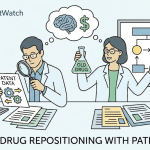
1. The Economics of Drug Repurposing: Why Eroom’s Law Changes Everything {#section-1}
1.1 What Drug Repurposing Actually Means
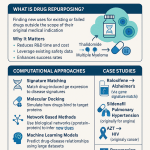
Drug repurposing, also called drug repositioning, is the identification and development of new therapeutic indications for compounds that already exist in pharmaceutical pipelines, approved drug libraries, or withdrawn drug archives. The definition is broader than most analysts appreciate. It covers approved and marketed drugs, investigational compounds that failed clinical phases for reasons unrelated to safety, drugs withdrawn from markets due to adverse event profiles in their original population, and off-patent generics with unexplored biological activity.
The field also encompasses formulation-level repositioning: developing new delivery mechanisms, modified-release profiles, alternative administration routes, or pediatric-adapted dosage forms for existing active pharmaceutical ingredients. Each of these represents a distinct commercial and IP opportunity, with different regulatory pathways and patent shelf lives.
The term ‘drug repositioning’ entered formal use around 2004, introduced by Ashburn and Thor, though the underlying practice is decades older. What changed in the 2010s was the computational and data infrastructure needed to make the strategy systematic rather than serendipitous. The field now has industrial-scale tooling, including biomedical knowledge graphs, transcriptomic signature databases, and EHR mining platforms, that convert what was once an accident of clinical observation into a reproducible, high-throughput research process.
1.2 The Core Economic Case: Traditional Discovery vs. Repurposing
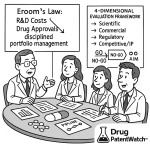
The economics of traditional new chemical entity (NCE) development are structurally broken. Average fully capitalized development costs for an NCE now run between $2 billion and $3 billion, inclusive of the cost of failure. Development timelines run 10 to 17 years from lead identification to approval. Clinical success rates from Phase I to approval hover below 10%, with oncology programs running even lower. These numbers reflect what researchers call Eroom’s Law, the observation that drug discovery productivity has declined exponentially since the 1950s, even as R&D spending has risen.
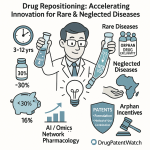
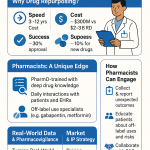
Drug repurposing attacks all three variables simultaneously. Average investment for a repurposed compound is approximately $300 million, a reduction of 85% to 90% versus NCE development when preclinical costs are excluded. Time-to-market compresses to three to twelve years, saving five to seven years versus the NCE baseline. Approval rates in clinical trials reach approximately 30%, reflecting the risk-reduction benefit of established human safety and pharmacokinetic data.
The mechanism behind these gains is straightforward. A compound with existing Phase I human data does not need to repeat first-in-human dose escalation studies. The investigational new drug (IND) application process is faster. Manufacturing and analytical methods are established. Regulatory reviewers have institutional familiarity with the safety database. These compounding efficiencies explain why repurposing is no longer a niche R&D tactic but a core pipeline strategy at virtually every major pharma company.
Comparative Metrics: NCE Development vs. Drug Repurposing
Metric
NCE Development
Drug Repurposing
Average Development Cost
$2-3 billion
~$300 million
Preclinical Cost Savings
Baseline
Up to 85% reduction
Development Timeline
10-17 years
3-12 years
Phase I-to-Approval Success Rate
<10%
~30%
Phase I Requirement
Full dose-escalation required
Often abbreviated or waived
IP Protection Type
Composition of matter + method of use
Primarily method of use; new formulations possible
Key Regulatory Pathway
NDA (Section 505(b)(1))
505(b)(2), supplemental NDA, or full NDA
Orphan Drug Designation Eligibility
Yes
Yes, frequently applied
1.3 Eroom’s Law and the Structural Pressure on R&D Models
Eroom’s Law quantifies the decline in R&D productivity: the number of new drugs approved per billion dollars of R&D spending has halved approximately every nine years since 1950. Several causes are well-documented, including the ‘better than the Beatles’ problem (new drugs must outperform increasingly effective existing therapies), rising regulatory standards for safety and efficacy, the exhaustion of easily druggable biological targets, and the escalating cost of clinical operations.
Drug repurposing does not solve Eroom’s Law; no single strategy does. What it does is carve out a higher-productivity subcategory of R&D spending where the economic terms are structurally more favorable. For institutional investors evaluating pharma R&D pipelines, this distinction is important. A company with a repurposing-heavy R&D model is not simply cutting costs; it is operating with a higher probability-adjusted expected value per dollar of R&D capital deployed.
The drug repurposing market was valued at approximately $32 billion in 2023 and is projected to reach $59 billion by 2034, reflecting a compound annual growth rate above 5.5%. The US market, driven by FDA regulatory support for 505(b)(2) filings and robust generic drug infrastructure, is the largest national segment.
Key Takeaways: Section 1
Drug repurposing reduces average development cost by roughly 85-90% versus NCE development and cuts timelines by five to seven years.
Clinical success rates for repurposed compounds run approximately three times higher than for NCEs, primarily because established human safety data eliminates the largest source of late-stage trial failure.
Eroom’s Law creates a structural incentive to shift R&D capital toward repurposing. The global market for repurposing is projected to approach $59 billion by 2034.
IP protection for repurposed drugs relies on method-of-use patents and secondary patents covering new formulations or combinations, not composition-of-matter claims. This distinction governs the entire commercial strategy.
2. Computational Repurposing: AI, Machine Learning, and In Silico Architecture {#section-2}
2.1 The Data Infrastructure Enabling Computational Repurposing
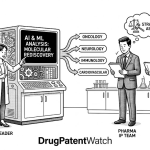
Computational drug repurposing operates on a foundation of publicly available and proprietary biomedical data. The key repositories include DrugBank (comprehensive drug-target-disease annotation), the Connectivity Map (CMap) at the Broad Institute (transcriptional signatures linking drugs, genes, and diseases), ChEMBL (bioactivity data for small molecules), UniProt (protein sequence and functional data), Open Targets (systematic evidence linking genes to diseases), and the NIH’s PubChem. Commercial intelligence layers, including those from platforms like DrugPatentWatch, add patent filing data, prosecution histories, expiration timelines, and Paragraph IV challenge records on top of the biological databases.
The integration challenge is substantial. These datasets use different ontologies, identifiers, and data models. A protein in UniProt has a different identifier than the same protein in ChEMBL or STRING. Constructing a unified analytical environment requires entity resolution, ontology mapping, and curation pipelines. Companies that have invested in this data infrastructure, including BenevolentAI, Insilico Medicine, Recursion Pharmaceuticals, and Exscientia, treat it as a core IP asset.
2.2 Machine Learning Architectures for Drug-Disease Prediction
Machine learning models used in drug repurposing fall into several categories, each with distinct strengths and failure modes.
Collaborative filtering models treat drug-disease associations like user-product interactions in recommendation systems. They predict likely associations based on patterns across the full drug-disease matrix. These models are fast and require relatively little computational infrastructure, but they fail when the drug or disease in question has few existing known associations, a cold-start problem analogous to recommending content to a new user.
Network-based propagation methods embed drugs and diseases as nodes in a biological network, then propagate association signals through protein-protein interaction networks, metabolic pathways, or gene regulatory networks. The logic is that drugs affecting proteins close to disease-associated genes in a network are candidate treatments. Tools including STRING, BioGRID, and KEGG supply the network structure. These methods identify mechanistically plausible candidates rather than purely statistical correlations, which matters for regulatory and clinical translation.
Deep learning approaches, specifically graph neural networks (GNNs), have become the dominant architecture for large-scale repurposing prediction. GNNs operate directly on molecular graphs, where atoms are nodes and bonds are edges, and can simultaneously process chemical structure, protein structure, and biological context. Transformer-based language models, including BioBERT and PubMedBERT, extract drug-disease-gene relationships from unstructured text in scientific literature, clinical trial registries, and FDA adverse event reports. These NLP pipelines are particularly useful for surfacing repurposing signals from case reports and post-marketing pharmacovigilance data that would otherwise remain unindexed.
Knowledge graph embedding methods such as TransE, RotatE, and ComplEx represent entities (drugs, genes, diseases, pathways) and their relationships as vectors in a continuous embedding space. Repurposing candidates emerge from predicted missing links in the knowledge graph. This approach captures multi-hop relationships that traditional database queries cannot, for example a drug that inhibits enzyme A, which regulates pathway B, which is dysregulated in disease C.
2.3 The Connectivity Map: Transcriptional Signatures as Repurposing Signals
The Connectivity Map project, developed at the Broad Institute and expanded into the LINCS L1000 dataset, deserves specific attention because it represents one of the most directly actionable computational tools in the repurposing arsenal.
The underlying logic: drugs produce characteristic changes in gene expression when applied to cells. Diseases also produce characteristic gene expression changes relative to healthy tissue. When a drug’s transcriptional signature is the inverse of a disease’s signature, the drug is a candidate to reverse the disease state. When a drug’s signature matches a disease’s signature, it may cause a disease-like phenotype and should be avoided.
LINCS L1000 contains gene expression profiles for approximately 20,000 compounds measured across dozens of cell lines at multiple doses and time points. The dataset includes approved drugs, investigational compounds, and diverse chemical probes. Researchers can query their disease signature against the LINCS database to identify top-ranked repurposing candidates computationally, at zero additional experimental cost. Baricitinib’s identification as a potential COVID-19 therapy in early 2020 used a workflow that incorporated CMap-style signature matching.
Traditional drug discovery follows a one drug-one target-one disease paradigm. Repurposing, by operating on existing compounds with complex pharmacology, forces a more sophisticated analytical framework. Network pharmacology provides it.
Network pharmacology integrates genomics, transcriptomics, proteomics, and metabolomics data with protein-protein interaction networks to model how drugs perturb biological systems rather than individual molecular targets. A drug does not simply inhibit one enzyme; it shifts the equilibrium of a network. Network pharmacology aims to characterize that shift quantitatively.
For repurposing, network pharmacology has several practical applications. It identifies which existing drugs hit key nodes or ‘hubs’ in disease-specific networks, making those drugs high-priority repurposing candidates. It predicts whether a drug’s known polypharmacology, its simultaneous action on multiple targets, will be beneficial or harmful in the new disease context. It identifies drug combination opportunities, where two repurposed drugs targeting distinct nodes in the same disease network produce synergistic effects.
The field uses a range of computational tools, including OmicsNet for multi-omics network integration and DINIES for drug-target interaction network inference. Network pharmacology analysis typically follows a five-step workflow: target identification for the drug of interest, disease target collection from gene-disease association databases, network construction, enrichment analysis to identify relevant biological pathways, and molecular docking validation of predicted interactions.
2.5 In Silico Screening: Virtual Libraries and Molecular Docking
In silico screening applies computational methods to prioritize compounds from large virtual libraries before any experimental work begins. The two primary techniques are molecular docking and molecular dynamics simulation.
Molecular docking computationally evaluates how well a small molecule fits into the three-dimensional binding site of a target protein. Docking algorithms score candidate poses based on predicted binding affinity, shape complementarity, and key interactions (hydrogen bonds, hydrophobic contacts, electrostatic interactions). When the target’s crystal structure is unavailable, homology modeling constructs a predicted structure from homologous proteins.
Molecular dynamics simulation goes further by modeling how a protein-ligand complex evolves over time, capturing conformational flexibility that static docking misses. MD simulations are computationally expensive but provide more accurate binding free energy estimates. GPU-accelerated MD platforms, including those from D.E. Shaw Research and standard GROMACS or AMBER implementations on cloud infrastructure, have made MD-based screening tractable at repurposing scale.
Virtual libraries for repurposing screening pull from DrugBank’s approved drug section (approximately 2,000 compounds with human safety data), the NIH Clinical Collection (approved and investigated compounds), and ZINC (a broader library of commercially available compounds). Focusing screens on the approved drug subset dramatically reduces the time from computational hit to clinical testing because human pharmacokinetics and toxicology are already characterized.
For institutional investors, the key distinction is between platform companies and product companies in computational repurposing. Platform companies (BenevolentAI, Insilico Medicine, Recursion) generate value from the AI infrastructure itself and license or co-develop programs with pharma partners. Product companies advance specific repurposed drug candidates toward regulatory approval. Platform valuations carry higher multiple uncertainty because commercial success depends on partnership deal flow and eventual drug approvals downstream. Product companies in this category are valued closer to standard clinical-stage biotech, with risk-adjusted NPV models incorporating the reduced Phase I uncertainty from established safety data.
The critical IP question for computational repurposing platforms is whether their predictive methods themselves are patentable. US courts have applied the Alice doctrine narrowly to software patents, and methods for predicting drug-disease associations face significant Section 101 eligibility challenges. The commercial moat for most computational repurposing platforms sits in proprietary data access, model architecture trade secrets, and speed-to-prediction advantages, not granted patents on computational methods.
Key Takeaways: Section 2
Graph neural networks and knowledge graph embedding have become the standard ML architecture for repurposing prediction at scale, replacing earlier collaborative filtering approaches.
The LINCS L1000 Connectivity Map provides transcriptional signatures for approximately 20,000 compounds and is a primary screening tool for identifying compounds whose gene expression profiles are inverse to disease signatures.
Network pharmacology reframes drug action in terms of network perturbation rather than single-target inhibition, which is essential for evaluating polypharmacological compounds in new disease contexts.
Computational repurposing platforms face significant US patent eligibility challenges under the Alice doctrine; commercial moats typically rely on proprietary data and trade secrets rather than granted method patents.
Computational methods generate hypotheses at scale and with speed. They do not replace experimental biology. Predicted drug-target interactions fail in wet lab validation at rates exceeding 90% in most published analyses, largely because current models cannot fully capture the complexity of cellular context, protein conformational states in living cells, metabolite interference, and off-target effects in physiologically relevant systems. The repurposing pipeline that produces clinically useful drugs requires a tight feedback loop between computational prediction and experimental validation.
The optimal workflow: computational screening identifies candidates ranked by predicted efficacy and mechanistic plausibility, experimental platforms validate top candidates rapidly and cost-efficiently, and the resulting data feeds back into computational models to improve future predictions. Companies that have built this integrated dry lab-wet lab loop, rather than treating computation and experiment as sequential independent stages, consistently produce higher-quality candidate sets.
3.2 Phenotypic Screening: Disease Relevance Over Target Identity
Phenotypic screening identifies compounds that produce a desired observable change in cells or organisms without requiring prior specification of the molecular target. This approach produces drug candidates with validated biological activity in a disease-relevant context before researchers identify the mechanism of action. The target comes later, through target deconvolution.
The historical success rate of phenotypic screening relative to target-based approaches is well-documented. A 2011 analysis of approved first-in-class drugs found that phenotypic screening produced more approved drugs per year than target-based discovery during the period studied. Penicillin, the most commercially successful antibiotic class in history, was a phenotypic discovery.
Modern phenotypic screening has shed the throughput limitations that constrained it in earlier decades. High-content imaging platforms from companies such as Molecular Devices and Perkin Elmer can process thousands of images per hour, quantifying dozens of cellular phenotype features simultaneously. AI-powered image analysis platforms from Recursion and Phenomic AI extract phenotypic signatures from these images that are sufficiently information-rich to infer mechanism of action clusters.
Three-dimensional cell culture models, including patient-derived organoids and organ-on-chip microfluidic systems, have made phenotypic screens substantially more disease-relevant. A pancreatic cancer organoid cultured from patient tumor tissue captures genetic heterogeneity, three-dimensional architecture, and stromal interactions that traditional two-dimensional cell lines cannot reproduce. Drugs that produce phenotypic responses in organoid models are more likely to translate to clinical efficacy than hits from standard monolayer cultures.
A 2024 MIT group published a multi-drug phenotypic screening framework that applies multiple drugs simultaneously to biological systems and uses computational deconvolution to separate individual drug contributions. This approach increases screening throughput without proportional cost or sample increases, addressing a persistent bottleneck in phenotypic repurposing workflows.
3.3 High-Throughput Screening Against Established Drug Libraries
High-throughput screening (HTS) in a repurposing context differs from conventional HTS by focusing specifically on libraries of existing approved or advanced clinical compounds rather than large synthetic libraries of novel chemical matter. This focus is deliberate: every compound in an approved drug library already has human pharmacokinetic and safety data, which converts a hit into a clinical candidate faster and at lower cost.
The NIH Clinical Collection (NCC), which contains approximately 750 small molecules that have reached clinical trials, is a standard repurposing HTS library. The Prestwick Chemical Library contains approximately 1,280 approved drugs. The FDA-approved oncology set provides a focused library for cancer repurposing screens. These libraries enable researchers to rapidly identify which approved drugs produce activity against a new target or disease model.
HTS operates in 96-, 384-, or 1,536-well microplate formats, with robotic liquid handling systems enabling the testing of thousands of compounds per day against a given assay. Primary HTS typically employs biochemical assays measuring target inhibition directly, or cell viability and reporter gene assays measuring functional outcomes. Counter-screens identify false positives from assay interference, a significant problem with some fluorescent compound classes.
HTS identified effective agents for pediatric B-cell precursor acute lymphoblastic leukemia (BCP-ALL) subgroups with limited standard treatment options, demonstrating the direct clinical value of systematic screening against specialized patient populations. The speed advantage is considerable: an HTS campaign against a focused approved drug library can identify validated hits within weeks, compared to years for de novo synthesis and optimization programs.
3.4 Multi-Omics Integration: The Comprehensive Disease Map
Omics-based approaches provide the molecular context that connects a drug’s mechanism to a disease’s biological architecture. The individual omics layers and their repurposing applications are as follows.
Genomics identifies disease-associated variants through genome-wide association studies (GWAS) and whole-genome sequencing, pointing to specific genes and pathways as disease drivers and candidate drug targets. When an existing drug’s known targets overlap significantly with GWAS-identified disease genes, repurposing potential is high.
Transcriptomics, measured by RNA sequencing (RNA-seq) or microarray, captures gene expression differences between disease and healthy states. Transcriptomic disease signatures are the primary input for CMap-based repurposing. Drugs whose expression profiles invert a disease’s transcriptomic signature are prioritized.
Proteomics, measured by mass spectrometry or antibody-based platforms such as Olink and SomaScan, characterizes protein abundance and post-translational modifications in disease tissue. Proteomics data frequently diverge from transcriptomics, because mRNA levels do not reliably predict protein abundance. Repurposing programs targeting protein-level disease biology require proteomic validation.
Metabolomics captures the small-molecule metabolite profiles of cells or tissues, reflecting the downstream functional output of all upstream molecular events. Drugs that normalize disease-associated metabolite profiles are candidates for repurposing regardless of mechanism.
Epigenomics, including ATAC-seq for chromatin accessibility and ChIP-seq for histone modifications and transcription factor binding, maps the regulatory landscape of disease cells. Some drugs that were developed as targeted therapies for one indication produce epigenomic changes relevant to entirely different diseases.
Multi-omics integration is computationally demanding because the individual datasets differ in dimensionality, scale, and noise structure. Methods including weighted gene co-expression network analysis (WGCNA), multi-omics factor analysis (MOFA), and sparse canonical correlation analysis enable simultaneous analysis across omics layers. The payoff is a substantially richer disease model that is more likely to identify mechanistically valid repurposing candidates.
Key Takeaways: Section 3
Phenotypic screening validates biological activity in disease-relevant models before identifying mechanism, producing drug candidates with stronger clinical translatability.
HTS against approved drug libraries converts hits to clinical candidates faster than any other experimental approach because human PK and safety data are already established for every compound screened.
Multi-omics integration, spanning genomics, transcriptomics, proteomics, metabolomics, and epigenomics, provides the richest available disease model for identifying mechanistically valid repurposing candidates.
The dry lab-wet lab feedback loop, where computational predictions guide experimental screens and experimental results retrain models, is the architecture of the most productive repurposing programs.
4. Real-World Evidence as a Repurposing Weapon {#section-4}
4.1 RWD Sources and Their Repurposing Applications
Real-world data (RWD) encompasses electronic health records (EHRs), medical claims and billing databases, pharmacy dispensing records, patient registries, wearable device data, and patient-reported outcomes collected outside the controlled clinical trial environment. Real-world evidence (RWE) is the analytical output from RWD: inferences about drug effectiveness, safety, and utilization patterns in routine clinical care.
For drug repurposing, RWD has at least four distinct applications. First, signal detection: AI-powered mining of EHR databases can identify unexpected patterns in prescribing behavior, co-medication, and outcomes that suggest a drug is producing beneficial effects beyond its approved indication. Second, hypothesis validation: before committing to a prospective clinical trial, a retrospective RWD analysis can test whether a repurposing hypothesis holds in a large, diverse patient population. Third, patient stratification: RWD reveals which patient subpopulations derived the most benefit from an existing drug in real clinical practice, informing the design of prospective repurposing trials. Fourth, post-market surveillance: pharmacovigilance databases surface adverse event signals that may actually represent beneficial effects in different patient groups.
4.2 Metformin: RWE as the Engine of Cancer Repurposing
The cancer repurposing case for metformin, the most widely prescribed type 2 diabetes drug globally, rests almost entirely on RWD-generated evidence rather than controlled experimental work. Large diabetic patient cohorts in the UK Clinical Practice Research Datalink, the Danish national health registries, and US insurance claims databases consistently showed that patients on metformin had lower rates of cancer incidence and, in several analyses, improved cancer survival compared to diabetic patients on other glucose-lowering therapies.
These RWE signals preceded and motivated the mechanistic work that identified plausible explanations: metformin activates LKB1-dependent AMPK, which inhibits mTORC1, a kinase that drives cancer cell proliferation. Metformin also reduces hepatic glucose output, lowering systemic insulin and IGF-1 levels, both of which have well-established roles in promoting cancer cell growth. The RWE signal came first; the mechanistic explanation followed.
Metformin is now in Phase III trials for non-small cell lung cancer (NSCLC). If those trials succeed, the drug will have traveled from diabetic patient outcomes data to Phase III without a traditional target-based discovery phase, using RWE as the primary translational bridge.
4.3 Regulatory Recognition of RWE: The 21st Century Cures Act and FDA Framework
The 21st Century Cures Act (2016) explicitly directed the FDA to develop a framework for incorporating RWE into regulatory decisions, including approval of new indications for existing drugs. The FDA’s subsequent Real-World Evidence Program has produced a series of guidance documents addressing study design, data quality standards, and evidentiary standards for RWE-supported label changes.
The FDA has approved several supplemental NDAs supported substantially by RWE, primarily for oncology drugs targeting rare cancers or biomarker-defined subpopulations where prospective controlled trials would require impractical enrollment timelines. These approvals establish precedent for using RWD to support repurposing applications, though the FDA is explicit that RWE alone, without prospective validation, is rarely sufficient for a primary efficacy endpoint in a new indication.
The European Medicines Agency (EMA) has run parallel initiatives. The EMA’s 2021-2023 pilot program on repurposing for academic and non-profit organizations provided scientific advice and regulatory support for repurposing applications from non-commercial sponsors, explicitly acknowledging that market failure creates a class of high-value repurposing opportunities that commercial actors will not pursue without external support.
Privacy-preserving analytic frameworks, including federated learning approaches where models are trained across distributed EHR systems without centralizing patient data, are expanding the scale and diversity of RWD available for repurposing analyses. This is particularly relevant for rare disease repurposing, where no single institution has sufficient patient numbers for statistically powered analyses.
Investment Strategy Note: RWE-Driven Repurposing
Companies that have built proprietary RWD access and analytical infrastructure represent a distinct investment category. Their competitive advantage is not primarily in scientific expertise but in data access and analytical speed. The valuation question is how durable that data access is: exclusive data partnerships with health systems or payers create moats; general-purpose use of public claims databases does not. Investors should examine the specificity and exclusivity of data partnerships in company descriptions of their RWE capabilities.
Key Takeaways: Section 4
RWE from EHR and claims databases can precede and motivate mechanistic repurposing research, as demonstrated by metformin’s oncology repurposing trajectory.
The 21st Century Cures Act and FDA’s RWE Program create a regulatory pathway for label expansions supported substantially by RWD, though prospective validation is typically still required for primary efficacy claims.
Federated learning and privacy-preserving analytics are expanding the scale of RWD available for rare disease repurposing without centralizing patient data.
RWE-based repurposing companies are valued primarily on data access moat and analytical speed; investors should scrutinize the exclusivity of data partnerships rather than the generality of analytical claims.
5. Case Studies with IP Valuations {#section-5}
5.1 Aspirin (Acetylsalicylic Acid): From Analgesic to Cardiovascular Standard of Care
Background. Bayer launched aspirin in 1899 as an analgesic and antipyretic. The compound’s antiplatelet mechanism was identified through clinical observation in the 1960s and formally characterized in the 1970s when John Vane demonstrated that aspirin irreversibly acetylates cyclooxygenase-1 (COX-1), preventing thromboxane A2 synthesis and platelet aggregation. Vane received the Nobel Prize in Physiology or Medicine in 1982. By the 1980s, low-dose aspirin (75-100 mg daily) was established as standard of care for secondary prevention of cardiovascular events.
Mechanism and Current Pipeline. COX-1 inhibition accounts for the cardiovascular indication. A separate mechanism, COX-2 inhibition, is the basis for ongoing oncology investigations. Epidemiological data, including the ASPREE trial and multiple meta-analyses, show that daily aspirin use for at least five years reduces colorectal cancer risk by approximately 20-30%. Studies in breast, endometrial, and gastroesophageal cancers show suggestive associations. The NCI-funded ADD-IT trial is examining aspirin in Lynch syndrome patients.
IP Valuation. The aspirin molecule itself has been off-patent for over a century. No composition-of-matter protection exists. Method-of-use patents for the cardiovascular indication have also long since expired. Any commercial IP position in aspirin is therefore impossible in the core molecule. The repurposing value here is educational: it establishes the principle that a drug’s full pharmacological profile may not be apparent for decades after approval. From an IP standpoint, aspirin’s trajectory illustrates the cost of not patenting new indications when they are identified. Any company now demonstrating aspirin’s oncology efficacy in a prospective clinical trial could potentially secure a method-of-use patent for that specific indication, though enforcement against generic aspirin manufacturers would be challenging.
Current Oncology IP Landscape. Method-of-use patent filings for aspirin in specific oncological settings (e.g., Lynch syndrome, specific cancer subtypes with defined biomarkers) have been filed by academic institutions and have limited commercial enforceability given aspirin’s generic status. The primary commercial opportunity for aspirin in oncology lies not in IP protection but in branded combination products or diagnostic-companion strategies.
5.2 Sildenafil (Viagra / Revatio): A Repurposing Case Study in Peak Commercial Execution
Background. Pfizer discovered sildenafil in 1989 during a research program targeting phosphodiesterase type 5 (PDE5) for hypertension and angina. Phase II trials at Merthyr Tydfil, Wales, produced an unexpected finding: penile erections in male subjects. Pfizer redirected the program to erectile dysfunction (ED). Sildenafil was approved for ED in March 1998 under the brand name Viagra. The drug generated peak annual sales exceeding $2 billion.
The molecule was subsequently approved for pulmonary arterial hypertension (PAH) in 2005 under the brand name Revatio, completing one of the few documented cases where a drug was commercially repurposed within the same company that originally developed it, generating a distinct revenue stream from a completely different patient population and prescribing base.
Mechanism. PDE5 degrades cyclic guanosine monophosphate (cGMP) in smooth muscle cells. cGMP promotes smooth muscle relaxation and vasodilation. In the corpus cavernosum, cGMP-mediated relaxation allows blood flow that produces an erection. In pulmonary arterial smooth muscle, the same mechanism reduces vascular resistance and right ventricular afterload. The mechanistic connection between the two indications is direct: same enzyme, same cellular mechanism, different anatomical location.
IP Valuation. The original sildenafil composition-of-matter patent expired in 2013 in most major markets. Pfizer filed secondary patents covering specific crystalline polymorphs, dosage regimens, and pharmaceutical formulations for both ED and PAH indications. The ED indication patent expiry triggered generic entry in the EU in 2013 and the US in 2017. Revatio (PAH indication) retained some market protection through its own regulatory exclusivities and Pfizer’s investment in PAH clinical development infrastructure.
At peak, the combined Viagra and Revatio franchise was worth approximately $2.2 billion annually. The PAH repurposing added an estimated $500 million-plus in annual revenue at its peak, demonstrating the commercial scalability of an in-house repurposing program when the same company controls both the original IP and the repurposing clinical program.
IP lessons: Pfizer’s ability to generate value from both ED and PAH indications from a single molecular scaffold illustrates the compounding effect of indication stacking within a single composition-of-matter patent family. The primary commercial risk was generic entry at composition-of-matter expiry, which required Pfizer to sustain premium pricing through brand equity (for Viagra) and clinical evidence depth (for Revatio in PAH, a more specialized prescribing environment).
5.3 Thalidomide (Thalomid): Recovery, Repurposing, and the REMS Standard
Background. Thalidomide was developed by Grünenthal and marketed starting in 1957 as a sedative and antiemetic for morning sickness. Its severe teratogenicity, producing limb reduction defects (phocomelia) in approximately 10,000 children whose mothers took it during organogenesis, led to market withdrawal in 1961. Frances Kelsey at the FDA blocked US approval in one of the defining moments of modern drug regulation.
Thalidomide’s rehabilitation began with isolated clinical observations of benefit in erythema nodosum leprosum (ENL), a painful inflammatory complication of leprosy. The FDA approved thalidomide for ENL in 1998 with a mandatory Risk Evaluation and Mitigation Strategy (REMS) that requires pregnancy testing, contraception, and a physician registry as conditions of use, the S.T.E.P.S. program.
Myeloma Repurposing. The discovery of thalidomide’s anti-angiogenic and immunomodulatory properties in the 1990s, particularly work from Judah Folkman’s laboratory identifying its inhibition of tumor neovascularization, led to its clinical testing in multiple myeloma. A pivotal trial published in the New England Journal of Medicine in 1999 showed single-agent activity in relapsed/refractory myeloma. The FDA approved thalidomide for newly diagnosed myeloma in combination with dexamethasone in 2006.
IP Valuation and the Celgene Analog Strategy. Celgene acquired thalidomide rights and recognized that thalidomide’s liability in pregnancy precluded broad commercial use. Rather than attempting to extend thalidomide’s own IP position (problematic given the REMS constraints and the compound’s age), Celgene synthesized structural analogs with improved efficacy and reduced teratogenicity. This produced lenalidomide (Revlimid) and pomalidomide (Pomalyst), both IMiD (immunomodulatory drug) class agents with substantially stronger IP positions as new chemical entities.
Revlimid’s composition-of-matter patents ran into the early 2020s. At peak, Revlimid generated approximately $12.2 billion in annual revenue before Bristol-Myers Squibb’s acquisition of Celgene. The strategic IP lesson: the original repurposed compound (thalidomide) was not the commercial prize. It was the scientific starting point for a proprietary analog program that generated one of the highest-revenue oncology franchises in pharmaceutical history. Investors and BD teams looking at repurposing opportunities should evaluate not only the candidate’s own IP position but also its value as a scaffold for analog synthesis programs with full composition-of-matter coverage.
Background. Baricitinib is a selective JAK1/JAK2 inhibitor developed by Eli Lilly and Incyte for rheumatoid arthritis (RA). It was approved by the FDA for moderate-to-severe RA in June 2018.
In January 2020, a BenevolentAI team published an analysis in The Lancet identifying baricitinib as a candidate COVID-19 therapy. The analysis used a knowledge-graph-based AI platform to identify drugs that could simultaneously block SARS-CoV-2 cell entry (via AP2-associated protein kinase 1, AAK1, a baricitinib target) and suppress the cytokine storm that characterizes severe COVID-19 disease (via JAK1/JAK2 inhibition of inflammatory cytokine signaling). This was a multi-target prediction: one drug, two mechanistically distinct COVID-19 pathways.
The prediction was validated in the NIH-sponsored ACTT-2 trial, which showed baricitinib plus remdesivir reduced hospital time compared to remdesivir alone in hospitalized COVID-19 patients. The FDA granted Emergency Use Authorization for baricitinib in COVID-19 in November 2020 and full approval in May 2022. The COV-BARRIER trial, sponsored by Lilly, subsequently showed baricitinib monotherapy reduced mortality in severe COVID-19.
IP Valuation. Baricitinib’s composition-of-matter patents, held by Incyte, extend into the 2030s. Eli Lilly holds commercialization rights. The COVID-19 indication was added to existing patents through method-of-use claims. From a commercial standpoint, the COVID-19 indication created incremental revenue for an existing franchise without requiring a new compound: Lilly reported baricitinib sales of approximately $1.1 billion in 2022, with COVID-19 demand contributing materially.
The BenevolentAI story is separately important for the computational repurposing IP landscape. BenevolentAI did not patent the drug; it does not hold the compound. Its value from the baricitinib prediction was in demonstrating platform credibility, which supported its fundraising and pharma partnership activity. The IP model for AI-driven repurposing platforms typically involves milestone payments and royalties from pharma collaborators rather than direct drug ownership.
IP Valuation Sub-Section. Baricitinib’s IP estate as of 2025 includes the core JAK1/2 inhibitor composition-of-matter patent (Incyte, US8158616, estimated US expiry approximately 2031), formulation and polymorph patents providing additional coverage through the mid-2030s, and method-of-use patents for RA, COVID-19, and alopecia areata (approved 2022). The alopecia areata approval, itself a repurposing from RA/COVID-19, illustrates that a single molecule can carry multiple stacked method-of-use claims across entirely different disease areas, each adding commercial longevity independent of the composition-of-matter expiry date.
5.5 Metformin: The Generic Repurposing Dilemma in Oncology
Background. Metformin (biguanide class) has been approved for type 2 diabetes since 1957 in the UK and 1995 in the US. It is the most prescribed antidiabetic drug globally, with generic manufacturers supplying the market at cost of approximately $4 per month at standard doses. It is off-patent in every major jurisdiction.
Cancer Repurposing Evidence. RWE from large observational studies, detailed in Section 4, generated the initial hypothesis. Mechanism studies identified AMPK activation and mTORC1 inhibition as likely antitumor mechanisms. Metformin also reduces systemic insulin and IGF-1, reducing growth factor signaling in cancer cells. Phase II trials in breast, prostate, colorectal, and ovarian cancers have produced mixed but generally suggestive efficacy signals. The MA.32 trial, a Phase III randomized controlled trial of metformin in early breast cancer patients, reported primary endpoint results in 2022 that did not meet significance for invasive disease-free survival in the overall population but showed signals in specific biomarker-defined subgroups.
The Generic Repurposing IP Problem. Metformin is the paradigmatic case of the generic repurposing dilemma. The compound is off-patent. Any company that funds a Phase III trial for a new cancer indication will generate clinical data supporting a method-of-use patent for that indication. But that company cannot prevent generic metformin manufacturers from selling the existing approved drug for off-label use in cancer, and they cannot enforce a method-of-use patent against a pharmacist who dispenses generic metformin for an oncology indication prescribed by a physician. The return on investment for a Phase III metformin cancer trial is therefore negative for any commercial sponsor that cannot control distribution.
The practical result is that metformin’s cancer repurposing is funded primarily by national clinical trial networks (NCI in the US, Cancer Research UK, EORTC in Europe) and academic medical centers. These entities are not motivated by ROI; they are motivated by public health impact. But they lack the commercial infrastructure to convert a positive trial result into widespread patient access through regulatory approval and reimbursement. This structural gap, between who can fund the evidence and who can commercialize it, is the central challenge in generic drug repurposing and the subject of active policy debate in Washington.
6. Patent Strategy and IP Architecture for Repurposed Compounds {#section-6}
6.1 Composition of Matter vs. Method of Use: The Fundamental Distinction
A composition-of-matter patent claims the novel molecular structure itself. These are the strongest pharmaceutical patents because they cover the compound regardless of use; any product containing the molecule infringes. NCE discovery programs aim to generate composition-of-matter patents as their primary IP protection. Composition-of-matter patents for pharmaceuticals typically carry 20-year terms from filing, extended through patent term extension (PTE) under the Hatch-Waxman Act by up to five years for time spent in FDA review, bringing effective market exclusivity to approximately 12 to 14 years post-approval.
Repurposing programs work with existing compounds that already have composition-of-matter patents outstanding, expiring, or expired. They therefore generate method-of-use patents: claims covering the use of a known compound for a specific new therapeutic purpose. Method-of-use patents are narrower. They do not prevent a generic manufacturer from producing and selling the compound; they only cover prescribing or using it for the specifically claimed indication.
This difference creates an enforcement gap in the US system. Under 35 USC 271(b), generic manufacturers can be liable for induced infringement of a method-of-use patent if they actively encourage physicians to prescribe a drug for the patented indication. The FDA’s ‘carve-out’ mechanism, codified in 21 CFR 314.94, allows generic applicants to file Abbreviated New Drug Applications (ANDAs) that explicitly exclude the patented new indication from their labeling, avoiding induced infringement. Generic manufacturers use carve-outs as standard practice when a method-of-use patent covers a repurposed indication, selling the drug legally for the original indication while the patent holder retains exclusivity for the repurposed use only in theory.
In practice, physicians prescribe generics for all indications regardless of labeling, and pharmacists dispense generic substitutes regardless of the indication on the prescription. Method-of-use patent enforcement against generic dispensing is essentially unenforceable in the US retail pharmacy system. This is why many generic drug repurposing programs produce scientifically valid findings that never generate commercially sustainable products.
6.2 Secondary Patents: The Architecture of Pharmaceutical Evergreening
Secondary patents are patents that cover aspects of a drug product beyond the core active ingredient’s molecular structure. They are the primary IP tool for extending commercial protection on existing pharmaceutical franchises, both for original developers defending against generic entry and for repurposing companies building new IP positions on existing molecules. The full taxonomy of secondary patent types relevant to repurposing includes:
Formulation patents cover specific drug delivery systems including extended-release formulations reducing dosing frequency, nanoparticle or liposomal delivery systems improving bioavailability or tumor targeting, transdermal patches, inhaled formulations, injectable depot formulations, and unit dose packaging. Formulation patents require demonstrating novel technical innovation beyond simple routine modification.
Polymorph and salt form patents cover the specific solid-state form of the drug substance. Different polymorphs of the same compound can have substantially different solubility, stability, and bioavailability profiles. A company that discovers and patents a novel polymorph with superior pharmaceutical properties can protect that specific form even after the composition-of-matter patent on the base compound expires. Polymorph patents have been challenged as evergreening tactics and face heightened non-obviousness scrutiny in the US and EU.
Process patents cover novel manufacturing methods for producing the compound. Even when the compound itself is off-patent, a more efficient or scalable synthesis route can be independently patentable.
Dosage and regimen patents cover specific dosing schedules, titration protocols, or patient selection criteria. These are often the weakest secondary patents, most vulnerable to non-obviousness challenges. However, in indications where the optimal dose for the repurposed indication differs substantially from the original indication, dosage patents can provide meaningful protection.
Combination patents cover novel combinations of two or more active ingredients, or combinations of a drug with a medical device or diagnostic. The combination must demonstrate synergy or an unpredictable benefit beyond the additive effects of the individual components.
Pediatric formulation patents are specifically valuable because the Best Pharmaceuticals for Children Act provides six months of additional market exclusivity for any drug that receives a Pediatric Written Request from the FDA and completes the required pediatric studies, regardless of the drug’s patent status. This six-month extension applies to all indications, not just the pediatric one, making pediatric repurposing studies a commercially attractive exclusivity tactic.
6.3 The Orange Book, Paragraph IV Filings, and Repurposing Litigation
The FDA’s Orange Book (Approved Drug Products with Therapeutic Equivalence Evaluations) lists patents that a brand drug company has certified as covering its approved product. When a generic manufacturer files an ANDA with a Paragraph IV certification asserting that a listed Orange Book patent is invalid or not infringed, this triggers automatic patent litigation under Hatch-Waxman’s 30-month stay provision. Understanding the Orange Book patent landscape for a target drug is essential for any repurposing program because it determines the timeline to generic competition.
For repurposing programs, Orange Book strategy works in two directions. A company repurposing an existing drug wants to list its new method-of-use patents in the Orange Book to trigger 30-month stays against ANDAs that do not carve out the new indication. Generic manufacturers will typically file Paragraph IV challenges against any Orange Book patent they believe is invalid or unenforceable, including secondary and method-of-use patents covering repurposed indications. These challenges produce litigation that determines the actual patent term for the repurposed franchise.
Patent litigation in Hatch-Waxman cases is expensive. Brand company defendants spend $5 million to $25 million per case in legal fees alone. Generic challengers, particularly well-capitalized ones like Teva, Mylan (now Viatris), or Sun Pharma, view patent challenge as a strategic investment: first-filer Paragraph IV challengers that prevail receive 180 days of generic market exclusivity before other generics can enter. This 180-day exclusivity can be worth hundreds of millions of dollars in markets with high originator prices.
6.4 Non-Obviousness and the Enablement Hurdle for Repurposing Patents
The most frequently litigated question in repurposing patent cases is non-obviousness under 35 USC 103. Repurposed drug method-of-use patents must demonstrate that the claimed new use was not obvious to a person of ordinary skill in the art at the time of the invention, typically defined as a medicinal chemist or clinical pharmacologist with knowledge of the drug’s existing pharmacology.
Courts apply a multi-factor analysis from KSR International v. Teleflex (2007) that examines whether there was a motivation to combine known elements (the drug’s pharmacology with the new disease target) and a reasonable expectation of success. For repurposing patents, the prior art often includes scientific literature describing the drug’s mechanism, disease biology, and even early clinical observations of the effect being patented. Demonstrating non-obviousness requires showing either that the claimed effect was unpredictable from the existing literature, that previous attempts at the same use failed, or that the results achieved were surprising.
The enablement requirement under 35 USC 112 demands that the patent specification disclose sufficient information for a skilled person to practice the claimed invention without undue experimentation. For repurposing method patents, this means the specification must provide adequate mechanistic or clinical data supporting the claimed therapeutic use, not merely a hypothesis. Prophetic examples, which describe experiments that have not actually been performed, are permissible but must be distinguished from actual experimental data.
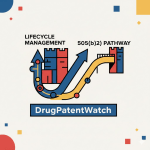
Pharmaceutical evergreening is the practice of extending a drug franchise’s commercial life through sequential patent filings covering innovations distinct from the original molecular entity. For repurposing, evergreening tactics and lifecycle management are essentially identical: both aim to generate new IP that creates market exclusivity after the original composition-of-matter patent expires. The following is a chronological roadmap of how a sophisticated company structures its IP lifecycle management around a repurposed drug.
Phase 1: Pre-Approval IP Consolidation (Years 1-3 of Repurposing Program)
The first step is a systematic freedom-to-operate (FTO) analysis examining all patents covering the candidate compound, its synthesis routes, formulations, and any prior art on the new indication. This requires searching not only granted patents but pending applications, continuations-in-part, and divisional applications that may not yet be publicly available. Patent databases including DrugPatentWatch, Derwent Innovation, and Espacenet are essential tools for this analysis.
Simultaneously, the repurposing team files provisional patent applications on any new inventions generated during early development: novel formulations being evaluated, biomarkers being developed as patient selection tools, synthesis improvements reducing API cost, and dosage regimen optimizations. Provisional applications establish a priority date while allowing 12 months to assess commercial viability before committing to full prosecution costs.
Phase 2: Clinical Development IP Strategy (Years 3-8)
During Phase II and III trials, the repurposing company generates the clinical data that will form the basis of its most commercially valuable IP: method-of-use patents covering the specific patient population, dosage, duration, and clinical indication being studied. Filing these patents based on interim efficacy data during the trial, rather than waiting for final results, establishes earlier priority dates.
Companion diagnostic development during clinical trials creates a separate IP stream. A diagnostic test that identifies the patient subpopulation most likely to respond to the repurposed drug is independently patentable and creates a durable market position: even if the drug itself faces generic competition, control of the diagnostic creates a de facto exclusivity position in the responding patient population.
Phase 3: Post-Approval Evergreening (Years 8-20+)
After approval, the lifecycle management strategy shifts to pediatric exclusivity studies, new indication filings, and formulation innovations. As described in Section 6.2, pediatric studies trigger six months of exclusivity across all indications under the Best Pharmaceuticals for Children Act, making this one of the highest-return lifecycle management investments available. The incremental cost of a pediatric pharmacokinetic study is often under $5 million; the exclusivity extension across a multi-billion-dollar franchise is worth hundreds of millions.
New indication filings on existing approved drugs generate new three-year data exclusivity periods under the Hatch-Waxman Act’s section 505(j)(5)(F)(iii), which protects the new indication’s clinical investigations from being relied upon by ANDA filers for three years. This three-year period is shorter than the five-year NCE exclusivity but requires only a supplemental NDA filing, not a full clinical package from scratch.
Extended-release formulation development is a high-frequency evergreening tactic. An immediate-release drug approaching patent expiry is reformulated as an extended-release product with once-daily dosing. If the extended-release formulation provides clinical benefits (improved tolerability, reduced peak-to-trough variation, better adherence) beyond those achievable by simply dosing the immediate-release version more frequently, it can support both new formulation patents and new clinical data exclusivity.
7.2 The Biologics Lifecycle Management Distinction
Biologic drugs face a distinct evergreening landscape governed by the Biologics Price Competition and Innovation Act (BPCIA) rather than Hatch-Waxman. Biologics receive 12 years of reference product exclusivity under BPCIA, a substantially longer baseline protection than the five-year NCE exclusivity for small molecules. Biosimilar applicants must navigate a ‘patent dance’ disclosure process in which the originator discloses a list of patents covering the reference biologic and the biosimilar applicant identifies which it will challenge.
For repurposing of approved biologics, the same secondary patenting strategies apply as for small molecules: new method-of-use patents for new indications, new formulation patents for subcutaneous delivery of previously IV-only biologics, new combination patents. But the additional 12-year reference product exclusivity means biologic repurposing programs often operate under substantially stronger base protection than small molecule programs.
Antibody-drug conjugates (ADCs) represent an active area of biologic repurposing by structural modification. A biologic that has established tumor-targeting capability can be conjugated to a cytotoxic payload, creating a new composition of matter with potentially broader IP coverage, even if the targeting antibody itself is off-patent. Pfizer’s seagen acquisition and the broader ADC field represent large-scale investment in this structural repurposing strategy.
Key Takeaways: Section 7
Effective evergreening requires parallel IP filings at each development stage: formulation patents before approval, method-of-use patents during trials, pediatric exclusivity studies post-approval.
Companion diagnostic patents provide a structural commercial advantage that survives small-molecule composition-of-matter patent expiry: controlling the diagnostic tool controls patient access to the therapy in the responding subpopulation.
Biologic repurposing programs benefit from 12-year BPCIA reference product exclusivity as a base, making secondary patent strategies less urgent but still additive.
ADC construction on off-patent biologic scaffolds is a documented route to new composition-of-matter coverage with full 20-year patent terms from the filing date.
8. Regulatory Pathways: 505(b)(2), EMA Pilot Programs, and Orphan Drug Designation {#section-8}
8.1 The 505(b)(2) Pathway: Anatomy and Strategic Application
Section 505(b)(2) of the Federal Food, Drug, and Cosmetic Act provides an NDA pathway in which the applicant relies, at least in part, on published literature or on FDA’s previous findings of safety and effectiveness for an approved drug. This pathway was specifically designed to facilitate approvals for drugs that are not new chemical entities but differ from approved products in meaningful ways: new formulations, new indications, new delivery routes, or new combinations.
A 505(b)(2) applicant must conduct the clinical studies necessary to support the aspects of the application that are not covered by the referenced data. For a repurposed drug where the new indication is the novel element, this means full Phase II and Phase III trial data demonstrating safety and efficacy in the new indication, while relying on the approved drug’s established safety database for Phase I PK/toxicology data.
The 505(b)(2) pathway provides three-year data exclusivity for the new clinical investigations supporting the approval, and potentially five-year NCE exclusivity if the application contains new molecular entity data, which is uncommon for repurposing. This exclusivity period, while shorter than biologics exclusivity, provides a commercial window to recover development investment.
From an IP perspective, 505(b)(2) applicants must submit a patent certification for all Orange Book patents covering the listed drug. If they file Paragraph IV certifications challenging those patents, they trigger the Hatch-Waxman 30-month stay, potentially delaying ANDA competition. Brand companies sometimes strategically list new method-of-use patents in the Orange Book before a 505(b)(2) applicant’s NDA is submitted, forcing the applicant to certify against those patents.
8.2 FDA Orphan Drug Designation and Its IP Implications
Orphan Drug Designation (ODD) applies to drugs intended for diseases or conditions affecting fewer than 200,000 people in the US. The FDA’s Office of Orphan Products Development grants ODD based on a prevalence threshold, not clinical efficacy data.
ODD provides seven years of orphan drug exclusivity (ODE) upon approval, preventing the FDA from approving another application for the same drug for the same orphan indication during that period. This exclusivity is in addition to, and independent of, any patent protection. It applies even if the drug is off-patent.
For repurposing programs targeting rare diseases, ODE is frequently the primary commercial protection, particularly for generic drug repurposing where method-of-use patents are difficult to enforce. The combination of ODE and three-year data exclusivity from 505(b)(2) can provide approximately seven to ten years of commercial protection on a repurposed drug in an orphan indication, sufficient to generate ROI on development costs in many cases.
The nitisinone-alkaptonuria repurposing illustrates this dynamic. Nitisinone is a generic drug (originally a herbicide, then approved for tyrosinemia type 1). Repurposing it for alkaptonuria, a rare metabolic disorder affecting approximately 5,000 patients in the EU, required new Phase III trial data generated by a non-profit consortium. The resulting approval in Europe carried orphan designation, providing 10 years of EU market exclusivity (the EU equivalent of ODE). That exclusivity provided the commercial basis for SOBI (Swedish Orphan Biovitrum) to license and commercialize the drug.
8.3 EMA’s Repurposing Pilot Program
The EMA launched a formal pilot program in 2023 specifically to support repurposing by academic and non-profit organizations, addressing the market failure in generic drug repurposing. The program provides scientific advice, regulatory guidance, and streamlined communication for non-commercial sponsors who lack the regulatory infrastructure to navigate the full EMA process independently.
The program reflects a recognition at the regulatory level that the existing IP and regulatory framework creates systematic underinvestment in repurposing of off-patent drugs for rare or neglected diseases. The EMA pilot is specifically targeted at this failure mode, offering process support rather than financial support. Whether process facilitation alone is sufficient to close the commercialization gap, without accompanying funding mechanisms, is a live policy debate.
Key Takeaways: Section 8
The 505(b)(2) pathway allows repurposing applicants to rely on existing safety data while contributing new clinical efficacy data, providing three-year data exclusivity post-approval.
Orphan Drug Designation provides seven years of US market exclusivity (ten in the EU) independent of patent status, making it the primary commercial protection for generic drug repurposing in rare disease indications.
FDA’s 21st Century Cures Act provisions and EMA’s repurposing pilot program create regulatory infrastructure supporting non-commercial sponsors who cannot navigate standard approval processes independently.
Pediatric studies on repurposed drugs trigger six months of additional exclusivity across all indications under BPCA, making pediatric repurposing an efficient exclusivity extension tactic even for drugs primarily prescribed in adults.
9. Challenges: Scientific, Financial, and Ethical Fault Lines {#section-9}
9.1 The Efficacy Problem: Why ‘De-Risked’ Does Not Mean ‘Easy’
The most common reason drug repurposing programs fail is not safety but efficacy. The most frequently cited cause of candidate abandonment is insufficient activity for the new indication or inadequate superiority compared to existing therapies. The case of Thymitaq, an anticancer compound described by researchers as ‘clearly active but not sufficiently superior to alternative therapies to justify the required investment,’ represents a class of failures that repurposing does not eliminate.
Phase II failure rates remain approximately 68% for repurposed drugs, and Phase III failure rates run approximately 40%. These are substantially lower than for NCEs (where combined Phase II-III attrition exceeds 85%), but they are not negligible. A repurposing program that advances to Phase III carries development costs ranging from $50 million to $500 million depending on indication and trial design. Failure at that stage on efficacy grounds produces a total loss on the incremental investment in the new indication.
The efficacy challenge is compounded when the repurposed drug must demonstrate superiority over established therapies rather than merely non-inferiority. In oncology, standard-of-care therapies have become increasingly effective over the past decade, raising the efficacy bar for any new entrant, repurposed or not. Metformin’s MA.32 trial in early breast cancer, which failed its primary endpoint in the overall population, illustrates this: the drug may have genuine antitumor activity, but current breast cancer standard-of-care has improved sufficiently that demonstrating incremental benefit on top of it requires either a biomarker-selected population or a different endpoint design.
9.2 Target Specificity and Off-Target Risk in New Contexts
Polypharmacology, a drug’s simultaneous action on multiple molecular targets, is both a repurposing asset and a clinical liability. The same broad target profile that makes a drug a promising repurposing candidate in one disease may produce unacceptable off-target toxicity in a different patient population, particularly one that differs in age, comorbidity burden, or concurrent medication profile from the drug’s original approved population.
Drug-drug interaction risk also changes when a repurposed drug is used in a new patient population. A drug approved as a single-agent therapy for one indication may be used in combination with multiple other drugs in the new indication, creating interaction risks not characterized in the original development program. These interactions require either new dedicated PK/PD studies or post-marketing pharmacovigilance programs, adding development cost that partly offsets repurposing’s speed advantage.
9.3 Clinical Trial Design Complexities
Clinical trial design for repurposed drugs presents specific challenges that do not arise in standard NCE programs. The optimal dose for the new indication may differ substantially from the approved dose. A drug approved at 500 mg twice daily for one indication may require 2,000 mg once daily for a different indication, or may need to be dosed at sub-therapeutic levels compared to its approved use to produce the desired effect without toxicity. Establishing the right dose for the new indication may require a new Phase I dose-ranging study, partially offsetting the Phase I savings that make repurposing attractive.
Formulation requirements for the new indication can also generate unexpected development work. A drug approved as an oral tablet may need topical formulation for dermatological repurposing, IV formulation for oncological use, or inhaled formulation for respiratory indications. Each of these represents a new pharmaceutical development program with its own technical and regulatory requirements.
Clinical equipoise, the genuine uncertainty about whether the treatment or control arm is superior that ethically justifies randomizing patients, can be difficult to achieve for repurposed drugs with existing suggestive evidence. If observational data or small trials have already suggested strong benefit for the new indication, recruiting patients into a placebo-controlled trial becomes ethically challenging and practically difficult because patients can access the drug off-label.
9.4 Off-Label Use: The Double-Edged Commercial Reality
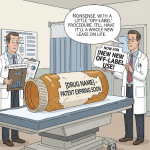
Approximately 20% of all US drug prescriptions are for off-label indications. Physicians prescribe off-label legally when scientific rationale and sound medical evidence support the use. Manufacturers cannot promote off-label uses, but they are not legally responsible for physician prescribing decisions.
For repurposing, widespread off-label use of an existing drug for the intended new indication creates a commercial paradox: it demonstrates the market need but reduces the commercial return on a formal regulatory approval. If physicians are already prescribing generic metformin off-label for cancer based on observational evidence, the commercial incentive to fund the Phase III trial that would generate formal approval, and the associated data exclusivity, is substantially weakened. The off-label market captures the demand but the commercial sponsor captures neither the exclusivity premium nor the ability to market the new indication.
The FDA’s expanded access programs (compassionate use) create a similar dynamic for rare disease repurposing: patients who obtain access to a drug under expanded access generate safety data that can support approval, but they also represent demand that is served without the commercial sponsor generating revenue.
Key Takeaways: Section 9
Phase III efficacy failure remains the primary cause of repurposing program losses; established safety data does not predict efficacy in a new indication.
Polypharmacology creates both opportunity and risk: the same multi-target profile that enables repurposing may produce off-target toxicity in a new patient population with different comorbidities and drug co-administration.
Off-label prescribing of existing drugs, particularly generics, undermines the commercial return on formal repurposing approvals, creating a market failure that primarily affects off-patent drug repurposing programs.
Dose optimization for a new indication may require a new Phase I program, partially offsetting the development cost savings typically attributed to repurposing.
10. The Generic Drug Repurposing Problem and Policy Interventions {#section-10}
10.1 The ‘Generic Paradox’: High Public Value, Negative Commercial ROI
The generic drug repurposing problem is one of the more analytically tractable market failures in pharmaceutical policy. Generic drugs are off-patent, low-cost, and widely available. Many have pharmacological properties that make them plausible candidates for new clinical indications. The data needed to support formal approval for a new indication, primarily a Phase III clinical trial, costs between $50 million and $500 million. No commercial actor can recover that investment on a drug selling at generic prices because no IP mechanism prevents competitors from immediately offering the same generic product for the same indication as soon as the new indication becomes known.
The result is systematic underinvestment. Academic medical centers and national clinical trial networks fund some generic repurposing trials because they operate under different incentive structures. But they typically lack the regulatory expertise, pharmacovigilance infrastructure, commercial partnerships, and market access capabilities needed to translate a positive trial result into widespread patient access. This produces the ‘valley of death’ between a positive trial and an approved, accessible treatment that affects generic drug repurposing more severely than any other drug development pathway.
10.2 Policy Proposals and Their Commercial Implications
Several policy proposals aim to close the generic repurposing gap. Each has specific commercial implications for pharmaceutical companies and investors.
Advance Market Commitments (AMCs) are contractual commitments by governments or international organizations to purchase a specified quantity of a drug at a guaranteed price if it receives approval for a specified indication. AMCs shift the commercial risk from the drug developer to the public purchaser. The COVID-19 vaccine AMCs demonstrated that this mechanism can mobilize private capital for public health priorities. For generic drug repurposing, an AMC for a cancer indication in a drug like metformin could provide the revenue guarantee needed to justify a commercial sponsor’s investment in the Phase III trial.
A dedicated regulatory pathway for ‘repurposed generics’ has been proposed by several academic and policy groups, including a 2025 working paper from Duke’s Margolis Center. The proposal involves a new FDA category that provides enhanced data exclusivity (potentially 7-10 years rather than the current 3 years) specifically for formally approved new indications of generic drugs, funded by a public-private partnership model. This would require Congressional action.
The NIH’s National Center for Advancing Translational Sciences (NCATS) runs the New Therapeutic Uses program, which matches NIH-funded academic researchers with FDA-approved drugs from industry partners whose companies are willing to share compounds and data for academic repurposing research. This program addresses the data access barrier but not the commercialization barrier.
EU regulatory incentives are somewhat more favorable: the EU’s enhanced protection period (up to 11 years with pediatric reward) and the availability of Scientific Opinion under Article 5(3) for non-commercially sponsored academic research provide European repurposers with more institutional support than the current US framework.
Key Takeaways: Section 10
The generic drug repurposing market failure stems from a fundamental mismatch between who can fund repurposing trials (public and academic institutions) and who can commercialize the results (private companies, which lack commercial incentive for off-patent compounds).
Advance Market Commitments represent the most commercially actionable policy mechanism for closing the generic repurposing gap, modeled on COVID-19 vaccine procurement.
A new FDA regulatory category providing 7-10 years of data exclusivity for formally approved repurposed generic indications would change the commercial calculus substantially and is under active policy development.
The EU’s Orphan Medicinal Product designation and enhanced data exclusivity periods currently provide better structural support for non-commercial repurposing sponsors than the US framework.
11. Market Sizing and Investment Landscape Through 2030 {#section-11}
11.1 Global Market Projections
The global drug repurposing market reached approximately $32 billion in 2023. Precedence Research projects growth to $59.3 billion by 2034, reflecting a CAGR of approximately 5.7%. Straits Research places the 2033 market at approximately $53 billion. Market Research Future reports the US segment growing from approximately $11 billion in 2023 toward $22 billion by 2032. These estimates capture the commercial value of drugs already approved for repurposed indications, not the pipeline value of programs currently in development.
Oncology dominates the repurposing market by indication, accounting for approximately 35-40% of repurposing activity by trial count and commercial value. Neurology (Alzheimer’s, Parkinson’s, neuropsychiatric), infectious disease (particularly post-COVID antiviral work), and rare disease (orphan drug programs) follow in activity level.
11.2 Competitive Landscape: Who Controls the Repurposing Supply Chain
The repurposing competitive landscape splits into four actor categories with distinct IP positions, financial structures, and commercial strategies.
Large pharmaceutical companies (Pfizer, Eli Lilly, Johnson & Johnson, AstraZeneca) pursue repurposing primarily as lifecycle management for their own approved drugs, seeking new indications, new formulations, and pediatric exclusivity to extend franchise value. Their IP positions are strong (composition-of-matter coverage on the original molecule plus accumulating secondary patents), their regulatory capabilities are world-class, and their commercial infrastructure is already in place. The risk for investors is that lifecycle management programs, while less risky than NCE discovery, are also lower in upside: they protect existing revenue rather than creating new categories.
Specialized repurposing biotechs (Nurix, Hepion, Humanigen before its wind-down) take positions in specific therapeutic areas with identified repurposing opportunities, often licensing or acquiring rights to existing compounds and running focused development programs. Their IP positions are typically limited to method-of-use and formulation patents. Valuation is driven by clinical stage, indication commercial potential, and the strength of the competitive IP barrier.
AI platform companies (BenevolentAI, Insilico Medicine, Recursion Pharmaceuticals) generate repurposing hypotheses at scale and enter pharma partnerships for validation and development. Their direct drug ownership is limited; most value is captured through milestone payments, royalties, and option agreements. Recursion has moved to also advance internally owned drug candidates, creating a hybrid platform-product model.
Academic and non-profit repurposers (Cures Within Reach, Castleman Disease Collaborative Network, disease-specific foundations) fund early repurposing research on generic drugs for rare conditions. They lack commercial IP positions but generate the clinical evidence that commercial actors can license or that policy mechanisms can convert into market exclusivity.
12. Investment Strategy for Institutional Analysts {#section-12}
12.1 Evaluating Repurposing Pipeline Value
Risk-adjusted net present value (rNPV) models for repurposed drug programs require several adjustments from standard NCE models. Phase I probability of success should be set higher, typically 90% or above, for compounds with existing human safety data in the dose range under investigation. Phase II probability of success should be set at approximately 45-55%, higher than the 25-35% NCE baseline, but not dramatically so: efficacy failure remains the primary risk. Phase III probability of success is approximately 60-65%, compared to 55-60% for NCEs in the same indication.
The discount rate should not be reduced simply because the program is a repurposing program: the residual clinical risk is meaningful, and the IP position is generally weaker than for NCEs. What changes is the probability-weighted cost, not the discount rate applied to cash flows.
Method-of-use patent coverage depth is the single most important IP variable in repurposing program valuation. A program with strong composition-of-matter coverage (e.g., a biologic or a recently approved small molecule) still in its primary patent term is worth substantially more than a structurally identical program on a compound whose composition-of-matter patent has expired and whose only IP protection is a method-of-use claim vulnerable to generic off-label prescribing.
Orphan Drug Designation, when applicable, dramatically changes the commercial model. A seven-year ODE provides a pricing environment where the drug can be sold at orphan drug prices ($100,000-$500,000 annually) rather than generic prices, which converts the rNPV from negative to substantially positive for most development costs under $200 million.
12.2 Key Diligence Questions for Repurposing Investments
IP diligence on a repurposing program should address:
What patents cover the compound, and when do they expire? For composition-of-matter patents, what is the effective US expiry date after patent term extension? Are there Orange Book listings and Paragraph IV challenges already filed or anticipated?
What is the enforceability of the method-of-use patent position? If the drug is already widely prescribed off-label for the new indication, a granted method-of-use patent provides limited commercial protection. Assess actual prescribing behavior using claims data before concluding that method-of-use patents create meaningful exclusivity.
Does the program qualify for ODD? If so, is the designation already granted? ODD applications take approximately 90 days to process; grants are generally straightforward for drugs meeting prevalence criteria with a plausible mechanistic rationale.
What regulatory pathway is planned (505(b)(2) vs. supplemental NDA vs. new NDA)? What data exclusivity will result? For 505(b)(2) programs, three years is the standard. For new indications added to a biologic, 12-year reference product exclusivity from the original approval may or may not apply to the new indication depending on the specific regulatory submission type.
Is the clinical program designed for superiority or non-inferiority? Non-inferiority designs are faster and cheaper but produce a commercial product that, by definition, does not outperform existing therapies, limiting pricing power unless other differentiators (safety, convenience, patient selection) exist.
12.3 Portfolio Construction Considerations
For pharmaceutical company R&D portfolio construction, repurposing programs should be evaluated alongside NCE programs using a consistent risk-adjusted framework rather than categorically preferred because they are ‘faster’ or ‘cheaper.’ The appropriate weight of repurposing in an R&D portfolio depends on the company’s pipeline breadth, IP expiry schedule, and available human capital. A company with a heavy loss-of-exclusivity (LOE) cliff in the next five years has stronger incentive to weight repurposing and lifecycle management than a company with a deep NCE pipeline.
For institutional investors building positions in pharmaceutical companies, the presence of a systematic repurposing program, with clear IP capture strategy and regulatory pathway analysis, is a positive indicator of capital efficiency in R&D. The absence of such a program in a company facing significant patent cliffs in the next five to seven years is a risk factor that should be reflected in valuation.
Drug repurposing’s market is projected to approach $59 billion by 2034. The companies that will capture the majority of that value are not those with the most compounds in repurposing screens, but those with the most disciplined IP strategy, the deepest understanding of regulatory exclusivity mechanisms, and the most rigorous clinical development programs. The science of finding new uses for old molecules has matured; the commercial skill of protecting and monetizing those uses has not.
Key Takeaways: Section 12
Phase I probability of success in rNPV models should be set higher for repurposed compounds (approximately 90%+), but Phase II and III probability estimates should be closer to NCE baselines because efficacy failure risk is not substantially reduced by existing safety data.
Orphan Drug Designation fundamentally changes repurposing program economics, enabling orphan drug pricing in populations where generic pricing would make development commercially unviable.
Method-of-use patent enforceability against actual off-label prescribing behavior, not merely theoretical legal coverage, is the critical IP diligence question for any repurposing investment.
Companies with systematic LOE exposure in the next five to seven years and no repurposing or lifecycle management programs represent a portfolio risk that should be reflected in valuation multiples.
This pillar page is intended as a living reference document for pharma IP teams, R&D leads, and institutional investors. The regulatory landscape for drug repurposing evolves rapidly; readers should verify current FDA and EMA guidance directly for time-sensitive decisions. Patent term and expiry data referenced for specific drugs reflects publicly available prosecution histories and is subject to change through ongoing litigation, reexamination proceedings, or supplemental protection certificate filings in individual jurisdictions.