Introduction: The Intellectual Property Graveyard is a Goldmine
Imagine a library containing the blueprints for nearly every major technological leap of the last century. This library details everything from foundational automotive technologies and life-saving pharmaceuticals to the complex algorithms powering our digital world. Now, imagine that access to over 90% of this library is completely free. This isn’t a fantasy; it’s the reality of the global patent system.
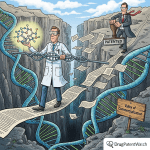
For too long, business leaders, innovators, and even many intellectual property (IP) professionals have viewed expired and abandoned patents as a “graveyard”—a desolate landscape of failed ideas, obsolete technologies, and worthless legal documents. This perspective is not just outdated; it’s a monumental strategic blunder. This graveyard is, in fact, a goldmine. It is a vast, perpetually growing, and criminally underutilized reservoir of technological knowledge, competitive intelligence, and innovation fuel.
The scale of this resource is staggering. In 2023 alone, innovators from around the world submitted a record-breaking 3.55 million patent applications, contributing to a global repository of human ingenuity that is expanding at an unprecedented rate.1 Yet, the lifecycle of these intellectual assets is often surprisingly short. A majority of U.S. patents are ultimately abandoned by their owners before reaching their full term, and every single day, thousands more reach their statutory expiration date and enter the public domain.3
The conventional approach to IP strategy is myopically focused on the “living”—the active, in-force patents that represent a direct legal threat or a licensable asset. This report argues for a paradigm shift. The true masters of modern innovation and strategy will be those who learn to systematically mine the so-called dead. They will understand that the “negative space” of the patent landscape—what is not patented, what was once patented, and what was almost patented—is as rich with strategic value as the positive space.
An abandoned patent application is not just a failure; it’s a detailed map of a competitor’s R&D journey, revealing their technological bets, their strategic pivots, and their cost-benefit calculations. An expired patent is not just an obsolete document; it is a de-risked, fully disclosed technological solution that can serve as the foundation for your next market-disrupting product. Together, this public domain of knowledge represents the world’s largest and most detailed R&D library, available to any company with the wisdom to use it.
This report is your guide to that library. We will embark on a journey that begins with decoding the fundamental language of patent status, distinguishing the critical differences between “expired,” “abandoned,” and “lapsed” IP. We will then dissect the anatomy of abandonment, exploring the strategic and financial reasons why valuable inventions are often left behind. From there, we will move to practical application, providing a treasure map for finding and analyzing these assets, and a playbook for leveraging them in R&D, pharmaceutical lifecycle management, and competitive intelligence. We will navigate the inherent legal risks, offering robust frameworks for mitigation, and look to the future, examining how artificial intelligence is revolutionizing our ability to extract value from this data.
The companies that continue to view this space as a graveyard will be left behind. Those that see it as a goldmine and learn to wield the tools to excavate its treasures will gain a powerful and sustainable competitive advantage. The knowledge is there for the taking. This report will show you how.
Decoding the Lingo: A Strategist’s Guide to Patent Status
To unlock the value hidden within the patent system, one must first speak its language. The terms “expired,” “abandoned,” and “lapsed” are not mere legal jargon; they are precise labels that define the opportunity, the risk, and the strategic pathway forward. For a business leader, R&D director, or portfolio manager, understanding the nuanced differences between these statuses is the first and most critical step in transforming patent data from a legal curiosity into an actionable strategic asset. Misinterpreting these terms can lead to missed opportunities at best, and costly infringement litigation at worst. This section provides the foundational knowledge required to navigate the landscape with confidence, focusing not just on the definitions, but on the crucial question: “What does this mean for my business?”
Expired Patents: The End of the Line
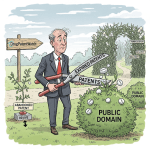
An expired patent is the most straightforward and lowest-risk asset in the public domain. A patent expires when it reaches the end of its statutory term, which for most utility patents filed today is 20 years from the earliest effective filing date.5 Once this clock runs out, the monopoly granted to the inventor is extinguished permanently. The invention enters the public domain, making it free for anyone to make, use, sell, or import without permission or the need to pay royalties, provided no other active patents cover the specific product or process.8
This expiration is not a flaw in the system; it is the system working as intended. The patent system is built on a fundamental “bargain” between the inventor and society: in exchange for a complete public disclosure of how to make and use the invention, the government grants a temporary, limited monopoly. This limited term is designed to strike a delicate balance. It provides a powerful incentive for inventors and their financial backers to invest the immense time and resources required for innovation, knowing they will have a period of exclusivity to recoup their investment.10 Simultaneously, the 20-year limit prevents the creation of perpetual monopolies that would stifle competition and slow down the pace of technological progress. As one analysis puts it, a patent that remains in effect for too long can restrict others from using and building on it, and since all technology is built on past technology, expiration is essential to stimulate broad societal innovation.
For the strategist, an expired patent is a green light. It represents the safest category of public domain technology. The risk of the original owner reasserting their rights is virtually zero. These documents serve as a rich, detailed technical manual, providing a low-risk foundation upon which new products can be built, or existing products can be improved.
Abandoned Patents: A Story Half-Told
The term “abandoned” is more complex and carries significantly different strategic implications. It can refer to two distinct scenarios: an application that never becomes a patent, or a granted patent that dies a premature death.
An abandoned patent application is one that is removed from the United States Patent and Trademark Office (USPTO) docket of pending applications before it is ever granted. This can happen for several reasons. The applicant might file a formal written declaration of “express abandonment,” deliberately terminating the process.12 More commonly, abandonment occurs through a failure to act. If an applicant fails to respond to an Office Action from a patent examiner, pay the required “issue fee” after a patent is allowed, or meet other deadlines within the statutory time period, the application is considered abandoned by the USPTO.12 These abandoned applications, if they were published (which most are, 18 months after filing), become part of the prior art record, a critical point we will return to later.
A lapsed or abandoned patent, on the other hand, is a patent that was successfully granted but has ceased to be in force because the owner failed to pay the required maintenance fees.17 In the United States, these fees for utility patents are due at 3.5, 7.5, and 11.5 years after the patent is granted.6 These fees increase over time, forcing the patent owner to periodically reassess whether the patent’s commercial value justifies the ongoing cost of keeping it alive. If a payment is missed and the grace period passes, the patent lapses and its protections are suspended.
While legal practitioners often distinguish between “abandoned” applications and “lapsed” patents, in the business world, the terms are frequently used interchangeably to describe IP that is no longer in force before its full term. The key takeaway for a strategist is that both represent a premature end to exclusivity, and both carry a risk that “expired” patents do not.
The Critical Risk of Revival: Why “Abandoned” Doesn’t Always Mean “Dead”
Herein lies the most critical distinction for any company looking to capitalize on public domain technology. Unlike an expired patent, an abandoned application or a lapsed patent is not necessarily dead forever. It can, under certain circumstances, be revived. This “zombie patent” risk is the single most important legal hazard to assess.
The USPTO and other patent offices worldwide have procedures for reviving an abandoned application or reinstating a lapsed patent. Typically, the patent owner must file a petition, pay the missed fees plus a penalty, and submit a statement that the abandonment was “unintentional”.12 An unintentional delay could stem from a simple administrative error, a docketing mistake, or a change in personnel.
The window for revival is not infinite. In the U.S., it is most straightforward within two years of the abandonment or lapse. After two years, the USPTO may require a more detailed explanation of the circumstances surrounding the delay, as the presumption of “unintentional” delay weakens over time.6 However, the possibility, however remote, can persist.
This revival risk fundamentally changes the strategic calculation. Building a product or business around a lapsed patent without a thorough understanding of the revival risk is akin to constructing a headquarters on a known seismic fault line. The ground may seem stable today, but a sudden shift could bring the entire enterprise crashing down. Therefore, the first question a strategist must ask when encountering an inactive patent is not simply “Is it in force?” but “Why is it not in force?” If the answer is that it has reached the end of its 20-year term, the path is clear. If the answer is non-payment of maintenance fees, a more cautious and thorough legal and risk analysis is immediately required. This distinction acts as a crucial filter, guiding the allocation of R&D resources and shaping the entire strategic approach to leveraging public domain IP.
To clarify these critical distinctions, the following table provides a strategic cheat sheet for business leaders.
Status
Definition
Primary Cause
Revival Risk
Key Strategic Implication
Expired Patent
A patent that has reached the end of its full statutory term (typically 20 years from filing).5
Natural end of the 20-year patent term.
Virtually None. The patent is permanently in the public domain.
Safest source of “free” technology. Low-risk foundation for R&D and new product development.
Abandoned Application
A patent application that is terminated before a patent is ever granted.
Failure to respond to an Office Action, failure to pay issue fees, or express abandonment by the applicant.13
Moderate. Can be revived if the delay was unintentional, especially within the first two years.
Source of competitive intelligence. The published application is prior art. Reveals competitor R&D paths, but using the tech is risky due to potential revival.
Lapsed/Abandoned Patent
A granted patent that becomes unenforceable before its full term ends.17
Failure to pay required maintenance fees (e.g., at 3.5, 7.5, or 11.5 years in the U.S.).6
Moderate to High. Can be revived if the lapse was unintentional. Risk decreases over time but never fully disappears.20
High-reward but high-risk opportunity. The technology is available, but building a business on it requires careful legal due diligence and risk assessment for potential “zombie patent” infringement.
The Anatomy of Abandonment: Why Good Inventions Go Dark
Every abandoned patent tells a story. It’s a story of ambition, investment, and ultimately, a decision to walk away. For the savvy strategist, understanding the plot of that story—the “why” behind the abandonment—is paramount. Was the technology a scientific dead end, rightly discarded? Or was it a brilliant invention abandoned for purely strategic or financial reasons that have no bearing on its intrinsic technical merit? The answer to this question separates the worthless scrap from the hidden gem. By dissecting the motivations behind abandonment, we can develop a sophisticated framework for valuing these overlooked assets and identifying high-potential opportunities. The reasons for abandonment generally fall into two categories: deliberate, strategic choices and unintentional, passive lapses.
Strategic Abandonment: Pruning the Portfolio
In many cases, particularly with large, well-resourced corporations, the decision to abandon a patent or application is a calculated business move. These organizations often have sophisticated IP management systems and dedicated legal teams, making unintentional lapses rare. Their decisions to abandon are typically part of a broader strategy of portfolio optimization.
One of the most common drivers is cost-saving. Maintaining a patent, especially across multiple international jurisdictions, represents a substantial and recurring financial commitment. Maintenance fees, administrative overhead, and legal support can quickly add up. Companies with large portfolios regularly conduct reviews to identify patents that are no longer providing sufficient value to justify these costs. This is not a sign of failure but of disciplined financial management. By strategically abandoning patents that are no longer aligned with core business objectives, companies can reallocate those funds to protect more valuable innovations or invest in new areas of R&D.
Another key factor is commercial irrelevance. Markets are not static. A technology that seemed promising a decade ago may have been superseded by a better alternative, or the market demand that was anticipated may never have materialized.13 A shift in corporate strategy can also render a patent irrelevant. If a company decides to exit a particular line of business, it makes little sense to continue paying to maintain patents in that field. In these cases, the abandoned technology might be perfectly sound, but it no longer fits the abandoning company’s strategic puzzle. This creates a prime opportunity for another firm, with a different strategy or market focus, to pick up the pieces.
Finally, an applicant may strategically abandon an application due to weak patentability. After receiving one or more rejections (Office Actions) from the USPTO, the applicant may conclude that the chances of securing a patent with commercially meaningful claims are low, and the cost and effort required to continue fighting the examiner are not a worthwhile investment. They may also discover “prior art” that invalidates their claims, prompting them to abandon the application rather than face a likely final rejection.
Passive Abandonment: The Unintentional Lapse
In contrast to strategic abandonment, passive abandonment occurs when a patent or application lapses unintentionally, often due to administrative errors or resource constraints. These cases are particularly interesting because the underlying invention may still be highly valued by the owner, but circumstances prevented them from maintaining their rights.
Administrative errors are a surprisingly common cause. A missed deadline for a fee payment, a failure to properly file a response to an Office Action, or a simple docketing mistake can lead to an unintentional lapse.16 While larger corporations have systems to prevent this, smaller entities and startups are more vulnerable.
This leads to the most frequent reason for passive abandonment among smaller players: lack of funds. The patent prosecution process is long and expensive. Startups, operating on tight budgets, may simply run out of capital to pay for the escalating legal fees and USPTO maintenance costs.14 In this scenario, a highly valuable and innovative technology may be abandoned not because it lacks merit, but because its owner lacked the financial runway to see it through. These are the crown jewels of the patent graveyard—inventions whose abandonment is completely disconnected from their potential value.
This context is crucial for valuation. When you find an abandoned patent, the first question should be, “Who abandoned it?” If it was a multinational corporation, the likely reason was strategic, and the follow-up question is, “Why did this no longer fit their business model?” The technology might be perfectly viable for a smaller, more agile company. If it was a startup, the likely reason was financial, and the follow-up is, “Did they just run out of money?” This could represent a high-value technology available for a fraction of its development cost.
The Pharmaceutical Anomaly: Abandonment as a Strategic Weapon
Nowhere is the story of abandonment more complex and strategic than in the pharmaceutical industry. Here, abandonment is not always a sign of failure or a cost-cutting measure; it can be a sophisticated, offensive tactic used to shape the competitive landscape.
Recent studies reveal a startling pattern. An analysis of the top 10 best-selling prescription drugs in the U.S. found that a full 33% of all patent applications associated with these blockbuster products were ultimately abandoned.23 This high rate of abandonment is especially intriguing when coupled with another fact: almost three-quarters (72%) of the patent applications for these drugs were filed
after the drug had already received FDA approval.23
What explains this behavior? Why would a company spend significant money to file a patent application for a successful, already-approved drug, only to abandon it? The answer lies in a deep understanding of patent law. As established, a patent application is typically published 18 months after it is filed, and once published, it becomes “prior art”. This means it can be used by patent examiners to reject future patent applications from other companies for being “obvious” or “not novel”.
By filing numerous post-approval applications on secondary aspects of a drug—such as new formulations, delivery methods, or manufacturing processes—and then selectively abandoning some of them, a pharmaceutical giant can deliberately create a dense field of prior art. This strategy, a key component of building a “patent thicket,” makes it significantly more difficult, time-consuming, and expensive for generic or biosimilar competitors to patent their own versions or design-arounds.24
This is a third-order strategic insight: the very act of abandonment is weaponized. It is not a failure of the patent process but a sophisticated manipulation of it. The company is not trying to get a patent; it is using the filing and publication system to create legal and administrative hurdles for its competitors. For an analyst, recognizing this pattern is crucial. It signals a company’s aggressive defensive strategy and highlights the specific technological avenues they are trying to block, providing invaluable intelligence for any competitor attempting to enter that market.
The Public Domain Treasure Map: Finding and Analyzing Expired & Abandoned IP
Knowing that a goldmine of valuable information exists is one thing; having the map and tools to find the gold is another entirely. This section serves as your practical guide to navigating the vast archives of the global patent system. We will equip you with the essential tools and methodologies to effectively search for patents, analyze their legal status, and begin the process of extracting value. The journey starts with powerful, free resources available to the public and progresses to the professional-grade platforms that provide a decisive analytical edge.
The Public Tool-Kit: Searching for Free
For any organization, the first port of call for patent searching should be the free, comprehensive databases maintained by the world’s major patent offices. These tools are robust and contain the primary source data needed for any initial analysis.
United States Patent and Trademark Office (USPTO) Resources: As the issuer of U.S. patents, the USPTO provides a suite of direct-access tools.
Patent Public Search: This is the USPTO’s primary, web-based search portal, having replaced older systems like PatFT and AppFT. It offers both a basic search interface for simple keyword or number lookups and an advanced search function with full query capabilities, allowing users to search the full text of granted patents and published applications.26 This is the starting point for any U.S.-centric search.
Patent Center: For registered users, Patent Center is the gateway to the live status of patent applications. Here, you can directly check if an application is active, patented, or, crucially, abandoned. It provides access to the full file history, including all correspondence between the applicant and the examiner.
Official Gazette: For those monitoring the latest developments, the Electronic Official Gazette allows you to browse all patents issued in the current week, sorted by classification or patent type.
Google Patents: Perhaps the most user-friendly entry point, Google Patents aggregates data from the USPTO, the European Patent Office (EPO), WIPO, and many other national offices into a single, searchable interface. Its key advantages are its intuitive design, powerful search algorithm (which includes keyword and classification searching), and often easy-to-read timelines that display a patent’s legal status and family members.
Espacenet: This is the public search engine of the European Patent Office (EPO) and is indispensable for any international search strategy. Espacenet contains data on over 100 million patent documents from around the world.30 Its most powerful feature for our purposes is the “Legal events” tab. This tool tracks key changes in a patent’s status—such as fee payments, lapses, and grants—not just at the EPO but also from data provided by national patent offices. This allows a user to track the lifecycle of a patent across multiple countries from a single screen.
The Professional’s Edge: Specialized Commercial Platforms
While the public tools are powerful, they can be cumbersome for large-scale analysis, trend-spotting, and strategic intelligence gathering. This is where specialized commercial platforms provide a significant competitive advantage. These services integrate patent data with advanced analytics, data visualization tools, and other business-critical information to turn raw data into actionable insights.
The Value Proposition: Commercial platforms excel at aggregating vast datasets and presenting them in a way that reveals patterns and trends invisible to the naked eye. They allow you to move beyond searching for a single patent to analyzing an entire technology landscape.
Leading Platforms:
Juristat: This platform focuses on patent analytics for competitive intelligence, with a database of more than 10 million pending, abandoned, and granted applications. It allows users to benchmark performance against competitors, analyze allowance rates by specific examiners or art units, and identify emerging technologies.
PatSnap: Leveraging AI, PatSnap helps companies with strategic portfolio management. Its tools can assist in making data-driven decisions about which patents to file, maintain, or abandon, and can visualize technology landscapes to identify opportunities and threats.
LexisNexis PatentSight: This is another AI-powered platform designed to generate patent landscape overviews, analyze competitor portfolios, and benchmark performance. It aims to accelerate the workflow from a strategic question to a data-backed insight.
An Indispensable Tool for Pharma: DrugPatentWatch For any organization operating in or analyzing the pharmaceutical sector, DrugPatentWatch is a mission-critical resource. It is designed specifically to address the unique challenges and opportunities of the pharma IP landscape.
Integrated Global Data: DrugPatentWatch provides a comprehensive, integrated database covering drug patents, regulatory status, litigation history, and generic drug manufacturer information for over 130 countries.35 This global reach is essential for FTO analysis and market entry strategy.
Focus on Expired and Abandoned IP: Crucially, the platform offers dedicated access to an expired patents database and historical archives dating back to the Hatch-Waxman Act. This makes it a one-stop shop for the very strategies outlined in this report: identifying off-patent opportunities, uncovering prior art in expired and abandoned patents, and analyzing the lifecycle of blockbuster drugs.35
Actionable Business Intelligence: The platform is built for business users. It helps generic manufacturers manage their portfolios, branded manufacturers track competitors, and wholesalers prevent overstocking of drugs that are about to go off-patent. By linking patent data directly to commercial and regulatory events, DrugPatentWatch transforms IP information into a powerful tool for forecasting, budgeting, and strategic decision-making.
Effective patent searching is not about finding a single document; it is about reconstructing a narrative. A truly sophisticated analysis requires a layered approach. You might start with a simple search on Google Patents and find an abandoned U.S. patent—a single, interesting data point. But the story doesn’t end there. By cross-referencing that patent in Espacenet, you might discover through its “Legal events” tab that the same company filed corresponding patents in Europe and Japan that are still very much active. This immediately changes the narrative: the U.S. abandonment was not a failure of the technology but a strategic decision to focus resources on other key markets. Taking it a step further, a platform like Juristat could reveal that the U.S. examiner on the case has an unusually low allowance rate, explaining the applicant’s decision to cut their losses in that jurisdiction. This multi-tool approach transforms a simple fact—”this patent is abandoned”—into a rich strategic insight: “Our competitor values this technology highly, is actively defending it in Europe and Japan, and only abandoned the U.S. case due to a difficult examiner, not a technical flaw.” This level of understanding, which is impossible to gain from a single database, is the foundation of superior competitive assessment.
Building on the Shoulders of Giants: Leveraging Expired Patents for R&D
The public domain is the world’s largest, most diverse, and most underutilized R&D laboratory. Every expired patent is a peer-reviewed, fully disclosed blueprint for a technology that was once deemed novel and valuable enough to warrant legal protection. For R&D teams, this represents an extraordinary opportunity: the chance to start on third base, building upon proven concepts without having to reinvent the wheel or invest in foundational research from scratch. This section provides a practical framework for transforming the theoretical value of expired patents into tangible innovation, new products, and a significant competitive advantage in the marketplace.
The Legal Foundation: Freedom to Innovate
The strategic use of expired patents rests on a simple and powerful legal principle. Once a patent’s term has ended, the invention it covers enters the public domain.8 This means that the knowledge is no longer the exclusive property of the inventor but belongs to everyone. Any individual or company can legally and freely make, use, or sell the invention described in the expired patent without seeking permission, paying a license fee, or fearing an infringement lawsuit.5
This is the deliberate and essential outcome of the patent system’s social contract. It ensures that while inventors are rewarded for their creativity, their knowledge eventually enriches the public commons, where it can serve as a catalyst for further competition and innovation.7 This principle is the legal bedrock upon which a public-domain-driven R&D strategy is built.
A Practical R&D Framework
Moving from legal principle to R&D practice requires a systematic approach. The following framework outlines a repeatable process for integrating expired patent intelligence into your innovation pipeline.
Step 1: Identify Foundational Technologies. Using the search tools and methodologies outlined previously, your team should proactively hunt for expired patents within your core technology areas or adjacent markets. The goal is to identify foundational patents that solve a fundamental problem or offer a core functionality that is relevant to your product roadmap.
Step 2: Deconstruct and Analyze. A patent document is more than a legal instrument; it is a detailed technical manual. The specification must, by law, “disclose how to make and use” the invention in a way that is clear enough for a person skilled in the art to replicate it. Your R&D team can leverage this disclosure as a comprehensive guide, deconstructing the invention to understand its components, mechanisms, and manufacturing processes. This step alone can save thousands of hours of initial research and experimentation.
Step 3: Innovate and Improve. The objective is not simply to copy, but to innovate. The world has changed in the 20 years since the patent was filed. Ask critical questions: Can we make it cheaper with modern materials? Can we make it more efficient with current processing power? Can we integrate it with new technologies like IoT or AI? Can we apply this old solution to a completely new market problem? Crucially, any new and non-obvious improvements you make to the public domain technology can be protected with your own, new patents. This allows you to build a proprietary position on top of a public domain foundation.
Step 4: Commercialize. With a massive head start on development time and cost, you can now launch new products or features based on this public domain technology. This strategy allows you to be faster to market, more cost-competitive, and more innovative by focusing your resources on improvement and application rather than on basic invention.
Case Studies in Action
This strategy is not theoretical; it has been the driving force behind entire industry transformations and countless entrepreneurial successes.
The 3D Printing Revolution: The explosion of the consumer and hobbyist 3D printing market in the 2010s was almost entirely enabled by the expiration of key patents held by industry pioneers like 3D Systems and Stratasys. When foundational patents for technologies like Fused Deposition Modeling (FDM) entered the public domain, it unleashed a wave of innovation. New companies like MakerBot and Formlabs were able to legally build upon these core concepts, dramatically lowering costs and making the technology accessible to a mass audience. The result was a vibrant, competitive ecosystem built directly on the shoulders of expired IP.39
Automotive and Manufacturing Innovations: The modern automotive industry is a testament to the power of building on past inventions. The expiration of early, fundamental patents—from the internal combustion engine to Ransom Olds’ 1901 patent for the assembly line concept, later perfected by Henry Ford—democratized manufacturing, spurred intense competition, and led to the rapid evolution of the automobile.
Consumer Product Entrepreneurship: The value of expired patents is not limited to high-tech industries. Creative entrepreneurs are actively mining patent archives for simple, clever solutions to everyday problems. One analysis highlighted an expired patent for a simple napkin holder, which entrepreneurs on Etsy and Amazon repurposed and sold successfully. Another example is an expired patent for a glove designed to improve dexterity. While originally for sports like baseball, entrepreneurs identified the emerging, high-growth market of pickleball and successfully launched a similar product, generating significant revenue by applying an old design to a new trend.41
These cases reveal a deeper strategic truth. The most valuable expired patents are not always the most technologically complex. Often, they are the ones that solve a “good enough” problem in a market that has since evolved. A patent filed two decades ago was designed for the technological constraints and market needs of its time. It may have been too expensive, too niche, or ahead of its time to achieve mass adoption. Today, however, manufacturing costs may be a fraction of what they were, complementary technologies (like ubiquitous mobile connectivity or advanced polymers) may now exist, and entirely new markets may have emerged.
This shifts the strategic question for R&D teams. It’s not just “What technology is now free?” but rather, “Which freely available technologies can now be successfully commercialized because the world around them has changed?” This is a powerful, market-driven lens for innovation. It encourages teams to look at the vast library of expired patents not as a collection of historical artifacts, but as a toolkit of proven solutions waiting for the right modern problem.
The Pharmaceutical Crucible: Navigating the Patent Cliff and Beyond
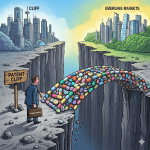
The world of pharmaceutical patents is an arena of uniquely high stakes. Here, the lifecycle of intellectual property is not just a legal or administrative process; it is the central organizing principle of the entire business model. The immense cost and time required to bring a new drug to market, coupled with the finite term of patent protection, creates a relentless cycle of innovation, exclusivity, and inevitable competition. At the heart of this cycle is the “patent cliff,” a term that strikes fear into the hearts of executives and investors alike. Understanding the dynamics of the cliff, and the sophisticated strategies companies employ to survive it, is essential for anyone operating in or analyzing this critical industry.
The Patent Cliff: An Existential Threat
The patent cliff is a phenomenon characterized by the sharp, sudden, and often catastrophic decline in revenue that a pharmaceutical company experiences when a “blockbuster” drug—one with annual sales typically exceeding $1 billion—loses its patent protection.43 Once the primary patent expires, the floodgates open for generic manufacturers to enter the market with chemically equivalent versions at a fraction of the price.
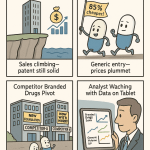
The economic impact is staggering. It is not unusual for a branded drug’s revenue to plummet by 80-90% within the first year of generic competition.45 For a company whose fortunes are heavily tied to a single product, this is an existential threat. The industry as a whole is perpetually staring down this precipice. One industry analysis projects that between 2025 and 2030, a wave of patent expirations will put a colossal
$236 billion in annual revenue at risk.45
The history of the pharmaceutical industry is littered with examples of this brutal market correction. Pfizer’s cholesterol drug Lipitor, once the best-selling drug in the world, saw its sales fall off a cliff after its patent expired in 2011, providing a textbook case study of the phenomenon.39 Similarly, Plavix, an anti-platelet drug from Bristol Myers Squibb and Sanofi, experienced a dramatic drop in sales upon its patent expiration in 2012. This is not a historical anomaly; it is the predictable and recurring reality of the pharmaceutical business cycle.
Buying Time: Strategies to Extend Exclusivity
Given the certainty of the patent cliff, innovator companies have developed a sophisticated arsenal of legal and strategic tools designed to extend their period of market exclusivity for as long as possible. These are not afterthoughts; they are core components of a drug’s lifecycle management plan from its earliest stages.
Patent Term Extension (PTE): The U.S. Congress recognized that the standard 20-year patent term is significantly eroded by the lengthy FDA regulatory review process. The 1984 Drug Price Competition and Patent Restoration Act, commonly known as the Hatch-Waxman Act, created a mechanism to restore some of this lost time. PTE can extend the term of a patent covering a new drug to compensate for delays during clinical trials and FDA review. The extension is capped at a maximum of five years, and the total effective patent life (the time remaining after FDA approval) cannot exceed 14 years.48 Similar provisions, such as Supplementary Protection Certificates (SPCs) in Europe, exist in other major markets.
Pediatric Exclusivity: To incentivize drug makers to study the safety and efficacy of their products in children, regulators offer an additional carrot: a six-month extension of market exclusivity. This six-month period is added on to all other existing patents and exclusivities for the drug, making it a highly valuable prize.
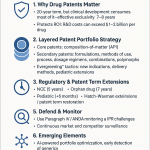
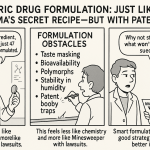
“Evergreening” and “Patent Thickets”: These are the most controversial, yet most common, strategies for prolonging a drug’s life. “Evergreening” refers to the practice of obtaining new, secondary patents on variations of an existing drug just as the original patent is about to expire. These patents typically do not cover the core active ingredient but rather new formulations (e.g., an extended-release version), new methods of use (i.e., treating a different disease), new dosages, or new delivery devices (e.g., an improved injector pen).24 By filing dozens or even hundreds of such patents, companies create a dense and overlapping “patent thicket”. This thicket doesn’t necessarily make it impossible for a generic company to enter the market, but it creates a legal minefield that is incredibly complex, time-consuming, and expensive to navigate, thus delaying competition for years. The statistics are telling: on average, the top 12 best-selling drugs in America have 125 patent applications filed and 71 granted patents each. AbbVie’s autoimmune drug Humira is the poster child for this strategy, with the company filing for more than 300 patents, 94% of which came after the drug was first approved by the FDA. This strategy helped block competition for years and generated nearly $200 billion for AbbVie.
The Generic Onslaught: The Market Transformation
The moment a branded drug’s patent protection and other exclusivities finally lapse, the market transforms almost overnight. The Hatch-Waxman Act created an abbreviated pathway for generic drug approval, the Abbreviated New Drug Application (ANDA), which allows generic manufacturers to rely on the innovator’s original safety and efficacy data, dramatically speeding up their path to market.
The result is a rapid influx of competition. Generic drugs, which are often priced 40% to 90% lower than their branded counterparts, quickly capture the market.43 The impact of this framework is profound: in 1984, when the Hatch-Waxman Act was passed, generic drugs accounted for a mere 19% of all prescriptions filled in the U.S. Today, that number has skyrocketed to over
90%.
This entire dynamic reveals that the patent cliff is not an unforeseen accident but a predictable, cyclical risk that is woven into the fabric of the pharmaceutical business model. The journey of a new drug from lab to market is incredibly long and expensive, taking an average of 12-13 years and over $2 billion.43 With a 20-year patent term starting from the filing date, this leaves a precious window of only 7-8 years of effective market exclusivity to recoup that massive investment.43
Therefore, from the very first day of R&D, a pharmaceutical company is not just developing a drug; it is architecting a comprehensive lifecycle management strategy. The R&D pipeline for follow-on formulations, new indications, or improved delivery systems—the very basis for the “evergreening” patents that will form the patent thicket—must run in parallel with the development of the primary drug. The high number of post-approval patent filings is not an afterthought; it is a pre-planned, deeply integrated part of a business strategy designed to manage the unavoidable risk of the patent cliff. This reality connects R&D, IP law, and commercial strategy into a single, unified, and relentless quest for time.
To make this high-stakes game more concrete, the following table illustrates the impact of the patent cliff on some of the world’s most successful drugs.
Drug Name
Company
Primary Indication
Peak Annual Sales (Approx.)
Year of U.S. Expiration (Effective)
First-Year Revenue Decline (Est./Actual)
Key Lifecycle Strategy Used
Lipitor (atorvastatin)
Pfizer
High Cholesterol
~$13 Billion
2011
>50% decline in first year; sales fell from $9.6B to $3.9B 44
Fought generic entry in court; eventually succumbed to generics.
Humira (adalimumab)
AbbVie
Autoimmune Diseases
~$21.2 Billion
2023
30.8% decline in first 9 months of 2023, less severe due to deals
Massive patent thicket (300+ applications), settlement deals with biosimilar makers.
Keytruda (pembrolizumab)
Merck
Cancer (Immunotherapy)
~$29.5 Billion (2023)
2028
19% projected decline in first year post-expiration
Developing a new subcutaneous version to secure a separate patent and extend exclusivity.
Eliquis (apixaban)
BMS / Pfizer
Blood Thinner
>$10 Billion
~2026-2028
Facing a significant patent cliff alongside other major products 45
Litigation to defend secondary patents on formulation and method of use.
Plavix (clopidogrel)
BMS / Sanofi
Anti-platelet
~$9 Billion
2012
Significant and rapid drop in sales as cheaper generics became available 44
Fought to maintain exclusivity but ultimately faced strong generic competition.
The Phoenix Strategy: Drug Repurposing with Patent Intelligence
Out of the ashes of abandoned projects and the public domain of expired patents rises one of the most powerful and efficient strategies in modern medicine: drug repurposing. Also known as drug repositioning, this approach involves identifying new therapeutic uses for existing drugs—compounds that were either abandoned during development or whose original patents have long since expired. By leveraging the vast repository of knowledge contained within patent databases, companies can discover and develop blockbuster new therapies at a fraction of the cost, time, and risk associated with traditional, de novo drug discovery. This is the ultimate phoenix strategy: turning the “dead” IP of the past into the life-saving innovations of the future.
The Economics of Repurposing: A Smarter Bet
The traditional model of drug discovery is a brutal numbers game, characterized by staggering costs and a high probability of failure. The journey from a new chemical entity (NCE) to an FDA-approved drug is notoriously long, slow, and expensive.
The Problem: On average, developing a new drug from scratch takes 10 to 17 years and costs an estimated $2.6 billion, a figure that accounts for the high cost of the many failures along the way.53 The overall probability of a drug that enters clinical trials successfully making it to market is a mere ~10%.53
The Solution: Drug repurposing fundamentally changes this equation. The strategy’s brilliance lies in its starting point: instead of beginning with a novel, untested compound, it begins with a drug that has already undergone extensive preclinical and, often, Phase I clinical safety testing. These are de-risked assets.
The Numbers: The advantages are dramatic and quantifiable. A repurposed drug typically takes only 3 to 12 years to develop, at an average cost of around $300 million. Most importantly, the probability of success jumps to approximately 30%, a threefold improvement over the traditional model. This strategy doesn’t just offer incremental improvements; it represents a paradigm shift in R&D efficiency.
Landmark Success Stories
The history of pharmacology is filled with legendary examples of serendipitous or deliberate repurposing, many of which became cultural and commercial touchstones.
Sildenafil (Viagra): Perhaps the most famous example, sildenafil was originally developed by Pfizer in the 1990s as a treatment for angina (chest pain). While it proved ineffective for its intended purpose in clinical trials, male participants reported an unexpected side effect. Pfizer’s researchers astutely pivoted, and the drug was repurposed and launched as Viagra, a revolutionary and phenomenally successful treatment for erectile dysfunction.53
Thalidomide: This drug has one of the most dramatic stories in pharmaceutical history. Initially marketed in the late 1950s as a sedative and a treatment for morning sickness, it was catastrophically withdrawn after being found to cause severe birth defects.56 The drug was abandoned. Years later, however, researchers discovered its powerful immunomodulatory and anti-angiogenic properties. This new understanding led to its resurrection and repurposing as a highly effective treatment for complications of leprosy and, later, as a cornerstone therapy for the blood cancer multiple myeloma.53
Minoxidil (Rogaine): Developed by the Upjohn Company in the 1950s as a potent vasodilator to treat high blood pressure, minoxidil had a noticeable side effect: hair growth (hypertrichosis). Recognizing the commercial potential, the company reformulated the drug as a topical solution and successfully repositioned it as Rogaine, the first FDA-approved treatment for male pattern baldness.
The Role of Patent Databases in Repurposing
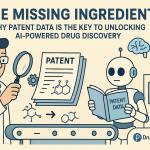
While early successes were often driven by accidental discoveries, modern drug repurposing is a deliberate, data-driven strategy. At its core is the systematic mining of patent databases, which serve as a strategic map to a world of hidden opportunities.
Uncovering “Shelved” Compounds: Patent databases, especially those containing abandoned and expired patents, are a treasure trove of information on compounds, their molecular targets, and their initial intended uses.53 Companies can systematically search for compounds that were “shelved”—abandoned not for safety reasons, but for lack of efficacy in a specific trial, or for purely strategic or commercial reasons. These shelved assets can then be acquired or licensed for development in a new therapeutic area.
Connecting the Dots: The true power comes from integrating patent data with other sources. By combining information from patent disclosures with data from clinical trial registries, scientific literature, and genomic databases, researchers can identify novel connections between a known drug’s mechanism of action and a completely different disease pathway.53 Specialized platforms like DrugPatentWatch are invaluable here, as they are specifically designed to integrate patent status information with regulatory, clinical, and commercial data, providing a holistic view of a drug’s history and potential.
The IP Challenge of Repurposing
Intellectual property protection is a key challenge in drug repurposing. While the original “composition of matter” patent on the drug itself may have expired, companies can still obtain new IP protection for the repurposed product. The most common route is a “method of use” patent, which claims the use of the known compound to treat the new disease. While valuable, these patents are generally considered weaker than composition of matter patents. A key difficulty is enforcement, as it can be challenging to prevent doctors from prescribing the cheaper, generic version of the drug “off-label” for the new, patented indication.
Ultimately, drug repurposing transforms the patent “graveyard” from a collection of historical footnotes into a vibrant, active pipeline of de-risked, pre-vetted drug candidates. The strategic mindset shifts from asking “What did this patent protect?” to a more powerful set of questions: “What problem was this compound trying to solve? What biological pathway does it target? What else in the vast landscape of human disease involves that same pathway?” An abandoned patent for a failed Alzheimer’s drug is no longer just a failure. It is a compound that has likely passed initial safety testing, representing millions of dollars in sunk R&D costs. The value is not in the expired legal right, but in the scientific and financial head start it provides. It is a strategic transfer of assets from one company’s historical P&L to another’s future R&D pipeline.
The Art of War: Using Patent Data for Competitive Intelligence
In the modern economy, knowledge is power, and patent data is one of the most potent forms of knowledge available. A company’s patent portfolio is more than a collection of legal rights; it is a detailed, public declaration of its strategic intentions, its R&D priorities, its technological strengths, and its perceived weaknesses. By moving beyond the analysis of individual patents to a holistic view of the entire patent landscape, businesses can transform this data into a powerful weapon for competitive intelligence. This section provides a framework for using patent analytics—including crucial data from abandoned and expired filings—to map the competitive terrain, anticipate market shifts, and inform winning strategies.
Mapping Competitor R&D Trajectories
At its most fundamental level, patent analytics allows you to create a detailed map of your competitors’ innovation efforts. By systematically tracking a rival’s patent filings over time—including not just their granted patents but also their published applications and, critically, their abandoned applications—you can reconstruct their R&D trajectory with remarkable clarity.
This analysis reveals where they are investing their R&D budget, which technologies they consider core to their future, and which they are moving away from. For example, a sudden surge in patent filings in a specific technology class indicates a new strategic focus. Conversely, a pattern of abandoning applications in a once-active area can signal a strategic pivot, a de-prioritization of a research program, or a conclusion that the technology is a dead end. This information is invaluable for anticipating a competitor’s next move and adjusting your own strategy accordingly.
Identifying “White Space” and Emerging Technologies
Patent landscaping is a powerful visualization technique that maps patenting activity across a technology domain. By plotting patents on a topographical map, you can instantly see where activity is heavily clustered—the “red oceans” of intense competition—and where it is sparse. These sparse areas, known as “white space,” represent untapped technological territory with fewer competitors and potentially significant opportunities for innovation.32 A systematic white space analysis can guide your R&D efforts toward the most promising and least crowded areas, maximizing your return on innovation investment.
Furthermore, by monitoring the velocity of patent filings, you can spot emerging technologies before they hit the mainstream. Organizations like the World Intellectual Property Organization (WIPO) publish regular reports on technology trends based on global patent data, highlighting fields with accelerating growth.2 A proactive company can use these signals to get ahead of the curve, investing in nascent technologies and establishing a strong IP position before the competition even arrives.
Benchmarking and Due Diligence
Patent analytics platforms provide the tools to benchmark your own IP operations against those of your competitors. You can compare metrics such as patent allowance rates, the average number of office actions required to get a patent, and citation velocity (how often your patents are cited by others as relevant prior art). This provides an objective measure of the strength and efficiency of your IP strategy.
This analysis is also a critical component of due diligence for any merger, acquisition, or investment. A deep dive into a target company’s patent portfolio—including a careful look at what they have abandoned—provides profound insights into the health, focus, and discipline of their R&D organization.32 A high rate of patent application abandonment, for instance, might be a red flag, signaling a highly speculative and unfocused R&D strategy or a simple lack of financial resources to follow through on good ideas. This information can dramatically influence valuation and negotiation.
The most sophisticated competitive intelligence programs recognize a crucial distinction: abandoned patent applications are often a more powerful leading indicator of a company’s future strategy than its granted patents. A granted patent represents a past success—an invention that was developed, prosecuted, and deemed worthy of protection. It is, in essence, a lagging indicator of R&D that happened years ago. A published patent application, however, represents a company’s current R&D efforts and its future intentions.
An abandoned application represents a critical decision point. The company invested the resources to develop the invention and file the application, and then made a conscious choice to stop pursuing it. Analyzing a cluster of such abandonments from a single competitor in a specific technology field is incredibly revealing. It effectively tells you, “Our rival spent significant time and money exploring this technological path and ultimately concluded it was not a worthwhile investment.” This is invaluable negative data. It is a warning sign, a flare fired from the future, that can save your own company from making the same costly mistake. Therefore, a truly strategic intelligence function does not just track what competitors are successfully patenting. It actively monitors the rate and nature of what they are abandoning to understand not just where they are going, but, just as importantly, where they have decided not to go.
Freedom to Operate (FTO): Your Passport to Market Entry
In the world of innovation, creating a groundbreaking product is only half the battle. Bringing that product to market without being sued for patent infringement is the other, equally critical half. This is the domain of Freedom to Operate (FTO) analysis, also known as a clearance search. FTO is one of the most important, yet often misunderstood, aspects of intellectual property strategy. It is not merely a defensive legal checkmark but a proactive strategic process that provides the confidence needed to invest in development, manufacturing, and marketing. In this process, expired and abandoned patents play a crucial dual role: they can be the shield that proves a technology is free to use, or they can help define the boundaries of the swords wielded by your competitors.
What is Freedom to Operate?
Freedom to Operate is the determination of whether a planned commercial activity—such as manufacturing, marketing, or selling a product—is likely to infringe on the valid, in-force patent rights of others in a specific geographic region.66 Essentially, it’s an investigation to ensure you have the “right to use” your own technology without trespassing on someone else’s IP territory.
A common and dangerous misconception is that obtaining a patent for your own invention automatically grants you FTO. This is fundamentally incorrect. Patentability and infringement are two separate legal concepts. You could invent and patent a new, improved type of mousetrap (making it “novel” and “non-obvious”). However, if your new design still incorporates a fundamental trapping mechanism that is covered by a competitor’s broader, still-active patent, you could be infringing on their patent the moment you start selling your product. Your patent gives you the right to stop others from copying your specific improvement; it does not give you the right to practice your improvement if it uses someone else’s protected technology.
The Role of Expired and Abandoned Patents in FTO
Expired and abandoned patents are central to a thorough FTO analysis, serving both defensive and offensive purposes.
Establishing the Public Domain: The primary goal of an FTO search is to find “blocking” patents that could prevent your product launch. However, an equally important goal is to find patents that clear the way. If your search uncovers an expired or irretrievably abandoned patent that clearly and fully describes the technology you intend to use, this is powerful evidence that the technology resides in the public domain.67 This can provide a strong “safe harbor” defense against potential infringement claims.
Limiting the Scope of Active Patents: Expired patents are also potent tools for interpreting the claims of active patents held by competitors. They constitute “prior art”. If a competitor tries to argue that their active patent has a very broad scope that covers your product, you can use an expired patent as evidence to argue for a narrower interpretation. You can demonstrate to a court or patent office that certain aspects of their claimed invention were already known and in the public domain, forcing them to narrow the scope of their patent’s claims and potentially taking your product out of their reach.
Conducting an FTO Analysis: A Simplified Process
While a formal FTO opinion should always be conducted by qualified patent counsel, business leaders should understand the basic steps of the process to effectively manage it.
Define Your Product: The process begins with a detailed and honest assessment of the product you intend to commercialize. Every feature, component, manufacturing process, and method of use must be clearly mapped out. You cannot search for potential conflicts if you don’t know exactly what you’re looking for.
Search for Active Patents: A comprehensive search must be conducted for in-force patents and, importantly, pending patent applications in every single jurisdiction where you plan to manufacture, market, or sell your product. Patents are territorial rights; having FTO in the United States means nothing if a competitor has a blocking patent in Germany and you plan to sell there.
Analyze Claims: This is the heart of the analysis and where legal expertise is indispensable. It is not enough to read the abstract or look at the drawings of a potentially blocking patent. The legal scope of a patent is defined by its claims—the numbered sentences at the end of the document. Each word in a claim is critical. The claims of potentially relevant patents must be meticulously compared against the features of your product to determine the likelihood of overlap.
Form an Opinion: Based on this rigorous analysis, a patent attorney will provide an FTO opinion (also called a clearance or non-infringement opinion). This legal document assesses the level of risk and identifies any specific patents that pose a threat. If blocking patents are found, the opinion will outline potential next steps, such as licensing the patent from the owner, attempting to invalidate the patent, or “designing around” the patent by modifying your product to avoid the claimed technology.
A critical strategic realization is that FTO is not a static, one-time event. It is a dynamic and continuous process that must be integrated into the entire product development lifecycle. The patent landscape is in constant flux. A competitor’s pending patent application, which may not have seemed like a threat during your initial search, could issue 18 months later with claims that now directly block your product, which is now halfway through development. Since patent applications are typically published 18 months after filing, they can appear on the landscape with little warning.
A single FTO opinion rendered at the start of a multi-year project can become dangerously outdated and provide a false sense of security. A truly strategic FTO approach, therefore, involves continuous monitoring of the patent landscape for new filings, grants, and legal status changes in your technology space. This transforms FTO from a single legal hurdle into an ongoing competitive intelligence function. It allows for real-time risk assessment and can trigger crucial design-arounds or strategic pivots early in the development process, saving millions in wasted R&D and avoiding catastrophic legal battles down the road.
The Ghost in the Machine: Legal Risks and Mitigation Strategies
The vast public domain of expired and abandoned patents is a landscape rich with opportunity, but it is also haunted by legal ghosts. For the unwary company, these spectral risks can materialize into very real and very costly legal battles. While the potential rewards of leveraging public domain IP are immense, they must be pursued with a clear-eyed understanding of the potential pitfalls. This section serves as the critical reality check, detailing the most significant legal risks and providing a practical framework for due diligence and mitigation, ensuring your treasure hunt doesn’t end in a courtroom.
The Zombie Patent: Risk of Revival
The most insidious risk is the “zombie patent”—a patent that was thought to be dead but comes back to life. As previously discussed, a patent that has lapsed due to non-payment of maintenance fees can often be revived by the owner, sometimes years after the fact, by paying the back-fees and attesting that the lapse was unintentional.19 If your company has invested heavily in developing and launching a product based on that lapsed patent, you could suddenly find yourself infringing on a newly revived patent.
Mitigating this risk requires careful due diligence. The first step is to determine exactly why a patent is inactive. If it has reached its full 20-year term, the risk is negligible. If it has lapsed for non-payment, the risk is real. The level of risk depends on factors like the jurisdiction and the time since the lapse. While some legal systems may grant “intervening rights” to a company that began using the invention in good faith during the lapse, this is a complex and jurisdiction-specific defense that should not be relied upon without expert legal counsel. The safest approach is to treat any lapsed patent as carrying a degree of risk that must be formally assessed.
The Patent Thicket and Overlapping Rights
Perhaps the most common trap is focusing on a single expired patent while ignoring the surrounding forest. A competitor’s foundational patent on a core technology may have expired, but that doesn’t mean the entire area is clear. The original inventor, or other companies, may have subsequently built a “patent thicket”—a dense web of newer, still-active patents that cover specific improvements, new applications, different formulations, or manufacturing processes related to that core technology.17
A company might, for example, start manufacturing a product based on an expired patent for a chemical compound, only to discover that the specific, most efficient manufacturing process for that compound is covered by a different, still-active patent. Or a tech company might use an expired software algorithm but inadvertently implement it in a way that infringes a newer patent on the user interface. This is a particularly significant risk in technologically dense fields like pharmaceuticals, telecommunications, and software. Simply confirming that one patent has expired is never enough; you must clear the entire thicket.
The Hidden Deadline: Terminal Disclaimers
Calculating a patent’s expiration date seems simple: just add 20 years to its earliest filing date. This assumption can be disastrously wrong. A patent’s term can be secretly cut short by a legal instrument called a “terminal disclaimer”. This occurs when an applicant files a later patent that is considered an “obvious variation” of an earlier patent they already own. To overcome this “non-statutory double patenting” rejection from the examiner, the applicant can agree to “disclaim” the terminal portion of the second patent’s term, so that it expires on the exact same day as the first, earlier patent.
An analyst who only looks at the issue date of the second patent could miscalculate its expiration date by several years, assuming it has a full term when it does not. This could lead them to believe a technology is still protected when it has actually entered the public domain, causing them to miss a key market opportunity. The only way to be certain is to meticulously review the patent’s full prosecution history—the “file wrapper”—for any terminal disclaimers.
The Moving Goalposts: Patent Term Extensions (PTE)
Just as a patent’s term can be shortened, it can also be lengthened. As discussed in the context of pharmaceuticals, Patent Term Extensions (PTE) can be granted to compensate for regulatory delays, adding up to five years to a patent’s life.21 Relying on a simple 20-year calculation for a drug patent without checking for PTE is a recipe for an infringement lawsuit. You might launch a generic product believing the patent has expired, only to receive a cease-and-desist letter from the innovator company, whose patent was extended and is still very much in force.
These risks underscore a fundamental principle of IP due diligence: the legal status of a single patent document is never the full story. A robust risk assessment requires a “patent family” analysis. Related patents—including continuations, divisionals, and foreign counterparts—must be viewed as an interconnected web of rights, not as isolated documents. A company might find an expired U.S. patent for a technology, but fail to realize that the inventor’s European patent on a crucial improvement is still active. If the company plans to sell in Europe, they are exposed.
This means the basic unit of analysis for risk mitigation cannot be the individual patent. It must be the entire patent family and the surrounding competitive thicket. This requires sophisticated search and analysis that looks for common inventors, assignees, priority dates, and legal status across multiple jurisdictions—a complex task that is best handled by experienced legal counsel supported by powerful analytics platforms.
To help guide this essential process, the following checklist translates these complex legal doctrines into a series of straightforward business questions that must be answered before commercializing any product based on public domain IP.
Due Diligence Category
Risk Mitigation Checklist Question
Relevant Snippets
Status Verification
Have we definitively confirmed why this patent is inactive (i.e., natural expiration vs. lapse for non-payment)?
6
Revival Risk
If the patent has lapsed, how long has it been inactive? What is the statutory revival window in this specific jurisdiction? Have we assessed the likelihood of the owner petitioning for revival?
19
Patent Family Search
Have we conducted a thorough search for all related patents in the same family (e.g., continuations, divisionals, parent applications)? Are any of these family members still active in our target markets?
17
Patent Thicket Search
Have we searched for improvement patents from the original owner or from third parties that might cover our specific implementation of the core technology?
24
Term Calculation
Have we reviewed the patent’s complete file history for any Terminal Disclaimers that would shorten its term or any Patent Term Extensions (PTE) that would lengthen it?
21
Geographic Scope
Have we verified that the patent is expired or lapsed in every single country where we plan to manufacture, market, or sell our product?
67
Legal Opinion
Have we engaged qualified patent counsel to conduct a formal Freedom to Operate (FTO) analysis and provide a written clearance opinion based on this diligence?
66
The AI Revolution in Patent Analytics: The Future is Now
The landscape of patent analysis, once the domain of painstaking manual searches and subjective expert opinion, is undergoing a profound transformation. The driving force behind this revolution is Artificial Intelligence (AI). AI is rapidly evolving from a simple search assistant into a sophisticated strategic partner, capable of automating complex analytical tasks, predicting trends, and uncovering deep insights from patent data at a scale and speed previously unimaginable. For companies seeking to leverage the public domain, understanding and harnessing the power of AI is no longer a futuristic vision; it is a present-day competitive necessity.
AI-Powered Landscaping and Competitive Intelligence
One of the most immediate impacts of AI is in the field of patent landscaping. AI algorithms can now ingest and analyze millions of patent documents in mere seconds, automatically clustering them by technology area, identifying key concepts, and generating detailed visual maps of the innovation landscape.34 This allows companies to instantly:
Identify Competitors: See who the major players are in any given technology space.
Spot Technology Trends: Analyze the velocity of patenting in different areas to see what’s hot and what’s not.
Find “White Space”: Pinpoint untapped areas with low patenting activity, representing opportunities for breakthrough innovation with less competition.32
The World Intellectual Property Organization (WIPO) is already leveraging these capabilities to produce incredibly detailed Patent Landscape Reports on cutting-edge fields like Generative AI, providing a global overview of key players, research locations, and technological trajectories.76 What once took a team of analysts months to compile can now be generated in a fraction of the time, democratizing access to high-level strategic intelligence.
Predictive Analytics for Portfolio Management
Beyond landscaping, AI is bringing predictive power to IP portfolio management. AI-driven tools can now “score” patents based on a multitude of factors, including the breadth of their claims, their citation patterns, the history of the examiner who reviewed them, and their relevance to current market trends.33
This allows companies to move beyond subjective assessments and make data-driven decisions about their own portfolios. Which patents are our most valuable assets and must be defended at all costs? Which are of marginal value and could be strategically abandoned to save on maintenance fees? Which patents in a target company’s portfolio are the true crown jewels in a potential acquisition? AI provides a quantitative, objective layer to these critical strategic decisions, optimizing the allocation of resources and maximizing the value of a company’s intellectual property.
The Future of Patent Law and AI
The integration of AI is also creating new and complex challenges that are reshaping the very foundations of patent law.
AI as Inventor? One of the most fiercely debated topics is the question of inventorship. Current patent law in the U.S. and most other jurisdictions requires a human to be named as the inventor. But as AI systems become more sophisticated, they are increasingly capable of generating novel and non-obvious solutions with minimal human input. This has led to a global legal debate about whether an AI can—or should—be recognized as an inventor. The USPTO has issued guidance clarifying that while AI cannot be an inventor, inventions created with the assistance of AI are patentable, provided a human made a “significant contribution”.80 This is a rapidly evolving area of law with profound implications for the future of innovation.
AI-Generated Prior Art: The rise of generative AI presents another challenge. Services have emerged that use AI to churn out millions of computer-generated technical disclosures with the explicit goal of creating a massive body of “prior art” to prevent future patents. This could “flood the zone,” making it significantly harder for legitimate innovators to secure patents by creating an overwhelming and difficult-to-search prior art landscape.
Practical Challenges and Risks: Despite its power, using AI in patent work is not without risk. AI models can “hallucinate”—generating information that is plausible-sounding but factually incorrect or entirely fabricated.82 Relying on an AI’s output without rigorous human verification could lead to flawed analysis or weak patent applications. Furthermore, using cloud-based generative AI tools to analyze or draft patent applications raises significant confidentiality and data security concerns. Feeding sensitive details about a new, unpatented invention into a third-party AI model could be considered a public disclosure, potentially forfeiting patent rights forever.
The rise of AI in patent analytics is a classic double-edged sword. It is democratizing access to high-level strategic analysis that was once the exclusive domain of large corporations with deep pockets. This levels the playing field. However, as these powerful tools become table stakes, simply having access to them will no longer provide a competitive advantage. The new frontier of competition will be defined by the ability to use these tools wisely.
The advantage will shift to the organizations and individuals who can ask the most insightful questions, who possess the deep domain expertise to critically evaluate and verify the AI’s output, and who have the business acumen to translate the firehose of data into a coherent and winning market strategy. The future of the IP strategist is not to be replaced by AI, but to become an expert “AI whisperer”—a master of leveraging the machine’s incredible analytical power while providing the indispensable human layers of critical thinking, contextual understanding, and strategic foresight that AI cannot replicate.
Conclusion: From Data Points to Dominant Strategy
We began this journey with a simple but powerful premise: the intellectual property graveyard is a goldmine. Throughout this report, we have systematically unearthed the evidence to support this claim, moving from foundational legal concepts to sophisticated, actionable strategies for driving competitive advantage. It is now clear that a company’s ability to navigate the full patent landscape—including the vast, information-rich world of abandoned and expired patents—is no longer a niche capability for the legal department. It is a fundamental driver of innovation, a critical component of risk management, and a powerful engine for creating and sustaining a dominant market position.
Our analysis has illuminated several core truths. We have seen that the public domain, far from being a wasteland of obsolete ideas, is a vibrant and cost-free R&D laboratory. The expiration of foundational patents has fueled entire industry revolutions, from 3D printing to personal computing, demonstrating that building on the shoulders of giants is a proven path to success. We have learned to decode the nuanced language of patent status, understanding that the distinction between an “expired” patent and a “lapsed” one is the primary filter for separating low-risk opportunity from high-risk liability.
We have dissected the anatomy of abandonment, realizing that an abandoned patent application is a story rich with competitive intelligence. It provides a window into a competitor’s strategic thinking, revealing their R&D dead ends, their financial constraints, and their calculated business pivots. In the high-stakes arena of pharmaceuticals, we have seen how this data becomes even more critical, with lifecycle management strategies like patent thicketing and drug repurposing defining the line between blockbuster success and catastrophic failure.
The frameworks provided in this report—for conducting Freedom to Operate analysis, for mitigating legal risks like zombie patents and overlapping rights, and for leveraging patent data for competitive intelligence—are designed to be more than theoretical. They are a practical playbook for turning data points into a dominant strategy. The rise of AI will only accelerate this trend, amplifying our ability to extract insights but also raising the premium on human strategic oversight.
The conclusion is inescapable. A passive, purely defensive posture toward intellectual property is a relic of a bygone era. The modern market leader must be proactive, opportunistic, and analytically rigorous. They must view the entire patent ecosystem not as a series of legal threats to be avoided, but as a dynamic database of strategic information to be exploited. The blueprints for the next generation of innovation, the roadmaps of your competitors’ strategies, and the de-risked candidates for your next blockbuster product are all waiting to be discovered in the public record. The question is no longer if your organization should be paying attention to this data, but how you will build the capabilities to master it. The gold is there for the taking. It is time to start digging.
Key Takeaways
Reframe Your Perspective: Expired and abandoned patents are not a “graveyard” of failed ideas but a “goldmine” of free technology, de-risked R&D, and deep competitive intelligence.
Know the Difference: The distinction between “expired” (term ended, low risk) and “lapsed/abandoned” (prematurely inactive, moderate-to-high revival risk) is the most critical filter for strategic decision-making. Never proceed with a lapsed patent without a thorough legal risk assessment.
Analyze the “Why”: Understanding why a patent was abandoned is key to valuing it. A strategic abandonment by a large firm and a financial abandonment by a startup present vastly different opportunities.
Leverage the Public Domain for R&D: Use expired patents as a technical foundation to innovate upon. You can significantly reduce R&D costs and time-to-market by improving, adapting, or applying public domain technology to new markets.
Master the Pharma Lifecycle: The “patent cliff” is a predictable business risk. Strategies like patent thicketing, evergreening, and drug repurposing are not just legal tactics but core, pre-planned business functions essential for survival and profitability in the pharmaceutical industry.
FTO is a Continuous Process: Freedom to Operate (FTO) analysis is not a one-time legal check. It must be a dynamic, ongoing process integrated into the entire product development lifecycle to account for the constantly changing patent landscape.
Think in “Families” and “Thickets”: Never analyze a patent in isolation. The primary unit for risk assessment is the entire patent family and the surrounding thicket of related improvement patents.
Harness AI, But Trust Human Oversight: AI is revolutionizing patent analytics, democratizing access to high-level insights. However, competitive advantage will come from the human ability to ask the right questions, critically interpret AI output, and translate data into winning strategy.
Frequently Asked Questions (FAQ)
1. We are a small startup with a limited budget. Is this type of advanced patent analysis really feasible for us, or is it only for large corporations?
This is a common and important question. While large corporations have historically had an advantage due to their ability to fund large teams of analysts and expensive consulting engagements, the landscape is rapidly changing. The proliferation of free, powerful search tools like Google Patents and Espacenet, combined with the rise of more affordable, AI-driven commercial platforms, has dramatically democratized access to patent intelligence. A small, savvy team can now conduct highly effective analysis that was once out of reach. The key is to be strategic. Instead of trying to analyze an entire industry, focus your efforts on a narrow technology niche or a specific competitor. Use the free tools to identify high-potential expired patents for R&D, or to monitor the abandonment patterns of a key rival. The strategies in this report are about working smarter, not just spending more.
2. Our company is not in the pharmaceutical industry. How relevant is the concept of the “patent cliff” and “evergreening” to us?
While the terms “patent cliff” and “evergreening” are most famously associated with pharmaceuticals due to the massive revenues involved, the underlying strategic principles are relevant to any industry with high R&D costs and a reliance on patent protection. Consider the tech sector: a company whose entire business is built around a single, foundational software patent will face its own version of a patent cliff when that patent expires. They, too, will engage in a form of “evergreening” by patenting new features, user interface improvements, and backend efficiencies to create a patent thicket that makes it difficult for competitors to create a perfect clone of their platform. The scale may be different, but the strategic imperative—managing the lifecycle of core IP to prolong competitive advantage—is universal.
3. We’ve identified a lapsed patent for a technology we want to use. The patent owner was a company that went out of business five years ago. Is it safe to assume the patent will never be revived?
This is a tempting but dangerous assumption. While the likelihood of revival decreases significantly over time and with the dissolution of the original owner, it is not zero. The assets of the defunct company, including its intellectual property, may have been sold during bankruptcy proceedings to another entity or a “patent troll.” This new owner could potentially have the right to petition for the patent’s revival. Before investing significant resources, it is absolutely critical to conduct a thorough investigation into the chain of title for the patent and the legal status of the original assignee. This is a situation that requires the expertise of qualified patent counsel to assess the true level of risk. Never assume a lapsed patent is permanently dead, especially if it covers a valuable technology.
4. How can analyzing abandoned patent applications be more valuable than analyzing granted patents? It seems counterintuitive to focus on failures.
This is a sophisticated but crucial point. Granted patents tell you what a competitor successfully achieved in the past. Abandoned applications tell you what they are trying to do now and what they have decided not to do in the future. Imagine a competitor files ten applications in a new technology area. If nine of them are granted and one is abandoned, it tells you they are heavily committed to that field. But if one is granted and nine are abandoned, it sends a powerful signal that they explored the area and, for strategic, technical, or commercial reasons, decided it was a dead end. This “negative data” is incredibly valuable. It can save your company millions in R&D by preventing you from going down the same fruitless path. It’s a leading indicator of their strategy, whereas granted patents are a lagging indicator.
5. With AI now capable of generating novel inventions, how does this affect the strategy of building on expired patents?
The rise of AI-generated inventions adds a fascinating new layer to this strategy. On one hand, it could accelerate the process of improving upon public domain technology. An R&D team could feed the technical disclosure from an expired patent into a generative AI model and ask it to propose novel improvements, materials, or applications, potentially speeding up the innovation cycle. On the other hand, as discussed in the report, AI-generated content could flood the “prior art” landscape. This might make it more difficult to secure a new patent on your improvement of an expired technology, as an AI may have already publicly disclosed a similar idea. The core strategy of leveraging the public domain foundation remains sound, but the need for a robust FTO and patentability analysis on any improvements you develop becomes even more critical in an AI-driven world.
Intelligent System for Automated Molecular Patent Infringement Assessment – arXiv, accessed August 4, 2025, https://arxiv.org/html/2412.07819v1
Training Archives – Best IP Attorneys in India, Patent Lawyers in Bangalore, Online Patent registration, accessed August 4, 2025, https://origiin.com/category/training/
Podcasts – Iowa’s Largest Law Firm – Offices in Des Moines, Ames & Cedar Rapids | Nyemaster Goode, P.C., accessed August 4, 2025, https://nyemaster.com/podcasts/