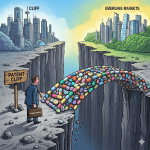
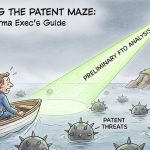
Part I: The Strategic Imperative of FTO in a High-Stakes Industry
Introduction: Beyond a Legal Checkbox—FTO as a Strategic Lifeline
In the relentless, high-stakes world of biopharmaceutical innovation, a Freedom-to-Operate (FTO) analysis is far more than a perfunctory legal checkbox. It is a strategic lifeline. For any company navigating the treacherous path from discovery to market, FTO isn’t just about avoiding lawsuits; it’s about safeguarding billion-dollar investments, informing critical R&D decisions, and ultimately, ensuring a product’s very survival. Imagine investing over a decade and billions of dollars to construct a revolutionary skyscraper, only to discover upon completion that you don’t own the land it’s built on. That is precisely the existential risk of forgoing a robust FTO analysis in biopharma.
Every novel biologic, whether a monoclonal antibody, a gene therapy, or a small molecule, is built upon a foundation of proprietary technologies—from the active compound itself to its formulation, manufacturing method, and therapeutic use.2 This landscape is a minefield of third-party intellectual property (IP) rights. An FTO analysis is the compass that guides your innovation through this minefield, allowing for strategic decision-making rather than reactive, and often catastrophic, damage control.
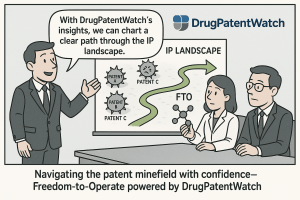
This report provides a comprehensive guide to mastering the art and science of biopharmaceutical FTO analysis. We will journey from the foundational principles that every industry professional must understand to the advanced, AI-driven strategies that define the cutting edge of IP management. The goal is to equip you and your organization with the knowledge to transform FTO from a defensive necessity into a powerful competitive weapon—a tool to not only mitigate risk but to uncover opportunities, outmaneuver competitors, and secure your freedom to innovate.3
The Biopharma Gauntlet: Why a $2.6 Billion Price Tag on Innovation Demands FTO Rigor
To grasp the critical importance of FTO, one must first appreciate the staggering financial realities of the biopharmaceutical industry. The numbers paint a stark picture of immense investment and profound risk, where a single IP misstep can erase a decade of work and billions in capital.
The journey to bring a new medicine to patients is a marathon fraught with failure. On average, it takes 10 to 15 years and costs an astonishing $2.6 billion to develop one new drug, a figure that accounts for the high cost of the many candidates that fail along the way.6 Some analyses, which consider the entire ecosystem of R&D investment across thousands of companies, place the true cost per approved drug at over $5 billion. The industry’s commitment to research is unparalleled; in 2019, pharmaceutical companies spent $83 billion on R&D, representing roughly a quarter of their net revenues—a share that is six times higher than the average for all other manufacturing sectors.6
With such monumental sums at stake, the cost of getting FTO wrong is nothing short of catastrophic. Patent litigation is not a remote possibility; it is a common feature of the competitive landscape. The average cost to take a patent case through trial is between $3 million and $4 million, a figure that can climb even higher for complex biotechnology disputes.4 And these are just the legal fees. The damages awarded can be astronomical. In 2023, the median patent damages award in the United States was $8.7 million, but the highest awards have exceeded $2 billion. Tellingly, the pharmaceutical industry accounted for 25% of all patent damages awarded that year, underscoring the immense value and contentious nature of biopharma IP.4
Beyond direct damages, U.S. law introduces the specter of “willful infringement.” If a court determines that a company infringed a patent with reckless disregard for the patent holder’s rights, it has the discretion to award enhanced damages—up to three times the actual damages.4 A formal, written FTO opinion from a qualified patent attorney is the single most powerful shield against such a devastating finding. It serves as documented proof that the company performed its due diligence and proceeded with a good-faith belief that it was not infringing, effectively neutralizing the threat of treble damages.
When viewed through this financial lens, the cost-benefit analysis of FTO becomes overwhelmingly clear. A comprehensive FTO analysis for a biopharmaceutical asset might cost anywhere from $50,000 for an early-stage target to over $500,000 for a complex, late-stage drug candidate. While these figures may seem substantial in isolation, they represent a minuscule fraction—between 0.002% and 0.02%—of the $2.6 billion investment they are designed to protect. This reframes the entire discussion. An FTO analysis is not a mere legal expense; it is a high-yield insurance policy on your entire R&D investment. The return on this investment, measured by the avoidance of a single multi-million-dollar lawsuit and the preservation of a billion-dollar asset, is almost incalculable. Therefore, the FTO budget should not be viewed as a standalone line item in the legal department’s P&L, but rather as a core, integrated percentage of the total R&D expenditure—a fundamental cost of doing business in this industry.
FTO vs. Patentability: Clearing the Most Critical Misconception in IP Strategy
Before diving into the mechanics of an FTO analysis, it is imperative to dismantle the single most common—and most dangerous—misconception in intellectual property strategy: the confusion between patentability and freedom to operate.13 They are two fundamentally different concepts, and failing to distinguish them can lead to disastrous business decisions.
Think of it this way: Patentability is about securing a deed to a new piece of land you’ve discovered. It answers the questions, “Is my invention new and non-obvious? Can I get a patent on it?”. Freedom to Operate, on the other hand, is about surveying the entire route to your new land. It answers the question, “Can I commercialize my invention without trespassing on someone else’s property?”.13
A patent grants its owner a negative right—the right to exclude others from making, using, or selling the patented invention. It does not grant an affirmative right for the patent owner to practice their own invention. This distinction is the bedrock of FTO.
Consider a concrete biopharmaceutical example. Imagine your R&D team develops a novel, extended-release formulation for a known cancer drug, Drug X. This new formulation is a brilliant innovation—it improves patient compliance and reduces side effects. You conduct a patentability search, find that it is indeed novel and non-obvious, and successfully obtain a patent on your new formulation. You own the patent. However, another company still holds a valid, in-force patent on the active pharmaceutical ingredient (API) of Drug X itself. If you launch your new formulation, you will be infringing their foundational API patent. In this scenario, you have patentability, but you have zero freedom to operate.4 You can stop others from copying your specific formulation, but the other company can stop you from selling it altogether.
To avoid such pitfalls, it is crucial to understand the distinct purpose, scope, and focus of the three primary types of IP searches: FTO, patentability, and validity.
“A company can develop a novel, patentable improvement to an existing technology but still infringe a broader, underlying patent that covers the core technology. For example, one could invent and patent a new, more efficient formulation for a known drug. However, if that new formulation is commercialized, it may still infringe on a broader patent covering the drug itself.”
The following table provides a clear, at-a-glance comparison to codify these critical distinctions.
Table 1: FTO vs. Patentability vs. Validity Search
Feature
FTO Search (Infringement)
Patentability Search (Novelty)
Validity Search (Invalidity)
Core Question
“Can I sell my product without being sued?”
“Is my idea new? Can I patent this invention?”
“Is this blocking patent actually enforceable?”
Scope of Search
In-force patents and published applications in specific commercial jurisdictions.4
All public disclosures worldwide (patents, literature, etc.), regardless of age or status.15
All public disclosures worldwide that existed before the filing date of the target patent.
Key Documents
Focuses exclusively on the legal scope of active patent claims.4
The entire disclosure of any prior art reference is relevant.
The entire disclosure of any prior art reference is relevant to show the invention was not new or was obvious.
Timeframe
Typically patents filed in the last 20-25 years, as older patents have expired.4
No time limit; a 100-year-old document can block patentability.
Any document that qualifies as prior art before the target patent’s priority date.
Primary Focus
Assessing infringement risk against a specific, defined product or process.
Assessing novelty and non-obviousness of a specific inventive concept.
Finding “killer” prior art to invalidate the claims of a specific, problematic patent.
Typical Trigger
Pre-commercialization, M&A due diligence, new market entry.17
Early in the R&D process, before filing a patent application.
After an FTO search identifies a high-risk blocking patent; in response to an infringement lawsuit.
Understanding this framework is the first step toward building a sophisticated IP strategy. It ensures that resources are allocated correctly and that the right questions are being asked at the right time, preventing the fatal assumption that owning a patent automatically clears the path to market.
Part II: The Anatomy of a Robust FTO Analysis: A Step-by-Step Framework
Conducting a biopharmaceutical FTO analysis is a systematic, multi-phase process that blends deep technical understanding, rigorous legal analysis, and strategic business acumen. While the specifics can vary based on the technology and commercial goals, a robust framework generally follows four key phases: scoping, searching, analysis, and reporting.
Phase 1: Defining the Battlefield – Scoping Your Analysis with Precision
The quality and efficiency of an FTO analysis are determined long before the first patent is ever read. The initial scoping phase is the most critical, as it sets the boundaries and defines the objectives of the entire project. A poorly scoped analysis will, at best, be inefficient and costly; at worst, it will provide a false sense of security by missing critical risks.
The Technology Document: Your Strategic Blueprint
The analysis must begin with a deep and exhaustive understanding of the product or process being cleared.20 This is formalized in a “Technology Document,” a comprehensive blueprint created through close collaboration between the company’s legal, R&D, and business teams.22 This document serves to:
Deconstruct the Product: It breaks down the product into its fundamental technical features, components, materials, and functionalities. For a small molecule drug, this includes the chemical structure, formulation (excipients, delivery mechanism), manufacturing process, and all intended therapeutic uses.2 For a biologic, it would also include the specific amino acid or nucleotide sequence, the host cell line, post-translational modifications, and purification methods.
Memorialize the Subject: It creates a clear, dated record of exactly what is being analyzed at a specific point in time. This is crucial because products evolve, and the FTO analysis must evolve with them.
This document is not merely a technical specification; it is a strategic instrument. The decisions made here—which features are considered core versus peripheral, which manufacturing steps are novel versus standard—are the first layer of risk assessment. They reflect the company’s understanding of its own innovation and its initial hypothesis about where potential IP conflicts may lie.
The Timing Dilemma: When to Pull the FTO Trigger
There is no single “perfect” time to conduct an FTO analysis; rather, it is a continuous process that should be integrated throughout the product development lifecycle.12 The timing of each stage is a strategic choice with significant trade-offs.
Early-Stage FTO (Feasibility/Discovery): The first FTO look should occur at the earliest meaningful stage—ideally, as soon as the active pharmaceutical ingredient (API), the therapeutic indication, and a potential formulation have been defined. Conducting the analysis this early provides maximum strategic flexibility. If a major blocking patent is discovered, the R&D team has the time and opportunity to “design around” it, pivot the research direction, or initiate licensing negotiations before millions of dollars in development capital have been committed.12
Iterative FTO (Development): FTO is not a one-and-done check. As the product evolves and features are added or modified—a new excipient is chosen, a manufacturing step is optimized—the FTO analysis must be updated to cover these new elements. This iterative process ensures that the analysis remains relevant and that no new risks are introduced as the product moves toward commercialization.1
Pre-Launch FTO (Final Clearance): A final, comprehensive FTO analysis is conducted before market launch to confirm that the final, commercial-ready product is clear for sale in the target jurisdictions. This is also a critical step before raising a major financing round or entering M&A discussions, as investors and partners will demand this assurance.
Jurisdictional Strategy: Mapping Your Commercial Footprint
Patent rights are strictly territorial. A patent granted by the USPTO is only enforceable in the United States; it provides no rights in Europe or China.16 Consequently, an FTO analysis is only as valuable as the geographic territory it covers. The scope of the search must be dictated by the company’s commercialization strategy. Key questions to answer include:
Where will the product be manufactured?
Where will the product be sold or offered for sale?
Where are the key markets that will drive revenue?
Where are the key competitors located and filing patents?
For many companies, especially startups with limited resources, a global FTO is impractical. The strategy is often to focus initially on the most critical commercial markets, such as the United States and the European Union, and expand the analysis to other jurisdictions like China and Japan as the product progresses and funding becomes available.3 This phased approach balances risk management with budgetary realities.
Phase 2: Assembling the Intelligence – Mastering the Art of the Search
Once the scope is defined, the intelligence-gathering phase begins. The goal is to conduct a search that is both comprehensive enough to avoid missing a critical patent and targeted enough to avoid drowning in irrelevant results. A modern, robust search strategy is a multi-pronged attack, leveraging a variety of techniques and tools.
Beyond Keywords: Building a Multi-Pronged Search Strategy
Relying solely on keywords is a recipe for failure. Patent attorneys and inventors often use unique or broad language, and a simple keyword search will inevitably miss relevant documents. A professional-grade search combines multiple methodologies 18:
Keyword Searching: The foundation of any search, this involves developing a comprehensive list of terms related to the product’s features, including technical jargon, synonyms, and alternative spellings.
Classification Searching: This is a more systematic approach that leverages patent classification systems like the Cooperative Patent Classification (CPC) and International Patent Classification (IPC). Every patent is assigned codes corresponding to its technological area. Searching by these codes allows you to capture all patents in a specific field, regardless of the language they use.21
Assignee/Inventor Searching: If you know your key competitors, a direct search of their patent portfolios is an efficient way to identify the most likely threats.19 Similarly, searching for key inventors in a specific field can uncover important patents.
Citation Searching: This is a powerful technique for expanding a search once a highly relevant patent has been identified. Analyzing the “backward citations” (the prior art the patent examiner cited) and, more importantly, the “forward citations” (the later patents that have cited this key document) can quickly build a network of closely related and often highly relevant patents.18 This is particularly important because, as some studies have shown, patents that are frequently cited by later filings are five times more likely to be involved in litigation, making them high-priority targets for analysis.
The Searcher’s Toolkit: Choosing Your Weapons
The effectiveness of your search strategy depends heavily on the tools you use. The landscape of patent databases is vast, ranging from free public resources to sophisticated, subscription-based platforms.
Public Databases (Free): These are indispensable for any FTO analysis, particularly for initial investigations and broad coverage. Key resources include the USPTO Patent Search portal, the European Patent Office’s Espacenet, and the World Intellectual Property Organization’s PATENTSCOPE.21 These platforms provide access to millions of patent documents from around the world. Specialized resources like the WIPO Pat-INFORMED database are also valuable, as they provide direct-from-company information on the patent status of specific medicines, searchable by their International Nonproprietary Name (INN).
Commercial Databases (Subscription): For any serious pharmaceutical FTO, relying solely on free databases is insufficient. Professional-grade commercial platforms are a non-negotiable investment. These platforms offer significant advantages, including cleaner, normalized data (e.g., standardizing assignee names), more powerful and flexible search algorithms, advanced analytics and visualization tools, and integrated collaboration features. Leading platforms in this space include Questel Orbit, LexisNexis TotalPatent One®, and PatSeer.32
Specialized Pharmaceutical Intelligence Platforms: A third category of tools provides a crucial layer of business and legal context that transforms the FTO from a purely technical search into a strategic competitive intelligence mission. Platforms like DrugPatentWatch are designed for this purpose. While not a primary technical search engine for claim-by-claim analysis, DrugPatentWatch excels at integrating disparate data sets—linking patents to specific drugs, tracking regulatory exclusivities (like orphan drug or pediatric extensions), monitoring patent litigation, and providing timelines for generic and biosimilar market entry.4 This allows a company to understand not just the patent landscape, but the entire commercial and competitive ecosystem surrounding a drug, which is invaluable for strategic decision-making.
The following table provides a practical comparison of these tools to help guide your selection process.
Table 2: Key Public and Commercial Patent Databases for Biopharma FTO
Database Name
Provider
Key Biopharma Features
Cost Model
Best Use Case
Espacenet
European Patent Office (EPO)
Broad international coverage (>110M documents), citation analysis tools, links to legal status information.
Free
Broad, initial international searches; foundational research; citation tracking.
PATENTSCOPE
World Intellectual Property Org. (WIPO)
Full-text PCT applications, cross-lingual search capabilities, chemical structure search (via chemical compound search).31
Free
Searching international (PCT) applications; searching with chemical structures; finding patent families.
DrugPatentWatch
DrugPatentWatch, Inc.
Integrates patents with drug data, regulatory exclusivities, litigation alerts, and generic entry forecasts.4
Subscription
Competitive intelligence; assessing the commercial landscape; M&A due diligence; lifecycle management.
Questel Orbit
Questel
Advanced search and analytics, legal status tracking, collaboration tools, highlighting keywords in claims.33
Subscription
In-depth, professional FTO searches and analysis; managing large projects; team collaboration.
LexisNexis TotalPatent One®
LexisNexis
Extensive global data (155M+ documents), high-quality data normalization, daily updates, advanced search fields.
Subscription
Comprehensive, high-stakes global FTO searches requiring the most up-to-date and accurate data.
The Search is Never Truly “Done”: Continuous Monitoring
The patent landscape is not static; it is a dynamic, constantly shifting environment. New patents are granted every week, and pending applications are published 18 months after their filing date.14 This means an FTO analysis is effectively a snapshot in time, and its relevance can decay quickly.
A critical, and often overlooked, part of a modern FTO strategy is to establish a system for continuous monitoring. Most commercial patent platforms allow users to save their search strategies and set up automated alerts.18 These alerts can notify the company whenever:
A new patent is published in their specific technological area.
A key competitor files a new patent application.
The legal status of a previously identified high-risk patent changes (e.g., it is granted, abandoned, or challenged in court).
This transforms the FTO from a static, one-time report into a living, breathing intelligence system. It allows the company to be proactive rather than reactive, identifying new threats as they emerge and adapting its strategy accordingly.
Phase 3: The Moment of Truth – Deconstructing Patent Claims and Assessing Risk
After the search phase has assembled a list of potentially relevant patents, the most intellectually demanding work begins: the analysis. This phase requires a meticulous, claim-by-claim evaluation to determine the actual risk of infringement.
The Primacy of Claims: The Only Thing That Matters for Infringement
This is the golden rule of FTO analysis: infringement is determined by the patent’s claims, and only the claims. The abstract, the drawings, and the detailed description (specification) are used to help interpret the meaning of the words in the claims, but they do not define the legal boundaries of the invention.16
A frequent and disastrous error made by those new to patent analysis is the “Feature Fallacy”. This occurs when an analyst reads the specification of a patent, sees a description of a feature that is similar to their own product, and incorrectly concludes there is an infringement risk. However, that feature may have been described as part of the background or as an alternative embodiment and may not be included in the legally enforceable claims.
The correct process involves a rigorous mapping exercise. Each element of a patent’s independent claims must be individually compared to the features of the product being analyzed.19 For a finding of literal infringement, every single element recited in the claim must be present in the accused product. If even one element is missing, there is no literal infringement of that claim.
A Practical Guide to Claim Interpretation
Patent claims are a unique form of technical writing, governed by specific legal conventions. Understanding this language is essential for accurate risk assessment.
Transitional Phrases: The short phrase that links the preamble of a claim to its body has a profound and legally defined impact on the claim’s scope.
“Comprising”: This is the most common and broadest term. It is “open-ended,” meaning the claim covers devices or processes that have all the listed elements, but may also include additional, unlisted elements.
“Consisting of”: This is the most restrictive term. It is “closed-ended,” meaning the claim covers only devices or processes that have exactly the listed elements and nothing more.
“Consisting essentially of”: This term is partially open. It means the claim covers the listed elements and allows for the presence of additional elements only if they do not materially affect the basic and novel characteristics of the invention.
Ambiguous Terms: Claims often contain words of degree, such as “about,” “substantially,” or “approximately”. There is no universal definition for these terms. To determine their meaning, an analyst must look to the patent’s specification and its prosecution history (the record of communication between the applicant and the patent office) to see how the inventor defined or distinguished the term.
From Analysis to Action: Risk Stratification
The output of the claim analysis is not a binary “infringement/no infringement” decision. It is a spectrum of risk that must be categorized to prioritize strategic action.4 A useful approach is to stratify the identified patents into risk tiers:
High Risk: These are patents with claims that appear to be clearly and directly infringed by a core feature of your product. The patent is in-force in a key commercial jurisdiction, and its owner may be known to be litigious. These patents represent an immediate and significant threat and require urgent strategic attention.
Medium Risk: This category includes patents where infringement is possible but ambiguous. The risk might hinge on the interpretation of a specific claim term, or it might arise under the “doctrine of equivalents” (a legal rule that can find infringement even if the product doesn’t literally match every claim element, but performs substantially the same function in substantially the same way to achieve the same result). These patents require deeper legal analysis and continuous monitoring.
Low Risk / Cleared: This tier includes patents that are clearly not infringed, have expired or been abandoned, are in irrelevant jurisdictions, or have been found invalid in a court proceeding. These patents can generally be set aside, though some may be flagged for periodic monitoring if they are part of a large, relevant patent family.
To formalize this process, a risk stratification matrix can be a powerful tool for communicating the nature of the threats to business leaders.
Table 3: Risk Stratification Matrix for FTO Analysis
Criteria
High Risk
Medium Risk
Low Risk
Technical Overlap
Direct, literal mapping of all claim elements to a core product feature.
Ambiguous mapping; infringement depends on claim interpretation or doctrine of equivalents.
One or more claim elements are clearly absent from the product.
Legal Strength
Broad, well-drafted claims; patent has survived prior challenges; long remaining term.
Narrow claims; potential validity issues (e.g., close prior art found); short remaining term.
Patent is expired, abandoned, or invalid; claims are extremely narrow.
Commercial Impact
Blocks a core, non-negotiable feature; owned by a direct, litigious competitor; no feasible design-around.
Affects a non-core feature; owned by a company known to license; design-around is possible but costly.
Affects a minor feature; owned by a non-competitor; easy and cheap design-around available.
Using such a matrix moves the assessment beyond a simple technical check to a holistic, strategic evaluation, enabling a more nuanced and informed decision-making process.
Phase 4: The Final Opinion – Documenting Findings for Legal and Strategic Clarity
The final phase of the FTO process is the delivery of the findings, which often culminates in a formal, written FTO opinion prepared by a qualified patent attorney.4 This document is far more than a simple report; it is a critical legal and business asset.
The purpose of the formal opinion is threefold:
Legal Shield: As previously discussed, in the United States, a well-reasoned FTO opinion from competent counsel is the primary defense against a charge of willful infringement. It demonstrates that the company acted in good faith and can shield it from the threat of enhanced (treble) damages.4
Investor Confidence: For any company seeking to raise capital, enter a strategic partnership, or be acquired, the FTO opinion is a cornerstone of the due diligence process. It provides tangible evidence to investors and partners that the company has proactively identified and managed its IP risks, thereby de-risking the investment.12
Internal Strategic Roadmap: The opinion serves as a definitive internal record of the analysis. It documents the scope of the search, the patents that were reviewed, the conclusions reached for each, and the strategic rationale behind the decisions made. This ensures long-term alignment between the legal, R&D, and commercial teams and provides a baseline for future FTO updates.
An effective FTO opinion is clear, well-organized, and actionable. It should explicitly reference the initial scope defined in the Technology Document, clearly identify the patents that fall into the high-risk category, and for each of those, provide a detailed analysis and a set of recommended next steps or mitigation strategies. It is the final, crucial link that translates months of technical and legal analysis into clear, strategic guidance.
Part III: Advanced Strategies for Modern Biopharma Challenges
The foundational FTO framework provides a solid defense, but the modern biopharmaceutical landscape—characterized by dense patent thickets, increasingly complex biologics, and the rise of artificial intelligence—demands more advanced and offensive strategies. Mastering these is what separates companies that simply survive from those that thrive.
Navigating the Thicket: Strategies for Overcoming Overlapping Patents and Evergreening
The path to market for a new biopharmaceutical is rarely a clear, open field. More often, it is a dense and thorny jungle of overlapping patent rights known as a “patent thicket”.39
Understanding the Biopharmaceutical Patent Thicket
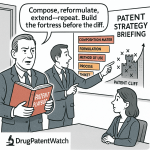
A patent thicket is not a random occurrence. It is often the result of a deliberate “evergreening” or “life cycle management” strategy employed by originator companies to extend a drug’s market exclusivity for as long as possible.27 Instead of relying on a single patent for the primary compound, companies build a fortress of patents covering every conceivable aspect of the drug:
Different crystalline forms (polymorphs)
New formulations and excipients
Methods of manufacturing
Specific dosages and dosing regimens
New therapeutic uses (indications)
Delivery devices
The most infamous example of this strategy is AbbVie’s blockbuster drug, Humira. By the time its primary patent expired, AbbVie had constructed a formidable web of over 247 patents related to the drug. This patent thicket successfully delayed the entry of biosimilar competitors in the U.S. for years, preserving billions in revenue.1 The Humira case is a masterclass in why a simple FTO analysis focused only on a drug’s active ingredient is dangerously naive.
While a patent thicket is undeniably a barrier, viewing it solely as such is a strategic error. A deep analysis of a competitor’s thicket is a rich source of competitive intelligence. The pattern of their patent filings reveals their strategic priorities, their perceived technological vulnerabilities, and their future R&D direction. For example, if a competitor is heavily patenting new formulations, it may signal that their original formulation has stability issues. This intelligence can guide a more targeted and effective “design around” or invalidity strategy.
Strategic Navigation, Not Just Avoidance
In a crowded therapeutic area, achieving 100% “freedom” from any potential infringement is often impossible. The strategic goal, therefore, shifts from complete avoidance to intelligent navigation. This requires a more sophisticated toolkit:
Patent Landscaping: This is the process of creating a comprehensive, often visual, map of the entire IP landscape for a given technology area.39 It goes beyond the FTO’s focus on infringement risk to answer broader strategic questions: Who are the major patent holders? What areas are heavily patented (the “thickets”)? And, most importantly, where are the uncrowded areas of opportunity (the “white space”)? A landscape analysis can guide R&D toward less contested and more promising avenues of innovation.
Licensing and Cross-Licensing: When a blocking patent cannot be avoided, licensing is a direct path to FTO. This involves negotiating an agreement with the patent holder to pay for the right to use their technology.14 In situations where two companies hold patents that block each other, a “cross-licensing” agreement, where they trade rights to their respective patents, can be a powerful and efficient way to untangle the thicket and allow both to proceed.14
Invalidity Challenges: A patent is not an immutable right; it can be challenged and invalidated. If an FTO analysis uncovers a blocking patent that appears weak—for example, if you find prior art that the patent examiner missed—you can proactively challenge its validity. In the U.S., a common and relatively fast-track venue for this is an Inter Partes Review (IPR) proceeding before the Patent Trial and Appeal Board (PTAB) of the USPTO. A successful challenge removes the blocking patent from the board entirely.
The New Frontier: FTO Considerations for Biologics, Cell, and Gene Therapies
The breathtaking innovation in biologics and cell and gene therapies (CGTs) brings with it a new dimension of FTO complexity. For these advanced therapies, the traditional FTO playbook is necessary but no longer sufficient.
Biologics (e.g., Monoclonal Antibodies): Beyond the Sequence
While over 80% of biopharmaceutical patents are centered on amino acid or nucleic acid sequences, for a biologic like a monoclonal antibody (mAb), the FTO analysis has only just begun at the sequence level. The patent thicket around a successful biologic is multi-layered and includes claims covering:
Manufacturing Processes: The specific methods used to culture the host cells, express the protein, and purify it to the required standard.
Host Cell Lines: The proprietary genetically engineered cell lines (e.g., CHO cells) used to produce the biologic.
Formulations: The specific cocktail of excipients, buffers, and stabilizers required to keep the complex and often fragile protein stable and effective. A generic developer might find a way to make the same protein, but if they need a novel stabilizer to achieve the required shelf-life, that stabilizer could be independently patented.
Post-Translational Modifications: The specific pattern of glycosylation or other modifications, which can be critical for the drug’s efficacy and safety.
Delivery Devices: The autoinjectors or pens used to administer the drug.
The inherent instability of large protein molecules is a major driver of this complexity. Biologics are prone to physical degradation like aggregation and chemical instability, and the innovative solutions to these problems are prime targets for patenting. An FTO analysis must therefore scrutinize every step of the manufacturing and formulation process.
Cell and Gene Therapies (CGTs): A Whole New Level of Complexity
If FTO for biologics is complex, FTO for cell and gene therapies is an order of magnitude more so. The multi-component nature of these therapies creates an unprecedentedly dense and interwoven patent landscape. A comprehensive FTO analysis for a CGT must consider:
The Therapeutic Payload: The gene of interest, the mRNA sequence, or the chimeric antigen receptor (CAR) construct.
Gene Editing Tools: The specific technologies used to modify the cells, such as CRISPR-Cas9, TALENs, or zinc-finger nucleases. The fierce and protracted legal battles over CRISPR patents between the University of California and the Broad Institute serve as a stark warning of the contentiousness of this space.
Delivery Vectors: The viral vectors (e.g., adeno-associated viruses (AAVs), lentiviruses) or non-viral systems (e.g., lipid nanoparticles (LNPs) for mRNA delivery) used to get the payload into the target cells. Each of these is a heavily patented technology platform in its own right.
Manufacturing and Processing: The entire “vein-to-vein” supply chain for autologous cell therapies is a source of IP. This includes the methods for cell collection (apheresis), ex vivo cell activation and expansion, formulation, cryopreservation to maintain cell viability, and final administration to the patient.47
This leads to a fundamental shift in perspective. For a traditional small molecule drug, the FTO analysis is largely focused on the product. For a cell or gene therapy, the “product” is inextricably linked to the platform used to create and deliver it. A company may have developed a brilliantly novel CAR-T construct, but if its manufacturing protocol requires a patented AAV vector, a proprietary cell culture medium, and a patented cryopreservation technique, it has no freedom to operate. This means that FTO for CGTs must be a “platform-level” analysis, not just a “product-level” one. This analysis must begin much earlier in the development process, at the stage when these core platform technologies are being selected, as the choice of vector or culture method can have profound and irreversible FTO implications down the line.
The AI Revolution: Leveraging Artificial Intelligence to Enhance FTO Efficiency and Insight
The sheer volume and complexity of patent data have made manual FTO analysis increasingly challenging and time-consuming. The emergence of artificial intelligence (AI) is revolutionizing the field, transforming FTO from a laborious, defensive chore into a tech-augmented, strategic function.
AI-Powered Search and Analysis
It is crucial to understand that AI is not yet a replacement for the nuanced judgment of an experienced patent attorney. Rather, it is a powerful tool that augments human expertise, automating low-level tasks and uncovering insights that would be impossible to find manually.
Semantic Search: Traditional keyword searching is inherently limited. AI-powered semantic search engines go beyond matching words to understanding the underlying technical concepts and context of an invention. They can identify relevant patents that use different terminology to describe the same idea, dramatically improving search comprehensiveness and reducing the risk of missing a key document.18
Automated Analysis and Triage: AI can significantly accelerate the analysis phase by performing initial triage on large sets of search results. AI tools can automatically generate preliminary claim charts, highlight key claim limitations, and score patents based on their relevance to the search query. This allows human experts to focus their valuable time on the most critical, high-risk patents instead of manually sifting through hundreds or thousands of irrelevant ones.49
Predictive Analytics: By training machine learning models on vast datasets of patent and litigation history, some platforms can now offer predictive analytics. These tools can identify patents that have characteristics associated with a higher likelihood of being litigated or can analyze the entire patent landscape to pinpoint “white space” opportunities with low patent density.
Case Study: AI in Action
Several innovative platforms are leading this charge. IPRally, for example, uses Graph AI to allow a user to input a natural language description of their invention, and the platform will find patents with claims that conceptually match that description. Clearstone FTO + AI offers a suite of tools that includes instant “design-around” analysis, which suggests modifications to a product to avoid infringement, and automated generation of infringement and invalidity assessments.50 The impact is significant: some studies suggest that leveraging these AI tools can reduce FTO project timelines by as much as 40%, freeing up IP professionals to focus less on the mechanical “search” and more on the high-value “analysis” and “strategy”.3
Specialized AI for Biopharma: Degenerate Sequence Searching
One of the most critical applications of AI in biopharmaceutical FTO is in sequence searching. To broaden the scope of their protection, patent applicants often claim biological sequences using generic or “degenerate” placeholders—for example, using “Xaa” to represent any amino acid, or a single codon that could encode multiple amino acids. These degenerate sequences are estimated to be present in up to 30% of all biopharma patents.
Traditional sequence alignment tools that look for exact matches can easily miss these broadly claimed patents. This creates a massive blind spot in an FTO search. AI-powered platforms have been developed specifically to parse these ambiguities. They can understand the logic of degenerate codes and identify potential infringements that would otherwise go unnoticed. The use of these specialized tools can reduce the risk of overlooking a critical sequence-based blocking patent by up to 40%.
Patent Landscaping as a Strategic Weapon: FTO in M&A and Investment Due Diligence
In the high-stakes context of mergers, acquisitions, and strategic investments, FTO analysis is an essential part of due diligence. However, when used in conjunction with its strategic counterpart, patent landscaping, it becomes a powerful offensive weapon for assessing value and negotiating terms.
FTO (Microscope) vs. Landscaping (Telescope)
It is helpful to think of the two analyses using an analogy:
FTO is the Microscope: It provides a highly detailed, narrowly focused view. It answers the critical, defensive question: “Does the target company’s specific product infringe any third-party patents?”. Its primary purpose is risk mitigation.
Patent Landscaping is the Telescope: It provides a broad, panoramic view of the entire competitive and technological universe. It answers the strategic questions: “Who are the key players in this space? Where are the patent thickets? Where are the ‘white space’ opportunities? What are the dominant technology trends?”.39 Its primary purpose is strategic positioning and opportunity identification.
Using Both in M&A Due Diligence
A sophisticated acquirer or investor uses both tools in concert to build a complete picture of the target’s IP position.
The FTO analysis is used to de-risk the deal. If it uncovers a high-risk blocking patent, the acquirer has significant leverage. They can demand that the target resolve the issue before closing, insist on specific representations and warranties, or negotiate a lower purchase price to account for the potential litigation costs or licensing fees. In pharma and biotech, where the IP is often the entire business, freedom to operate is never assumed and must be rigorously verified.
The patent landscape analysis is used to assess the true strategic value of the target’s IP portfolio. A simple count of patents is meaningless. The landscape reveals the context. For example, a target company with 50 patents may seem impressive, but if the landscape shows that all 50 are in a technology area already saturated by major competitors, their strategic value is low. Conversely, a target with just two patents may be a diamond in the rough if the landscape reveals that those two patents are the first and only ones in a valuable, emerging “white space”. This insight is critical for valuation and for understanding how the target’s portfolio will fit with and enhance the acquirer’s own.
This dual-track analysis was a key driver in many major pharmaceutical M&A deals. When Bristol-Myers Squibb acquired Celgene for $74 billion, a central part of the calculus was not just the FTO for Celgene’s existing drugs, but a deep landscape analysis of its pipeline and patent portfolio, which was seen as crucial for bolstering BMS’s position in oncology and navigating its own upcoming patent cliffs. Similarly, when Sanofi acquired Principia Biopharma, the high quality and strategic positioning of Principia’s patent portfolio, as revealed by landscape analysis, was a primary motivation for the deal.
Part IV: Global Execution and Future-Proofing Your Strategy
A robust FTO strategy is not complete without a plan for global execution and a playbook for responding to the challenges that will inevitably arise. The biopharmaceutical market is global, but patent law is stubbornly territorial, creating a complex patchwork of risks and opportunities that must be carefully managed.
A World of Difference: Navigating Key Jurisdictional Nuances (U.S., EU, Asia)
Conducting an FTO analysis requires more than just searching global databases; it requires an understanding of the key differences in substantive patent law across major commercial markets. A strategy that provides clear FTO in one country may lead directly to infringement in another.
United States: The U.S. has historically been permissive in what can be patented, including methods of medical treatment. However, a series of Supreme Court decisions, notably Mayo v. Prometheus, has made it more challenging to patent inventions related to diagnostic methods and natural phenomena, which can impact FTO for companion diagnostics and certain biologics. The U.S. also offers a one-year “grace period,” allowing an inventor to publicly disclose their invention up to a year before filing a patent application without that disclosure destroying the novelty of their own invention.
Europe (EPO): The European Patent Office provides a more centralized and predictable system for examining patents. However, European law places stronger emphasis on ethical considerations. The European Patent Convention explicitly prohibits patents on inventions whose commercial exploitation would be contrary to “ordre public” or morality. This includes, for example, processes for cloning human beings or uses of human embryos for industrial or commercial purposes.27 Methods of medical treatment performed directly on the human body are also generally not patentable, though patents on the substances or compositions for use in those methods are allowed.
Asia (Key Markets): The patent landscape in Asia is highly diverse and requires a market-by-market approach.
China: China’s patent system has evolved rapidly and is now one of the most active in the world. However, foreign companies can still face challenges with enforcement and the robust protection of their IP rights.
Japan: Japan has a highly developed and efficient patent system, but it is known for its particularly strict interpretation of the “inventive step” (non-obviousness) requirement, which can make it more difficult to obtain patents on incremental innovations.
India: India represents one of the most challenging jurisdictions for pharmaceutical patents due to Section 3(d) of its Patent Act. This provision explicitly prohibits the patenting of new forms of a known substance unless they demonstrate a significant enhancement in therapeutic efficacy. This law is a powerful barrier against “evergreening” strategies and means that patents on new formulations, polymorphs, or dosages that are readily granted in the U.S. or Europe are often rejected in India. This has profound implications for a global FTO and commercialization strategy.1
These differences are not academic; they have direct, multi-billion-dollar consequences. A company’s global revenue forecast and launch sequencing must be built on a clear-eyed assessment of the FTO landscape in each key jurisdiction. The following table provides a strategic overview of these critical differences.
Table 4: Comparison of Key Jurisdictional Differences in Biopharma Patent Law
Feature
United States
European Union (EPO)
China
Japan
India
Methods of Treatment
Patentable
Not patentable (but “first/second medical use” claims are)
Patentable
Not patentable (but “first/second medical use” claims are)
Not patentable
Grace Period
12 months
Very limited / effectively none for public disclosures
6 months (limited circumstances)
12 months (with formal requirements)
12 months (limited circumstances)
Evergreening / Secondary Patents
Generally permissible; common strategy
Permissible, but subject to stricter novelty/inventive step rules
Increasingly scrutinized but still possible
Permissible, but strict inventive step standard is a hurdle
Highly restricted by Section 3(d) (requires enhanced efficacy)
Data Exclusivity (New Chemical Entity)
5 years
8 + 2 + 1 years
6 years (under consideration for extension)
8 years
4 years
Key Strategic Consideration
Broad patentable subject matter, but litigation is common and costly. Willful infringement risk is high.
Ethical exclusions are a key hurdle. Unified Patent Court (UPC) offers streamlined enforcement across member states.
Rapidly growing market, but enforcement strategy and trade secret protection are critical.
High bar for inventive step requires clear data showing unexpected effects.
Section 3(d) is a major barrier for many lifecycle management strategies. FTO must be carefully re-evaluated for this market.
When Blockers Emerge: A Playbook for Licensing, Designing Around, and Invalidation
An FTO analysis that uncovers a high-risk blocking patent is not a failure. On the contrary, it is a success—it has identified a critical threat before it can cause catastrophic damage. The discovery of a blocker is not the end of the road; it is a strategic inflection point that requires a calm and rational evaluation of the available options.14
The following playbook outlines the primary strategic responses to a blocking patent, categorized by the functional area best suited to lead the effort.
Table 5: A Playbook for Responding to Blocking Patents
Strategy
Description
Key Advantages
Key Disadvantages
Best For…
Legal/IP Strategies
License-In
Negotiate and pay for the right to use the patented technology.
Fast, certain path to FTO; avoids R&D delays and litigation risk.
Can be expensive (upfront fees, royalties); creates ongoing financial obligation; may fund a competitor.
When the patented technology is essential, a design-around is not feasible, and the patent is strong.
Cross-License
Trade patent rights with another company that also has blocking patents.
Can resolve complex thickets efficiently; lower cash cost than direct licensing; can foster collaboration.
Requires you to have a valuable patent portfolio to trade; complex negotiations.
When you and a competitor hold patents that block each other’s commercial activities.
Invalidate Patent
Challenge the validity of the blocking patent at the patent office (e.g., IPR) or in court.
If successful, removes the threat completely for everyone; no ongoing royalties.
Costly, time-consuming, and uncertain outcome; can provoke aggressive litigation from the patent owner.
When you have strong evidence (prior art) that the patent is invalid and should not have been granted.
R&D Strategies
Invent Around / Design Around
Modify your product or process to avoid infringing the patent claims.
Avoids licensing fees and litigation; can lead to new, patentable innovation.
Can cause significant R&D delays and costs; may result in a suboptimal product.
When the blocking patent has narrow claims and a feasible technical alternative exists.
Business Strategies
Acquire the Patent/Company
Purchase the blocking patent or the entire company that owns it.
Provides complete control and FTO; can be a strategic move to acquire technology and talent.
The most expensive option; requires significant capital and integration effort.
When the blocking technology is core to your long-term strategy and the target is available for acquisition.
Wait and See
Monitor the patent and the market, but take no immediate action.
No immediate cost or effort.
Extremely high risk; leaves the company exposed to an injunction and damages if the product is launched.
Very rarely advisable; perhaps only if the product is in a very early, uncertain stage and the patent has a very short remaining life.
Abandon Project
Discontinue development of the infringing product.
Avoids all future costs and risks associated with the blocking patent.
Sunk R&D costs are lost; strategic goals may be compromised.
When the blocking patent is insurmountable, and no other strategic option is viable or cost-effective.
The choice of which path to take is a complex business decision that depends on the strength of the blocking patent, the importance of the product, the company’s financial resources, and its overall risk tolerance.
Conclusion: Integrating FTO into the DNA of Your Organization
In the final analysis, conducting a biopharmaceutical Freedom-to-Operate analysis is not an isolated event or a task to be delegated solely to the legal department. It is a continuous, dynamic, and deeply strategic function that must be woven into the very DNA of a successful biopharmaceutical organization.26
From the earliest moments of discovery, when R&D teams are selecting targets, to the final stages of commercialization, when business teams are planning global launches, FTO considerations must be present. The insights from FTO analysis should inform R&D pathways, guide M&A due diligence, shape licensing strategy, and underpin investor communications. It requires a culture of collaboration, where scientists, attorneys, and business leaders share a common language and a common understanding of the IP landscape they navigate together.
The future of this discipline will only grow more complex and more critical. The convergence of increasingly sophisticated biology in cell and gene therapies, the amplifying power of artificial intelligence, and the intricate patchwork of a globalized patent system will continue to raise the stakes. The companies that will lead the next decade of biopharmaceutical innovation will be those that master FTO not as a defensive shield, but as a strategic sword—the ones who learn to read the patent landscape not just for risks, but for opportunities, and who possess the foresight and agility to secure their freedom to operate in a world of constant change.
Key Takeaways
FTO is a High-Yield Insurance Policy, Not an Expense: In an industry where R&D costs exceed $2.6 billion per drug, the cost of an FTO analysis is a minuscule investment to protect a massive asset from multi-million dollar litigation and catastrophic market exclusion.
FTO is Not Patentability: Owning a patent gives you the right to stop others; it does not give you the right to sell your own product. This is the most critical distinction in IP strategy.
Integrate FTO Continuously: FTO is not a one-time, pre-launch check. It is an iterative process that must begin at the earliest stages of R&D and continue through the entire product lifecycle to adapt to product changes and a dynamic patent landscape.
Claims Are Everything: Infringement is determined by the patent’s legally binding claims, not the general description. A rigorous, claim-by-claim analysis is non-negotiable.
Leverage AI to Augment, Not Replace, Human Expertise: AI-powered tools are revolutionizing FTO by automating search and triage, but the nuanced interpretation of claim scope and strategic decision-making still requires the judgment of an experienced patent attorney.
Navigate Thickets Strategically: In crowded fields, the goal is not just avoidance but intelligent navigation. Use patent landscaping to find “white space,” licensing to gain access, and invalidity challenges to clear the path.
Think Platform, Not Just Product, for CGTs: For cell and gene therapies, FTO extends to the entire manufacturing and delivery platform (vectors, cell lines, processing methods). This analysis must be done early, when platform technologies are being selected.
Global Strategy Requires Global FTO: Patent law varies significantly across key markets like the U.S., EU, and India. A global commercialization plan must be built on a jurisdiction-specific FTO analysis.
Frequently Asked Questions (FAQ)
How much does a biopharma FTO analysis typically cost, and what factors drive the price? The cost of a biopharmaceutical FTO analysis can vary dramatically, ranging from approximately $50,000 for an early-stage target analysis in a single jurisdiction to over $500,000 for a complex, late-phase drug candidate across multiple global markets.1 The primary cost drivers are the complexity of the technology (a simple small molecule is less complex than a multi-component gene therapy), the number of jurisdictions to be searched, the density of the patent landscape in that therapeutic area, and the stage of development (a later-stage product has more defined features to clear).
What is the single biggest—and most common—FTO mistake biopharma startups make? The most common and damaging mistake is starting the FTO process too late.1 Many startups wait until they are preparing for clinical trials or seeking a major funding round, by which time their product design and manufacturing processes are largely fixed. Discovering a major blocking patent at this stage leaves them with few, if any, good options. A second, related mistake is focusing only on issued patents while ignoring pending patent applications, which are published 18 months after filing and can become significant threats down the line.
Can AI and automation completely replace the need for a patent attorney in FTO analysis? Not yet, and likely not for the foreseeable future. AI is a transformative tool that dramatically enhances the efficiency and comprehensiveness of the search and initial analysis phases.3 It can quickly sift through vast amounts of data and flag potentially relevant documents. However, the final, critical steps of interpreting the legal scope of patent claims, assessing the risk of infringement under complex legal doctrines, and providing a formal legal opinion that can shield a company from willful infringement still require the expertise, judgment, and legal qualification of an experienced patent attorney.
How does the entry of generics or biosimilars change the FTO strategy for an originator company? The entry of generics or biosimilars marks a critical shift in an originator’s IP strategy. Once the primary compound patent expires, the originator’s market exclusivity relies entirely on its “patent thicket” of secondary patents (covering formulations, methods of use, manufacturing, etc.).1 Their FTO strategy pivots from offensive (asserting the primary patent) to defensive (enforcing the secondary patents to delay competition). For a generic or biosimilar competitor, this means their FTO analysis must be exceptionally thorough, as they must find a way to navigate or invalidate this entire web of secondary patents to enter the market.
We are acquiring a small biotech with a promising lead asset. Should we rely on their FTO analysis, or do we need to conduct our own? You must conduct your own independent FTO analysis as a core part of your M&A due diligence. While the target’s existing FTO report is a useful starting point, you cannot simply rely on it for several reasons.43 First, your company may have a different risk tolerance or a more aggressive commercialization plan that requires a broader FTO scope. Second, you need to independently verify the quality, thoroughness, and conclusions of their analysis. Third, the FTO opinion is provided to a specific client (the target company), and its legal protections may not automatically extend to you as the acquirer. Conducting your own FTO ensures the analysis aligns with your strategic goals and provides you with direct legal protection.
FTO genotype and weight loss: systematic review and meta-analysis of 9563 individual participant data from eight randomised controlled trials | The BMJ, accessed August 1, 2025, https://www.bmj.com/content/354/bmj.i4707