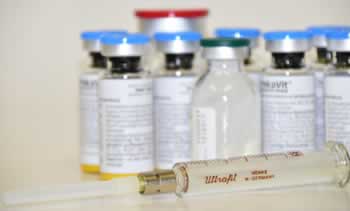
Branded generics represent a unique and increasingly significant segment within the pharmaceutical industry, referring to generic drugs that have been given proprietary brand names.1 This strategic positioning allows them to combine the cost-effectiveness of generic drugs with the marketability and perceived quality often associated with branded medications.2 This dual nature offers substantial benefits to both drugmakers, through diversified revenue streams and enhanced market penetration, and patients, by improving affordability, accessibility, and fostering trust in pharmaceutical treatments.2
The global branded generics market is experiencing robust growth, driven primarily by the expiration of patents for blockbuster drugs, the rising prevalence of chronic diseases, and a growing demand for affordable yet reliable medications.2 This growth is underpinned by business models that leverage reduced research and development (R&D) costs and employ targeted marketing strategies to build brand recognition without extensive promotional expenditures.2 For patients, branded generics translate into significant cost savings, improved medication adherence, and broader access to essential therapies.3 However, the market faces notable challenges, including intensifying pricing pressures, vulnerabilities in the global supply chain, and anti-competitive practices that can impede market entry.12 Future trajectories indicate a strong focus on innovations such as value-added formulations, integration of digital health solutions, opportunities within personalized medicine, and a growing emphasis on sustainable manufacturing practices, further solidifying their pivotal role in global healthcare.5
The inherent dual benefit of branded generics is not a serendipitous outcome but a deliberate strategic consequence of their market positioning. By occupying the middle ground in the pharmaceutical market, positioned between high-cost originator brands and low-cost unbranded generics, branded generics are designed to appeal to the distinct yet interconnected needs of manufacturers and patients.2 Manufacturers benefit from higher margins than unbranded generics and significantly lower R&D outlays compared to originators, ensuring profitability.2 Patients gain from more affordable options than originator drugs while receiving a product that, due to its brand name, often instills greater confidence and perceived quality than a plain generic.2 This synergistic alignment ensures that the profitability for drugmakers directly facilitates peace of mind for patients.
1. Introduction to Branded Generics
Defining Branded Generics: A Unique Market Segment
Branded generics constitute a distinct and evolving category within the pharmaceutical industry. They are fundamentally generic drugs that have been given proprietary brand names by their manufacturers.1 This strategic naming convention serves to differentiate them from traditional generic medications, which are typically marketed under their chemical or international nonproprietary names (INN).2 The primary objective of this branding is to enhance marketability, foster consumer recognition, and potentially cultivate brand loyalty, thereby carving out a unique position in a highly competitive landscape.2
This market segment’s existence underscores a sophisticated understanding of consumer and prescriber behavior in the pharmaceutical market, acknowledging that price alone is not the sole determinant of choice. It highlights that perceived quality, trust, and familiarity—attributes typically associated with originator brands—hold significant value even for off-patent molecules.5 This means that patients and healthcare providers seek not only affordability but also a degree of reassurance, which a proprietary brand name can provide.5 Branded generics strategically tap into this demand by offering a product that delivers the core generic benefit of affordability while mitigating the perceived risks or uncertainties sometimes associated with unbranded generics, thereby translating into a sense of security for the patient.2 For instance, many patients express concerns about the quality and efficacy of traditional generic drugs, often preferring brand-name medications despite the higher cost; branded generics bridge this gap by offering the reassurance of a trusted brand name while still providing significant cost savings.5 This strategic approach by manufacturers to monetize this “peace of mind” is a key driver for the segment.
Distinction from Traditional Generics, Originator Drugs, and Biosimilars
Understanding the nuances between different pharmaceutical drug categories is essential to appreciate the unique positioning of branded generics.
Traditional Generics: These medications are bioequivalent to their brand-name counterparts, containing the exact same active ingredients, strength, dosage form, and route of administration.18 Bioequivalence means they are absorbed into the bloodstream at the same rate and extent as the originator drug.18 The primary differentiation for traditional generics lies in their price, which is typically 70% to 90% less than brand-name drugs. This substantial cost reduction is possible because generic manufacturers do not incur the extensive original research, development, and advertising expenditures borne by the innovator company.19 They are generally marketed under their chemical or international nonproprietary name (INN).2
Originator Drugs (Brand-Name Drugs): These are the original, innovative pharmaceutical products developed by a manufacturer. Their creation involves substantial investments, often billions of dollars, in extensive research, development, and rigorous clinical trials to prove their safety and efficacy.2 Originator drugs are protected by patents, granting exclusive rights to manufacture and sell the drug for a set period, typically 20 years from the filing date, though the effective patent life after regulatory approval can be shorter.20 They may also have marketing exclusivities that further delay the entry of generic versions.20 The higher price of originator drugs is designed to recoup these significant upfront R&D costs and fund future innovation.2
Branded Generics: As previously defined, these are generic drugs that have been given a proprietary brand name. They share the same active ingredients and bioequivalence requirements as traditional generics, ensuring identical therapeutic effect.2 However, branded generics benefit from strategic marketing efforts that cultivate brand recognition and potential brand loyalty, enabling them to command a price point typically below original branded drugs but above unbranded generics.2 This intermediate pricing strategy allows for cost savings compared to originator brands while generating higher margins than unbranded alternatives.2
Biosimilars: This is a distinct class of follow-on medications specifically for biologics, which are drugs typically manufactured from living systems (e.g., microorganisms, animal cells) and are generally larger, more complex molecules than chemically synthesized small-molecule drugs.27 Unlike generics, biosimilars cannot be exact replicas of their reference biologic due to the inherent natural variability of living systems and complex manufacturing processes.27 Instead of demonstrating bioequivalence, manufacturers of biosimilars must demonstrate that their product is “highly similar” to the reference product and has “no clinically meaningful differences” in terms of safety, purity, and potency.27 Like generics, biosimilars offer more affordable treatment options compared to their high-cost biologic counterparts, contributing to significant cost savings in healthcare systems.27
The evolution from a simple “brand versus generic” dichotomy to a complex landscape encompassing branded generics and biosimilars reflects the pharmaceutical industry’s continuous adaptation to market pressures, particularly patent expirations and the escalating demand for affordable healthcare. This segmentation indicates a strategic maturation of the market where companies seek to differentiate and extract value even from off-patent molecules. This strategic approach responds to both the economic imperative of cost-containment and the psychological need for trust and quality assurance among patients and prescribers.2 For instance, the development of biosimilars was necessitated by the scientific reality that complex biologics cannot be perfectly replicated as small-molecule generics, requiring a different regulatory pathway focused on “high similarity” rather than “bioequivalence”.27 This dynamic market demonstrates that differentiation is key, even within the “copycat” segments, ultimately aiming to capture more value and meet diverse patient demands.
Table 1: Key Distinctions of Pharmaceutical Drug Categories
Living systems (e.g., yeast, bacteria, animal cells)
High (for biologic)
BLA/Biosimilar MAA
Highly Similar, No Clinically Meaningful Differences
High Similarity, Cost-Effectiveness, Patient Access
Lower than reference biologic
Yes (for biologic)
Humira biosimilar, Rituxan biosimilar
Sources:.1
2. The Business Case: Profits for Drugmakers
Global Market Size and Growth Trajectory
The global branded generics market represents a substantial and expanding segment within the pharmaceutical industry. Its market value was estimated at USD 240.75 billion in 2022 2 and approximately USD 261.41 billion in 2024.7 Projections indicate robust future growth, with estimates ranging from USD 375.90 billion by 2030 at a Compound Annual Growth Rate (CAGR) of 6.20% 7 to USD 601.4 billion in 2029 at a CAGR of 10.9% 6, and USD 431.43 billion by 2033 at a CAGR of 5.65%.8 This significant market size underscores the increasing importance of this pharmaceutical category.2
Regionally, North America was the largest market in 2024, accounting for approximately 38% of the global market share.10 This dominance is attributed to high healthcare spending, widespread adoption of branded generics by healthcare providers, and regulatory encouragement for generic substitution.10 The Asia-Pacific region is poised for the fastest growth, holding around 30% of the global branded generics market share as of 2024. This growth is driven by rising healthcare expenditure, expanding pharmaceutical manufacturing capabilities, and increasing demand for affordable branded medicines in countries like China, India, and Japan.10
The notable variance in CAGR projections (e.g., 6.20% to 10.9%) across different market reports, despite consistent underlying drivers, highlights the inherent complexities and uncertainties in forecasting the branded generics market. This suggests that while the overall upward trajectory is undeniable, the precise pace of growth is influenced by a multitude of interacting variables. These variables include evolving regulatory landscapes, competitive dynamics, and regional economic shifts, making precise long-term predictions challenging even for expert analysts.32 This variability necessitates a flexible strategic approach for market participants, as their models must account for factors such as the potential impact of anti-competitive practices like evergreening or pay-for-delay, which can influence generic market entry timelines and thus market growth.14 Conversely, the rapid expansion in specific emerging markets, where branded generics often constitute a substantial portion of prescription medications, can accelerate growth beyond more conservative estimates.2
Table 2: Global Branded Generics Market Size and Growth Projections
Year
Market Value (USD Billion)
Projected CAGR (%)
Source(s)
2022
240.75
–
2
2024
261.41 – 263.08
–
7
2025
363.49 – 397.19
9.3% (2024-2025)
6
2029
601.4
10.9% (2024-2029)
6
2030
375.90
6.20% (2024-2030)
7
2032
447.8
6.1% (2022-2032)
9
2033
431.43
5.65% (2025-2033)
8
Note: Projections vary across different market research reports due to differing methodologies and assumptions regarding market dynamics.
Key Market Drivers Fueling Growth
The expansion of the branded generics market is propelled by a confluence of significant factors:
Patent Expirations of Blockbuster Drugs: A crucial driver is the ongoing expiration of patent exclusivity for numerous high-revenue, blockbuster drugs.2 When a patent expires, it opens the door for generic manufacturers to introduce branded versions at reduced prices, creating new market opportunities.2 This phenomenon is a fundamental aspect of the pharmaceutical lifecycle, where the temporary monopoly granted by patents eventually gives way to competition from more affordable alternatives.24 For instance, popular medications like Humira from AbbVie, Januvia & Janumet from Merck, and Victoza from Novo Nordisk were expected to observe patent expiry in 2023, creating a favorable landscape for generic drug manufacturers.9
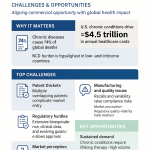
Rising Prevalence of Chronic Diseases: The increasing global burden of chronic diseases, such as cardiovascular diseases, diabetes, cancer, neurological disorders, and respiratory conditions, significantly boosts the demand for long-term medication therapies.2 The World Health Organization (WHO) reports that non-communicable diseases (NCDs) account for 74% of all global deaths, creating an urgent need for cost-effective treatment options.7 Branded generics provide an affordable alternative to costly branded treatments, making essential medications accessible to a broader patient population requiring prolonged care.2
Growing Demand for Affordable Medications: As healthcare costs continue to surge globally, particularly in developing and emerging economies, there is an increasing preference for branded generics as cost-effective alternatives to expensive patented drugs.2 This demand is driven by both patients seeking to reduce out-of-pocket expenses and healthcare systems aiming for cost containment.3 The affordability of branded generics ensures broader access to essential medicines, especially in regions with limited healthcare budgets.4
Government Initiatives and Regulatory Support: Governments worldwide are implementing measures to promote the use of generic drugs to reduce healthcare expenditures and improve public access to medicines.4 Regulatory bodies, such as the FDA, demonstrate continued support for generic market entry, with significant numbers of first generics approved annually.2 These initiatives, including favorable reimbursement regulations and public awareness campaigns, play a significant role in driving market expansion.8
Expanding Healthcare Infrastructure and Insurance Coverage: Improvements in healthcare infrastructure and increasing insurance coverage globally support the demand for branded generics.8 This allows patients from various demographics to access quality medicines at reduced costs, further fueling market growth.10
Strategic Business Models and Revenue Generation
Branded generics companies employ distinct business models and revenue generation strategies that differentiate them from both originator brands and traditional unbranded generics. These strategies leverage cost efficiencies inherent in generic production while capitalizing on brand recognition.
Cost Advantages in Manufacturing and R&D
A primary factor contributing to the profitability of branded generics is their significantly reduced expenditure on research and development.2 Unlike originator companies that invest billions of dollars and many years in discovering and developing new molecules, branded generic manufacturers bypass most of this extensive R&D process.2 Their focus is instead on developing bioequivalent formulations of existing molecules once patent protections expire.2 The regulatory approval process for branded generics is also substantially streamlined, primarily requiring the demonstration of bioequivalence rather than full clinical efficacy and safety trials.2 This abbreviated approach significantly reduces development costs and time-to-market, allowing branded generic manufacturers to operate profitably despite lower price points and margins compared to innovator drugs.2
Manufacturing efficiency and stringent cost control are critical competitive advantages for branded generic producers.2 By optimizing production processes and leveraging large-scale manufacturing capabilities, these companies can reduce per-unit costs while maintaining quality standards that meet regulatory requirements.2 This allows them to achieve profitability even with gross profit margins of approximately 40%, which are lower than the 80% margins often seen with patent-protected branded medications but still healthy compared to many other industries.2 The competitive advantage for branded generics stems not from high margins on individual units, but from efficient operations and strategic marketing that ensure sustainable profitability across large production volumes.2
Targeted Marketing and Brand Recognition Strategies
Branded generic companies typically employ more targeted and cost-efficient marketing strategies compared to the extensive physician detailing and direct-to-consumer (DTC) advertising characteristic of originator brands.2 Their marketing value proposition centers on offering reliable quality at an intermediate price point, positioning branded generics as a reasonable compromise between high-priced originators and unbranded alternatives.2
These strategies focus on building brand recognition and trust among healthcare providers and pharmacists, as well as patients.2 By creating recognizable brand identities, manufacturers enable healthcare providers to prescribe medications with confidence and allow patients to request specific products by name.2 This brand familiarity creates a competitive advantage over unbranded generics while avoiding the massive marketing expenditures associated with traditional branded pharmaceuticals.2 For instance, while traditional generics are often perceived as lower-quality alternatives, branded generics aim to offer the best of both worlds: the affordability of generics and the trust associated with brand-name drugs.5 This approach helps to overcome patient concerns about the quality and efficacy of traditional generic drugs, which can sometimes lead patients to prefer more expensive brand-name medications.5 The strategic use of branding for off-patent drugs demonstrates a sophisticated market understanding that even in a cost-sensitive segment, perceived quality and trust can command a premium and drive market share.
Leading Players in the Branded Generics Market
The branded generics market is dominated by several large pharmaceutical companies, many of which are also major players in the broader generics industry. These companies leverage their global manufacturing capabilities, distribution networks, and established reputations to maintain significant market presence.
In 2021, some of the top global generic companies by revenue included Teva Pharmaceutical Industries Ltd., Sun Pharmaceutical Industries Ltd., Cipla Ltd., Dr. Reddy’s Laboratories Ltd., and Lupin Ltd..37 Teva Pharmaceutical Industries Ltd., based in Israel, reported the highest revenue among these, at $16,659 million in FY 2021.37 Sun Pharmaceutical Industries Ltd. from India also demonstrated strong performance with $4,533 million in revenue.37
Looking ahead to 2025, the top generics companies are projected to include Sandoz, Teva, Viatris, Sun Pharma, and Shanghai Fosun Pharma.38 Sandoz, headquartered in Switzerland, has established itself as a pure-play off-patent firm, focusing heavily on biosimilars and achieving strong growth in this area.38 Teva, while facing past debt challenges, appears to be back on track, with its generics products contributing significantly to its $16.5 billion revenues in 2024.38 Viatris, formed from the merger of Mylan and Upjohn, remains a top player with $14.7 billion in total revenues in 2024, strategically divesting non-core assets while strengthening its pipeline.38 India’s Sun Pharma, with its extensive manufacturing facilities, offers both generics and branded generics globally, reporting a 10.4% growth in 2024 revenues compared to 2023.38 Shanghai Fosun Pharma from China is also a significant player, with generics forming a substantial part of its portfolio.38
Table 3: Top Global Generic Companies (by Revenue/Market Share)
Rank (2025 Projection)
Company Name
Headquarters
2024 Revenue (USD Billion)
Key Strategies/Focus
Source(s)
1
Teva Pharmaceutical Industries Ltd.
Tel Aviv, Israel
16.5
“Pivot to Growth” strategy, focus on innovative assets while growing base generic business, R&D investment in immunology, immuno-oncology, neuroscience, biosimilars 38
38
2
Viatris
Canonsburg, Pennsylvania, USA
14.7
Growth plan focusing on pipeline strengthening, divesting non-core areas (biosimilars, OTC, API), dealmaking for phase III assets 38
38
3
Sandoz
Basel, Switzerland
10.4 (total net sales); 7.5 (generics net sales)
Pure-play off-patent firm, doubling down on biosimilars, efficiency building (reducing manufacturing sites, consolidating suppliers) 38
38
4
Sun Pharmaceutical Industries Ltd.
Mumbai, India
5.77 (total turnover)
Global generics and branded generics, specialty medicines, OTC, APIs, strategic mergers and acquisitions 38
Several pharmaceutical companies have successfully leveraged branded generics to achieve significant market presence and profitability, demonstrating diverse strategic approaches.
One notable example is Indian pharmaceutical giant Ranbaxy, which merged with Japan’s Daiichi Sankyo in 2008. This entity built substantial value through its portfolio of branded generics primarily sold outside the United States. The combined company became the 15th largest pharmaceutical company globally by sales, illustrating the significant scale and revenue achievable through a strong branded generics focus.2 This demonstrates a strategy of international market penetration, particularly in regions where brand recognition for generics is highly valued.
Similarly, Dr. Reddy’s Laboratories, another Indian pharmaceutical company, pursued strategic growth by acquiring smaller firms that manufacture branded generics. This approach allowed them to rapidly expand their portfolio and global reach, showcasing an inorganic growth strategy focused on consolidating branded generic assets.2
In the realm of specialty pharmaceuticals, Fougera, a company specializing in topical dermatologic products, found success by producing branded generics starting in the mid-1990s. This enabled them to establish a strong position in a specific niche market, highlighting the potential for branded generics to thrive in specialized therapeutic areas.2
These examples illustrate that success in the branded generics space is not limited to a single business model. It can range from broad-based pharmaceutical portfolios spanning multiple therapeutic areas to highly specialized products addressing specific medical needs. The common thread is the strategic application of branding to off-patent drugs, which, combined with efficient manufacturing and targeted marketing, can generate substantial and sustainable profits for drugmakers.2
3. The Patient Perspective: Peace of Mind
Enhanced Affordability and Accessibility
Branded generics offer significant benefits to patients, particularly in terms of making essential medications more affordable and accessible. Generic drugs, including branded generics, typically cost 80% to 85% less than their brand-name counterparts.3 This substantial price difference stems from the fact that generic drug companies do not incur the original research and development, extensive clinical trials, and large-scale advertising costs associated with innovator drugs.3
When a brand-name drug’s patent expires, the entry of generic versions fosters competition, which further drives down prices.3 This competitive dynamic is a cornerstone of cost savings in healthcare. By opting for generics, individuals can significantly reduce their personal healthcare expenses, and these savings extend to insurance companies, hospitals, and the broader healthcare system.3 Many insurance plans offer lower copays for generic medications, making them an even more attractive and economical choice for patients.3 For patients managing multiple chronic conditions, choosing generic versions for most or all of their prescriptions can lead to even greater long-term savings.3 Furthermore, some pharmacies provide discount programs that offer generic prescriptions at a flat rate, enhancing affordability for a wider population.3
The lower cost of branded generics directly improves access to medications, especially in lower and middle-income countries where healthcare costs can be prohibitive.4 The presence of multiple approved generic options for a single brand-name drug not only reduces costs but also enhances the overall availability of the medicine, mitigating potential shortages of brand-name drugs due to production issues or supply chain problems.3 This wider access helps improve patient outcomes and contributes to controlling overall healthcare costs.4
Impact on Medication Adherence and Health Outcomes
The affordability of branded generics has a direct and positive impact on medication adherence, which, in turn, leads to improved health outcomes. When medication is more affordable, patients are more likely to take it as prescribed, leading to better health results and fewer missed doses.3 This is particularly beneficial for individuals managing chronic conditions like diabetes or high blood pressure, as it helps them consistently adhere to their long-term treatment plans.3
Patients who use generic drugs are less likely to delay or skip filling their prescriptions due to cost concerns, which helps prevent complications and supports better long-term health.3 This direct correlation between affordability and adherence is a critical component of the “peace of mind” promise, as it ensures that patients can reliably manage their health without constant financial stress. The ability to consistently access and afford medications means people are more likely to take them regularly, which helps prevent serious health problems and reduces the need for hospital visits, ultimately contributing to a healthier society.3
Building Patient Trust and Overcoming Quality Perceptions
Despite the regulatory assurances of bioequivalence and quality, a significant challenge for generic medications, including branded generics, has been overcoming patient and even prescriber skepticism regarding their quality and efficacy compared to originator brands.40 Studies have shown that a notable proportion of the general public, and even some healthcare professionals, hold negative perceptions of generics, viewing them as less effective or of inferior quality.40 For instance, a study found that 35.6% of lay people perceived generics as less effective than branded medication, compared to 28.7% of doctors and 23.6% of pharmacists.42 Some patients may even refuse generic alternatives, always seeking brand medications.43 These perceptions, even if unfounded by scientific evidence, can lead to poorer health outcomes due to lower adherence and increased side effect reporting.42
Branded generics specifically address this challenge by leveraging the reputation and quality assurance associated with well-known brands.5 By marketing off-patent drugs under a proprietary brand name, established pharmaceutical companies aim to bridge the gap between the affordability of generics and the trust associated with brand-name drugs.5 This offers patients the reassurance of a trusted brand name while still providing significant cost savings.5 The rigorous approval process, which requires branded generics to demonstrate bioequivalence and meet strict quality standards identical to their brand-name counterparts, is a foundational element in building this trust.5
Furthermore, pharmaceutical companies producing branded generics often implement additional quality control measures to maintain their brand reputation, such as more frequent inspections, advanced manufacturing technologies, and stringent testing protocols.5 Efforts are also underway for global regulatory harmonization to streamline approval processes and ensure consistent quality standards worldwide, further reinforcing confidence.5 Educating patients and healthcare providers about the benefits and regulatory oversight of branded generics is crucial for their widespread adoption and appropriate use. Clear communication about regulatory standards and quality control measures helps alleviate concerns about generic medications, fostering greater acceptance and trust.5 This strategic approach to branding, coupled with rigorous quality assurance, directly contributes to the “peace of mind” for patients, making them more comfortable and confident in choosing these affordable options.
Contribution to Healthcare System Sustainability
The widespread adoption of branded generics significantly contributes to the sustainability of healthcare systems globally. By offering cost-effective alternatives to expensive brand-name drugs, generics help to reduce overall healthcare spending, allowing governments and insurance providers to allocate resources more effectively.4 This cost-saving aspect is particularly vital in countries with limited healthcare budgets, where the widespread use of generics can lead to substantial savings and enable the funding of other critical health services, such as preventive care and wellness outreach.3
In the United States, generic medications (including branded generics) account for approximately 90% of dispensed prescriptions but only about 13.1% to 18% of total retail prescription drug expenditures, highlighting their substantial contribution to cost containment.11 From 2009 to 2019, generic drugs saved the U.S. healthcare system an estimated $2.2 trillion.20 This economic benefit is a cornerstone of healthcare sustainability, ensuring that more people can access necessary treatments without overwhelming national budgets.4
Beyond direct cost savings, branded generics contribute to sustainability by promoting market competition. When generics enter the market, they drive down prices, encouraging brand-name companies to lower their own prices or innovate further to stay competitive.4 This dynamic benefits consumers by making medicines more affordable and stimulates innovation across the industry.4 Moreover, the availability of generics ensures drug availability, acting as a buffer against potential shortages of brand-name drugs due to production issues or supply chain problems, thereby maintaining continuity of care and reducing the burden on healthcare systems.4
4. Regulatory Landscape and Market Entry
The regulatory landscape plays a pivotal role in shaping the branded generics market, dictating the pathways for approval and influencing market entry dynamics.
Regulatory Approval Processes (US: ANDA, EU: EMA)
Regulatory bodies worldwide ensure that generic medicines are as safe and effective as their brand-name counterparts before they enter the market. The processes, while sharing core principles, have distinct characteristics in major markets like the United States and Europe.
United States: Abbreviated New Drug Application (ANDA): In the U.S., the Food and Drug Administration (FDA) regulates generic drugs primarily through the Abbreviated New Drug Application (ANDA) process.34 This pathway was established under the Hatch-Waxman Act of 1984 to streamline generic drug approval and promote competition.48 An ANDA allows generic manufacturers to gain approval without repeating the extensive and costly preclinical and clinical trials required for new drugs.20 Instead, the core requirement is to demonstrate that the generic drug is bioequivalent to an already approved Reference Listed Drug (RLD).34 This means proving that the generic contains the same active ingredient(s), is identical in strength, dosage form, and route of administration, has the same use indications, and is absorbed into the bloodstream at the same rate and extent as the brand-name drug.21 The generic must also be manufactured under the same strict quality standards as the brand-name medicine.44 The FDA conducts a rigorous review, including assessing bioequivalence data, evaluating manufacturing processes, and inspecting facilities to ensure consistent quality.45
Europe: European Medicines Agency (EMA): In Europe, the European Medicines Agency (EMA) assesses applications for generic medicines within the European Union (EU).50 The authorization of a generic medicine relies on efficacy and safety data obtained from studies conducted on the original, already authorized medicine.50 Generic applications typically fall under Article 10(1) of Directive 2001/83/EC, meaning pre-clinical and clinical trial results are not required if the reference product has been authorized for at least 8 years (the data exclusivity period).51 For approval, generic medicines must demonstrate pharmaceutical equivalence and bioequivalence to the reference product, with pharmacokinetic parameters like AUC and Cmax falling within a 80%-125% range.52 The EMA offers a centralized procedure for generic/hybrid products, with automatic access if the reference product was centrally authorized.51 For products authorized nationally, acceptance into the centralized procedure may require demonstrating “significant therapeutic, scientific or technical innovation” or being “in the interest of patients at Union level”.51 The EMA’s process includes pre-submission notifications, scientific evaluation by a Rapporteur, and adherence to the Common Technical Document (CTD) format for submission.51
The distinct regulatory pathways in the U.S. and Europe, while both aiming to ensure safety and efficacy, reflect different approaches to market entry and competition. The U.S. system, through the ANDA process, explicitly aims to expedite generic entry by reducing redundant clinical trials, thereby promoting competition and lowering drug costs.34 The EMA’s framework also emphasizes efficiency but includes considerations for “innovation” or “patient interest” for certain centralized generic/hybrid applications, suggesting a slightly broader scope for evaluation beyond strict bioequivalence for market access.51 These regulatory differences can influence the speed and volume of generic market entry across regions, impacting global market dynamics.
Table 4: Regulatory Approval Pathways (US vs. EU) for Generics
Feature
United States (FDA – ANDA)
European Union (EMA)
Primary Legislation
Hatch-Waxman Act of 1984
Directive 2001/83/EC (Article 10(1) for generics)
Application Type
Abbreviated New Drug Application (ANDA)
Generic Marketing Authorization Application (MAA)
Core Requirement
Bioequivalence to Reference Listed Drug (RLD)
Bioequivalence to Reference Medicinal Product
Clinical Trials
Not required (relies on RLD data)
Not required (relies on reference product data after 8-year data exclusivity)
Required Demonstrations
Same active ingredient, strength, dosage form, route of administration, use indications, quality, stability, manufacturing standards, labeling (with exceptions) 22
Same active substance(s), dose(s), same disease(s), bioequivalence 21
Manufacturing Standards
Must meet same strict standards as brand-name drug (cGMP) 22
Must meet same rigorous standards as brand-name analogues 23
Review Time (Typical)
~30 months (FDA goal: 180 days per federal law, but often longer) 34
Standard timetable: Day 120 or Day 180 if major objections 51
Market Entry Timing
After patent/exclusivity expiration of RLD 20
After 10-year exclusivity period for original medicine expires (or 8-year data exclusivity) 50
Key Objective
Promote competition, lower drug costs, increase accessibility 34
Ensure safe and effective alternatives, reduce healthcare expenditure 23
Sources:.20
Role of Patents and Exclusivities in Market Entry
Patents and regulatory exclusivities are fundamental mechanisms that significantly impact the timing and dynamics of generic drug market entry. When a pharmaceutical company develops a new drug, it applies for a patent, typically granting exclusive rights to manufacture and sell the drug for 20 years from the filing date.24 This period of exclusivity is designed to incentivize innovation by allowing the innovator to recoup substantial R&D investments before facing competition.33
However, the effective patent life remaining after a drug receives regulatory approval can be considerably shorter, often ranging from seven to ten years.33 As a patent nears expiration, brand-name companies may employ strategies like “evergreening”—applying for additional patents on formulations, delivery methods, or drug combinations—to extend their market exclusivity.14 These tactics create a complex web of patents, or “patent thickets,” that generic manufacturers must navigate.24
The expiration of a drug patent marks a critical juncture, opening the door for generic drug manufacturers to produce and sell their versions, leading to increased competition and reduced prices.24 Generic manufacturers must conduct thorough patent analysis to identify active and expired patents, including supplementary ones, to inform their development strategy.24 In some cases, generic manufacturers may challenge remaining patents in court, a risky but potentially faster route to market entry if successful.24
Beyond patents, regulatory exclusivities also play a crucial role. These are periods granted by regulatory bodies, such as the FDA, that protect a brand-name drug from generic competition for a specific time, even after patent expiration.24 For example, the first generic manufacturer to file an ANDA with a Paragraph IV certification (asserting that the brand-name drug’s patent is invalid or not infringed) may be eligible for a 180-day period of exclusive marketing rights.26 This “first-to-market” advantage allows the initial generic entrant to capture a substantial market share before other generics arrive.33 However, filing a Paragraph IV certification often triggers patent litigation by the brand-name company, which can result in an automatic 30-month stay on FDA approval, delaying generic entry.33 This complex interplay of patents, exclusivities, and legal challenges significantly shapes the competitive landscape and the timing of branded generic availability.
Challenges Posed by Anti-Competitive Practices
Despite regulatory frameworks designed to promote generic competition, several anti-competitive practices employed by brand-name manufacturers can significantly delay the entry of more affordable branded generics and biosimilars into the market. These practices contribute to higher drug prices and limit patient access.
Evergreening: This tactic involves abusing the patent and regulatory systems to prolong a brand drug’s monopoly beyond its initial patent term.14 Companies achieve this by applying for additional patents on minor modifications to existing drugs, such as new formulations, delivery methods, or new therapeutic indications.24 While proponents argue this supports continued innovation, critics contend it exploits legal loopholes to sustain monopolies. For instance, AbbVie’s Humira, a world-leading drug, had its principal initial patent expire in 2016, but over 100 late-stage patents were filed to delay competition, pushing the last patent’s expiration to 2034.14 This practice directly delays the market entry of generics and biosimilars, keeping drug prices artificially high and restricting access to affordable medicines, particularly in developing nations.54
“Pay-for-Delay” Agreements: These are patent settlements where brand-name drug manufacturers pay generic drug manufacturers to delay the entry of cheaper alternatives.15 Such agreements effectively block all other generic drug competition for a growing number of branded drugs, costing consumers and taxpayers billions of dollars annually in higher drug costs.15 For example, Bayer paid Barr Pharmaceuticals to delay the release of a generic version of Cipro, extending Bayer’s monopoly.15 The FTC has actively opposed these deals, viewing them as anti-competitive tactics that undermine the balance between innovation and affordable access.55
REMS (Risk Evaluation and Mitigation Strategy) Abuse: REMS programs are designed to ensure that the benefits of a drug outweigh its risks, allowing patients continued access to certain medicines.56 However, some brand-name companies exploit regulatory loopholes in REMS programs to delay generic and biosimilar market entry.56 This is primarily done by denying generic manufacturers access to samples of branded drug products, which are required to conduct the bioequivalence studies necessary for FDA approval.56 Without these samples, generic and biosimilar approvals are blocked, leaving patients without access to more affordable medicines.56 Brand manufacturers have also prolonged negotiations for shared REMS plans indefinitely or applied restricted access programs to non-REMS products to delay generic entry.56 The misuse of REMS programs has been estimated to cost the U.S. healthcare system billions annually.56
These anti-competitive strategies highlight a tension within the pharmaceutical industry between incentivizing innovation and ensuring broad access to affordable medicines. While patents are intended to provide a temporary monopoly to reward R&D, these practices extend that monopoly, shifting the balance away from patient affordability and market competition. Addressing these challenges requires vigilant regulatory oversight and legislative reforms to ensure fair market practices and timely access to generic alternatives.
5. Challenges and Risks in the Branded Generics Market
Despite the significant opportunities they present, branded generics operate within a complex landscape fraught with challenges and risks that can impact their profitability and market stability.
Intensifying Pricing Pressures and Competition
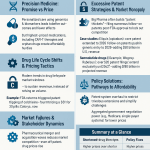
The branded generics market, while offering higher margins than unbranded generics, is still subject to intense pricing pressures and competition. Once a brand-name drug’s patent expires, the entry of multiple generic competitors typically triggers aggressive price competition, leading to significant price erosion.17 For example, prices can fall by 20% with just three competitors and by 70% to 80% with ten or more competitors within three years of the first generic entry.59 This rapid decline in prices can squeeze profit margins, especially for manufacturers operating on already thin margins.16
The competitive landscape is further complicated by the consolidation of buyers, such as wholesale buying consortia, pharmacy benefit managers (PBMs), and group purchasing organizations.32 These consolidated buyers gain significant leverage to negotiate lower prices, intensifying pressure on generic manufacturers.32 Some PBMs may even be incentivized to cover higher-cost, highly rebated brand products over lower-cost generics, which can place generics on higher tiers with increased copayments, making them less attractive to patients.32 This dynamic can erode the cost savings potential of generics and reduce incentives for generic entry.32
The Inflation Reduction Act (IRA) in the U.S. also poses a potential challenge, as its Medicare Drug Price Negotiation Program aims to lower prices for certain high-expenditure, single-source drugs.32 While intended to reduce costs, this could inadvertently reduce incentives for generic manufacturers to enter the market for those drugs, as they would have to compete with lower, government-determined prices. This reduction in price differentials could lead to lower revenue for generic manufacturers, potentially discouraging investment and leading to less competition and fewer overall generic products.32
Quality Control Issues and Supply Chain Vulnerabilities
Quality control and supply chain resilience are critical concerns in the generic pharmaceutical market, with direct implications for branded generics. While FDA-approved generics are held to the same strict quality and manufacturing standards as brand-name drugs, and must demonstrate bioequivalence 44, documented cases of quality issues have raised concerns. Examples include the adulterated heparin incident in 2008, which led to deaths and severe adverse reactions, and the discovery of carcinogenic impurities in generic angiotensin II receptor blockers (ARBs) starting in 2018, resulting in widespread recalls.60 These incidents, while not necessarily indicative of widespread substandard quality, highlight vulnerabilities in the oversight system.60
A major contributing factor to these challenges is the rapid globalization of the pharmaceutical supply chain. By 2020, 74% of establishments manufacturing active pharmaceutical ingredients (APIs) for generic drugs were located overseas, with a heavy reliance on China and India.16 This global dependency creates significant vulnerabilities. A disruption early in the supply chain, such as a tariff-related interruption of raw materials or APIs, can ripple across all producers, leading to manufacturing discontinuations and drug shortages.16 For instance, 90-95% of sterile injectable generics used in US hospitals and emergency care rely on raw materials or active substances from China and India.16
The FDA faces bureaucratic barriers in overseeing this global market, including challenges with inspecting foreign facilities, which require visa applications and prior announcements of inspection dates.60 The COVID-19 pandemic further exacerbated this, leading to a backlog of surveillance inspections.60 The market’s intense focus on price, where quality becomes an “invisible” characteristic once multiple generics are approved, means manufacturers primarily compete on cost, potentially disincentivizing investment in quality beyond basic compliance.60 This situation calls for greater transparency and accountability across the entire supply chain, beyond just the manufacturers, to ensure consistent quality and prevent shortages.47
Impact of Industry Consolidation
Consolidation within the pharmaceutical industry, both among manufacturers and buyers, presents a mixed and evolving impact on the branded generics market.
On one hand, mergers involving generic and copycat drug manufacturers can lead to lower drug prices for overlapping products.61 This is often driven by cost savings achieved through increased efficiency, reduced overhead (such as staffing, marketing, R&D, and distribution networks), and streamlined operations.61 While generics account for a smaller portion of total drug sale revenues, they represent a vast majority of prescriptions, meaning price drops in this segment can affect a large number of patients.61 This suggests that consolidation among generic producers, when focused on efficiency, can benefit consumers through increased affordability.
On the other hand, consolidation, particularly among buyers like PBMs and wholesale consortia, exerts increasing pricing pressure on generic manufacturers.32 These larger entities gain significant leverage to negotiate lower prices, which can make the manufacture of certain generics, especially sterile injectables, unprofitable, leading to market exits and drug shortages.32 This pressure can also lead to fewer generic companies pursuing fewer development opportunities, potentially eroding the cost savings realized from the industry.32
Furthermore, consolidation among brand-name drug companies, or their strategic acquisitions, can impact the branded generics market by influencing R&D focus and market access. Some brand manufacturers may shift R&D towards biologics or complex drugs with longer exclusivity periods, potentially reducing the pipeline of new small molecule drugs available for genericization.32 This could mean fewer opportunities for branded generic development in the long term. Overall, while consolidation among generic manufacturers can drive efficiencies and lower prices for consumers, the increasing power of consolidated buyers and strategic shifts by innovator companies pose significant challenges to the stability and profitability of the branded generics market.
6. Emerging Trends and Future Outlook
The branded generics market is dynamic, continuously evolving with technological advancements, shifting patient needs, and a growing emphasis on sustainability.
Innovations in Value-Added Formulations
A significant emerging trend in the branded generics space is the development of “value-added formulations,” sometimes referred to as “super generics” or “re-innovation”.5 These are not mere copies of existing drugs but rather improved or modified versions of off-patent molecules that deliver enhanced value to patients, healthcare providers, or payers.63 These enhancements can include:
Improved Delivery Methods: This involves transforming solid dosage forms into liquids for easier administration, especially for pediatric or geriatric populations, or developing advanced injectables or patches.63 For example, Amneal Pharmaceuticals launched LYVISPAH (baclofen oral suspension) in 2022, leveraging 3D printing for pediatric-friendly dosing.62
Fixed-Dose Combinations: Combining two or more active ingredients into a single dosage form can improve patient convenience and adherence.5
Extended-Release Versions: Developing once-daily versions of drugs originally taken multiple times a day enhances patient compliance.5
Enhanced Efficacy or Tolerability: Applying novel technologies to existing molecules can yield “super generics” with improved bioavailability or reduced side effects. For instance, nanoparticle-based candesartan cilexetil improves bioavailability by 40%, reducing dosage requirements, and Abraxane (albumin-bound paclitaxel) eliminates hypersensitivity risks associated with conventional paclitaxel while increasing tumor response rates.62
New Therapeutic Uses (Repurposing): Identifying and patenting new therapeutic applications for existing drugs can expand their market potential.53
These value-added formulations allow branded generics to differentiate themselves in a crowded market, secure stronger intellectual property protection through new patents, and address unmet patient needs.63 This strategic move beyond simple generic replication is a key trajectory for future growth and profitability in the branded generics sector.
Table 5: Examples of Value-Added Formulations and Digital Health Integration
Category
Example/Initiative
Description/Benefit
Source(s)
Value-Added Formulations
Nanoparticle-based candesartan cilexetil
Improves bioavailability by 40%, reducing dosage requirements 62
LYVISPAH (baclofen oral suspension) by Amneal Pharmaceuticals
Leverages 3D printing for pediatric-friendly dosing 62
62
Pheburane oral pellets
Taste-masked formulation for pediatric patients with urea cycle disorders 65
65
Vimovo (naproxen + esomeprazole)
Combines pain relief with gastric protection, mitigating NSAID-associated ulcers 65
65
Digital Health Integration
Partnerships between generics firms and digital health startups
Integrate real-world evidence (RWE) into post-marketing surveillance for optimized dosing (e.g., rheumatoid arthritis) 62
62
AI-Driven Formulation and Precision Dosing
Machine learning algorithms optimize drug-device combinations (e.g., smart inhalers for COPD adjusting doses based on spirometry data) 62
62
Digital pills (AI-integrated)
Combine AI systems with drugs to improve patient adherence and overcome loss of response to chronic medications 67
67
Smart packaging, mobile apps, remote monitoring tools
Enhance patient engagement and medication adherence for branded generics 5
5
Betaconnect Autoinjector for Betaseron®
Combination product (medicine/device/software) for MS treatment, improving self-administration 69
69
Sources:.5
Integration of Digital Health Solutions
The integration of digital health technologies with branded generic products represents a significant opportunity to enhance patient engagement, improve medication adherence, and differentiate offerings in the market.5 This trend moves beyond the pill itself to encompass a broader ecosystem of patient support and monitoring.
Examples of digital health integration include:
Smart Packaging and Mobile Apps: These tools can provide dose reminders, track medication usage, display remaining dosages, and offer educational content, thereby improving patient adherence and the overall patient experience.5
Remote Monitoring Tools: Connected devices and platforms enable healthcare providers to remotely monitor patient adherence and physiological data, allowing for more personalized and timely interventions.5
AI-Driven Formulation and Precision Dosing: Machine learning algorithms are being used to optimize drug-device combinations, such as smart inhalers for COPD that can adjust salmeterol doses based on spirometry data.62 This allows for more precise and effective treatment delivery.
Digital Pills: These combine a personalized second-generation AI system with a branded or generic drug to improve patient response by increasing adherence and overcoming the loss of response to chronic medications.67 This innovation can reduce healthcare costs and increase end-user adoption, providing a market differentiator for drug companies.67
Real-World Evidence (RWE) Integration: Partnerships between generics firms and digital health startups are integrating RWE into post-marketing surveillance, which helps optimize dosing for conditions such as rheumatoid arthritis.62
These digital solutions not only improve patient outcomes but also offer pharmaceutical companies a way to extend brand lifecycle, build brand loyalty, and enhance the commercial value and market share of their products.68 By offering these value-added digital components, branded generics can further distinguish themselves from plain generics, reinforcing their promise of both quality and convenience.
Opportunities in Personalized Medicine
As the field of personalized medicine continues its rapid evolution, there are emerging opportunities to develop branded generic versions of targeted therapies.5 Personalized medicine, which aims to provide the “right drug, right patient, right time” by tailoring treatments based on an individual’s genetic makeup, biomarkers, or disease characteristics, has traditionally been associated with high-cost, innovative biologics and novel molecular entities.70 However, the increasing prevalence of chronic diseases and the push for affordability create a compelling case for extending personalized approaches to the branded generics market.70
Developing branded generic versions of targeted therapies could potentially make precision medicine more accessible to a broader patient population.5 This would democratize access to advanced treatments that were previously out of reach for many patients due to their exorbitant costs.71 For instance, while gene-editing therapies for conditions like sickle cell anemia are currently cutting-edge and expensive, the future could see “CRISPR-Cas9 generics” offering one-time cures at a fraction of current costs, potentially saving billions.62 Similarly, collaborations exploring mRNA-based generics for rare diseases could target significant savings for therapies like Luxturna.62
This trajectory represents a strategic challenge and opportunity for branded generic manufacturers. It requires investment in adaptive R&D capacities to understand the complex interplay of genetic, biological, and environmental factors, and to develop formulations that meet the specific needs of molecularly selected patient populations.53 While the market size for individual personalized generic therapies might be smaller than for mass-market drugs, the compelling value proposition—highly effective treatment with reduced toxicity at a more affordable price—could facilitate reimbursement and ensure a strong market position.71 The ability to offer precision medicine at a lower cost would not only improve patient outcomes but also contribute significantly to the sustainability of healthcare systems by reducing wasteful expenditure on ineffective treatments.71
Focus on Sustainable Manufacturing Practices
A growing focus on environmental sustainability is influencing the pharmaceutical industry, including the branded generics sector.5 As consumers, regulators, and partners increasingly demand environmentally responsible pharmaceutical products, adopting eco-friendly manufacturing practices and packaging solutions is becoming a strategic necessity.72 This shift aligns with global sustainability objectives, such as the United Nations’ Race to Zero campaign and the Paris Agreement.74
Key initiatives and practices in sustainable manufacturing for branded generics include:
Green Chemistry Principles: Implementing green chemistry principles in production processes helps minimize waste, increase process efficiency, and reduce operational costs while having minimal environmental impact.73 This involves using safer reagents, catalysts, and solvents, and exploring techniques like biocatalysis and flow chemistry.73
Waste Management: Companies are focusing on waste minimization strategies, including source reduction, segregation, and efficient treatment and disposal of different waste types. Exploring alternative disposal methods like waste-to-energy conversion further reduces environmental impact.73
Energy Efficiency: Investing in energy-efficient technologies, upgrading equipment, and utilizing renewable energy sources like solar or wind power significantly reduce greenhouse gas emissions and dependence on fossil fuels.73
Sustainable Packaging: Utilizing recyclable, biodegradable, or reusable materials for packaging minimizes environmental burden and contributes to a circular economy, aligning with growing consumer demand for environmentally responsible products.73
Supply Chain Transparency: Sourcing eco-friendly excipients and active pharmaceutical ingredients (APIs) from environmentally audited producers is crucial for building green supply chains and ensuring transparency about environmental impacts across the value chain.72
For generic drug producers, embracing sustainability is not just an ethical imperative but also a strategic business advantage. It can provide competitive differentiation, ease compliance with tightening global regulations (e.g., EU Green Deal, US FDA sustainability initiatives), reduce operational risks, save costs long-term, and enhance brand and investor appeal.72 This proactive approach helps future-proof product portfolios and positions companies as preferred suppliers in a market increasingly valuing environmental responsibility.72
7. Conclusion: Balancing Profitability with Patient Well-being
The branded generics market stands as a compelling testament to the pharmaceutical industry’s capacity to evolve, balancing the imperative for drugmaker profitability with the critical need for patient well-being. These products, by occupying a strategic middle ground between high-cost originator brands and low-cost unbranded generics, have successfully carved out a unique and growing segment.
For drugmakers, the promise of profits is realized through a business model that capitalizes on significantly reduced R&D expenditures, efficient manufacturing processes, and targeted marketing strategies that build brand recognition without the massive promotional outlays of traditional brands. This allows for healthy profit margins, even at price points substantially lower than originator drugs. The global market’s robust growth, fueled by patent expirations and the rising prevalence of chronic diseases, underscores the commercial viability and strategic importance of branded generics for leading pharmaceutical companies worldwide.
Simultaneously, branded generics deliver tangible “peace of mind” to patients. Their affordability dramatically enhances access to essential medications, particularly in cost-sensitive markets, and directly improves medication adherence, leading to better health outcomes. The proprietary brand name, backed by rigorous regulatory approval processes and often additional quality control measures by manufacturers, addresses patient concerns about the quality and efficacy sometimes associated with unbranded generics, fostering trust and confidence. This dual benefit extends to the broader healthcare system, contributing to its sustainability through significant cost savings and increased competition.
However, the path forward is not without its complexities. The market faces persistent challenges from intensifying pricing pressures, vulnerabilities in a globalized supply chain, and anti-competitive practices like evergreening and REMS abuse, which can delay market entry and erode potential savings. These issues necessitate continuous vigilance from regulatory bodies and a commitment from industry players to fair competition.
Looking ahead, the branded generics sector is poised for further evolution through innovations in value-added formulations, the integration of digital health solutions to enhance patient engagement, and the exploration of opportunities in personalized medicine. A growing emphasis on sustainable manufacturing practices will also shape its future, aligning with broader environmental and social responsibilities.
Ultimately, the continued success of branded generics hinges on a delicate equilibrium: maintaining profitability through strategic differentiation and operational efficiency, while consistently delivering on the promise of affordable, high-quality, and trusted medications that genuinely improve patient access and health outcomes. This dynamic interplay will define the trajectory of this vital pharmaceutical segment in the years to come.
A review of the differences and similarities between generic drugs and their originator counterparts, including economic benefits associated with usage of generic medicines, using Ireland as a case study – PMC – PubMed Central, accessed July 26, 2025, https://pmc.ncbi.nlm.nih.gov/articles/PMC3579676/
Perceptions of generic medication in the general population, doctors and pharmacists: a systematic review | BMJ Open, accessed July 26, 2025, https://bmjopen.bmj.com/content/5/12/e008915
Knowledge and perceptions of patients towards generic and local medications: The lebanese version – Pharmacia, accessed July 26, 2025, https://pharmacia.pensoft.net/article/98699/
Improving Global Healthcare and Reducing Costs Using Second-Generation Artificial Intelligence-Based Digital Pills: A Market Disruptor, accessed July 26, 2025, https://pmc.ncbi.nlm.nih.gov/articles/PMC7832873/
Environmental Sustainability Strategy of Active Pharmaceutical Ingredient Manufacturing: A Perspective from the American Chemical Society Green Chemistry Institute Pharmaceutical Roundtable, accessed July 26, 2025, https://pubs.acs.org/doi/10.1021/acssuschemeng.5c01094