1. Introduction: Navigating the Evolving Pharmaceutical Landscape
The Imperative for Strategic Drug Development
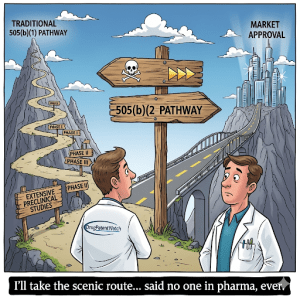
The pharmaceutical industry operates within a complex and ever-evolving environment, characterized by a relentless pursuit of groundbreaking innovation alongside increasing demands for affordability and efficiency. Historically, the traditional drug development pathway, known as the 505(b)(1) New Drug Application (NDA), has been the primary route for bringing novel therapies to market. However, this pathway is notoriously lengthy and expensive, often demanding up to 15 years and an investment of a billion dollars or more, coupled with high rates of failure.1 Such substantial time and capital commitments present significant barriers to entry and inherently compel pharmaceutical companies to seek more agile and cost-effective avenues for market access.
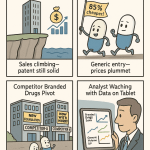
The competitive landscape further exacerbates these pressures. The rise of generic manufacturers, while beneficial for public health by increasing drug accessibility, can lead to the commoditization of markets and the erosion of profit margins for innovator companies.3 In such an intensely competitive arena, where the “race to the bottom” in pricing can become the norm, business professionals are increasingly recognizing the critical need for strategic pathways that not only foster innovation but also provide a distinct competitive edge. The economic realities of traditional drug development, marked by immense investment and protracted timelines, serve as a primary impetus behind the growing strategic appeal and utilization of alternative, more efficient pathways. These pathways, by leveraging existing data, promise lower costs and accelerated development, thereby broadening the scope of innovation beyond solely novel chemical entities.
Unveiling the 505(b)(2) Pathway: A Catalyst for Growth
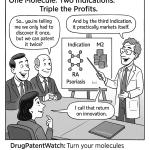
In response to these industry dynamics, the 505(b)(2) New Drug Application (NDA) pathway has emerged as a crucial strategic tool within the U.S. Food and Drug Administration (FDA) regulatory framework.1 This pathway is not a mere shortcut but a meticulously designed, intelligent approach that aims to foster innovation by allowing drug developers to leverage existing data from previously approved drugs or published scientific literature. Crucially, it exempts applicants from having to repeat all the original drug development work, thereby streamlining the approval process.1
The 505(b)(2) pathway is fundamentally reshaping pharmaceutical development by striking a delicate balance between innovation and efficiency, significantly reducing the time and resources typically required to introduce new therapeutic options to the market.5 For business professionals navigating the complexities of the pharmaceutical sector, a comprehensive understanding of this pathway is indispensable. It represents a potent mechanism for maximizing drug development strategies, cultivating differentiated products, and ultimately, achieving a dominant position in the market.
2. Decoding the 505(b)(2) Pathway: A Hybrid Approach to New Drug Applications
Historical Context: The Hatch-Waxman Amendments’ Vision
The genesis of the 505(b)(2) pathway is rooted in a landmark piece of legislation: the Drug Price Competition and Patent Term Restoration Act of 1984, more commonly known as the Hatch-Waxman Amendments.1 This legislative act was a deliberate and visionary creation, designed to address pressing needs within the pharmaceutical industry and public health landscape.
The core purpose of these amendments was multifaceted. Firstly, they sought to eliminate the unnecessary duplication of research for drugs that had already undergone rigorous testing and received prior approval.1 This recognition that valuable clinical data already existed and could be responsibly utilized was a pivotal shift. Secondly, and equally important, the amendments aimed to strike a crucial balance between encouraging continued new drug innovation and promoting robust generic drug competition.1 This dual intent is fundamental to comprehending the unique positioning of the 505(b)(2) pathway. Its existence allows for the development of differentiated products that are not entirely novel chemical entities, yet are also distinct from mere generic copies. This legislative foresight enabled the efficient introduction of improved versions of existing drugs to patients, ultimately benefiting public health by expanding therapeutic options and potentially lowering costs.
505(b)(2) vs. 505(b)(1) vs. 505(j): Understanding the Nuances
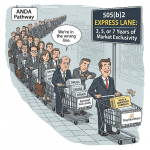
To fully grasp the strategic significance of the 505(b)(2) pathway, it is imperative to differentiate it from its two primary counterparts within the FDA’s regulatory framework: the traditional New Drug Application (NDA) pathway, 505(b)(1), and the Abbreviated New Drug Application (ANDA) pathway, 505(j).1 Each pathway serves a distinct purpose in bringing pharmaceutical products to market.
505(b)(1) NDA: This pathway is reserved for truly novel drugs, often referred to as New Chemical Entities (NMEs).6 It mandates that the sponsor conduct and submit a complete set of preclinical and clinical data, generated entirely by or for the applicant, to unequivocally demonstrate the drug’s safety and efficacy from its foundational stages.5 This route is universally acknowledged as the longest, most expensive, and inherently riskiest path to drug approval, often involving extensive Phase I-III clinical trials.1
505(j) ANDA (Generic): In stark contrast, the 505(j) pathway is specifically designed for generic drugs. Its primary criterion for approval is demonstrating bioequivalence to an already-approved Reference Listed Drug (RLD) or “innovator” product.1 Generic drugs approved via this route typically do not require new clinical trials for safety and efficacy; their focus is on proving that they are therapeutically equivalent to the branded product.6 These products are essentially “copies” of the RLD, necessitating little to no new innovation, and their market entry is often contingent upon the expiration of the innovator drug’s patents. 9
505(b)(2) NDA (Hybrid): This pathway is frequently termed a “hybrid application” because it intelligently combines elements of both the full NDA and the ANDA.1 While a 505(b)(2) application still requires complete safety and effectiveness reports, its defining feature is the allowance for the applicant to rely, in part, on existing data not developed by them. This can include published scientific literature, or the FDA’s prior findings of safety and efficacy for a related approved product.1 This strategic reliance on existing data, supplemented by new “bridging studies” where necessary to demonstrate the safety and efficacy of the specific modification, significantly accelerates the approval process and reduces development costs compared to the 505(b)(1) pathway.1 The 505(b)(2) pathway is optimally suited for modified or improved versions of existing innovator drugs, leading to the creation of a distinct new “drug product” that can qualify for its own market exclusivity.1
The hybrid nature of 505(b)(2) positions it as a crucial strategic sweet spot, enabling innovation and market differentiation without the full burden of de novo development. This creates a distinct competitive space, allowing companies to offer products that are neither entirely novel nor simply commoditized generics. The fact that this pathway allows for improvements to existing drugs—such as new dosage forms, routes of administration, combinations, or indications 1—and that these improvements can lead to a new drug product with its own exclusivity, fundamentally distinguishes it from a generic. A generic is a bioequivalent copy that typically does not receive new exclusivity beyond the 180-day period for the first filer. For business professionals, this means the 505(b)(2) pathway is not merely about achieving cost savings; it represents a powerful avenue for value creation. It empowers companies to address previously unmet patient needs, such as difficulties in swallowing that can be resolved with oral films
11, enhance patient compliance through extended-release formulations 11, or improve drug safety, as seen with abuse-deterrent opioids.
14 By building upon the established foundation of known active ingredients, this pathway cultivates a market segment focused on “smart innovation,” capable of commanding premium pricing and securing substantial market share, thereby diverging from the relentless price competition often observed in the generic drug sector.3
Core Principles: Leveraging Existing Data for Expedited Approval
The foundational principle underpinning the 505(b)(2) pathway is the unparalleled ability to rely on data that the applicant did not generate or for which they do not possess a direct “right of reference”.1 This critical provision allows applicants to draw upon a variety of sources, including published scientific literature, the FDA’s own prior findings regarding the safety and effectiveness of an approved drug, or a strategic combination of these resources.1
This reliance on existing, publicly available, or previously reviewed data significantly diminishes the necessity for duplicative preclinical and extensive clinical studies, which are typically the most time-consuming and resource-intensive components of traditional drug development. Consequently, the 505(b)(2) pathway offers a potentially faster and considerably less expensive route to regulatory approval.1 It embodies a philosophy of building upon the collective knowledge base, rather than embarking on a complete re-discovery or re-validation of established scientific facts.
The strategic advantage inherent in the 505(b)(2) pathway extends beyond mere cost and time efficiencies; it resides in its profound capacity to de-risk the development process by leveraging established safety and efficacy profiles. Multiple sources consistently highlight the “lower risk due to previous drug approval” as a key benefit.1 This inherent risk reduction stems from the fact that developers are working with active ingredients whose safety and preliminary efficacy have already been rigorously assessed and approved by the FDA. The primary developmental focus therefore shifts from proving fundamental safety and effectiveness to demonstrating that the specific modification—be it a new formulation, dosage form, or route of administration—does not compromise these established attributes, and ideally, enhances them. This increased predictability in the development pathway makes 505(b)(2) projects particularly attractive to investors, as it enhances the probability of regulatory success and, consequently, successful market entry. Such predictability allows for more efficient and targeted allocation of resources, positioning this pathway as a compelling strategy for robust portfolio management and sustained growth within the pharmaceutical industry.
3
Table 1: Comparison of FDA Drug Approval Pathways (505(b)(1), 505(b)(2), 505(j))
Feature
505(b)(1) (Full NDA)
505(b)(2) (Hybrid NDA)
505(j) (ANDA – Generic)
Purpose
Approval for a completely new drug product/NME
Approval for modified versions of previously approved drugs
Approval for generic versions of RLDs
Data Reliance
Full preclinical & clinical data generated by applicant
Relies partly on existing data (literature, FDA findings) + new bridging studies
Focus on bioequivalence to RLD, no new clinical trials
Innovation
Significant innovation (new molecule/mechanism)
Innovation in formulation, dosage, route, indication, combination, etc.
Little to no new innovation (a “copy”)
Development Time
Longest (up to 15 years)
Moderate (faster than 505(b)(1), potentially slower than 505(j) for NMEs)
Fastest (relies on bioequivalence)
Development Cost
Highest (billions)
Moderate (more than 505(j), less than 505(b)(1))
Lowest
Market Exclusivity
5 years (NCE) + others (e.g., pediatric)
3-7 years (e.g., 3-year “other” exclusivity, 7-year orphan, 5-year NCE in some cases) 1
New dosage forms (oral films, extended-release), new combinations, new indications 1
Bioequivalent copies of branded drugs
This comparative table serves as a vital tool for business professionals, offering a concise and clear understanding of the regulatory landscape to inform strategic decision-making. The distinctions between 505(b)(1), 505(b)(2), and 505(j) are often complex and dispersed across various regulatory documents and publications. By condensing this intricate information into an easily digestible format, the table immediately highlights why 505(b)(2) stands out as a strategic choice for specific types of innovation, positioning it distinctly from both completely new drugs and generic copies. This visual clarity directly supports the objective of strategic decision-making, enabling a rapid assessment of the risk/reward profile associated with each pathway.
3. The Art and Science of Advanced Formulations in 505(b)(2)
Beyond the Active Ingredient: What is Drug Formulation?
Drug formulation is a highly sophisticated and multidisciplinary process that extends far beyond the simple mixing of ingredients. It involves the meticulous combination of an active pharmaceutical ingredient (API) with various inactive components, known as excipients, to create a final medicinal product that is not only safe and effective but also stable throughout its shelf life and acceptable to patients.15 The overarching objective of formulation is to ensure that the drug reaches its intended target site within the body at the precise dosage and optimal rate to elicit the desired therapeutic effect.
16
A successful formulation demands a comprehensive understanding of the API’s inherent chemical properties, including its particle size, polymorphic forms, pH sensitivity, and solubility characteristics. Equally critical is the careful selection and characterization of excipients, considering their potential interactions with the API and the chosen manufacturing procedures.15 The ultimate aim of this intricate process is to maximize the drug’s efficiency in vivo and enhance patient outcomes by improving adherence and therapeutic response.15
Molecular Mastery: Key Considerations for Optimal Drug Delivery
The efficacy and safety of any advanced formulation are intrinsically linked to a profound understanding of how the drug interacts with the biological systems at a molecular and physiological level. This deep scientific comprehension is paramount for optimizing drug delivery and achieving desired therapeutic effects.
Bioavailability and Release Profile: Orchestrating Drug Action
Bioavailability is a critical pharmacokinetic parameter that quantifies the proportion of an administered drug that reaches the systemic circulation in an unchanged form, and the rate at which it does so, thereby becoming available at the target site for physiological activity.16 This crucial factor is profoundly influenced by the drug’s solubility and the judicious selection of excipients, which can either enhance or inhibit its absorption. For instance, active pharmaceutical ingredients that exhibit poor water solubility often necessitate complex formulation strategies, such as incorporation into lipid-based systems, to significantly enhance their intestinal absorption when administered orally.16
The release profile of a drug meticulously describes the speed and extent to which the active substance is liberated from its dosage form into the bloodstream or directly at the site of action.16 This profile is indispensable for ensuring that the drug maintains optimal therapeutic levels within the body over a specified duration. Controlled-release formulations, for example, are meticulously engineered to facilitate the gradual and sustained release of the drug over an extended period, thereby reducing the frequency of dosing and markedly improving patient compliance.12
Pharmacokinetics: The Body’s Dance with the Drug
Pharmacokinetics (PK) represents the comprehensive study of how a drug is absorbed, distributed, metabolized, and excreted (ADME) by the body.16 A thorough understanding of these dynamic processes is absolutely essential for the rational design and optimization of drug delivery systems and dosing regimens.16 For instance, drugs intended to target the central nervous system must be specifically formulated to effectively traverse the formidable blood-brain barrier, which may involve modifying their molecular size or employing specialized carriers that facilitate transport across this selective biological interface.16
For modified-release oral drug products, the intricate anatomy and physiology of the gastrointestinal (GI) tract exert a profound influence on drug absorption and dosage. Factors such as variations in pH along the GI tract, different phases of GI motility, the presence or absence of food, and the activity of enzymatic systems all play pivotal roles.13 A highly caloric meal, for example, can significantly prolong the retention of a drug in the stomach, thereby altering its intended site and rate of release, potentially leading to suboptimal therapeutic outcomes.13
Particle Size, pH, and Ionic Strength: Micro-Level Impact
The physical characteristics of the drug substance itself, particularly particle size and crystallinity, exert a substantial influence on its bioavailability and dissolution rate.16 Generally, smaller particles possess a larger surface area, which facilitates enhanced dissolution and, consequently, improved absorption.16 Furthermore, the specific crystalline form of a drug can profoundly affect its stability and solubility, with amorphous forms often exhibiting greater solubility but potentially reduced stability compared to their crystalline counterparts.16
The pH and ionic strength of a formulation are critical parameters that directly impact the solubility and stability of a drug. These factors can alter the drug’s ionization state, which in turn significantly influences its ability to be absorbed across biological membranes.16 Formulators must meticulously consider these parameters, especially for drugs administered via routes that expose them to varying pH levels, such as the oral route where pH fluctuates considerably throughout the digestive tract.16
Advanced formulation development for the 505(b)(2) pathway is a complex, multidisciplinary endeavor that transforms fundamental molecular properties into clinically superior products, directly influencing patient experience and market value. The various molecular and physiological factors, such as bioavailability, pharmacokinetics, particle size, pH, and gastrointestinal tract dynamics, are not isolated variables; rather, they interact in highly intricate ways.13 A modification in particle size during formulation, for example, can alter the drug’s dissolution rate, which subsequently impacts its bioavailability, leading to different plasma concentrations and, ultimately, varied clinical effects. The 505(b)(2) pathway is specifically designed to facilitate these types of modifications. This means that successful 505(b)(2) formulation development is not merely about ensuring the drug “works,” but about optimizing its performance for specific clinical needs and patient populations. It demands profound scientific expertise to effectively bridge the gap between existing data and the performance of the new formulation, ensuring that the modified product delivers tangible patient benefits, such as reduced dosing frequency or improved tolerability, which in turn justify its market differentiation and eligibility for exclusivity. This direct translation of scientific acumen into commercial success is a hallmark of this strategic pathway.
Patient-Centric Design: Enhancing Adherence and Therapeutic Outcomes
Beyond the intricate molecular science, successful drug formulations increasingly prioritize the patient experience. The selection of the appropriate dosage form is a pivotal decision, requiring careful consideration of various patient-specific factors such as age, disease state, and individual preferences.11 A drug regimen that is overly complex or inconvenient for a patient to follow can significantly hinder adherence, directly impacting the effectiveness of the treatment and overall patient outcomes.
15
Advanced formulations are often engineered with the explicit goal of simplifying dosing schedules, improving palatability, or offering alternative administration routes that are more convenient or better suited for specific patient populations. For instance, oral films can be developed for patients who experience difficulty swallowing, a common challenge in certain disease states.11 This unwavering focus on enhancing patient satisfaction directly correlates with improved treatment compliance, which, in turn, leads to better quality of life and superior disease outcomes for patients.15
Pioneering Drug Delivery Systems: A Gateway to Innovation
Advanced formulations are frequently synonymous with the development and implementation of innovative drug delivery systems. The 505(b)(2) pathway is uniquely well-suited to facilitate the approval of these types of innovations, providing a streamlined route for bringing enhanced therapeutic options to market.1
Modified-Release Formulations: Sustained, Extended, and Delayed
Modified-release (MR) dosage forms are meticulously designed to alter the timing and/or rate at which a drug is released into the body. This capability allows for the achievement of more constant therapeutic drug levels, a significant improvement over immediate-release (IR) products which often result in undesirable “peak-and-valley” plasma concentration patterns.12 These fluctuations, characterized by high plasma concentrations (peaks) immediately after dosing, can lead to toxicity, while low concentrations (valleys) may result in sub-therapeutic levels and potentially contribute to drug resistance.
13
Common types of modified-release formulations include:
Delayed-release (DR): These formulations are engineered to release the drug after a predetermined delay, often to protect the active ingredient from degradation in the highly acidic environment of the stomach or to specifically target drug delivery to a particular segment of the intestines.11 Enteric-coated tablets serve as a classic example of this technology. Notable examples approved via the 505(b)(2) pathway include Zegerid® DR (Omeprazole + sodium bicarbonate) and Doryx® DR (Doxycycline hyclate). 11
Extended-release (ER, XR, XL) and Sustained-release (SR): These systems are designed to release the drug gradually over a prolonged period, thereby reducing the required dosing frequency and maintaining consistent therapeutic levels.12 This can be achieved through various sophisticated technologies, such as the incorporation of polymer matrices, micro-encapsulation techniques, or specialized dissolution systems. 12 For instance, OxyContin® (Oxycodone) utilizes a polymer matrix to achieve 12-hour controlled release, enabling convenient twice-daily dosing for effective pain management. Similarly, Glumetza® (metformin hydrochloride extended-release) employs a gastro-retentive system (GRDDS) to allow for once-daily dosing, which significantly improves gastrointestinal tolerability for patients with type 2 diabetes.11
These advanced modified-release systems offer substantial advantages, including enhanced patient compliance due to less frequent dosing, a reduction in the incidence and severity of side effects by avoiding high peak concentrations, and improved therapeutic management, particularly in chronic conditions like pain.11
Novel Dosage Forms and Combination Products
The 505(b)(2) pathway is also an ideal conduit for the approval of entirely new dosage forms and innovative combinations of two or more active ingredients.1 This flexibility allows for significant advancements in drug delivery and patient convenience.
Illustrative examples of successful 505(b)(2) approvals in this category include:
Bunavail® buccal film: This formulation combines buprenorphine and naloxone in a buccal film technology, offering superior absorption compared to standard sublingual tablets for the treatment of opioid use disorder.11
Exservan® oral film: Riluzole delivered as a thin oral film, specifically designed to address the challenges faced by Amyotrophic Lateral Sclerosis (ALS) patients who often experience severe swallowing difficulties.11
Suboxone® film: This sublingual film formulation rapidly gained significant market share and secured 3 years of market exclusivity, effectively dominating the opioid dependence treatment market and surpassing the original tablet formulation.11
Fixed-dose combination (FDC) tablets: An excellent example is the FDC tablet combining sumatriptan and naproxen sodium. This innovative combination allows for the simultaneous treatment of migraine pain and underlying inflammation in a single dose, streamlining patient therapy.11
Depot buprenorphine products: The FDA’s recent draft guidance for these products, aimed at treating opioid-use disorder, further underscores the agency’s recognition of the 505(b)(2) pathway’s inherent flexibility and its capacity to facilitate the development of novel, patient-centric formulations.14
The increasing number of combination products approved via the 505(b)(2) pathway highlights its growing importance in pharmaceutical innovation.7 These advancements demonstrate how the strategic application of advanced formulation science, channeled through the 505(b)(2) pathway, can lead to significant improvements in patient care and substantial commercial success.
4. Unlocking Competitive Advantage: The Strategic Benefits of 505(b)(2)
Accelerated Development and Cost Efficiency: A Leaner Path to Market Entry
One of the most compelling and frequently cited advantages of the 505(b)(2) pathway is its profound potential for accelerated development timelines and substantial cost efficiencies.1 By strategically leveraging existing data from previously approved drugs or published literature, companies can circumvent the arduous and expensive necessity of replicating extensive preclinical and multi-phase clinical trials (Phase I-III) that are typically mandatory for a traditional 505(b)(1) NDA.1
This streamlined approach inherently translates into a reduced number of studies required for approval, directly curtailing both the time and financial resources expended during the development process.1 While a full 505(b)(1) development program can span up to 15 years and incur costs reaching billions of dollars, the 505(b)(2) pathway consistently offers a demonstrably faster and less expensive route to market.1 The cost and time savings realized through the 505(b)(2) pathway are not merely operational benefits; they serve as powerful strategic enablers. The reduced study requirements, particularly the ability to rely on existing data rather than conducting entirely new clinical trials, directly translate into significantly lower expenditures on research and development, alongside considerably shorter timelines from initial concept to final approval. This efficiency empowers pharmaceutical companies, especially smaller entities or those operating in the generic space seeking to differentiate their offerings
3, to pursue projects that might otherwise be financially prohibitive under the traditional 505(b)(1) pathway. It liberates capital that can then be strategically reallocated to other innovative projects, aggressive marketing campaigns, or even mergers and acquisitions. Crucially, faster market entry allows companies to capture market share earlier, establish a strong brand presence, and commence revenue generation while competitors are still entangled in lengthy and costly development cycles. This strategic agility and financial prudence offer a direct pathway to market leadership.
Mitigating Risk: Building on a Foundation of Established Safety and Efficacy
The inherent risk associated with drug development, a notoriously high-stakes endeavor, is substantially lowered when companies opt for the 505(b)(2) pathway.1 This reduction in risk stems from the fundamental principle of the pathway: building upon the established safety and efficacy profiles of previously approved drugs. Developers begin their journey with a known foundation, significantly reducing the overall probability of development failure compared to initiating a project with a completely novel chemical entity.1
This pathway specifically facilitates the conduct of “bridging studies,” which strategically prevent the need for undertaking some of the extensive clinical or nonclinical studies traditionally mandated for a 505(b)(1) application.4 This inherent “de-risking” aspect makes 505(b)(2) candidates particularly appealing to investors. The value proposition for such products becomes more tangible and the pathway to regulatory approval appears clearer and more predictable, fostering greater confidence and attracting investment.2
Securing Market Exclusivity: Protecting Your Innovation and ROI
A critical differentiator for products approved via the 505(b)(2) pathway, setting them apart from pure generics (505(j)), is their potential to qualify for significant periods of market exclusivity.1 This exclusivity is a powerful commercial advantage, providing a crucial window during which the innovator can protect their investment and maximize their return.
The duration of this exclusivity can vary, typically ranging from three to seven years, contingent upon the nature and scope of the innovation introduced.1 Specific types of exclusivity include:
Three-year “other” exclusivity: This is granted when a 505(b)(2) application or supplement contains reports of new clinical investigations (excluding bioavailability studies) that were conducted or sponsored by the applicant and deemed essential for the drug’s approval or a significant change to its labeling.2 During this three-year period, the FDA is barred from approving any Abbreviated New Drug Application (ANDA) or other 505(b)(2) application that relies on the specific new information submitted by the original applicant. 8
Five-year New Chemical Entity (NCE) exclusivity: This highly valuable exclusivity is possible if the drug contains no active moiety that has been previously approved by the FDA under section 505(b).2 For five years from the date of approval, the FDA is prohibited from accepting for review any ANDA or 505(b)(2) application for a drug containing the same active moiety. This period can be reduced to four years if an ANDA or 505(b)(2) application is submitted containing a Paragraph IV certification to a listed patent, signaling a challenge to that patent. 8
Seven-year Orphan Drug exclusivity: This is awarded to drugs designated and approved to treat rare diseases or conditions affecting fewer than 200,000 individuals in the U.S., or more than 200,000 if there is no reasonable expectation of recovering development costs.2 This exclusivity prevents the FDA from approving any other application for the same drug for the same orphan disease or condition for a period of seven years. 8
Pediatric exclusivity: An additional six months of market protection can be granted at the conclusion of existing patent terms and/or other exclusivity periods for a sponsor’s drug products containing the active moiety. This is contingent upon the sponsor conducting and submitting pediatric studies on the active moiety in response to a specific Written Request from the FDA.8
This ability to secure market exclusivity allows companies to effectively mitigate competitive pressures and capitalize on the efficiencies of a streamlined development process, ultimately bringing innovative, high-value products to market.1 Market exclusivity for 505(b)(2) products, while potentially shorter than the full New Chemical Entity exclusivity, represents a potent commercial differentiator. It transforms a modified product into a distinct, protected asset, which is absolutely crucial for achieving and sustaining market leadership. This exclusivity provides a critical period during which competitors are legally barred from relying on the applicant’s newly generated data, thereby granting the innovator a significant head start and substantial pricing power. This directly translates into higher potential revenue and a stronger market position compared to a typical generic drug. For business professionals, this means the 505(b)(2) pathway is not solely about expediting market entry; it is fundamentally about establishing and maintaining ownership of a valuable segment of that market for a considerable duration. This incentivizes strategic innovation around existing molecules, encouraging companies to invest in improvements that genuinely benefit patients, with the assurance that their efforts will be rewarded with market protection. This approach fosters a more sustainable business model that harmonizes public health needs with commercial viability, effectively allowing companies to transcend the “race to the bottom” often observed in commoditized generic markets.
3
Differentiated Products: Addressing Unmet Needs and Expanding Therapeutic Options
The 505(b)(2) pathway actively encourages the development of differentiated pharmaceutical products that offer distinct advantages over their generic counterparts.1 This encompasses a wide array of modifications, including changes in dosage form, strength, formulation, dosing regimen, or route of administration, as well as the introduction of new indications or novel combination products.1
These innovations are designed to address specific unmet clinical needs, enhance patient compliance, improve overall drug efficacy and safety profiles, and ultimately deliver added value that extends beyond what conventional generics can offer.11 For example, the pathway facilitates the creation of specialized formulations tailored for vulnerable patient populations, such as pediatric or geriatric patients, or individuals facing unique challenges like swallowing difficulties.11 Furthermore, the 505(b)(2) route significantly supports the strategic repurposing of existing drugs, enabling the exploration and approval of new indications for compounds whose safety profiles are already well-characterized and understood.7 This flexibility ensures that the pharmaceutical industry can continue to innovate in ways that directly translate into improved patient care and expanded therapeutic options.
5. Navigating the Labyrinth: Challenges in 505(b)(2) Development and Approval
Regulatory Complexities: Crafting the “Scientific Bridge” to Approval
While often lauded for its streamlined nature, the 505(b)(2) pathway is far from a simple regulatory bypass; it presents its own intricate set of challenges that demand a sophisticated understanding of FDA regulations and guidance.7 The paramount regulatory hurdle lies in meticulously establishing a robust “scientific bridge” to the approved “listed drug”.1 This necessitates a compelling justification of how existing data can be leveraged to minimize the need for new studies, particularly when the applicant does not possess a direct right of reference to the original approval data.1
The Critical Role of Pre-IND Meetings
Early and proactive engagement with the FDA is not merely advisable but vital for a successful 505(b)(2) program. The primary objective of a pre-Investigational New Drug (IND) meeting is to solicit direct input and secure concurrence from the FDA regarding the proposed studies, clinical research plans, and the Chemistry, Manufacturing, and Controls (CMC) strategy. The overarching goal is to minimize the number of new studies required for approval, thereby optimizing the development pathway.2 This proactive approach to regulatory interaction can significantly mitigate potential risks and prevent costly errors that might otherwise emerge later in the development lifecycle.2
Justifying Data Reliance and Bridging Studies
Applicants must be prepared to present a clear, scientifically sound rationale for their chosen bridging strategy and defend it rigorously to the FDA with strong scientific arguments.1 A significant challenge often encountered is the inherent regulatory uncertainty surrounding the precise data requirements, which can make it difficult for developers to definitively ascertain what specific data needs to be collected and how best to design their supplementary studies.3 The perceived “streamlined” nature of the 505(b)(2) pathway can, in practice, become a deceptive trap. Without meticulous upfront strategic planning and robust regulatory expertise, companies face a substantial risk of encountering significant delays and escalating costs, thereby undermining the very benefits the pathway is designed to offer. While snippets frequently highlight the “faster” and “lower cost” aspects 1, other sources explicitly caution that 505(b)(2) development “does not always turn out to be faster, less risky, and less costly”.
6 Delays are commonly attributed to issues with the 505(b)(2) strategy itself and difficulties in demonstrating bioequivalence or effectively conducting comparative bioavailability studies and scientific bridging to other products.17 Furthermore, a “lack of familiarity with the nuances” of this pathway can inadvertently lead to the conduct of unnecessary studies, further inflating costs and timelines.6 This underscores that the potential for efficiency is conditional upon precise execution. A poorly conceived initial strategy, insufficient justification for data reliance, or inadequately designed bridging studies—particularly pharmacokinetic (PK) studies—can directly result in FDA queries, “Refuse-To-File” determinations, the need for major amendments, and protracted multiple review cycles.17 Such setbacks inevitably extend timelines and escalate overall project costs. This highlights that while 505(b)(2) offers a strategic advantage, it demands a high degree of regulatory sophistication and scientific rigor. Companies should not treat it as a mere “shortcut” but rather as a highly optimized, yet inherently complex, regulatory pathway. Investing in expert regulatory consultation and comprehensive pre-IND planning is not an optional luxury but a critical success factor for realizing the pathway’s promised benefits and circumventing costly pitfalls.
Scientific and Clinical Hurdles: Mastering the PK Bridge
Beyond the complexities of regulatory strategy, successful 505(b)(2) applications demand significant scientific and clinical expertise, particularly in the realm of pharmacokinetics and bridging studies.7
The Critical Role of the PK Bridge
A meticulously crafted “PK bridge” (pharmacokinetic bridge) is an instrumental component for harnessing the full potential of the 505(b)(2) approach.1 This bridge involves the comprehensive compilation of data that establishes clear parallels between the in vivo performance of the new drug product and that of the innovator drug. For oral products, a well-structured PK development plan should encompass a suite of studies, including those on bioequivalence, bioavailability, multiple-dose pharmacokinetics, and food effect, to substantially satisfy the minimum PK requirements for approval.1
Bioequivalence and Comparative Bioavailability Studies
Demonstrating bioequivalence or providing robust comparative bioavailability data is frequently central to effectively bridging the new formulation to existing data, especially when modifications involve changes in dosage form or route of administration.9 This may entail conducting appropriate
in vitro studies, such as dissolution studies for modified-release formulations, where these can scientifically support the bridging strategy.1
Addressing Food Effects and Dosing Regimen Changes
The presence of food in the gastrointestinal tract can significantly influence drug absorption and gastric emptying rates, particularly for modified-release oral drugs.13 For instance, if a drug is designed for release in the small intestine, a high-caloric meal could prolong its retention in the stomach, leading to an unintended release profile and potentially suboptimal therapeutic outcomes.13 Therefore, careful studies and robust justifications are essential when proposing changes to dosing regimens or routes of administration, ensuring that the new formulation performs as intended under various physiological conditions. The 505(b)(2) pathway’s flexibility allows for simultaneous and parallel clinical studies, which can indeed shorten the overall time to market. It is even possible, under specific circumstances and with FDA concurrence, to initiate a Phase 3 study before the completion of all Phase 1 studies, and even without a Phase 2 study, leading to potential cost and time savings.1 However, such accelerated approaches necessitate exceptional scientific rigor and meticulous planning.
Manufacturing Complexities: Early CMC Integration for Success
Chemistry, Manufacturing, and Controls (CMC) work represents a critical, often underestimated, aspect of 505(b)(2) development that requires meticulous management.1 For 505(b)(2) products, the clinical trial materials utilized in Phase I studies (which frequently involve demonstrations of clinical bioequivalence) must be fully representative of the intended commercial manufacturing process, including the final packaging.1
This stringent requirement necessitates significant CMC work to be conducted early in the development process. For instance, the preparation of three stability batches for shelf-life determination is typically required before the initiation of clinical studies.1 Deficiencies or delays in CMC can lead to substantial and protracted delays in the overall approval timeline, even for products that are otherwise clinically approvable. A compelling example from the Tufts Center for the Study of Drug Development highlights a product that, despite being clinically approvable in its first review cycle, faced major CMC deficiencies that extended its approval process by four additional review cycles, ultimately resulting in an approval time of nearly eight years.17 This demonstrates that early and robust CMC planning is a non-negotiable cornerstone for 505(b)(2) success. Manufacturing deficiencies, which are sometimes overlooked in the eagerness to leverage existing clinical data, can become the primary bottleneck, effectively negating all other efficiencies gained through the pathway. The reliance on existing clinical data can sometimes lead developers to inadvertently underestimate the paramount importance of generating new, comprehensive manufacturing data. However, the FDA’s requirement for clinical trial materials to be representative of the commercial manufacturing process underscores the agency’s commitment to ensuring product quality and consistency from the outset. If the CMC strategy is not robustly established from day one, it inevitably creates significant delays in subsequent review cycles, as the FDA will not grant approval without absolute confidence in the manufacturing process and product quality. For business professionals, this emphasizes a critical strategic pitfall: focusing exclusively on clinical bridging while neglecting the foundational aspects of CMC can derail an otherwise promising 505(b)(2) program. It is imperative to allocate adequate resources and expertise to manufacturing development from the very beginning, recognizing that CMC is not a later-stage concern but an integral component of the initial strategic planning required to truly achieve accelerated market entry and sustained commercial viability.
Intellectual Property Landscape: Patents, Exclusivity, and the Orange Book
Navigating the complex intellectual property (IP) landscape is a multifaceted, yet absolutely critical, challenge for any company pursuing a 505(b)(2) application.3 Developers must meticulously consider existing patents and exclusivity rights to proactively avoid potential legal challenges, particularly when their strategy involves relying on data pertaining to a competitor’s product.3
Formulation, Method-of-Use, and Composition Patents
The FDA’s “Approved Drug Products with Therapeutic Equivalence Evaluations” publication, commonly known as the Orange Book, serves as a vital public resource. It lists patents that claim the active ingredient(s), the drug product itself (including formulation and composition patents), and use patents that cover a particular approved indication or method of using the product.8 For 505(b)(2) applications, there is a distinct opportunity to seek new patents for novel formulations, innovative drug delivery systems, new indications for existing drugs, or optimized dosing regimens.5
Strategic Patent Analysis with DrugPatentWatch
This intricate IP environment underscores the indispensable value of specialized tools such as DrugPatentWatch. DrugPatentWatch provides profound knowledge on pharmaceutical drugs, encompassing detailed information on patents, suppliers, generics, and formulation specifics.18 It offers a fully integrated database of drug patents and other critical information, including ongoing litigation, tentative approvals, patent expirations, and Paragraph IV challenges, which are pivotal for understanding the competitive landscape.18
For the purpose of 505(b)(2) patent analysis, DrugPatentWatch can be leveraged to identify nascent market entry opportunities, assess the historical successes of patent challengers, elucidate the research and development pathways of competitors, and obtain crucial formulation and manufacturing insights.18 A recent article published by DrugPatentWatch itself delves into how 505(b)(2) applications and strategic patent term extensions can serve as powerful strategies for securing post-ANDA market exclusivity. This highlights the critical importance of understanding these nuances to maintain a robust competitive advantage and effectively protect intellectual property in a dynamic market.19
Intellectual property strategy, particularly when augmented by sophisticated tools like DrugPatentWatch, transcends mere legal compliance; it transforms into a proactive commercial weapon for 505(b)(2) developers. This strategic approach enables companies to identify untapped market opportunities, effectively mitigate the risks of patent infringement, and maximize their periods of market exclusivity. The fact that IP challenges, including the risk of patent infringement, are a significant concern for 505(b)(2) applications 3, coupled with the Orange Book’s role in listing relevant patents
8, and DrugPatentWatch’s comprehensive data and analytical capabilities 18, paints a clear picture. Because 505(b)(2) relies on existing data and often involves modifying approved drugs, there is an elevated risk of inadvertently infringing existing patents, such as those covering specific formulations or methods of use. Conversely, the innovations developed under the 505(b)(2) pathway—like new formulations or indications—can themselves be patented, leading to new periods of exclusivity. DrugPatentWatch provides the necessary intelligence to navigate this dual challenge. It empowers companies to proactively identify existing patents, assess their freedom-to-operate without infringement, pinpoint aspects of their new formulation or use that are patentable, and monitor competitor patent filings and 505(b)(2) applications. For business professionals, this means IP is an intrinsic part of the overall market strategy. A robust IP analysis, facilitated by platforms like DrugPatentWatch, allows companies not only to avoid costly litigation but also to strategically identify and secure new, defensible market niches. This transforms intellectual property from a potential liability into a strategic asset, crucial for achieving and maintaining market leadership.
Commercialization Realities: Payer Acceptance and Market Access Strategies
Achieving FDA approval for a 505(b)(2) product, while undoubtedly a significant and hard-earned milestone, represents only one crucial step on the arduous path to sustained market success.20 A frequently encountered and significant disconnect arises between regulatory approval and subsequent payer acceptance and coverage.20 Payers, the gatekeepers to broad market access, meticulously examine the product’s FDA approval documentation. However, it is critical to understand that FDA approval alone does not serve as the sole basis for payer coverage decisions.20 Instead, payers are primarily driven by a fundamental question: does the 505(b)(2) product address an unmet medical need or solve a clinical problem more effectively or better than the existing original product, or other available therapies?20
Payer evaluations typically focus on several key attributes: the demonstrated efficacy (is the improvement clinically meaningful and genuinely necessary?), the dosing and administration regimen (is it easier to use, leading to better compliance?), and the target patient population (is it distinct, or does it fill a unique niche within the therapeutic area?).20 Without meticulous early planning that explicitly factors in the nuanced needs and evaluation criteria of payers, companies risk facing unfavorable coverage outcomes, such as non-preferred status on formularies or, in some unfortunate instances, a complete lack of coverage. This can lead to a protracted struggle, potentially extending up to 18 months, to secure reasonable payer coverage and market access.20 The commercial success of a 505(b)(2) product is not guaranteed solely by FDA approval; it critically depends on demonstrating superior value to payers, which necessitates early market access planning that integrates clinical differentiation with tangible economic benefits. The observation that FDA approval is a “significant milestone” but “does not serve as the basis for payer coverage” 20, and that payers prioritize whether the 505(b)(2) is “better than the original” and addresses an “unmet medical need” 20, highlights this challenge. Furthermore, the risk of “non-preferred coverage” or “no coverage” due to poor payer engagement 20 underscores the commercial reality. The 505(b)(2) pathway often facilitates incremental improvements. While these improvements may be clinically meaningful to patients and prescribers, they do not automatically translate into a payer’s willingness to provide broad coverage or reimburse at a premium price. Payers operate under strict budgetary constraints and are primarily driven by considerations of cost-effectiveness and demonstrable clinical advantage over existing, often cheaper, therapeutic alternatives. If the “better” aspect of the 505(b)(2) product cannot be clearly quantified in terms of reduced overall healthcare costs, improved patient outcomes (e.g., enhanced adherence leading to fewer hospitalizations), or the resolution of a truly unique clinical problem, payers may resist providing favorable coverage. For business professionals, this means that achieving “market domination” through the 505(b)(2) pathway extends beyond merely securing regulatory approval to encompass a sophisticated and proactive market access strategy. This strategy must involve a deep understanding of payer metrics, the conduct of rigorous health economics and outcomes research (HEOR) to quantify the product’s value proposition, and early engagement with payers—ideally, even at the pre-IND stage—to align development efforts with anticipated market needs. Without this integrated approach, even an FDA-approved, scientifically innovative 505(b)(2) product may struggle to achieve its full commercial potential, hindering its ability to truly transform data into market leadership.
6. Real-World Impact: Case Studies and Trends in 505(b)(2) Success
Illustrative Examples of Advanced Formulation Approvals
The strategic utilization of the 505(b)(2) pathway has demonstrably enabled the approval of numerous innovative pharmaceutical products, each making a significant impact on patient care and reshaping market dynamics.11 These real-world examples underscore the pathway’s effectiveness in fostering valuable therapeutic advancements.
Bunavail® Buccal Film (Buprenorphine + Naloxone): This product exemplifies how advanced drug delivery can enhance therapeutic outcomes. Utilizing buccal film technology, Bunavail® offers improved absorption for the treatment of opioid use disorder compared to traditional sublingual tablets. Its approval via a 505(b)(2) NDA highlights the pathway’s utility for optimizing drug delivery.11
Exservan® Oral Film (Riluzole): Addressing a critical unmet need, Exservan® is a thin oral film formulation of Riluzole designed specifically for patients suffering from Amyotrophic Lateral Sclerosis (ALS) who frequently experience severe swallowing difficulties. Its 505(b)(2) NDA approval showcases the pathway’s role in developing patient-centric solutions.11
OxyContin® (Oxycodone Extended Release): A pioneering example in pain management, OxyContin® leveraged a sophisticated polymer matrix to achieve 12-hour controlled release. This extended-release formulation enabled convenient twice-daily dosing, leading to more consistent pain management and improved patient adherence. Its approval via a 505(b)(2) NDA demonstrated the power of modified-release technologies.11
Glumetza® (Metformin Hydrochloride Extended-Release): For patients with type 2 diabetes, Glumetza® utilized a gastro-retentive drug delivery system (GRDDS) to allow for once-daily dosing. This innovation significantly improved gastrointestinal tolerability, a common issue with immediate-release metformin. Its 505(b)(2) NDA approval illustrates the pathway’s capacity to enhance patient experience through formulation improvements.11
Suboxone® Film: This sublingual film formulation, combining buprenorphine and naloxone, rapidly gained substantial market dominance and secured 3 years of market exclusivity in the opioid dependence treatment market, significantly outpacing the original tablet formulation.11 This case vividly demonstrates the commercial power and market impact achievable through strategic 505(b)(2) development.
Fixed-Dose Combination (FDC) of Sumatriptan + Naproxen Sodium: This innovative combination tablet addresses migraine pain and underlying inflammation simultaneously in a single dose. By referencing existing individual drug data under the 505(b)(2) pathway, this product streamlined treatment for patients, reducing pill burden and improving compliance.11
These compelling examples collectively illustrate how the 505(b)(2) pathway facilitates the development of advanced formulations that not only enhance patient compliance and improve drug efficacy and safety but also provide significant added value to the healthcare landscape.11
Table 2: Examples of Successful 505(b)(2) Advanced Formulations
Product Name
Drug (API)
Innovation / Advanced Formulation
Advantages / Patient Benefit
Approval Pathway
Market Impact / Exclusivity
Bunavail® buccal film
Buprenorphine + Naloxone
Buccal film (Bioerodible mucoadhesive BEMA®)
Better absorption for opioid use disorder
505(b)(2) NDA
Differentiated product
Exservan® oral film
Riluzole
Thin film
Designed for ALS patients with swallowing difficulties
505(b)(2) NDA
Addresses unmet need
OxyContin®
Oxycodone
Polymer matrix for 12-hour controlled release (Extended-Release)
Twice-daily dosing, better pain management
505(b)(2) NDA
Improved patient compliance
Glumetza®
Metformin
Gastro-retentive system (GRDDS) (Extended-Release)
Once-daily dosing, improved GI tolerability
505(b)(2) NDA
Enhanced patient experience
Suboxone® film
Buprenorphine + Naloxone
Sublingual film
Rapidly gained market dominance, 3 years market exclusivity 11
505(b)(2) NDA
Significant market share
Sumatriptan/Naproxen Sodium FDC
Sumatriptan + Naproxen Sodium
Fixed-dose combination tablet
Treats migraine pain and inflammation together
505(b)(2) NDA
Reduced pill burden
This table provides tangible evidence of the 505(b)(2) pathway’s success and its practical applications, which is essential for business professionals seeking to inform their strategic decisions. While various types of 505(b)(2) candidates are mentioned in general terms, specific, named examples with their innovations and benefits are often scattered across different sources. By compiling these successful cases into a single, digestible format, the table offers concrete proof of concept. This directly illustrates how advanced formulations, which are central to the article’s theme, have been successfully brought to market via the 505(b)(2) pathway. It effectively links the innovation in formulation (e.g., buccal film, gastro-retentive systems) to the tangible patient advantages (e.g., better absorption, improved tolerability) and the regulatory pathway. The inclusion of market impact data, such as Suboxone’s achieved exclusivity, further underscores the commercial viability and the potential for market leadership that the user is seeking to understand.
Statistical Insights: Approval Rates, Review Times, and Market Dynamics
The utilization of the 505(b)(2) pathway has experienced considerable growth since the mid-1990s, marking a significant shift in pharmaceutical development strategies.21 Notably, for the past 15 years, the number of 505(b)(2) approvals each year has consistently surpassed that of 505(b)(1) New Molecular Entity (NME) approvals.21 This pathway now accounts for the approval of more than 40 drug products annually.21 In recent years, the Center for Drug Evaluation and Research (CDER) within the FDA approved 68 NDAs via the 505(b)(2) pathway in 2020, and 64 in 2019, demonstrating its consistent contribution to advancements across a wide spectrum of therapeutic areas.
14
Review Times
While the 505(b)(2) pathway is frequently highlighted for its potential to accelerate approval, the reality of review times can be nuanced. The median review time for 505(b)(2) NDAs was reported as 10 months in 2019, with approximately 71% of applications receiving approval within 12 months.5 However, a study by the Tufts Center for the Study of Drug Development indicated that approval times for New Molecular Entities (NMEs) specifically approved via the 505(b)(2) pathway were nearly five months longer than NMEs approved through other pathways, such as 505(b)(1).17 This suggests that while the overall development program for a 505(b)(2) product is typically reduced in scope, the regulatory review time itself is not inherently shorter, particularly for NMEs, often due to complexities arising from Chemistry, Manufacturing, and Controls (CMC) deficiencies or strategic missteps in the application.17
Approval Cycles
Analysis of approval cycles from 2009 to 2015 reveals that 64.5% of 505(b)(2) applications achieved approval with only one review cycle.17 Nevertheless, common factors contributing to the need for additional review cycles included issues related to the initial 505(b)(2) strategy (accounting for 37.1% of delays) and challenges in demonstrating bioequivalence or conducting appropriate bridging studies (21.6% of delays).17 Notably, CMC deficiencies have been identified as a significant cause of protracted delays, sometimes extending approval times by several years.17
Therapeutic Areas and Dosage Forms
Recent trends from 2019 to 2023 indicate that cancer (16.7%), central nervous system (CNS) disorders (16.2%), and anti-infective treatments have emerged as the leading therapeutic areas for 505(b)(2) approvals.22 In terms of dosage forms, parenteral products dominated, accounting for 40.3% of approvals, followed by tablets at 20.6%.22
The increasing volume of 505(b)(2) approvals, particularly its consistent surpassing of NME approvals, signifies its growing strategic importance and maturity as a regulatory pathway. This trend indicates a notable shift in pharmaceutical research and development focus. As the discovery of truly novel New Molecular Entities becomes increasingly challenging, costly, and resource-intensive, companies are progressively turning to optimizing existing drugs through advanced formulations and exploring new therapeutic uses. This pathway offers a more predictable and often more profitable route for incremental innovation. For business professionals, this signals that 505(b)(2) is no longer a niche option but a mainstream, essential strategy for portfolio growth and market differentiation. However, the data on review cycle delays, often attributed to strategic and CMC issues, serves as a crucial warning. While the pathway enables efficiency, it does not guarantee it. Success is contingent upon deep expertise and rigorous planning, transforming potential advantages into realized market leadership.
The Competitive Edge: How 505(b)(2) Drives Market Leadership
The 505(b)(2) pathway offers pharmaceutical companies a distinct strategic advantage by significantly reducing the time and financial investment typically demanded by conventional full NDAs.1 This inherent efficiency empowers companies to effectively alleviate competitive pressures while simultaneously benefiting from a streamlined development process.1
Crucially, the pathway facilitates the creation of new, differentiated products that possess substantial commercial value and are eligible for their own periods of market exclusivity. This allows companies to thrive and establish leadership in a crowded market where “vanilla generic programs are commoditized and fighting for pennies on bottles”.1 By strategically addressing unmet medical needs through innovative formulation technologies, companies can carve out and secure a unique and defensible market niche, moving beyond the intense price competition of the generic sector.
22 This strategic positioning is vital for sustained growth and market domination.
7. The Future of 505(b)(2): Evolving Opportunities for Pharmaceutical Innovation
The 505(b)(2) regulatory pathway is not static; it is continually evolving, poised to play an even more pivotal role in shaping the future of pharmaceutical innovation. Its inherent flexibility and efficiency align perfectly with several emerging trends in drug development.
Personalized Medicine and Targeted Formulations
The 505(b)(2) pathway is exceptionally well-positioned to support the accelerating trend of personalized medicine.7 As scientific understanding of genetic and phenotypic variations among patient populations continues to deepen, there will be an escalating demand for drug products tailored to individual patient characteristics. This could involve developing specific dose adjustments for distinct genetic profiles, formulating drugs with particular excipient compositions to mitigate sensitivities in certain patient groups, or creating formulations optimized for absorption and metabolism based on an individual’s unique biological makeup. The 505(b)(2) pathway provides a practical and efficient route for bringing these highly targeted formulations to market by leveraging the existing safety and efficacy data of the active pharmaceutical ingredient, while focusing new development efforts on the patient-specific modifications.
Advancements in Drug Delivery Technologies
The relentless pace of innovation in drug delivery technologies will find a natural and expedited pathway through 505(b)(2).7 As novel delivery platforms emerge, such as cutting-edge nanotechnology, sophisticated implantable devices, advanced transdermal patches, or highly targeted delivery systems, the 505(b)(2) route offers a mechanism to rapidly integrate these innovations with existing active pharmaceutical ingredients to create superior therapeutic options.7 This pathway facilitates the swift implementation of scientific breakthroughs, ensuring that cutting-edge drug delivery science can be translated into tangible patient benefits more quickly than through traditional de novo development.
Drug Repurposing and New Indications: Unlocking Hidden Potential
Drug repurposing, which involves identifying and developing new indications for existing, well-characterized drugs, represents a significant and increasingly attractive opportunity for the 505(b)(2) pathway.1 This strategic approach allows for the unlocking of hidden therapeutic potential within compounds whose safety profiles are already largely understood, thereby requiring less extensive new clinical data to support the new use.7
A notable example of the relevance of drug repurposing was observed during the COVID-19 crisis, where existing drugs were rapidly evaluated for potential new applications.14 This strategy is highly appealing due to its inherent reduction in development risk and associated costs, offering a rapid and efficient route to market for new therapeutic uses. The future trajectory of the 505(b)(2) pathway points towards an era of “smart innovation,” where existing knowledge—specifically, the established safety and efficacy data of active pharmaceutical ingredients—is intelligently combined with cutting-edge scientific advancements. This includes applying principles of personalized medicine, leveraging advanced drug delivery technologies, and systematically exploring drug repurposing opportunities. This strategic convergence aims to create highly optimized, patient-centric products, fundamentally reshaping pharmaceutical research and development pipelines to enhance market relevance. These trends all capitalize on existing active pharmaceutical ingredients or known safety profiles, which aligns perfectly with the core principle of 505(b)(2): relying on existing data. The focus shifts from discovering entirely new molecules to optimizing how existing drugs function, for whom they are most effective, and how they are delivered. For business professionals, this signifies a crucial strategic pivot. Research and development investments can be increasingly directed towards innovative formulation science, precise patient stratification, and the exploration of novel therapeutic applications for established drugs, rather than solely focusing on high-risk new molecular entity discovery. This approach promises a higher success rate, faster time to market, and the development of products that are more precisely tailored to patient needs, ultimately leading to stronger market adoption and a sustained competitive advantage within a healthcare system that increasingly prioritizes value.
8. Key Takeaways
The 505(b)(2) pathway stands as a strategic imperative for pharmaceutical companies aiming to innovate and differentiate within a highly competitive market. It offers a crucial middle ground, balancing the extensive requirements of traditional novel drug development (505(b)(1)) with the limited scope of generic replication (505(j)).
This pathway significantly reduces overall development time and cost by permitting reliance on existing safety and efficacy data, thereby mitigating many of the inherent risks associated with bringing new drugs to market.
Advanced formulations, encompassing modified-release systems, novel dosage forms, and innovative combination products, are primary drivers of innovation within the 505(b)(2) framework. These advancements enhance patient compliance, improve therapeutic outcomes, and create distinct product value.
The ability to secure market exclusivity, typically ranging from 3 to 7 years, represents a powerful commercial advantage for 505(b)(2) products, protecting investment and fostering market leadership against generic competition.
Successful navigation of the 505(b)(2) pathway hinges on meticulous strategic planning, particularly in crafting a robust “scientific bridge” through targeted bridging studies (especially pharmacokinetic studies), engaging proactively with the FDA via pre-IND meetings, and integrating comprehensive Chemistry, Manufacturing, and Controls (CMC) work from the earliest stages of development.
A thorough understanding and strategic navigation of the complex intellectual property landscape, often facilitated by specialized tools like DrugPatentWatch, are critical for both avoiding potential infringement and securing new patents that protect the innovation.
Achieving commercial success for a 505(b)(2) product extends beyond mere FDA approval; it critically depends on demonstrating superior value to payers, necessitating early and integrated market access planning.
The pathway’s increasing adoption and its strong alignment with future trends in pharmaceutical development, such as personalized medicine and drug repurposing, underscore its enduring strategic importance for driving innovation and achieving market leadership.
9. Frequently Asked Questions (FAQs)
What types of drug modifications are best suited for the 505(b)(2) pathway? The 505(b)(2) pathway is ideally suited for drugs that involve modifications to previously approved products. This includes changes in dosage form (e.g., from tablet to oral film), strength, formulation, dosing regimen (e.g., once-daily extended release), or route of administration (e.g., oral to transdermal). It is also highly effective for developing new indications for existing drugs, new combination products (combining two or more active ingredients), and prodrugs of an existing active ingredient. The pathway is particularly valuable for innovations that enhance patient convenience, compliance, or address specific unmet medical needs, such as formulations for pediatric or geriatric populations, or those with swallowing difficulties.
How does the 505(b)(2) pathway impact the overall cost and timeline of drug development compared to other FDA pathways? The 505(b)(2) pathway generally offers a significantly faster and less expensive route to market compared to the traditional 505(b)(1) pathway for novel drugs. This is primarily because it allows applicants to rely on existing safety and efficacy data from previously approved drugs or published literature, thereby reducing the need for extensive and costly preclinical and clinical trials. While it is typically more expensive than the 505(j) (generic) pathway, it offers the distinct advantage of potential market exclusivity, which generics generally do not receive. However, it is important to note that while the development program is reduced, the actual FDA review time for 505(b)(2) applications, especially for New Molecular Entities, is not always shorter than for 505(b)(1) applications, and can be extended by strategic missteps or manufacturing deficiencies.
What are “bridging studies,” and why are they so crucial for a 505(b)(2) application? Bridging studies are new investigations conducted by the applicant to scientifically link the modified drug product to the existing data (e.g., from a previously approved drug or published literature) that the 505(b)(2) application relies upon. These studies are crucial because they demonstrate that the new formulation or modification does not negatively impact the established safety and efficacy of the active ingredient, or ideally, that it offers an improvement. A well-designed “PK bridge” (pharmacokinetic bridge) is often central, involving studies on bioequivalence, bioavailability, and food effects. These studies provide the necessary scientific rationale to justify relying on existing data, thereby preventing the need for duplicating extensive preclinical and clinical trials.
Can a 505(b)(2) product qualify for market exclusivity, and how does this compare to generic drugs? Yes, products approved via the 505(b)(2) pathway can qualify for significant periods of market exclusivity, which provides a crucial competitive advantage. This exclusivity can range from three to seven years, depending on the nature of the innovation. For example, new clinical investigations essential for approval can grant three years of exclusivity, while orphan drug designation can provide seven years. This is a key differentiator from generic drugs (505(j)), which are generally bioequivalent copies and typically only qualify for a 180-day exclusivity period for the first applicant to challenge a patent. The market exclusivity for 505(b)(2) products allows companies to protect their investment and establish a stronger market position, unlike the commoditized nature of generic markets.
What role does early Chemistry, Manufacturing, and Controls (CMC) planning play in the success of a 505(b)(2) application? Early and robust Chemistry, Manufacturing, and Controls (CMC) planning is absolutely critical for the success of a 505(b)(2) application. For Phase I clinical studies, the clinical trial materials must be representative of the commercial manufacturing process, including packaging. This necessitates significant CMC work, such as the preparation of stability batches, early in the development timeline. Neglecting CMC or delaying its rigorous implementation can lead to substantial and costly delays in the approval process, even for products that are clinically sound. The FDA requires confidence in a product’s manufacturing process and quality from the outset, and deficiencies in this area can easily negate the time and cost efficiencies offered by the 505(b)(2) pathway.
Review of Drugs Approved via the 505(b)(2) Pathway: Uncovering Drug Development Trends and Regulatory Requirements – PubMed, accessed July 10, 2025, https://pubmed.ncbi.nlm.nih.gov/32008242/