Part 1: The Unraveling of a Paradigm: Setting the Stage for Open Science
1. Introduction: The Pharmaceutical R&D Productivity Crisis
The pharmaceutical industry, long a bastion of scientific achievement and commercial success, stands at a precarious crossroads. The traditional research and development (R&D) model—a fortress of proprietary data, guarded pipelines, and fierce competition—is beginning to show deep, systemic cracks. For decades, this closed approach fueled innovation, bringing life-saving medicines to millions. Yet, the very engine that powered this progress is now sputtering, choked by skyrocketing costs, plummeting success rates, and timelines that stretch into the better part of a decade. This isn’t a cyclical downturn; it’s a fundamental productivity crisis that calls into question the long-term viability of the status quo. The search for a new paradigm is no longer an academic luxury but a pressing commercial imperative.
The numbers paint a stark and sobering picture. The journey of a new drug from laboratory bench to patient bedside has become an astonishingly expensive endeavor. According to a 2024 analysis by Deloitte, the average cost for a major pharmaceutical company to develop a single new asset has climbed to a staggering $2.23 billion, a significant increase from $2.12 billion just the year before. Other comprehensive analyses, which account for the high cost of capital over long development cycles, place the figure even higher, estimating the fully capitalized cost to bring a new chemical or biological entity to market at an eye-watering €3,130 million (approximately $3,296 million in 2022 dollars). This relentless inflation is not merely a reflection of general economic trends; it is a direct consequence of the increasing complexity of the science itself.
As costs have spiraled upwards, the probability of success has moved in the opposite direction. The overall Likelihood of Approval (LoA) for any given drug candidate that enters clinical development has fallen to a dismal 7.9%. This means that for every ten compounds that show promise in the lab, more than nine will fail, representing billions of dollars in sunk costs and years of wasted effort. In 2024 alone, the top 20 pharmaceutical companies spent a combined $7.7 billion on clinical trials for candidates that were ultimately terminated. The path to approval is not only expensive but also agonizingly long. The average time from the filing of an Investigational New Drug (IND) application to a final submission to the U.S. Food and Drug Administration (FDA) now stretches to 89.8 months—nearly seven and a half years. This protracted timeline is exacerbated by the ballooning complexity of clinical trials. Over the past decade, Phase II and III protocols have seen a 67% increase in the number of procedures required, while the volume of data points collected in a typical Phase III trial has surged by an incredible 283.2%.
This confluence of escalating costs, declining success, and lengthening timelines has created what is widely perceived as an “opaque and inefficient” system. The traditional R&D model, characterized by its siloed, secretive, and duplicative nature, is struggling to sustain itself. The return on R&D investment, the lifeblood of the industry, is under severe pressure. While Deloitte’s 2024 report noted a projected ROI of 5.9%, this figure was heavily skewed by the blockbuster success of GLP-1 therapies for diabetes and obesity. When these outliers are excluded, the average ROI for the industry plummets to just 3.8%. A model that relies on a handful of mega-blockbusters to stay afloat is not a sustainable one.
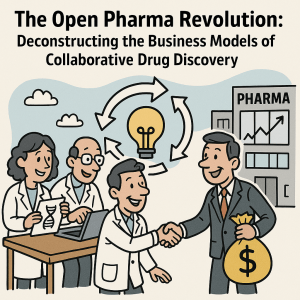
It is against this backdrop of profound challenge that the concept of “open science” has emerged from the fringes of academic idealism into the mainstream of strategic business discourse. Faced with a productivity crisis of this magnitude, industry leaders are compelled to ask a difficult question: Is there a better way? The principles of collaboration, data sharing, and transparency, once viewed as antithetical to the competitive ethos of pharma, are now being explored as pragmatic solutions to a shared and existential problem. This report will delve into the diverse and evolving business models of open science drug discovery, moving beyond the theoretical to analyze real-world case studies that demonstrate how these new approaches are being implemented to drive efficiency, mitigate risk, and ultimately, deliver more value to both shareholders and patients.
2. Defining Open Science in Drug Discovery: A Spectrum of Innovation
To understand the transformative potential of open science, one must first demystify the term itself. Far from being a rigid, monolithic ideology, “open science” is a broad and flexible concept—an umbrella term for a diverse array of strategies that seek to make the products and processes of research more accessible, transparent, and collaborative.5 It represents a fundamental departure from the traditional “closed innovation” model that has long dominated the pharmaceutical industry, a model defined by its reliance on internal R&D, vertical integration, and the careful guarding of intellectual property.
At its heart, open science is guided by a set of core principles that, when applied to drug discovery, challenge the foundational assumptions of the old paradigm. The Center for Open Science (COS) distills these into three key pillars :
Transparency: Making the entire research lifecycle, from hypothesis and preregistration to methods and final results, visible and scrutable to the broader community.
Sharing: Making the outputs of research—data, code, materials, publications—accessible and, crucially, usable by others to replicate, validate, and build upon.
Inclusivity: Actively involving and crediting a wider and more diverse range of contributors in the research process, breaking down the silos that have traditionally separated academia, industry, and even patients.
This ethos stands in stark contrast to the closed model, which operates like a black box. In the traditional paradigm, research is conducted internally, data is held as a proprietary asset, and collaboration is often limited to tightly controlled, transactional relationships like licensing deals or mergers and acquisitions. The central idea of open innovation, a concept popularized by Professor Henry Chesbrough and closely related to open science, is that in a world of widely distributed knowledge, companies can no longer afford to rely solely on their own internal R&D. Instead, they must strategically tap into external sources of ideas and resources—from universities and startups to suppliers and even competitors—to accelerate innovation and create new value.7
The power of open science lies in its adaptability. It is not a single business model but a strategic toolkit, a spectrum of practices that can be applied at various stages of the R&D process. This allows organizations to choose the degree of openness that best aligns with their strategic goals. The key practices along this spectrum include 5:
Goal-Directed Collaboration: This is the most established form of openness, encompassing everything from one-to-one academic-industry partnerships to large-scale public-private partnerships (PPPs) and consortia. These collaborations bring together diverse expertise to tackle a shared goal, such as exploring a new disease area or developing foundational research tools.
Open Data: This practice involves sharing the raw data generated from scientific inquiry with the broader community. In drug discovery, this can include genomic sequences, protein crystal structures, compound screening results, and even anonymized clinical trial data. In an open data model, the originators of the data maintain control over its production, but others are free to access, analyze, and build upon it.
Crowdsourcing: Leveraging the “wisdom of the crowd,” this approach outsources problem-solving to a large, distributed network of individuals. Pharmaceutical companies have used crowdsourcing platforms like InnoCentive (originally an Eli Lilly initiative) or AstraZeneca’s CoSolve challenges to solicit novel solutions to specific, difficult scientific problems, often incentivized by prize money.5
Open Source: This is the most radical form of openness, directly inspired by the open-source software movement that produced game-changers like the Linux operating system. In a true open-source drug discovery project, all data, ideas, and methods are shared freely and in real-time. Anyone can participate as an equal partner, and a core tenet is that no patents will be filed on the resulting discoveries.10
The critical strategic insight for any pharmaceutical leader is that these are not mutually exclusive options. A company can, and often should, engage in multiple open science practices simultaneously. It might participate in a pre-competitive, open-data consortium to validate a new class of drug targets, while simultaneously running a proprietary, closed program to develop a specific molecule against one of those targets. It could launch a crowdsourcing challenge to solve a particular chemistry problem while maintaining strict secrecy around its broader pipeline. The strategic question is not a binary choice between “open” and “closed,” but rather a nuanced and dynamic assessment of where, when, and how open to be across the R&D value chain to maximize efficiency, reduce risk, and ultimately gain a sustainable competitive advantage.
Part 2: Case Studies in Open Collaboration: Deconstructing the Business Models
The theoretical principles of open science are compelling, but their true value is revealed in their application. To understand how these concepts translate into viable, value-creating business models, we must dissect the operational mechanics, governance structures, and strategic incentives of the pioneering organizations that are putting them into practice. The following case studies explore six distinct models along the open science spectrum, from pre-competitive public-private partnerships to radical open-source projects and patient-led initiatives. Each case provides a unique blueprint for how collaboration can be harnessed to tackle the modern challenges of drug discovery.
3. The Public-Private Partnership (PPP) Model: The Structural Genomics Consortium (SGC)
Perhaps no organization has done more to legitimize the concept of pre-competitive, open science in the pharmaceutical industry than the Structural Genomics Consortium (SGC). Founded in 2003, the SGC is a global public-private partnership that operates on a simple but revolutionary premise: some of the most fundamental work in early-stage drug discovery is best done collaboratively and placed entirely in the public domain, free from the constraints of intellectual property. By dissecting its model, we can see how it creates immense value for its pharmaceutical partners not by generating proprietary assets, but by de-risking novel areas of biology and creating a shared foundation of knowledge for all to build upon.
The Business Model: A “No-Patent” Pre-Competitive Hub
At its core, the SGC is a UK-registered charitable company with a global footprint, including research hubs at leading universities in Canada, the US, the UK, Germany, and Sweden.12 Its funding is a blend of public, private, and charitable sources. Crucially, its private funding comes from nine major pharmaceutical companies—including Bristol Myers Squibb, Pfizer, Merck, and Genentech—who contribute a fixed annual sum over a multi-year research phase.12 In return for this investment, these companies receive a seat on the SGC’s Board of Directors and a voice in determining the strategic focus of its research efforts.14
The defining feature of the SGC’s model is its unwavering commitment to a “no-patent,” open-access policy.12 Every output generated by its network of approximately 250 scientists—from three-dimensional protein structures and high-quality chemical probes to all associated data and reagents—is immediately placed into the public domain without any restrictions on use. This is not a peripheral feature; it is the central pillar of its entire operational philosophy. This approach was designed to directly counteract the inefficiencies of the traditional model, where multiple companies would secretly and wastefully duplicate efforts to study the same fundamental biology.
The governance structure reflects this collaborative ethos. The Board of Directors, composed of representatives from the major funders, provides high-level strategic oversight.15 This ensures that the SGC’s research remains relevant to the industry’s most pressing pre-competitive needs. The day-to-day scientific activities, however, are led by Chief Scientists at each academic hub, preserving the academic rigor and exploratory freedom necessary for groundbreaking research.
The Value Proposition: De-Risking, Efficiency, and Enablement
For a traditional business analyst, the SGC model presents a paradox. Why would profit-driven pharmaceutical companies invest millions of dollars in an organization that explicitly refuses to generate the very asset they typically covet—exclusive intellectual property? The answer lies in a more sophisticated understanding of value and risk in the early stages of drug discovery. The SGC’s value proposition for its pharma partners is not based on exclusivity, but on three key pillars:
De-risking Emerging Science: The SGC deliberately focuses on less-studied areas of the human genome, tackling novel protein families that are biologically interesting but considered too high-risk for any single company to invest in heavily. Its work in epigenetics is a prime example. By pooling resources, multiple companies can collectively fund the foundational research needed to validate (or invalidate) these new target classes. This shared investment acts as a form of insurance, allowing each company to gain crucial insights at a fraction of the cost and risk of going it alone.
Driving Efficiency and Cost Savings: The “no-patent” policy is a powerful catalyst for efficiency. It eliminates the time-consuming and costly legal and contractual negotiations that typically bog down industry-academia collaborations. This allows research to proceed at a much faster pace; indeed, 82% of SGC-affiliated researchers believe their work progresses more quickly within the consortium than it would through traditional academic funding channels. Furthermore, by making all results public, the SGC prevents the massive duplication of effort that occurs when competitors are all secretly working on the same problems.
Access to a Global Network and World-Class Expertise: SGC membership provides more than just data; it provides access to a vibrant, global network of leading scientists in structural biology, chemical biology, and medicinal chemistry.12 This allows for a dynamic exchange of ideas and expertise that enriches the internal R&D capabilities of the partner companies.
Evolution and Impact: From Structures to Tools for the Entire Genome
The SGC’s strategic focus has evolved over time, reflecting its responsiveness to the needs of the scientific community. In its first decade, the primary goal was to solve the three-dimensional structures of thousands of human proteins, providing a structural blueprint for drug design.12 In its second decade, the focus shifted to a more functional output: the creation of high-quality “chemical probes.” These are potent, selective small molecules designed to interact with specific proteins, which researchers can use as tools to investigate the biological function of those proteins in cells and disease models.
This evolution has culminated in the SGC’s most ambitious project yet: Target 2035, a global open science movement that aims to develop and openly distribute chemical probes for every protein in the human proteome by the year 2035. This initiative perfectly encapsulates the SGC’s value proposition. It is not trying to discover drugs itself. Instead, it is building a comprehensive, high-quality, and completely unencumbered toolkit that will empower the entire global research community—in both academia and industry—to explore the full landscape of human biology.
Ultimately, the SGC’s business model redefines “return on investment” in pre-competitive research. The ROI for its pharma partners is not measured in licensing fees or royalty streams. It is measured in the reduced failure rates and accelerated timelines of their own proprietary, downstream drug discovery programs. The SGC’s “product” is confidence. By openly and rigorously validating novel target classes, it gives its partners the confidence to invest hundreds of millions of dollars in their internal pipelines, knowing they are building on a foundation of solid, reproducible, and collectively vetted science.
4. The Pure Open Source Model: Open Source Malaria (OSM)
If the SGC represents a pragmatic bridge between the open and proprietary worlds, the Open Source Malaria (OSM) project stands firmly at the most radical end of the open science spectrum. Launched by Associate Professor Matthew Todd at the University of Sydney, OSM directly transposes the principles of the open-source software movement to the challenge of discovering new medicines for a neglected disease. It operates on a model of complete transparency, decentralized collaboration, and a steadfast rejection of patents. As a case study, OSM is fascinating not as a direct competitor to the commercial pharmaceutical model, but as a powerful and viable solution for a clear market failure.
The Business Model: A Decentralized, “No-Secrets” Network
The operational philosophy of OSM is elegantly simple and uncompromisingly open. It is governed by a set of core principles, often referred to as the “Laws of Open Science,” which include 10:
All data and ideas are open and freely shared.
Anyone can participate at any level, regardless of affiliation or geography.
There will be no patents.
This is not just a mission statement; it is the project’s fundamental operating system. OSM is a decentralized, global consortium of contributors—from academic chemists and biologists to informaticians and even students—hailing from dozens of institutions across multiple continents.10 There is no central corporate headquarters or hierarchical management structure. Instead, the project functions as a distributed network, held together by a shared scientific goal and enabled by modern digital collaboration tools.
The technological backbone is critical to its success. The project heavily utilizes platforms like open electronic lab notebooks (using services like LabArchives) where all experimental data, successes, and failures are posted in real-time for anyone to see. This allows for a level of asynchronous, global collaboration that would be impossible otherwise. A chemist in Sydney can synthesize a new compound, a biologist in Madrid can test its activity, and a computational scientist in British Columbia can model its properties, with all data and discussion occurring openly and accessibly on the project’s public web platforms.
Intellectual Property and Sustainability: A Different Value Proposition
The “no patents” rule is the most radical and defining feature of the OSM model. In a world where drug development is almost synonymous with patent protection, OSM makes a bold counter-argument. As founder Matthew Todd has articulated, for diseases like malaria that primarily affect the world’s poorest populations, the traditional patent-driven model, which relies on high prices to recoup R&D costs, is not just ineffective but arguably unethical.19 The ultimate goal is to create a medicine that is affordable and accessible, a goal that can be hindered by patent monopolies.
This raises the obvious question: if there is no commercial incentive, how is the project sustained? The OSM model is viable precisely because it replaces the profit motive with a different set of powerful, non-monetary incentives. Its sustainability rests on three pillars:
Volunteerism and Passion: A significant portion of the work is contributed by scientists who are motivated by the intellectual challenge and the humanitarian impact of the project.
Academic and Public Funding: The project is sustained by traditional academic research grants, such as those from the Australian Research Council, which support the core labs and researchers driving the effort.
Partnerships with Non-Profits: OSM collaborates closely with Product Development Partnerships (PDPs) like the Medicines for Malaria Venture (MMV), a non-profit organization funded by governments and philanthropic foundations like the Bill & Melinda Gates Foundation.11 MMV acts as a key partner, providing funding, expertise, and a potential pathway to take a promising open-source compound through the expensive later stages of clinical development and distribution.
The broader ecosystem for malaria R&D is almost entirely dependent on this public and philanthropic funding architecture, with organizations like The Global Fund to Fight AIDS, Tuberculosis and Malaria acting as major procurers of the final medicines.21 OSM plugs directly into this existing, non-commercial ecosystem.
Impact and Broader Implications
The OSM project has successfully demonstrated that an open-source approach can work for drug discovery. Starting with a set of potential drug molecules made public by GlaxoSmithKline, the consortium has involved over 50 researchers from 21 organizations in advancing the science, leading to peer-reviewed publications with dozens of co-authors who may have never met in person.
The deeper implication of the OSM model is that it provides a blueprint for tackling areas of market failure. The traditional pharmaceutical model is exceptionally good at developing drugs for which there is a clear and profitable market. It is, by its very design, ill-suited for developing medicines for diseases of poverty, rare diseases, or emerging threats like antimicrobial resistance where the return on investment is uncertain or nonexistent.
OSM proves that a robust and productive drug discovery pipeline can be built on a foundation of non-monetary value. For an academic researcher, contributing to OSM yields publications, global collaborations, and a direct line of sight to societal impact. For a student, it offers an unparalleled, real-world research experience. For a philanthropic funder, it provides a transparent and efficient mechanism to turn donations into tangible scientific progress. The OSM “business model” is predicated on successfully aligning these diverse, non-commercial incentives towards a single, clear, and compelling humanitarian goal. It is not a replacement for the commercial industry, but a vital and necessary complement to it.
5. The Institutional Model: The Neuro’s Tanenbaum Open Science Institute (TOSI)
While consortia and distributed networks represent powerful models for collaboration, a third approach demonstrates how a single, influential institution can become a potent catalyst for open science. The Montreal Neurological Institute and Hospital (The Neuro), a world-renowned center for brain research and patient care at McGill University, has embarked on a bold experiment: to transform itself into the world’s first open science institute. This case study examines The Neuro’s strategy to capture value not through upstream intellectual property, but by creating a frictionless, gravitational hub for neuroscience research that attracts talent, funding, and commercial partnerships.
The Business Model: Becoming an “Open” Hub
In 2016, The Neuro announced a five-year initiative to adopt open science principles across the entire institution, from its basic research labs to its clinical work. This ambitious endeavor is spearheaded by the Tanenbaum Open Science Institute (TOSI), which acts as a “living lab” to establish best practices and develop the necessary infrastructure to support this new way of working.24
The core principles of The Neuro’s model are clear and transformative :
A “No Institutional Patenting” Pledge: The Neuro has committed to not seeking patent rights over any of its research outputs at the institutional level. This is a significant shift from its previous practice of filing approximately five patents per year. However, in a nod to academic freedom, the policy respects the independence of individual researchers to pursue patents at their own expense, though the institutional culture strongly encourages openness.
Open Sharing of Data and Materials: The model mandates the open and rapid sharing of research results and data. To facilitate this, The Neuro has developed a suite of open platforms, including the C-BIG (Clinical, Biological, Imaging, and Genetic) Repository, which is poised to become one of the world’s largest libraries of multimodal brain data and patient samples. It also supports an open publishing platform, MNI Open Research, which allows for rapid publication followed by open peer review.
Lowering Barriers to Collaboration: A central strategic goal is to accelerate discovery by systematically lowering the transaction costs associated with research collaboration. By removing the friction of complex intellectual property negotiations and lengthy material transfer agreements, The Neuro aims to make partnering with its scientists as simple and efficient as possible.
The Ecosystem Strategy: A Bet on Network Effects
The Neuro’s business model is a strategic bet on the economic power of network effects and agglomeration. The leadership recognized that in a hyper-competitive field like neuroscience, the traditional model of locking up discoveries with patents can create bottlenecks that slow down the entire field. Their counter-strategy is to make The Neuro the most open, collaborative, and easiest place in the world to conduct brain research. The expectation is that this openness will create a powerful gravitational pull, attracting top scientific talent, new private partners, and significant research funding to the Montreal region, thereby creating a thriving local “knowledge hub”.
Value is captured not through direct, short-term licensing revenue from upstream patents, but through the indirect, long-term benefits that flow from being the indispensable center of this ecosystem. The model works as follows: The Neuro provides the foundational, pre-competitive research, data, and tools without restriction. Commercial partners are then free to build upon this open foundation to develop their own complementary, downstream applications—be they new drugs, diagnostics, or software—which they are free to patent and commercialize.
This creates a win-win scenario. Partners get access to a stream of high-quality, unencumbered science, which significantly de-risks and accelerates their own proprietary R&D programs. The Neuro, in turn, benefits from the influx of grants, collaborations, and partnerships that are drawn into its orbit. The funding model is thus self-reinforcing: the initial investment in open infrastructure, supported by major grants like the $6 million from Brain Canada for its open patient registry, is designed to attract further investment and partnership, creating a virtuous cycle of innovation.
Impact and Strategic Implications
The Neuro’s institutional model offers a compelling blueprint for other academic research centers. It demonstrates a shift in thinking about how universities can and should interact with industry and contribute to economic development. Rather than viewing themselves as simple generators of licensable IP, they can position themselves as strategic conveners and ecosystem architects.
The long-term ROI for The Neuro will not be found on a balance sheet of patent royalties. It will be measured in the total scientific and economic value of the ecosystem it helps to create. This includes the number and quality of its research publications, its ability to attract and retain world-class faculty and students, the volume of research grants and philanthropic funding it secures, and the growth of the local biotech cluster that develops around it. By trading the direct monetization of individual discoveries for the broader value of ecosystem leadership, The Neuro is pioneering a sophisticated, long-term strategy that could redefine the role of the academic medical center in the 21st century.
6. The Corporate Hybrid Model: AstraZeneca’s Open Innovation Platform
While radical models like OSM and The Neuro capture the imagination, the most immediate and scalable application of open science principles is often found within the pragmatic framework of large pharmaceutical companies. AstraZeneca (AZ) provides a powerful case study of a corporate hybrid model, demonstrating how a global biopharmaceutical leader can strategically integrate a culture of openness into a fundamentally proprietary business without compromising its core commercial objectives. For AZ, open innovation is not an ideological stance but a tactical and highly effective tool to enhance the speed, quality, and efficiency of its internal R&D engine.
The Business Model: An “Ecosystem-Enabled” R&D Engine
AstraZeneca’s approach is best described as an “Ecosystem-Enabled R&D” model. It maintains a robust and highly proprietary internal discovery and development pipeline, but strategically augments it with a multi-faceted Open Innovation platform designed to tap into the vast reservoir of external scientific talent and ideas. This platform is not a single entity but a suite of programs, each designed to foster a different type of collaboration:
Sharing Preclinical and Clinical Molecules: In one of its flagship initiatives, AZ makes hundreds of its high-quality, well-characterized preclinical and even clinical-stage molecules available to external academic researchers. These investigators can propose novel studies to explore new disease pathways or potential new indications for these compounds. As Professor Zubair Ahmed of the University of Birmingham described, this allowed his lab to repurpose one of AZ’s small molecule inhibitors to investigate central nervous system repair, a project likely funded by public grants.
Crowdsourcing Challenges (CoSolve): Through its CoSolve platform, AZ poses specific, difficult scientific challenges to a global network of innovators. This crowdsourcing approach allows the company to source diverse and creative solutions to R&D bottlenecks that its internal teams may be struggling with.7
Data and Bio-sample Sharing: The platform also facilitates access to translational data and human biological samples, providing external researchers with invaluable resources to validate their hypotheses in a clinically relevant context.
Idea Incubator: To capture innovation at its earliest stages, AZ runs an idea incubator to foster and develop promising concepts from external sources.
The results of this strategy are impressive. Since its inception in 2014, the Open Innovation platform has sparked over 450 new collaborations in 40 countries, leading to 425 planned or ongoing preclinical studies and 35 clinical trials. Perhaps most tellingly, the external collaborators who have partnered with AZ through this platform have gone on to secure over $75 million in their own external grant funding to support their research.
The Strategic Rationale: Outsourcing Risk, Sourcing Innovation
The business logic behind AstraZeneca’s hybrid model is clear and compelling. In the words of Mene Pangalos, Executive Vice President of BioPharmaceuticals R&D, “target selection is the most important decision we make in research”. A high-quality molecule is useless if it’s aimed at the wrong biological target. The Open Innovation platform is, at its core, a highly efficient mechanism for improving the quality of these crucial early-stage decisions. The strategic benefits are threefold:
Accelerating R&D and Diversifying Approaches: By tapping into a global network, AZ can explore far more scientific avenues than its internal resources would ever permit. This diversifies its research portfolio and reduces the risk of being overly reliant on a single scientific hypothesis.
Improving Cost Efficiency: The model is a form of highly leveraged, risk-managed R&D. AZ provides the tools (its molecules and data), and the global academic community provides the creative, exploratory labor, which is often funded by public or philanthropic grants. This allows AZ to effectively outsource the initial, high-risk, and often-unsuccessful phase of exploring a new biological hypothesis or a new indication for a drug. If an external project yields a promising result, AZ is in a prime position to in-license the discovery or collaborate further, having made a minimal upfront investment.
Enhancing the Quality of the Proprietary Pipeline: Ultimately, all the insights and discoveries generated through the open platform are designed to feed back into and strengthen AZ’s core proprietary pipeline. It is a strategic sourcing mechanism for novel targets, new technologies, promising molecules, and top scientific talent.
A Pragmatic Path Forward
AstraZeneca’s model provides a pragmatic and powerful blueprint for how large, established pharmaceutical companies can embrace the benefits of openness without abandoning the commercial realities of their business. It demonstrates that “open” and “proprietary” are not opposing forces but can be two sides of the same coin. By being strategically open at the pre-competitive and exploratory stages, a company can make its proprietary development efforts smarter, faster, and more likely to succeed. This hybrid approach avoids the cultural and intellectual property challenges of more radical open-source models while still capturing many of the key benefits of collaboration and external innovation. It represents a “truth seeking” culture where the best science wins, regardless of where it originated.
7. The Federated Learning Model: The MELLODDY Consortium
In the age of artificial intelligence, data is the new oil. For the pharmaceutical industry, the vast, proprietary libraries of chemical compounds and their associated biological activity data are among the most valuable and fiercely guarded corporate assets. This has created a fundamental paradox: while the power of machine learning (ML) models to predict drug properties grows exponentially with the amount of data they are trained on, the very companies that would benefit most from pooling their data are direct competitors, making such sharing seem impossible. The MELLODDY consortium represents a groundbreaking solution to this paradox, pioneering a new business model of “co-opetition” enabled by cutting-edge technology.
The Business Model: Collaborative Learning, Private Data
MELLODDY (Machine Learning Ledger Orchestration for Drug Discovery) was a three-year, €18.4 million public-private partnership funded by Europe’s Innovative Medicines Initiative (IMI).30 The consortium brought together an unprecedented group of 10 major pharmaceutical rivals—including Amgen, AstraZeneca, Bayer, GSK, Janssen, and Novartis—along with leading academic institutions and technology partners like NVIDIA and Owkin.
The project’s goal was to prove that these competitors could collaboratively train a shared, superior ML model for predicting drug properties without ever having to share, pool, or reveal their proprietary compound data. The solution was a sophisticated technology platform built on two key innovations 30:
Federated Learning: Instead of moving all the data to a central server for training, the federated learning approach brings the ML model to the data. The shared model is sent to each partner company, where it is trained locally on that company’s private data behind their own firewall.
Privacy-Preserving Aggregation and Blockchain: After local training, only the mathematical updates to the model—the “learnings” or gradients—are sent back to a central aggregator. These updates are encrypted and combined to improve the global model. Crucially, the underlying chemical structures and biological data never leave the owner’s infrastructure. A private blockchain ledger was used to create a secure, transparent, and immutable record of all transactions, ensuring that every partner could audit the process without a central authority.
This model effectively solves the core intellectual property dilemma of collaborative AI. It allows companies to gain the predictive benefits of a massive, industry-wide dataset while maintaining absolute control and privacy over their crown jewel assets.
The Outcome: A Shared Competitive Advantage
The MELLODDY project was a resounding success. The final federated model was trained on an unprecedented dataset comprising over 2.6 billion experimental activity data points, covering more than 21 million unique small molecules from the combined libraries of the 10 pharma partners.32
The results, published in the Journal of Chemical Information and Modeling, demonstrated that this collaborative approach provided a tangible benefit to every single participant. For each of the ten companies, the federated model showed “aggregated improvements” and “markedly higher improvements” in its ability to predict the outcomes of various biological assays (particularly for pharmacokinetics and safety panels) compared to the models they could have trained using only their own internal data.32 The shared model not only performed better but also had a wider “applicability domain,” meaning it could make reliable predictions for a more diverse range of chemical structures.
“The MELLODDY project is a groundbreaking collaboration that has the…source proprietary databases of annotated chemical libraries. This project allows the pharma partners for the first time to collaborate in their core competitive space, invigorating discovery efforts through efficiency gains.”
— Hugo Ceulemans, Janssen Pharmaceutica NV, MELLODDY Project Lead
Strategic Implications: The Future of Data-Driven R&D
The MELLODDY model signals a profound shift in the nature of competitive advantage in a data-driven industry. It suggests that in the era of AI, the ultimate advantage may not come from simply hoarding the most data, but from having access to the best predictive algorithms. By collaborating on the development of a shared, pre-competitive analytical tool, each company can enhance its own internal decision-making.
This creates a new paradigm where the competition shifts from the raw data itself to the application of the insights generated from that data. The competitive edge comes from how skillfully a company uses the superior, shared model to design its own novel, proprietary molecules. A company with a better starting prediction for a compound’s toxicity or efficacy can make smarter choices, reduce late-stage failures, and accelerate its pipeline more effectively than its rivals.
The success of MELLODDY has already inspired follow-on initiatives like K-MELLODDY in South Korea, suggesting that this model of “co-opetitive” platform building is both sustainable and replicable.35 It provides a clear and secure pathway for industry rivals to collaborate on building the foundational AI infrastructure that will power the next generation of drug discovery, creating a scenario where a rising tide of better predictive modeling can lift all boats.
8. The Patient-Led Model: The Patient-Led Research Collaborative (PLRC)
The conversation around “patient-centricity” in pharmaceuticals has been ongoing for years, but a new and disruptive model is emerging that moves beyond mere consultation to place patients firmly in the driver’s seat. The Patient-Led Research Collaborative (PLRC) exemplifies this paradigm shift, flipping the traditional top-down R&D model on its head. Formed by a group of patients with Long COVID who were also trained researchers, the PLRC operates on the principle that those with lived experience of a disease are uniquely positioned to define the most critical research questions and priorities. This case study explores how a patient-led organization can function as a powerful and effective engine for research, funding, and advocacy.
The Business Model: Patients as Funders and Strategists
The PLRC is a registered 501(c)(3) non-profit organization composed of an international group of patient-researchers with direct experience of Long COVID and other infection-associated chronic conditions. Its operational model is multi-pronged, encompassing advocacy, conducting its own research, and providing expert consultation to institutions like the CDC, WHO, and NIH.
However, its most innovative and disruptive feature is the Patient-Led Research Fund. With an initial $5 million in funding from philanthropic sources like Balvi.io, the PLRC established a grant-making body governed entirely by patients.39 A panel of 15 patient-researchers—all with lived experience of post-viral illness and relevant scientific expertise—was convened to define the research priorities, issue a request for proposals, and ultimately decide which biomedical research projects would receive funding. This fundamentally alters the traditional power dynamic of biomedical research, where funding decisions are typically made by large institutions with limited, if any, patient input.
The governance and principles of the PLRC are grounded in the frameworks of disability justice and participatory research. The collaborative has developed detailed “scorecards” that provide a framework for evaluating the quality and authenticity of patient engagement in research projects. These scorecards assess critical domains such as compensation, decision-making power, safety, and attribution, creating a new baseline for what meaningful patient partnership looks like.41 The model insists that patients are not just advisors but co-leads, compensated as experts for their time and knowledge, and given genuine authority over the research process.
The Value Proposition: The Currency of Relevance and Trust
The business model of patient-led research is built on the invaluable currencies of relevance and trust. The traditional R&D process is plagued by inefficiencies that stem from a disconnect with the end-user. As one advocate noted, research can often answer “interesting but irrelevant questions” or produce results that are “statistically significant but clinically insignificant” to patients. The PLRC model directly addresses this problem.
By placing patients at the very beginning of the research lifecycle—defining the questions and allocating the funds—the model ensures that the entire scientific enterprise is aimed at solving problems that actually matter to the people living with the condition. This has profound implications for de-risking the entire drug development process:
Improved Study Design and Recruitment: When patients are involved in designing clinical trials, the resulting protocols are more likely to be practical, tolerable, and focused on endpoints that are meaningful to the patient community. This can dramatically improve trial recruitment and retention, two of the biggest bottlenecks and cost drivers in clinical development.
Targeting Genuine Unmet Needs: By funding research into the biological mechanisms that underlie the most burdensome symptoms reported by patients (e.g., microclots, immune dysfunction in Long COVID), the PLRC directs scientific attention toward areas of genuine unmet need. This increases the probability that any resulting therapies will have a significant impact and, consequently, a strong value proposition in the market.
Building Trust and Accelerating Uptake: Research that is conducted in true partnership with the patient community is more likely to be trusted by that community. This can accelerate the adoption of new findings and therapies and foster a more collaborative relationship between patients, researchers, and clinicians.
A New Paradigm for Partnership
The PLRC and similar patient-led initiatives represent a new frontier for the pharmaceutical industry. For a company developing a therapy for a complex chronic illness, partnering with a group like the PLRC is no longer just a “nice-to-have” for corporate social responsibility; it is a strategic imperative. Such a partnership provides an unparalleled opportunity to ensure that a multi-billion-dollar development program is aligned with the needs of its ultimate end-users from day one.
This model moves beyond tokenistic “patient advisory boards” to a genuine co-creation process. It offers a structured, credible, and powerful mechanism for industry to access the deep, lived-experience expertise of the patient community. By embracing this new paradigm of patient leadership, pharmaceutical companies can not only develop more impactful medicines but also make the entire R&D process more efficient, relevant, and trustworthy.
Part 3: Strategic Integration and Future Outlook
The emergence of diverse open science business models is not merely an interesting academic trend; it is actively reshaping the strategic landscape of pharmaceutical R&D. The traditional, monolithic fortress of closed innovation is being replaced by a dynamic and complex ecosystem—a mosaic of open platforms, pre-competitive consortia, proprietary pipelines, and patient-led initiatives. For industry leaders, navigating this new world requires a more sophisticated approach to strategy, one that understands how to leverage openness for competitive advantage while judiciously protecting core intellectual property. This final section will explore the critical role of patent intelligence in this new ecosystem, synthesize the learnings from our case studies into a practical decision-making framework, and offer a forward-looking perspective on how to forge a winning open science strategy for the future.
9. The Strategic Role of Patent Intelligence in an Open Ecosystem
At first glance, the concepts of “open science” and “patent intelligence” may seem like oil and water. If the goal of open science is to eliminate patents and share everything freely, what role is left for the tools and strategies designed to analyze the patent landscape? This view, however, is based on a fundamental misunderstanding of the new R&D ecosystem. The reality is that the landscape is not becoming entirely open, but rather a hybrid of open and closed domains. In this complex environment, the need for sophisticated patent intelligence does not diminish; it becomes more critical than ever.
The core purpose of the patent system has always been to strike a balance: granting a limited-term monopoly to an inventor in exchange for a public disclosure of the invention, thereby promoting further innovation. Open science initiatives alter this balance by contributing a vast new body of knowledge directly to the public domain. However, proprietary innovation continues to build upon this open foundation. A landmark study revealed that Open Access (OA) scientific publications are cited in patent applications 38% more frequently than subscription-based articles, with the rates soaring to 73% more in biology and 27% more in medicine. This demonstrates a clear and powerful linkage: open scientific knowledge is a direct and vital input for the creation of proprietary, patent-protected technologies.
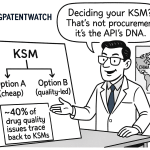
This hybrid reality transforms patent intelligence from a purely defensive, legal function focused on risk mitigation into a proactive, core component of business strategy. To succeed, companies must be able to see the “whole board”—both the open, collaborative territories and the proprietary, competitive ones. This is where specialized business intelligence platforms become indispensable. Tools like DrugPatentWatch provide the strategic compass needed to navigate this new terrain, enabling companies to perform several critical functions:
Identifying “White Space” and Opportunity: Open science consortia, like the SGC, deliberately work in under-explored areas of biology. By making their findings public, they effectively illuminate new territories for drug discovery. A savvy company can use patent intelligence platforms to analyze these newly validated areas and identify “white spaces”—therapeutic targets or pathways with significant biological validation but limited existing patent activity. This allows them to direct their proprietary R&D investments toward areas with a higher probability of success and a clearer path to market exclusivity.48
Conducting Sophisticated Competitive Intelligence: In a hybrid ecosystem, knowing what your competitors are doing in the open is only half the story. You also need to know where they are placing their proprietary bets. By monitoring the patent filings of other members of a consortium, a company can gain early insights into which of the openly discovered targets those competitors are pursuing with their internal, secret programs. This provides a crucial window into their R&D priorities and future product plans, allowing for more informed strategic adjustments.48
Informing Partnering, Licensing, and M&A: As companies build upon open science discoveries, they create new intellectual property. Patent intelligence is essential for identifying and evaluating these assets for potential in-licensing or acquisition. A platform like DrugPatentWatch allows a business development team to track patent expirations, monitor litigation outcomes, and analyze the patent portfolios of potential partners. This can reveal emerging opportunities to fill pipeline gaps, particularly when a competitor is facing a patent cliff and may be more receptive to a deal.
Managing Freedom-to-Operate (FTO): Before a company invests hundreds of millions of dollars to develop a drug based on an open science discovery, it must have a clear understanding of the surrounding patent landscape. Is the target itself patented by another entity? Are there patents on key screening methods or diagnostic tools that would be needed for development? Conducting thorough FTO analysis is a fundamental risk-mitigation step, and it is impossible without comprehensive patent intelligence.49
In the new R&D ecosystem, patent intelligence is the critical interface between the open and closed worlds. It allows a strategist to map the fertile ground created by open science and overlay it with the landscape of existing patents, revealing the true, actionable pathways for innovation. It is the tool that enables a company to strategically and safely leverage public knowledge for private gain.
10. Synthesizing the Models: A Framework for Strategic Decision-Making
The six case studies presented in this report illustrate the rich diversity of open science business models. They are not interchangeable; each is uniquely suited to a different context, goal, and set of participants. For a business leader, the key challenge is to move from understanding these individual examples to knowing which strategic lever to pull for a given situation. This requires a synthetic framework that compares the models across key business dimensions, transforming the case studies from descriptive stories into a prescriptive toolkit for strategic planning.
The following framework provides a comparative analysis of the six models, outlining their core strategies, value propositions, and ideal use cases for a pharmaceutical or biotechnology company.
Model
IP Strategy
Funding Model
Governance
Primary Value Proposition
Ideal Use Case for a Pharma Company
SGC (PPP)
No patents, all outputs are public domain. Focus on pre-competitive knowledge.
Public, private (pharma), and charitable contributions.
Funder-led Board of Directors provides strategic oversight.
Solving market failures for neglected diseases; rapid global collaboration.
Contributing to a neglected disease pipeline as part of a corporate social responsibility (CSR) or global health initiative; accessing a passionate talent pool.
The Neuro (Institutional)
No institutional patents; individual researchers retain the option.
Public/charity grants, philanthropy, and downstream commercial partnerships.
Centralized within the institute, led by the Tanenbaum Open Science Institute (TOSI).
Lowering transaction costs for collaboration; creating a local “knowledge hub” to attract partners.
Partnering with a world-class academic center to access a steady stream of unencumbered foundational science, data, and talent in a specific therapeutic area.
AstraZeneca (Hybrid)
Core pipeline remains proprietary; selective openness for specific programs.
Primarily funded by the internal corporate R&D budget.
Corporate-led, with clear rules of engagement for external partners.
Sourcing external innovation; augmenting the internal pipeline; outsourcing early-stage risk.
Solving specific R&D bottlenecks (e.g., via crowdsourcing) or exploring new applications for existing compounds with minimal upfront investment.
MELLODDY (Federated)
Data remains fully proprietary and private; model “learnings” are shared.
Consortium of participating partners with defined roles and rules.
Collaborative AI model training without data sharing; creating a superior, shared predictive tool.
Improving internal predictive models (e.g., for ADMET or efficacy) by leveraging competitor data without revealing proprietary chemical structures.
PLRC (Patient-Led)
Focus is on ensuring patient access and relevance, not on patenting.
Primarily philanthropic and grant-funded.
Governed by a board of patient-researchers.
Ensuring research is relevant to patient needs; de-risking clinical trials (design, endpoints, recruitment).
Partnering early in the development process to ensure a drug program is targeting patient-relevant needs and designing trials that patients will want to join.
This framework reveals that there is no single “best” open science model. The optimal approach is entirely context-dependent. A Head of R&D contemplating a move into a novel, unvalidated area of biology would find the SGC model highly attractive for its risk-sharing benefits. A Chief Data Officer looking to enhance their company’s AI capabilities would see immense value in a MELLODDY-style federated learning consortium. A clinical development team working on a rare disease with a highly engaged patient community would be remiss not to explore a deep partnership with a PLRC-like organization.
By using this framework, leaders can map their specific strategic challenges to the appropriate open science solution. It allows for a move away from a monolithic view of “openness” toward a nuanced, portfolio-based approach, where different models are deployed at different stages of the R&D value chain to achieve specific business objectives.
11. The Future of Drug Discovery: Forging Your Open Science Strategy
The pharmaceutical industry is in the midst of a profound and irreversible transformation. The productivity crisis has shattered the myth of the self-sufficient, closed R&D model, while the rise of digital technologies, data science, and patient empowerment has created powerful new ways to collaborate and innovate. The case studies in this report are not isolated experiments; they are signals from the future, pointing toward a new normal for drug discovery—a dynamic, hybrid ecosystem where strategic openness is not just a virtue, but a key driver of competitive advantage. For leaders charting a course through this new landscape, the challenge is to move from observation to action, building a tailored open science strategy that is both ambitious and pragmatic.
Several macro-trends will define the future of this ecosystem:
The Primacy of AI and Data-Centric R&D: Artificial intelligence is rapidly moving from a supportive tool to the central organizing principle of drug discovery. As models like MELLODDY demonstrate, the future of competitive advantage will increasingly lie in the power of predictive algorithms trained on vast, diverse datasets.54 However, as Dr. Hiroyoshi Toyoshiba, CTO at FRONTEO, wisely notes, “Discovery is not something that can be achieved by AI alone. It is ultimately humans who turn those hints from AI into innovative discoveries”. The future belongs to organizations that master the art of human-AI collaboration and participate in the data-sharing ecosystems needed to build the most powerful models.
The Patient Power Imperative: The evolution from patient-centricity to patient-led research will continue to accelerate. The work of groups like the PLRC is creating a new standard for authentic patient engagement.56 Companies that fail to meaningfully integrate the patient voice from the earliest stages of research will find themselves at a significant disadvantage, designing trials that fail to recruit and developing medicines that miss the mark on what truly matters to patients.43
The Hybrid Ecosystem as the New Normal: The future is neither purely open nor purely closed. It is a fluid and interconnected ecosystem where companies must become adept at operating across the full spectrum of models simultaneously. The most successful organizations will be those that learn to use open, pre-competitive collaborations to build a stronger foundation of knowledge, which in turn fuels a smarter, faster, and more efficient proprietary engine.
To thrive in this new environment, business leaders must move beyond ad-hoc initiatives and develop a coherent, integrated open science strategy. The following actionable recommendations can serve as a guide:
Conduct an “Openness Audit”: Begin by systematically evaluating your current R&D portfolio and processes. Identify the key bottlenecks, the areas of highest risk, and the greatest inefficiencies. Ask the critical question: which stages of our value chain—from early target validation and preclinical toxicology to clinical trial design and patient recruitment—could benefit most from a more collaborative, open approach?
Start with a Strategic Pilot Project: Do not attempt to transform the entire organization overnight. Select a single, well-defined project to serve as a pilot for a specific open science model. This could involve joining a pre-competitive consortium like the SGC, launching a targeted crowdsourcing challenge to solve a persistent chemistry problem, or establishing a deep, co-creative partnership with a leading patient advocacy group for an upcoming clinical program.
Invest in a Strategic Intelligence Function: Your business development, legal, and competitive intelligence teams must be equipped with the tools and skills to navigate the complex hybrid IP landscape. This means investing in platforms like DrugPatentWatch and training personnel to not only assess risk but to proactively identify opportunities at the intersection of open knowledge and proprietary development.48
Rethink Internal Incentives and Culture: One of the greatest barriers to open innovation is the “not-invented-here” syndrome, a cultural bias against external ideas. To overcome this, leadership must realign internal performance metrics and incentives. Reward scientists and teams not just for their internal discoveries, but for their ability to lead successful external collaborations and effectively leverage the vast resources of the open science community.
Develop a Proactive Partnership Strategy: Do not wait for opportunities to come to you. Proactively map the key hubs of open science relevant to your therapeutic areas of interest—be they leading academic institutes like The Neuro, consortia like the SGC, or influential patient groups like the PLRC. Build relationships with these organizations before you have a specific need, positioning your company as a preferred and trusted partner.
The shift toward open science is not a threat to the pharmaceutical business model; it is its necessary evolution. The immense challenges of 21st-century medicine demand a more collaborative, efficient, and patient-focused approach to innovation. The companies that will lead the industry in the decades to come will be those that master the art of strategic openness, forging a new paradigm of discovery that is both more productive and more impactful.
Key Takeaways
The R&D Crisis is a Catalyst for Change: The traditional, closed model of pharmaceutical R&D is facing a severe productivity crisis, marked by soaring costs (over $2.2 billion per drug), declining success rates (below 8%), and lengthening timelines. This has created a powerful business imperative to explore more efficient and collaborative models.
Open Science is a Strategic Toolkit, Not an Ideology: “Open Science” is not an all-or-nothing proposition but a spectrum of practices—from public-private partnerships and open data sharing to crowdsourcing and pure open source—that companies can strategically apply at different stages of the R&D process to achieve specific goals.
Diverse and Viable Business Models Exist: Real-world case studies demonstrate the viability of multiple open science business models, each with a unique value proposition:
Public-Private Partnerships (e.g., SGC) de-risk novel biology at a shared cost.
Open Source Projects (e.g., OSM) provide a solution for market failures in areas like neglected diseases.
Institutional Hubs (e.g., The Neuro) create value by building collaborative ecosystems rather than patent portfolios.
Corporate Hybrid Models (e.g., AstraZeneca) use openness as a strategic tool to source innovation and enhance proprietary pipelines.
Federated Learning (e.g., MELLODDY) enables “co-opetition,” allowing rivals to build superior AI models without sharing proprietary data.
Patient-Led Research (e.g., PLRC) de-risks development by ensuring research is aligned with patient needs from the outset.
Patent Intelligence is More Critical Than Ever: In a hybrid ecosystem of open and closed R&D, sophisticated patent intelligence is essential. It serves as a strategic compass, enabling companies to identify opportunities in the “white spaces” created by open science, monitor competitor activity, and manage freedom-to-operate.
Strategic Openness is the Future: The future of drug discovery lies in a hybrid approach. The companies that thrive will be those that move beyond a purely defensive, proprietary mindset and learn to master strategic openness, using collaboration to fuel a smarter, faster, and more impactful R&D engine.
Frequently Asked Questions (FAQ)
1. How can a for-profit pharmaceutical company justify investing in a “no-patent” consortium like the SGC? What is the tangible return on investment?
The return on investment (ROI) from participating in a “no-patent” consortium like the SGC is strategic rather than direct. Instead of generating licensing revenue, the investment yields value in three primary ways: risk mitigation, cost efficiency, and strategic foresight. First, by co-funding research into novel, high-risk biological targets, a company can gain crucial knowledge about a new therapeutic area for a fraction of the cost of an independent internal program. This de-risks future, more substantial investments. Second, the open nature of the consortium prevents massive duplication of pre-competitive work that would otherwise occur across the industry, saving significant resources. It also eliminates lengthy IP negotiations, accelerating the pace of foundational research. Third, a seat on the consortium’s board provides a company with a high-level view of emerging scientific frontiers, allowing it to better anticipate trends and strategically position its own proprietary pipeline to capitalize on the open knowledge being generated. The tangible ROI is measured in the reduced failure rates and accelerated timelines of the company’s subsequent, proprietary development programs.
2. The Open Source Malaria (OSM) model seems to rely heavily on grants and volunteerism. Is this model sustainable in the long term, and can it be applied to more commercially viable disease areas like oncology or cardiovascular disease?
The OSM model’s sustainability is intrinsically linked to its focus on areas of market failure, like neglected diseases. It is sustainable precisely because it taps into non-commercial incentives: the humanitarian drive of philanthropists, the publication and collaboration needs of academics, and the passion of volunteers. This ecosystem of public and philanthropic funding is robust for diseases like malaria. Applying a “pure” open-source, no-patent model to a highly competitive and commercially lucrative area like oncology would be extremely challenging. The powerful financial incentives for proprietary development would likely outweigh the motivations for open collaboration. However, elements of the open-source approach, such as real-time data sharing and radical transparency, could be applied to specific projects within these fields, particularly in pre-competitive spaces or for developing platform technologies that benefit the entire research community.
3. Federated learning, as used by the MELLODDY consortium, seems like a perfect solution for collaboration without compromising IP. What are the biggest hurdles to its wider adoption across the industry?
While technologically powerful, the wider adoption of federated learning faces three main hurdles. The first is technical and logistical complexity. Establishing a secure, robust federated learning network across multiple, highly regulated corporate IT environments is a significant undertaking that requires specialized expertise and substantial investment in infrastructure. The second hurdle is data standardization. For a federated model to learn effectively, the data from different partners must be harmonized in terms of format, quality, and semantics. This requires an unprecedented level of agreement on data standards among competitors. The third, and perhaps most significant, hurdle is cultural and strategic trust. Even though the technology is designed to protect data, companies must still develop a level of trust and a shared strategic vision to commit to such a deep, long-term collaboration. Overcoming the ingrained “not-invented-here” syndrome and fostering a culture of “co-opetition” remains a major challenge.
4. How can a large, established pharmaceutical company begin to integrate patient-led research principles without completely upending its existing R&D governance and processes?
Integration can be approached incrementally and strategically. A practical first step is to move beyond traditional patient advisory boards and create a co-design committee for a specific clinical trial. This committee should include compensated patient experts who are given genuine authority to shape the trial protocol, informed consent documents, and selection of clinical endpoints. A second step is to partner with and provide funding to an existing patient-led research organization in a relevant disease area. This allows the company to support patient-defined research priorities and gain invaluable insights without immediately changing its internal governance. A third, more advanced step is to dedicate a portion of the R&D budget to a participatory grant program, where a committee of patient and company representatives jointly decides which early-stage internal or external projects receive seed funding. These steps allow a company to build experience and trust with the patient community, demonstrating the value of patient leadership before attempting a larger-scale transformation of its R&D governance.
5. With the rise of open science, does this mean the end of the blockbuster drug model and the high-margin, patent-protected pharmaceutical industry as we know it?
No, it does not signal the end of the proprietary model, but rather its evolution. Open science is primarily impacting the pre-competitive and early-stage phases of drug discovery. The business models explored in this report are largely designed to make the process of identifying and validating novel drug targets more efficient and less risky. The incredibly expensive and difficult later stages of drug development—late-stage clinical trials, manufacturing, and commercialization—will almost certainly remain the domain of well-capitalized private entities that rely on patent protection to justify the investment. The future is a hybrid model where companies leverage open, collaborative platforms to build a stronger scientific foundation, and then compete fiercely in the proprietary space to develop and commercialize the specific drugs that emerge from that foundation. Open science makes the inputs to the R&D engine better and cheaper, which should ultimately strengthen, not weaken, the ability of the industry to produce valuable, patent-protected medicines.
MELLODDY: Cross-pharma Federated Learning at Unprecedented Scale Unlocks Benefits in QSAR without Compromising Proprietary Information – PubMed, accessed August 3, 2025, https://pubmed.ncbi.nlm.nih.gov/37642660/
MELLODDY: cross pharma federated learning at unprecedented scale unlocks benefits in QSAR without compromising proprietary information | Biological and Medicinal Chemistry | ChemRxiv | Cambridge Open Engage, accessed August 3, 2025, https://chemrxiv.org/engage/chemrxiv/article-details/6345c0f91f323d61d7567624
Korea Machine Learning Ledger Orchestration For Drug Discovery – K-MELLODDY, accessed August 3, 2025, https://kmelloddy.org/english
MELLODDY: Cross-pharma Federated Learning at Unprecedented Scale Unlocks Benefits in QSAR without Compromising Proprietary Information, accessed August 3, 2025, https://pmc.ncbi.nlm.nih.gov/articles/PMC11005050/
Enabling equitable and affordable access to novel therapeutics for pandemic preparedness and response via creative intellectual property agreements. – Wellcome Open Research, accessed August 3, 2025, https://wellcomeopenresearch.org/articles/9-374
MELLODDY: Cross-pharma Federated Learning at Unprecedented Scale Unlocks Benefits in QSAR without Compromising Proprietary Information – ACS Publications, accessed August 3, 2025, https://pubs.acs.org/doi/10.1021/acs.jcim.3c00799
MELLODDY: Cross-pharma Federated Learning at Unprecedented Scale Unlocks Benefits in QSAR without Compromising Proprietary Information – ACS Publications, accessed August 3, 2025, https://pubs.acs.org/doi/abs/10.1021/acs.jcim.3c00799