The tectonic plates of the global pharmaceutical industry are shifting. For decades, the epicenters of profit and innovation were firmly planted in the developed markets of North America, Europe, and Japan. Growth was a predictable narrative written by blockbuster drugs and incremental innovation. That era is decisively over. Today, the engine of global health, the primary driver of volume, and the most dynamic source of future growth are located elsewhere. They are in the bustling cities of Shanghai and Mumbai, the expanding healthcare systems of São Paulo and Mexico City, and the rapidly evolving economies across Asia, Latin America, and beyond.
These are not merely “emerging markets” in the traditional economic sense; they have become the new strategic imperative for the global pharmaceutical industry’s future. For leaders in the generic, biosimilar, and specialty pharma sectors, this transformation represents the single greatest challenge and opportunity of our time. Success is no longer about simply selling cheaper pills into new territories. It demands a radical rethinking of strategy, portfolio, and operations. It requires mastering complexity, navigating a labyrinth of diverse regulatory and political landscapes, and leveraging technology to create value in ways previously unimagined.
This report serves as a comprehensive strategic roadmap for navigating this new world. We will move beyond the outdated, monolithic label of “emerging markets” to dissect the nuanced reality of what we now call “pharmerging” nations. We will conduct a strategic tour of the most critical high-growth frontiers, from the industrial powerhouses of India and China to the complex and promising markets of Latin America. We will explore the future of the generic portfolio itself, charting the decisive shift from high-volume commodities to high-value complex generics and biosimilars. Finally, we will outline a concrete, actionable playbook for turning intelligence into market dominance—a guide to weaponizing patent data, mastering regulatory divergence, competing beyond price, and building the resilient supply chains of the future. The question is no longer if your company will engage with these markets, but how it will adapt to win in them. The future of the industry will be written by those who answer that question with clarity, courage, and strategic foresight.
Part 1 – The New Epicenter of Pharma Growth: Redefining the Opportunity
To grasp the future, we must first discard the vocabulary of the past. The term “emerging markets” feels inadequate, almost archaic, in today’s hyper-connected and rapidly evolving pharmaceutical landscape. It fails to capture the sheer diversity, dynamism, and strategic importance of these regions. This section redefines the opportunity, moving beyond outdated labels to establish a new framework for understanding these markets, quantifying their explosive growth, and dissecting the powerful forces that are reshaping global health demand.
1.1 Beyond the Monolith: Introducing the “Pharmerging” Landscape
The term “emerging market” was first coined in 1981 by economists at the International Finance Corporation. It was a useful shorthand to promote investment in developing nations, defining them as prosperous countries where investment was expected to yield higher income, albeit with higher risks . For decades, this simple trade-off between risk and reward sufficed. Today, it is a dangerously simplistic lens through which to view the pharmaceutical world.
To truly understand the opportunity, we must adopt a more nuanced, sector-specific lexicon. Enter the “Pharmerging Market”—a term that specifically denotes the swiftly growing pharmaceutical sectors within these developing economies . These are not just economies that are emerging; their healthcare systems and pharmaceutical consumption are accelerating at a pace that often outstrips their GDP growth. This is a critical distinction. While the broader economy may face volatility, the underlying demand for medicine is on a steep and steady upward trajectory. Projections indicate that the pharmerging market is set to achieve a compound annual growth rate (CAGR) of approximately 13%, a figure that commands the attention of any boardroom .
However, the most critical strategic error a company can make is to view these markets as a single, homogenous entity. The reality is a complex tapestry of nations, each at a different stage of economic and healthcare development. A one-size-fits-all strategy is not just suboptimal; it is a recipe for failure. We must think in tiers and clusters, such as the well-known BRICS (Brazil, Russia, India, China, and South Africa) and MIST (Mexico, Indonesia, South Korea, and Turkey) groupings . Each country possesses a unique combination of market size, growth potential, regulatory hurdles, intellectual property (IP) risk, and political instability. A successful strategy requires a granular analysis that maps each market on a matrix of opportunity versus complexity, allowing for tailored resource allocation.
This analysis reveals a crucial performance indicator: the “Pharma-to-GDP Growth Ratio.” The fact that pharmaceutical market growth in these regions significantly outpaces their GDP growth signifies a fundamental shift in consumer and government spending priorities. As household incomes rise past a critical threshold, healthcare spending, particularly on medicines, accelerates dramatically. This is fueled by a burgeoning middle class that prioritizes health, government initiatives aimed at expanding healthcare access, and an epidemiological transition toward chronic diseases that demand long-term, consistent treatment . For strategic planners, a high Pharma-to-GDP Growth Ratio is a powerful signal. It indicates a market where healthcare is a top national priority, suggesting greater receptivity to new products and a more stable investment environment, even during periods of broader economic volatility.
Furthermore, the very definition of an “emerging” market is fluid. The label is merely a snapshot in time, a phase in a country’s development journey. South Korea, once a quintessential MIST country, has transformed into a global hub for biotechnology and pharmaceutical innovation, now competing with, rather than just consuming, Western R&D. This dynamic evolution implies that corporate strategy cannot be static. A long-term plan must anticipate this progression. Companies should view their engagement in these markets not just as a sales channel for today’s generics but as a potential source of future innovation, strategic partnerships, and even competitive threats. This requires a forward-looking approach that includes early investment in local R&D collaborations and talent acquisition, preparing for the day when today’s customer becomes tomorrow’s competitor.
1.2 The Unstoppable Engines of Demand: Core Drivers of Growth
The meteoric rise of pharmerging markets is not a random occurrence. It is fueled by a powerful confluence of deep-seated economic, demographic, and epidemiological forces. These drivers are not fleeting trends but long-term, structural shifts that are fundamentally reshaping the landscape of global health demand. Understanding these engines is the first step toward building a coherent strategy to harness their power.
Demographic Destiny: At its core, the opportunity is one of scale. The BRIC nations alone account for 40% of the world’s population, representing a vast and largely untapped consumer base for pharmaceutical products. As Sanofi-aventis CEO Chris Viehbacher once noted, “Twenty-five million babies are born each year in India, and 20 million in China, compared with around eight million in Europe and North America”. This demographic dividend is amplified by rising life expectancy, which leads to growing geriatric populations who are the primary consumers of medications for chronic conditions .
Economic Empowerment: The most significant consequence of economic growth in these regions is the explosive expansion of the middle class. This is not a gradual evolution; it is a rapid, society-altering shift. In China, for example, the share of urban households classified as middle class soared from just 4% in 2000 to 68% by 2012. As incomes rise, so does the ability and willingness to spend on healthcare. This economic empowerment translates directly into greater affordability for treatments and medications that were previously out of reach.
Epidemiological Transition: Pharmerging markets are undergoing a profound shift in disease patterns. While infectious diseases remain a concern, they are increasingly overshadowed by a disproportionately fast rise in the incidence of non-communicable diseases (NCDs) such as cardiovascular illnesses, diabetes, and cancer, mimicking the health profiles of their Western counterparts . The incidence of diabetes and oncologic diseases alone is expected to grow by 20% or more by 2030 in these markets . This “double disease burden”—grappling with both infectious and chronic diseases simultaneously—strains healthcare budgets but also creates a unique and dual-faceted market structure. It presents a dual opportunity for generic companies: a high-volume, low-cost market for essential infectious disease treatments, often driven by public tenders, and a rapidly growing, value-driven market for chronic disease therapies catering to the new middle class.
The Burden of Out-of-Pocket Spending: Perhaps the most powerful force shaping the preference for generic drugs is the high rate of out-of-pocket (OOP) healthcare expenditure. In developed markets with extensive insurance coverage, patient price sensitivity is often blunted. In pharmerging markets, the opposite is true. OOP expenses average 35% of total health spending, compared to just 12% in developed markets. In some countries, the burden is staggering; in India, OOP payments account for a massive 65.6% of total healthcare expenditure . This direct financial burden on patients makes them, and their physicians, acutely price-sensitive. Affordability is not merely a feature; it is the core value proposition. This explains the strong consumer and governmental preference for affordable generic drugs and the dominance of “branded generics”—products that leverage a trusted local brand name to signal quality and reliability in markets where trust in “pure” generics may be low .
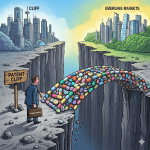
The Global Patent Cliff: The final engine of growth is the widespread expiration of patents on numerous blockbuster drugs in developed markets. This impending “patent cliff” is set to release over $200 billion in branded drug sales into the competitive sphere, creating immense opportunities for generic manufacturers to produce bioequivalent replicas at significantly lower costs . Major drugs facing loss of exclusivity between 2025 and 2030 include massive sellers like Xarelto (rivaroxaban), Entresto (sacubitril/valsartan), Stelara (ustekinumab), and the biologic Keytruda (pembrolizumab). This global phenomenon provides a steady pipeline of new products for generic companies to introduce into price-sensitive pharmerging markets.
1.3 The Global Generic Market: A Tale of Two Speeds
The global generic drug market is on a powerful and sustained growth trajectory, but this growth is not evenly distributed. A closer examination reveals a landscape of stark contrasts—a tale of two speeds, where the high-octane expansion in pharmerging regions dramatically outpaces the mature, saturated markets of the developed world.
A synthesized analysis of multiple market forecasts projects the global generic sector will grow from a baseline of approximately $450-$500 billion in the mid-2020s to well over $700-$800 billion by the early 2030s. This corresponds to a blended and sustainable CAGR in the 5% to 8% range, a robust expansion that outpaces many other mature industries. Forecasts from individual firms vary slightly but paint a similar picture: BCC Research projects an 8.5% CAGR from 2023-2028, while Grand View Research estimates an 8.3% CAGR from 2023-2030 . More conservative estimates place the growth rate closer to 5% .
The critical story, however, lies beneath these global averages. The Asia-Pacific region is consistently identified as the fastest-growing market, serving as the primary engine of global growth . In contrast, growth in mature markets is significantly slower. The U.S. generic drug market, for instance, is projected to grow at a modest CAGR of around 3.5% to 3.7% through 2033 . This divergence is so pronounced that some experts predict emerging markets will contribute up to 90% of the world’s total pharmaceutical sales growth in the coming decade.
This creates a clear divergence between volume and value. While mature markets like the United States will continue to dominate in terms of value—driven by the high prices of innovative, patented drugs—the undisputed engine of volume growth has decisively shifted to the pharmerging world. The sheer quantity of doses consumed will be driven by the massive populations and affordability focus of countries like China and India . This bifurcation has profound implications for corporate strategy. It necessitates a dual operating model: one geared towards large-scale, hyper-efficient manufacturing to serve the high-volume, low-margin demand of pharmerging markets, and another focused on R&D and commercialization of high-value, innovative products for developed economies.
Large populations, rising incomes, expanding healthcare access, government support
North America
$161
$248
~3.7%
High generic penetration, but facing pricing pressures and slower growth
Europe
$118
$183
~4.5%
Strong government support for generics, but fragmented pricing and tender systems
Latin America
N/A
N/A
~5.5%
Growing middle class, increasing healthcare expenditure, government programs
Note: Market size and CAGR figures are synthesized from multiple sources with varying base years and forecast periods and are intended to be illustrative.
Part 2 – A Strategic Tour of High-Growth Frontiers: Regional Deep Dives
Viewing pharmerging markets as a single entity is a strategic fallacy. Success requires a granular understanding of the unique regulatory, economic, and cultural landscapes of each key nation. This section provides a strategic intelligence briefing on the most critical markets, moving beyond high-level trends to the operational realities of market entry and competition. The following comparative analysis offers an at-a-glance dashboard of these diverse environments, setting the stage for a deeper exploration of each country’s distinct challenges and opportunities.
Country
Generic Market Size (2024 Est. USD B)
Projected CAGR (2025-2033)
Key Regulatory Body
Dominant Market Feature
Primary Market Access Driver
India
$28.1
6.97%
CDSCO
Global Export Hub
Production-Linked Incentive (PLI) Scheme
China
$16.1 (Simple Generics)
9.4%
NMPA
Volume-Based Procurement (VBP)
Winning Government Tenders
Brazil
$18.4 (Pharma Sales 2016)
5.8% (Pharma Market)
ANVISA
Branded Generics / Public Health Programs
Programa Farmácia Popular
Mexico
$7.4
5.25%
COFEPRIS
Branded Generics / Patent Linkage
Private Out-of-Pocket Spending
Russia
$11.9 (2022)
9.0% (2022-27)
Roszdravnadzor
Domestic Production Push
Government Procurement / Localization
Indonesia
$5.0
7.87%
BPOM
National Health Insurance (JKN)
Government Promotion of Generics
Note: Market size and CAGR data are from various sources with different base years and methodologies, intended for comparative purposes.
2.1 The Two Giants: Deconstructing India and China
India and China are not just the largest emerging markets; they are forces of nature reshaping the global pharmaceutical landscape. India, the “Pharmacy of the World,” is the undisputed leader in generic manufacturing volume, while China, the second-largest pharma market globally, is undergoing a seismic revolution driven by aggressive government policy and a pivot to innovation. Understanding their distinct trajectories is fundamental to any global generic strategy.
2.1.1 India: The “Pharmacy of the World” at a Crossroads
India’s position in the global pharmaceutical ecosystem is unparalleled. It is the world’s largest supplier of generic drugs by volume, fulfilling approximately 20% of global demand. This dominance is staggering in key Western markets: India provides around 40% of the generic drugs dispensed in the United States and a third of those in the UK’s National Health Service (NHS) . The domestic market is equally robust, valued at over $28 billion in 2024 and projected to soar to more than $51 billion by 2033, demonstrating a healthy CAGR of nearly 7%.
This manufacturing prowess is built on a foundation of over 10,000 drug manufacturing facilities, including the second-largest number of US FDA-approved plants outside the United States itself. This vast infrastructure, combined with low production costs and a deep pool of skilled scientific talent, has allowed the Indian industry to master the art of high-volume, low-cost generic production.
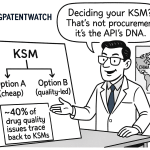
Recognizing the strategic importance of this sector, the Indian government has launched ambitious initiatives to bolster it further. The Production-Linked Incentive (PLI) scheme is a cornerstone of this strategy. Designed to reduce the country’s critical dependence on China for about 70% of its active pharmaceutical ingredients (APIs), the PLI scheme offers financial incentives to companies that invest in domestic manufacturing of key starting materials (KSMs) and APIs . The program has been a resounding success, attracting nearly $4 billion in investment and, according to government reports, has already transformed India from a net importer to a net exporter of bulk drugs .
This government-backed push for self-sufficiency is not merely an economic policy; it is a calculated geopolitical move to de-risk the global pharmaceutical supply chain. The COVID-19 pandemic starkly revealed the dangers of concentrating critical manufacturing in a single country. By building an end-to-end domestic manufacturing ecosystem, India is positioning itself as a more resilient and reliable alternative to China. For Western pharmaceutical companies and governments, this creates a powerful opportunity for “friend-shoring”—partnering with or investing in Indian firms benefiting from the PLI scheme to secure a stable, lower-cost supply chain outside of China’s direct influence.
However, India’s ascent is shadowed by persistent and serious challenges, primarily concerning quality and regulatory oversight. Longstanding concerns about inconsistent quality standards, underfunded state-run testing labs, and a shortage of qualified inspectors have periodically erupted into global scandals. A recent study published in Production and Operations Management delivered a shocking finding: generic drugs manufactured in India were associated with 54% more severe adverse events—including hospitalization and death—compared to their US-made equivalents . The effect was most pronounced for “mature generics,” older drugs where intense price competition can lead to compromises in operations and supply chain integrity. These high-profile quality issues create a significant “trust deficit” among some physicians and patients, both in India and abroad.
This challenge, however, also presents a strategic opportunity. In a market where quality can be variable, there is a clear opening for companies to differentiate on the basis of trust and reliability. A “premium generic” or “trusted branded generic” strategy, backed by transparent quality control data, robust branding, and adherence to the highest international standards, can command greater loyalty and potentially higher price points. As consumers and healthcare providers become more discerning, quality is emerging as a powerful competitive advantage .
In response to both global pressures and domestic needs, India’s regulatory framework is evolving. In May 2025, the Central Drugs Standard Control Organisation (CDSCO) released draft revised guidelines for biosimilars. This move aims to align India’s regulatory approach with established international frameworks like those of the WHO, EMA, and FDA. The key changes focus on strengthening analytical and in-vitro comparability studies while allowing for conditional waivers of expensive and time-consuming clinical efficacy trials, signaling a move toward a more modern, science-based regulatory paradigm .
2.1.2 China: Navigating the Post-VBP Revolution
If India’s story is one of manufacturing scale, China’s is one of radical, state-driven market transformation. As the world’s second-largest pharmaceutical market, China’s policy shifts have global repercussions. The single most disruptive force has been the introduction of the national Volume-Based Procurement (VBP) policy in 2018.
VBP is a centralized drug purchasing program where manufacturers of off-patent drugs bid for the right to supply a guaranteed volume to public hospitals across the country. The winner is typically the lowest bidder. The results have been dramatic and brutal. VBP has driven average price reductions of over 50%, with some generic drugs seeing their prices slashed by more than 90% to secure a contract . For winning companies, the policy guarantees massive volume; one pilot study showed a 132% increase in the purchase quantity of selected drugs. For losers—including the original branded drugs and non-winning generics—the impact is catastrophic, with market share in the public hospital system effectively evaporating overnight.
This policy has fundamentally reshaped the Chinese market, compressing profit margins and forcing a massive industry reshuffle. It has created what can best be described as a “barbell” market structure. At one end of the barbell is the high-volume, ultra-low-margin VBP market. Success here is a game of pure operational efficiency and cost control; it is a commodity business where only the most scaled-up, low-cost producers can survive. At the other end of the barbell is the innovation market, comprising new, patented drugs not subject to VBP. Success here is driven by clinical differentiation, value, and navigating reimbursement negotiations. The middle ground—older branded products or higher-priced generics—has been completely hollowed out. Companies can no longer succeed with a blended strategy; they must choose a side of the barbell and build a cost structure and commercial model to match.
The intense pressure from VBP has had a powerful, and intended, side effect: it has forced the Chinese pharmaceutical industry to pivot aggressively toward innovation. Unable to rely on profits from older products, companies are pouring resources into R&D. China’s share of the global drug development pipeline has grown exponentially, now second only to the United States . This is not just domestic activity; Chinese firms are increasingly licensing their assets to Western partners, with the combined value of such deals surging to an estimated $46 billion in 2024.
To support this innovation agenda, China has been strengthening its intellectual property framework. The China National Intellectual Property Administration (CNIPA) is taking a more active role in adjudicating patent disputes, and public satisfaction with IP protection is rising. However, this progress comes with a critical caveat. China’s approach to IP enforcement appears to be “strategically ambiguous.” While the system is being fortified to protect and incentivize domestic innovation, it is also being used as a tool of industrial policy. In therapeutic areas deemed a national priority, such as obesity and diabetes, foreign-held patents have been aggressively challenged and invalidated, clearing the way for domestic champions. This suggests that IP rights in China are protected when they align with the state’s strategic goals and are vulnerable when they do not. For generic and biosimilar companies, this means that a Freedom-to-Operate (FTO) analysis for China must be conducted with a healthy dose of geopolitical realism.
Finally, to accelerate the availability of new treatments, China’s National Medical Products Administration (NMPA) has established several expedited review pathways, including Priority Review and Conditional Approval. These programs have dramatically reduced drug approval lag times, in some cases bringing new medicines to Chinese patients ahead of their availability in Europe or Japan .
2.2 The Latin American Powerhouses: Brazil and Mexico
Latin America represents one of the most significant growth frontiers for the generic drug industry, driven by an expanding middle class and government efforts to broaden healthcare access. However, it is a region of immense diversity. The two largest markets, Brazil and Mexico, exemplify this contrast. Brazil has fostered a vibrant generics market through progressive legislation, while Mexico remains a complex landscape dominated by branded generics and formidable patent barriers.
2.2.1 Brazil: Opportunity Tempered by Complexity
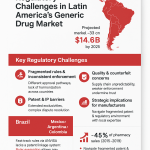
As the largest healthcare market in Latin America, Brazil’s pharmaceutical sector is projected to reach nearly $49 billion by 2030. The foundation of its modern generic market was laid by the 1999 Generic Drug Act, a landmark piece of legislation that successfully fostered robust competition and increased access to affordable medicines. Upon entry, generic drugs in Brazil typically launch at prices around 40% lower than their originator counterparts, delivering substantial savings to both patients and the public health system .
A key driver of generic utilization is the Programa Farmácia Popular (PFP), or Popular Pharmacy Program. This government initiative subsidizes the cost of essential medicines through a network of private pharmacies. A major expansion of the program in 2011, which made medicines for hypertension and diabetes available free of charge, led to a dramatic surge in consumption. The market volume for generic antihypertensives, for example, skyrocketed by 277% in the year following the policy change . The program was further expanded in 2023, reinforcing its role as a central pillar of Brazil’s public health strategy and a critical volume driver for generic manufacturers.
These government-led initiatives, however, are a double-edged sword. While they create predictable, high-volume demand, they also serve as mechanisms for aggressive price control. The government, as the primary payer for programs like PFP, wields immense bargaining power, which it uses to negotiate steep discounts. Another mechanism is the use of production-development partnerships (PDPs), where the government trades guaranteed market access for commitments from multinational companies to transfer technology to local partners and implement significant price reductions. Success in Brazil, therefore, requires a strategy that is deeply attuned to the public sector. Companies must align their product portfolios with the government’s public health priorities—particularly NCDs covered by the PFP—and be prepared for tough price negotiations. A willingness to invest in local manufacturing or engage in technology transfer can serve as a powerful bargaining chip to secure favorable positions in public tenders.
Navigating the regulatory environment, overseen by the Brazilian Health Surveillance Agency (ANVISA), is another key challenge. While historically known for its bureaucracy and long review times, ANVISA is taking steps toward modernization. The agency is set to mandate fully electronic dossier submissions by March 2025 and, in May 2024, approved new, updated regulations for biosimilars to better align with international standards .
Despite these improvements, Brazil’s pharmaceutical supply chain remains a point of significant vulnerability. The country is highly dependent on imported APIs and other raw materials. In 2021, a staggering 95% of the APIs for vaccines were imported. The COVID-19 pandemic laid bare these weaknesses, causing widespread drug shortages and prompting a concerted government push to strengthen domestic manufacturing capacity and build greater resilience .
2.2.2 Mexico: The Branded Generic Stronghold
Mexico, Latin America’s second-largest pharmaceutical market, presents a starkly different landscape. The generic drug market was valued at approximately $7.4 billion in 2024 and is projected to grow to $12.1 billion by 2033, with a CAGR of around 5.25%. However, the market is not dominated by pure, unbranded generics but by “branded generics,” which leverage brand recognition to build trust in a market with a historical distrust of generic quality .
The single greatest hurdle to generic entry in Mexico is its robust patent linkage system. This system legally connects marketing authorization with patent status. The regulatory body, COFEPRIS (Federal Commission for the Protection against Sanitary Risks), is prohibited from approving a generic drug if a relevant patent for the originator product is listed in the “Linkage Gazette,” published by the Mexican Institute of Industrial Property (IMPI) . This system is a formidable barrier, frequently exploited by originator companies through “evergreening” tactics, where they list secondary patents for new formulations or uses to block generic competition long after the primary patent has expired. Consequently, generic entry in Mexico is often delayed significantly, with an average lag of two years post-patent expiration, much longer than in comparable OECD countries.
This unique regulatory feature means that in Mexico, the legal department effectively leads market access. The critical path to launch runs not through the regulator, but through the courts and the patent office. A successful go-to-market strategy must be built around a sophisticated and aggressive IP litigation plan designed to challenge the validity of blocking patents or have them delisted from the Gazette. Timelines and budgets must account for these potentially lengthy and expensive legal battles. The decision of which products to launch should be weighted heavily by an assessment of the originator’s patent portfolio and the generic company’s capacity to successfully challenge it.
On the pricing front, Mexico’s private sector operates under a system of self-regulated maximum retail prices for patented drugs, though its effectiveness is debated . More impactful has been the creation of a centralized commission in 2008 to negotiate prices for all public sector procurement. This move was a response to a fragmented system that led to wide price variations and has resulted in significant savings for the government .
2.3 Navigating Russia and Southeast Asia (ASEAN)
Beyond the giants of Asia and Latin America, other pharmerging regions like Russia and the Association of Southeast Asian Nations (ASEAN) present their own unique sets of opportunities and challenges. Russia’s market is characterized by economic paradoxes and a strong push for localization, while the diverse and rapidly growing ASEAN region is defined by its regulatory fragmentation.
The Russian pharmaceutical market is an arena of contrasts. In 2024, the market reached an impressive 2.85 trillion roubles, marking a solid 10% increase in local currency terms over the previous year. However, when viewed through the lens of international currency, the picture changes dramatically. Due to the devaluation of the rouble, the market remained completely flat in US dollar terms at $30.9 billion . This divergence underscores that growth is being driven by local factors, such as high drug inflation, rather than by attracting new international investment. A key government policy is the “Pharma 2030” strategy, which aims to increase the share of domestically produced drugs on the list of vital and essential medicines. This push for localization has been effective, with the share of domestic drugs now exceeding 64% by volume . For foreign companies, this means that market access is increasingly tied to local investment, partnerships, or technology transfer. The generics segment is expected to be the most active area of development in the coming years, with a projected CAGR of 9% for the period of 2022-2027 .
The ASEAN region, home to over 660 million people, represents a massive and fast-growing opportunity. Indonesia stands out as the largest single market, with its generic drug sector valued at $5.0 billion in 2024 and forecast to nearly double to $9.9 billion by 2033, driven by a 7.87% CAGR. This growth is largely fueled by the country’s national health insurance program, Jaminan Kesehatan Nasional (JKN), and active government promotion of generic medicines .
However, the primary challenge across ASEAN is its profound regulatory fragmentation. There is no centralized approval body akin to the European Medicines Agency (EMA). While regional harmonization initiatives like the ASEAN Common Technical Requirements exist, progress has been slow . The adoption of global standards is inconsistent; for example, only Thailand currently accepts submissions in the electronic Common Technical Document (eCTD) format, while other nations use their own country-specific electronic portals or, in some cases, still require paper-based submissions. This regulatory mosaic increases the cost and complexity of launching a product across the region.
This fragmentation, however, can be leveraged strategically through a “beachhead” approach. Instead of viewing the lack of a unified system as merely a cost center, companies can adopt a sequential launch strategy. They can first target a large market with a relatively less burdensome regulatory process, such as Indonesia, to establish an initial foothold. After successfully launching and gathering valuable post-market data in that first country, this enhanced data package can be used to support subsequent submissions in neighboring markets with more stringent requirements, like Singapore or Malaysia. This approach de-risks the overall investment, builds crucial regional experience, and creates a stronger, more robust regulatory dossier for subsequent market entries, turning a regional weakness into a strategic advantage.
Part 3 – The Future of the Generic Portfolio: Complexity, Value, and Innovation
The generic drug industry is at a strategic inflection point. The traditional model—built on high-volume production of simple, oral solid-dose medications—is facing existential pressure from commoditization and aggressive price erosion, exemplified by policies like China’s VBP. The future of profitable growth lies not in doing the same things cheaper, but in doing more difficult things better. This section explores the strategic pivot toward complexity, value, and innovation, examining the rise of complex generics and biosimilars, the transformative impact of digital R&D, and the revolution in advanced manufacturing that will define the next generation of industry leaders.
3.1 Beyond the Pill: The Ascendancy of Complex Generics
The term “generic” has long been synonymous with simple pills. That paradigm is shifting. The most significant growth and sustainable profitability in the generic sector are now concentrated in “complex generics.” This category encompasses a range of products that are more difficult to develop and manufacture than traditional oral solids, including long-acting injectables, inhalation products, transdermal patches, drug-device combinations, and products based on nanotechnology .
These products represent a strategic escape route from the brutal price wars that characterize the market for simple generics. Their complexity—whether in the formulation, the delivery system, or the active ingredient itself—creates formidable scientific and technical hurdles. This, in turn, erects high barriers to entry, limiting the number of potential competitors and allowing manufacturers to retain greater pricing power and more sustainable profit margins. The market opportunity is substantial and growing, with some estimates projecting the complex generic market to reach $84 billion by 2024, expanding at a healthy CAGR of 8% .
Recognizing the importance of these products for both patient access and healthcare system savings, regulatory agencies are actively working to clear the path for their development. The U.S. FDA, for instance, has made complex generics a priority, issuing a steady stream of product-specific guidances (PSGs). These PSGs provide detailed scientific and regulatory recommendations for specific complex products, reducing uncertainty for developers and helping to streamline the approval process. In May 2023 alone, the FDA published 47 draft PSGs, 25 of which were for complex products.
For generic drug companies, this trend signals a clear strategic directive. A portfolio heavily reliant on simple oral solids is a portfolio vulnerable to commoditization. The future belongs to companies that can build the specialized R&D expertise, advanced manufacturing capabilities, and sophisticated regulatory know-how required to master complexity. A strategic pivot toward complex generics is not merely an opportunity for growth; for many firms, it is a necessary move for long-term survival and success. The winning portfolio of the next decade will be heavily weighted toward these higher-value, more defensible assets.
3.2 The Biosimilar Revolution Arrives in Emerging Markets
Biosimilars—highly similar versions of complex biologic drugs—represent the most lucrative and challenging frontier of the generic industry. As patents expire on blockbuster biologics that generate tens of billions of dollars in annual sales, such as AbbVie’s Humira (adalimumab), the commercial opportunity is immense . Emerging markets, with their low current rates of biologic treatment and significant unmet patient needs, are a key battleground for this revolution.
However, the path to market for biosimilars is far more arduous than for small-molecule generics. The development process is fraught with challenges, including:
Regulatory Complexity: Biosimilar approval pathways are still evolving in many emerging markets and are significantly more demanding than for simple generics, requiring extensive analytical, preclinical, and often clinical data to demonstrate similarity to the reference product.
Manufacturing Hurdles: Biologics are large, complex molecules produced in living cells. Exactly replicating the innovator’s proprietary manufacturing process is impossible. Developers must reverse-engineer the product to match its critical quality attributes, a process that is both a scientific art and an industrial science, requiring massive investment in sophisticated bioprocessing facilities.
Market Adoption Barriers: Perhaps the most significant challenge is overcoming the “trust deficit.” Unlike small-molecule generics, which are chemically identical to their reference products, biosimilars are only “highly similar.” This subtle but critical distinction creates a psychological barrier for many physicians, who may be hesitant to switch a stable patient from a trusted originator biologic to a biosimilar with which they are unfamiliar . The slow initial uptake of Humira biosimilars in the U.S. market, despite significant price discounts, is a stark testament to this challenge.
Despite these hurdles, some emerging market players have not only embraced the challenge but have become global leaders. South Korea is the preeminent case study. Through a combination of strong government support, strategic multi-billion-dollar investments in R&D and manufacturing infrastructure, and the rise of globally competitive domestic champions like Celltrion and Samsung Bioepis, South Korea has transformed itself from a generic manufacturer into a biosimilar powerhouse . The country’s biosimilar market is projected to grow at a blistering 22.5% CAGR between 2021 and 2027, a testament to its successful industrial strategy.
The key lesson from both the challenges and successes in the biosimilar space is that competing on price alone is insufficient. The single biggest barrier to uptake is often the trust deficit among prescribers and patients. Therefore, the most critical investment for a successful biosimilar launch is not just in manufacturing or regulatory affairs, but in medical education and the generation of compelling real-world evidence. Companies must proactively engage with healthcare professionals, build confidence through local clinical data and post-market studies, and offer robust patient support programs to overcome hesitancy. In the biosimilar arena, a strong, transparent evidence package is the ultimate differentiator.
3.3 The Digital Transformation of Generic R&D
The research and development process for generic drugs, long a methodical and labor-intensive practice, is being revolutionized by the power of artificial intelligence (AI) and machine learning (ML). These digital tools are no longer the stuff of science fiction; they are becoming essential for accelerating development timelines, reducing costs, and gaining a competitive edge, particularly in the complex and demanding environments of emerging markets.
While much of the buzz around AI in pharma has focused on the discovery of novel drugs, its application in the generic space is equally transformative. AI algorithms can analyze vast datasets to optimize formulations, predict the outcomes of critical bioequivalence studies, and automate complex manufacturing processes. This is especially valuable for the development of complex generics and biosimilars. A key challenge in creating a biosimilar, for instance, is meticulously reverse-engineering the originator’s manufacturing process to ensure the final product matches all critical quality attributes. This traditionally involves countless rounds of iterative lab experiments. AI platforms can now analyze the molecular structure of the reference biologic and use predictive modeling to identify the optimal cell line, growth media, and purification parameters, drastically reducing the number of physical experiments required and shortening development timelines.
China has emerged as a formidable leader in this domain, driven by a potent combination of strong government support, massive investment, and access to enormous healthcare datasets from its population . The city of Shanghai alone invested $15 billion in life sciences R&D in 2022. This has created a vibrant ecosystem where tech giants like Tencent and agile startups like XTalPi are developing cutting-edge AI platforms for drug development. The application extends even to traditional medicines, where AI is being used to analyze botanical raw materials to ensure their quality and consistency.
The strategic implication for generic manufacturers is clear: AI and ML are poised to democratize and accelerate the development of high-value complex products. The significant capital and time required to develop a complex generic or biosimilar have historically limited this field to the largest, best-resourced players. By reducing the number of failed experiments and shortening the R&D cycle, AI can lower these barriers to entry. For generic companies of all sizes, investing in AI/ML capabilities should not be seen as a futuristic luxury, but as a core competency for formulation and process development teams. It will be a key enabler for building a robust pipeline of complex products more quickly and with less capital, leveling the competitive playing field.
3.4 Manufacturing 4.0: The Promise of Advanced Technologies
Just as AI is transforming R&D, a new wave of advanced manufacturing technologies (AMT) is set to revolutionize pharmaceutical production. The traditional “batch” manufacturing process—a century-old method involving discrete, sequential steps with significant downtime in between—is slowly giving way to more agile, efficient, and reliable methods like Continuous Manufacturing (CM) .
CM, as the name implies, integrates all stages of production into a single, seamless, and uninterrupted flow. Raw materials are fed in one end, and the finished product emerges from the other, monitored in real-time by advanced sensors and control systems. The benefits are profound. Compared to batch processing, CM can significantly reduce production time, improve product quality and consistency (reducing product variation by as much as 50%), lower operational costs, and reduce the physical footprint of a manufacturing plant, making it more environmentally sustainable .
Despite these advantages, adoption of CM has been slow, particularly among generic manufacturers. The primary barriers are the high initial capital investment required for new equipment, regulatory uncertainty about how to validate and approve these novel processes, and a shortage of personnel with the requisite technical expertise. However, regulatory agencies like the FDA are actively encouraging the shift, recognizing CM’s potential to enhance drug quality and strengthen supply chains. The Indian pharmaceutical industry, keen to maintain its global cost leadership, is showing increasing interest in adopting CM, particularly for the more complex and costly production of biopharmaceuticals .
The strategic importance of CM extends far beyond mere efficiency gains. It is a key enabling technology for achieving true supply chain resilience. The COVID-19 pandemic exposed the fragility of hyper-globalized supply chains and ignited a strong political desire in the U.S. and Europe to “reshore” or “near-shore” the manufacturing of critical medicines . The primary obstacle to this goal has always been economic: the high labor costs in Western countries make traditional, labor-intensive batch manufacturing uncompetitive against facilities in India or China.
Continuous Manufacturing fundamentally changes this equation. By being highly automated, CM requires significantly less direct human intervention, neutralizing the labor cost advantage of lower-wage countries . Its smaller footprint also reduces the capital cost of building new facilities. This makes domestic manufacturing in high-wage countries economically feasible for the first time in decades. For generic companies, investing in CM capabilities in or near their key Western markets could become a major competitive advantage. It would allow them to offer a secure, locally-sourced alternative to Asian imports, a proposition that may command a premium from governments and health systems that are now acutely aware of the dangers of drug shortages and supply chain disruptions.
Part 4 – The Strategic Playbook: Turning Intelligence into Market Dominance
In the dynamic and fiercely competitive landscape of pharmerging markets, a superior product or a low-cost manufacturing base is no longer enough to guarantee success. Market dominance is achieved through superior strategy, and superior strategy is built on a foundation of actionable intelligence. This final section outlines a practical playbook for generic and biosimilar companies, detailing how to weaponize patent data, master regulatory complexity, differentiate beyond price, and build the resilient partnerships and supply chains necessary to win in the next decade.
4.1 Weaponizing Patent Intelligence for Market Entry
For the generic drug industry, the patent landscape is not just a legal minefield to be navigated; it is the chessboard on which the entire game of market entry is played. The expiration of a brand-name drug’s patent is the starting gun for generic competition. Therefore, the ability to meticulously track, analyze, and act upon patent and litigation intelligence is arguably the single most critical capability for a generic drug company.
The traditional use of patent analysis has been defensive: conducting a Freedom-to-Operate (FTO) analysis to ensure a planned product does not infringe on existing patents, thereby avoiding costly litigation. This remains a crucial, non-negotiable step in early-stage development. However, the modern, strategic use of patent intelligence is evolving from a defensive shield into an offensive weapon for opportunity targeting.
This shift is enabled by the increasing availability of sophisticated, integrated data platforms. Services like DrugPatentWatch have revolutionized the field by moving beyond simple patent expiry dates. They provide a comprehensive, multi-layered view of the competitive landscape, integrating data on patents, regulatory exclusivities, ongoing litigation, Paragraph IV challenges, and even confidential settlement terms. This allows for a far more nuanced and predictive approach to portfolio selection and launch timing.
By analyzing historical litigation data, for example, a company can identify which types of patents (e.g., formulation vs. method-of-use) are most frequently and successfully challenged, which innovator companies are most aggressive in defending their franchises, and which have a history of settling lawsuits to allow for an earlier, managed generic entry. Research has shown that the market value of a drug is the single most important predictor of whether its patents will be challenged.
This data-rich environment allows generic companies to move beyond simply waiting for patents to expire. They can now build sophisticated models to score potential drug targets not just on their market size, but on their “IP vulnerability.” A blockbuster drug with a large market but a weak portfolio of secondary, “evergreening” patents becomes a prime target for an aggressive Paragraph IV challenge. This transforms the legal and IP departments from reactive cost centers into proactive profit drivers, capable of identifying and unlocking market opportunities years ahead of schedule.
Drug Name (INN)
Innovator Company
Therapeutic Area
Estimated LOE Date (US/EU)
Strategic Considerations for Generic/Biosimilar Entry
Xarelto (Rivaroxaban)
Bayer / Janssen
Anticoagulant
2025-2026
High-volume small molecule; intense competition expected. First-mover advantage is critical.
Entresto (Sacubitril/Valsartan)
Novartis
Heart Failure
2025-2027
Combination product with complex formulation patents. High litigation risk but significant market value.
Stelara (Ustekinumab)
Johnson & Johnson
Autoimmune
2025
Biologic requiring biosimilar pathway. Multiple biosimilars in late-stage development; competition will be fierce.
Keytruda (Pembrolizumab)
Merck & Co.
Oncology
2028
One of the world’s top-selling drugs. Biologic (mAb) with a complex patent thicket. A key target for all major biosimilar players.
Source: Data synthesized from. LOE dates are estimates and subject to change based on litigation and patent term extensions.
4.2 Mastering Regulatory Divergence and Leveraging Harmonization
Navigating the regulatory labyrinth of emerging markets is one of the most significant operational challenges for generic drug companies. The landscape is a mosaic of divergent requirements, where each country has its own submission formats, clinical data expectations, labeling rules, and review timelines . This fragmentation increases costs, extends timelines, and adds a significant layer of complexity to multi-market product launches.
Regional blocs like ASEAN in Southeast Asia and Mercosur in Latin America have long-standing initiatives aimed at regulatory harmonization, but progress has been painstakingly slow . Full harmonization, requiring the alignment of national laws, technical standards, and political will across dozens of countries, remains a distant goal.
In this environment, the most practical and effective near-term strategy is to leverage the concept of “regulatory reliance.” Many national regulatory authorities (NRAs) in emerging markets, often constrained by limited resources and expertise, are increasingly willing to “rely” on the assessments of well-resourced, Stringent Regulatory Authorities (SRAs) such as the U.S. FDA, the EMA, or programs like the WHO Prequalification of Medicines Programme .
This means that a marketing approval from a recognized SRA can act as a powerful accelerator for approvals elsewhere. The optimal global submission strategy is therefore often sequential. The first step is to secure approval from a leading SRA. This initial, costly, and rigorous review process generates a high-quality, comprehensive dossier. This “master” dossier can then be used as the foundation for subsequent submissions in a portfolio of emerging markets that practice regulatory reliance. This approach creates a domino effect, maximizing the return on investment from the initial SRA submission and dramatically reducing the time-to-market across multiple secondary markets.
Simultaneously, companies must stay attuned to the rapid evolution of regulatory pathways within key emerging markets. As seen with China’s NMPA and India’s CDSCO, many NRAs are actively creating their own expedited review pathways for drugs that address urgent or unmet medical needs . Identifying opportunities to qualify for these programs—such as priority review, conditional approval, or breakthrough therapy designation—can shave months or even years off the approval timeline, providing a significant competitive advantage.
4.3 Competing Beyond Price: Building a Sustainable Moat
In a market fundamentally driven by the need for affordability, price will always be a critical competitive factor. However, as markets mature and competition intensifies, competing solely on price becomes a race to the bottom, eroding margins and destroying value. The most successful companies will be those that build a sustainable competitive moat by differentiating themselves on factors other than cost.
This is particularly true in the growing private-pay, middle-class segments of pharmerging markets. While still price-conscious, these consumers and their healthcare providers are increasingly looking for additional value in the form of convenience, reliability, and trust . This opens the door for a “value-added generic” or “super-generic” strategy. This involves taking a proven, off-patent molecule and improving it in a meaningful way. Examples include:
Improved Formulations: Developing a once-daily, extended-release version of a drug that was previously taken multiple times a day.
Novel Combinations: Creating a fixed-dose combination pill that combines two commonly co-prescribed medications (e.g., for hypertension and high cholesterol), improving convenience and patient adherence.
Enhanced Delivery Systems: For injectable biologics or biosimilars, developing a more patient-friendly auto-injector with a smaller needle or a pain-reducing formulation.
These innovations, while incremental, move the product out of the pure commodity space. They create a new, differentiated offering that can be branded and promoted based on its tangible benefits to patients and physicians, allowing it to command higher margins and build greater loyalty than a standard generic equivalent.
Beyond the product itself, differentiation can be achieved through services that wrap around the medicine. Especially for complex treatments like biosimilars, companies can offer comprehensive patient support programs. These can include nurse-led call centers to answer patient questions, home visits for injection training, and digital tools like mobile apps to send adherence reminders. By investing in the patient’s entire treatment journey, a company can build deep relationships and a reputation for being a trusted partner in care, a powerful differentiator that is difficult for low-cost competitors to replicate.
4.4 Forging Winning Partnerships and Building Resilient Supply Chains
The complexity of operating in diverse pharmerging markets makes it nearly impossible for any single company to succeed alone. Forging the right local partnerships is often the fastest and most effective route to market penetration. A strong local partner can provide invaluable assistance in navigating complex regulatory environments, leveraging established relationships with distributors and key opinion leaders, and understanding the nuances of the local market culture. The trend of outsourcing R&D and manufacturing to local contract research organizations (CROs) and contract development and manufacturing organizations (CDMOs) is also accelerating, as it offers a way to control costs while gaining a foothold in a strategic market .
Alongside strategic partnerships, building a resilient supply chain has become a paramount concern. The COVID-19 pandemic served as a brutal stress test for the global pharmaceutical industry, revealing the deep vulnerabilities of long, complex, and hyper-efficient supply chains that relied on single-source suppliers or were geographically concentrated in one country .
In response, the industry is undergoing a fundamental shift away from pure globalization and toward a more distributed and resilient model. The old paradigm of centralizing all advanced manufacturing in the West and all low-cost production in India or China is now seen as unacceptably risky. The supply chain of the future is more likely to be a “hub and spoke” network. In this model, a company might maintain its core R&D and advanced technology “hubs” in established centers like the U.S. or Europe. However, it will complement these with regional manufacturing and distribution “spokes” in key pharmerging regions like Latin America (e.g., Brazil or Mexico) and Asia (e.g., India or Indonesia).
This distributed model is supported by both political and technological trends. Governments in major emerging markets are actively incentivizing local production through policies like India’s PLI scheme and Brazil’s PDPs to ensure national health security. Simultaneously, the rise of advanced, automated technologies like Continuous Manufacturing makes it more economically viable to build smaller, more flexible manufacturing sites closer to end markets . This “hub and spoke” approach creates a more robust, responsive, and politically favorable supply chain, trading some degree of global efficiency for a significant reduction in risk and a marked improvement in local market access.
Conclusion: The New Rules of Engagement
The era of viewing emerging markets as a secondary, opportunistic play for extending the lifecycle of aging products is over. These “pharmerging” nations are now the primary arena for growth, innovation, and competition in the global pharmaceutical industry. The future of generic drug development will be defined by the ability of companies to adapt to a new and far more complex set of rules.
The analysis presented in this report makes it clear that success is no longer a simple function of cost. It is a multi-variable equation that requires:
Granular Strategic Focus: A “pharmerging” strategy must be a portfolio of bespoke, country-specific strategies. The dynamics of China’s VBP system, India’s quality-driven export market, Brazil’s public health programs, and Mexico’s patent linkage system are fundamentally different and demand unique approaches.
A Pivot to Complexity: The future of value and sustainable profitability lies in moving up the value chain from simple oral solids to complex generics and biosimilars. This requires significant investment in specialized R&D and manufacturing capabilities.
The Embrace of Technology: AI in R&D and advanced manufacturing technologies like CM are no longer futuristic concepts but essential tools for accelerating development, improving quality, and building the resilient, regionalized supply chains that the new geopolitical reality demands.
Intelligence as a Weapon: In this landscape, data is the ultimate competitive advantage. The ability to harness patent and litigation intelligence from platforms like DrugPatentWatch to inform portfolio selection and launch timing, and to navigate a labyrinth of divergent regulations, will separate the winners from the losers.
The road ahead is challenging. It is fraught with regulatory hurdles, intense price pressures, and complex IP battles. Yet, for companies that possess the strategic vision, the operational agility, and the commitment to invest for the long term, the opportunity is immense. The demand for affordable, high-quality medicines in these regions is not a fleeting trend but a deep and enduring human need. The companies that can effectively and ethically meet this need will not only drive their own growth but will also become fundamental partners in advancing global health for decades to come.
Key Takeaways
Redefine Your Map: Stop thinking of “emerging markets” as a monolith. Adopt a “pharmerging” mindset, recognizing that these are diverse, dynamic pharmaceutical ecosystems growing at nearly double the rate of mature markets. Prioritize markets based on a nuanced understanding of their unique regulatory, economic, and healthcare landscapes.
Embrace Complexity: The future of profitable generic growth is not in simple pills, which are facing rapid commoditization. Strategically pivot your portfolio and R&D investment toward high-value, high-barrier-to-entry products like complex generics (injectables, inhalables) and biosimilars.
Weaponize Intelligence: Treat patent and regulatory intelligence as an offensive strategic weapon, not just a defensive compliance task. Use platforms like DrugPatentWatch to analyze litigation data and patent vulnerabilities to identify high-potential market entry opportunities and predict competitor moves.
Localize to Win: A one-size-fits-all strategy is doomed to fail. Success requires bespoke strategies for each key market, whether it’s navigating China’s VBP system, leveraging Brazil’s public health programs, or building an IP litigation-led strategy for Mexico. Forging strong local partnerships is critical.
Invest in Technology for Resilience: The future of manufacturing is not just about cost, but resilience. Invest in advanced technologies like Continuous Manufacturing and AI-driven R&D. These tools are key to enabling the shift toward more resilient, regionalized “hub and spoke” supply chains and can democratize the development of complex products.
Compete Beyond Price: In maturing pharmerging markets, a growing middle class seeks value beyond the lowest price. Differentiate your offerings through “value-added generics” with improved formulations or delivery systems, and build trust through robust patient support programs and a transparent commitment to quality.
Frequently Asked Questions (FAQ)
1. What is the single most significant policy trend shaping the generic drug market in China, and how should foreign companies adapt?
The single most significant policy is, without question, the national Volume-Based Procurement (VBP) program. VBP has fundamentally bifurcated the market into two distinct segments: a high-volume, ultra-low-price commodity market for off-patent drugs subject to VBP, and a high-value, innovation-driven market for patented drugs. The “middle market” has been effectively eliminated. Foreign generic companies have two clear strategic choices: either develop a cost structure that can compete and win in the VBP tenders—a feat that is extremely difficult given the scale of local players—or pivot their strategy entirely toward innovative, patented products that fall outside the VBP scope. A hybrid approach is unlikely to succeed.
2. India is known as the “Pharmacy of the World,” but faces persistent quality concerns. How can a generic company strategically leverage this situation?
The quality perception issue in India creates a significant opportunity for differentiation based on trust. While the market is highly price-sensitive, a growing segment of consumers, physicians, and international buyers are willing to pay a premium for a guarantee of quality and consistency. A generic company can leverage this by: 1) Investing in and transparently communicating its adherence to the highest global quality standards (e.g., US FDA, EMA). 2) Building a strong “branded generic” identity that becomes synonymous with reliability. 3) Focusing on complex generics where the technical expertise required is itself a signal of high quality. In essence, the strategy is to move out of the undifferentiated commodity pool and create a premium category based on the powerful brand attribute of trust.
3. With the high cost of developing biosimilars, is it truly viable for generic companies to compete in price-sensitive emerging markets?
Yes, but it requires a different strategic approach than for small-molecule generics. The key is to recognize that the primary barrier to biosimilar adoption in many emerging markets is not just price, but a “trust deficit” among physicians. Therefore, the business case cannot be built on price alone. Viability depends on a multi-pronged strategy: 1) Selective Market Entry: Prioritize markets with maturing regulatory pathways for biosimilars (like Brazil or South Korea) that reward quality. 2) Investment in Education: Dedicate significant resources to educating healthcare professionals on the science of biosimilarity and presenting robust clinical and real-world data to build confidence. 3) Value-Added Offerings: Differentiate with patient-friendly delivery devices (e.g., better auto-injectors) and comprehensive patient support programs. 4) Local Partnerships: Partner with local players to leverage their market access and reduce manufacturing costs. While the initial investment is high, the long-term revenue streams from successful biosimilars in these large, growing markets can provide a substantial return.
4. How is Artificial Intelligence (AI) practically changing the R&D process for a generic drug company today?
AI is moving from a theoretical concept to a practical tool that accelerates development and reduces risk, especially for complex products. For a generic company, AI is being applied in three key areas: 1) Formulation Development: AI algorithms can analyze the properties of an active ingredient and vast libraries of excipients to predict optimal formulations for stability and dissolution, reducing the amount of trial-and-error bench work. 2) Bioequivalence (BE) Prediction: By modeling drug absorption and metabolism based on formulation characteristics, AI can predict the likelihood of a successful BE study. This allows companies to optimize formulations before committing to expensive human clinical trials, significantly lowering the risk of failure. 3) Process Optimization: For complex biologics and biosimilars, AI can model the entire manufacturing process to identify the critical process parameters needed to match the reference product’s quality attributes, drastically cutting down development time.
5. Given the trend towards “reshoring” and supply chain resilience, should a generic company focus on building manufacturing plants in the US/EU instead of emerging markets?
The optimal strategy is not a simple “either/or” but a more sophisticated “hub and spoke” model. Relying solely on Asian manufacturing is now seen as too risky, but building traditional, labor-intensive batch manufacturing plants in the West is often economically unviable. The strategic solution involves two components: 1) Invest in Advanced Manufacturing: Adopt highly automated technologies like Continuous Manufacturing (CM) for any new facilities in the US/EU. CM’s lower labor requirement and smaller footprint make domestic production cost-competitive again. 2) Build a Regionalized Network: Complement a Western “hub” with regional manufacturing “spokes” in key emerging markets like Brazil or India. This creates a resilient, distributed network that can serve local markets efficiently, satisfy local content requirements, and provide a backup if one part of the global chain is disrupted. The future is not about choosing one location over another, but about building a diversified and technologically advanced global manufacturing footprint.
Impact of the Pilot Volume-Based Drug Purchasing Policy in China: Interrupted Time-Series Analysis with Controls – PubMed Central, accessed July 31, 2025, https://pmc.ncbi.nlm.nih.gov/articles/PMC9262040/
The Indonesian health legal system provides legal protection for pharmacists in pharmaceutical practice | Nursing and Health Sciences Journal (NHSJ), accessed July 31, 2025, https://nhs-journal.com/index.php/nhs/article/view/526
Introducing a Regulatory Sandbox Into the Indonesian Health System Using e-Malaria as a Use Case: Participatory Action Study, accessed July 31, 2025, https://pmc.ncbi.nlm.nih.gov/articles/PMC10731549/