Early patent challenges, predominantly initiated by generic manufacturers seeking to accelerate market entry, represent a critical mechanism for balancing pharmaceutical innovation with public access to affordable medications.
Market value emerges as the most significant predictor of patent challenge likelihood, with drugs generating higher revenues being overwhelmingly more susceptible to such challenges. Other influential characteristics include specific therapeutic areas, where drugs for cardiovascular and nervous system conditions frequently face challenges, while anti-infectives are notably less targeted. Certain regulatory designations, such as fast-track approval, are also associated with a reduced likelihood of challenge. The nature and volume of patents, particularly the strategic deployment of “patent thickets” comprising numerous secondary patents, significantly shape the competitive landscape by both creating barriers and presenting opportunities for generic entry.
The Hatch-Waxman Act, through its foundational provisions like Paragraph IV certifications, the automatic 30-month stay, and the 180-day generic exclusivity period, actively incentivizes generic challenges. Innovator companies, in turn, employ sophisticated defensive strategies, including the creation of patent thickets and product hopping. Generic manufacturers leverage tools such as Inter Partes Review (IPR) before the Patent Trial and Appeal Board (PTAB) and undertake “at-risk” launches. The evolving landscape of litigation outcomes reveals distinct trends in patent invalidation rates, particularly for method-of-use patents, and a dynamic shift in settlement agreements, including heightened scrutiny of “reverse payments.”
The interplay of these factors directly impacts drug pricing, market competition, and patient access to essential medicines. Predictive analytics tools are increasingly indispensable for forecasting these complex dynamics. This report concludes with strategic recommendations for both brand-name and generic manufacturers to effectively navigate this challenging intellectual property environment, alongside policy considerations aimed at fostering a more balanced and accessible pharmaceutical market.
II. Introduction: The Landscape of Pharmaceutical Patent Challenges
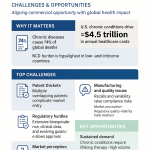
The pharmaceutical industry relies heavily on intellectual property (IP) rights to incentivize the substantial investment required for research and development (R&D), which can exceed $2.6 billion for a new drug.1 Patents grant innovator companies exclusive rights to manufacture, sell, and profit from their inventions for a defined period, typically 20 years from the patent filing date.3 However, a significant portion of this patent term is consumed during the lengthy product development and regulatory review processes, often leaving an effective market exclusivity of only 7 to 10 years at the time of FDA approval.3
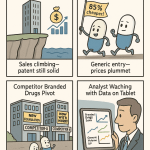
The timely entry of generic drugs is paramount for reducing healthcare costs and expanding patient access to affordable medications.6 Generic drugs, defined as bioequivalent copies of small-molecule medications, typically offer substantial cost savings, often priced 80-85% less than their brand-name counterparts.7 This significant price differential creates a powerful economic incentive for generic manufacturers to challenge existing brand-name patents, aiming to achieve earlier market entry and capture market share.8
Early patent challenges, particularly those initiated shortly after a drug receives FDA approval, represent a critical juncture in the pharmaceutical lifecycle. Analysis indicates that a substantial proportion of new small-molecule drugs, specifically 55-57%, face a Paragraph IV patent challenge within the first year of their eligibility for such a challenge.6 A thorough understanding of the factors predicting these challenges and the mechanisms through which they unfold is therefore essential for all stakeholders within the pharmaceutical sector.
The inherent tension between incentivizing pharmaceutical innovation through robust patent protection and ensuring broad public access to affordable medications through generic competition is a fundamental and persistent theme in pharmaceutical policy and market dynamics.12 Early patent challenges serve as a direct manifestation of this tension, embodying generic companies’ strategic efforts to disrupt innovator monopolies sooner than patent expiration would otherwise allow. The frequency and nature of these challenges offer a barometer for the efficacy of the current regulatory and legal framework in mediating these competing interests.
III. The Regulatory and Legal Framework: Hatch-Waxman Act in Detail
The Drug Price Competition and Patent Term Restoration Act of 1984, commonly known as the Hatch-Waxman Act, stands as the foundational legal framework governing pharmaceutical patent litigation in the United States.5 This landmark legislation was enacted to strike a balance between encouraging brand-name drug innovation and facilitating the timely entry of lower-cost generic alternatives into the market.16 It established the
Abbreviated New Drug Application (ANDA) process, which allows generic manufacturers to seek FDA approval by demonstrating therapeutic equivalence to an already-approved Reference Listed Drug (RLD) without the necessity of conducting extensive and costly clinical trials.14
Abbreviated New Drug Application (ANDA) Process and Patent Certifications
A pivotal aspect of the ANDA process involves patent certifications. When filing an ANDA, generic applicants are required to certify against any patents listed for the RLD in the FDA’s Orange Book.13 The Orange Book, officially titled “Approved Drug Products With Therapeutic Equivalence Evaluations,” serves as a publicly accessible list identifying FDA-approved drugs, their therapeutic equivalence ratings, and associated patent and exclusivity information.20 This resource is vital for healthcare providers, pharmacists, and drug manufacturers alike.21
The Hatch-Waxman Act outlines four distinct types of patent certifications an ANDA applicant can submit for each listed patent 18:
Paragraph I Certification: This certification is rarely utilized, as it applies when the required patent information has not been filed for the reference drug.
Paragraph II Certification: This indicates that the patent has already expired, thereby allowing for immediate ANDA approval without any patent-related delays.
Paragraph III Certification: Under this certification, the applicant agrees to postpone market entry until a specified patent expiration date, thus avoiding patent litigation.
Paragraph IV Certification (PIV): This is the most frequently employed and contentious certification. The applicant asserts that the listed patent is either invalid, unenforceable, or will not be infringed by the proposed generic product.13 This certification constitutes a direct legal challenge to the brand-name drug’s patent protection.
The Automatic 30-Month Stay: Purpose and Strategic Implications
The filing of a Paragraph IV certification is legally considered an act of patent infringement, which grants the brand manufacturer the right to initiate a patent infringement lawsuit against the generic applicant before any product is actually sold.14 A critical procedural consequence of this action is the automatic
30-month stay on generic approval. If the patent holder files a lawsuit against the generic manufacturer within 45 days of receiving notice of the PIV certification, the FDA is automatically prohibited from granting final approval to the generic ANDA for a period of 30 months, or until the litigation is resolved, whichever comes first.3 This mechanism effectively extends the brand-name drug’s market exclusivity.
The 30-month stay carries significant strategic implications for both parties:
For Brand Manufacturers: This provision offers a guaranteed period of continued market exclusivity during the litigation, irrespective of the ultimate legal outcome.18 This creates a strong incentive for brand manufacturers to initiate litigation against PIV challengers, even if the prospects of winning the case are uncertain, as it secures valuable market time.18 The narrow 45-day window for brand manufacturers to decide on litigation underscores the necessity for efficient internal processes for legal review and discovery.22
For Generic Manufacturers: Generic companies must strategically factor this potential 30-month delay into their market entry plans, often submitting their ANDA applications well in advance of anticipated patent expiration to account for the litigation period.18 The stay can be terminated earlier if a court rules that the challenged patents are invalid or not infringed.18
This 30-month stay, while designed to facilitate patent dispute resolution, is frequently utilized by brand companies as a strategic delay tactic. This predictable litigation timeline is a key consideration that both innovator and generic companies integrate into their business decisions. The ability of brand companies to prolong market exclusivity and recoup R&D costs through this mechanism, potentially at the expense of earlier generic entry and lower drug prices, highlights a complex interplay within the regulatory framework.
180-Day Generic Exclusivity: Incentive and Market Dynamics
A powerful incentive for generic manufacturers to undertake the risks associated with Paragraph IV challenges is the potential award of 180 days of marketing exclusivity.3 The first ANDA applicant (or multiple applicants who submit on the same day) to file a substantially complete application with a Paragraph IV certification and successfully challenge a listed patent is generally granted this period of exclusivity.6
During this 180-day window, other non-challenging generic competitors are legally precluded from entering the market.6 This provides the first generic entrant with a significant first-to-market advantage, allowing them to capture a substantial share of the market and strategically price their product slightly below the branded version, thereby maximizing initial profits before broader generic competition drives prices down.14
However, the dynamics of this exclusivity are complicated by the ability of the brand-name company to launch its own “authorized generic” (AG) at any time, even during the 180-day exclusivity period.23 The presence of an AG can significantly impact the profitability of the first generic entrant and may, in some instances, deter other generic companies from initiating patent challenges in the first place.23
While the 180-day exclusivity aims to reward the risk-taking of generic companies that challenge potentially weak patents, thereby promoting competition, the authorized generic mechanism introduces a counter-incentive. This can potentially reduce the overall number of generic challenges, which in turn delays the widespread price reductions that benefit consumers. This illustrates a nuanced impact of regulatory provisions on market behavior, where intended incentives can be partially offset by strategic responses from innovator firms.
The FDA’s Orange Book: Listing Requirements and its Role in Patent Challenges
The Orange Book is central to the Hatch-Waxman framework, serving as a critical repository of information on approved drugs, their therapeutic equivalence evaluations, and associated patent and exclusivity information.20 It functions as a vital resource for healthcare providers, pharmacists, and drug manufacturers, guiding decisions on drug product selection and fostering cost containment in healthcare.20
By statute, only specific types of pharmaceutical patents are eligible for inclusion in the Orange Book: those claiming the drug substance (active ingredient), the drug product (formulation or composition), or a method of using the drug. Conversely, process patents, patents claiming packaging, metabolites, and intermediates are explicitly excluded from Orange Book listing.19
A recent and significant development in this area is the Federal Circuit’s ruling in Teva Branded Pharm. Prods. R&D, Inc. v. Amneal Pharms. of N.Y., LLC (2024). This decision mandates that for a patent to be properly listed in the Orange Book, its claims must recite at least the active ingredient of the approved drug.19 This ruling has substantial implications, particularly for drug-device combination products. For example, patents related solely to device components, such as an inhaler’s dose counter, that do not claim the active pharmaceutical ingredient itself, may now be deemed improperly listed.19
Improper patent listings can serve to delay the entry of generic alternatives, thereby contributing to artificially high drug prices.26 The Federal Trade Commission (FTC) actively monitors and challenges such listings as part of its efforts to promote generic competition and lower drug costs. The FTC has disputed over 200 patent listings across 17 brand-name products, leading to the delisting of patents for 22 products.26 This judicial interpretation and regulatory enforcement narrow the scope of patents eligible for the 180-day exclusivity and patent term restoration, thereby impacting the strategic landscape for both innovator and generic companies.25
The Teva v. Amneal decision, coupled with the FTC’s proactive challenges, indicates a concerted judicial and regulatory effort to curb perceived abuses of the Orange Book listing process. This trend points to a tightening of the criteria for patent protection that directly influences generic entry. The emphasis is shifting back towards core drug innovation, aiming to prevent “evergreening” tactics that rely on peripheral or less substantial patents to prolong market exclusivity.
IV. Key Predictors of Early Patent Challenges
Understanding the intrinsic characteristics of FDA-approved drugs that predict early patent challenges is fundamental for both innovator and generic companies in developing effective strategic plans and conducting robust risk assessments. A notable proportion of new small-molecule drugs, specifically between 55% and 57%, experience a Paragraph IV patent challenge within the first year of their eligibility.6
Market Value: The Foremost Predictor of Challenge Likelihood
Market value is consistently identified as the most important predictor variable for the initiation of patent challenges.6 Drugs with larger market sizes are significantly more likely to face such challenges. For instance, the median market value for challenged drugs was $202.1 million, a stark contrast to $40.5 million for drugs that did not experience a challenge.6
A strong positive correlation exists between increasing market size deciles and the percentage of drugs facing challenges. Drugs in the highest market value deciles, such as Decile 9 (90% challenged) and Decile 10 (71% challenged), are overwhelmingly more likely to be challenged compared to those in the lowest deciles, like Decile 1 (24% challenged) and Decile 2 (24% challenged).6
This strong correlation is rooted in the economic incentives driving generic manufacturers. A higher market value directly translates into greater potential profits for a generic entrant, making the substantial investment in patent challenges and the associated litigation costs more justifiable.8 This economic calculus explains why drugs with smaller markets are often systematically overlooked by generic challengers. This dynamic can allow patents of questionable quality to persist unchallenged, thereby maintaining high drug prices in those specific market segments.6 This situation highlights a potential market inefficiency where the current system, driven by profit motives, may not ensure thorough patent quality scrutiny for all medications.
Table 1: Patent Challenge Likelihood by Drug Characteristics (Observation Window 2011–2022)
Characteristic
Challenged (n=119)
Not Challenged (n=91)
Challenge Percentage
Year 4 market value (median, IQR)
$202.1 ($77.3–$562.2)
$40.5 ($13.8–$138.8)
57%
Market value deciles
1 ($9,247–$7,734,174)
5
16
24%
2 ($7,734,175–$21,572,630)
5
16
24%
3 ($21,572,631–$38,422,756)
8
13
38%
4 ($38,422,756–$75,481,061)
11
10
52%
5 ($75,481,062–$111,326,185)
12
9
57%
6 ($111,326,186–$160,633,818)
13
8
62%
7 ($160,633,819–$234,890,241)
16
5
76%
8 ($234,890,242–$483,920,217)
15
6
71%
9 ($483,920,218–$1,002,587,866)
19
2
90%
10 ($1,002,587,866–$9,471,629,567)
15
6
71%
Number of patents
1–3
28 (22%)
20 (22%)
58%
4–5
22 (17%)
24 (26%)
48%
6–10
42 (32%)
25 (27%)
63%
11+
27 (21%)
22 (24%)
55%
WHO ATC class
(A) Alimentary tract and metabolism
17 (14%)
8 (9%)
68%
(B) Blood and blood forming organs
9 (8%)
5 (5%)
64%
(C) Cardiovascular system
9 (8%)
2 (2%)
81%
(G) Genitourinary and hormones
5 (4%)
7 (8%)
42%
(J) Anti-infectives
4 (3%)
23 (25%)
15%
(L) Antineoplastic and immunomodulators
34 (29%)
25 (27%)
57%
(N) Nervous system
24 (20%)
5 (5%)
83%
Other
17 (14%)
16 (18%)
52%
Route of administration
Injectables
17 (14%)
21 (23%)
45%
Oral
88 (74%)
53 (59%)
62%
Other
14 (12%)
17 (19%)
45%
Drug and regulatory characteristics
First-in-class drug
35 (29%)
24 (26%)
59%
Accelerated approval
13 (11%)
12 (13%)
52%
Priority review
49 (41%)
52 (57%)
46%
Fast-track
25 (21%)
41 (45%)
38%
Breakthrough therapy
13 (10%)
15 (15%)
46%
Orphan Drug Act designation
36 (30%)
30 (33%)
55%
6
Patent Portfolio Characteristics: Number and Types of Patents
The characteristics of a drug’s patent portfolio, including the number and types of patents listed in the Orange Book, also influence the likelihood of early challenges. The median count of Orange Book-listed patents per drug was 6, with an interquartile range of 4 to 10.6 While a clear linear trend is not always apparent, drugs with 6-10 patents showed a higher challenge rate (63%) compared to those with 1-3 patents (58%) or 4-5 patents (48%).6 This suggests that a moderately complex patent portfolio might attract more challenges, potentially indicating a valuable drug worth protecting, but also presenting more targets for generic companies.
The specific types of patents protecting a drug are crucial in determining their vulnerability to challenge:
Active Ingredient Patents (Composition of Matter): These patents protect the core chemical compound that constitutes the active pharmaceutical ingredient itself. They are widely regarded as the “most valuable” and strongest patents, safeguarding the fundamental innovation of the drug.4 They offer broad protection, preventing others from manufacturing, using, or selling similar chemical compounds.29
Formulation Patents: These patents cover the specific combination of ingredients, delivery mechanisms, or dosage forms of a drug.4 They can extend market exclusivity by protecting improvements to the original drug, such as extended-release versions.28 However, their outcomes in litigation tend to be more variable compared to composition of matter patents.32
Method of Use Patents: These protect specific therapeutic applications or ways of using a drug to treat particular conditions.4 They are particularly important for drugs with multiple therapeutic applications and can extend market exclusivity.28 Nevertheless, they may be more susceptible to challenges due to the existence of alternative treatment methods.29 Statistical analysis indicates that method-of-use patents are invalidated approximately 35% more frequently than composition-of-matter patents.32
Process Patents: These patents cover the manufacturing methods used to create the drug.4 While providing an additional layer of protection, they can often be circumvented by generic manufacturers developing alternative production techniques.32
The type of patent protecting a drug significantly influences the likelihood and success of a challenge. Generic companies often strategically target weaker, secondary patents (such as formulation, method of use, or process patents) because these are generally more vulnerable to invalidation arguments, particularly those based on obviousness.8 Innovator companies, recognizing this vulnerability, frequently file numerous secondary patents, a tactic known as “patent thickets,” to create a formidable deterrent to generic entry. This strategy aims to extend market exclusivity by increasing the cost and complexity of litigation for generics, even if individual patents within the thicket are considered weak or obvious.2 This represents a direct strategic counter-measure to anticipated generic challenges.
Therapeutic Area and Route of Administration: Differential Challenge Rates
The therapeutic area in which a drug is used and its route of administration can also predict the likelihood of an early patent challenge. Drugs within certain therapeutic classes exhibit significantly different challenge rates.6 For example, medications for the
Cardiovascular System (81% challenged) and the Nervous System (83% challenged) are highly susceptible to patent challenges.6 Conversely,
Anti-infectives are notably less likely to face challenges, with only 15% experiencing such a dispute.6
Regarding the route of administration, orally administered drugs are more frequently challenged (62%) than injectable medications (45%).6 While predictive models like the random forest identified route of administration as a significant variable, other models, such as the elastic net, showed a less direct correlation.6
The variation in challenge rates across therapeutic areas likely reflects a combination of factors, including market size (e.g., chronic conditions often have larger patient populations and thus larger markets), the existing competitive landscape, and potentially the inherent complexity or “patentability” of innovations within those areas. The lower challenge rate for anti-infectives, despite some being vital medications, could indicate smaller market sizes or different market dynamics where generic entry is less profitable. This suggests that the market value predictor is not solely about an individual drug’s sales but also encompasses the broader market characteristics of its therapeutic class. Therapeutic areas addressing widespread or chronic conditions are generally more attractive for generic entry, leading to a higher incidence of patent challenges.
Regulatory Designations: Impact of Accelerated Approval, Fast-Track, Breakthrough Therapy, and Orphan Drug Status
Regulatory designations granted by the FDA can also influence the likelihood of early patent challenges. Data indicates that drugs with Fast-Track approval were less likely to be challenged, with only 38% experiencing a challenge.6 Similarly, drugs receiving
Priority Review (46% challenged), Breakthrough Therapy designation (46% challenged), and Accelerated Approval (52% challenged) also showed lower challenge rates compared to the overall average of 55-57% for all small-molecule drugs.6 Orphan Drug Act designation, however, showed a challenge rate of 55%, which is consistent with the overall average.6
This observation presents a counterintuitive dynamic: FDA-expedited approval programs, designed to accelerate the availability of important new drugs, appear to attract fewer generic competitors.6 Several factors may contribute to this phenomenon. These drugs often address unmet medical needs or severe conditions, which can sometimes translate into smaller, more specialized markets. Additionally, they may involve more complex scientific underpinnings or manufacturing processes, making generic development inherently more difficult. Furthermore, the FDA may be less inclined to issue “Program Specific Guidance” for bioequivalence applications for these drugs in their early years, potentially due to ongoing monitoring or testing for adverse effects, which can further complicate generic development.6 The inherent complexity of these drugs might render them less attractive targets for generic companies, which typically seek simpler, high-volume products. This suggests that while market size remains a primary driver, regulatory pathways and associated scientific complexities can create niches where generic competition is less robust.
Molecular Complexity: Indirect Influence on Generic Development and Challenges
While direct measures of molecular and manufacturing complexity were only indirectly considered in the predictive models for patent challenges, existing research acknowledges their significant influence.6 Studies by FDA researchers, utilizing internal resources to rate complexity, have identified a “significant negative association with generic entry”.6
The development of complex small-molecule drugs is increasingly challenging. The complexity of chemical synthesis has nearly doubled in the last decade, with an average increase from 8 to 14 chemical steps. Furthermore, bioavailability challenges often necessitate the use of advanced particle engineering technologies.35 The rising prevalence of highly potent active pharmaceutical ingredients (HPAPIs) also introduces specialized manufacturing and handling requirements.35 It is important to distinguish that generic drugs are exact copies of small-molecule medications, whereas biosimilars are highly similar versions of complex biologic drugs, with the latter presenting unique development and approval challenges due to their inherent complexity.10
The increased difficulty and cost associated with synthesizing and formulating complex small molecules, along with the specialized handling required for HPAPIs, raise the barrier to entry for generic manufacturers. This heightened development hurdle acts as an indirect predictor of a lower likelihood of patent challenges. Even for high-value drugs, if the underlying chemistry or manufacturing processes are highly complex, the generic entry barrier is higher, diminishing the incentive for a Paragraph IV challenge. This situation can allow brand monopolies to persist without the scrutiny that generic challenges typically provide.
V. Strategic Tools and Tactics in Pharmaceutical Patent Challenges
Both brand-name and generic pharmaceutical companies engage in a sophisticated array of strategic tools and tactics to either defend or challenge market exclusivity, often leveraging the intricate provisions of the Hatch-Waxman framework.
Patent Thickets: Definition, Strategic Intent, and Impact on Generic Entry
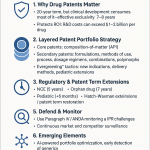
Patent thickets are defined as dense webs of multiple, often overlapping, secondary patents strategically layered around a single drug product, extending beyond the original patent that covers the active ingredient.2 These secondary patents can encompass a wide range of elements, including new formulations (e.g., extended-release versions, novel combinations), specific drug delivery methods (e.g., specialized inhalers), new therapeutic indications, or proprietary production processes.2
The primary strategic intent behind creating patent thickets is to extend market dominance and delay generic competition.2 This practice, frequently termed “evergreening,” involves filing numerous patents on incremental changes or additional uses of an existing drug, rather than focusing solely on novel therapies.2 For top-selling drugs, a significant proportion (66%) of patent applications are submitted post-approval, illustrating this strategic focus.2
The impact of patent thickets on generic entry is substantial:
Increased Challenge and Litigation Costs: This intricate web of patents makes it considerably more challenging and economically burdensome for generic companies to navigate the intellectual property landscape and avoid infringement.2 Challenging dozens of patents can incur millions of dollars in legal fees.2
Delayed Market Entry: The complexity and high litigation burden imposed by thickets can deter generic companies from attempting entry or prolong legal battles significantly, thereby delaying the availability of generic alternatives.2
Triggering 30-Month Stays: A patent thicket provides innovator companies with more opportunities to initiate lawsuits upon receiving a Paragraph IV certification, which automatically triggers the 30-month stay on generic approval, further extending market exclusivity.23
Product Hopping: Thickets can be employed in conjunction with “product hopping,” a tactic where brand-name companies encourage or switch patients from an older drug nearing patent expiration to a newer, similar version protected by a longer patent life, further delaying the full impact of generic competition.23
Case Studies:
Humira (AbbVie): AbbVie amassed over 250 patents for its blockbuster biologic, Humira, a strategy that significantly delayed biosimilar entry in the U.S. until 2023, despite the drug’s initial launch in 2002.2 AbbVie’s U.S. patent portfolio for Humira included 73 patents, with approximately 80% identified as duplicative and linked by terminal disclaimers, a stark contrast to its much smaller European portfolio.33 Although antitrust claims against AbbVie’s patent thicket were dismissed under the Noerr-Pennington doctrine, the sheer volume of patents created a formidable barrier, leading to settlements that delayed U.S. biosimilar entry by five years compared to Europe.33
Revlimid (Celgene/BMS): Celgene (now part of Bristol Myers Squibb) filed 206 patents (with 117 granted) on the cancer drug Revlimid, enabling it to impose volume restrictions in settlements with generic companies.34 Despite the primary patent expiring in 2019, generic companies were initially limited to selling no more than 7% of the total market until 2026, effectively extending market exclusivity to 20 years.34 The Federal Trade Commission (FTC) even recommended filing a complaint against Celgene for allegedly refusing to sell drug samples to potential competitors, highlighting the anti-competitive nature of such tactics.42
Patent thickets represent a sophisticated legal maneuver that leverages the patent system to extend monopolies beyond the original scope of innovation. While often legally permissible under current legal doctrines, they create significant economic barriers for generic entry, contributing to higher drug prices and reduced patient access. This highlights a fundamental tension between patent law’s encouragement of incremental innovation and its role in fostering robust market competition. The continued use of “evergreening” suggests that the patent system, as currently applied, can be utilized to prolong market exclusivity based on minor modifications rather than significant new inventions, potentially undermining the goal of timely generic competition. This points to a need for policy interventions, such as closer USPTO-FDA collaboration to scrutinize and reject obvious secondary patents.2
Inter Partes Review (IPR): A Powerful Administrative Challenge Tool
Inter Partes Review (IPR) is an administrative procedure conducted before the Patent Trial and Appeal Board (PTAB) of the U.S. Patent and Trademark Office (USPTO). It allows third parties, frequently generic manufacturers, to challenge the validity of issued patents based on prior art.18
IPRs offer several strategic advantages for patent challengers:
Cost-Effectiveness: IPR proceedings are generally less expensive than full district court litigation.18
Shorter Timelines: The PTAB typically issues final decisions within 18 months of institution, a significantly faster timeline compared to many district court proceedings.18
Different Standards of Proof: IPRs apply a “preponderance of evidence” standard, which is less stringent for proving invalidity than the “clear and convincing evidence” standard required in district courts.18
Technical Expertise: PTAB judges possess technical backgrounds, which can lead to a more sophisticated analysis of complex pharmaceutical patents.18
The outcomes and trends in IPR proceedings demonstrate their effectiveness for challengers. In 2023, the petitioner success rate in IPR proceedings was 70%.44 The “All-Claims Invalidation Rate” at the PTAB, which signifies the percentage of final written decisions where all challenged claims in a patent are found invalid, reached a remarkable 70% in 2024, an increase from 55% in 2019.45 The per-claim invalidation rate stands at 78%.45 Furthermore, the institution rate for IPR petitions has also been steadily increasing.45
Unsuccessful IPR challenges may impose estoppel effects, limiting which invalidity arguments can be subsequently raised in district court proceedings.18 However, IPR estoppel applies only to grounds that
could have been raised in the IPR (e.g., arguments based on patents or printed publications), not other invalidity grounds such as prior public use.46
IPRs have emerged as a favored and highly effective tool for generic manufacturers, providing a faster and more cost-effective pathway to challenge patents, particularly weaker secondary patents. The consistently high invalidation rates at the PTAB suggest that a substantial portion of granted pharmaceutical patents, when subjected to rigorous scrutiny through IPR, may not withstand validity challenges. This indicates a potential issue with patent quality or the initial examination process itself. For brand-name companies, this necessitates a robust defense strategy that accounts for both district court litigation and PTAB challenges, and encourages a focus on obtaining higher-quality, more defensible patents.
Citizen Petitions: Regulatory Maneuvers to Delay Generic Approval
Citizen petitions are a mechanism through which any interested party can formally request the FDA to take or refrain from taking specific actions, including rejecting or delaying generic drug applications.47 While ostensibly intended to raise legitimate public health concerns, these petitions are frequently utilized by brand-name pharmaceutical firms as a strategic tactic to delay generic market entry.47
Trends in citizen petition filings and outcomes reveal a pattern of their strategic use. Between 2011 and 2019, the FDA received an average of 23 citizen petitions annually requesting the rejection or restriction of pending generic applications.47 A significant proportion, 39%, of these petitions are filed within six months of a brand product’s anticipated loss of exclusivity.48 Brand firms are the primary filers, accounting for 92% of “505(q)” petitions, which specifically target proposed generic applications.48
Despite their frequent use, the FDA has a remarkably low grant rate for these petitions, rejecting 92% of them.48 Longer or more complex petitions are even less likely to be granted, with 97-100% of those exceeding the average length being denied.47 In some instances, the FDA resolves petitions on the same day it approves the generic, which suggests that the agency may delay generic approval until the petition is formally addressed.48
The economic impact of delays induced by citizen petitions is substantial. One study examining four products found that the total cost to society from these petition-induced delays amounted to $1.9 billion, with $782 million in costs borne by government insurance programs.47 Delays for individual drugs have generated hundreds of millions of dollars in additional sales for brand manufacturers; for example, a depression drug’s generic entry was delayed by 133 days, yielding $600 million in additional sales for the brand.47
The persistent use of citizen petitions by brand-name companies, despite their low success rate, highlights a strategic exploitation of a regulatory mechanism to delay generic entry, effectively extending monopolies and “buying time”.47 The high denial rate, particularly for lengthy petitions filed close to exclusivity expiration, suggests that many are not driven by legitimate safety concerns but rather by an anti-competitive intent. This points to a regulatory loophole that can be leveraged to the detriment of public health and affordability. This phenomenon represents a form of “regulatory gaming” by brand companies, posing a challenge for the FDA in distinguishing genuine safety concerns from tactics designed solely to delay competition.
“At-Risk” Launches: Risks, Rewards, and Implications for Generic and Brand Companies
An “at-risk launch” occurs when a generic drug manufacturer introduces its product to the market after receiving FDA approval, but before the conclusion of ongoing patent infringement litigation.24 This strategy involves a calculated balance of potential rewards against significant financial risks.
For Generic Companies:
Rewards: An at-risk launch enables earlier profit generation, allowing the generic company to capture market share and revenue sooner. This strategy helps avoid potential market shrinkage or the entry of other generic competitors that might occur if the company were to wait for the litigation to conclude.24
Risks: The primary risk is substantial financial liability for damages if the generic ultimately loses the patent infringement lawsuit. These damages can include the brand manufacturer’s lost profits, reasonable royalties on generic sales, and potentially triple damages for willful infringement.24 In some cases, these damages could exceed the profits earned during the at-risk launch.
Decision Calculus: The decision to launch at risk is generally considered profitable for generics, particularly after a favorable district court decision and if the likelihood of winning on appeal is high.24 Empirical data supports this, showing that generics with FDA approval prior to a favorable district court decision almost invariably proceeded with an at-risk launch.24
For Brand-Name Companies:
Immediate Impact: An at-risk launch by a generic firm results in an immediate reduction in the brand’s profits due to direct competition from the lower-priced generic product.24
Recourse: If the brand’s patent is ultimately found valid and infringed, the generic firm is liable for the brand’s lost profits. This mechanism is intended to maintain incentives for innovator firms to invest in R&D by compensating them for their lost profits if their patents are upheld.24
Strategic Response: Brand companies can also launch their own “authorized generic” (AG) at any time, even during the 180-day exclusivity period granted to the first-filing generic, to compete and mitigate market share erosion.23
At-risk launches, while inherently risky for generic companies, are viewed as efficient in both the short and long term when generics are held liable for lost profits.24 This mechanism facilitates earlier market entry of generics, benefiting consumers, while theoretically compensating innovators for valid patent rights. This approach can direct financial incentives towards truly innovative research rather than supporting weak patents used primarily to block generic entry.24 However, the unpredictability for payers and pharmacists 49 and the potential for substantial damages awards 32 add layers of complexity to this strategic decision. The threat of an at-risk launch can incentivize brand companies to ensure the quality of their patents or to seek settlement, rather than relying on weak patents to indefinitely block competition.
Reverse Payment Settlements: Evolution and Antitrust Scrutiny
Reverse payment settlements, also commonly referred to as “pay-for-delay” agreements, occur when a brand-name drug company provides financial compensation to a generic firm to settle patent litigation. This compensation is typically exchanged for the generic company’s agreement not to challenge the brand’s patents or to delay its market entry.50 The payment flows counterintuitively from the patent proprietor to the accused infringer.50
These settlements have historically been highly controversial, with critics arguing that they are anti-competitive and violate antitrust laws by delaying generic competition and artificially inflating drug prices.37 In response to these concerns, Congress mandated in 2003 that litigants notify federal antitrust authorities of such pharmaceutical patent settlements.50
A landmark legal development in this area was the Supreme Court’s decision in FTC v. Actavis, Inc. (2013), which significantly increased the antitrust scrutiny applied to reverse payment settlements.51 Post-
Actavis, the Federal Trade Commission (FTC) reports a continuing decline in the types of reverse payment agreements deemed “most likely to harm consumers”.51 Concurrently, there has been an increase in settlements that include “possible compensation,” such as payments for litigation fees (often under $7 million), which the Supreme Court acknowledged could reflect legitimate settlement considerations.51 Furthermore, some courts have scrutinized “no-authorized generic” (no-AG) agreements, contributing to their decline.51
Despite the ongoing scrutiny, reports suggest that patent settlements between brand and generic/biosimilar manufacturers have, on average, accelerated patient access to generic and biosimilar medicines by more than five years (approximately 64 months) before patent expiration.53 This has resulted in substantial healthcare system savings, totaling an estimated $423 billion since the
Actavis decision in 2013.53
The landscape of reverse payment settlements is continuously evolving in response to legal interpretations and enforcement actions. The shift towards settlements involving “litigation costs” rather than direct “pay-for-delay” payments suggests a legal adaptation by pharmaceutical companies to navigate antitrust concerns while still achieving settlement outcomes that manage generic entry. The reported acceleration of generic entry through settlements indicates that not all such agreements are anti-competitive. However, the FTC remains vigilant, recognizing that the specifics of each agreement, rather than merely their existence, are crucial for assessing their pro- or anti-competitive nature. This dynamic interplay between legal enforcement and industry strategy highlights the complexities in balancing competition and innovation.
VI. Statistical Trends and Outcomes in Pharmaceutical Patent Litigation
Analyzing statistical trends in pharmaceutical patent litigation offers crucial insights into the effectiveness of patent challenges, the inherent risks involved, and the broader competitive landscape of the industry.
Overall Litigation Frequency, Duration, and Settlement Rates
The frequency of patent litigation cases in the U.S. district courts saw a 12% increase in 2023, with approximately 3,700 cases filed.44 Pharmaceutical patents constituted a notable portion, accounting for 18% of the total patent litigation cases in 2023.44
The duration of these legal proceedings can be substantial. The median time to trial for patent litigation cases in 2023 was 24.5 months.44 The average duration from the initial filing to final resolution extended to 32 months.44 Despite these lengthy timelines, a significant proportion of cases are resolved outside of trial; 40% of patent litigation cases in 2023 were settled before reaching trial, with a median settlement amount of $2.1 million.44
For patent owners, the success rate in litigation was 32% in 2023.44 However, jury verdicts in 2024 showed a more balanced outcome: 46% resulted in a complete patent owner win, 29% were a win for the patent challenger (no damages awarded), and 25% yielded mixed results.54 In cases where no invalidity question was presented to the jury, patent owners were more likely to prevail on infringement, winning in approximately 85% of such verdicts.54
Patent Invalidation Rates: General Trends and Differences by Patent Type
Patent invalidation rates are a critical metric for assessing the strength of patents and the success of challenges. Statistical analysis of litigation outcomes reveals distinct patterns across different patent types:
Method-of-use patents are invalidated approximately 35% more frequently than composition-of-matter patents.32
Formulation patents fall in between, with their invalidation rates varying significantly by therapeutic area.32
Secondary patents (those covering formulations, methods of treatment, or manufacturing processes) are generally more vulnerable to challenges than primary patents protecting the active ingredient itself.32
Inter Partes Review (IPR) Invalidation Rates: The Patent Trial and Appeal Board (PTAB) exhibits particularly high invalidation rates. The “All-Claims Invalidation Rate” at the PTAB, meaning all challenged claims in a patent are found invalid, stood at 70% in 2024, a notable increase from 55% in 2019.45 On a per-claim basis, the invalidation rate has risen from 70% to 78% between 2019 and 2024.45 The institution rate for IPR petitions has also been steadily increasing, reaching 68% per petition and 74% per patent in 2024.45 This high rate of invalidation at the PTAB suggests that a significant number of patents, when subjected to IPR scrutiny, are found to be invalid, potentially indicating issues with patent quality or the initial examination process.
Influence of Jurisdiction and Judge-Specific Tendencies on Outcomes
The choice of jurisdiction and the tendencies of individual judges can significantly influence the outcomes of pharmaceutical patent litigation. Patent invalidation rates can vary by as much as 30% across different jurisdictions.32 The District of Delaware and the District of New Jersey are prominent venues, handling the majority of pharmaceutical patent cases, and they exhibit distinct patterns in their claim construction approaches and invalidation rates.32 For instance, in 2024, juries in the District of Delaware found in favor of the patent owner and awarded damages in 82% of cases, similar to the Eastern District of Texas (83%).54 Judge-specific analytics can further refine predictions based on historical ruling patterns.32
The significant impact of damages awards on future litigation behavior is also evident. Historical data indicates that major damages awards, such as the $2.15 billion Protonix settlement, lead to a measurable decrease in the frequency of at-risk launches, with approximately 22% fewer at-risk launches observed in the 18 months following such decisions.32 This effect can vary based on the therapeutic area and the size of the generic company, with larger generic manufacturers sometimes demonstrating a greater willingness to absorb potential damages for high-value market opportunities.32
VII. Landmark Court Decisions Shaping Pharmaceutical Patent Law
Several landmark court decisions have profoundly shaped the interpretation and application of patent law in the pharmaceutical industry, influencing the landscape of patent challenges and generic entry.
Eli Lilly & Co. v. Barr Laboratories, Inc. (Prozac): Best Mode and Obviousness-Type Double Patenting
The case of Eli Lilly & Co. v. Barr Laboratories, Inc., concerning the antidepressant fluoxetine hydrochloride (Prozac), is a seminal example of a successful early patent challenge that significantly impacted market exclusivity. Barr Laboratories filed an Abbreviated New Drug Application (ANDA) in December 1995 to market a generic version of fluoxetine hydrochloride, leading Lilly to sue for infringement of its U.S. Patent No. 4,314,081 (claiming the compound) and U.S. Patent No. 4,626,549 (claiming a method of use).55
Barr challenged the validity of Lilly’s patents on two primary grounds:
Best Mode Requirement Violation: Barr argued that Lilly failed to disclose the “best mode” for practicing the invention, as required by 35 U.S.C. § 112, ¶ 1. Specifically, Barr contended that the patents did not disclose the inventor’s preferred synthesis method for p-trifluoromethylphenol (a critical starting material) nor his preferred solvent for recrystallizing fluoxetine hydrochloride to enhance its purity.55 The district court initially ruled in favor of Lilly on this point, and the appellate court affirmed, concluding that the patents did not claim these processes, and the omitted details were either routine or not essential to the claimed invention’s performance.55
Obviousness-Type Double Patenting: Barr also asserted that claim 7 of the ‘549 patent was invalid due to obviousness-type double patenting. This doctrine prevents the unjustified extension of patent rights through later patents that are not patentably distinct from earlier, related patents.55 Barr argued that claim 7 of the ‘549 patent, which related to administering fluoxetine hydrochloride to inhibit serotonin uptake, was not patentably distinct from Lilly’s earlier U.S. Patent No. 4,013,895 (the ‘895 patent), which covered a broad class of compounds for treating depression, including fluoxetine hydrochloride, and had expired in April 1994.55
The appellate court ultimately reversed the validity of claim 7 of the ‘549 patent due to obviousness-type double patenting.55 The court found that Lilly was attempting to extend its exclusive rights beyond the legally allowed term of the expired ‘895 patent. This ruling cost Lilly two years of patent exclusivity, leading to a dramatic loss of 90% of its Prozac prescriptions and a $35 billion drop in market value in a single day.57 This case underscored the vulnerability of secondary patents and the importance of the double patenting doctrine in preventing unwarranted extensions of monopoly.
Mayo Collaborative Services v. Prometheus Laboratories, Inc. and Association for Molecular Pathology v. Myriad Genetics, Inc.: Patent Eligibility of Diagnostic Methods and Genes
These two Supreme Court decisions significantly redefined the scope of patentable subject matter under 35 U.S.C. § 101, particularly impacting diagnostic methods and gene-related inventions in the pharmaceutical and biotechnology sectors.
Mayo Collaborative Services v. Prometheus Laboratories, Inc. (2012): This case addressed the patent eligibility of claims directed to methods of optimizing drug dosages for patients with autoimmune diseases. The method involved administering a drug, measuring metabolite levels, and then, based on a known threshold, deciding whether to increase or decrease the dosage.58 The Supreme Court unanimously held that these claims were not patentable. The Court reasoned that the claims merely described natural laws (correlations between metabolite levels and drug efficacy/toxicity) and added no “inventive concept” beyond instructing practitioners to apply these laws using conventional steps.58 This decision was controversial, with critics arguing it could stifle investment in personalized medicine.58 It fundamentally changed how method claims are analyzed under § 101, making it a more difficult standard to clear.60 The ruling emphasized that “laws of nature, natural phenomena, and abstract ideas are not patentable”.58
Association for Molecular Pathology v. Myriad Genetics, Inc. (2013): This case concerned Myriad Genetics’ patents on the isolated human genes BRCA1 and BRCA2, mutations of which are linked to breast and ovarian cancer.63 Myriad had obtained exclusive rights by “isolating” these genes from the body.64 The Supreme Court unanimously ruled that isolated, naturally occurring genomic DNA (gDNA) is a product of nature and therefore not patent eligible.63 The Court distinguished this from complementary DNA (cDNA), which is synthetic and altered by human intervention (removing non-coding introns), and thus is patentable.63 This decision invalidated Myriad’s patents, ending its monopoly on BRCA testing and significantly improving patient access and fostering competition and innovation in genetic testing.64 The ruling demonstrated that patenting natural phenomena, even when isolated, is prohibited to ensure unencumbered access to critical scientific data and promote broader research.58
These decisions collectively elevated the requirements for what constitutes a permissible application of a natural law under § 101, particularly impacting personalized medicine and genetic diagnostics. They underscore a public policy consideration that certain fundamental scientific discoveries should remain freely accessible to promote innovation and patient care.
KSR International Co. v. Teleflex Inc.: Redefining the Obviousness Standard
The Supreme Court’s decision in KSR International Co. v. Teleflex Inc. (2007) significantly revised the standard for non-obviousness under 35 U.S.C. § 103(a), which is a crucial requirement for patentability. The case involved a patent for an adjustable pedal assembly, which KSR argued was invalid for being an obvious combination of pre-existing technologies.67
The Supreme Court rejected the rigid application of the “teaching, suggestion, or motivation” (TSM) test that had been predominantly used by the Federal Circuit.67 The TSM test required explicit evidence in the prior art that would have suggested or motivated a person of ordinary skill to combine existing elements to create the invention.67 The Supreme Court found this approach too restrictive and emphasized a more flexible, “common-sense” approach to the obviousness inquiry.68
The Court clarified that an invention could be deemed obvious if a person of ordinary skill in the art “could readily make or do” it, even without an explicit teaching, suggestion, or motivation in the prior art.67 The Court stated that “if a technique has been used to improve one device, and a person of ordinary skill in the art would recognize that it would improve similar devices in the same way, using the technique is obvious unless its actual application is beyond his or her technical grasp”.69 Furthermore, the Court introduced the concept of “obvious to try,” stating that if there is a design need or market pressure to solve a problem, and there are a finite number of identified, predictable solutions, then pursuing those known options that lead to anticipated success is likely the product of ordinary skill and common sense, not innovation.68
The KSR decision has had a notable impact on the patentability of improvements to known drugs, including formulation patents. There is a concern that patent examiners and courts might more readily reject or invalidate patent claims by inferring the obviousness of combining known elements to achieve desired results.69 However, the Court also affirmed that secondary considerations of non-obviousness, such as commercial success, long-felt but unsolved needs, and the failure of others, remain relevant factors in the obviousness analysis.69 The
KSR ruling encourages a broader and more flexible approach to obviousness, which can present challenges for pharmaceutical companies seeking to patent incremental innovations or new formulations.
VIII. Strategic Implications and Recommendations
The complex and dynamic landscape of early patent challenges for FDA-approved drugs presents significant strategic considerations for all stakeholders in the pharmaceutical industry. The interplay of legal frameworks, intrinsic drug characteristics, and evolving litigation tactics necessitates proactive and adaptive strategies.
For Brand-Name Manufacturers: Proactive Patent Strategy, Portfolio Management, and Litigation Defense
Brand-name manufacturers must adopt a comprehensive and proactive approach to intellectual property management to defend their market exclusivity against early generic challenges.
Strategic Patent Filing and Portfolio Management: Companies should prioritize securing strong active ingredient patents as these are the most valuable and difficult to invalidate.4 While secondary patents (formulation, method of use, process) can extend exclusivity, they are generally more vulnerable to challenge, particularly method-of-use patents.32 A strategic approach involves carefully balancing the breadth and depth of patent claims, ensuring they are defensible against obviousness and enablement challenges.28 This includes careful consideration of the Teva v. Amneal ruling, which mandates that Orange Book listed patents must claim the active ingredient.19
Mitigating Patent Thicket Risks: While patent thickets can deter generic entry by increasing litigation costs and complexity 2, they also draw increased scrutiny from antitrust authorities and courts. Companies should focus on the quality and defensibility of each patent rather than merely the quantity, as even one valid patent can block entry.39 Proactive collaboration with regulatory bodies to ensure proper patent listings is crucial.2
Robust Litigation Defense: Given the high frequency of Paragraph IV challenges (55-57% within the first year) 6, brand manufacturers must be prepared for immediate litigation. This requires efficient internal processes to review infringement claims within the 45-day window to trigger the 30-month stay.18 Companies should leverage predictive analytics tools to forecast litigation outcomes, assess judge-specific tendencies, and understand invalidation rates for different patent types.32
Strategic Settlement Considerations: Settlements can accelerate generic entry and generate significant savings for the healthcare system.53 However, brand manufacturers must navigate antitrust concerns, particularly regarding “reverse payment” agreements. The trend towards settlements involving litigation cost payments, as opposed to direct pay-for-delay, reflects an adaptation to post- Actavis scrutiny.51 The option to launch an “authorized generic” should be carefully considered as a competitive response during a generic’s 180-day exclusivity period.23
Addressing Citizen Petitions: While citizen petitions can delay generic approval, their high denial rate and the FTC’s scrutiny suggest that they should be used judiciously and only for legitimate public health concerns, rather than as a primary delay tactic.47
For Generic Manufacturers: Market Entry Strategy, Patent Prospecting, and Risk Assessment
Generic manufacturers must employ sophisticated strategies to identify opportunities for early market entry and manage the associated legal and financial risks.
Market-Driven Prioritization: Generic companies should prioritize drugs with high market value, as these offer the greatest potential returns to offset the substantial costs of patent challenges and litigation.6 This includes focusing on therapeutic areas with large patient populations, such as cardiovascular and nervous system drugs.6
Aggressive Patent Prospecting: The Hatch-Waxman Act actively encourages Paragraph IV challenges, offering the significant incentive of 180-day exclusivity for the first successful challenger.14 Generic companies should proactively identify and rigorously analyze brand-name patents for vulnerabilities, particularly secondary patents (formulation, method of use, process) which have higher invalidation rates.8
Leveraging IPRs: Inter Partes Review (IPR) before the PTAB offers a faster and more cost-effective avenue for challenging patent validity with a high success rate for petitioners (70% in 2023).18 IPRs can be used as an alternative or supplement to district court litigation, creating additional pressure for settlement.18
Calculated At-Risk Launches: After receiving FDA approval, generic companies can consider an “at-risk launch” to gain early market share, especially if a favorable district court decision has been obtained and the likelihood of winning on appeal is high.24 However, this decision must be carefully weighed against the potential for substantial damages if the patent is ultimately upheld.24
Competitive Intelligence: Utilizing patent intelligence platforms and predictive analytics tools is essential for monitoring competitor activities, forecasting loss-of-exclusivity timing, and optimizing market entry strategies.71 This includes analyzing litigation data, court decisions, and judge-specific tendencies.32
Navigating Complexity: While complex small molecules and biologics present higher barriers to generic development and challenge 6, strategic investment in specialized manufacturing and formulation capabilities can open opportunities in these less-contested segments.
Policy Considerations: Balancing Innovation Incentives with Generic Competition and Affordability
The analysis of early patent challenges reveals several areas where policy interventions could further optimize the balance between pharmaceutical innovation and public access to affordable medicines.
Scrutiny of Patent Quality: The high invalidation rates for challenged patents, particularly at the PTAB, suggest a need for enhanced scrutiny of patent quality during the examination process, especially for secondary patents.2 Collaboration between the USPTO and FDA could aim to reject “obvious” secondary patents that contribute to thickets.2
Addressing Patent Thicket Abuse: While patent thickets are currently a legally permissible strategy, their impact on delaying generic entry and inflating drug prices warrants continued attention.2 Policy discussions could explore mechanisms to limit their anti-competitive effects without stifling legitimate incremental innovation.
Reforming Citizen Petitions: The widespread use of citizen petitions for delay tactics, despite their low success rate, highlights a loophole that costs the healthcare system billions.47 Policy reforms could streamline the review process for such petitions and impose penalties for frivolous filings to prevent their abuse.
Incentivizing Generic Entry for Smaller Markets: The tendency for generic challengers to overlook drugs with smaller market sizes, allowing potentially weak patents to persist unchallenged, points to a market failure.6 Policymakers could explore alternative interventions, such as enhanced patent scrutiny for these drugs or specific incentives for generic challenges in underserved market segments.
Clarity on Patent Eligibility: The Supreme Court decisions in Mayo and Myriad have significantly impacted patent eligibility for diagnostic methods and genes.58 Continued clarity and potential legislative review of these standards may be necessary to ensure that patent law supports innovation while preventing monopolies on fundamental scientific principles or natural phenomena.62
IX. Conclusion and Future Outlook
Early patent challenges for FDA-approved drugs are a fundamental and increasingly sophisticated aspect of the pharmaceutical industry’s competitive landscape. The data unequivocally demonstrates that market value is the primary driver for these challenges, reflecting the economic calculus of generic manufacturers. However, the dynamics are far more nuanced, influenced by the type of patent, the drug’s therapeutic area, regulatory designations, and the underlying molecular complexity.
The Hatch-Waxman Act, while a cornerstone of the generic drug pathway, has also given rise to intricate strategic maneuvers. Innovator companies employ patent thickets and tactical litigation to extend exclusivity, while generic firms leverage powerful tools like Paragraph IV certifications, 180-day exclusivity, IPRs, and at-risk launches to accelerate market entry. The evolving legal interpretations, particularly concerning patent eligibility and antitrust scrutiny of settlements, continuously reshape the strategic calculus for both sides.
The future outlook suggests a continued intensification of these challenges. As drug development yields increasingly complex molecules and personalized medicines, the barriers to generic entry may shift, requiring new approaches from both innovators and challengers. The growing reliance on predictive analytics and artificial intelligence in patent intelligence will likely lead to even more precise and data-driven litigation strategies. Ultimately, the ongoing tension between fostering pharmaceutical innovation and ensuring broad access to affordable medications will continue to drive legal and market developments, necessitating adaptive strategies from industry players and thoughtful policy interventions to serve public health.