The pharmaceutical industry is a high-stakes arena, where innovation isn’t just a buzzword – it’s the lifeblood of progress, patient well-being, and, let’s be honest, significant financial success. At the heart of this innovation lies talent. The right people, with their unique blend of scientific acumen, business savvy, and a relentless drive to push boundaries, are what transform raw data into life-saving therapies. Yet, in the race to discover the next blockbuster drug, many pharmaceutical companies stumble in a critical area: recruiting new employees.
You might think that with deep pockets and a reputation for impactful work, attracting top talent would be a walk in the park for pharma giants. But it’s often far from it. In a fiercely competitive global market, where specialized skills are at a premium, recruitment isn’t just about filling a vacancy; it’s about strategic advantage. When recruitment goes awry, it’s not just a minor inconvenience; it can derail projects, stifle innovation, and ultimately impact the bottom line.
So, what are the most common pitfalls, the silent saboteurs that undermine even the most well-intentioned recruitment efforts in the pharmaceutical sector? Let’s dissect the three biggest mistakes drug companies often make, and more importantly, how you can avoid them to secure the talent that will drive your success.
1. The Myopic Mindset: Failing to Look Beyond the Obvious Skillset
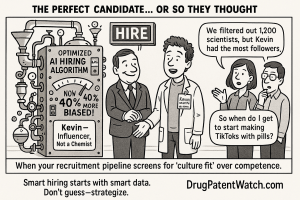
It’s natural to have a checklist when hiring. For a clinical trial manager, you’ll look for experience with GCP, regulatory submissions, and perhaps a specific therapeutic area. For a computational chemist, you’ll seek proficiency in molecular modeling software and strong programming skills. But here’s where many drug companies make their first critical mistake: they become overly fixated on a rigid, pre-defined skillset, often overlooking the broader qualities that truly define a high-impact employee.
Think about it. The pharmaceutical landscape is constantly evolving. Regulatory frameworks shift, technological advancements emerge daily, and the very nature of drug discovery is being reshaped by AI, big data, and personalized medicine. If you’re only hiring for yesterday’s skills, you’re building a team for a past battle, not the future one.
“We often see companies getting stuck in a ‘checkbox’ mentality,” notes Dr. Anya Sharma, a veteran HR consultant specializing in life sciences. “They’re so focused on the exact degree or the precise number of years in a specific role that they miss out on candidates with transferable skills, diverse experiences, or even just an insatiable curiosity that could make them future leaders.” [1]
This myopic view often manifests in a few ways:
Ignoring Interdisciplinary Talent: The lines between biology, chemistry, data science, and engineering are blurring in modern drug discovery. A candidate with a strong background in data analytics from the tech sector, coupled with a genuine interest in biology, might bring a fresh perspective that an industry lifer, steeped in traditional methods, might not. Are you open to a neuroscientist who also happens to be a skilled Python programmer, even if the role description didn’t explicitly ask for coding?
Undervaluing Soft Skills and Cultural Fit: Technical prowess is essential, but it’s only half the equation. In a highly collaborative, often stressful environment like pharmaceutical R&D, qualities like resilience, communication skills, adaptability, and emotional intelligence are paramount. A brilliant scientist who can’t effectively collaborate or adapt to changing project priorities can become a bottleneck. Ignoring these “softer” attributes in favor of purely technical ones is a recipe for team dysfunction.
Aversion to “Non-Traditional” Backgrounds: The best ideas often come from unexpected places. Are you automatically filtering out candidates who’ve spent time in academia, government research, or even tangentially related industries because their resume doesn’t scream “pharma”? These individuals can bring groundbreaking research methods, novel problem-solving approaches, and a much-needed injection of diverse thought.
The Fix: Broaden your horizons. When defining a role, consider the core competencies and desirable attributes rather than just a rigid list of past experiences. Prioritize learning agility, problem-solving capabilities, and a genuine passion for the mission. Implement behavioral interviewing techniques to assess soft skills. Actively seek out candidates from adjacent industries or academic fields who demonstrate the potential to rapidly acquire new knowledge and contribute uniquely. Remember, skills can be taught; attitude and aptitude are harder to cultivate.
2. The Glacial Pace: Losing Top Talent to Tardy Processes
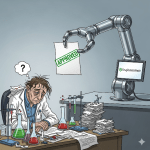
In the talent arms race, speed is a weapon. The pharmaceutical industry, perhaps due to its highly regulated nature and complex internal structures, often struggles with a recruitment process that can be charitably described as “deliberate,” and less charitably, as glacial. This slow pace is the second major mistake, and it’s a silent killer of promising candidacies.
Consider the reality: top talent, especially in specialized scientific and technical fields, isn’t on the market for long. They’re often being courted by multiple companies, including fast-moving biotechs, tech giants venturing into health, and even rival pharma firms. If your application process involves weeks of radio silence, multiple rounds of redundant interviews, and protracted decision-making, you’re essentially handing your best prospects on a silver platter to your competitors.
“A significant number of highly qualified candidates report withdrawing from consideration due to overly long hiring processes. In competitive sectors like pharma, candidates often have multiple offers on the table, and the company that moves swiftly and decisively often wins the talent war.” [2]
— Forbes, “The Hidden Cost of Slow Hiring”
This mistake manifests in several critical ways:
Protracted Application and Screening: Overly complex online application forms, slow initial resume reviews, and delayed pre-screening calls can quickly frustrate candidates who are already balancing a busy schedule.
Endless Interview Loops: While thorough vetting is crucial, do you really need five, six, or even seven rounds of interviews with different stakeholders, many of whom might be asking similar questions? Each additional step introduces more logistical complexity and potential for delay.
Lagging Feedback and Offers: After an interview, candidates often wait weeks for feedback, if they receive any at all. When an offer finally materializes, it might be too late, as the candidate has already accepted another position. This slow-mo approach signals a lack of urgency and, frankly, a lack of respect for the candidate’s time.
The Fix: Streamline, streamline, streamline. Map out your entire recruitment process and identify every bottleneck. Can you leverage technology for faster initial screening? Can you consolidate interview rounds, perhaps combining panels or ensuring all key decision-makers are available in a tighter window? Empower hiring managers to make faster decisions, or at least provide timely feedback. Consider setting internal SLAs (Service Level Agreements) for response times at each stage of the recruitment funnel. A proactive and communicative approach, even if the news is a delay, is far better than silence. Remember, in today’s market, the candidate experience is almost as important as the job itself.
One area where efficiency can be dramatically improved is in patent landscaping and competitive intelligence during the early stages of R&D talent acquisition. Understanding where key expertise resides, perhaps through analyzing named inventors on patents, can accelerate target identification. Tools like DrugPatentWatch can offer valuable insights into the patent portfolios of competitors, indirectly hinting at their strategic R&D focus and the types of talent they’re likely to be cultivating or seeking. This kind of competitive intelligence, integrated early, can help you identify unique talent pools and move faster.
3. The “Silent Treatment”: Neglecting Employer Branding and Candidate Experience
Imagine you’re a highly sought-after researcher, passionate about immunology. You’ve applied to two leading pharmaceutical companies. Company A has a clunky, impersonal application portal, takes weeks to respond, and when they do, it’s a generic email. Company B has a sleek, intuitive application, sends automated updates, and their recruiters follow up with personalized messages, even sharing insights into the company’s culture and current research. Which company are you more likely to engage with, even if the roles are similar? The answer is obvious.
The third major mistake drug companies make is the “silent treatment” – neglecting their employer brand and failing to prioritize the candidate experience. In an era of Glassdoor reviews, LinkedIn insights, and pervasive social media, a company’s reputation as an employer precedes it. How you treat candidates, from the first touchpoint to the final offer (or rejection), speaks volumes about your organization’s values and culture.
This often manifests as:
A Weak or Non-Existent Employer Brand: Does your company actively showcase its culture, its mission, its impact on patients, and the growth opportunities for employees? Or is your online presence sterile and solely focused on products? Top talent wants to work for companies that align with their values and offer a compelling vision. Without a strong employer brand, you’re just another logo in a sea of biopharma.
Impersonal Candidate Communication: Generic email templates, a lack of follow-up, and leaving candidates in the dark are all red flags. Candidates invest time and effort in applying and interviewing. Acknowledging that effort with personalized communication, even if it’s a rejection, builds goodwill and protects your reputation.
Poor Interviewer Training: Interviewers who are unprepared, ask irrelevant questions, or project a negative image of the company can completely derail a promising candidacy. They are the frontline ambassadors of your brand.
Ignoring the “Rejection” Experience: Not every candidate will get the job, but every candidate deserves respect. A thoughtful, timely rejection email (or even a phone call for advanced candidates) can turn a disappointed applicant into a future advocate or even a future re-applicant for a different role. Conversely, ghosting candidates or sending curt, automated rejections can lead to negative reviews and damage your employer brand.
The Fix: Invest in your employer brand. Develop a compelling narrative about what makes your company a unique and desirable place to work. Use your website, social media, and employee testimonials to tell this story. Train your recruiters and hiring managers to be exceptional brand ambassadors. Empower them with the tools and autonomy to create a positive, personalized candidate experience at every stage. Provide timely, constructive feedback, even to rejected candidates. Remember, every interaction is an opportunity to strengthen your reputation and attract future talent.
Key Takeaways
Recruiting top talent in the pharmaceutical industry isn’t a passive activity; it’s a strategic imperative. To truly excel, drug companies must move beyond outdated practices and embrace a more dynamic, candidate-centric approach. Here are the core takeaways:
Look Beyond the Resume: Prioritize core competencies, adaptability, and soft skills over a rigid checklist of past experiences. Seek interdisciplinary talent and value diverse backgrounds.
Act with Urgency: Streamline your recruitment processes, empower decision-makers, and communicate proactively with candidates. In a competitive market, speed often wins the talent race.
Champion Your Brand: Invest in a compelling employer brand and ensure every candidate interaction is positive, respectful, and reflective of your company’s values. The candidate experience is paramount.
By addressing these three critical mistakes, pharmaceutical companies can transform their recruitment efforts from a cumbersome chore into a powerful engine for innovation, ensuring they secure the visionary minds that will shape the future of medicine.
FAQ Section
1. How can drug companies effectively identify and attract candidates with transferable skills from outside the traditional pharmaceutical industry?
To attract talent with transferable skills, drug companies should first redefine job descriptions to emphasize core competencies, problem-solving abilities, and learning agility rather than specific industry experience. Actively recruit from adjacent sectors like tech, data science, or even academic research, where individuals possess strong analytical, computational, or research methodologies. Highlight the unique challenges and impact of working in pharma in your employer branding to appeal to their desire for meaningful work, and ensure your interviewing process focuses on behavioral questions that uncover adaptability and critical thinking.
2. What are some practical steps to significantly reduce the time-to-hire in a highly regulated industry like pharmaceuticals?
Reducing time-to-hire requires a multi-pronged approach. First, streamline your internal approval processes for job requisitions and offers. Second, consolidate interview rounds by having key stakeholders participate in combined panels or tightly scheduled back-to-back interviews. Third, leverage technology for initial candidate screening (e.g., AI-powered resume parsing) and for managing communication flows. Finally, empower hiring managers with more autonomy to make timely decisions, and establish internal service level agreements (SLAs) for response times at each stage of the recruitment pipeline.
3. How can a strong employer brand directly impact the quality of candidates applying to pharmaceutical companies?
A strong employer brand acts as a magnet for top talent. It showcases your company’s mission, culture, values, and the real-world impact of your work, going beyond just job descriptions. When candidates see a compelling vision and a positive work environment, they are more likely to self-select and apply, leading to a higher volume of qualified applicants and a stronger talent pool. It also helps differentiate you from competitors, making your company a “destination employer” rather than just another option.
4. Besides traditional job boards, where else should pharmaceutical companies focus their efforts to find specialized talent?
To find specialized talent, expand beyond traditional job boards. Focus on niche scientific forums, professional associations (e.g., American Chemical Society, Society for Clinical Research), and academic institutions (universities with strong life science programs). Attending industry conferences, hosting webinars on cutting-edge research, and leveraging professional networking platforms like LinkedIn for direct outreach are crucial. Building relationships with key opinion leaders in specific therapeutic areas can also lead to valuable referrals.
5. What role does candidate feedback play in improving the recruitment process, and how should drug companies collect and act on it?
Candidate feedback is invaluable for continuous improvement. Companies should actively collect feedback through anonymous surveys sent to both hired and rejected candidates, and during debriefing sessions with hiring managers and interviewers. Focus on questions about the clarity of the process, the professionalism of interviewers, and the timeliness of communication. Act on this feedback by identifying recurring pain points (e.g., too many interview rounds, slow communication) and implementing specific changes to enhance the candidate experience. This demonstrates a commitment to improvement and strengthens your long-term reputation as an employer.