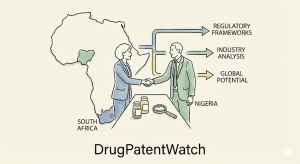
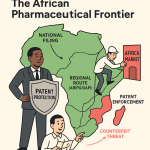
The African pharmaceutical sector stands at a definitive crossroads in the mid-2020s, characterized by a bifurcation of strategy between its two dominant markets: South Africa and Nigeria. While the continent is frequently analyzed as a monolithic “frontier market” projected to reach between $50 billion and $75 billion by 2030 1, the operational realities on the ground reveal two distinct commercial ecosystems evolving in different directions. For pharmaceutical executives, business development teams, and investors, the choice is no longer about “entering Africa” but about optimizing a portfolio that balances the high-value, regulated sophistication of South Africa with the high-volume, demographic urgency of Nigeria.
This report offers an exhaustive analysis of these two markets. It moves beyond superficial growth metrics to dissect the structural mechanics of regulatory maturity, intellectual property enforcement, manufacturing industrialization, and commercial market access.
South Africa serves as the continent’s industrial and regulatory anchor. With a market valuation of approximately $7.9 billion in 2024, projected to grow to $10.7 billion by 2030 2, it offers a stable, albeit slow-growing, environment akin to developed markets. The defining characteristic of the South African market is its integration into global standards, epitomized by the South African Health Products Regulatory Authority (SAHPRA) securing membership in the International Council for Harmonisation (ICH).3 This strategic alignment signals that South Africa is positioning itself not merely as a consumption market but as a globally compliant manufacturing node for complex biologics and sterile injectables.
Nigeria, conversely, represents a demographic powerhouse driven by necessity and import substitution. With a population exceeding 220 million and a pharmaceutical regulatory affairs market expected to grow at a CAGR of 6.4% to 2030 4, Nigeria is aggressively pivoting from an import-dependent trading hub to a manufacturing base. The devaluation of the Naira and foreign exchange scarcity have acted as forcing functions, compelling the government to enact Executive Orders mandating local content and incentivizing the construction of Active Pharmaceutical Ingredient (API) plants.5 The Nigerian proposition is one of volume and resilience, requiring companies to navigate high inflation and logistical fragmentation to capture the long-term value of the continent’s largest consumer base.
Industry Insight
“A successful pharmaceutical patent strategy in Africa is not a one-size-fits-all template imported from Europe or North America. It is a dynamic, hybrid, and highly adaptable framework that masterfully balances the efficiencies of regional systems with the critical specificities of national jurisdictions.”
— DrugPatentWatch 7
The strategic imperative for the next decade is clear: multinational and regional players must bifurcate their operating models. In South Africa, the focus must be on value preservation, navigating the National Health Insurance (NHI) reforms, and leveraging patent linkages for high-margin therapeutics. In Nigeria, the focus must be on supply chain control, local manufacturing partnerships, and brand differentiation in a price-sensitive, volume-driven market.
Macroeconomic Context and Market Valuation
South Africa: The Mature Industrial Hub
South Africa’s pharmaceutical market is the most advanced in sub-Saharan Africa, structurally comparable to “pharmerging” markets like Poland or Turkey rather than its regional neighbors. The market is characterized by a distinct duality between a resource-rich private sector and a volume-heavy public sector.
Market Sizing and Growth Trajectory
The South African pharmaceutical market generated revenue of $7.88 billion in 2024. Forecasts indicate a steady expansion to $10.74 billion by 2030, reflecting a CAGR of 5.3%.2 This growth is driven primarily by the “conventional drugs” segment, which remains the largest revenue generator, although the “biologics and biosimilars” segment is registering the fastest growth.2 This shift towards large molecules underscores the market’s maturity and its readiness for advanced therapeutic classes, including monoclonal antibodies and gene therapies.
Healthcare Expenditure and Fiscal Policy
South Africa allocates a substantial portion of its GDP to healthcare, significantly higher than the African average. In 2024, health spending as a share of GDP remained robust, reflecting the government’s commitment to sustaining its public health infrastructure.8 Total consolidated government spending is projected to rise from R2.4 trillion in 2024/25 to R2.6 trillion in 2026/27, with healthcare receiving priority allocations alongside education and social development.9
However, the fiscal environment is constrained. The National Treasury has implemented baseline reductions amounting to R206 billion over the medium term to stabilize debt.9 This fiscal consolidation creates “margin compression” risks for pharmaceutical suppliers. The state’s priority is value for money, which translates into aggressive pricing pressure during the tender processes for essential medicines and antiretrovirals (ARVs).
Private vs. Public Sector Dynamics
The private sector, funded by medical aid schemes, covers approximately 15.7% to 16% of the population.10 Despite the minority coverage, this segment accounts for the majority of value due to higher price points and the consumption of originator medicines. Spending on private healthcare is heavily concentrated in hospital services and specialist care. The public sector, serving 84% of the population, is a volume driver, relying on the Single Exit Price (SEP) mechanism and centralized procurement to manage costs.11
Nigeria: The High-Volume Frontier
Nigeria presents a starkly different economic profile. It is a market defined by scale, volatility, and rapid adaptation.
Market Sizing in a Volatile Currency Environment
Valuing the Nigerian pharmaceutical market requires navigating significant currency fluctuations. In USD terms, market size estimates are compressed due to the devaluation of the Naira. Reports value the market at approximately $1.7 billion at the end of 2024, with an annual growth rate of 8.08%.12 Other specific segments, such as the pharmaceutical regulatory affairs market, are valued at $9.0 million in 2024, projected to reach $13.0 million by 2030.4
However, these figures belie the underlying volume demand. The population, exceeding 220 million, creates an immense, recession-resistant demand for essential medicines, particularly antimalarials, antibiotics, and antihypertensives. The packaging market alone, a proxy for manufacturing volume, is valued at $0.68 billion in 2024 and is expected to more than double to $1.42 billion by 2033.13
The Impact of Currency Devaluation
The Nigerian economy faced severe headwinds in 2024, dropping from Africa’s second to fourth-largest economy. The Naira lost over 40% of its value following liberalization reforms and the removal of fuel subsidies.14 This devaluation had immediate consequences for the pharmaceutical sector, which historically relied on imports for 70% of its medicines and 90% of its inputs.15 The cost of imported drugs surged, driving inflation in the sector and making essential medicines unaffordable for many.
Import Dependency and Economic Reform
The crisis has forced a structural correction. The heavy reliance on imports exposed the country to global supply chain disruptions and forex scarcity. In response, the Federal Government introduced zero tariffs and excise duties on pharmaceutical raw materials and equipment to lower production costs and stimulate local manufacturing.16 This policy shift aims to reduce import dependence and stabilize prices, creating a favorable environment for local manufacturers and foreign investors willing to localize production.
Comparative Economic Indicators
Indicator
South Africa
Nigeria
Market Value (2024)
~$7.9 Billion 2
~$1.7 Billion 12
CAGR (2025-2030)
5.3% 2
~6.4% – 9.1% 4
Import Dependency
Moderate (Strong local formulation)
High (~70%) 15
Primary Funding
Dual: Private Insurance / Public Tender
Out-of-Pocket / Emerging Insurance
Currency Risk
Moderate Volatility (Rand)
High Volatility / Devaluation (Naira)
Strategic Focus
High-Value Biologics & Innovation
Import Substitution & Essential Meds
Regulatory Frameworks: Harmonization and Divergence
The regulatory landscape in Africa is undergoing its most significant transformation in decades. Both South Africa and Nigeria have achieved pivotal milestones in regulatory maturity, yet their strategic focuses differ. South Africa is aligning with the global elite via ICH membership, while Nigeria is establishing itself as a robust regional leader through WHO Maturity Level 3 (ML3) status.
South Africa: SAHPRA and Global Harmonization
The South African Health Products Regulatory Authority (SAHPRA) has successfully transitioned from a legacy regulator to a globally recognized entity.
ICH Membership: A Global Seal of Quality
In a landmark development, SAHPRA was officially accepted as a member of the International Council for Harmonisation (ICH) in late 2025.3 This membership places SAHPRA at the same technical table as the US FDA, European EMA, and Japan’s PMDA. Practically, this implies that SAHPRA has fully adopted the Common Technical Document (CTD) standards for registration. For multinational companies, this reduces regulatory friction; a dossier prepared for Europe or the US can now be submitted to South Africa with minimal modification, assuming local specificities are addressed.
Registration Timelines and Performance
SAHPRA has aggressively tackled its historical backlog. The authority now distinguishes between standard and expedited review pathways:
Standard Review:
Generics: 12–18 months.
New Chemical Entities (NCEs): 18–24 months.
Expedited Review:
Generics: 6–9 months.
NCEs: 12–15 months.19
These timelines are contingent on the quality of submission and responsiveness to queries. The “reliance pathway” allows SAHPRA to leverage reviews from other stringent regulators to accelerate decisions, a critical mechanism for ensuring rapid access to innovative cancer and rare disease therapies.
Post-Market Surveillance and Lifecycle Management
SAHPRA operates at WHO Maturity Level 3 (ML3) for vaccines (producing), indicating a stable system for oversight.20 The authority has updated guidelines for biological medicine amendments, ensuring that post-registration changes—such as manufacturing site transfers or labeling updates—are rigorously evaluated to maintain safety and efficacy.21
Nigeria: NAFDAC’s Industrial Mandate
The National Agency for Food and Drug Administration and Control (NAFDAC) has evolved from a regulator focused on enforcement to one driving industrial policy.
WHO Maturity Level 3 (ML3) Status
NAFDAC achieved WHO ML3 classification for medicines and imported vaccines in 2022.20 This certification validates that Nigeria’s regulatory system is stable, well-functioning, and integrated. It is a prerequisite for Nigerian manufacturers to eventually prequalify their products for international procurement by UN agencies, a key goal for the country’s export ambitions.
The “Five-Plus-Five” (5+5) Policy
NAFDAC utilizes regulation as a tool for economic nationalism. The “Five-Plus-Five” policy is the most potent example. It stipulates that a product registration is valid for five years. Upon renewal, if the local industry has developed the capacity to manufacture that product, the importer is given a final five-year renewal period. During this second term, they must transition to local manufacturing or partnership. After the tenth year, import renewal is denied.22 This policy forces multinationals to actively seek local contract manufacturing partners or exit the market for commoditized products.
Registration Realities vs. Statutory Timelines
While NAFDAC has improved transparency through the NAPAMS digital portal, gaps remain between statutory goals and operational reality.
Statutory Timelines: 90 days for food; 240 days for drugs.23
Process Bottlenecks: Delays often occur during the laboratory analysis and Good Manufacturing Practice (GMP) inspection phases.
To mitigate this, NAFDAC has operationalized the “collaborative registration procedure,” allowing it to rely on decisions from other ML3 regulators to expedite approvals, reducing redundancy for applicants.24
Regional Harmonization: The African Medicines Agency (AMA)
The African Medicines Agency (AMA) represents the future of continental regulation. As of late 2025, 29 countries had ratified the AMA Treaty, and operationalization is underway.26
South Africa’s Role: As an ICH member, South Africa will likely serve as a primary technical assessor for the AMA, handling complex reviews for biologics and novel therapies.
Nigeria’s Role: As an ML3 regulator for a massive population, Nigeria will likely lead in vigilance, inspection, and market control for essential medicines.
For industry, the AMA promises a “single submission” pathway, where a dossier submitted to the AMA can be recognized by multiple member states, drastically reducing the cost and complexity of pan-African launches.27
Intellectual Property: Protecting Innovation in Emerging Markets
Intellectual Property (IP) protection remains the bedrock of pharmaceutical investment. In Africa, the IP landscape is often misunderstood as weak; in reality, it is evolving and highly technical.
South Africa: The Shift to Substantive Examination
South Africa is in the midst of a profound reform of its patent system. Historically, the Companies and Intellectual Property Commission (CIPC) operated as a “depository” or non-examining system. If a patent application met formal requirements, it was granted without a substantive search for novelty or inventiveness.7
The Reform Agenda
The South African government, influenced by public health advocacy, is moving toward Substantive Search and Examination (SSE). The goal is to prevent “evergreening”—the practice of filing secondary patents on minor modifications to extend exclusivity. While this raises the bar for patentability, it aligns South Africa with global norms. However, the transition period creates uncertainty, as the CIPC builds the technical capacity to examine thousands of applications.7
Data Exclusivity Gaps
Unlike the US or EU, South Africa does not have explicit statutory provisions for data exclusivity in its patent law. Protection of clinical trial data relies on regulatory confidentiality. Innovator companies have long lobbied for stronger data exclusivity to prevent generic applicants from relying on originator data immediately upon patent expiry. Public health groups oppose this, arguing it delays access to affordable generics.7
Nigeria: Navigating the Patent Thicket
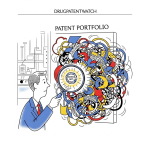
Nigeria also operates a non-examining patent system. A patent is granted based on formalities. This creates a strategic environment where “patent density” is more valuable than individual patent strength.
Enforcement Challenges
The burden of proving a patent is invalid lies with the challenger in court. Because the registry does not filter for novelty, the system is cluttered with weak patents. However, enforcing these patents is difficult due to a slow judicial system. Strategic companies use this to their advantage by filing “patent thickets”—multiple patents covering the molecule, formulation, dosage form, and manufacturing process. Even if one is challenged, the sheer volume creates a deterrent for generic competitors.7
Voluntary Licensing: The Strategic Alternative
In markets where enforcement is costly and political pressure for access is high, Voluntary Licensing (VL) has become a dominant strategy.
Case Study: Dolutegravir (DTG): ViiV Healthcare partnered with the Medicines Patent Pool (MPP) to license the HIV drug Dolutegravir to generic manufacturers. This allowed generic versions to be sold in Nigeria and South Africa (public sector) while preserving ViiV’s rights in private markets and developed nations.28 This strategy secured widespread access, maintained the originator’s reputation, and avoided the threat of Compulsory Licensing.
Using Patent Data for Competitive Advantage
In non-examining markets, business intelligence is crucial. A patent grant does not guarantee a monopoly if the underlying invention is not novel globally.
DrugPatentWatch Strategy: Companies must correlate local patent filings with global “family” data. If a patent has been rejected in the US or EU (examining jurisdictions) but granted in Nigeria (non-examining), a generic competitor might launch “at risk,” confident they can invalidate the Nigerian patent in court if sued. Conversely, originators must track generic manufacturing globally to anticipate “at risk” launches in African markets.
Key Statistic:
Patent expiries in 2026 for drugs like Opsynvi (macitentan/tadalafil) and Korsuva (difelikefalin) in South Africa will open specific therapeutic windows for generic entry, controlled by specific South African patent numbers (e.g., ZA Patent 200,902,164).30
Manufacturing and Industrial Policy: The Local Content Imperative
The COVID-19 pandemic exposed the fragility of Africa’s pharmaceutical supply chain. In response, both Nigeria and South Africa have aggressively pivoted toward industrialization, though their approaches differ based on their industrial baselines.
Nigeria: Import Substitution and Backward Integration
Nigeria’s strategy is rooted in “backward integration”—moving from importing finished goods to packaging, then to formulation, and finally to API production.
The Executive Order on Health Value Chains
In June 2024, President Bola Tinubu signed an Executive Order to boost local production of healthcare products. The order targets increasing local manufacturing capacity to meet 50% of domestic demand.5
Incentives: The order introduces zero tariffs, excise duties, and VAT on imported pharmaceutical machinery, equipment, and raw materials (APIs/excipients).16
Impact: This dramatically lowers the cost of production, which is critical given the high energy and logistics costs in Nigeria. It is designed to make local manufacturing cost-competitive with imports from India and China.
Infrastructure Projects: The Emzor API Plant
The flagship project for this new era is the Emzor Pharmaceutical Industries API plant in Sagamu, Ogun State.
Scope: The $23 million facility is the first of its kind in sub-Saharan Africa dedicated to producing APIs for anti-malarials (artemether, lumefantrine, etc.).31
Funding: Supported by a €13.85 million loan from the European Investment Bank (EIB).
Timeline: Originally slated for Q1 2024, completion has been shifted to Q4 2025 due to supply chain and fiscal delays.6
Strategic Significance: Once operational, this plant will reduce Nigeria’s forex exposure for these critical inputs and secure drug security for the region’s most prevalent disease.
Neimeth International Expansion
Neimeth International Pharmaceuticals is also expanding, constructing a WHO-compliant facility in Amawbia, Anambra State. This facility is positioned to serve not just Nigeria but the broader West African market under the AfCFTA, increasing capacity by over 300%.32
South Africa: High-Value Export Hub
South Africa’s master plan focuses on sophisticated, high-value manufacturing that leverages its skilled workforce and regulatory credibility.
Aspen Pharmacare’s Sterile Capacity
Aspen Pharmacare is the crown jewel of African pharmaceutical manufacturing. The company has invested over R8 billion in its sterile manufacturing facility in Gqeberha (formerly Port Elizabeth).33
Capacity: The facility has expanded capacity to produce 450 million doses of sterile products annually.
Insulin Production: In a strategic partnership with Novo Nordisk, Aspen will manufacture human insulin for the African continent, addressing the growing diabetes burden.34
Vaccines: The site also has fill-and-finish capabilities for vaccines, positioning it as a pandemic-readiness hub for Africa.
Incentives and Master Plan
The South African Pharmaceutical Industry Master Plan aims to diversify the sector. The Department of Trade, Industry and Competition (dtic) offers incentives for technology upgrades and export competitiveness. The vision is to reduce the trade deficit by increasing exports of complex generics and biologics to both African and global markets.36
Therapeutic Areas and Disease Burden
The commercial opportunity in both markets is defined by the “dual burden” of disease: the persistence of infectious diseases and the rapid rise of non-communicable diseases (NCDs).
Infectious Diseases: The Volume Driver
HIV/AIDS: South Africa remains the world’s largest HIV market. With millions on treatment, the demand for ARVs is massive. The market has shifted towards Dolutegravir-based regimens (TLD). For manufacturers, this is a tender-driven volume game with thin margins.
Tuberculosis (TB): Both countries are high-burden TB nations. The WHO reports that Africa exceeded TB milestones in 2024, cutting incidence by 28%.37 The market for drug-resistant TB therapies (e.g., Bedaquiline) is critical.
Malaria: Nigeria accounts for a significant percentage of global malaria cases. The rollout of the Oxford R21 malaria vaccine in Nigeria (commencing Oct 2024) creates a new, massive biologicals market.12 Local production of ACTs remains a cornerstone of the Nigerian industry.
Non-Communicable Diseases (NCDs): The Value Driver
Diabetes: The number of people with diabetes in Africa is expected to reach 47 million by 2045.34 In South Africa, the private market demand for insulin analogs and GLP-1 agonists (like Semaglutide) is surging. In Nigeria, affordability restricts this market to human insulin and oral metformin/sulfonylureas.
Hypertension & Oncology: Cardiovascular disease is a leading killer in both nations. The oncology market in South Africa is well-developed in the private sector, with access to immunotherapies. In Nigeria, the market is fragmented and dominated by essential chemotherapies, though a small elite segment accesses premium care abroad or through high-end private hospitals.
The Scourge of Counterfeits
A major distortion in the market is the prevalence of substandard and falsified (SF) medicines.
Prevalence: The estimated prevalence of SF medicines in Africa is 22.6%.38 In Nigeria, open drug markets contribute to this risk.
Therapeutic Impact: Antibiotics and antimalarials are the most counterfeited, driving antimicrobial resistance (AMR).
Commercial Opportunity: This creates a “flight to quality.” Brands that can guarantee authenticity through technology (scratch-off codes, RFID) command significant loyalty and a price premium.
Market Access, Pricing, and Reimbursement
Accessing the patient is the final, critical hurdle. The mechanisms for this differ radically between the two nations.
South Africa: Structured Access and the NHI
Private Medical Aid
The private sector is funded by medical aid schemes (e.g., Discovery Health, GEMS).
Coverage: Approx. 15.7% of the population.10
Mechanism: Schemes use formularies and Designated Service Providers (DSPs) to control costs. New drugs must undergo rigorous Health Technology Assessment (HTA) to prove cost-effectiveness.
Discovery Health: As the dominant administrator, Discovery Health’s reimbursement decisions effectively set the market standard for the private sector.39
The National Health Insurance (NHI)
The NHI Act, signed into law in May 2024, aims to create a single-payer system.11
Impact: Once fully implemented, medical schemes will only be able to offer “complementary” cover for services not reimbursed by the NHI.
Transition: The Minister of Health predicts a 10–15 year transition. During this time, the state will aggressively use its monopsony power to negotiate prices.
Risk: The biggest risk for pharma is price erosion. The NHI will likely utilize a tender-like mechanism for all essential medicines, squeezing margins for originators.40
Nigeria: The Distributed, Out-of-Pocket Market
Fragmentation and Distribution
Nigeria lacks a consolidated national pharmacy chain dominance. Distribution relies on a pyramid of importers, distributors, wholesalers, and thousands of retailers (community pharmacies and PPMVs).
Logistics: The “last mile” is the challenge. Companies often partner with specialized logistics firms or distributors like Chi Pharmaceuticals or Worldwide Healthcare to ensure reach.42
National Health Insurance Authority (NHIA)
Nigeria is attempting to expand insurance coverage.
Target: The NHIA aims to enroll 20 million Nigerians by 2025, up from a base of ~16 million.43
Mandate: The new NHIA Act makes insurance mandatory, though enforcement is gradual.
Pricing: The NHIA Drug Price List serves as a reference. While reimbursement rates are low, inclusion in the scheme offers volume stability in a volatile market.44
Consumer Behavior
With >60% out-of-pocket expenditure, the Nigerian patient is highly price-sensitive but brand-loyal. In times of inflation, patients may “trade down” to cheaper generics, but they rarely abandon trusted brands for unknown alternatives due to fear of counterfeits.
Competitive Landscape and Corporate Strategy
The Multinational Exodus and Pivot
In Nigeria, several multinationals (GSK, Sanofi, P&G) have transitioned away from direct sales and marketing organizations to third-party distributor models.
Reason: The primary driver is Forex Scarcity. Inability to repatriate profits and the volatility of the Naira made the direct importer model unsustainable.16
New Model: By appointing a local distributor, MNCs transfer the forex and logistics risk to a local partner while retaining brand presence.
In South Africa, MNCs remain deeply entrenched, with direct subsidiaries managing high-value portfolios. However, they are increasingly localizing manufacturing (through partnerships with Aspen or Cipla) to improve B-BBEE (Black Economic Empowerment) scores and qualify for state tenders.
The Rise of Local Champions
South Africa: Aspen Pharmacare
Aspen is a global player. Its strategy is high-volume, high-complexity manufacturing. It acts as a partner of choice for MNCs (e.g., J&J, Novo Nordisk) needing African manufacturing capacity. Its financial results reflect strong double-digit growth in its manufacturing segment.45
Nigeria: Fidson and Emzor
Fidson Healthcare: Recorded a massive 65.6% revenue growth in Q1 2024.46 Fidson has successfully aggressively passed on inflation costs to consumers while expanding volume. It is a prime beneficiary of local content policies.
Emzor: Beyond its API plant, Emzor dominates the analgesic and mass-market antibiotic space. It is effectively the “household name” of Nigerian pharma.
Strategic Recommendations and Future Outlook
The trajectory for 2025–2030 is clear:
For Innovative Pharma: South Africa remains the primary launch market. Prepare for the NHI by engaging in pharmacoeconomic studies now. In Nigeria, adopt a “distributor-plus” model—use distributors for logistics but maintain a small representative office to manage key opinion leaders (KOLs) and government relations.
For Generics/Biosimilars: South Africa’s patent cliff in 2026 offers immediate opportunities. In Nigeria, the opportunity is in “branded generics.” Invest in anti-counterfeit packaging and consumer marketing to build trust.
For Manufacturing Investors: Nigeria offers the best incentives (zero tariffs, protected market) for basic manufacturing (tablets, liquids). South Africa offers the ecosystem for complex manufacturing (steriles, biologics).
Conclusion
South Africa and Nigeria are no longer just “markets to sell into”; they are complex ecosystems requiring distinct strategies. South Africa is the “Head Office” market—regulated, sophisticated, and integrated. Nigeria is the “Engine Room”—demanding, volatile, but offering the unparalleled scale of the African demographic dividend. Success requires mastering the technicalities of SAHPRA’s dossiers in the south and the logistics of NAFDAC’s supply chains in the west.
Key Takeaways
Market Bifurcation: South Africa is a $7.9B value-driven market growing at 5.3% (CAGR), focused on biologics and NHI reforms. Nigeria is a volume-driven market, valued at ~$1.7B (suppressed by FX) but with massive demographic potential and a 6-9% local currency growth trajectory.
Regulatory Divergence: SAHPRA’s ICH membership (2025) aligns South Africa with global standards (FDA/EMA), easing registration for innovative drugs. NAFDAC’s ML3 status and “5+5” policy are aggressive tools designed to force industrialization and import substitution in Nigeria.
Manufacturing Renaissance: Nigeria’s Executive Order (zero tariffs) has catalyzed projects like Emzor’s $23M API plant, aimed at drug security. South Africa’s Master Plan supports high-tech hubs like Aspen’s R8B sterile facility, aimed at global exports.
Intellectual Property: South Africa is transitioning to Substantive Examination, raising the bar for patents. Nigeria remains a formalities system; strategic defense requires “patent thickets” and voluntary licensing (e.g., Dolutegravir) to secure market share without litigation.
Commercial Models: In Nigeria, the distributor model is winning as MNCs exit direct operations to mitigate Forex risk. In South Africa, the NHI poses a long-term pricing risk, forcing companies to pivot toward volume-based tender strategies.
FAQ: Strategic Implications for Business
Q1: How does NAFDAC’s “Five-Plus-Five” policy practically impact an international pharmaceutical company exporting to Nigeria?
A: The policy acts as a “sunset clause” for pure importers. Once a product is registered, it has a 5-year validity. Upon renewal, if NAFDAC determines that local capacity exists to manufacture that product, the importer is granted a final 5-year renewal. During this period, the company must demonstrate a transition plan to local manufacturing (either building a plant or partnering with a local CMO). Failure to do so results in the denial of the import permit after year 10. Companies must therefore scout for local partners like Fidson or May & Baker early in the product lifecycle to avoid market exclusion.
Q2: Will the implementation of South Africa’s National Health Insurance (NHI) eliminate the private medical aid market?
A: Not immediately, but it will fundamentally alter it. The NHI Act envisions a single-payer system where medical schemes can only cover services not reimbursable by the NHI. However, the transition is expected to take 10–15 years. In the interim, a “dual system” will persist. The strategic risk is pricing; as the NHI covers more essential drugs, the state becomes the dominant buyer (monopsony), likely forcing prices down to tender-like levels. The private market will likely shift its focus to premium, lifestyle, and highly innovative therapies that the NHI cannot initially afford to cover.
Q3: Is it safer for a multinational to exit Nigeria given the currency volatility?
A: Total exit forfeits the long-term potential of the continent’s largest population. The “Sanofi/GSK Model”—transitioning to a third-party distributor—is the preferred risk-mitigation strategy. This allows the multinational to invoice in hard currency (transferring FX risk to the distributor) and reduce operational overhead (staff, offices) while keeping brands available in the market. However, for companies with essential medicines, local manufacturing (or contract manufacturing) offers the best hedge against FX volatility, as it allows for naira-denominated costs and access to government incentives.
Q4: How does SAHPRA’s ICH membership benefit US or EU-based biotech companies?
A: It significantly lowers the barrier to entry. Because SAHPRA now adheres to ICH guidelines, the technical requirements for registration (the Common Technical Document or CTD) are harmonized with the FDA and EMA. A biotech company does not need to re-format its clinical data or quality modules extensively for South Africa. Furthermore, SAHPRA’s “reliance pathway” means that if the drug is already approved by the FDA or EMA, the South African review can be expedited, potentially cutting approval times to under 12 months.
Q5: What is the significance of the “patent thicket” strategy in Nigeria?
A: Since Nigeria operates a non-examining patent system, patents are granted without a rigorous check for novelty. This means a single patent is easy to challenge in court. To counter this, savvy companies file a “thicket” of patents around a single product—covering the compound, the formulation, the dosage regimen, the manufacturing process, and even the packaging. Even if a generic competitor believes the main patent is weak, the prospect of fighting 5 or 6 separate patent lawsuits creates a financial and logistical deterrent, effectively delaying generic entry even in a weak IP jurisdiction.
Regulatory Performance of African National Medicines Regulatory Authorities Achieving WHO Maturity Level 3: Identifying Best Practices – PubMed Central, accessed January 7, 2026, https://pmc.ncbi.nlm.nih.gov/articles/PMC12753557/
Prevalence of substandard, falsified, unlicensed and unregistered medicine and its associated factors in Africa: a systematic review – PubMed Central, accessed January 7, 2026, https://pmc.ncbi.nlm.nih.gov/articles/PMC11251437/