The United States pharmaceutical market represents a cornerstone of the global healthcare industry, characterized by its substantial size and consistent growth. In 2024, the market was estimated at USD 634.32 billion.1 Other reports indicate a valuation of USD 602.19 billion in 2023 2 and USD 574.37 billion in the same year 5, underscoring its position as a multi-billion dollar sector. Projections consistently point towards continued expansion, with a Compound Annual Growth Rate (CAGR) of approximately 5.7% expected from 2024 or 2025 to 2030.1 While some sources suggest slightly different growth rates, such as 5.48% from 2024 to 2030 5 and 6.15% from 2024 to 2033 2, the overall trajectory indicates a robust and expanding market. By the year 2030, the US pharmaceutical market is anticipated to reach USD 883.97 billion 1 or USD 857.44 billion 7, with some forecasts even predicting it will surpass USD 1 trillion.5 One report offers a higher projection of USD 1,093.79 billion by 2033.2 These varying figures, while reflecting different analytical approaches, collectively highlight the significant opportunity presented by the US pharmaceutical market due to its considerable size and sustained growth prospects.
Several key factors are instrumental in driving the expansion of the US pharmaceutical market. A primary driver is the rising prevalence of chronic diseases 1, encompassing conditions such as cancer, diabetes, cardiovascular disorders, and autoimmune diseases. The increasing incidence of these long-term illnesses necessitates ongoing pharmaceutical interventions, thereby fueling market growth. Furthermore, the aging of the population in the United States contributes significantly to this expansion, as older individuals typically require a greater number of medications to manage age-related health issues.1 The growing healthcare expenditure by both government entities and individual consumers also provides a strong foundation for the pharmaceutical market’s upward trend.1 Efforts aimed at enhancing the affordability and accessibility of pharmaceutical products further support market growth by enabling more patients to receive necessary treatments.1 Technological innovation and continuous research initiatives are pivotal in the development of advanced therapeutic options, which in turn drive market expansion.7 The FDA’s approval of 55 new drugs in 2023 serves as a testament to the dynamic innovation pipeline within the industry.6 Moreover, the increasing focus on precision medicine and specialty treatments is expected to significantly influence healthcare costs and overall market growth by offering targeted and often more expensive therapies.1 The convergence of these demographic shifts, increasing disease burden, and advancements in medical science creates a powerful engine for the sustained growth of the US pharmaceutical market.
The pharmaceutical landscape in the US is currently undergoing significant transformations, marked by several prominent trends. The increasing prominence of specialty drugs, particularly in the fields of oncology and personalized medicine, is a notable trend.1 In 2023, specialty drugs accounted for approximately 51% of the total market revenue, demonstrating a substantial year-over-year growth of 11.7%.6 Biologics and biosimilars represent another crucial and rapidly expanding segment within the pharmaceutical market.1 Biologics constituted around 46% of the total pharmaceutical spending in the US in 2023 6, and the biosimilar segment has experienced increasing acceptance and availability.1 There is a growing emphasis on personalized medicine and the development of targeted therapies, tailoring treatments to individual patient characteristics.1 Investments in precision medicine are projected to exceed USD 80 billion by 2025, highlighting the industry’s commitment to this area.10 Digital health solutions, including telemedicine, wearable devices, and health applications, are also fundamentally reshaping the healthcare ecosystem.10 The global digital health market was valued at USD 305 billion in 2024 and is anticipated to experience significant growth in the coming years.10 Artificial intelligence (AI) and machine learning are increasingly being adopted to revolutionize drug discovery and development processes, leading to shorter research timelines and improved prediction accuracy.9 Spending on AI in healthcare is projected to reach USD 188 billion by 2030, indicating the transformative potential of these technologies.9 Research and Development (R&D) expenditure remains a critical driver of innovation and market growth.5 While R&D spending slightly decreased to just under USD 100 billion in 2023 5, global R&D investment reached USD 200 billion in the same year and is expected to continue its upward trend.8 However, some forecasts suggest a more moderate growth rate for pharmaceutical R&D in the near future.13 Mergers and Acquisitions (M&A) are expected to become more prevalent as companies seek to strengthen their product pipelines and expand their market presence.1 Political discussions and policy changes related to drug pricing are anticipated to intensify, potentially influencing both corporate strategies and public health policies.5 The Inflation Reduction Act (IRA) is projected to have a notable impact on pharmaceutical company revenues in the coming years.9 Ensuring the resilience of the pharmaceutical supply chain is also gaining importance, with initiatives focused on bolstering domestic manufacturing capabilities for critical Active Pharmaceutical Ingredients (APIs).1 The emergence of Pharma 4.0, which leverages advanced technologies such as AI, the Internet of Things (IoT), and blockchain to create a more connected, intelligent, and automated pharmaceutical ecosystem, is another significant trend.12 The global market for Pharma 4.0 was valued at USD 13.7 billion in 2024 and is projected to reach USD 40.3 billion by 2030.12 Pharmaceutical companies are increasingly prioritizing omnichannel and hyper-personalized engagement strategies to better connect with customers and patients.9 There is also a noticeable shift towards evolving product portfolios based on scientific and technological breakthroughs, with companies expanding their focus beyond traditional therapeutic areas like oncology and immunology.9 Optimizing supply chains for enhanced sustainability and resilience is becoming a key operational focus 9, alongside efforts to improve patient engagement throughout their healthcare journey.9 The industry is also witnessing a growing trend towards personalized cell and gene therapies, offering new avenues for treating various diseases.16 Furthermore, emerging therapeutic modalities such as fusion proteins, oligonucleotide therapies, multispecific antibodies, antibody-drug conjugates, and radioligand therapies are gaining traction, indicating a dynamic and evolving therapeutic landscape.9 These interconnected trends underscore a significant transformation within the US pharmaceutical market, driven by technological advancements, regulatory dynamics, and the evolving needs of patients and the healthcare system. Companies that can adapt to these changes and leverage these trends will be well-positioned for success.
Identifying Therapeutic Areas with High Unmet Medical Needs
Oncology remains a therapeutic area with substantial unmet medical needs, despite significant advancements in treatment.1 Areas such as precision medicine, immuno-oncology, and the development of novel therapies for previously untreatable cancers continue to be major areas of focus.1 The optimization of drug doses in oncology trials and the necessity of confirmatory trials for drugs receiving accelerated approval are critical aspects of current drug development in this field.18 Personalized cancer vaccines, exemplified by mRNA-4157, are showing considerable promise in tailoring treatments to individual patient needs.19 Antibody-drug conjugates (ADCs) are currently considered a highly promising area of research in oncology, with the potential to offer more targeted and effective therapies.30 Metastatic HR+/HER2- breast cancer represents a significant market with ongoing research and development efforts, including recent drug approvals.24 Approximately 211,000 new cases of this subtype were reported in the US in 2024, and the US market for its therapeutics generated around USD 7.5 billion in revenue in 2023.24 Lung cancer also remains a critical area with substantial unmet needs and ongoing research.19 Furthermore, unmet needs persist in the treatment of multiple myeloma, as highlighted in discussions leading up to ASCO 2024.32 The continuous evolution of cancer biology and treatment strategies ensures that there will be a persistent demand for innovative pharmaceutical interventions in this domain.
Neurological disorders represent another significant category with high unmet medical needs.7 Alzheimer’s disease, in particular, stands out due to the high failure rate of clinical trials and the lack of truly effective long-term treatments.9 However, disease-modifying treatments like Lecanemab and Donanemab offer significant potential and are projected to achieve blockbuster status, indicating a substantial market opportunity.16 In Washington D.C., it is estimated that approximately 15,000 individuals aged 65 and older are living with Alzheimer’s 34, with other estimates suggesting around 10,000 in the same age group in the nation’s capital 35, and approximately 127,000 in Washington state.36 Schizophrenia is another condition with considerable unmet needs, where novel drugs like KarXT are showing promise due to their efficacy and safety profiles compared to existing treatments.33 Multiple Sclerosis (MS) also continues to present ongoing challenges in terms of effective management and treatment.37 Multiple System Atrophy (MSA) is a severe neurodegenerative condition with a high degree of unmet need, and the drug candidate ATH434 has received FDA Fast Track designation, underscoring its potential to address this need.39 The prevalence of MSA is estimated to be between 1 and 9 per 100,000 individuals 40, or around 25,000 to 75,000 Americans with approximately 10,000 new cases diagnosed annually.41 Neurofibromatosis Type 1 (NF1) has a prevalence of 1 to 5 per 10,000 individuals 42, and Mirdametinib (Gomekli) was recently approved for NF1 patients with symptomatic plexiform neurofibromas, indicating progress in addressing this rare condition.31 The complex nature of neurological disorders and the often-debilitating impact they have on patients’ lives highlight the critical need for continued research and development in this therapeutic area.
Metabolic diseases, including obesity and diabetes, are increasingly recognized as areas with significant unmet medical needs and substantial market potential.6 Glucagon-like peptide-1 (GLP-1) receptor agonists and GLP-1/glucose-dependent insulinotropic polypeptide (GIP) dual agonists have demonstrated remarkable clinical results in obesity treatment, setting a new benchmark in this area.7 The entire GLP-1 market is projected to reach USD 130 billion by 2030, reflecting the immense demand for effective weight management therapies.13 Non-Alcoholic Steatohepatitis (NASH) is another metabolic disorder that is gaining increasing attention due to its rising prevalence and the lack of approved treatments.17 Resmetirom has shown promising outcomes in treating NASH patients with liver fibrosis, indicating a potential breakthrough in this challenging condition.19 The growing global concerns over obesity and diabetes, driven by lifestyle factors and their associated health complications, have created a significant demand for innovative and effective therapeutic interventions in the metabolic disease space.
Rare diseases, while individually affecting a small percentage of the population, collectively impact millions of people in the US and often lack adequate treatment options, thus representing a major area of unmet medical need.7 The FDA has demonstrated its commitment to addressing these needs by approving a significant number of rare disease therapies with orphan drug designation in 2024.44 Examples of rare diseases with recent therapeutic developments include hemophilia A and B, for which Fitusiran (Qfitlia) received approval in 2025.31 The market for hemophilia B is projected to reach USD 24.7 billion by 2035 47, while the overall hemophilia market is expected to reach USD 24.2 billion by 2032 45 or USD 27.27 billion by 2034.46 Tenosynovial giant cell tumor (TGCT) is another rare condition, with a US prevalence estimated at 1.8-9.2 per 1 million individuals.48 Vimseltinib (Romvimza) was approved in 2025 for symptomatic TGCT 31, and the US market for TGCT therapeutics was approximately USD 240 million in 2023.49 Hereditary angioedema (HAE) affects around 6,000 people in the US, with a global prevalence of 1 in 50,000 50, and NTLA-2002 is a promising candidate for this condition.52 ATTR amyloidosis has a varying prevalence, with recent studies indicating a range from 17.4 to 173.0 per million in the US 53, and Nexiguran Ziclumeran (nex-z) is in late-stage development for this disease.52 Myelodysplastic syndromes (MDS) see 10,000 to 15,000 new cases annually in the US, with 60,000 to 170,000 individuals living with the condition 56, and Imetelstat (RYTELO) was approved for certain types of MDS in 2024.57 Generalized Myasthenia Gravis (gMG) had a market size of approximately USD 2.7 billion in 2021 and is expected to grow, with Nipocalimab-aahu (Imaavy) receiving approval in 2025.31 IgA nephropathy has a US prevalence of around 198,887-208,184 persons 61, and Atrasentan (Vanrafia) was approved for this condition in 2025.31 The focus on rare diseases is increasing, driven by advances in genetic understanding and regulatory incentives, making it a promising area for pharmaceutical development.
Beyond these major categories, several other therapeutic areas continue to exhibit significant unmet medical needs. Mental health disorders, including depression, remain a critical concern, with a substantial portion of the population affected.7 In Washington D.C., 30.7% of adults reported symptoms of anxiety and/or depression in early 2023, and the national age-standardized prevalence of depression among US adults in 2020 was 18.5%.66 Cardiovascular diseases (CVD) persist as a leading cause of mortality worldwide, necessitating ongoing innovation in tailored treatment approaches.7 Pain management, particularly for both acute and chronic pain conditions, presents a continuous need for effective non-opioid alternatives.16 The US pain therapeutics market was valued at USD 17.2 billion in 2023 and is projected to reach USD 26.5 billion by 2034, while the global market is expected to exceed USD 125.68 billion by 2034.68 Autoimmune diseases, such as psoriatic arthritis (with a US prevalence of 0.06-0.25%), often cause chronic and debilitating symptoms, requiring improved treatment options.6 Infectious diseases, including the growing threat of antibiotic-resistant infections and the ongoing need for pandemic preparedness, remain critical areas of focus.7 Respiratory diseases like COPD and severe asthma also have persistent unmet needs in terms of treatment and management.7 Additionally, gastrointestinal disorders, women’s health diseases, dermatological conditions, renal diseases (beyond IgA nephropathy), liver conditions (including NASH), hematological disorders, eye conditions, infertility conditions, endocrine disorders, and allergies all represent areas where further therapeutic advancements are needed.7 The increasing focus on geriatric care and maintaining independence in the elderly population, as well as the need for effective treatments for fibrosis across various organs, further underscore the wide range of unmet medical needs that persist in the US healthcare landscape.38
Evaluating Potential Market Entry Opportunities
The pharmaceutical industry is witnessing a surge in the development and application of emerging therapeutic modalities, offering significant potential for market entry and enhanced return on investment. Cell and gene therapies are at the forefront of this innovation, promising potential cures for a range of genetic diseases and various types of cancer.1 Beyond their success in vaccine development, messenger RNA (mRNA) technology holds considerable promise for diverse therapeutic applications, including protein replacement therapies and cancer treatments.9 Antibody-drug conjugates (ADCs) have demonstrated notable success, particularly in oncology, by delivering cytotoxic drugs directly to cancer cells, thus improving efficacy and reducing systemic toxicity.9 Oligonucleotide therapies, which target specific RNA sequences, are also emerging as a powerful approach for treating a variety of diseases.9 Furthermore, the therapeutic landscape is being shaped by the development of fusion proteins, multispecific antibodies, radioligand therapies, and oncolytic viruses, each offering unique mechanisms of action to address various medical conditions.9 Precision medicine, which utilizes advanced techniques like genomic sequencing and data analytics, is driving the development of personalized treatments tailored to individual patient characteristics, promising more effective outcomes.1 The integration of artificial intelligence (AI) into drug discovery is accelerating the identification of novel drug targets and potential drug candidates, significantly shortening the traditional R&D timeline.9 Investing in these emerging therapeutic modalities presents a high-potential avenue for achieving better ROI by addressing previously untreatable diseases with innovative approaches. While these modalities often command premium pricing due to their novelty and potential for significant clinical impact, they also entail higher R&D risks and complexities in manufacturing and regulatory pathways.
The US pharmaceutical market is characterized by a competitive landscape dominated by major global pharmaceutical companies.1 In 2024, the top companies by sales revenue included Merck & Co., Pfizer, Johnson & Johnson, AbbVie, and AstraZeneca.80 Notably, Novo Nordisk and Eli Lilly have experienced significant growth in recent years, largely driven by the high demand for their diabetes and obesity medications.13 The intensity of competition can vary considerably across different therapeutic areas. For instance, the market for obesity treatments is increasingly being led by Novo Nordisk and Eli Lilly, indicating a concentrated competitive environment.13 It is also important to note the growing influence of emerging biopharmaceutical companies, which are responsible for an increasing share of innovative drugs reaching the market.17 Understanding the specific competitive dynamics within a chosen therapeutic area is crucial for any company considering market entry. Identifying areas with less intense competition or where existing players have limitations in their current product offerings can reveal attractive opportunities for new entrants. Furthermore, the rise of emerging biopharma companies presents both a source of potential competition and opportunities for strategic partnerships or acquisitions for larger pharmaceutical entities.
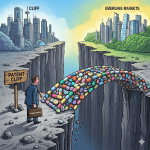
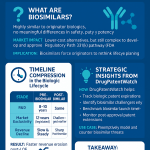
A comprehensive analysis of the patent landscape is essential for evaluating market entry opportunities in the pharmaceutical sector. Patents provide a period of market exclusivity, which is crucial for pharmaceutical companies to recoup their substantial investments in research and development and generate profits.78 However, the expiration of patents can also create opportunities for the entry of generic and biosimilar drugs, which typically offer more affordable treatment options.22 The biosimilars market in the US has been experiencing steady growth, providing opportunities for companies specializing in the development and manufacturing of these cost-effective alternatives to branded biologics.1 By the end of 2024, the FDA had approved a total of 63 biosimilars across 17 different reference products, indicating a maturing market segment.91 Analyzing patent filing trends can also offer valuable insights into future market directions and potential competitive activities within specific therapeutic areas.77 Patent analytics is an increasingly important field, providing tools and methodologies for extracting meaningful information from patent data.78 The United States is currently leading in patent filings related to connected drug delivery devices, highlighting the growing importance of digital health technologies in the pharmaceutical industry.92 A thorough understanding of the patent landscape, including the patent status of existing drugs and the timelines for patent expirations, is crucial for companies to make informed decisions about their market entry strategies, whether it involves developing novel patented drugs or pursuing opportunities in the generic or biosimilar markets.
Monitoring recent approvals by the US Food and Drug Administration (FDA) and the pipeline of promising drug candidates in late-stage clinical trials provides crucial insights into emerging therapeutic areas and potential market entry points. In 2024, the FDA approved 50 new drugs, indicating a continued pace of innovation within the pharmaceutical industry.44 Notable approvals from that year include Imetelstat (RYTELO) for the treatment of certain types of myelodysplastic syndromes, Olezarsen (TRYNGOLZA) for adults with familial chylomicronemia syndrome, and mRNA-1345 (mRESVIA), the first mRNA vaccine approved for respiratory syncytial virus (RSV).57 Continuing into 2025, several drugs have already received FDA approval, addressing unmet needs in various therapeutic areas. These include Nipocalimab-aahu (Imaavy) for generalized myasthenia gravis, Atrasentan (Vanrafia) for reducing proteinuria in adults with IgA nephropathy, Fitusiran (Qfitlia) for preventing or reducing bleeding episodes in hemophilia A or B, Gepotidacin (Blujepa) for treating uncomplicated urinary tract infections, Vimseltinib (Romvimza) for symptomatic tenosynovial giant cell tumor, Mirdametinib (Gomekli) for neurofibromatosis type 1 with symptomatic plexiform neurofibromas, Suzetrigine (Journavx) for moderate to severe acute pain, and Datopotamab deruxtecan-dlnk (Datroway) for unresectable or metastatic HR-positive, HER2-negative breast cancer.31 Additionally, several promising drug candidates are currently in late-stage clinical trials (2024-2025) and are targeting conditions with significant unmet needs. These include Donanemab and Lecanemab for Alzheimer’s disease, KarXT for schizophrenia and psychosis in Alzheimer’s patients, Resmetirom for NASH, Sotatercept, mRNA-1345 (approved in 2024) for RSV, Anktiva, Ensifentrine, Imetelstat (approved in 2024) for MDS, Deucravacitinib (Sotyktu) for psoriatic arthritis, ATH434 for multiple system atrophy, NTLA-2002 for hereditary angioedema, Nexiguran Ziclumeran (nex-z) for ATTR amyloidosis, Retatrutide for obesity and metabolic health, and VX-548 for moderate-to-acute pain.13 Monitoring these recent regulatory outcomes and the progress of late-stage drug candidates can provide valuable insights into which therapeutic areas are experiencing the most innovation and where potential market entry opportunities with strong clinical relevance may lie.
Financial and Strategic Considerations for Optimal ROI
Entering the US pharmaceutical market necessitates a thorough understanding of the financial and strategic considerations that will ultimately determine the return on investment (ROI). Pharmaceutical research and development (R&D) and clinical trials are known to be both expensive and time-consuming endeavors.82 On average, the cost of conducting Phase 1, 2, and 3 clinical trials can range from approximately USD 4 million to USD 20 million.93 Pivotal Phase 3 studies for new drugs seeking FDA approval have a median cost of USD 41,117 per patient.93 The median cost for all clinical trials supporting FDA approval is around USD 19 million, but this figure can vary significantly, from as low as USD 2 million to as high as USD 347 million depending on the complexity and scope of the trial.94 The total cost of developing a new marketable treatment is estimated to be in the vicinity of USD 2 billion 94, and the entire process, from initial research to market launch, can take an average of 10 to 15 years.84 Several factors can influence the costs of clinical trials, including the number of patients enrolled, the number of clinical sites and countries involved, the specific therapeutic area being studied, the type of drug being developed, and the complexity of the required tests and procedures.93 For instance, oncology trials often involve higher costs due to their complexity and the need for specialized procedures.93 Furthermore, the pharmaceutical industry faces high failure rates in clinical development, with only a small fraction of drugs entering Phase 1 ultimately reaching the market.82 In recent years, projected returns on investment in pharmaceutical innovation have also shown a decreasing trend.96 These factors underscore the critical importance of meticulous planning, efficient clinical trial design, and strategic management of product portfolios to maximize the potential for a favorable ROI. The inherent risks associated with drug development necessitate a robust understanding of preclinical data and clearly defined clinical endpoints to improve the likelihood of success.
Developing a well-defined pricing strategy is paramount for achieving optimal ROI in the US pharmaceutical market, which operates under a relatively free pricing system compared to many other developed nations.81 Common pricing approaches include cost-based pricing, competition-based pricing, and value-based pricing.81 Value-based pricing, which takes into account the clinical benefits and health outcomes provided by a drug, is gaining increasing recognition and adoption within the industry.81 Pharmacy Benefit Managers (PBMs) exert significant influence on drug prices and formulary access through their negotiation processes.81 Government regulations, such as the Inflation Reduction Act (IRA), are playing an increasingly important role in shaping drug pricing dynamics.9 For pharmacies, the utilization of drug pricing software and the implementation of effective pricing strategies are crucial for maintaining profitability.97 Innovative financial models, such as financial risk-based contracts and other value-based agreements, are also emerging as mechanisms to improve patient access to medications.98 International reference pricing has been proposed as a potential solution to address disparities in drug prices between the US and other countries.81 It is also important to note that generic drugs are typically priced substantially lower than their brand-name counterparts, reflecting the different R&D and regulatory pathways they undergo.87 When formulating a pricing strategy, pharmaceutical companies must carefully consider factors such as the level of innovation a drug represents, the competitive landscape within its therapeutic area, the payer environment, and the evolving regulatory framework to ensure both market access and a favorable return on investment.
Pharmaceutical marketing and promotion represent a significant expenditure for companies operating in the US market, with billions of dollars spent annually on these activities.99 Direct-to-consumer advertising (DTCA) is permitted in the US and accounts for a substantial portion of the overall marketing budget.99 In 2022, spending on DTCA reached a record high of USD 7.6 billion.101 The trend of increasing digital advertising spend is also evident in the healthcare sector.100 Global healthcare advertising expenditure is projected to grow from USD 44.56 billion in 2025 to USD 67.87 billion by 2033, highlighting the continued importance of promotional activities.100 Studies have indicated a correlation between high marketing spending and increased overall drug expenditure.101 Furthermore, tax write-offs on advertising expenses provide a considerable financial benefit to pharmaceutical companies.99 Notably, research suggests that promotional spending may disproportionately favor drugs that offer low added therapeutic benefit compared to other available options.102 While marketing and promotion are essential for driving market penetration and achieving sales targets for pharmaceutical products, the significant costs associated with these activities, particularly DTCA, necessitate a careful evaluation of their potential ROI. Additionally, the ethical considerations surrounding the promotion of drugs with limited added benefit warrant close scrutiny.
The US pharmaceutical market presents several significant barriers to entry for new companies.82 One of the most substantial barriers is the high cost associated with pharmaceutical research and development.82 Navigating the challenging and often lengthy regulatory approval processes administered by the FDA poses another significant hurdle for companies seeking to bring new drugs to market.82 Even obtaining approval for generic drugs through an Abbreviated New Drug Application (ANDA) can be a complex process.82 Intellectual property challenges, particularly the existence of patents held by established pharmaceutical companies, can restrict the ability of new entrants to market competing products.82 Establishing effective market access and robust distribution networks can also be particularly difficult for companies that are new to the industry.82 Furthermore, developing the necessary supply chain and manufacturing capabilities, including compliance with stringent Good Manufacturing Practices (GMP) regulations, requires substantial capital investment.82 New pharmaceutical companies also face strong competition from generic and biosimilar drugs, which can erode the profitability of their innovative products.82 The economies of scale that large, established pharmaceutical companies have achieved present another barrier, making it challenging for new entrants to compete on cost.84 Finally, the strong brand recognition that many established companies enjoy provides them with a significant advantage in the market.84 To successfully enter the US pharmaceutical market and achieve a better ROI, new companies may need to adopt strategies such as focusing on niche therapeutic areas with unmet needs, embracing innovation and developing differentiated products, forming strategic partnerships and collaborations to leverage existing resources and expertise, and securing diverse sources of funding to support the costly and lengthy development process.
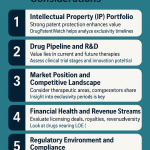
A comprehensive framework for evaluating the potential return on investment for drug market entry should incorporate several key considerations. These include a thorough assessment of the target market’s size and growth potential, the significance of the unmet medical needs being addressed, the intensity of the competitive landscape, the relevant patent situation, the estimated costs and timelines for R&D and clinical trials, the potential for pricing and reimbursement success, the anticipated expenses for marketing and sales activities, and the various regulatory risks involved. A robust financial analysis, including the calculation of net present value (NPV) and internal rate of return (IRR), is also crucial for quantifying the potential financial benefits. Furthermore, a comprehensive risk assessment, which considers factors such as the likelihood of clinical trial success, potential regulatory hurdles, and the anticipated market acceptance of the new drug, should be an integral part of the evaluation process. Employing scenario planning techniques can help in assessing the potential impact of different market conditions and competitive responses on the overall ROI. By carefully considering these financial and strategic factors, pharmaceutical companies can make more informed decisions regarding which market entry opportunities are most likely to yield a better return on their investment.
Targeted Opportunities and Strategic Recommendations
Based on the analysis, several targeted opportunities within the US pharmaceutical market hold significant potential for enhanced return on investment.
Neurological Disorders: The high unmet needs in Alzheimer’s disease and other neurodegenerative conditions, coupled with recent advancements in disease-modifying therapies, present a compelling market entry point. Companies focusing on developing novel treatments that can slow or halt disease progression in Alzheimer’s, or address the debilitating symptoms of conditions like Multiple System Atrophy, could find substantial market success. The ongoing research into tau-targeting therapies and alternative approaches beyond amyloid plaques in Alzheimer’s may yield breakthrough opportunities.
Metabolic Diseases: The burgeoning prevalence of obesity and diabetes continues to drive demand for innovative therapies. While the GLP-1 receptor agonist market is becoming competitive, there is still room for next-generation incretins, oral formulations, and combination therapies that offer improved efficacy, safety, or convenience. The emerging field of NASH also represents a significant opportunity for companies that can develop effective treatments to prevent liver damage and disease progression.
Rare Diseases: The rare disease space, while complex, offers considerable potential due to the often-limited treatment options and the incentives provided through orphan drug designation. Focusing on genetically defined rare diseases with a clear understanding of the underlying pathophysiology can increase the likelihood of developing targeted and effective therapies. Areas such as specific forms of hemophilia, rare cancers, and inherited metabolic disorders represent potential entry points.
Emerging Therapeutic Modalities: Investing in the development and application of emerging modalities like cell and gene therapies, mRNA therapeutics, and antibody-drug conjugates offers the potential for high ROI by addressing previously intractable diseases. While these areas require specialized expertise and significant investment, the transformative potential of these technologies can lead to premium pricing and strong market uptake.
Strategic Recommendations:
Focus on Innovation in High Unmet Need Areas: Prioritize R&D efforts in therapeutic areas with clearly defined and significant unmet medical needs, such as neurodegenerative diseases, certain metabolic disorders, and rare diseases.
Embrace Emerging Modalities: Explore and invest in emerging therapeutic modalities like cell and gene therapy, mRNA technology, and ADCs to develop differentiated and potentially transformative treatments.
Strategic Partnerships and Acquisitions: Consider forming strategic partnerships with or acquiring emerging biopharmaceutical companies that have promising drug candidates or innovative technologies in areas of interest.
Value-Based Pricing Strategies: Develop pricing strategies that reflect the clinical value and health economic benefits of new therapies, which may be increasingly favored by payers.
Efficient Clinical Trial Design: Implement efficient clinical trial designs, including the use of biomarkers and adaptive trial designs, to reduce costs and timelines associated with drug development.
Navigate Regulatory Pathways Effectively: Develop a deep understanding of the FDA regulatory pathways, including those for orphan drugs and accelerated approvals, to ensure timely and efficient market access.
Consider Biosimilar Opportunities: For companies with expertise in biologics, exploring opportunities in the biosimilar market for high-selling biologics facing patent expiration can provide a lower-risk entry point with significant market potential.
Conclusion
The US pharmaceutical market offers substantial opportunities for companies seeking enhanced return on investment. The market’s consistent growth, driven by demographic shifts and increasing disease prevalence, provides a strong foundation for future expansion. Identifying and targeting therapeutic areas with high unmet medical needs, such as neurological disorders, metabolic diseases, and rare conditions, presents the most promising avenues for developing innovative and impactful therapies. The emergence of novel therapeutic modalities like cell and gene therapy, mRNA technology, and antibody-drug conjugates further expands the potential for breakthrough treatments and significant market success. However, successful market entry requires a comprehensive understanding of the competitive landscape, the patent environment, and the financial and strategic considerations involved in pharmaceutical development and commercialization. By focusing on innovation in areas of high unmet need, embracing emerging technologies, adopting strategic partnerships, and navigating the regulatory and pricing landscapes effectively, companies can position themselves to capitalize on the dynamic US pharmaceutical market and achieve a better return on their investment.
Key Tables:
US Pharmaceutical Market Size and Growth Projections (2024-2033)
Year
Market Size (USD Billion)
CAGR (%)
Source
2023
574.37
–
5
2023
602.19
–
2
2024
634.32
–
1
2030
857.44
5.7 (2025-2030)
7
2030
883.97
5.72 (2025-2030)
1
2030
>1000
5.48 (2024-2030)
5
2033
1093.79
6.15 (2024-2033)
2
Therapeutic Areas with High Unmet Medical Needs and Relevant Prevalence Data
Therapeutic Area
Specific Condition
US Prevalence/Incidence
Snippet(s)
Neurological Disorders
Alzheimer’s Disease
15,000 (aged 65+ in DC), 127,000 (aged 65+ in WA)
34
Neurological Disorders
Multiple System Atrophy
1-9 per 100,000, 25,000-75,000 Americans
40
Neurological Disorders
Neurofibromatosis Type 1
1-5 per 10,000
42
Metabolic Diseases
Obesity
~800 million people (global estimate)
16
Metabolic Diseases
NASH
Growing concern
17
Rare Diseases
Hemophilia B
1 in 25,000 male births
45
Rare Diseases
IgA Nephropathy
198,887-208,184 persons (2021)
61
Rare Diseases
Tenosynovial Giant Cell Tumor
1.8-9.2 per 1 million individuals
48
Rare Diseases
Hereditary Angioedema
~6,000 people
50
Rare Diseases
ATTR Amyloidosis
17.4-173.0 per million (2020)
55
Rare Diseases
Myelodysplastic Syndromes
60,000-170,000 people living with
56
Mental Health
Depression
18.5% (adults, 2020)
67
Autoimmune Diseases
Psoriatic Arthritis
0.06-0.25%
72
Promising Drug Candidates in Late-Stage Clinical Trials (2024-2025) Addressing Unmet Needs
National, State-Level, and County-Level Prevalence Estimates of Adults Aged ≥18 Years Self-Reporting a Lifetime Diagnosis of Depression — United States, 2020 | MMWR – CDC, accessed May 8, 2025, https://www.cdc.gov/mmwr/volumes/72/wr/mm7224a1.htm