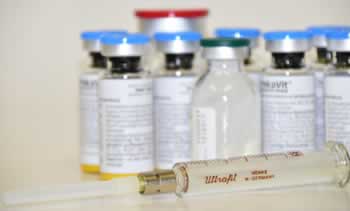
Generic drugs fill 91% of all U.S. prescriptions and generated an estimated $2.44 trillion in cumulative savings over the past decade. That statistic gets cited at every industry conference. What gets cited less often is the mechanism by which that savings figure can vanish: a single data integrity lapse, a flawed bioequivalence study, a botched API sourcing decision, or an overlooked secondary patent can strip a manufacturer of its market access, trigger an import ban, and erase hundreds of millions in shareholder value in a single quarter.
This article is not a compliance primer. It is a technical and strategic analysis of where generic drug manufacturers fail, why they fail, and what the failure pattern looks like to investors, IP counsel, and regulatory strategy teams. It draws on FDA Warning Letters, EMA non-compliance reports, Orange Book filings, Hatch-Waxman litigation records, and enforcement case data to build a risk map that goes deeper than the original source material.
The global generic drugs market reached USD 465.19 billion in 2023 and is forecast to hit USD 779.68 billion by 2033, a CAGR of 5.3%. Within that growth trajectory sits a structural paradox: the very pricing pressure that drives generic drug adoption also constrains manufacturers’ ability to invest in the quality infrastructure that prevents catastrophic compliance failures. Understanding that paradox, and pricing it into investment and IP strategy decisions, is the core purpose of this document.
2. The Economics of the Generic Drug Market: Thin Margins, Concentrated Risk
2.1 The Cost-Quality-Access Trilemma
Generic manufacturers operate on gross margins that routinely fall below 20% for mature small-molecule oral solids, and can compress further under commodity pricing dynamics when multiple ANDAs target the same reference listed drug (RLD). The FDA’s Office of Generic Drugs received 1,280 ANDA submissions in fiscal year 2022 alone. When six or seven manufacturers hold approved ANDAs for the same molecule, price erosion can reach 80-90% within 18 months of first generic entry.
That margin structure has a direct effect on compliance investment. A company generating $200 million in revenue on a 15% gross margin has roughly $30 million to allocate across manufacturing, quality, regulatory, and R&D functions before any return to shareholders. Installing a validated, 21 CFR Part 11-compliant electronic batch record system across three manufacturing sites can consume $8-12 million in a single capital budget cycle. That math explains why legacy paper-based systems persist and why audit trail deficiencies remain a perennial finding in FDA Form 483s.
The USP’s Drug Quality Institute has documented this pressure directly: manufacturers that source APIs from a limited number of low-cost geographies, primarily China and India, do so because the cost differential is not marginal. The average API price differential between domestic U.S. production and Chinese or Indian manufacturing can reach 40-60% on a per-kilogram basis for commodity APIs. Eliminating that differential to reduce geopolitical supply risk is not a rounding error in a generic company’s P&L.
2.2 The Prescription Volume Paradox
Generics account for the majority of prescription volume but a disproportionately small share of pharmaceutical revenue. In the U.S., generic drugs represent roughly 13% of total prescription drug spending despite filling 91% of prescriptions. That inverse ratio is the financial basis for the entire generic business model, and it creates a system in which the drugs most Americans depend on are manufactured by companies with the least financial slack to absorb quality failures or compliance remediations.
The consequence, documented repeatedly in FDA enforcement records, is that smaller generic manufacturers, often those operating single-site facilities with narrow product portfolios, carry disproportionate compliance risk. When a Warning Letter triggers an import ban on a facility that produces 60% of U.S. supply of a given drug, the result is a shortage. FDA data show that manufacturing quality issues are the leading cause of drug shortages for older generic products.
Key Takeaways: Section 2
The generic industry’s low-margin structure is the root cause of chronic underinvestment in quality infrastructure, not operator negligence in isolation.
API price differentials of 40-60% between domestic and offshore sources create rational economic pressure toward supply chain concentration, which compounds regulatory risk.
Single-site manufacturers with narrow portfolios carry the highest compliance-related shortage risk. Investors should model this concentration exposure in portfolio companies.
3. Global Regulatory Pathways: ANDA, EMA, and the Strategic Timing Architecture
3.1 The FDA’s ANDA Pathway: Mechanics and IP Implications
The Abbreviated New Drug Application process, created by the Drug Price Competition and Patent Term Restoration Act of 1984 (the Hatch-Waxman Act), does two things simultaneously. It creates an expedited approval route for generics by allowing reliance on the innovator’s safety and efficacy data, and it creates a structured litigation framework that ties ANDA approval directly to patent status. Understanding both dimensions is essential for IP strategy teams.
An ANDA must certify against each patent the brand manufacturer has listed in the FDA’s Approved Drug Products with Therapeutic Equivalence Evaluations, universally called the Orange Book. The four certification types reflect four distinct legal postures:
Paragraph I certifies no relevant patent exists. Paragraph II certifies the patent has expired. Paragraph III certifies the applicant will not seek approval before patent expiration. Paragraph IV certifies the patent is invalid, unenforceable, or not infringed by the proposed generic product. The Paragraph IV path is the one with commercial teeth.
A Paragraph IV filing is a legal act with immediate consequences. The generic applicant must notify the patent holder within 20 days of the FDA’s acceptance of the ANDA. The patent holder then has 45 days to sue for infringement. If they sue, an automatic 30-month stay on FDA final approval begins, running from the date of the patent holder’s receipt of notice. The first generic company to file a substantially complete ANDA with a Paragraph IV certification and either prevail in litigation or not face a lawsuit within 45 days earns 180-day market exclusivity, during which the FDA cannot approve competing ANDAs for the same drug.
That 180-day exclusivity is the prize driving what the industry calls the race to file. It can be worth hundreds of millions of dollars. For atorvastatin (Lipitor), Ranbaxy’s first-to-file Paragraph IV position was estimated at over $600 million in exclusivity-period revenues before patent litigation delays intervened. For apixaban (Eliquis), the first generic to market in 2026 faced a product with over $11 billion in annual U.S. sales as the base revenue.
IP Valuation Sub-Section: Orange Book Patents as Core Balance Sheet Assets
For innovator companies, Orange Book-listed patents are not merely IP assets, they are revenue-protection instruments with a calculable present value equal to the discounted future cash flows attributable to exclusivity period. A patent covering a $5 billion annual U.S. revenue product with five years of remaining exclusivity carries a theoretical IP value of $15-20 billion in discounted future cash flow (applying standard pharma DCF assumptions of a 10-12% WACC and generic erosion curves that reduce brand revenues by 80-90% within two years of first generic entry).
IP teams at both innovator and generic companies should track Orange Book listings against actual patent claims using this financial lens. Patents listed in the Orange Book that are narrowly drawn, cover only a specific formulation or delivery device rather than the active compound itself, and are approaching expiration represent undervalued entry opportunities for generic manufacturers. Patents that appear broad but have prosecution history estoppel or prior art vulnerabilities represent litigation targets for Paragraph IV challengers.
3.2 The EMA’s Marketing Authorization Pathway
In the European Union, a generic drug application can reach the EMA through the Centralised Procedure under Article 3(3) of Regulation (EC) No 726/2004 if the reference medicine holds a centralized authorization. For nationally authorized reference products, generic applicants can seek Centralised access by demonstrating ‘significant therapeutic, scientific or technical innovation’ or union-level patient interest, a threshold that most standard oral solid generics will not meet.
Data exclusivity in the EU runs for 10 years from the reference product’s initial authorization (extendable to 11 years if the innovator obtains approval for a new indication within the first eight years), with an additional two years of market protection available in some jurisdictions under the ‘8+2+1’ framework. This timeline differs materially from U.S. exclusivity rules and requires separate strategic planning for manufacturers pursuing simultaneous transatlantic generic launches.
The EMA issues its recommendation after a 210-day assessment clock (with clock stops for applicant responses to questions), and the European Commission issues a legally binding marketing authorization decision within 67 days of the EMA recommendation. The regulatory review timeline itself is not the binding constraint in Europe; patent and data exclusivity periods are.
3.3 Divergent Enforcement Architectures
FDA and EMA inspections share the same surface objective, verifying GMP compliance, but differ in structure and consequence in ways that affect manufacturer strategy. The FDA conducts inspections through CDER’s Office of Pharmaceutical Quality and the Office of Regulatory Affairs, with unannounced inspections permitted for domestic facilities and advance notice typically provided for foreign facility inspections (though this has shifted under CDER surveillance programs). An FDA Warning Letter is publicly posted within 15 business days of issuance, creating immediate reputational and investor consequences.
EMA inspections operate through a network of national competent authorities (NCAs), with the EMA coordinating but not directly conducting inspections. Non-compliance reports, which the EMA publishes, reflect findings that NCAs have escalated to a European-level response. The consequence can be a recommendation to revoke or suspend manufacturing authorizations across all EU member states. The speed and public visibility of FDA enforcement generally exceed that of EMA enforcement, though the market access consequences are equivalent.
Key Takeaways: Section 3
Paragraph IV certification mechanics determine the commercial value of the 180-day exclusivity period, the most financially material single event in generic drug market entry.
EU data exclusivity under the ‘8+2+1’ framework runs independently of U.S. Hatch-Waxman rules; transatlantic launch strategies require separate exclusivity calendars.
FDA Warning Letters are public within 15 business days of issuance, creating immediate securities-relevant disclosure events for publicly traded manufacturers.
Investment Strategy: Section 3 Analysts covering generic drug companies should maintain active surveillance of FDA Warning Letter issuances against facilities that represent more than 15% of a company’s ANDA portfolio revenue base. A Warning Letter against a high-revenue facility typically precedes an import ban or consent decree within 6-18 months if uncorrected, and historical stock price declines on Warning Letter issuance average 15-30% in the 30-day window post-publication. The Ranbaxy case, detailed in Section 10, produced an approximately $2 billion reduction in market capitalization before the final $500 million consent decree.
4. The Good Practices Framework: GMP, GLP, and GCP as Competitive Assets
4.1 Current Good Manufacturing Practices: The Regulatory Standard and Its IP Dimensions
The FDA enforces cGMP through 21 CFR Parts 210 and 211. Part 210 establishes minimum requirements applicable to all drug manufacturing. Part 211 specifies requirements for finished pharmaceuticals, covering personnel qualifications, building and facility standards, equipment design and maintenance, production and process controls, laboratory controls, records and reports, returned and salvaged drug products, and stability testing. The ‘current’ in cGMP is not rhetorical: the FDA expects manufacturers to use contemporary systems and technologies, which means that a facility operating on paper batch records and manual HPLC data review is technically non-compliant with contemporary interpretations even if those practices were acceptable under earlier guidance.
The EU GMP framework, codified through Directive 2001/83/EC and Regulation No. 1252/2014, is organized into four parts and 21 Annexes. Annex 1 (sterile manufacturing) underwent a comprehensive revision effective August 2023, introducing new contamination control strategy (CCS) requirements that demand holistic documentation of all contamination risk factors and mitigations across the sterile manufacturing environment. Annex 11 governs computerized systems. The 2023 Annex 1 revision generated widespread remediation activity among sterile manufacturers; companies that had not begun gap assessments by early 2023 faced compliance deficits at inspection.
IP Valuation Sub-Section: cGMP Compliance Status as a Manufacturing Asset Valuation Factor
A manufacturing facility in full cGMP compliance, holding an active FDA registration with no outstanding Warning Letters or consent decree obligations, carries a premium in CDMO transaction valuations and licensing fee negotiations. Conversely, a facility operating under a consent decree, as Ranbaxy’s Paonta Sahib and Dewas sites did from 2012 onward, carries a discount that reflects the cost of remediation, the timeline to reinstatement, and the lost revenue from import bans. In Ranbaxy’s case, the consent decree effectively rendered three Indian manufacturing sites non-exportable to the United States for multiple years, eliminating a material portion of the company’s U.S. revenue base. Sun Pharma’s acquisition of Ranbaxy in 2014 required substantial consent decree liability modeling as part of deal diligence.
IP teams evaluating manufacturing partnerships, acquisitions, or licensing arrangements should treat FDA compliance history as a valuation input. A site with three Warning Letters in the prior five years, even if currently remediated, faces a higher re-inspection risk premium than a clean-history site. That risk differential has a calculable cost: a manufacturing shutdown during remediation for a mid-volume generic product can result in $5-15 million in lost margin per quarter.
4.2 Good Laboratory Practices: Nonclinical Data Integrity and Its Regulatory Exposure
GLP regulations, codified at 21 CFR Part 58, require that nonclinical safety studies submitted in regulatory dossiers be conducted under documented, auditable conditions. The FDA issued its original GLP regulations in 1978 in response to documented falsification of animal study data by industrial toxicology laboratories. The underlying structure has not changed fundamentally: a Quality Assurance Unit independent of study management must audit each GLP study, and the sponsoring company must maintain all raw data, specimens, and final reports for at least two years after the FDA approves the marketing application.
The critical compliance vulnerability in GLP is outsourcing. When a generic manufacturer contracts a nonclinical safety study to a contract research organization (CRO), the sponsor remains legally and regulatorily responsible for the quality of the data. The EMA’s 2022 suspension of approximately 100 generic drugs tied to Synchron Research Services, an Indian CRO, is the most consequential recent illustration: generics approved on the basis of bioequivalence studies that the EMA found methodologically flawed were pulled from European markets regardless of their commercial maturity. Several products had been marketed for years before the CRO’s data deficiencies surfaced in audit.
4.3 Good Clinical Practice: Bioequivalence Studies and Human Subjects Data
GCP, formalized through ICH E6(R3) and enforced by both FDA and EMA, governs the conduct of clinical trials involving human participants. For generic drug manufacturers, the primary GCP-relevant activity is the bioequivalence study, typically a single-dose, fasted and fed, two-period crossover study in healthy volunteers comparing the test product’s pharmacokinetic profile to the RLD’s.
The GCP obligations in this context are not academic. Informed consent procedures, investigator qualification, site monitoring, and data collection all require documented compliance. FDA bioresearch monitoring inspections (BIMO) review BE study conduct directly. Deficiencies found during BIMO inspection can result in the invalidation of BE data submitted in an ANDA, requiring the manufacturer to repeat the study from scratch. Repeated studies on a delayed timeline can cost $2-5 million per study and move market entry timing by 12-24 months.
Key Takeaways: Section 4
The 2023 EU GMP Annex 1 revision imposed new contamination control strategy documentation requirements that many sterile manufacturers were not ready to meet at implementation; facilities with older aseptic processes carry residual non-compliance exposure.
Sponsor liability for CRO-conducted studies is absolute under GLP and GCP: a CRO’s data fraud voids the sponsor’s regulatory submission even when the sponsor had no knowledge of the misconduct.
BIMO inspection findings can invalidate BE study data retroactively, triggering a requirement to repeat pivotal studies. This event typically adds $3-7 million in direct costs and 18-24 months to ANDA approval timelines.
5. Bioequivalence Science: Where ANDA Approvals Are Won and Lost
5.1 The 80-125% Rule: Statistical Standard and Its Scientific Limits
The FDA’s bioequivalence standard requires that the 90% confidence interval for the geometric mean ratio of the test product to the reference product fall within 80.00-125.00% for both AUC (area under the plasma concentration-time curve, representing total drug exposure) and Cmax (maximum plasma concentration, a proxy for absorption rate). This standard, derived from a 20% bioequivalence limit framework established in the 1970s and formalized through the 1980s, has remained the global default despite sustained academic debate about its adequacy for all drug types.
The 80-125% window is wider than most prescribers realize. Two generic products from different manufacturers, each at the limit of the acceptance range but on opposite sides, could have a Cmax ratio to each other of approximately 1.56 (125/80), a difference that can be clinically significant for narrow therapeutic index (NTI) drugs. The FDA has addressed this for specific NTI drugs, including levothyroxine, cyclosporine, tacrolimus, warfarin, and carbamazepine, by requiring tighter equivalence windows or reference-scaled average bioequivalence (RSABE) methods. For the majority of drugs, however, the standard window applies.
A 2023 review of ANDA rejection patterns found that approximately 20% of complete response letters (CRLs) issued by FDA cited inadequate bioequivalence data as the primary deficiency. The most common BE deficiency types were: insufficient sample size or statistical power, failure to conduct a fed-state study when food effect on absorption is clinically plausible, use of a non-representative batch (batch size below 1/10 of commercial scale or 100,000 units), and protocol deviations that were not pre-specified as acceptable in the statistical analysis plan.
5.2 Complex Generics: The BE Roadmap for High-Difficulty Products
The FDA’s designation of ‘complex generics’ reflects a scientific reality: standard PK bioequivalence in healthy volunteers does not fully characterize therapeutic equivalence for products whose mechanism of action depends on local tissue concentration, aerodynamic particle size distribution, formulation structure, or device interaction. Complex generics include locally acting products (nasal sprays, topical creams, ophthalmic solutions), orally inhaled drug products (OIDPs), injectable suspensions, liposomal formulations, and complex oral drug-device combination products.
For each complex product category, the FDA has issued specific product development guidance that defines the evidence package required for ANDA approval. This guidance architecture is worth detailing:
Orally Inhaled Drug Products (OIDPs, e.g., fluticasone/salmeterol MDIs): The FDA requires a device comparability study confirming matched spray pattern, plume geometry, and droplet size distribution; an in-vitro aerodynamic particle size distribution (APSD) study using a cascade impactor to match the RLD’s fine particle fraction; and, for most products, two pharmacokinetic studies (one measuring systemic absorption to demonstrate equivalent deposition and one measuring lung deposition directly using pharmacodynamic endpoints). For combination inhaled products like Advair Diskus (fluticasone propionate/salmeterol), the FDA issued product-specific guidance requiring that generics demonstrate BE for each active component separately across multiple inhalation flow rates, the device design be functionally equivalent to the RLD device (while noting that device patents may require design-arounds), and BE be demonstrated both in the fasted state and under conditions of induced bronchoconstriction. Teva filed an ANDA for a generic Advair Diskus in 2004. It did not receive final approval until 2019 after fifteen years of reformulation iterations and multiple CRLs, at a total development cost estimated at over $100 million. The primary obstacles were device IP and the formulation complexity of the dry powder inhaler blend.
Topical Drug Products (e.g., acyclovir cream, clobetasol propionate ointment): The FDA’s in-vitro release testing (IVRT) and in-vitro permeation testing (IVPT) framework requires that topical generics match the RLD’s drug release rate and penetration profile through a membrane and excised human skin model respectively. For complex vehicle formulations (emulsions, gels with structured polymers), this requires extensive reverse-engineering. The vehicle composition is rarely disclosed in the innovator’s regulatory filing beyond excipient names; concentration and manufacturing process are trade secrets. Achieving equivalent IVRT/IVPT profiles without knowing the innovator’s formulation requires iterative reformulation cycles, each requiring fresh stability data.
Liposomal Formulations (e.g., liposomal doxorubicin, liposomal amphotericin B): The FDA requires characterization of particle size distribution, lamellarity, encapsulation efficiency, and the drug release kinetics in biologically relevant media. For pegylated liposomal doxorubicin (Doxil), the first ANDA applicants filed in the early 2000s; Sun Pharma’s Lipodox did not gain FDA approval until 2012, and that approval came under a drug shortage designation. The technical barriers to entry for liposomal generics effectively function as exclusivity extensions beyond the chemical patent term.
Injectable Suspensions and Protein-Bound Products (e.g., albumin-bound paclitaxel, i.e., Abraxane): For Abraxane (nab-paclitaxel), which carries annual U.S. revenues exceeding $900 million, demonstrating bioequivalence requires establishing that the nanoparticle-albumin binding architecture of the test product matches the RLD’s. The FDA’s guidance requires characterization of particle size, albumin binding kinetics, and pharmacokinetic parameters. The complexity of that package, combined with device and formulation patents held by Abraxis (acquired by Celgene, then BMS), produced a situation where no ANDA was approved until 2022, nearly 17 years after Abraxane’s 2005 launch.
IP Valuation Sub-Section: Complex Generic Pipeline Valuation
A complex generic ANDA in active development represents a risk-adjusted asset with a calculable net present value that varies substantially by product category. An ANDA for a standard oral solid generic with a clear patent expiry horizon and no pending Paragraph IV litigation might carry a development-stage NPV of $5-20 million. An ANDA for a complex inhaled product targeting a $3 billion annual revenue market carries a development-stage NPV of $50-200 million, with a development cost of $30-100 million and a probability of technical success that industry analysts typically estimate at 15-30% for first-time filers without prior device BE experience.
IP teams should treat complex generic ANDA pipelines as distinct asset classes within portfolio valuation models, applying separate probability-adjusted NPV calculations and tracking FDA product-specific guidance publications as signals of regulatory intent.
5.3 Bioequivalence Study Design Failures: A Failure Mode Analysis
The 2019 case documented in the source material, a mid-sized generics firm that received a CRL for an antihypertensive ANDA due to failure to adequately account for food effects, is not unusual. Food effects alter absorption through multiple mechanisms: fat content increases bile salt secretion and micellar solubilization of lipophilic drugs, gastric pH changes alter ionization of weak acids and bases, and gastric motility changes affect dissolution rate and transit time. For BCS Class II drugs (low solubility, high permeability), food effect on Cmax can exceed 50%.
The FDA requires a fed-state BE study for most immediate-release solid oral products unless the applicant can demonstrate, using biopharmaceutics classification system (BCS) criteria and product labeling, that food effect is not clinically relevant. When an applicant misclassifies the food effect risk, the fasted-state BE study passes, the fed-state study was never conducted, and the CRL arrives. The cost, documented as $10 million in the case referenced, reflects not just the additional study but the protocol redesign, site contracting, subject recruitment, analytical method re-validation, and regulatory resubmission cycle.
Failure modes in BE study design fall into several categories beyond food effect omission. Inadequate washout period between crossover periods allows carryover drug concentration to contaminate Period 2 data, violating the independence assumption of the crossover design. Using a non-representative batch, one manufactured at pilot scale in a development formulation that differs from the proposed commercial formulation in any critical quality attribute (CQA), produces a disconnect between the BE data package and the manufacturing process the ANDA describes. Collecting insufficient blood samples around the Cmax time window produces a flat, imprecise AUC estimate that widens the confidence interval and pushes it outside the acceptance range.
Key Takeaways: Section 5
Approximately 20% of ANDA CRLs cite BE data inadequacy as the primary deficiency; the most common correctable failure modes are food effect study omission, insufficient batch representativeness, and protocol deviations not pre-specified as acceptable.
Complex generic products, including OIDPs, topical formulations, liposomally encapsulated drugs, and protein-bound injectables, require product-specific evidence packages that can take 7-15 years and $30-100 million to compile successfully.
The FDA’s product-specific guidance documents for complex generics function as the technical specification for market entry; IP teams and R&D leads should monitor FDA guidance publication calendars as forward indicators of competitive ANDA activity.
Investment Strategy: Section 5 When evaluating generic companies with complex ANDA pipelines, analysts should request disclosure of the specific FDA product-specific guidance documents referenced for each complex product in development, the number of prior CRL cycles received per product, and the batch scale and formulation stage of BE batches. Companies citing complex ANDA pipelines in investor presentations without disclosing CRL history or BE batch status are presenting an incomplete risk picture.
6. Data Integrity: The Enforcement Record and the Real Cost of Failure
6.1 ALCOA++ and Its Gap Between Standard and Practice
The FDA’s ALCOA framework, and its expanded form ALCOA++, requires that all pharmaceutical data be Attributable, Legible, Contemporaneous, Original, and Accurate, with the extended framework adding Complete, Consistent, Enduring, and Available. These principles apply across every data system in the pharmaceutical environment: electronic laboratory notebooks, chromatography data systems (CDS), laboratory information management systems (LIMS), manufacturing execution systems (MES), enterprise resource planning (ERP) platforms, and paper batch records.
The gap between the standard and common practice is persistent and well-documented. FDA Warning Letters routinely cite the same data integrity deficiency categories across manufacturers of different sizes, geographies, and therapeutic categories. Analysis of FDA Warning Letters issued between 2019 and 2025 for pharmaceutical data integrity violations reveals the following deficiency frequency pattern: lack of audit trail coverage or audit trail review (present in over 70% of DI-related Warning Letters); shared user accounts on laboratory instruments (present in approximately 60%); deletion of raw chromatographic data or injection sequences (approximately 55%); use of test injections to identify passing results before recording official injections, sometimes called ‘bracket testing’ or the ‘void and inject’ pattern (approximately 35%); and manual alteration of paper records or batch documents without proper correction procedures (approximately 40%).
6.2 Ranbaxy: The Definitive Data Integrity Case Study
Ranbaxy Laboratories, once the world’s fifth-largest generic drug manufacturer by revenue, pleaded guilty to seven federal criminal counts in May 2013 and paid a $500 million penalty, the largest criminal fine ever levied against a generic drug manufacturer at that time. The underlying conduct included falsification of stability data submitted in ANDAs, manufacture of drugs at unapproved sites that were not disclosed to the FDA, and systematic misrepresentation of bioequivalence study data.
The Ranbaxy case originated with internal documents known as the Self-Assessment Report (SAR), prepared in 2004 by the company’s Director of Regulatory Affairs, Dinesh Thakur. The SAR described, in the company’s own language, that data submitted to regulatory agencies, including the FDA and WHO, had been fabricated, that products were manufactured under conditions inconsistent with approved ANDAs, and that quality failures were concealed rather than investigated. Thakur’s disclosures, which he made to the FDA through his attorney after leaving the company, initiated an investigation that took eight years to reach resolution.
IP Valuation Sub-Section: Ranbaxy’s Consent Decree and Asset Value Destruction
By the time the $500 million penalty was announced in 2013, Ranbaxy’s manufacturing operations in the United States were already severely impaired. The FDA had issued import bans covering products from Ranbaxy’s Paonta Sahib, Dewas, Mohali, and Toansa facilities at different points between 2008 and 2014. Sun Pharma completed its acquisition of Ranbaxy in 2015 for approximately $3.2 billion, a price that reflected both the underlying generic portfolio value and the substantial consent decree liability, ongoing FDA remediation obligations, and reputational damage that had accumulated over eight years of enforcement activity.
The asset destruction arithmetic is instructive for IP valuation purposes. Ranbaxy’s U.S. revenue had peaked at over $1 billion annually before the enforcement cascade. By 2013, import bans had reduced the accessible U.S. product portfolio materially. The consent decree itself required independent certification of all ANDA submissions for a period of years, adding cost and time to every filing. The ANDA portfolio’s IP value, which had been the company’s primary strategic asset, was functionally impaired not because the underlying patents had expired or been successfully challenged, but because the manufacturing compliance failures made the products commercially inaccessible.
6.3 The Synchron Research Services Suspension: CRO Data Integrity and Systemic Risk
In May 2022, the EMA took action to suspend approximately 100 generic drugs that had received European marketing authorization on the basis of bioequivalence studies conducted by Synchron Research Services, an Indian CRO based in Ahmedabad. The EMA’s inspection of Synchron found that bioequivalence studies had been conducted in ways that did not comply with GCP requirements and that data had been manipulated. Products affected included generics from multiple European marketing authorization holders across multiple therapeutic categories.
The Synchron suspension illustrates a structural vulnerability in generic drug compliance that is underweighted in standard risk models: the data integrity of CRO-generated BE studies cannot be assumed. Marketing authorization holders are legally responsible for the accuracy and integrity of all data submitted in their dossiers, regardless of whether that data was generated in-house or contracted to a third party. When a CRO’s entire data archive is suspect, the only path to regulatory resolution is typically re-conducting the affected studies at a compliant facility, requiring the manufacturer to bear the full cost of repeat studies for products that may have been on the market for years.
The commercial impact of the Synchron suspension was severe for the affected marketing authorization holders. Suspensions required product withdrawals from European markets pending submission of compliant BE data. Revenue from suspended products stopped immediately. The cost of repeat BE studies, regulatory resubmissions, and market re-access campaigns was borne entirely by the MAHs. For smaller European generic companies with concentrated product portfolios, the Synchron-related suspensions were existential threats.
6.4 Building Defensible Data Governance Architecture
The technical requirements for a compliant data governance architecture in pharmaceutical manufacturing are specific. Every laboratory instrument that generates data submitted in regulatory dossiers, or used to release commercial product, requires a validated data acquisition system with audit trail capability. The audit trail must be persistent (non-deletable by standard user functions), time-stamped against a synchronized clock, and reviewed at defined intervals as part of quality oversight.
21 CFR Part 11 (Electronic Records; Electronic Signatures) governs the use of electronic records and signatures in the FDA regulatory context. Compliance requires unique user credentials for each system user, role-based access control limiting functions to job-relevant permissions, an audit trail capturing all data creation, modification, and deletion events with original values, and procedures for backup and disaster recovery. The FDA’s 2018 Data Integrity and Compliance With Drug CGMP guidance document provides a question-and-answer framework that clarifies expectations across common scenarios, including laboratory instrument data systems, hybrid systems (paper source records with electronic processing), and audit trail review procedures.
The EMA equivalent is set out in the 2016 reflection paper on data integrity and in EU GMP Annex 11. Where the FDA and EMA diverge is in their treatment of hybrid systems and in the expected frequency of audit trail review. EMA guidance is generally interpreted as requiring more systematic audit trail review as a defined quality control activity, not merely a response to investigations.
Key Takeaways: Section 6
Audit trail deficiencies, shared user accounts, and void-and-reinject chromatographic practices are the top three data integrity findings across FDA Warning Letters for pharmaceutical manufacturers from 2019-2025.
Ranbaxy’s $500 million penalty reflected eight years of accumulated FDA enforcement activity; the underlying asset value destruction from import bans on four facilities likely exceeded $2 billion in total enterprise value impact.
The Synchron Research Services suspension demonstrates that CRO data integrity risk transfers fully to the marketing authorization holder; companies using CROs for pivotal BE studies require robust vendor qualification and in-study monitoring programs that go beyond standard audit questionnaires.
Investment Strategy: Section 6 CRO counterparty selection for BE studies is a due diligence item with direct ANDA portfolio risk implications. Investors in generic companies should ask: how many ANDAs in the company’s approved and pending portfolio used a single CRO for pivotal BE studies? A high concentration of reliance on any single CRO, especially an Indian CRO that has not been recently inspected by the FDA or EMA, represents a portfolio-level data integrity exposure that standard site-level compliance assessments do not capture.
7. Intellectual Property Architecture in Generic Drug Development
7.1 The Orange Book and Its Strategic Logic
The FDA’s Orange Book (formally Approved Drug Products with Therapeutic Equivalence Evaluations) is the central register that links ANDA applications to innovator patents. Understanding what can and cannot be listed in the Orange Book is foundational to IP strategy for both innovator and generic companies.
Orange Book-eligible patents must claim the approved drug product, specifically the active ingredient, drug product (formulation or composition), or approved method of use. Process patents, metabolite patents, intermediate patents, and patents claiming only a manufacturing method are not Orange Book-eligible, even if they are legitimately infringed by a generic product’s manufacturing process. The distinction matters because a non-Orange Book patent can still be the basis for a patent infringement suit against a generic manufacturer, but the suit does not trigger the automatic 30-month stay on FDA ANDA approval. The innovator must seek a preliminary injunction in federal court to halt FDA approval, a higher procedural bar.
Innovator companies have historically pushed the limits of Orange Book listing eligibility. The FDA’s 2003 ‘listing rule’ reforms and subsequent amendments to 21 CFR Part 314 tightened listing standards in response to documented abuse. Pfizer’s listing of a crystalline polymorph patent on Neurontin (gabapentin) was challenged by generic manufacturers and became a significant litigation battleground. Watson Pharmaceuticals successfully challenged Pfizer’s Orange Book listings on multiple occasions, establishing precedents that narrowed the scope of listable composition patents to cover only the specific marketed form.
7.2 The 180-Day Exclusivity Mechanics and Forfeiture Triggers
The 180-day exclusivity period available to the first Paragraph IV filer is not unconditional. The Medicare Modernization Act of 2003 introduced forfeiture provisions that terminate the exclusivity period under defined circumstances. Forfeiture events include: failure to market the generic within 75 days of winning the Paragraph IV litigation or receiving FDA tentative approval (whichever is later); withdrawal of the Paragraph IV certification; failure to obtain FDA tentative approval within 30 months of the ANDA submission date (unless the failure is due to ongoing patent litigation or FDA review issues); a court decision finding the patent invalid or not infringed; and the date 30 months after ANDA submission if no lawsuit was filed.
The forfeiture provisions create tactical complexity. A first-filer that cannot obtain FDA tentative approval within 30 months because of manufacturing compliance issues, a Form 483 response cycle, or a deficient BE package, faces forfeiture of the exclusivity period that its Paragraph IV filing earned. The competitive economics are severe: a second-filer waiting for the first filer to forfeit, then launching simultaneously with a third, fourth, and fifth filer, faces immediate generic competition and price erosion on day one of market entry.
7.3 Authorized Generics and Their Effect on Exclusivity Economics
An authorized generic (AG) is a brand-name drug marketed without the brand name, under an agreement between the innovator and a generic distributor, during the first-filer’s 180-day exclusivity period. The FDA does not require a separate ANDA for an AG because the product is already approved under the innovator’s NDA.
The commercial effect of an AG on the first-filer’s exclusivity economics is significant. When an innovator launches an AG during the exclusivity window, the first-filer competes not against a single market but against the innovator’s full distribution infrastructure and potentially lower pricing from the AG. Academic analysis of markets with and without AG entry during the exclusivity period shows that AG competition reduces first-filer exclusivity period revenues by approximately 40-50% relative to a market without AG entry.
Innovator companies have rational incentives to deploy AGs selectively: in markets where a successful Paragraph IV challenge threatens a large revenue base, the net present value of an AG strategy (retaining some revenue share during exclusivity while cannibalizing the generic challenger’s exclusivity premium) can exceed the value of attempting to maintain brand pricing against an unchallenged generic.
Key Takeaways: Section 7
Non-Orange Book patents, including process patents and intermediate patents, can still support patent infringement suits against ANDA applicants but do not trigger the automatic 30-month FDA approval stay.
The 2003 Medicare Modernization Act forfeiture provisions mean that manufacturing compliance failures that delay FDA tentative approval can cost a first-filer its 180-day exclusivity, with severe economic consequences.
Authorized generic deployments during the exclusivity period reduce first-filer exclusivity economics by approximately 40-50%, a factor that must be modeled explicitly in ROI calculations for Paragraph IV litigation investments.
8. Evergreening: A Technical Roadmap of Lifecycle Extension Tactics
8.1 What Evergreening Is and What It Costs the Market
Evergreening refers to a set of IP and regulatory strategies that innovator companies use to extend effective market exclusivity beyond the expiration of the original compound patent. The compound patent, which covers the active pharmaceutical ingredient itself, typically grants 20 years from the filing date, reduced by the time spent in clinical development to an effective market exclusivity period that the FDA estimates averages approximately 11-12 years for new chemical entities. Regulatory data exclusivity (5 years for new chemical entities, 3 years for new clinical investigations supporting approval) adds to this protection.
Evergreening tactics add additional layers of exclusivity after the original compound patent expires. Academic studies have consistently found that drugs subject to active evergreening strategies maintain effective market exclusivity for 5-10 years longer than their original patent terms would suggest. A 2018 study in JAMA Internal Medicine analyzed 100 best-selling drugs approved before 1989 and found that the median number of patents per drug was 12.5, ranging from 0 to 100. Most of those secondary patents covered formulations, delivery mechanisms, or manufacturing processes, not novel active compounds.
8.2 The Tactical Toolkit: Eight Evergreening Mechanisms
Formulation patents. A new formulation of a known compound, including sustained-release, modified-release, enteric-coated, or extended-release versions, can receive a new composition patent if the formulation produces a non-obvious clinical advantage. AstraZeneca’s transition from omeprazole (Prilosec, patent expired 2001) to esomeprazole (Nexium, the S-enantiomer of omeprazole) extended AZ’s effective exclusivity by positioning esomeprazole as a new chemical entity under a separate NDA. Nexium launched in 2001 and generated over $5 billion in annual peak U.S. revenues. AZ spent approximately $1.2 billion marketing Nexium in the U.S. during its exclusivity period, while Prilosec generics captured the prescription volume for the racemate. The strategy was commercially successful despite widespread criticism from health economists who argued esomeprazole offered no clinically meaningful advantage over generic omeprazole.
Salt and polymorph patents. A specific salt form or crystalline polymorph of an active compound can be patented separately from the free base or amorphous form. Paroxetine hydrochloride hemihydrate (Paxil CR) and paroxetine mesylate (Paxeva) represent salt variants of paroxetine hydrochloride that were used to create distinct IP positions after generic paroxetine HCl became available. Polymorph patents have been litigated extensively: the Novartis patent on the imatinib mesylate beta polymorph (Gleevec/Glivec) was challenged under Indian Section 3(d) provisions prohibiting patenting of new forms of known substances without demonstrated enhanced efficacy, and the Indian Supreme Court’s 2013 rejection of Novartis’ patent application is a frequently cited precedent in pharmaceutical patent policy debates.
Metabolite patents. Active metabolites of known drugs can be patented as new chemical entities if they demonstrate independent pharmacological activity. Fexofenadine (Allegra) is the active metabolite of terfenadine (Seldane), which was withdrawn from the market in 1998 for cardiac safety reasons. Aventis (now Sanofi) held independent patent protection on fexofenadine, creating a new exclusivity period after the parent compound’s market withdrawal. Desloratadine (Clarinex) is the active metabolite of loratadine (Claritin), and Schering-Plough pursued an aggressive patent and marketing strategy for desloratadine immediately prior to loratadine’s patent expiration.
Delivery system patents. Drug delivery systems, including transdermal patches, metered-dose inhalers, auto-injectors, drug-eluting stents, and implantable devices, can carry independent device IP that survives the active compound patent expiration. The Advair Diskus (fluticasone/salmeterol dry powder inhaler) case referenced in Section 5 is the paradigm example: GSK held device patents on the Diskus inhaler mechanism that required generic applicants to design around the delivery system while simultaneously demonstrating bioequivalence, a combination that created a 15-year effective exclusivity extension beyond the active compound patent terms.
Indication patents. Patents covering specific methods of treating a disease using a known compound, granted as use patents, can extend commercial exclusivity for specific indications. Sildenafil (Viagra) lost its compound patent protection in 2012, but Pfizer held a method-of-use patent on sildenafil for pulmonary arterial hypertension (marketed as Revatio) that carried a different expiration date. Generic sildenafil entered the erectile dysfunction market in 2012 but faced Orange Book-listed use patents for the PAH indication that created a more complex generic entry situation for Revatio.
Pediatric exclusivity. Under the Best Pharmaceuticals for Children Act (BPCA), a manufacturer that conducts FDA-requested pediatric studies on an approved drug receives a six-month addition to all existing patents and data exclusivity protections. For a drug with $5 billion in annual revenues, six months of additional exclusivity represents $2.5 billion in protected revenue for a one-time study investment that might cost $50-100 million. The economics are reliably favorable, and pediatric exclusivity has been routinely used as a lifecycle management tool regardless of meaningful pediatric indication.
NCE data exclusivity stacking. When an innovator combines a known active compound with a new active compound in a fixed-dose combination (FDC), the new combination may qualify for 5-year NCE data exclusivity if the new component has not been previously approved. Empagliflozin/linagliptin combinations that create new FDC products from two individually approved diabetes drugs can access this exclusivity if the combination receives approval as a new drug product.
Patent prosecution strategies. Continuation applications allow innovators to pursue additional patent claims on aspects of an invention for years after the original application filing, as long as at least one claim is supported by the original specification. This practice can result in patents with terms that extend well beyond the original compound patent, particularly for biologics and complex formulations with evolving clinical development programs.
8.3 Patent Thickets: Quantitative Analysis and Market Entry Implications
A patent thicket occurs when a single drug product is covered by numerous overlapping patents, each individually potentially valid, which collectively create a litigation risk environment that deters generic entry even after the primary compound patent expires. The quantitative signature of a patent thicket is a high Orange Book listing count per active moiety combined with staggered patent expiration dates spanning multiple years.
Humira (adalimumab), AbbVie’s blockbuster anti-TNF biologic, held over 130 U.S. patents at its peak, covering the antibody sequence, formulation, manufacturing processes, dosing regimens, delivery devices, and methods of use across multiple indications. The last of those patents does not expire until 2034. Biosimilar adalimumab products were approved by the FDA beginning in 2016, but AbbVie successfully used its patent portfolio to delay U.S. biosimilar market entry until 2023, seven years after first biosimilar approval. During that period, AbbVie generated an estimated $200 billion in cumulative global Humira revenues. The 2023 biosimilar entry, combined with AbbVie’s own patent litigation settlements that allowed biosimilar entry on agreed terms, made the Humira patent thicket the most financially consequential evergreening case in pharmaceutical history.
For small-molecule generics, patent thicket analysis requires mapping every Orange Book-listed patent against the generic product’s specific formulation, manufacturing process, and proposed method of use. Freedom-to-operate (FTO) analysis, conducted by patent counsel before significant ANDA development investment is made, should include an assessment of continuation patent prosecution activity by the innovator. An NDA holder that continues filing continuation applications in a family after first generic ANDA filing is signaling an intent to expand the patent barrier in response to the competitive threat.
Key Takeaways: Section 8
Eight distinct evergreening mechanisms, from formulation patents to pediatric exclusivity, can individually add 1-10 years of effective exclusivity; combined, they can extend the practical exclusivity period of a major drug by 15-20 years beyond the original compound patent term.
Humira’s patent thicket, exceeding 130 patents, delayed U.S. biosimilar market entry by seven years post-FDA approval, generating an estimated $40-60 billion in additional U.S. revenue during the delay period.
FTO analysis before ANDA development investment commitment is not optional; it is the risk management function that separates informed market entry timing decisions from expensive infringement litigation surprises.
Investment Strategy: Section 8 Analysts evaluating generic companies targeting drugs with high Orange Book listing counts (above 20 patents per active moiety) should model litigation cost assumptions of $10-50 million per Paragraph IV challenge and adjust probability-weighted NPV accordingly. A generic targeting a drug with 50+ Orange Book-listed patents is essentially planning a multi-year litigation campaign as a prerequisite to market entry, regardless of the technical merits of the individual patent challenges.
9. Global API Supply Chain: Concentration Risk, Regulatory Arbitrage, and Tariff Exposure
9.1 The Geographic Concentration of API Production
Over 70% of active pharmaceutical ingredients consumed in the United States originate from foreign manufacturing facilities. India and China together account for the majority of that foreign API production, with China specifically dominating the production of key starting materials (KSMs) and advanced intermediates that Indian manufacturers use to synthesize finished APIs. The vertical integration of Chinese chemical manufacturing infrastructure into the pharmaceutical supply chain creates a dependency that extends beyond finished API sourcing to the raw material inputs of API synthesis.
A Health Affairs analysis of the U.S. generic API supply chain found that for 156 generic drugs rated as critical by the FDA (i.e., facing shortage risk or no domestic manufacturer), active pharmaceutical ingredient production was concentrated in one or two foreign facilities for 78% of products. That concentration profile means a single GMP enforcement action at one manufacturing site, or a production disruption from a natural disaster, fire, or regulatory suspension, can eliminate U.S. supply of a critical drug within weeks.
The FDA maintains the Drug Shortages database, which captures active shortage events and their stated causes. Manufacturing and quality problems account for approximately 60% of all documented drug shortage causes, consistently outranking demand increases, supply chain disruptions, and voluntary business decisions as shortage drivers. The drugs most frequently in shortage are sterile injectables, products with high manufacturing complexity that concentrate at a small number of specialized facilities.
9.2 Tariff Exposure and Its Effect on Generic Drug Economics
U.S. trade policy actions taken beginning in 2018 and continuing through 2025 have introduced significant tariff exposure on pharmaceutical inputs sourced from China. Section 301 tariffs and subsequent executive orders have affected APIs, KSMs, and pharmaceutical intermediates at various tariff rates. For generic manufacturers dependent on Chinese API inputs, a 25% tariff on key starting materials effectively raises their cost of goods by 10-15% in product categories where the API represents the majority of variable manufacturing cost.
This cost increase, applied to products already operating on thin margins, creates three possible responses: absorb the cost increase and reduce margin, attempt to pass the cost through to pharmacy benefit managers and insurers (an option severely constrained by multi-year formulary contracts and reference pricing), or invest in supply chain diversification and nearshoring of API production. The third option requires capital investment of $20-50 million per API relocation project, timelines of 3-5 years for site qualification and regulatory approval of supplier changes (a Prior Approval Supplement to the FDA for each ANDA affected), and acceptance of an interim period of higher-cost dual sourcing.
9.3 Supply Chain Transparency and Patient Trust
A structural feature of the U.S. generic drug supply chain is the absence of mandatory country-of-origin labeling at the patient level. A patient prescribed a generic medication does not know, and in most cases cannot readily determine, the country where the API was manufactured or the country where the drug product was formulated and packaged. Regulations treat manufacturing location information as commercially confidential in most contexts.
This opacity has attracted criticism from academic researchers and patient advocates. A 2023 PMC review of public attitudes toward generic drug quality found that a significant proportion of patients expressed concern about the geographic origin of their medications, with particular skepticism directed at products manufactured in India and China. That skepticism does not reflect a systematic quality difference supported by FDA compliance data, but it represents a latent demand for supply chain transparency that some manufacturers have begun to address through voluntary labeling programs and domestic manufacturing initiatives.
Key Takeaways: Section 9
For 78% of FDA-designated critical generic drugs, API production is concentrated at one or two foreign facilities; a single enforcement action at one of those facilities can eliminate U.S. supply within weeks.
Manufacturing and quality failures account for approximately 60% of documented U.S. drug shortage causes, making GMP compliance directly relevant to supply security policy debates.
25% Section 301 tariffs on Chinese pharmaceutical inputs create a 10-15% effective cost-of-goods increase for affected generic manufacturers, with limited ability to pass costs through under existing formulary contract structures.
10. Case Studies: Ranbaxy, Synchron Research, McNeil/J&J, Glenmark, Sun Pharma
10.1 Ranbaxy Laboratories: Systemic Data Falsification and the $500 Million Consequence
The Ranbaxy consent decree, reached in 2013, remains the most extensively documented case of systemic pharmaceutical data falsification. The $500 million resolution, which included a $150 million criminal fine and a $350 million civil settlement, resolved allegations covering two parallel violations: ANDA submissions for 30 generic drugs that contained fabricated or manipulated data, and the manufacture of drugs at facilities not disclosed to the FDA in violation of GMP requirements.
The SAR document Thakur prepared in 2004 described practices that were, by his account, institutionally normalized. Stability data were fabricated by projecting expected values rather than measuring actual samples. Bioequivalence studies conducted at unauthorized sites used drug batches that differed from those described in regulatory submissions. The pervasive character of the falsification, spanning multiple product lines and multiple regulatory submissions across multiple jurisdictions including the FDA, MHRA, WHO, and Indian CDSCO, is what distinguishes Ranbaxy from isolated data integrity failures.
IP Valuation Sub-Section: The Ranbaxy Portfolio Post-Consent Decree
Ranbaxy’s ANDA portfolio, at its peak, numbered over 200 approved and pending applications in the United States alone. The consent decree did not void those approvals, but it imposed a certification requirement on all future Ranbaxy ANDA submissions: each application required certification by an independent expert that the data had been generated and submitted in compliance with FDA requirements. That certification requirement added cost, time, and third-party scrutiny to every new submission, materially increasing Ranbaxy’s cost of regulatory capital relative to clean competitors.
Sun Pharma’s 2015 acquisition of Ranbaxy for approximately $3.2 billion priced the ANDA portfolio at a discount to its face value reflecting these liabilities. Post-acquisition, Sun Pharma invested several hundred million dollars in facility remediation across the former Ranbaxy manufacturing sites. The reputational damage, while less easily quantified, affected prescription volume for former Ranbaxy products that were identified in media coverage as having been manufactured under suspect conditions.
10.2 Synchron Research Services: CRO Governance Failure at Scale
The EMA’s May 2022 suspension of 100 generic drugs based on Synchron Research Services bioequivalence data is the largest single CRO-related regulatory action in European pharmaceutical history by product count. The EMA’s inspection of Synchron’s Ahmedabad facility found multiple GCP deficiencies, including protocol deviations that were not recorded or justified, data that appeared to have been altered after the fact, and pharmacokinetic concentration-time data with anomalies inconsistent with normal biological variation.
The marketing authorization holders affected by the Synchron suspension faced a defined remediation pathway: withdraw the product from the EU market and resubmit with new bioequivalence data generated at a compliant CRO. For products with significant EU revenue, the suspension period represented a complete revenue stop during which manufacturing costs, regulatory resubmission costs, and repeat study costs continued. Estimated total economic impact across affected MAHs, including lost revenues during the suspension period, was in the range of €500 million to €1 billion.
10.3 McNeil Consumer Healthcare/Johnson & Johnson: Corporate Cost Pressure and Quality System Collapse
The McNeil Consumer Healthcare recalls of 2009-2011, affecting Tylenol, Motrin, Zyrtec, Benadryl, and other over-the-counter products, involved contamination events, foreign particle findings, subpotency, and the ‘musty odor’ contamination caused by chemical breakdown of a wood preservative (2,4,6-tribromoanisole, TBA) on wooden shipping pallets that transferred to drug product containers.
What the subsequent class-action shareholder litigation revealed, and what distinguishes the McNeil case from a standard manufacturing quality failure, is the alleged role of corporate financial pressure in creating the conditions for failure. The complaint filed on behalf of J&J shareholders alleged that following J&J’s $16.6 billion acquisition of Pfizer Consumer Healthcare in 2007, McNeil was denied adequate capital and staffing to integrate the expanded product portfolio while maintaining existing quality standards. Quality assurance headcount was allegedly cut, capital improvement requests were denied, and the pressure to achieve growth targets set after the acquisition was imposed on a quality organization whose resources had been reduced.
The consent decree that resulted from FDA enforcement action required closure of McNeil’s Fort Washington, Pennsylvania manufacturing facility and mandated independent certification by cGMP consultants before McNeil could resume manufacturing at affected sites. The total financial impact of the recall program, including product withdrawal costs, regulatory remediation, facility shutdown costs, and litigation settlements, has been estimated at over $900 million.
IP Valuation Sub-Section: Brand Equity as Quality-Adjacent IP
McNeil’s core IP assets, including the Tylenol brand, do not appear on the balance sheet at their economic value because brand equity is not a directly measured balance sheet item under U.S. GAAP. But the McNeil recall demonstrated that manufacturing quality failures can impair brand equity in ways that affect revenue for years after the physical recalls are resolved. Tylenol’s U.S. market share declined during the recall period and did not fully recover to pre-recall levels for approximately three years. The brand’s trusted status, built over decades of consistent product quality, was eroded by quality failures that were, in the shareholder complaint’s framing, the foreseeable result of cost-cutting decisions at the parent company level.
For investors, this case makes the argument that quality system investment is not merely a regulatory compliance cost but a brand equity maintenance expenditure with a calculable return.
10.4 Glenmark Pharmaceuticals: Dissolution Failures and Investigation Adequacy
The FDA’s July 2025 Warning Letter to Glenmark Pharmaceuticals Limited cited repeated dissolution failures for multiple drug products, inadequate investigations into out-of-specification (OOS) results, and corrective and preventive actions (CAPA) that lacked sufficient validation before implementation. Specific observations included dissolution failures for which the root cause was not determined despite multiple occurrences, and instances where failed product batches were not formally rejected, a violation of 21 CFR 211.192.
The Glenmark case reflects a pattern seen across multiple Indian generic manufacturers: the OOS investigation process, which requires a Phase I laboratory investigation (looking for assignable cause in test execution) and a Phase II manufacturing investigation (looking for assignable cause in the manufacturing process), is truncated or poorly documented. When dissolution fails repeatedly for the same product and investigations consistently conclude ‘no assignable cause found,’ the conclusion is not that the product has random unexplained failures; it is that the investigation process is inadequate.
10.5 Sun Pharmaceutical Industries: Environmental Monitoring and Aseptic Practice
Sun Pharma’s recurring FDA observations for inadequate aseptic practices and environmental monitoring reflect a systemic challenge in the management of sterile manufacturing facilities. Specific FDA observations have included failure to investigate mold contamination in cleanrooms, liquid dripping from ceilings in stability chambers (creating contamination risk for stability samples), and inadequate media fill program execution.
Sterile manufacturing failures carry particularly high patient risk because contaminated injectable products can cause septicemia, endotoxemia, or particulate embolism directly. The FDA’s enforcement posture for sterile manufacturing deficiencies is correspondingly more aggressive than for non-sterile products. A Warning Letter citing aseptic practice deficiencies at a sterile manufacturing site typically precedes an import ban within 6-18 months if the FDA finds the manufacturer’s response inadequate.
Key Takeaways: Section 10
Ranbaxy’s institutional data falsification, documented in the company’s own internal SAR, demonstrates that data integrity failures can be systemic rather than individual, and that the enforcement timeline from initial evidence to consent decree can span eight years with continuous revenue impairment.
The Synchron suspension shows that European regulatory action can retroactively invalidate marketing authorizations for products that have been on the market for years, creating an economic exposure that standard product liability models do not capture.
The McNeil case establishes legal and reputational precedent for shareholder claims arising from quality failures attributable to resource allocation decisions at the parent company level.
11. Advanced Manufacturing Technologies as Compliance Infrastructure
11.1 Continuous Manufacturing: The Regulatory and Competitive Case
The FDA’s Center for Drug Evaluation and Research (CDER) has actively promoted continuous manufacturing (CM) as an approach that can improve drug quality by eliminating batch-to-batch variability, enabling real-time release testing (RTRt), and reducing the probability of deviation events caused by manual interventions between unit operations. The FDA issued guidance on continuous manufacturing for small-molecule solid oral drugs in 2019. The EMA issued a concept paper and reflection paper series on CM between 2011 and 2020, culminating in the ICH Q13 guideline on continuous manufacturing of drug substances and drug products, finalized in 2022.
For generic manufacturers, the compliance investment case for CM is this: a facility operating a continuous manufacturing line with integrated process analytical technology (PAT) sensors, real-time monitoring of dissolution, assay, and uniformity parameters, and automated deviation detection, generates a defensible compliance record at each moment of production, not just at batch release. The FDA’s inspection posture for facilities with validated CM systems is more favorable because the data architecture built into CM by design addresses the data integrity and process validation deficiencies that drive most Warning Letter findings.
The capital cost of transitioning from batch to continuous manufacturing for a solid oral generic product runs $15-40 million per product line. That investment is not accessible to all generic manufacturers. But for manufacturers with the capital capacity, CM represents both a quality improvement and a competitive differentiation; products manufactured continuously with RTRt generate a regulatory dossier that is more defensible against subsequent inspection challenges.
11.2 Artificial Intelligence in Regulatory Intelligence and Predictive Compliance
Natural language processing applications built on large language models can process the full text of FDA guidance documents, Warning Letters, Form 483 observations, and ICH guidelines to identify emerging regulatory themes and compliance patterns. Regulatory intelligence platforms using these capabilities can flag, for example, a pattern of increased FDA focus on a specific type of contamination control deficiency across multiple Warning Letters over a 12-month period, allowing manufacturers to conduct internal gap assessments against that emerging enforcement theme before their own inspection cycle.
Predictive analytics applications in manufacturing quality can flag batch deviations in real time based on process parameter trends. If a mixing time deviation of 5% above the established normal operating range correlates, in historical data, with a 12% increase in dissolution failure probability for a specific product, a monitoring system trained on that correlation can trigger an investigation before the batch reaches final testing. The financial value of catching a potential OOS event before the batch is released, rather than investigating it retroactively after a failed release test, is direct: a $200,000 batch held and re-investigated costs less than a $200,000 batch recalled after distribution.
11.3 Blockchain Traceability for Supply Chain Compliance
Blockchain-based track-and-trace systems, while still in early adoption for pharmaceutical supply chains, address a specific compliance problem: the audit trail for drug product from API synthesis through final distribution is currently fragmented across multiple systems operated by multiple parties, none of which share a single shared-state record. When the FDA or EMA investigates a quality event that may have originated in the API supply chain, reconstructing the provenance of specific API lots requires document requests to suppliers, third-party laboratories, and distributors, a process that can take months and relies on each party’s own record integrity.
A blockchain-based system in which each participant records lot-level provenance data to a shared immutable ledger would allow regulators and manufacturers to reconstruct the chain of custody for any drug lot in minutes, directly from the ledger. The FDA’s 2023-2027 drug supply chain security roadmap includes track-and-trace as a priority, and the Drug Supply Chain Security Act (DSCSA) requirements for enhanced product tracing at the package level provide the commercial incentive for pharmaceutical supply chain participants to invest in compatible serialization and traceability infrastructure.
Key Takeaways: Section 11
Continuous manufacturing with integrated PAT sensors generates a real-time compliance record that substantially reduces the probability of the batch record documentation deficiencies and OOS investigation failures that drive most Warning Letter findings.
AI-based regulatory intelligence can identify emerging FDA enforcement patterns 6-12 months before they show up as inspection findings in a company’s own facility, enabling proactive gap remediation.
DSCSA track-and-trace requirements create a regulatory mandate for supply chain traceability investment; companies that align their blockchain or serialization investments with DSCSA compliance achieve dual regulatory and supply chain risk benefits.
12. Investment Strategy for Institutional Analysts
12.1 Compliance Risk as a Valuation Variable
Generic drug company valuations in institutional models typically apply sector P/E multiples to projected EPS, with ANDA pipeline counts and exclusivity-period revenue projections as growth inputs. What is less commonly integrated into the base case is a compliance risk adjustment that discounts pipeline NPV for the probability of FDA enforcement events at key manufacturing facilities.
A structured compliance risk adjustment should include: facility-level Warning Letter and Form 483 history over the prior 5 years, weighted by facility’s share of total ANDA portfolio output; the number of pending ANDAs for which manufacturing at non-compliant facilities is required; the company’s data integrity track record across its laboratory systems; and the degree of API supply chain concentration in geographies with elevated enforcement attention from FDA or EMA.
These inputs combine to produce a compliance risk premium that can be applied as a discount to pipeline NPV projections. For a company with three Warning Letter citations in five years at its primary manufacturing site, a compliance risk discount of 15-25% on the pipeline NPV attributable to that facility is a reasonable analytical starting point. For a company with a clean multi-year inspection record and documented investment in advanced manufacturing technologies, a lower or zero risk discount may be appropriate.
12.2 Monitoring Triggers: What to Watch
The following events signal material changes in compliance risk for generic drug companies:
FDA Form 483 issuance: Form 483s are not public documents but their receipt is sometimes disclosed in company filings or earnings calls. Analysts should monitor 8-K filings and earnings transcripts for any reference to FDA inspection activity or receipt of regulatory correspondence.
FDA Warning Letter issuance: Warning Letters are posted to the FDA website within 15 business days. Automated monitoring of FDA Warning Letter postings against a portfolio company’s facility roster is a straightforward surveillance task.
EMA Non-Compliance Report publication: The EMA publishes non-compliance reports on its website; these can be monitored for named manufacturers and facilities.
Orange Book patent expiry calendars: Tracking patent expiry dates for high-revenue branded drugs, combined with ANDA filing data from FDA’s drug approval database, identifies the competitive entry horizon for each generic opportunity and the proximity of first-filer 180-day exclusivity periods.
FDA tentative approval issuances: Tentative approvals signal that a pending ANDA has cleared review but is held back by patent or exclusivity barriers. A company receiving a tentative approval has a defined event horizon for final approval contingent on patent resolution.
Paragraph IV litigation filings: District court complaints arising from Paragraph IV certifications are public records. Tracking the litigation status of key Paragraph IV challenges in a company’s portfolio maps the patent risk exposure and expected resolution timelines.
12.3 The Build, Partner, or Acquire Framework for IP-Intensive Generic Entry
For institutional investors evaluating capital allocation by generic drug companies pursuing complex product categories, the build-partner-acquire framework offers a structured decision lens.
Building a complex generic capability in-house, including device engineering, complex formulation development, and specialized BE study execution, requires 5-10 years of investment and a cumulative R&D spend of $100-300 million before the first complex ANDA is approved. The probability-adjusted return on that investment is high for large-portfolio companies with the capital to sustain the development timeline, and limited for smaller companies for whom a single CRL can extend the development cost cycle by $30-50 million and two or more years.
Partnering with a specialized complex generic developer, either through a co-development agreement or a license agreement on a completed ANDA, allows a generic company to access complex product revenue without the full development timeline risk. The economics of partnering depend on the negotiated royalty and milestone structure, which typically reflects the development company’s clinical and regulatory investment.
Acquiring a complex generic company with an approved ANDA portfolio in the target product category collapses the development timeline to the acquisition close date. The acquisition price, however, will reflect the risk-adjusted NPV of the acquired ANDA portfolio plus a strategic premium for the development capabilities and pipeline. The EV/EBITDA multiples for complex generic-focused acquirees have run 12-18x in recent transactions, reflecting the scarcity of demonstrated complex generic development expertise.
13. Appendix: Regulatory Reference Glossary
ALCOA / ALCOA++: FDA data integrity framework. ALCOA: Attributable, Legible, Contemporaneous, Original, Accurate. ALCOA++: adds Complete, Consistent, Enduring, Available.
ANDA (Abbreviated New Drug Application): FDA application pathway for generic drug approval, established under Hatch-Waxman. Allows reliance on RLD safety and efficacy data; requires bioequivalence demonstration.
AUC (Area Under the Curve): Pharmacokinetic parameter representing total drug exposure over time; one of two primary BE acceptance criteria (with Cmax).
BIMO (Bioresearch Monitoring): FDA program that conducts inspections of clinical investigators, IRBs, and sponsors, including BE study sites.
CAPA (Corrective and Preventive Action): Documented process for identifying root causes of quality deviations and implementing fixes to prevent recurrence.
cGMP (Current Good Manufacturing Practice): FDA manufacturing quality standard, codified at 21 CFR Parts 210/211. ‘Current’ indicates manufacturers must use up-to-date systems.
CRL (Complete Response Letter): FDA communication indicating that a submitted application cannot be approved in its current form and specifying the deficiencies to be addressed.
FTO (Freedom to Operate): Legal assessment determining whether a product can be developed, manufactured, and commercialized without infringing existing third-party patents.
GCP (Good Clinical Practice): International standard for clinical trial design and conduct; ICH E6(R3). Governs bioequivalence studies involving human participants.
GLP (Good Laboratory Practice): Standard for nonclinical laboratory studies; codified at 21 CFR Part 58. Governs study conduct, data recording, and archiving.
Hatch-Waxman Act: The Drug Price Competition and Patent Term Restoration Act of 1984. Created the ANDA pathway and the Paragraph IV certification/litigation system.
NTI (Narrow Therapeutic Index) Drug: A drug for which the therapeutic and toxic dose ranges overlap closely, requiring tighter BE standards.
OOS (Out-of-Specification): A test result that falls outside established acceptance criteria; triggers a mandatory two-phase investigation under 21 CFR 211.192.
Orange Book: FDA publication ‘Approved Drug Products with Therapeutic Equivalence Evaluations’; lists approved drugs and associated patents against which ANDA applicants must certify.
Paragraph IV Certification: ANDA certification asserting that Orange Book-listed patent(s) are invalid, unenforceable, or not infringed; triggers notification requirement and potential 30-month stay.
PAT (Process Analytical Technology): Analytical tools and sensors used to monitor manufacturing processes in real time; central to continuous manufacturing quality control.
RLD (Reference Listed Drug): The FDA-designated innovator product against which a generic ANDA applicant must demonstrate therapeutic equivalence.
21 CFR Part 11: FDA regulation governing electronic records and electronic signatures; sets technical and procedural requirements for compliant data systems.
This document was prepared for informational purposes for pharmaceutical IP teams, R&D strategy groups, and institutional investors. It does not constitute legal or investment advice. All regulatory data and case references are drawn from publicly available FDA and EMA enforcement records, peer-reviewed literature, and publicly filed legal documents.
Sources include: FDA Office of Generic Drugs Annual Reports, FDA Warning Letters (Glenmark Pharmaceuticals, July 2025; Daewoo Pharmaceutical, July 2025), EMA GMP Non-Compliance Reports, Health Affairs doi:10.1377/hlthaff.2022.01120, JAMA Internal Medicine patent lifecycle analysis, ICH E6(R3) GCP guideline, ICH Q13 Continuous Manufacturing guideline, 21 CFR Parts 58, 210, 211, and Part 11, Hatch-Waxman Act (21 U.S.C. sec. 355(j)), FDA Drug Shortages database, and publicly available litigation records.