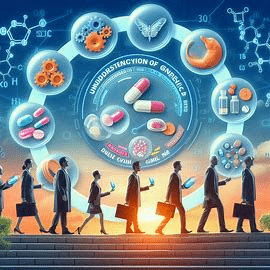
This report chronicles the remarkable 20-year evolution of in silico ADMET (Absorption, Distribution, Metabolism, Excretion, and Toxicity) modeling, highlighting the pivotal role of machine learning (ML) and artificial intelligence (AI) in transforming drug discovery. From rudimentary computational chemistry tools to sophisticated deep learning platforms, these advancements have reshaped how pharmaceutical and biotechnology companies identify, optimize, and prioritize drug candidates.
In silico ADMET has transitioned from a supplementary tool to an indispensable component, dramatically reducing drug development timelines and costs while improving success rates by enabling early identification of liabilities. Today, ML-driven ADMET models are integral, offering high-throughput, cost-effective, and reproducible predictions. The field continues to evolve with emerging technologies like Explainable AI (XAI), quantum computing, and advanced multi-scale modeling, promising even greater efficiency, accuracy, and interpretability in the quest for safer and more effective medicines.
II. Introduction: The Critical Role of ADMET in Modern Drug Discovery
The journey of bringing a new drug to market is a complex and arduous endeavor, fraught with significant challenges. At its core, the success of any therapeutic agent hinges on its interaction with the human body, a multifaceted process governed by its Absorption, Distribution, Metabolism, Excretion, and Toxicity—collectively known as ADMET.1 These five pharmacokinetic and safety parameters are paramount for a drug’s viability and efficacy.
Absorption dictates how much of a drug compound is absorbed by the target organ and the speed of this process, directly influencing its bioavailability and the optimal method of delivery. For instance, the Caco-2 Permeability Assay is a key in vitro test used to predict intestinal permeability, offering insights into oral absorption.1 Distribution describes the drug’s journey through the body following systemic absorption, a process heavily influenced by factors such as plasma protein binding and its removal from circulation by various organs.1 Metabolism involves the rate and mechanism by which a drug is transformed within the body, including whether its metabolites are inert or potentially bioactive and toxic, which can lead to adverse drug-drug interactions.1 Excretion, or elimination, is the process by which the drug and its metabolites are removed from the body, primarily by the kidneys. Understanding excretion pathways is crucial to prevent metabolite accumulation and subsequent toxicity.1 Finally, Toxicity refers to the potential for a compound to cause harm to the organism, with toxicity screens often providing a comprehensive understanding across multiple ADME criteria.1
Historically, drug discovery and development has been a protracted and resource-intensive process, frequently spanning over a decade and demanding investments running into billions of dollars.3 A persistent and critical bottleneck in this traditional pipeline has been the alarmingly high attrition rate of new drug candidates. Current data indicates that approximately 95% of new drug candidates fail at some point during clinical trials, often due to issues related to toxicity or a lack of efficacy.1 Specifically, nearly half of all drug candidates are discarded due to insufficient efficacy, while up to 40% fail due to toxicity concerns.2 The median cost of a single clinical trial stands at $19 million, translating to billions of dollars lost annually by the pharmaceutical industry on failed drug candidates.1
Traditional experimental ADMET evaluation methods are inherently costly, time-consuming, and often necessitate extensive animal testing, which becomes impractical when dealing with the vast numbers of chemical compounds generated in modern discovery efforts.8 Historically, in-depth ADME/T scrutiny was deferred until a limited number of candidate compounds had been identified and their major chemical scaffolds established. This late-stage evaluation made significant structural modifications difficult and costly.8 This disconnect between chemical optimization and ADME/T evaluation frequently led to the dismissal of many candidate compounds that showed excellent in vitro efficacy but possessed poor ‘druggability’ profiles.8
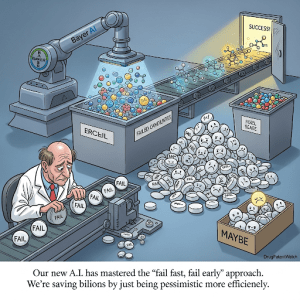
The impracticality and high cost associated with performing intricate and exhaustive experimental ADMET procedures for a myriad of compounds propelled in silico ADMET prediction to become a preferred method in early drug discovery.8 In silico analysis offers a cost-effective and efficient alternative, enabling the identification of potential issues early in the drug development process, long before costly animal and human studies are initiated.4 The overarching goal of rational drug design has thus evolved to fully leverage all ADME/T profiling data to prioritize candidates, embracing the strategic philosophy to “fail early and fail cheap”.8 This parallel optimization of compound efficacy and druggability properties is anticipated to not only enhance the overall quality of drug candidates and their probability of success but also significantly lower overall development expenses.8
The imperative to “fail early, fail cheap” has emerged as a primary driver for the widespread adoption of in silico methods. The pharmaceutical industry has long grappled with the exorbitant costs and high failure rates associated with traditional drug discovery, particularly as compounds advance into later clinical stages.1 The average investment to bring a new molecular entity to market surpassed $2.6 billion in 2024.7 When failures occur late in the pipeline, the accumulated investment is lost, imposing a massive economic burden on companies, costing billions annually.1 The strategic response to this challenge is precisely articulated by the phrase “fail early and fail cheap”.8 In silico ADMET prediction, being inherently high-throughput and low-cost, directly addresses this need by enabling the early identification of problematic compounds. This economic pressure has fundamentally catalyzed the widespread adoption and investment in in silico methods and, subsequently, AI and machine learning technologies. It represents not merely a technological advancement but a vital survival strategy for pharmaceutical research and development. This economic impetus created a fertile ground for computational methods, particularly machine learning, which could process vast amounts of data quickly and at a lower cost, fundamentally shifting the drug discovery paradigm from a purely experimental, sequential process to an integrated, iterative one.
Property
Definition
Significance in Drug Discovery
Key Considerations/Examples
Absorption
How much and how rapidly a drug is absorbed into systemic circulation.
Determines bioavailability and optimal route of administration.
III. The Genesis of In Silico ADMET: Early Principles and Computational Chemistry (Early 2000s)
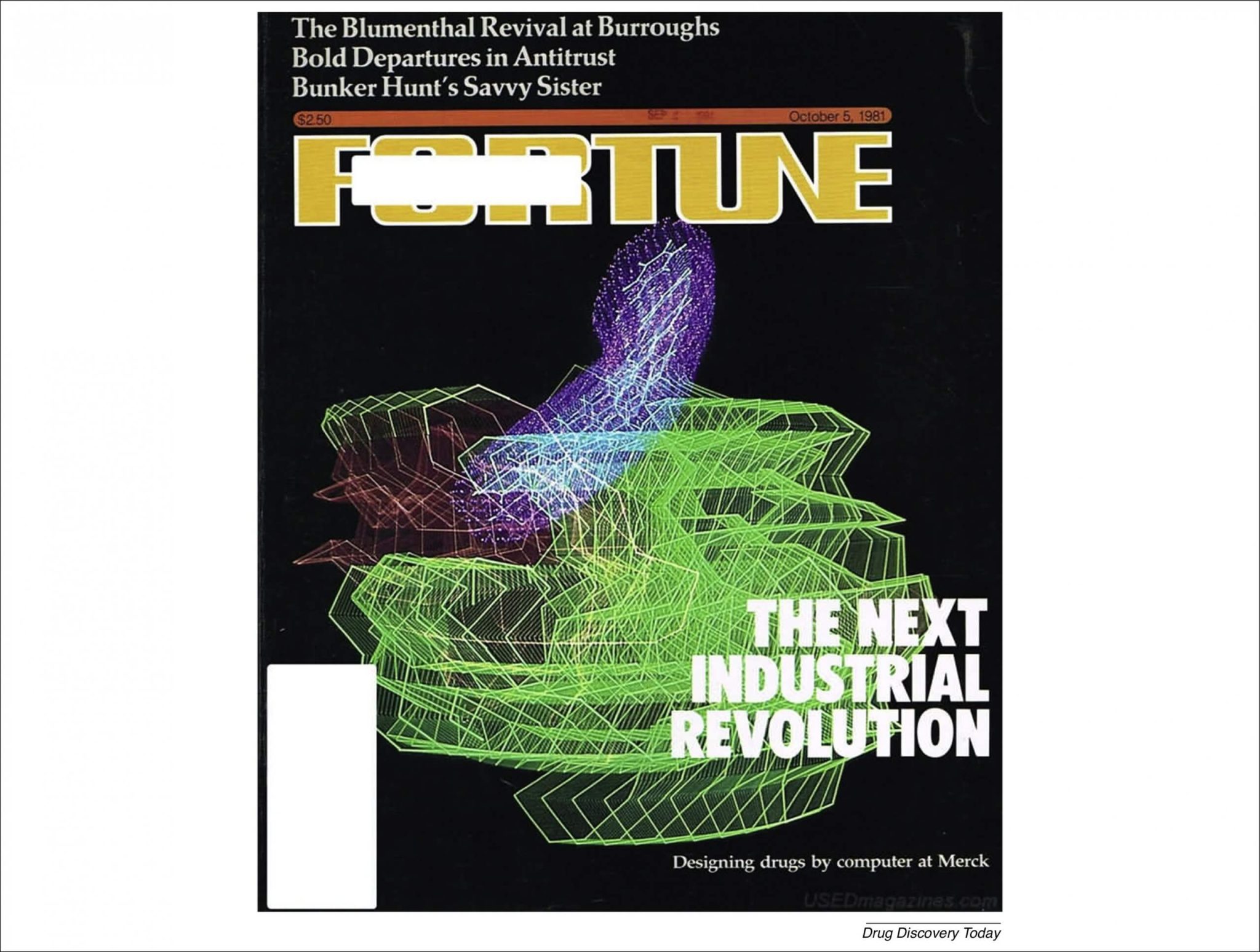
In the early 2000s, the pharmaceutical industry began to seriously consider in silico ADMET modeling as a powerful tool for rational drug design.8 This nascent approach laid the foundation for rational drug design by integrating principles from structural biology, computational chemistry, and information technology.8 Initially, computational methods focused on aspects such as drug target prediction, virtual screening, molecular docking, scaffold hopping, and quantitative structure-activity relationship (QSAR) analyses, particularly in three dimensions (3D-QSAR).8 Ligand-based in silico methods, like pharmacophore models, were also employed to identify crucial structural features responsible for interactions with target molecules.11 These early computational efforts aimed to significantly enhance the efficiency of lead generation and improve the quality of the generated lead compounds.8
A primary impetus for the early adoption of in silico methods was their inherent cost-effectiveness and high-throughput potential. The ability of these models to process large numbers of compounds rapidly and at a lower cost facilitated a more streamlined drug development process.8 This allowed for a parallel investigation of bioavailability and safety alongside activity, thereby guiding the identification of promising hits or their structural optimization from the outset.8 In-silico analysis was explicitly recognized as an efficient and economical means to predict ADME properties, enabling the early identification of potential issues before embarking on costly and time-consuming animal and human studies.11 Pharmaceutical companies, recognizing this value, began routinely implementing early ADMET assessments in the late 1990s. This proactive approach led to a notable reduction in drug failures attributed to ADME and drug metabolism pharmacokinetics, decreasing from 40% to 11%.2
Despite their initial promise, these early in silico tools faced considerable limitations. Structure-based techniques, such as docking and molecular dynamics simulations, had limited applicability in the ADME space due to the promiscuity of many ADME targets and the scarcity of high-resolution 3D structures.11 Similarly, pharmacophore models exhibited limited prospective utility across structurally diverse chemical scaffolds, a consequence of broad ligand specificity and the likelihood of multiple binding sites in numerous ADME targets.11 The overall effectiveness of these early computational tools was highly dependent on their ability to meet the varying needs at different stages of drug discovery, and their predictive accuracy for critical candidate selection was often insufficient.8 Progress in predicting complex pharmacokinetic properties like clearance, volume of distribution, and half-life directly from molecular structure was particularly slow, largely due to a dearth of publicly available data.10 The immense complexity of the human body, characterized by a myriad of interacting parameters and significant interpersonal variations (e.g., gender, age, genetic state, disease), made it impractical to experimentally address each potential parameter separately.2
The evolution of ADMET evaluation marked a fundamental shift from a “post-hoc analysis” approach to one of “early integration.” Historically, in-depth ADME/T scrutiny was often delayed until a limited number of candidate compounds had already been identified, meaning that major chemical scaffolds were well-established.8 This practice created a significant impediment: making substantial structural modifications to address ADMET issues became exceedingly difficult and costly at such a late stage. This “disconnect between chemical optimization and ADME/T evaluation” frequently resulted in many promising compounds, despite demonstrating excellent
in vitro efficacy, being discarded later in development due to poor ‘druggability’.8 This directly contributed to the high attrition rates observed in traditional drug discovery.1 Recognizing this critical flaw, the pharmaceutical industry began to routinely implement early ADMET assessments in the late 1990s.2 This proactive strategy was driven by the economic imperative to “fail early and fail cheap”.8 This strategic pivot necessitated the development of tools capable of providing rapid, cost-effective predictions
at the design stage of new compounds, rather than merely serving as post-synthesis evaluation filters.10 In silico methods, with their inherent high-throughput capabilities, were uniquely positioned to fulfill this demand, making early integration a practical reality. This fundamental shift in strategy—from a reactive problem-solving approach (filtering out problematic compounds after synthesis) to proactive prediction and design (informing synthesis with predicted ADMET properties)—laid the essential groundwork for the indispensable role that high-throughput, accurate in silico methods, and subsequently machine learning, would come to play.
IV. Machine Learning’s Ascent: A Two-Decade Transformation
The past two decades have witnessed a profound transformation in in silico ADMET modeling, largely driven by the relentless ascent of machine learning (ML) and artificial intelligence (AI). This evolution can be broadly categorized into two distinct, yet interconnected, waves: the initial adoption of traditional ML approaches and the subsequent revolution brought about by deep learning.
A. The First Wave: Traditional ML Approaches (2000s – Early 2010s)
The integration of machine learning into ADMET prediction began around 2001, at a time when available datasets were often sparse, sometimes comprising only a few hundred values per endpoint.12 Early ML methods employed for ADMET prediction included Random Forest (RF), Support Vector Machines (SVMs), and Gradient Boosting (GB).5 These algorithms were leveraged to construct predictive models based on measured in vitro and in vivo data from a growing number of compounds.12
A key focus during this period was the establishment of Structure-Activity Relationship (SAR) and Structure-Property Relationship (SPR) data. Computational groups utilized the accumulating experimental data to gain a deeper understanding of the principles underlying specific ADMET endpoints, subsequently developing in silico models as supplementary tools for researchers.12 This process involved representing compounds’ chemical information through molecular descriptors—numerical representations that could be either experimentally determined or computationally generated.2
Bayer Pharma stands as a notable example of pioneering efforts in this domain. Around 2001, Bayer initiated the development of its in silico ADMET platform, with the objective of generating models for various pharmacokinetic and physicochemical endpoints early in the drug discovery process.12 Their primary “work-horse” descriptors from this period were circular extended connectivity fingerprints (ECFP).12 A significant milestone for Bayer was the merger with Schering in 2007, which dramatically increased both the structural diversity and volume of their data, although it also necessitated extensive data harmonization efforts.12 Over time, Bayer’s experience consistently demonstrated that Support Vector Machines and Random Forests were among the most effective algorithms for their applications.12 Importantly, the fundamental aim of these models was not to diminish the overall number of in vitro or in vivo ADMET experiments, but rather to enable scientists to strategically focus their experimental resources on the most promising compounds, thereby optimizing resource allocation and accelerating research.12
The evolution of data quality and quantity proved to be a fundamental prerequisite for the advancement of machine learning in ADMET modeling. Early machine learning endeavors were significantly constrained by the sparsity of data, often limited to only hundreds of values per endpoint.12 This scarcity inherently restricted the complexity and reliability of the models that could be developed. A pivotal moment for data expansion occurred with the merger of Bayer and Schering in 2007, which brought about a substantial increase in structural diversity and data volume.12 Over the subsequent years, Bayer’s pharmacokinetic and physicochemistry assays consistently generated thousands of homogeneous new data points annually.12 This continuous growth in data volume and, crucially, its improved homogeneity, enabled a significant transition: models could move from less precise classifiers to more accurate and preferred regression models.12 The robustness of the underlying dataset is a critical determinant of model performance.12 Addressing inherent data quality issues, such as variations in compound purity, the tendency of lipophilic compounds to adhere to test apparatus, the restricted structural diversity often found in congeneric series, and potential errors in IC50 values stemming from assay miniaturization or automatic curve-fitting, became paramount. Rigorous data preparation steps, including stripping salts, standardizing charges and tautomer states, flattening stereochemistry, removing uncertain data, and aggregating multiple measurements using median values, were essential to mitigate these challenges.12 This progression demonstrates a clear cause-and-effect relationship: the availability of larger, higher-quality, and more diverse datasets directly enabled the development of increasingly sophisticated, accurate, and reliable machine learning models. Without this foundational improvement in data, the advanced algorithmic capabilities that followed would have had limited practical utility. This highlights the symbiotic relationship between robust experimental data generation and the advancement of computational modeling.
B. The Deep Learning Revolution (Mid-2010s Onwards)
The mid-2010s marked the dawn of the deep learning revolution, which has profoundly impacted computational chemistry and ADMET prediction. The past five to ten years have seen a dramatic increase in the application of deep neural networks (DNNs), encompassing architectures such as Fully Connected Neural Networks (FCNNs), Convolutional Neural Networks (CNNs), Recurrent Neural Networks (RNNs), Long Short-Term Memory (LSTM), and particularly Graph Neural Networks (GNNs).12
Deep neural networks are exceptionally adept at multitask learning, a paradigm where a single model learns to predict multiple related properties simultaneously. This capability allows DNNs to extract intricate chemical features without the bias often introduced by predefined fingerprints.12 Their advanced capabilities have facilitated the development of sophisticated regression models for complex endpoints like exposure prediction, which were previously unattainable with classical machine learning approaches.12
Beyond traditional molecular descriptors like Extended Connectivity Fingerprints (ECFP), the field has witnessed the emergence of more advanced representation methods. These include encoding SMILES strings into continuous, reversible chemical spaces, which fosters the generation of novel ideas for lead optimization.12 Graph convolutional networks have been developed to learn atom features in an end-to-end fashion directly from molecular graphs, circumventing the need for handcrafted descriptors. Furthermore, anisotropic atomic reactivity descriptors, derived from quantum mechanical atomic charges, have become crucial for accurate Site-of-Metabolite (SoM) modeling.12 Multitask learning, where models predict multiple ADMET properties concurrently, has consistently demonstrated improved performance over single-task models, especially when the tasks exhibit inherent correlations.15 This approach allows tasks with fewer experimental measurements to benefit significantly from the learned representations derived from more data-rich tasks, enhancing overall predictive power.12
The integration of deep learning has led to substantial improvements in predictive accuracy and generalization capabilities. Machine learning-based models have shown considerable promise, frequently outperforming traditional Quantitative Structure-Activity Relationship (QSAR) models.13 Deep learning models generally surpass Random Forest and similar methods, achieving high accuracy rates, for instance, 74-98% for various toxicological parameters.12 Automated Machine Learning (AutoML) methods have further streamlined the development process by automatically searching for the optimal combination of model algorithms and hyperparameters. This automation has led to the creation of highly effective predictive models; for example, models predicting 11 different ADMET properties have achieved an Area Under the ROC Curve (AUC) greater than 0.8.5 Graph Neural Networks (GNNs) have particularly advanced ADMET property prediction, demonstrating the capacity to process molecular information from substructures to entire molecules without relying on predefined molecular descriptors. This capability has resulted in unprecedented accuracy and the ability to extrapolate predictions to entirely new regions of chemical space.13
The evolution from merely predicting to actively designing molecules represents a core capability enabled by advanced machine learning. In the early stages, in silico methods primarily focused on predicting ADMET properties for compounds that had already been synthesized or identified through other screening methods.2 The primary objective was to filter out undesirable compounds. The advent of deep learning, particularly generative models like Variational Autoencoders (VAEs) and Generative Adversarial Networks (GANs), introduced the revolutionary capability to generate novel molecular structures.4 When these generative models are combined with sophisticated ADMET prediction capabilities, they enable the
de novo design of molecules that are inherently optimized for favorable ADMET properties from the outset.13 This means that medicinal chemists can now design compounds with desired ADMET profiles built-in, rather than simply screening a pre-existing chemical library for favorable characteristics. This represents a fundamental shift from a “reactive filtering” mechanism to a “proactive design” paradigm. Instead of merely identifying liabilities, AI now actively assists in creating drug candidates with significantly reduced liabilities, fundamentally altering the early stages of drug discovery and accelerating the path to viable clinical candidates. This profound shift promises to fundamentally alter the early stages of drug discovery, making the process more proactive and efficient by enabling the creation of “druggable” molecules from the ground up, rather than relying solely on screening and optimization of existing chemical space.
Era/Timeframe
Key Algorithms/Methods
Characteristics/Strengths
Limitations (if applicable)
Impact on ADMET
Early 2000s
QSAR, Molecular Docking, Early Rule-Based Systems
Initial attempts at rational drug design; high-throughput potential; cost-effective screening.
Limited applicability due to target promiscuity; lack of high-resolution 3D structures; limited generalization across diverse scaffolds; slow progress for complex PK properties.8
Enabled early, low-cost prediction; reduced ADME-related failures from 40% to 11%.2
2000s – Early 2010s
Random Forest (RF), Support Vector Machines (SVM), Gradient Boosting (GB)
Handle high-dimensional data; effective for classification; robust against overfitting (RF); competitive performance in classification tasks (SVM); strong predictive power (GB).5
Performance dependent on data quality; struggles with sparse data; need for larger, high-quality datasets.12
Improved accuracy over earlier methods; better focus of experimental efforts on promising compounds.12
Learn complex non-linear relationships; excel at multitask learning; direct feature learning from molecular graphs; unprecedented accuracy; extrapolation to new chemical spaces (GNNs); handle large datasets.12
“Black box” nature (interpretability challenges); computational intensity; data imbalance can affect performance.13
Revolutionized predictive accuracy; enabled regression models for exposure; improved human metabolic stability prediction; de novo molecule design.12
Automate model selection and hyperparameter tuning (AutoML); de novo molecule design with optimized properties (Generative Models + RL); simulate complex molecular interactions at unprecedented scale (QML); provide interpretable insights into predictions (XAI).5
QML is in nascent stage of development; XAI still evolving for complex models; data scarcity and imbalance persist for novel applications.13
Further accelerate drug discovery; enable simultaneous optimization for multiple goals; enhance trust and regulatory acceptance; address previously intractable problems.13
V. Transformative Impact: Efficiency, Cost, and Success Rates
The integration of in silico ADMET modeling, particularly through machine learning, has profoundly reshaped the landscape of drug discovery, delivering tangible benefits in terms of accelerating timelines, reducing costs, and significantly enhancing success rates.
A. Accelerating Drug Discovery Timelines
In silico methods have dramatically compressed drug development cycles. Companies utilizing AI-driven in silico platforms have reported reducing the time to first clinical trials from a traditional six years to as little as two and a half years.4 This acceleration is largely attributed to the efficiency of virtual high-throughput screening (vHTS), which can rapidly assess millions, or even billions, of compounds. This capability allows for the efficient narrowing down of potential drug candidates long before more expensive and time-consuming laboratory assays are initiated.4
Specific examples underscore this transformative speed. Insilico Medicine, an AI-driven company, successfully nominated a preclinical candidate for Idiopathic Pulmonary Fibrosis (IPF) based on a novel target discovered by AI in under 18 months, progressing to human clinical trials within 30 months.21 This achievement represents a mere fraction of the typical cost and time associated with a conventional preclinical program.22 Similarly, Atomwise demonstrated remarkable speed in 2015 by completing a virtual search for Ebola drug candidates in less than one day—a task that would have traditionally required months or even years of experimental work.23
B. Significant Cost Reduction
Computational screening inherently minimizes the number of compounds that require physical synthesis and experimental testing, leading to substantial reductions in research and development (R&D) expenditures.4 Traditional drug development pathways are characterized by extensive, costly, and labor-intensive laboratory experiments and animal studies. In silico approaches significantly mitigate these challenges by eliminating many of these expensive steps in conventional drug development.4
The financial savings are quantifiable and substantial. If research can improve the prediction of a drug’s failure by just 10% before it enters clinical trials, it could translate into savings of approximately $100 million in development expenses for each drug.9 This highlights that the value extends beyond merely saving on early tests; it protects the massive downstream investments in clinical development. The average investment required to bring a single new molecular entity to market surpassed $2.6 billion in 2024, intensifying the demand for predictive simulations that effectively curtail costly late-stage failures.7
C. Enhanced Decision-Making and Reduced Attrition
The combination of high-throughput virtual screening and advanced predictive modeling facilitates a highly data-driven approach to lead optimization.4 In silico methods enable the early identification of potential liabilities, such as off-target effects and adverse ADMET properties. This capability streamlines efficient resource allocation and significantly reduces the likelihood of late-stage failures, aligning perfectly with the “fail early, fail cheap” paradigm.4 By identifying problematic compounds early, pharmaceutical companies can prioritize candidates with more favorable ADMET profiles, thereby increasing the overall probability of clinical success.
A compelling example of this enhanced decision-making is the collaboration between Inductive Bio and Nested Therapeutics. By integrating Inductive Bio’s specialized ADMET models into Nested Therapeutics’ platform, the process of prioritizing designs with optimal drug-like properties was significantly improved. This integration facilitated rapid iteration and optimization of lead compounds, directly addressing critical ADMET challenges such as permeability and metabolic stability.25
D. Industry Adoption and Market Growth
The transformative benefits of in silico ADMET modeling are reflected in its growing adoption and the expanding market. The global in silico drug discovery market was valued at USD 3.61 billion in 2024 and is projected to reach USD 4.07 billion by the end of 2025, with a forecasted growth to USD 7.22 billion by 2030, advancing at a Compound Annual Growth Rate (CAGR) of 12.2%.6 The broader AI in pharma market is experiencing even more exponential growth, increasing from $2.92 billion in 2024 to $3.8 billion in 2025 at a CAGR of 30.1%, and is expected to reach $9.64 billion by 2029.26
The specialized pharma ADMET testing market is also expanding rapidly, estimated at USD 6.38 billion in 2024 and projected to reach USD 7.10 billion in 2025, with a CAGR of 10.0% from 2025 to 2030.27 A landmark decision by the U.S. Food and Drug Administration (FDA) in April 2025 to phase out mandatory animal testing for many drug types signals a significant paradigm shift towards increased reliance on in silico methodologies.29
The compounding effect of early-stage savings on overall R&D investment is a critical aspect of in silico ADMET’s value proposition. In silico methods are inherently low-cost and high-throughput, directly reducing the need for expensive laboratory experiments and animal testing.4 However, the most significant financial impact stems from preventing costly late-stage failures. With approximately 95% of drug candidates failing in clinical trials 1 and the median cost of a clinical trial being $19 million 1, these failures result in billions of dollars in annual losses for the industry. The ability to improve the prediction of drug failure by just 10% before clinical trials can save an estimated $100 million per drug.9 This demonstrates that the value is not merely in saving on early tests, but in safeguarding the massive downstream investments made in clinical development. This profound economic benefit—the ability to “fail early and fail cheap” and protect multi-billion dollar R&D pipelines—is the fundamental reason behind the exponential growth and widespread adoption of the in silico drug discovery and AI in pharma markets.6 It transforms ADMET prediction from a scientific curiosity into a strategic business imperative. The strategic value of in silico ADMET extends far beyond the direct cost of
in vitro or in vivo assays. It acts as a force multiplier, protecting massive downstream investments and fundamentally improving the economic viability and efficiency of drug development. This explains the rapid market growth and increasing industry reliance on these technologies.
Metric
Traditional Approach (Pre-ML/Early In Silico)
AI-Driven In Silico ADMET
Source
Average Drug Development Time to First Clinical Trial
~6 years
As little as 2.5 years
4
Clinical Trial Attrition Rate
~95% overall; up to 40% due to ADMET/PK issues
Reduced significantly; ADME/PK-related failures decreased from 40% to 11%
1
Cost Savings per Drug Candidate (for 10% failure prediction improvement before clinical trials)
VI. Navigating the Hurdles: Challenges in In Silico ADMET Modeling
Despite the remarkable advancements, the field of in silico ADMET modeling continues to face significant challenges that must be addressed for its full potential to be realized. These hurdles span data-related issues, model interpretability, generalization, and regulatory acceptance.
A. Data Quality, Scarcity, and Imbalance
The utility and performance of any in silico ADMET model are fundamentally dependent on the quality and robustness of the underlying datasets.12 Real-world experimental data, which forms the basis for training these models, often presents multiple issues and inherent biases. These include variability in compound purity (frequently less than 100%), the tendency of lipophilic compounds to adhere to test apparatus, restricted structural diversity resulting from congeneric series, and potential errors in IC50 values due to assay miniaturization or automated curve-fitting processes.12
Data scarcity and imbalance remain significant challenges, particularly impacting model performance metrics such as recall and F1 scores. Such limitations can lead to overfitting, where a model performs well on training data but poorly on new, unseen data, thereby hindering its ability to generalize effectively.13 Furthermore, the chemical space relevant to drug discovery frequently shifts from one application to another, leading to potential bias and a lack of generalization when models are applied to novel chemical entities or therapeutic areas.30
B. The “Black Box” Problem: Model Interpretability
A major impediment to the broader adoption of complex AI and machine learning models in critical drug discovery decision-making is their inherent “black-box” nature.4 It is often exceedingly difficult to understand and explain the rationale behind a model’s predictions. This opacity creates substantial hurdles for researchers seeking to gain mechanistic insights into drug-body interactions and for regulatory authorities who require transparency and justification for approval decisions.13 Without clear interpretability, the process of assessing and prioritizing drug targets or compounds becomes cumbersome, as the reasoning behind the AI algorithm’s decisions remains opaque.13
C. Generalization and External Validation
Ensuring that in silico models perform reliably on novel compounds not present in their training data—a concept known as generalization—remains a key challenge, often exacerbated by persistent data scarcity and imbalance.13 Rigorous model evaluation, typically through nested cross-validation (CV) and the use of independent test sets, is crucial for obtaining realistic performance estimates.12 For example, leading pharmaceutical companies like Bayer typically reserve 20% of their data as an external test set, using the remaining 80% for training in a CV setup. They often prefer chronological ‘time-dependent’ CV or ‘leave-cluster-out’ CV for more robust validation, as these methods better simulate real-world application scenarios.12 Studies have indicated that the validity of some existing methodologies (including certain ADMET Predictor software) and their thresholds can be quite low, with predictive accuracy often significantly diminished during the translation from
in vitro to in vivo data.32
D. Regulatory Acceptance and Standardization
Achieving widespread regulatory acceptance for the use of in silico data in drug development decision-making continues to be a formidable challenge.33 Regulatory agencies demand robust proof of a model’s applicability and dependability before fully endorsing its use.33 The “black box” nature of generative AI tools, in particular, can present a significant obstacle to regulatory approval, as transparency is often a prerequisite for building trust and ensuring accountability.34 There is a pressing need to develop standardized protocols for AI model development, validation, and application in toxicology. This includes aligning with existing frameworks, such as the OECD framework for Quantitative Structure-Activity Relationship ((Q)SAR) Assessment, to ensure consistency and reliability across diverse studies and regulatory contexts.34 The European Medicines Agency (EMA)’s review of AI/ML applications highlights the importance of model interpretability and reliability. It also advises caution regarding the prediction of specific endpoints like No Observed Adverse Effect Levels (NOALs) and Lowest Observed Adverse Effect Levels (LOAELs, as their precise definition can impact prediction accuracy.34
The interconnectedness of data quality, interpretability, and regulatory acceptance forms a critical, interdependent feedback loop that shapes the future of in silico ADMET modeling. High-quality, balanced, and diverse data are the fundamental bedrock upon which accurate and generalizable machine learning models are built.12 Conversely, poor data inevitably leads to unreliable predictions. Even when models demonstrate statistical accuracy, if their internal decision-making processes are opaque—the pervasive “black box” problem—researchers struggle to derive scientific insights and, crucially, to trust the predictions.4 This lack of interpretability directly impacts internal adoption and confidence within pharmaceutical companies. Furthermore, regulatory bodies, entrusted with ensuring drug safety and efficacy, are inherently cautious. They demand transparency and demonstrable reliability.33 An uninterpretable “black box” model, regardless of its statistical accuracy, presents a significant hurdle for regulatory acceptance. This implies that data quality, model interpretability, and regulatory acceptance are not isolated challenges but rather form a critical, interconnected system. Improvements in one area often necessitate advancements in the others. For example, enhancing data quality directly improves model reliability, which in turn makes the models more amenable to interpretability techniques, ultimately paving the way for regulatory trust. These challenges are not isolated but form a critical feedback loop. Improving data quality and developing interpretable AI models are not just technical advancements but strategic necessities for broader regulatory adoption and, ultimately, for in silico ADMET to fully realize its potential as a primary decision-making tool rather than just a supplementary one. This also implies a shift in focus for AI development in pharma towards “trustworthy AI.”
Challenge Category
Description of Challenge
Emerging Solutions/Approaches
Data Quality, Scarcity & Imbalance
Real-world data biases (purity, adherence); sparse datasets; imbalanced classes; limited generalization to new chemical spaces.12
Rigorous data curation and aggregation; development of larger, homogeneous proprietary datasets; AutoML for robust model building; collaborative data sharing initiatives (“give-to-get” models).12
Explainable AI (XAI) techniques (LIME, SHAP); attention mechanisms in neural networks; model distillation; focus on “trustworthy AI” principles.17
Generalization & External Validation
Models struggle to perform reliably on novel, unseen compounds; accuracy loss in translating from in vitro to in vivo predictions.13
Advanced validation strategies (nested CV, time-dependent CV, leave-cluster-out CV); focus on models that extrapolate to new chemical spaces (e.g., GNNs); direct in silico to in vivo prediction models (e.g., ANDROMEDA).12
Regulatory Acceptance & Standardization
Lack of standardized protocols for AI model development/validation; “black box” nature hinders approval; need for solid proof of applicability and dependability.33
Development of standardized protocols (e.g., aligning with OECD QSAR framework); emphasis on model transparency and reliability; probabilistic outputs to capture uncertainties; continued dialogue between industry and regulators.34
VII. The Horizon: Future Trends and Emerging Technologies
The trajectory of in silico ADMET modeling points towards an exciting future, characterized by the convergence of advanced AI/ML methodologies with cutting-edge experimental platforms, the nascent promise of quantum computing, and a growing emphasis on explainability and collaborative data ecosystems.
A. Advanced AI/ML Methodologies
The continuous evolution of AI and machine learning promises to further refine ADMET prediction. Automated Machine Learning (AutoML) methods are gaining significant traction, efficiently automating the search for the best combination of model algorithms and optimized hyperparameters. This capability is crucial for developing optimal predictive models for a wide array of ADMET properties, reducing the manual effort and expertise required for model development.5
Beyond prediction, generative models and reinforcement learning are revolutionizing molecule design. Generative AI models, such as Variational Autoencoders (VAEs) and Generative Adversarial Networks (GANs), when combined with Reinforcement Learning (RL), are proving powerful in efficiently designing novel drug candidates with pre-optimized ADMET properties.13 RL algorithms, in particular, can enhance sample efficiency and policy optimization for
de novo drug design, enabling the simultaneous optimization of molecules for multiple therapeutic goals from the outset.13
B. Integration with Experimental Platforms
The future of ADMET prediction lies in the synergistic integration of computational models with advanced experimental platforms. Organ-on-a-Chip (OoC) systems represent a promising new class of in vitro devices designed to mimic in vivo human physiology.37 These microscale devices replicate complex biochemical microenvironments, tissue-tissue interactions, and mechanical dynamics of organs.37 They allow for the study of multiple ADME properties in a single experiment, offering a more physiologically relevant environment than traditional cell cultures.27
The integration of in silico modeling with OoC systems is becoming increasingly sophisticated. Mathematical modeling of OoC systems is essential for optimizing chip microenvironments and designing robust protocols for cell cultures, thereby reducing experimental time and cost.37 Computational modeling becomes critical for accurately estimating
in vitro ADME parameters when multiple different tissues are combined in a single device, necessitating sophisticated in silico data analysis and a priori experimental design.38 Examples include Gut-Liver OoC systems, which encapsulate relevant features for predicting bioavailability and hepatic clearance
in vivo.38
Furthermore, multi-scale modeling approaches are gaining prominence. These strategic data integration methods are increasingly vital as they help to increase the size and diversity of targeted data while simultaneously accounting for variations encountered when merging data from multiple sources.40 Multitasking or multitarget in silico modeling is an advanced strategy that efficiently integrates various types of input data to predict outcomes relating to diverse experimental and theoretical conditions simultaneously.40
The convergence of in silico and in vitro/in vivo approaches represents the next frontier in ADMET prediction. While purely in silico models are powerful, they face inherent challenges in fully replicating the intricate complexity of biological systems.33 There are also documented issues with the direct translation of
in vitro data to in vivo human outcomes.32 Organ-on-a-Chip (OoC) systems provide a more physiologically relevant
in vitro environment by mimicking organ functions and interactions.37 The research highlights the critical need for “sophisticated in silico data analysis and a priori experimental design” for OoC experiments.38 This indicates that computational models are not just predicting for
in vitro results but are actively guiding and interpreting complex in vitro experiments. Moreover, multi-scale modeling aims to integrate diverse data types, including experimental data, to build more holistic and accurate models.40 This convergence represents a strategic move to combine the high-throughput, cost-effectiveness of in silico methods with the biological fidelity of advanced
in vitro systems. The ultimate goal is to generate more accurate, human-relevant predictions, further reducing reliance on traditional animal testing 29 and bridging the “translation gap” from
in vitro to in vivo. This convergence aims to create more physiologically relevant and predictive models by combining the high-throughput, cost-effectiveness of in silico with the biological fidelity of advanced in vitro systems, ultimately leading to more accurate human predictions and further reducing reliance on animal testing.
C. The Promise of Quantum Computing
Quantum computing is emerging as a revolutionary force with the potential to transform drug discovery, enabling researchers to make more accurate predictions about the efficacy of potential therapeutic compounds.18 By combining quantum computers with machine learning algorithms, scientists can simulate complex molecular interactions at an unprecedented scale, potentially unlocking entirely new avenues for drug design and ADMET prediction.18
A novel framework, QCS-ADME (Quantum Circuit Search for Drug Property Prediction with Imbalanced Data and Regression Adaptation), is currently under development to apply Quantum Circuit Search (QCS) specifically to predict ADME properties. This framework is designed to address the unique challenges posed by imbalanced datasets and regression tasks prevalent in the biomedical field. It introduces innovative techniques such as weighted matrices for handling class imbalance and continuous similarity relationships for improved performance in regression tasks.19
D. Explainable AI (XAI) for Trust and Transparency
The growing emphasis on “trustworthy AI” in drug discovery is a crucial trend. A persistent challenge identified in the field is the “black-box” nature of many complex AI models, which makes their predictions difficult to interpret.4 This opacity hinders both scientific understanding and user trust. Regulatory bodies, such as the EMA, explicitly voice concerns about model interpretability and reliability.34 A lack of transparency can limit the adoption of AI in critical decision-making processes and impede regulatory approval.20
Explainable Artificial Intelligence (XAI) directly addresses this “black-box” problem by providing an interpretable understanding of AI model predictions. This enhances transparency and builds crucial trust among researchers and regulatory bodies.4 Techniques such as LIME (Local Interpretable Model-agnostic Explanations) and SHAP (SHapley Additive exPlanations) are powerful tools for explaining individual predictions by highlighting the contribution of each feature to the model’s output.20 XAI methodologies aim to ensure that AI-generated predictions align with established scientific principles and empirical evidence. This alignment is paramount for understanding molecular interactions, identifying key features influencing predictions, and ensuring model robustness.20 This signifies a crucial shift in the AI development paradigm within pharmaceuticals, moving beyond just predictive power to prioritize transparency, accountability, and the responsible integration of AI into critical R&D workflows. “Trustworthy AI” is becoming a strategic imperative for the industry.
E. Collaborative Data Ecosystems
While the pharmaceutical industry has historically been characterized by a strong culture of secrecy regarding proprietary data 25, there is a growing recognition of the immense benefits of pre-competitive collaboration. Initiatives like Inductive Bio’s data consortium exemplify this shift, focusing on “truly pre-competitive areas” such as ADMET optimization. This approach enables data sharing without compromising intellectual property, fostering collective advancement.25 This “give-to-get” model, supported by rigorous cybersecurity and clear legal frameworks, allows AI models to continuously improve as more partners contribute data. This creates a self-reinforcing momentum for advancement across the industry, breaking down traditional silos and accelerating the pace of innovation.25
VIII. Conclusion: The In Silico-Driven Future of Drug Discovery
Over the past two decades, in silico ADMET modeling has undergone a profound transformation, evolving from nascent computational chemistry tools to sophisticated, AI-driven platforms. Machine learning has been the undeniable driving force behind this evolution, enabling unprecedented speed, cost-efficiency, and predictive power in drug discovery. The ability of machine learning to analyze vast datasets, identify complex patterns, and predict critical pharmacokinetic and toxicological properties has made it an indispensable component of modern drug development. It has fundamentally altered the “fail early, fail cheap” paradigm, allowing pharmaceutical companies to make more informed decisions and significantly reduce attrition rates, thereby protecting substantial R&D investments.
The journey of in silico ADMET modeling is far from complete. Future advancements will likely see deeper integration of AI and machine learning with cutting-edge experimental platforms like Organ-on-a-Chip systems, leading to more physiologically relevant and predictive models. The maturation of quantum computing applications holds the promise of tackling previously intractable molecular simulations, unlocking new frontiers in drug design. A strong and growing emphasis on Explainable AI will foster greater trust and regulatory acceptance by demystifying complex AI predictions. Furthermore, collaborative data ecosystems will continue to accelerate progress by pooling pre-competitive insights, breaking down traditional silos and fostering collective innovation across the industry.
These ongoing innovations promise to further streamline the drug discovery pipeline, leading to the faster, more cost-effective development of safer, more efficacious medicines for patients worldwide. The future of drug discovery is undeniably in silico-driven, with machine learning at its core, continually pushing the boundaries of what is possible in pharmaceutical innovation.
Employing Automated Machine Learning (AutoML) Methods to Facilitate the In Silico ADMET Properties Prediction | Journal of Chemical Information and Modeling – ACS Publications, accessed July 16, 2025, https://pubs.acs.org/doi/10.1021/acs.jcim.4c02122