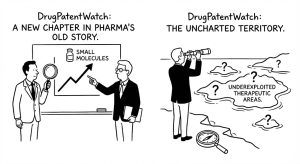
In the age of big data, the world’s collective drug patent databases are the equivalent of satellite imagery for an unexplored continent. They reveal the terrain, show where others have already staked their claims, and, most importantly, highlight the vast, resource-rich territories no one has yet touched. For the pharmaceutical strategist, the goal is not just to map the known world but to find the next frontier. This is not a mere academic exercise; it is a mission critical for survival and growth.
The pharmaceutical industry is facing a perfect storm. A looming patent cliff threatens to wipe over $200 billion in annual revenue from the books of major companies between now and 2030 . This is not a distant threat; it is an imminent reality for blockbuster drugs like Humira, Keytruda, and Eliquis . Compounding this pressure are skyrocketing research and development costs, with the price tag for bringing a single new drug to market now estimated to be well over $2 billion . This confluence of expiring revenue streams and escalating investment risk creates an urgent, existential imperative: find new, commercially viable therapeutic areas to replenish the pipeline. But where, in a world of crowded markets and well-trodden scientific paths, are these opportunities hiding?
They are hiding in plain sight, encoded within the very patent data that defines the current landscape. This report provides a comprehensive, actionable framework for leveraging that data—transforming it from a complex legal archive into a dynamic source of competitive intelligence. We will demonstrate how to systematically identify, evaluate, and validate underexploited therapeutic areas to build a resilient and innovative R&D pipeline for the decade to come. We will journey from the foundational concepts of what patent data is and how to read its strategic language, to advanced analytical techniques like whitespace analysis and innovation velocity. Ultimately, we will show you how to integrate this intelligence with clinical, market, and real-world data to turn a promising signal into a robust, investment-grade business case. The map to the next frontier is already in your hands; it’s time to learn how to read it.
Section 1: The Patent Blueprint: Decoding the Language of Pharmaceutical Innovation
Before we can find the opportunities hidden within the patent landscape, we must first learn to speak its language. A pharmaceutical patent is far more than a legal document; it is the architectural blueprint of a company’s R&D program and its long-term commercial strategy. It reveals not just what was invented, but when, by whom, and for what purpose. Understanding how to decode these blueprints is the foundational skill for any strategist seeking a competitive edge.
Beyond Legal Jargon: What Is Pharmaceutical Patent Data?
At its core, a patent is a strategic asset granted by a government that provides an inventor with a temporary monopoly—typically 20 years from the filing date—in exchange for public disclosure of the invention . In the pharmaceutical industry, this temporary monopoly is the economic engine that justifies the staggering investment required to bring a new medicine to patients. Without it, the incentive to pour billions of dollars into a high-risk, decade-long development process would evaporate .
This public disclosure, however, creates an invaluable trove of strategic information. Patent data is a rich, structured dataset containing critical intelligence points, including:
The Invention Itself: Details on the drug’s active pharmaceutical ingredient (API), its specific formulation, or its novel method of use.
The Innovator (Assignee): The company or institution that owns the patent, revealing who is active in a specific field.
Key Timelines: The priority and filing dates, which start the 20-year patent clock, and the estimated expiration date, which signals the moment of market disruption.
Patent Families: Groups of related patents filed in different countries to protect the same invention globally.
While this information is publicly available, it is notoriously fragmented and difficult to interpret. Compiling a complete patent picture for even a single drug is a complex and resource-intensive undertaking. It requires access to costly subscription databases and a team of highly skilled scientists and patent attorneys to analyze hundreds of documents and navigate the intricate legal language. This inherent complexity is precisely why specialized business intelligence platforms have become indispensable tools for strategic analysis.
The Strategist’s View: Key Types of Pharmaceutical Patents
Not all patents are created equal. A savvy analyst must look beyond the sheer number of patents a company holds and examine the types of patents in its portfolio. The composition of this portfolio tells a story about a company’s innovation strategy, its defensive posture, and its lifecycle management plans.
Composition of Matter Patents: These are the crown jewels of a pharmaceutical patent portfolio. They protect the new chemical entity (NCE) or biologic itself—the core invention. Considered the most valuable and sought-after patents, they are typically filed early in the discovery process and form the foundation of a drug’s market exclusivity. A powerful example is empagliflozin (Jardiance®), which is protected by patents covering both the core compound and its specific, commercially advantageous crystalline forms.
Method of Use Patents: These patents protect a new way of using an existing drug. They are the cornerstone of drug repurposing—finding new indications for established medicines—and a primary tool for extending a drug’s commercial life. The classic case is bupropion; originally patented as an antidepressant (Wellbutrin), it was later granted a new patent for its use in smoking cessation (Zyban), effectively breathing new commercial life into an older molecule.
Formulation & Polymorph Patents: These secondary patents protect the specific delivery system (e.g., an extended-release tablet, an inhaler) or a particular crystalline structure (polymorph) of the API. While the core molecule may be old, a new formulation can offer significant clinical benefits, such as improved patient compliance through once-daily dosing. These patents are often filed later in a drug’s lifecycle to build a defensive “patent thicket” . This strategy can be incredibly lucrative; Pfizer’s patents on novel polymorphs of atorvastatin (Lipitor®) are credited with extending the drug’s market exclusivity by an additional six years, generating billions in additional revenue.
Analyzing the type and timing of these patent filings provides a timeline of a company’s strategy. The 20-year patent term begins from the filing date, yet a drug can take 10 to 13 years to navigate clinical trials and regulatory approval, leaving as little as 7 to 8 years of effective market exclusivity . This immense pressure makes the sequence of patent filings a deliberate act of strategic lifecycle management. The initial composition of matter patent secures the core invention. The subsequent “secondary” patents on new uses, formulations, or polymorphs are designed to build a fortress around the product, extending its commercial runway and delaying the inevitable entry of generic competition .
For the analyst, this means a flurry of recent formulation patents around a 15-year-old drug is not a signal of groundbreaking innovation; it is a defensive signal against an impending patent cliff. Conversely, a new composition of matter patent from a small biotech in a relatively quiet therapeutic area is a powerful, early signal of novel R&D and a potential disruption to the market.
Navigating the Data Maze: Key Patent Information Databases
Given the fragmented nature of patent data, knowing where to look is half the battle. No single database is exhaustive, and each has its own purpose, scope, and audience. Strategists must leverage a combination of resources to build a complete picture.
Public/Partnership Databases: These resources are often created through collaborations between public institutions and industry to increase transparency, particularly for global health and procurement.
WIPO’s Pat-INFORMED: A public-private partnership between the World Intellectual Property Organization (WIPO) and 20 leading biopharmaceutical companies. It provides direct access to patent information for small-molecule drugs in key areas like oncology, diabetes, and cardiovascular disease, primarily to assist procurement agencies in making informed decisions .
Medicines Patent Pool (MedsPaL): A United Nations-backed database focused on increasing access to life-saving medicines in low- and middle-income countries. It provides intellectual property status for key health technologies, including products on the WHO Essential Medicines List and treatments for HIV, Hepatitis C, and COVID-19 .
Advocacy & Research Databases: These are typically created by non-profit organizations or research groups to shed light on specific aspects of the patent system.
I-MAK’s Drug Patent Book: A vital public resource from the Initiative for Medicines, Access & Knowledge (I-MAK) designed to improve transparency. It goes beyond the FDA’s Orange Book to provide a comprehensive list of all patents associated with top-selling drugs in the U.S., revealing the full extent of patent thickets and evergreening strategies that are not otherwise easily visible.
A business strategist must know which tool to use for which question. If the goal is to understand the full competitive shield around a blockbuster drug in the U.S. market, the deep dive provided by I-MAK’s Drug Patent Book is essential. If the focus is on global health and access in developing nations, MedsPaL is the appropriate starting point. Using the right tool for the right strategic question is the first step in an efficient and effective analysis.
Database Name
Primary Sponsor(s)
Scope
Primary Audience
Key Feature
Pat-INFORMED
WIPO, IFPMA
Small-molecule drugs in 6 key therapeutic areas + WHO EML
Procurement Agencies, Ministries of Health
Direct inquiry facility with participating companies
MedsPaL
Medicines Patent Pool (MPP)
Key health technologies (HIV, HCV, TB, COVID-19), WHO EML
Global Health Community, LMICs
Includes data on licenses, not just patents
Drug Patent Book
I-MAK
Comprehensive patent data for top-selling U.S. drugs
Policymakers, Researchers, Lawyers
Maps the full “patent thicket” beyond regulatory listings
Section 2: Mapping the Battlefield: How Therapeutic Areas Are Defined and Organized
To analyze a landscape, you first need a map. In the vast and complex world of medicine, this means using standardized classification systems to bring order to thousands of different diseases, conditions, and drug compounds. Without a common framework and language, any attempt to systematically compare patenting activity across different areas would devolve into chaos. Understanding these classification systems is essential for structuring a rigorous, data-driven search for opportunity.
Creating Order from Chaos: The Need for Classification
Therapeutic areas are, at their core, fields of research and development focused on groups of similar medical conditions . However, how these groups are defined can vary depending on the context. Regulatory bodies, clinical research organizations, and commercial teams may all use slightly different lenses to categorize the world of medicine.
The U.S. Food and Drug Administration (FDA), for instance, organizes its work around a broad “Spectrum of Diseases/Conditions,” with high-level categories like Oncology, Cardiovascular Disease, Neurology, and Psychiatry .
The European Medicines Agency (EMA) uses a similar, though not identical, set of top-level therapeutic areas, including Cancer, Cardiovascular diseases, and Neurodegenerative diseases .
Clinical trial databases often use their own classifications. Definitive Healthcare, for example, tracks trials across 14 major therapy areas, with Cancers, Mental Health, and Nervous System Diseases representing the highest volume of research activity .
Standard-setting bodies like CDISC (Clinical Data Interchange Standards Consortium) develop detailed user guides for specific disease areas, from Alzheimer’s to Virology, to standardize how clinical trial data is represented .
While each of these systems is useful within its own domain, their lack of interoperability presents a challenge for the strategist seeking to integrate data from multiple sources. To conduct a truly global and comprehensive analysis, we need a universal standard.
The Global Standard: The Anatomical Therapeutic Chemical (ATC) System
The most widely accepted global standard for drug classification is the Anatomical Therapeutic Chemical (ATC) Classification System, maintained by the World Health Organization (WHO) . The power of the ATC system lies in its strict, five-level hierarchical structure, which classifies drugs based on the organ or system they act on, as well as their therapeutic, pharmacological, and chemical properties. Each code is a unique identifier that tells a complete story about the drug’s classification.
Let’s break down the hierarchy with a concrete example for the diuretic drug furosemide:
Level 1 (Anatomical Main Group): A single letter representing the major organ system.
Example: C – Cardiovascular system
Level 2 (Therapeutic Subgroup): Two digits defining the primary therapeutic group.
Example: C03 – Diuretics
Level 3 (Pharmacological Subgroup): A single letter defining the pharmacological mechanism.
Example: C03C – High-ceiling diuretics
Level 4 (Chemical Subgroup): A single letter defining the chemical class.
Example: C03CA – Sulfonamides
Level 5 (Chemical Substance): Two digits specifying the individual chemical substance.
Example: C03CA01 – furosemide
This hierarchical structure provides incredible analytical flexibility. An analyst can conduct a very broad search at Level 1 (e.g., all cardiovascular drugs) or a highly specific one at Level 5 (e.g., only furosemide). It’s also important to note a key nuance: a single drug can have multiple ATC codes if it’s used for different indications. For example, acetylsalicylic acid (aspirin) has a code as a platelet inhibitor (B01AC06) and another as an analgesic (N02BA01). This feature is particularly useful for tracking drug repurposing activities.
The true strategic value of the ATC system, however, extends far beyond simple classification. In a world of data silos, the ATC code acts as a powerful “Rosetta Stone.” Patent data is often categorized using patent-specific classifications like the Cooperative Patent Classification (CPC). Clinical trial data may use Medical Subject Headings (MeSH). Sales and marketing data often rely on proprietary commercial categories. Epidemiological data, which tracks disease prevalence, uses the International Classification of Diseases (ICD). These different languages prevent seamless integration.
The ATC code provides the bridge. By mapping drugs from patent filings, clinical trial records, sales reports, and scientific literature to their corresponding ATC codes, an analyst can unify these disparate datasets into a single, coherent analytical framework. This unification is the key that unlocks a higher level of strategic inquiry. It allows a business development team to move beyond simple questions like “How many patents are there in oncology?” to far more powerful, integrated questions like: “Show me all Level 2 ATC therapeutic areas that exhibit high disease prevalence (from epidemiological data), low patent filing velocity (from patent data), and a small number of assets in Phase III trials (from clinical trial data).” The ATC code is the linchpin that makes this sophisticated, multi-dimensional analysis possible.
Section 3: Defining the Prize: What “Underexploited” Truly Means
Having mapped the terrain, our next task is to identify the most promising targets for exploration. In our quest, the term “underexploited” is our guiding star. But what does it truly mean? A common mistake is to define it too narrowly, assuming it simply refers to diseases with no available treatment. While that is certainly one form of an underexploited area, the reality is far more nuanced. A true opportunity exists where there is a significant Unmet Medical Need (UMN), a concept defined differently by regulators, payers, industry, and, most importantly, patients. To identify a genuine prize, we must synthesize these perspectives into a robust, multi-dimensional framework.
Beyond “No Treatment”: The Multifaceted Nature of Unmet Medical Need (UMN)
The concept of UMN is central to drug development and is used to direct investment and prioritize research . However, its definition is not standardized and often depends on who is asking the question.
The Regulatory View: Regulators often define UMN in the context of specific programs designed to incentivize development. The EU’s Orphan Regulation, for example, doesn’t require a complete absence of treatment. Instead, a new drug can qualify if it offers a “significant benefit” over existing therapies, which is defined as a “clinically relevant advantage or a major contribution to patient care”. Similarly, a Conditional Marketing Authorisation can be granted to meet a UMN if a product offers a “major therapeutic advantage” over what’s currently available. The EU’s proposed pharmaceutical reform aims to tighten these criteria further, linking incentives like additional market exclusivity to treating a “life threatening or severely debilitating condition” and producing a “meaningful reduction in disease morbidity or mortality” . This regulatory lens is critical because it directly ties the definition of UMN to tangible commercial incentives.
The Industry View: From an industry perspective, while the absence of any treatment is a clear signal of UMN, it’s not the only one. Key industry stakeholders emphasize the importance of considering factors like disease severity, the overall burden of illness, and the impact on the quality of life for both patients and their families and caregivers . A disease might have a treatment, but if that treatment is poorly tolerated, difficult to administer, or only marginally effective, a significant unmet need still exists.
The Patient View: For patients, the definition of UMN is deeply personal and often emotional . It may have little to do with mortality statistics and everything to do with daily life. As one patient advocate noted, “unmet medical needs cover many different realities for patients” . A treatment that reduces debilitating side effects, offers a less invasive route of administration (e.g., a pill instead of an infusion), or allows a person with a chronic condition to maintain their daily activities can address a profound unmet need, even if it doesn’t extend life. This is why patient groups have voiced concerns that the proposed EU definition is too narrow, as it ignores these crucial quality-of-life dimensions and may not recognize innovations for conditions like migraines or diabetes as addressing a UMN .
A Practical Framework for Assessing Opportunity
To move from these varied definitions to an actionable business strategy, we need to synthesize them into a practical framework. A therapeutic area is truly “underexploited” not just because it meets one criterion, but because it scores highly across a range of factors that, together, build a compelling case for investment. We propose a multi-factor framework for evaluating and comparing potential opportunities.
Core Assessment Criteria:
Clinical Gap: This is the foundational question. Is there no satisfactory method of diagnosis, prevention, or treatment? If treatments do exist, can a new approach offer a significant and clinically meaningful benefit over the current standard of care?
Disease Burden: How severe is the condition in terms of morbidity and mortality? What is the impact on patients’ quality of life, daily functioning, and the well-being of their caregivers?
Patient Population & Market Size: What is the size of the affected population? This includes both common diseases and rare or “orphan” diseases (defined in the U.S. as affecting fewer than 200,000 people) . The size of the population directly relates to the commercial viability of the opportunity.
Scientific Tractability: Is the underlying biology of the disease well understood? Are there validated molecular targets or pathways to pursue? A white space may exist simply because the science has been too challenging to crack . Recent breakthroughs in understanding a disease’s mechanism can suddenly turn an intractable problem into a prime opportunity.
Commercial & Competitive Landscape: Beyond the patent landscape (which we will cover next), what is the market attractiveness? This includes factors like potential pricing, reimbursement pathways, and the intensity of non-IP competition .
By scoring potential therapeutic areas against these criteria, a cross-functional team—blending insights from R&D, commercial, and regulatory affairs—can move beyond siloed thinking. This approach creates a holistic view that balances pure scientific interest with market reality. It allows for a more objective comparison between, for example, a rare disease with a very high clinical gap and scientific tractability versus a more common disease with a moderate clinical gap but a much larger potential market. It transforms the vague concept of “unmet need” into a structured, data-driven decision-making tool.
Assessment Criterion
Therapeutic Area A: Rare Neurological Disorder
Therapeutic Area B: Sub-type of Chronic Pain
Therapeutic Area C: Common Metabolic Condition
1. Clinical Gap
5/5: No approved treatments exist. High unmet need.
4/5: Existing treatments have significant side effects and are ineffective for ~40% of patients.
3/5: Multiple treatments exist, but adherence is low due to dosing regimen. Opportunity for improved formulation.
2. Disease Burden
5/5: Rapidly progressive and fatal. Extremely high impact on patients and caregivers.
3/5: Not life-threatening, but severely impacts quality of life and ability to work.
4/5: High long-term morbidity (cardiovascular complications) and significant healthcare system cost.
3. Patient Population
2/5: Orphan disease with a small, well-defined patient population.
4/5: Large patient population, but fragmented and difficult to diagnose accurately.
5/5: Very large, growing patient population with clear diagnostic criteria.
4. Scientific Tractability
4/5: Recent genetic discoveries have identified a clear, druggable target.
2/5: Underlying mechanisms of pain are poorly understood, making target identification difficult.
4/5: Well-understood metabolic pathways with multiple validated targets.
5. Commercial Landscape
3/5: High pricing potential due to orphan status, but small market size.
3/5: Crowded market with established generics, making differentiation difficult.
2/5: Highly competitive market with significant pricing pressure from payers.
Total Score
19/25
16/25
18/25
Strategic Conclusion
High-risk, high-reward opportunity. Strongest alignment with UMN definitions. Ideal for a specialized biotech.
Moderate opportunity, but significant scientific risk. Success depends on a true breakthrough in mechanism of action.
Large market, but high competitive intensity. Best suited for an incremental innovation (e.g., new formulation) by an established player.
Section 4: The Analytical Toolkit Part 1: Patent Landscaping & Whitespace Analysis
With a clear framework for what constitutes a prize-worthy “underexploited” area, we can now turn to the practical tools for finding one. The first and most fundamental techniques are patent landscaping and its direct descendant, whitespace analysis. These methods allow us to move from a high-level understanding of a therapeutic area to a granular, data-driven map of the competitive and innovation terrain.
Patent Landscaping: Charting the Competitive Terrain
Patent landscaping is the process of conducting a comprehensive analysis of patent data to create a snapshot of a specific technology field . Think of it as creating a topographical map of the innovation landscape. A well-executed landscape analysis can reveal:
Who the key players are: Which companies and academic institutions are filing the most patents in this space?
Technological trends: What specific mechanisms of action, molecular targets, or drug modalities (e.g., small molecules, biologics, gene therapies) are being patented?
Geographic focus: Where is the innovation happening (i.e., where are the inventors located) and where are companies seeking protection (i.e., in which countries are they filing patents)?
Evolution over time: Is patenting activity in this area accelerating, plateauing, or declining?
This analysis is the essential first step in evaluating any therapeutic area. It moves beyond anecdotes and assumptions to provide a data-backed picture of the competitive environment. By identifying the patterns within these patent resources, a strategist can gain powerful insights into the market trends and R&D priorities of the entire industry . It answers the fundamental question: “How crowded is this space, and what are the dominant strategies of the players already here?”
Whitespace Analysis: Finding Opportunity in the Gaps
While patent landscaping maps the known world, whitespace analysis is the tool we use to find the uncharted territories. A “white space” is a gap in the landscape—an area within a broader technology field that has little to no patenting activity. These gaps represent potential “first-to-market” opportunities where a company can innovate with less direct IP competition .
The process of whitespace analysis is a systematic hunt for these gaps:
Map the Known: The process begins with a broad patent landscape of the therapeutic area of interest (e.g., all patents related to immuno-oncology).
Identify the Gaps: The next step is to systematically slice and dice this landscape to find areas of low patent density. This can be done by cross-referencing the patent data with other classification systems. For example, one could map all immuno-oncology patents against a list of known cancer targets. The targets with high clinical relevance but a low number of associated patents would represent a potential white space.
Investigate the “Why”: This is the most critical step. A white space is not automatically a golden opportunity. It could be empty for a very good reason. Is the biology of the target too difficult? Was there a history of clinical failures that scared off investment? Or is it a genuinely overlooked area where new scientific understanding has created a viable path forward? Answering this question requires supplementing the patent analysis with a deep dive into scientific literature and clinical trial history.
A fascinating strategic layer emerges when we consider the dual meaning of “white space” in the pharmaceutical industry. In the context of intellectual property, it means a lack of patents . However, in the world of clinical operations, “white space” refers to the time that elapses between phases of a clinical trial—delays that can extend the development process by months or even years and drive up costs . An ideal opportunity often lies at the intersection of these two concepts. For example, identifying a new use for an already-approved drug is a form of IP whitespace analysis. This opportunity is particularly attractive because the drug’s established safety profile can dramatically reduce the time, cost, and risk of clinical development, effectively shrinking the operational whitespace . The most powerful opportunities are not just unpatented; they also offer a faster, de-risked path to market.
Section 5: The Analytical Toolkit Part 2: Measuring Innovation Velocity
A static map of the patent landscape, while essential, is ultimately a lagging indicator. It tells you where the industry has been, not necessarily where it is going. To gain a predictive edge, we need to move from static analysis to dynamic measurement. We need to measure the momentum of innovation. This is the concept of Innovation Velocity—a powerful metric that tracks the rate of change in patenting activity to reveal where R&D investment is flowing and which fields are heating up.
Beyond Static Counts: Why the Rate of Change Matters
Imagine you are evaluating two potential therapeutic areas. Area A has 1,000 existing patents, while Area B has only 200. A simple, static analysis might suggest that Area B is less crowded and therefore more attractive. But what if 800 of the patents in Area A were filed over a decade ago, with only a handful filed in the last two years? And what if all 200 patents in Area B were filed in the last two years?
This changes the strategic picture entirely. Area A is a mature, perhaps stagnant, field. Area B is a “hot” area experiencing an explosion of R&D activity. The absolute number of patents is misleading; the rate of change is what reveals the strategic reality. Measuring innovation velocity is the difference between looking at a map of where cars are parked versus a real-time traffic flow report showing where they are going and how fast.
Calculating and Interpreting Innovation Velocity
Innovation velocity is calculated by tracking the change in patent filings over a defined period. While various methods exist, a practical approach is outlined by the analytics tool from Unified Patents, which is specifically designed to account for the nuances of the patent system.
A key challenge in measuring recent activity is the 18-month “dark period”—the time between when a patent application is filed and when it is published and becomes visible in databases . This delay can create an artificial dip in the most recent data, making it look like activity is declining when it is actually accelerating. The velocity formula is designed to overcome this:
% Velocity = / (Total Patents in the Longer Baseline Period) * 100
For example, one could compare the number of patents published in the last 3 years against the total number published in the last 10 years to get a stable indicator of growth or decline.
The interpretation of this metric is where strategic insight is born:
High Positive Velocity: This signals a “hot” therapeutic area with accelerating R&D investment and intensifying competition. For a company with a leading technology, this might be a signal to double down and accelerate development. For a company just considering entry, it might be a warning that they are already late to the game.
Low or Negative Velocity: This could indicate several things: a mature field with little room for innovation, an area plagued by significant scientific hurdles that have caused companies to abandon their efforts, or a field that has simply fallen out of favor. However, for a company possessing a breakthrough technology that solves a problem others could not, this could represent a powerful contrarian opportunity to enter a space with few active competitors.
Comparative Analysis: The true power of this metric is unlocked through comparison. By calculating and comparing the innovation velocity across different therapeutic sub-classes (e.g., different cancer targets) or between competing companies within the same area, a strategist can build a dynamic map of the entire competitive ecosystem .
This analytical approach can also serve as a powerful predictor of future mergers and acquisitions. High innovation velocity in a specific niche, such as a novel molecular target or a new drug modality, often indicates intense R&D activity being driven by multiple, smaller, and more agile biotech companies. We know from both strategic necessity and executive commentary that large pharmaceutical companies, facing their own patent cliffs, are constantly on the hunt for external innovation to replenish their pipelines . As former Merck CEO Roy Vagelos noted, large companies are increasingly acquiring smaller ones because that is where the risk-takers and the most exciting new science reside .
Therefore, a map of innovation velocity is not just an R&D dashboard; it is a predictive map of future M&A hotspots. A therapeutic niche characterized by high velocity and populated by several innovative biotechs is a prime hunting ground for a Big Pharma business development team. By tracking this metric, a company can identify, evaluate, and engage with potential acquisition targets before their value becomes obvious to the rest of the market, securing a strategic advantage in the fierce competition for pipeline assets.
Section 6: The Forcing Function: How Patent Cliffs Drive the Hunt for New Frontiers
Why is the search for underexploited therapeutic areas so critical right now? The answer lies in a single, powerful forcing function that is reshaping the entire pharmaceutical industry: the patent cliff. This is not a theoretical risk; it is a massive, quantifiable, and imminent threat to the revenue streams of nearly every major pharmaceutical company. Understanding the scale of this challenge is essential to appreciating why mastering patent intelligence is no longer a “nice-to-have” capability but a core strategic necessity for survival and growth.
The $200 Billion Problem: Understanding the Patent Cliff
The term “patent cliff” is a vivid and accurate metaphor for the sharp, often catastrophic, drop in revenue a company experiences when a blockbuster drug loses its patent protection and is suddenly exposed to a flood of low-cost generic or biosimilar competition .
The financial impact is staggering. It is not uncommon for a drug’s revenue to plummet by 80-90% within the first year of generic entry . For a company that relies on one or two key products for a significant portion of its sales, this is an existential threat. Consider the historical example of Pfizer’s Lipitor, once the world’s best-selling drug. Its sales fell by over 50% in the first year after its patent expired, with worldwide revenues dropping from $9.5 billion in 2011 to $3.9 billion in 2012 .
The industry is now staring down the most severe patent cliff in its history.
Between 2025 and 2030, nearly 200 blockbuster drugs will lose patent protection, triggering a catastrophic revenue hemorrhage. Big Pharma stands to lose $400 billion in revenue, and potentially $236 billion in pharma sales between now and 2030, as patents expire for Keytruda, Eliquis, and other blockbusters.
This looming wave of expirations is different and more dangerous than past cliffs for two key reasons. First, it is heavily concentrated in biologic drugs—complex medicines derived from living cells, such as AbbVie’s Humira and Merck’s Keytruda . While these drugs were historically more insulated from competition due to manufacturing complexity, the biosimilar industry has matured, and these revenue streams are now highly vulnerable. Second, the cliff is concentrated among a smaller number of mega-blockbuster drugs. The potential revenue loss from Keytruda alone is larger than the entire therapeutic categories that were at risk in previous patent cliffs .
Strategic Responses to the Cliff
The patent cliff is the primary driver forcing companies to aggressively seek out new sources of revenue and, by extension, new and underexploited therapeutic areas. The response from the industry has been a multi-pronged strategic pivot.
Accelerate Internal R&D: The most direct response is to dramatically increase investment in internal research and development to build the next generation of blockbuster drugs from within. However, given the long timelines of drug development, internal innovation alone is often too slow to fill the near-term revenue gaps created by an impending cliff .
Mergers & Acquisitions (M&A): To bridge the gap, large pharmaceutical firms are increasingly turning to M&A. They are actively acquiring smaller biotech companies that have promising, patent-protected assets in their pipelines. This strategy allows them to effectively “buy” new revenue streams and has led to a surge in deal-making across the industry .
Diversification and Niche Focus: Many companies are strategically shifting their focus away from a heavy reliance on a few mass-market blockbusters. Instead, they are diversifying their portfolios by investing in niche therapies, including personalized medicines, gene therapies, and treatments for rare diseases . These areas, while serving smaller patient populations, can often command higher prices and face less competition, offering a more sustainable, if less spectacular, model for growth.
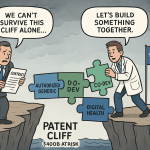
For an incumbent Big Pharma company, the patent cliff is a defensive crisis that dictates strategy. However, for a small or mid-sized biotech firm, this dynamic represents the single greatest market opportunity. The predictable, cyclical demand for novel, patent-protected assets created by the cliff is the engine of the entire biotech ecosystem. By using the analytical techniques described in this report to identify a truly underexploited therapeutic area and build a strong, defensible IP position within it, a smaller company is not just developing a new medicine. It is creating a highly valuable strategic asset, perfectly timed for acquisition by a larger player desperate to fill a multi-billion-dollar revenue gap. In this sense, the patent cliff is not just a threat; it is the forcing function that creates the market for innovation and provides the ultimate exit strategy.
Section 7: Beyond the Patent: Integrating Data for a 360-Degree View
A patent landscape that reveals a “white space” is a powerful signal of potential opportunity. It’s a hypothesis. But a hypothesis is not a business case. The landscape might be empty for very good reasons: the underlying biology may be intractable, previous clinical trials may have failed, or the commercial market may be unattractive. To transform a patent-derived hypothesis into a robust, investment-grade strategy, we must validate it through data triangulation. This means integrating our patent intelligence with other critical datasets—clinical trial data, epidemiological trends, and real-world evidence—to build a comprehensive, 360-degree view of the opportunity.
Triangulation Strategy 1: Cross-Referencing with Clinical Trial Data
After identifying a patent white space, the first validation step is to analyze the clinical development landscape. A therapeutic area with few patents is interesting; a therapeutic area with few patents and few clinical trials is far more compelling. Databases like ClinicalTrials.gov provide a wealth of information on the current state of the R&D pipeline .
By integrating patent data with clinical trial data, we can answer crucial strategic questions:
Pipeline Saturation: How many trials are currently active in this indication? Are they in Phase I, II, or III? A white space with a large number of undisclosed assets in early-stage trials is a much riskier bet than one with a truly empty pipeline.
Key Players: Who are the sponsors of these trials? Are they established pharmaceutical giants, well-funded biotechs, or small academic groups? This reveals the level and quality of the competition.
Scientific Consensus: What are the primary endpoints and biomarkers being used in these trials? This provides insight into the scientific community’s consensus on how to measure success and what biological markers are considered most relevant for the disease .
The fusion of these two datasets allows us to assess not just the IP landscape but the clinical development landscape. For instance, discovering a therapeutic area with low patent density but a sudden, recent surge in Phase I and II trials is a critical, time-sensitive signal . It suggests that a long-standing scientific hurdle may have recently been overcome, and the IP “white space” is about to be claimed. This is a clear signal that the window of opportunity is closing, and decisive action is required.
Triangulation Strategy 2: Linking to Epidemiological & Market Data
The next step is to ground the analysis in commercial reality. An opportunity is only an opportunity if it addresses a real need in a viable market. This requires linking patent trends to epidemiological data, which quantifies the patient population and disease prevalence, and to market data, which assesses commercial potential.
This is where advanced analytical tools become essential. For example, the Patent Enrichment Tool (PEMT) is an open-source tool specifically designed to connect genes—which are associated with specific diseases and their prevalence—directly to patent documents. By inputting a list of genes associated with diseases of a certain epidemiological prevalence, the tool can automatically landscape the associated patent literature. This creates a direct, data-driven bridge between the scale of the medical need and the intensity of the innovation activity.
This triangulation step is crucial for avoiding strategic traps. A patent white space in a therapeutic area with a shrinking patient population, a poor reimbursement environment, or a standard of care dominated by low-cost, effective generics is not a viable opportunity. The goal of this analysis is to find the sweet spot: the intersection of low patent saturation (the IP opportunity) and high, growing, or poorly met medical need (the market opportunity).
Triangulation Strategy 3: Validation with Real-World Evidence (RWE)
The final and perhaps most powerful layer of validation comes from Real-World Evidence (RWE). RWE is the clinical evidence derived from the analysis of Real-World Data (RWD)—data collected outside the context of conventional randomized controlled trials (RCTs) . Sources of RWD are diverse and growing, including electronic health records (EHRs), insurance claims and billing data, product and disease registries, and even data from patient-generated sources like health apps and social media .
While RCTs tell us how a drug performs in a highly controlled, ideal environment, RWE tells us how it performs in the messy, complex reality of clinical practice. This provides the ultimate validation for an unmet need. For example:
An existing treatment might have shown great efficacy in its pivotal Phase III trials. However, RWE from claims data might reveal that patient adherence is extremely low in the real world due to side effects or a difficult dosing schedule.
A clinical trial might show that a drug is effective for the “average” patient, but RWE derived from EHRs could reveal that it is largely ineffective for a specific, genetically defined sub-population.
In both cases, RWE validates the existence of a significant unmet need that was not apparent from the clinical trial data alone . It moves the analysis beyond what should happen in theory to what is happening in practice. An opportunity that has been identified through patent analysis, confirmed by a favorable clinical and market landscape, and then ultimately validated by real-world evidence of a gap between the current standard of care and optimal patient outcomes is no longer just a hypothesis. It is a gilt-edged, data-backed strategic opportunity.
Section 8: The Strategist’s Toolkit: Leveraging Platforms like DrugPatentWatch
The analytical framework we have outlined—integrating patent, clinical, epidemiological, and real-world data—is incredibly powerful. It is also incredibly demanding. The data required is vast, complex, and fragmented across dozens of disparate public and private sources. Attempting to manually aggregate, clean, and connect these datasets for even a single therapeutic area would be a prohibitively time-consuming and expensive task, requiring a dedicated team of data scientists and specialized analysts.
This is where integrated business intelligence platforms become the essential toolkit for the modern pharmaceutical strategist. These platforms perform the heavy lifting of data aggregation and amplification, allowing decision-makers to focus their time on strategic analysis rather than data wrangling.
The Aggregation and Amplification Advantage
The core value proposition of a specialized platform is its ability to aggregate multiple data streams into a single, searchable, and interconnected environment. This creates a sum that is far greater than its parts. A platform like DrugPatentWatch, for example, serves as an intelligence aggregator and amplifier. It takes foundational data from public sources like the FDA’s Orange Book and the USPTO and enriches it with international patent data, litigation status, clinical trial information, and competitive context, transforming raw data into actionable business insights.
Platforms like DrugPatentWatch are designed to directly address the analytical challenges discussed throughout this report, providing key features such as:
An Integrated Database: This is the foundational element. It brings together U.S. and international patent data, detailed regulatory status (including exclusivities), ongoing litigation information, clinical trial data, and information on generic and API suppliers into one cohesive platform.
Forecasting and Lifecycle Management Tools: The platform provides specific tools to predict patent expiration dates and identify generic entry opportunities. This is crucial for contextualizing any analysis within the broader landscape of patent cliffs and lifecycle management.
Deep Competitive Intelligence: Users can go beyond their own portfolio to assess the success rates of historical patent challengers, elucidate the research paths of competitors, and identify key players in the API manufacturing supply chain.
Proactive Monitoring and Alerts: Perhaps most importantly, these platforms turn a static analysis into a dynamic, ongoing intelligence stream. By setting up daily email alerts for specific drugs, companies, or patent classifications, a strategist can monitor their chosen therapeutic areas in real-time, receiving immediate notification of new patent filings, litigation updates, or regulatory changes that could alter the strategic landscape.
From Data to Decision: An Applied Workflow
Let’s walk through a hypothetical workflow to illustrate how a strategist would use an integrated platform to execute the framework we’ve developed.
Step 1: Strategic Screening: The process begins not with a niche target, but with a broad strategic question. Using the platform’s search and filtering tools, the strategist screens for entire therapeutic areas (classified by ATC code) that are facing significant patent cliffs for major drugs in the next 3-5 years. This identifies areas where dominant players will soon be vulnerable and actively seeking new assets.
Step 2: Landscaping and Whitespace Identification: Within a high-priority therapeutic area identified in Step 1, the strategist uses the platform’s patent analysis tools to conduct a rapid landscape analysis. They can visualize the key patent holders and the density of filings around specific molecular targets or sub-indications. This process quickly reveals potential white spaces—targets with high biological relevance but low patent saturation.
Step 3: Velocity Check: For the identified white spaces, the strategist analyzes the patent filing trends over the last five years. Is the velocity of new filings flat, indicating a genuinely overlooked area? Or is it rapidly accelerating, suggesting the opportunity may already be crowded with early-stage competitors?
Step 4: Clinical Pipeline Review: With a promising white space identified, the strategist pivots to the platform’s integrated clinical trial data. They can immediately see who is in the pipeline for that specific target, at what stage of development they are, and what endpoints they are using. This provides an instant snapshot of the clinical competition.
Step 5: Set Up Dynamic Monitoring: Finally, having identified a validated, high-potential, underexploited area, the strategist establishes a set of daily alerts. They can track all new patent filings related to the target, monitor the clinical trial progress of the few competitors in the space, and receive notifications of any new M&A activity in the broader therapeutic area.
The true value of these platforms lies not just in the data they provide, but in the acceleration of the entire strategic decision-making cycle. An analysis that would have taken a dedicated team weeks or months to compile manually can now be explored interactively in a matter of hours. This frees up the organization’s most valuable resources—the strategic thinking and domain expertise of its leaders—to focus on making smarter, faster, and more data-driven decisions.
Section 9: The Future Is Automated: AI and the Next Generation of Patent Intelligence
If integrated data platforms represent the current state-of-the-art in patent analysis, then the infusion of Artificial Intelligence (AI) and Machine Learning (ML) represents the immediate future. We are on the cusp of a paradigm shift where AI will move from being a buzzword to an indispensable tool, fundamentally changing every stage of drug discovery and, by extension, the nature of patent intelligence itself . The strategist who understands and embraces this transformation will hold a decisive advantage.
The AI Paradigm Shift in Drug Discovery
The impact of AI on pharmaceutical R&D is no longer theoretical. It is happening now, and the results are dramatic. AI is being deployed across the discovery pipeline, from identifying novel biological targets to designing new molecules and optimizing clinical trials.
The statistics on its impact are compelling:
Industry analysts predict that AI will be responsible for discovering as much as 30% of all new drugs by the year 2025 .
AI-powered drug discovery has the potential to reduce R&D costs by up to 40% and slash discovery timelines by 50% or more .
Early results are incredibly promising. In Phase I trials, molecules derived from AI platforms are reportedly showing success rates of 80-90%, a staggering improvement over historical industry averages of around 50-60% .
Companies like Insilico Medicine have demonstrated the power of this new paradigm, taking a drug for pulmonary fibrosis from initial target identification to a preclinical candidate in just 18 months—a process that would traditionally take five to six years .
How AI is Revolutionizing Patent Analysis
This revolution in drug discovery is being mirrored by a revolution in patent analysis. AI and ML are transforming the field from a manual, labor-intensive process into a rapid, automated, and deeply insightful strategic function.
Semantic Search and Conceptual Analysis: Traditional patent searching relies on keywords, which is a fundamentally limited approach. An inventor may describe a novel kinase inhibitor without ever using the exact phrase “kinase inhibitor.” AI-powered semantic search tools, however, go beyond keywords to understand the underlying scientific and technical concepts within a document. This allows for searches of unprecedented accuracy and comprehensiveness, uncovering relevant prior art and competitive filings that would be impossible for a human analyst to find .
Predictive Analytics: This is one of the most transformative applications of ML in the IP field. By training models on vast datasets of historical patent and market data, it is now possible to build predictive tools that can forecast the future. These models can identify which patents are most likely to become highly valuable (based on factors like their citation network, claim language, and inventor history) or predict which nascent therapeutic areas are poised for explosive growth in patenting activity .
Automated Landscape Generation: AI can now automate the time-consuming process of generating initial patent landscapes. An analyst can input a therapeutic area or a set of targets, and an AI tool can rapidly search, classify, and visualize thousands of relevant patents, creating an initial map in minutes rather than weeks. This frees up the human expert to focus on the higher-level tasks of strategic interpretation, trend analysis, and opportunity identification .
Connecting Disparate Data at Scale: Humans are good at finding patterns in small datasets, but AI excels at finding non-obvious patterns across massive, disparate datasets. AI algorithms can read and synthesize millions of documents, automatically connecting a patent filing for a particular compound with a scientific paper on a newly discovered biological pathway, a clinical trial outcome for a related drug, and a genomic dataset showing a patient sub-population with a specific biomarker. This ability to generate novel, data-driven hypotheses for drug repurposing or new target identification at a massive scale is something that was simply not possible before .
New Challenges and Strategic Considerations
This powerful new toolkit also brings with it a new set of strategic and legal challenges that companies must navigate carefully.
The Inventorship Dilemma: Patent law in the United States and most other jurisdictions is clear: an inventor must be a human being. An AI cannot be named as an inventor . This creates a significant legal challenge for AI-driven discoveries. To secure a patent, companies must be able to meticulously document the “significant human contribution” to the invention. This might involve demonstrating how a human scientist designed the AI model, curated the specific training data, or used their expert judgment to select and refine the AI’s output. This new requirement places a premium on rigorous documentation and process management .
The “Obviousness” Bar is Rising: A core requirement for patentability is that an invention must not be “obvious” to a “person having ordinary skill in the art.” As powerful AI tools become standard in the industry, the definition of that “skilled person” is changing. An invention that would have been considered a brilliant, non-obvious leap of human intuition five years ago might now be deemed obvious if a standard AI model could have generated it in a matter of hours . This rising bar will make it more difficult to secure patents for more incremental innovations.
This evolving landscape points to a new source of sustainable competitive advantage. As the AI models themselves become more commoditized and widely available, the key differentiator will no longer be having access to an AI. Instead, the true competitive moat will be the quality and uniqueness of the data used to train it . Publicly available data from patent offices and scientific journals is accessible to everyone. The companies that will win in the era of AI-driven drug discovery will be those that can build and leverage superior, proprietary datasets—such as their own internal clinical trial data, unique genomic and biomarker datasets, or the results from millions of internal screening experiments. These unique data assets will become the true engine of patentable, AI-driven innovation, and the focus of corporate strategy must shift to creating, curating, and protecting them.
Conclusion, Key Takeaways, and Future Outlook
We stand at a critical inflection point in the pharmaceutical industry. The immense pressure of the patent cliff, combined with the escalating costs of innovation, has created an undeniable mandate for change. The old models of R&D, which often relied on incremental improvements in crowded markets, are no longer sufficient to ensure sustainable growth. The future belongs to the companies that can systematically and efficiently identify and capitalize on new frontiers of medicine—the truly underexploited therapeutic areas where significant unmet medical needs persist.
This report has laid out a clear, data-driven framework for achieving this. We have demonstrated that a systematic approach to patent intelligence is no longer a niche legal function but a central pillar of modern corporate strategy. By learning to decode the strategic language of patents, we can build a detailed map of the competitive landscape. By applying advanced analytical techniques like whitespace analysis and innovation velocity, we can identify the gaps in that map and measure the momentum of R&D flowing into them.
Crucially, we have shown that a patent-derived opportunity is only the beginning of the journey. A robust business case requires the triangulation of this IP intelligence with clinical trial data, epidemiological trends, and real-world evidence. This integrated, 360-degree view transforms a promising hypothesis into a validated, investment-grade opportunity. And as we look to the horizon, the accelerating power of Artificial Intelligence promises to automate and deepen this process, unlocking insights at a scale and speed previously unimaginable.
The path forward requires a new mindset. It requires leaders to move beyond a reactive, defensive posture on intellectual property and to embrace patent intelligence as a proactive, offensive tool for shaping their company’s future. The companies that master this discipline will be the ones that not only survive the coming disruption but thrive in it, driving innovation into areas of genuine need and securing a decisive competitive advantage in the decade to come. The tools are available, the data is waiting, and the map to the next frontier is ready to be drawn.
Key Takeaways
Patents are Strategic Blueprints, Not Just Legal Documents: The type, timing, and sequence of a company’s patent filings (Composition of Matter, Method of Use, Formulation) reveal its entire R&D and lifecycle management strategy. Analyzing this timeline is key to understanding competitive intent.
“Underexploited” is a Multi-Factor Equation: A true opportunity is not just an area with no treatment. It requires a holistic assessment of the clinical gap, disease burden, patient population size, scientific tractability, and commercial landscape.
Go Beyond Static Landscapes with Innovation Velocity: Don’t just count existing patents. Measure the rate of change in patent filings to identify “hot” areas of accelerating R&D investment and predict future M&A hotspots before they become common knowledge.
The Patent Cliff is the Ultimate Forcing Function: The looming loss of over $200 billion in revenue is creating a massive, predictable demand for novel, patent-protected assets, representing the single biggest market opportunity for innovative biotech companies.
Triangulate to Validate: A patent “white space” is a hypothesis, not a business case. You must validate it by integrating patent intelligence with clinical trial data (to assess the development pipeline), epidemiological data (to size the market need), and real-world evidence (to confirm gaps in the current standard of care).
Leverage Integrated Platforms to Accelerate Decisions: Manually aggregating and analyzing the required data is impractical. Specialized business intelligence platforms like DrugPatentWatch are essential tools that accelerate the entire strategic cycle from data collection to decision-making.
AI is the Future, and Proprietary Data is the New Moat: AI is revolutionizing patent analysis and drug discovery. As AI models become more common, the key competitive advantage will shift to owning unique, proprietary datasets (e.g., internal clinical data, genomic information) to train them on, leading to truly novel and patentable inventions.
FAQ Section
1. Our company is a small biotech with limited resources. How can we realistically implement such a comprehensive patent analysis strategy without a large, dedicated team?
This is a critical question. For smaller organizations, the key is leverage, not brute force. First, focus your efforts. Instead of trying to monitor the entire pharmaceutical landscape, define your core area of scientific expertise and concentrate your analysis there. Second, leverage integrated business intelligence platforms. The subscription cost for a service like DrugPatentWatch is a fraction of the cost of hiring a single full-time patent analyst, yet it provides access to aggregated data and analytical tools that would otherwise be out of reach. Third, use the “triangulation” framework to be more efficient. Start with a patent whitespace analysis to generate hypotheses, but then quickly move to validate them with freely available clinical trial data (ClinicalTrials.gov) and epidemiological studies. This allows you to rapidly kill ideas that don’t hold up to scrutiny, focusing your precious resources only on the most promising opportunities. The goal is not to match the scale of Big Pharma’s analysis, but to be smarter and more focused.
2. You’ve identified “Innovation Velocity” as a key metric. How do we distinguish between genuine innovation and strategic “patent thicketing” that might inflate the numbers?
This is an excellent and nuanced point. A high velocity of patent filings alone can be misleading. The key is to dissect the quality and type of patents being filed. A high velocity driven primarily by secondary patents—new formulations, polymorphs, or minor dosage changes for an existing drug—is a strong signal of a defensive “patent thicketing” or “evergreening” strategy, not novel R&D. Conversely, a high velocity driven by new “composition of matter” patents for novel molecular entities, or patents linked to entirely new biological targets, is a much stronger indicator of genuine innovation. An effective analysis must therefore filter the velocity calculation by patent type. A surge in foundational, composition of matter patents signals a true R&D hotspot, whereas a surge in secondary patents signals a company trying to defend an aging franchise.
3. The report emphasizes identifying “white spaces.” But isn’t there a significant risk that a space is empty because the science is simply impossible or has repeatedly failed? How do we de-risk this?
You’ve hit on the single most important caveat of whitespace analysis. An empty space on the map could be a hidden treasure or a barren desert. De-risking this is the crucial next step and involves two primary activities. First, conduct a “failure analysis” by diving deep into the scientific and clinical history of the area. Look for past clinical trials that were terminated and understand why. Read the scientific literature to identify the key biological hurdles that have stymied research in the past. Second, look for a “paradigm shift.” A white space becomes a prime opportunity when a recent scientific or technological breakthrough has suddenly made the impossible, possible. This could be the discovery of a new biomarker, the validation of a previously “undruggable” target, or the emergence of a new modality (like mRNA or CRISPR) that can address the problem in a novel way. The best opportunities are not just empty spaces; they are empty spaces where you have a new tool or new knowledge that previous explorers lacked.
4. With AI accelerating drug discovery, how does that change our strategy for patent filing? Should we file earlier to secure priority, or wait for more data to create a stronger patent?
The rise of AI intensifies this classic strategic dilemma. The pressure to “file early” is greater than ever because a competitor’s AI could independently generate a similar molecule at any time, creating a race to the patent office. However, filing too early with only in silico (computer-generated) data can lead to weak patents that are vulnerable to challenges on the grounds of utility and enablement (i.e., you haven’t proven it works or shown how to make it effectively). The emerging best practice is a tiered strategy. File a provisional patent application very early, as soon as a promising set of AI-generated candidates is identified. This secures a priority date at a relatively low cost. Then, use the following 12-month period to rapidly conduct the critical in vitro and in vivo experiments to validate the AI’s predictions. This real-world data is then used to file a much stronger, non-provisional patent application before the 12-month deadline expires. This approach balances the need for speed with the need for robust, defensible data.
5. How should our organization’s structure change to best leverage this type of integrated patent intelligence?
This is a question of organizational design, and it’s fundamental to success. Historically, patent analysis has been siloed within the legal or IP department, and its role was primarily defensive and reactive. To unlock its full strategic value, patent intelligence must become a cross-functional capability integrated into the core of business decision-making. This means breaking down silos. The ideal structure is a “hub-and-spoke” model. A central “Strategic Intelligence” group (the hub) can house the deep expertise in data analysis and the management of tools like DrugPatentWatch. This group would then embed analysts (the spokes) directly into the key business units: R&D, Business Development, and Commercial Strategy teams. This structure ensures that the people with the deepest understanding of the science and the market are working hand-in-hand with the data experts, allowing the organization to move seamlessly from data, to insight, to action. It transforms patent analysis from a backward-looking legal report into a forward-looking engine of corporate strategy.
References
World Intellectual Property Organization. (n.d.). Pat-INFORMED – The Gateway to Medicine Patent Information. Retrieved from https://www.wipo.int/pat-informed/en/
I-MAK. (n.d.). Methods for Patent Research. Retrieved from https://www.i-mak.org/patent-methods/
World Health Organization. (n.d.). Patents databases. Retrieved from https://www.who.int/observatories/global-observatory-on-health-research-and-development/resources/databases/databases-on-processes-for-r-d/patents
DrugPatentWatch. (n.d.). How Long Do Drug Patents Last? Retrieved from https://www.drugpatentwatch.com/blog/how-long-do-drug-patents-last/
Medicines Patent Pool. (n.d.). MedsPaL. Retrieved from https://medicinespatentpool.org/what-we-do/medspal
BioPharma Services Inc. (n.d.). Phase 1 Therapeutic Areas in Clinical Trials. Retrieved from https://www.biopharmaservices.com/blog/phase-1-therapeutic-areas-in-clinical-trials/
Wikipedia. (2024, December 15). Anatomical Therapeutic Chemical Classification System. Retrieved from https://en.wikipedia.org/wiki/Anatomical_Therapeutic_Chemical_Classification_System
U.S. Food & Drug Administration. (n.d.). Spectrum of Diseases/Conditions. Retrieved from https://www.fda.gov/drugs/development-resources/spectrum-diseasesconditions
Definitive Healthcare. (n.d.). Most common clinical trials by therapy area. Retrieved from https://www.definitivehc.com/blog/most-common-clinical-trials-by-therapy-area
European Medicines Agency. (n.d.). Therapeutic areas – latest updates. Retrieved from https://www.ema.europa.eu/en/medicines/therapeutic-areas-latest-updates
CDISC. (n.d.). Therapeutic Areas. Retrieved from https://www.cdisc.org/standards/therapeutic-areas
Labcorp. (n.d.). Therapeutic areas and modalities. Retrieved from https://www.labcorp.com/biopharma/central-labs/modalities
U.S. Food & Drug Administration. (2017). Therapeutic Area Data Standards. Retrieved from https://www.fda.gov/media/107609/download
National Center for Biotechnology Information. (n.d.). Guidelines for the Development of Small Molecule Drug Discovery and Early Development Projects. Retrieved from https://www.ncbi.nlm.nih.gov/books/NBK92015/
National Institutes of Health. (2018). NCATS Clinical Trial Planning: Therapeutic/Indication Pairing (X01). Retrieved from https://grants.nih.gov/grants/guide/pa-files/par-18-332.html
Frontiers in Immunology. (2025). Beta-blockers and cancer immunotherapy: A systematic review and meta-analysis. Retrieved from https://www.frontiersin.org/journals/immunology/articles/10.3389/fimmu.2025.1635331/full
U.S. Food & Drug Administration. (n.d.). Priority Therapeutic Areas for Development. Retrieved from https://www.fda.gov/drugs/electronic-regulatory-submission-and-review/priority-therapeutic-areas-development
European Commission. (2021). Targeted stakeholder meeting on the definition of unmet medical need. Retrieved from https://health.ec.europa.eu/document/download/8b603d0f-e72c-44c2-b40e-ee79a784abea_en?filename=ev_20210129_co02_en.pdf
Vreman, R. A., et al. (2021). Unmet medical need: an opportunity for alignment. Applied Health Economics and Health Policy, 19(5), 635-641. Retrieved from https://pmc.ncbi.nlm.nih.gov/articles/PMC8545781/
Regulatory Affairs Professionals Society. (2024, March). EU patient groups say proposed definition of ‘unmet medical need’ is too narrow. Retrieved from https://www.raps.org/news-and-articles/news-articles/2024/3/eu-patient-groups-say-proposed-definition-of-%E2%80%98unme
European Commission. (n.d.). Factsheet on Unmet Medical Needs. Retrieved from https://health.ec.europa.eu/document/download/93406a57-1be5-4005-a63f-de5fb1de4748_en?filename=factsheet_umn_en.pdf
BWH Ignite. (n.d.). The Unmet Clinical Need. Retrieved from https://www.bwhignite.org/post/the-unmet-clinical-need
European Federation of Pharmaceutical Industries and Associations. (n.d.). Unmet Medical Need. Retrieved from https://www.efpia.eu/about-medicines/development-of-medicines/unmet-medical-need/
Google Patents. (n.d.). US7979181B2 – Velocity based control for an automated digging cycle. Retrieved from https://patents.google.com/patent/US7979181B2/en
Justia Patents. (n.d.). Patents by U.S. Classification 365/25. Retrieved from https://patents.justia.com/patents-by-us-classification/365/25
Dennemeyer. (n.d.). Getting a patent: How long does it take and can AI speed things up? Retrieved from https://www.dennemeyer.com/ip-blog/news/getting-a-patent-how-long-does-it-take-and-can-ai-speed-things-up/
Unified Patents. (n.d.). Tracking Innovation: Using Unified’s Portfolio Velocity Tool. Retrieved from https://support.unifiedpatents.com/hc/en-us/articles/4476915380119-Tracking-Innovation-Using-Unified-s-Portfolio-Velocity-Tool
The Patent Trademark Blog. (n.d.). How to Speed Up a Patent Application. Retrieved from https://www.patenttrademarkblog.com/speed-up-patent/
Bailey Walsh. (n.d.). Patent Cliff: Impact on Pharmaceutical Industry. Retrieved from https://bailey-walsh.com/news/patent-cliff-impact-on-pharmaceutical-industry/
PatSnap. (n.d.). What is a patent cliff and how does it impact companies? Retrieved from https://synapse.patsnap.com/article/what-is-a-patent-cliff-and-how-does-it-impact-companies
American Bazaar Online. (2025, August 4). The $400 billion patent cliff: Big Pharma’s revenue crisis. Retrieved from https://americanbazaaronline.com/2025/08/04/the-400-billion-patent-cliff-big-pharmas-revenue-crisis-465788/
PatentPC. (n.d.). The Impact of Patent Cliffs on Biopharmaceutical Companies. Retrieved from https://patentpc.com/blog/the-impact-patent-cliffs-biopharmaceutical-companies
DrugPatentWatch. (n.d.). The Impact of Drug Patent Expiration: Financial Implications, Lifecycle Strategies, and Market Transformations. Retrieved from https://www.drugpatentwatch.com/blog/the-impact-of-drug-patent-expiration-financial-implications-lifecycle-strategies-and-market-transformations/
European Medicines Agency. (n.d.). ATC code. Retrieved from https://www.ema.europa.eu/en/glossary-terms/atc-code
PatentPC. (n.d.). Key Steps for Patenting Innovative Pharmaceutical Products. Retrieved from https://patentpc.com/blog/key-steps-for-patenting-innovative-pharmaceutical-products
Gadiya, Y. (2023). Pharmaceutical patent landscaping: A novel approach to… [Video]. YouTube. Retrieved from https://www.youtube.com/watch?v=HolvLgpmfWo
Gadiya, Y., et al. (2023). Pharmaceutical patent landscaping: A novel approach to understand patents from the drug discovery perspective. bioRxiv. Retrieved from https://www.biorxiv.org/content/10.1101/2023.02.10.527980v3
Fraunhofer-ITMP. (n.d.). Pharmaceutical-patent-landscaping [GitHub repository]. Retrieved from https://github.com/Fraunhofer-ITMP/Pharmaceutical-patent-landscaping
World Intellectual Property Organization. (n.d.). Publications: Patent Landscape Reports. Retrieved from https://www.wipo.int/publications/en/series/index.jsp?id=137
GeneOnline News. (2025, April 13). Pharma Companies Use Patent Landscaping and Extensions to Protect Drug Revenue Streams. Retrieved from https://www.geneonline.com/pharma-companies-use-patent-landscaping-and-extensions-to-protect-drug-revenue-streams/
IIPRD. (n.d.). White Space Analysis And Patent Landscape Analysis. Retrieved from https://www.iiprd.com/white-space-analysis/
Ezassi. (n.d.). What is Innovation White Space R&D & How Can Technology Help? Retrieved from https://ezassi.com/innovation-white-space-r-and-d-and-technology/
Zendesk. (n.d.). What is white space analysis? Retrieved from https://www.zendesk.com/blog/white-space-analysis/
Clinical Leader. (2018, July 31). Lilly Reduces White Space For Quicker Regulatory Approvals. Retrieved from https://www.clinicalleader.com/doc/lilly-reduces-white-space-for-quicker-regulatory-approvals-0001
P360. (2020, May 19). Are You Using Your Whitespace as a Pharma Marketing Incubator? Retrieved from https://www.p360.com/swittons/are-you-using-your-whitespace-as-a-pharma-marketing-incubator-from-a-former-sales-rep/
Applied Clinical Trials Online. (2021, April 15). Characterizing White Space in the Quest to Drive Development Speed. Retrieved from https://www.appliedclinicaltrialsonline.com/view/characterizing-white-space-in-the-quest-to-drive-development-speed
DrugPatentWatch. (2025, August 2). Annual Pharmaceutical Sales Estimates Using Patents: A Comprehensive Analysis. Retrieved from https://www.drugpatentwatch.com/blog/annual-pharmaceutical-sales-estimates-using-patents-a-comprehensive-analysis/
Einfolge. (n.d.). Exploring current patent trends in the pharmaceutical industry. Retrieved from https://www.einfolge.com/blog/Exploring-current-patent-trends-in-the-pharmaceutical-industry
PubMed. (n.d.). Trends in covalent drug discovery: a 2020-23 patent landscape analysis… Retrieved from https://pubmed.ncbi.nlm.nih.gov/39219095/
Foley & Lardner LLP. (2024, July 16). Patenting Power Plays For AI Drug Discovery. Retrieved from https://www.foley.com/insights/publications/2024/07/patenting-power-plays-ai-drug-discovery/
MDPI. (2019, August 1). Change of Data-Driven Drug Design Trends Through Patent Analysis. Retrieved from https://www.mdpi.com/2227-9717/7/8/492
PubMed. (2005). Competitive intelligence and patent analysis in drug discovery. Retrieved from https://pubmed.ncbi.nlm.nih.gov/24981938/
Software Suggest. (2025, July). DrugPatentWatch Pricing, Features, and Reviews. Retrieved from https://www.softwaresuggest.com/drugpatentwatch
Slashdot. (2025). DrugPatentWatch Reviews. Retrieved from https://slashdot.org/software/p/DrugPatentWatch/
DrugPatentWatch. (n.d.). Strategic Imperatives: Leveraging Patent Pending Data for Competitive Advantage in the Pharmaceutical Industry. Retrieved from https://www.drugpatentwatch.com/blog/leveraging-patent-pending-data-for-pharmaceuticals/
Clarivate. (n.d.). Life Sciences & Healthcare Data Solutions. Retrieved from https://clarivate.com/life-sciences-healthcare/data-solutions/
Mintz. (2023, July 24). Why Pharma Companies Should File Patents Later In The R&D Process. Retrieved from https://www.mintz.com/insights-center/viewpoints/2231/2023-07-24-why-pharma-companies-should-file-patents-later-rd
DrugPatentWatch. (n.d.). Leveraging Drug Patent Data for Strategic Investment Decisions: A Comprehensive Analysis. Retrieved from https://www.drugpatentwatch.com/blog/leveraging-drug-patent-data-for-strategic-investment-decisions-a-comprehensive-analysis/
Dennemeyer. (n.d.). IP trends in the pharmaceutical industry. Retrieved from https://www.dennemeyer.com/ip-blog/news/ip-trends-in-the-pharmaceutical-industry/
Google Patents. (n.d.). US20200381087A1 – Systems and methods of clinical trial evaluation. Retrieved from https://patents.google.com/patent/US20200381087A1/en
DrugPatentWatch. (n.d.). Primary literature citing DrugPatentWatch. Retrieved from https://www.drugpatentwatch.com/citations/
PubMed. (2022). PEMT: a patent enrichment tool for drug discovery. Retrieved from https://pubmed.ncbi.nlm.nih.gov/36322820/
Clarivate. (n.d.). Cortellis Drug Discovery Intelligence Platform. Retrieved from https://clarivate.com/life-sciences-healthcare/research-development/discovery-development/cortellis-pre-clinical-intelligence/
PubMed Central. (2023). PEMT: a patent enrichment tool for drug discovery. Retrieved from https://pmc.ncbi.nlm.nih.gov/articles/PMC9805556/
bioRxiv. (2022). A patent enrichment tool for drug discovery – PEMT. Retrieved from https://www.biorxiv.org/content/10.1101/2022.07.28.501730v1.full.pdf
Wellcome Open Research. (2024, July 15). Enabling equitable and affordable access to novel therapeutics… Retrieved from https://wellcomeopenresearch.org/articles/9-374
DrugPatentWatch. (n.d.). The Evolution of Patent Claims in Drug Lifecycle Management. Retrieved from https://www.drugpatentwatch.com/blog/the-evolution-of-patent-claims-in-drug-lifecycle-management/
PubMed Central. (2017). Medical Patents and How New Instruments or Medications Might Be Patented. Retrieved from https://pmc.ncbi.nlm.nih.gov/articles/PMC6139778/
European Patent Office. (n.d.). New case studies highlight how innovation fights cancer. Retrieved from https://www.epo.org/en/news-events/news/new-case-studies-highlight-how-innovation-fights-cancer
European Patent Office. (n.d.). Technology transfer case studies. Retrieved from https://www.epo.org/en/learning/learning-resources-profile/business-and-ip-managers/innovation-case-studies/technology-transfer-case-studies
PubMed Central. (2023). Patent landscape analysis—Contributing to the identification of technology trends… Retrieved from https://pmc.ncbi.nlm.nih.gov/articles/PMC10034625/
RAND Corporation. (2014). Identification and Analysis of Technology Emergence Using Patent Classification. Retrieved from https://www.rand.org/pubs/research_reports/RR629.html
DrugPatentWatch. (n.d.). The Pharmaceutical Patent Playbook: Forging Competitive Dominance from Discovery to Market and Beyond. Retrieved from https://www.drugpatentwatch.com/blog/developing-a-comprehensive-drug-patent-strategy/
PatentPC. (n.d.). How to Patent Drug Combinations and Cocktails. Retrieved from https://patentpc.com/blog/how-to-patent-drug-combination-and-cocktails
GeneOnline News. (2025, April 8). Industry Analysis: Strategic Patent Planning Key for Pharmaceutical Companies… Retrieved from https://www.geneonline.com/industry-analysis-strategic-patent-planning-key-for-pharmaceutical-companies-navigating-drug-patent-complexities/
PubMed Central. (2011). Patent protection strategies. Retrieved from https://pmc.ncbi.nlm.nih.gov/articles/PMC3146086/
Within3. (n.d.). A Guide to Pharma R&D Analytics. Retrieved from https://within3.com/blog/pharma-r-d-analytics
MDPI. (2019). Change of Data-Driven Drug Design Trends Through Patent Analysis. Retrieved from https://www.mdpi.com/2227-9717/7/8/492
ISPE. (2021). Best Practices for Deploying Real-World Evidence Solutions. Retrieved from https://ispe.org/pharmaceutical-engineering/may-june-2021/best-practices-deploying-real-world-evidence-solutions
PubMed Central. (2020). Opportunities and challenges in using real-world data for health care. Retrieved from https://pmc.ncbi.nlm.nih.gov/articles/PMC6994109/
Progress. (n.d.). The Opportunity of Real World Data. Retrieved from https://www.progress.com/docs/default-source/marklogic-docs/opportunity-of-real-world-data.pdf?sfvrsn=cdaf5fc8_11
PhRMA. (n.d.). New report: How intellectual property drives U.S. innovation and biopharma’s impact. Retrieved from https://phrma.org/blog/new-report-how-intellectual-property-drives-u-s-innovation-and-biopharma-s-impact
Congressional Budget Office. (2021). Research and Development in the Pharmaceutical Industry. Retrieved from https://www.cbo.gov/publication/57126
PubMed Central. (2019). Estimating the Cost of Industry Investment in Drug Research and Development: A Review of Methods and Results. Retrieved from https://pmc.ncbi.nlm.nih.gov/articles/PMC8855407/
Deloitte. (2024). Global pharma companies’ return on R&D investment increases after record low. Retrieved from https://www.deloitte.com/uk/en/about/press-room/global-pharma-companies-return-on-rd-investment-increases-after-record-low.html
PubMed Central. (2019). Public R&D Investments and Private-sector Patenting: Evidence from NIH Funding Rules. Retrieved from https://pmc.ncbi.nlm.nih.gov/articles/PMC6818650/
Deloitte. (2024). Measuring the return from pharmaceutical innovation 2024. Retrieved from https://www.deloitte.com/us/en/Industries/life-sciences-health-care/articles/measuring-return-from-pharmaceutical-innovation.html
DrugPatentWatch. (n.d.). Patent Defense Isn’t a Legal Problem. It’s a Strategy Problem. Retrieved from https://www.drugpatentwatch.com/blog/patent-defense-isnt-a-legal-problem-its-a-strategy-problem-patent-defense-tactics-that-every-pharma-company-needs/
DrugPatentWatch. (n.d.). Optimizing Your Drug Patent Strategy: A Comprehensive Guide for Pharmaceutical Companies. Retrieved from https://www.drugpatentwatch.com/blog/optimizing-your-drug-patent-strategy-a-comprehensive-guide-for-pharmaceutical-companies/
CSRxP.org. (n.d.). FACT SHEET: BIG PHARMA’S PATENT ABUSE… Retrieved from https://www.csrxp.org/fact-sheet-big-pharmas-patent-abuse-costs-american-patients-taxpayers-and-the-u-s-health-care-system-billions-of-dollars-2/
PubMed Central. (2020). Strategic Patenting by Pharmaceutical Companies – Should Competition Law Intervene? Retrieved from https://pmc.ncbi.nlm.nih.gov/articles/PMC7592140/
University of Illinois College of Law. (2024). STAT quotes Sherkow on pharmaceutical patents. Retrieved from https://law.illinois.edu/stat-quotes-sherkow-on-pharmaceutical-patents/
PubMed Central. (2025). Predicting patent challenges for small-molecule drugs: A cross-sectional study. Retrieved from https://pmc.ncbi.nlm.nih.gov/articles/PMC11867330/
Gearhart Law, LLC. (n.d.). Unique Challenges for Patents in the Pharmaceutical Industry. Retrieved from https://gearhartlaw.com/unique-challenges-for-patents-in-the-pharmaceutical-industry/
PatSnap. (n.d.). What is a patent challenge, and why is it common in generics? Retrieved from https://synapse.patsnap.com/article/what-is-a-patent-challenge-and-why-is-it-common-in-generics
DrugPatentWatch. (n.d.). Strategic Imperatives: Leveraging Patent Pending Data for Competitive Advantage in the Pharmaceutical Industry. Retrieved from https://www.drugpatentwatch.com/blog/leveraging-patent-pending-data-for-pharmaceuticals/
DrugPatentWatch. (n.d.). Key Predictors and Strategic Implications of Early Patent Challenges for FDA-Approved Drugs. Retrieved from https://www.drugpatentwatch.com/blog/study-reveals-key-predictors-of-early-patent-challenges-for-fda-approved-drugs/
The University of Chicago Press Journals. (2016). Pharmaceutical Patent Challenges: Company Strategies and Litigation Outcomes. Retrieved from https://www.journals.uchicago.edu/doi/10.1162/AJHE_a_00066
Finnegan. (2025). Navigating the Future: Ensuring Patentability for AI-Assisted Innovations… Retrieved from https://www.finnegan.com/en/insights/articles/navigating-the-future-ensuring-patentability-for-ai-assisted-innovations-in-the-pharmaceutical-and-chemical-space.html
PatentPC. (n.d.). AI in Drug Discovery: How AI Is Accelerating Pharma Research (Key Stats). Retrieved from https://patentpc.com/blog/ai-in-drug-discovery-how-ai-is-accelerating-pharma-research-key-stats
DrugPatentWatch. (n.d.). The Future of Patent Intelligence Tools: How AI is Revolutionizing the Landscape. Retrieved from https://www.drugpatentwatch.com/blog/the-future-of-patent-intelligence-tools-how-ai-is-revolutionizing-the-landscape/
DrugPatentWatch. (n.d.). Patenting Drugs Developed with Artificial Intelligence: Navigating the Legal Landscape. Retrieved from https://www.drugpatentwatch.com/blog/patenting-drugs-developed-with-artificial-intelligence-navigating-the-legal-landscape/
pharmaphorum. (2024, February 12). Patentability and predictability in AI-assisted drug discovery. Retrieved from https://pharmaphorum.com/rd/patentability-and-predictability-ai-assisted-drug-discovery
Perspectives. (2025, April 21). The Implications of AI-Assisted Drug Development on Patent Challenges. Retrieved from https://perspectives.bipc.com/post/102k8yy/the-implications-of-ai-assisted-drug-development-on-patent-challenges
DrugPatentWatch. (n.d.). AI Meets Drug Discovery – But Who Gets the Patent? Retrieved from https://www.drugpatentwatch.com/blog/ai-meets-drug-discovery-but-who-gets-the-patent/
CAS. (2024, January 18). AI’s emerging role in natural product drug discovery. Retrieved from https://www.cas.org/resources/cas-insights/ais-emerging-role-in-natural-product-drug-discovery
PubMed Central. (2020). Artificial intelligence in drug discovery and development. Retrieved from https://pmc.ncbi.nlm.nih.gov/articles/PMC7577280/
Akin Gump. (2024, February 12). Patentability and predictability in AI-assisted drug discovery. Retrieved from https://www.akingump.com/a/web/kAJxgkjHh1XoyABdxDtAf1/8MiCMH/patentability-and-predictability-in-ai-assisted-drug-discovery-web-v3.pdf
PubMed Central. (2025). Artificial Intelligence in Natural Product Drug Discovery… Retrieved from https://pmc.ncbi.nlm.nih.gov/articles/PMC11874025/
Ropes & Gray LLP. (2024, October 10). Patentability Risks Posed by AI in Drug Discovery. Retrieved from https://www.ropesgray.com/en/insights/alerts/2024/10/patentability-risks-posed-by-ai-in-drug-discovery
Citeline News & Insights. (2025, May 19). AI In Drug Discovery: The Patent Implications. Retrieved from https://insights.citeline.com/in-vivo/new-science/ai-in-drug-discovery-the-patent-implications-W5UIZKA5Z5F2FAV3LWL2L4WPWQ/
PubMed Central. (2025). Integrating Artificial Intelligence for Drug Discovery… Retrieved from https://pmc.ncbi.nlm.nih.gov/articles/PMC10890405/
Community Jameel. (n.d.). How AI is changing drug development. Retrieved from https://www.communityjameel.org/media/how-ai-is-changing-drug-development
Technology Networks. (n.d.). Drug Repurposing: Strategies, Challenges and Successes. Retrieved from https://www.technologynetworks.com/drug-discovery/articles/drug-repurposing-strategies-challenges-and-successes-384263
DrugPatentWatch. (n.d.). Review of Drug Repositioning Approaches and Resources. Retrieved from https://www.drugpatentwatch.com/blog/review-of-drug-repositioning-approaches-and-resources/
ResearchGate. (2024). Drug Repurposing Patent Applications: October-December 2023. Retrieved from https://www.researchgate.net/publication/378738613_Drug_Repurposing_Patent_Applications_October-December_2023
Geneva Network. (2017). Second medical uses for existing drugs. Retrieved from https://geneva-network.com/wp-content/uploads/2017/06/Second-medical-use-patentability.pdf
PatentPC. (n.d.). Patent Implications of Drug Repurposing. Retrieved from https://patentpc.com/blog/patent-implications-of-drug-repurposing
World Intellectual Property Organization. (2023). Intellectual Property and Technology Transfer for COVID-19 Vaccines. Retrieved from https://www.wipo.int/edocs/pubdocs/en/wipo-pub-rn2023-39-en-intellectual-property-and-technology-transfer-for-covid-19-vaccines-assessment-of-the-record.pdf
Pfizer. (n.d.). An Open Letter from Pfizer Chairman and CEO to Colleagues. Retrieved from https://www.pfizer.com/news/announcements/open-letter-pfizer-chairman-and-ceo-colleagues
Pfizer. (n.d.). An Open Letter from Pfizer Chairman and CEO Albert Bourla. Retrieved from https://www.pfizer.com/news/announcements/open-letter-pfizer-chairman-and-ceo-albert-bourla
Princeton School of Public and International Affairs. (n.d.). Patents, Pandemics, and the Private Sector. Retrieved from https://jpia.princeton.edu/news/patents-pandemics-and-private-sector-battle-over-public-health-norms-during-covid-19
University of Nebraska – Lincoln. (n.d.). Pfizer Inc. Strategic Analysis. Retrieved from https://digitalcommons.unl.edu/cgi/viewcontent.cgi?article=1626&context=honorstheses
McKinsey & Company. (n.d.). Voices of CEO Excellence: Merck’s Ken Frazier. Retrieved from https://www.mckinsey.com/capabilities/strategy-and-corporate-finance/our-insights/voices-of-ceo-excellence-mercks-ken-frazier
Merck. (n.d.). Our history. Retrieved from https://www.merck.com/company-overview/history/
Futu Inc. (n.d.). The countdown to the ‘King of Drugs’ patent cliff! Retrieved from https://news.futunn.com/en/post/59771562/the-countdown-to-the-king-of-drugs-patent-cliff-merck
CSRxP.org. (2025, January 27). BIG PHARMA WATCH: MERCK EXPEDITES ANTI-COMPETITIVE STRATEGY… Retrieved from https://www.csrxp.org/big-pharma-watch-merck-expedites-anti-competitive-strategy-on-blockbuster-cancer-drug/
Knowledge at Wharton. (n.d.). The Future of the Pharmaceutical Industry According to Former Merck CEO Roy Vagelos. Retrieved from https://knowledge.wharton.upenn.edu/podcast/knowledge-at-wharton-podcast/podcast-the-future-of-the-pharmaceutical-industry-according-to-former-merck-ceo-roy-vagelos/
IP Fray. (n.d.). An interview with Johnson & Johnson’s departing VP of MedTech IP Strategy. Retrieved from https://ipfray.com/an-interview-with-johnson-johnsons-departing-vp-of-medtech-ip-strategy-paul-coletti/
Johnson & Johnson. (2025). Johnson & Johnson Strengthens Neuroscience Leadership… Retrieved from https://www.investor.jnj.com/news/news-details/2025/Johnson–Johnson-Strengthens-Neuroscience-Leadership-with-Acquisition-of-Intra-Cellular-Therapies-Inc/default.aspx
Johnson & Johnson. (2025). Johnson & Johnson Reports Q4 and Full-Year 2024 Results. Retrieved from https://www.investor.jnj.com/news/news-details/2025/Johnson–Johnson-Reports-Q4-and-Full-Year-2024-Results/default.aspx
Johnson & Johnson. (2025). Johnson & Johnson Increases U.S. Investment… Retrieved from https://www.investor.jnj.com/news/news-details/2025/Johnson–Johnson-Increases-U-S–Investment-to-More-than-55-Billion-Over-the-Next-Four-Years/default.aspx
Johnson & Johnson. (2023). Johnson & Johnson Announces Key Drivers for Long-Term Competitive Growth… Retrieved from https://www.investor.jnj.com/news/news-details/2023/Johnson–Johnson-Announces-Key-Drivers-for-Long-Term-Competitive-Growth-at-Enterprise-Business-Review/default.aspx
Roche. (2023). Annual Report 2023. Retrieved from https://www.roche.com/investors/annualreport23
FirstWord Pharma. (2018). Roche CEO says upcoming patent losses putting pressure on profitability. Retrieved from https://firstwordpharma.com/story/4519263
United States Court of Appeals for the Federal Circuit. (2022). Opinion in Roche Diagnostics Corp. v. Meso Scale Diagnostics, LLC. Retrieved from https://www.cafc.uscourts.gov/opinions-orders/21-1609.OPINION.4-8-2022_1933410.pdf
Fierce Pharma. (2021, May 13). Roche CEO Schwan joins chorus of pharma execs blasting COVID patent waiver. Retrieved from https://www.fiercepharma.com/pharma/roche-ceo-schwan-joins-pharma-executives-blasting-u-s-backed-patent-waiver-for-covid-19
eCampusOntario. (2018). Roche: Strategies to tackle biosimilar issue. Retrieved from https://ecampusontario.pressbooks.pub/bio16610w18/chapter/roche-strategies-to-tackle-biosimilar-issue-2/
IP-Watch. (2018, May 20). Five years after Indian Supreme Court’s Novartis verdict. Retrieved from https://www.ip-watch.org/2018/05/20/five-years-indian-supreme-courts-novartis-verdict/
Novartis. (2023). Novartis Integrated Report 2023. Retrieved from https://www.novartis.com/sites/novartiscom/files/novartis-integrated-report-2023.pdf
Novartis. (2023). Novartis Annual Report 2023. Retrieved from https://www.novartis.com/sites/novartiscom/files/novartis-annual-report-2023.pdf
Novartis. (2023, October 4). Novartis executes Sandoz spin-off… Retrieved from https://www.novartis.com/news/media-releases/novartis-executes-sandoz-spin-completing-strategic-transformation-leading-focused-innovative-medicines-company
Novartis. (2024). Novartis Integrated Report 2024. Retrieved from https://www.novartis.com/sites/novartiscom/files/novartis-integrated-report-2024.pdf
PhRMA. (n.d.). New report: How intellectual property drives U.S. innovation and biopharma’s impact. Retrieved from https://phrma.org/policy-issues/intellectual-property
European Federation of Pharmaceutical Industries and Associations. (n.d.). Intellectual Property (IP). Retrieved from https://www.efpia.eu/about-medicines/development-of-medicines/intellectual-property/
PhRMA. (n.d.). Intellectual Property. Retrieved from https://phrma.org/policy-issues/intellectual-property
ALS Network. (n.d.). Drug Patents. Retrieved from https://www.als.net/news/drug-patents/
Association of the British Pharmaceutical Industry. (n.d.). Intellectual property (IP). Retrieved from https://www.abpi.org.uk/international-trade-and-ip/intellectual-property-ip/
AInvest. (n.d.). Understanding the Impact of Patent Challenges on Pharmaceutical Stocks. Retrieved from https://www.ainvest.com/news/understanding-impact-patent-challenges-pharmaceutical-stocks-2507/
DrugPatentWatch. (n.d.). Patent Defense Isn’t a Legal Problem. It’s a Strategy Problem. Retrieved from https://www.drugpatentwatch.com/blog/patent-defense-isnt-a-legal-problem-its-a-strategy-problem-patent-defense-tactics-that-every-pharma-company-needs/
PubMed Central. (2025). Predicting patent challenges for small-molecule drugs: A cross-sectional study. Retrieved from https://pmc.ncbi.nlm.nih.gov/articles/PMC11867330/
The University of Chicago Press Journals. (2016). Pharmaceutical Patent Challenges: Company Strategies and Litigation Outcomes. Retrieved from https://www.journals.uchicago.edu/doi/10.1162/AJHE_a_00066
Gearhart Law, LLC. (n.d.). Unique Challenges for Patents in the Pharmaceutical Industry. Retrieved from https://gearhartlaw.com/unique-challenges-for-patents-in-the-pharmaceutical-industry/
I-MAK. (n.d.). Methods for Patent Research. Retrieved from https://www.i-mak.org/patent-methods/
DrugPatentWatch. (n.d.). How Long Do Drug Patents Last? Retrieved from https://www.drugpatentwatch.com/blog/how-long-do-drug-patents-last/
Wikipedia. (2024, December 15). Anatomical Therapeutic Chemical Classification System. Retrieved from https://en.wikipedia.org/wiki/Anatomical_Therapeutic_Chemical_Classification_System
European Commission. (2021). Targeted stakeholder meeting on the definition of unmet medical need. Retrieved from https://health.ec.europa.eu/document/download/8b603d0f-e72c-44c2-b40e-ee79a784abea_en?filename=ev_20210129_co02_en.pdf
Unified Patents. (n.d.). Tracking Innovation: Using Unified’s Portfolio Velocity Tool. Retrieved from https://support.unifiedpatents.com/hc/en-us/articles/4476915380119-Tracking-Innovation-Using-Unified-s-Portfolio-Velocity-Tool
Gadiya, Y., et al. (2023). Pharmaceutical patent landscaping: A novel approach to understand patents from the drug discovery perspective. bioRxiv. Retrieved from https://www.biorxiv.org/content/10.1101/2023.02.10.527980v3
IIPRD. (n.d.). White Space Analysis And Patent Landscape Analysis. Retrieved from https://www.iiprd.com/white-space-analysis/
DrugPatentWatch. (2025, August 2). Annual Pharmaceutical Sales Estimates Using Patents: A Comprehensive Analysis. Retrieved from https://www.drugpatentwatch.com/blog/annual-pharmaceutical-sales-estimates-using-patents-a-comprehensive-analysis/
PubMed Central. (2023). PEMT: a patent enrichment tool for drug discovery. Retrieved from https://pmc.ncbi.nlm.nih.gov/articles/PMC9805556/
European Patent Office. (n.d.). New case studies highlight how innovation fights cancer. Retrieved from https://www.epo.org/en/news-events/news/new-case-studies-highlight-how-innovation-fights-cancer