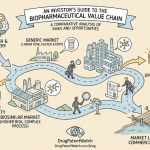
A data-driven deep dive into Hatch-Waxman mechanics, ANDA strategy, Paragraph IV litigation economics, patent IP valuation, complex generics science, and the financial architecture that governs $445 billion in annual healthcare savings.
1. The Hatch-Waxman Act: Legislative Architecture and Its IP Valuation Consequences
The Pre-1984 Problem: How Market Failure Created Legislative Intervention
Before the Drug Price Competition and Patent Term Restoration Act of 1984 became law, the U.S. pharmaceutical market had a structural inefficiency that was costing patients and payers billions of dollars annually. Under the regulatory framework established by the 1962 Kefauver-Harris Amendments, any company seeking to market a copy of an already-approved drug had to conduct its own independent clinical trials proving safety and efficacy from scratch. That obligation cost hundreds of millions of dollars and years of development time, which meant that most generic manufacturers simply did not bother.
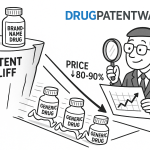
The result was a de facto monopoly that extended well past legal patent expiration. By the early 1980s, the average lag between a brand drug’s patent expiry and the arrival of any generic competition was three years. Only 35% of top-selling drugs faced generic competition at all after patents lapsed. Generic products accounted for just 19% of total prescriptions dispensed in the United States. The inefficiency was not scientific. The innovator company had already proven the drug worked. Requiring duplicative proof was an economic barrier masquerading as a safety requirement.
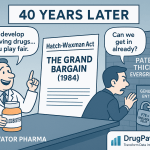
Congress recognized this. Senator Orrin Hatch and Congressman Henry Waxman designed a compromise that traded accelerated generic entry for strengthened innovator protections. The resulting legislation did not simply “open” a market. It re-engineered the competitive rules from the ground up, creating what is most precisely described as a system of managed competition: a structured game with defined timelines, enumerated legal triggers, and economic prizes calibrated to produce specific market behaviors.
The numbers that followed speak for themselves. Generics now account for over 90% of all U.S. prescriptions dispensed. The healthcare system has saved more than $3.1 trillion since 1984, with $445 billion in savings recorded in 2023 alone. The cost to bring a generic small-molecule oral solid to market runs approximately $1 million to $2 million, compared with more than $1 billion for an original NDA. That cost differential is the direct commercial consequence of the ANDA pathway the Act created.
The Dual Mandate: What Hatch-Waxman Actually Traded
The Act’s internal logic rests on a bilateral exchange. Generic companies received the ANDA pathway, which lets them reference the FDA’s existing safety and efficacy determinations for an approved drug rather than repeat them. They also received a statutory ‘safe harbor’ from patent infringement liability during product development and testing, codified at 35 U.S.C. 271(e)(1), which let them formulate and test a generic product before a patent expired without triggering an infringement lawsuit.
Innovator companies received two categories of protection in exchange. First, Patent Term Restoration under 35 U.S.C. 156 allows the USPTO to restore a portion of a patent’s effective life consumed by FDA review, up to a maximum extension of five years, subject to a ceiling on total effective post-approval exclusivity of 14 years. This restoration applies to a single patent per product and requires a diligent prosecution record. Second, the Act created data and regulatory exclusivity periods that run entirely independent of patent status, meaning they cannot be challenged or designed around. A five-year New Chemical Entity (NCE) exclusivity period blocks the FDA from accepting any ANDA submission for a drug containing an active moiety never previously approved. A three-year New Clinical Investigation exclusivity period protects approved changes to existing products, such as new indications, dosage forms, or patient populations, provided the approval relied on clinical investigations that were essential to the change.
IP Valuation: How Hatch-Waxman Protections Are Priced by the Market
For pharma IP teams and institutional investors, the practical question is how these statutory protections translate into asset value. The answer depends on precisely which protections are in place, how they stack, and how much runway each one provides.
A compound with a strong base composition-of-matter patent running to 2030, an active NCE exclusivity expiring in 2028, and a secondary method-of-use patent running to 2032 is not protected until 2032 in any commercially meaningful sense. The method-of-use patent only blocks an ANDA applicant from carving it out of the label if the method is claimed and cannot be readily excised. An ANDA filer with a skinny label strategy can legally launch without infringing the method-of-use claim, leaving the brand’s revenue exposed years before 2032.
The discounted cash flow model a buy-side analyst uses to value these assets should therefore not use the furthest patent expiry date as the exclusivity terminal point. The correct approach models the earliest date on which a generic can legally enter, which requires mapping every listed and potentially listable Orange Book patent against the threat of a Paragraph IV challenge, the probability of litigation success, and the availability of skinny label carve-outs. A drug with a single aging composition patent and no secondary IP is worth less than its nominal patent life implies. A drug protected by a dense secondary patent thicket with legitimate method-of-use claims is worth considerably more.
Gilead Sciences’ tenofovir alafenamide franchise illustrates this dynamic. The base compound patent expired years before the commercial product’s effective exclusivity ended, because Gilead layered formulation patents, combination patents, and method-of-use patents across its TAF-based products (Descovy, Biktarvy, Odefsey). Each additional Orange Book listing raised the cost and complexity of a successful Paragraph IV challenge, extending effective exclusivity well past what the compound patent alone would have provided.
Key Takeaways: Section 1
The Hatch-Waxman Act is not simply a deregulation event. It created a rules-based competitive framework with specific legal triggers, enumerated timelines, and calibrated financial incentives. Patent Term Restoration, NCE exclusivity, and three-year clinical investigation exclusivity are distinct mechanisms that stack differently and expire on different schedules. IP valuation must account for each layer independently, not simply use the furthest expiration date. The drug’s earliest legally defensible generic entry date, not its nominal patent life, is the correct terminal point for exclusivity modeling.
2. The ANDA Pathway: A Step-by-Step Regulatory and Financial Roadmap
Phase 1: Target Selection and Pre-ANDA Intelligence
The Abbreviated New Drug Application process under Section 505(j) of the FD&C Act allows a generic manufacturer to reference the FDA’s prior safety and efficacy determination for an already-approved drug, the Reference Listed Drug (RLD). The applicant must prove pharmaceutical equivalence (same active ingredient, same strength, same dosage form, same route of administration) and bioequivalence (same rate and extent of absorption to the site of action). Nothing about the regulatory sequence makes target selection easy, but nothing about it is arbitrary either.
Target selection analysis starts with the Orange Book and a disciplined commercial filter. The most useful initial screen looks at five variables: RLD annual net revenue (current and projected), number of existing ANDA filers as reported on the FDA’s Paragraph IV Certifications List, patent expiry schedule and complexity of the Orange Book listings, regulatory complexity of the dosage form (oral solid versus inhaled, injectable, or topical), and API source concentration risk. A drug with $800 million in annual sales, one Orange Book patent expiring in 18 months, zero filed ANDAs, and commodity API availability is a rare and obvious target. In practice, most targets involve tradeoffs across these dimensions.
Pre-ANDA meetings with the FDA’s Office of Generic Drugs (OGD) are available for complex products, including drug-device combination products, long-acting injectables, locally acting drugs with complicated bioequivalence endpoints, and products with complex active ingredients such as peptides or polymeric compounds. These meetings are not perfunctory. The OGD uses them to communicate specific expectations around bioequivalence study design, CMC requirements, and labeling, which directly determines the scope and cost of the development program before any capital-intensive work begins. Skipping pre-ANDA alignment for a complex product is the single most common cause of a Complete Response Letter that could have been avoided.
Phase 2: The ANDA Dossier
Bioequivalence: The Scientific Foundation
Bioequivalence is defined at 21 CFR 320.1(e) as the absence of a significant difference in the rate and extent to which the active ingredient becomes available at the site of drug action when administered at the same molar dose under similar conditions. For most systemically absorbed drugs, this is established through pharmacokinetic (PK) studies in healthy volunteers, typically 24 to 36 subjects in a two-period, two-sequence crossover design. The key parameters are maximum observed plasma concentration (Cmax) and area under the plasma concentration-time curve from time zero to the last measurable concentration (AUCt) or to infinity (AUCinf). The FDA considers BE demonstrated if the 90% confidence interval for the geometric mean ratio of each parameter falls within the 80.00% to 125.00% acceptance window.
For drugs with highly variable pharmacokinetics (intrasubject variability of 30% or greater for Cmax or AUC), the FDA permits scaled average bioequivalence (SABE) methods. Reference-scaled average bioequivalence (RSABE) expands the acceptance window proportionally to the reference product’s variability, allowing a wider confidence interval without inflating consumer risk. This methodology is product-specific and must be pre-specified in the study protocol. Misapplying RSABE to a product where it has not been sanctioned by the FDA is a reliable path to a Refuse to Receive (RTR) action or a subsequent CRL.
For drugs that act locally and are not intended for systemic absorption, such as certain topical corticosteroids, ophthalmic emulsions, inhaled corticosteroids, and nasally administered products, traditional PK methods are not appropriate because plasma concentrations either cannot be measured accurately or do not correlate with the drug’s local effect. The FDA has developed multiple alternative endpoints for these product categories:
Pharmacodynamic (PD) studies measure a biological response that correlates with therapeutic effect. For topical corticosteroids, the vasoconstrictor assay quantifies skin blanching as a surrogate for potency. For topical antifungals and antivirals, in vitro permeation testing (IVPT) combined with in vitro release testing (IVRT) has been accepted for some products. For inhaled products, in vitro aerodynamic particle size distribution from the device, combined with dose uniformity and delivered dose testing, constitutes a critical element of the bioequivalence package.
Comparative clinical endpoint studies in patients are required where no validated surrogate is available. These trials are therapeutically equivalent studies, not bridging pharmacokinetic studies, and they carry a substantially higher cost and longer timeline than PK BE studies, often $10 million to $30 million or more and 18 to 36 months. They are the primary reason why the development cost for a complex topical or inhaled generic can approach 10 to 20 times the cost of a simple oral solid.
The FDA publishes Product-Specific Guidances (PSGs) for individual drug products to communicate the recommended BE methodology. PSGs are not regulations, but an ANDA that departs materially from PSG recommendations without scientific justification will receive deficiencies. The OGD’s annual publication of upcoming PSGs is a forward indicator of the agency’s capacity and intent to facilitate generic competition in specific therapeutic areas.
Chemistry, Manufacturing, and Controls (CMC)
The CMC section documents everything about how the drug is made, what it is made of, and how it is tested. For a generic manufacturer, the CMC dossier must demonstrate that the product meets specifications for identity, strength, quality, and purity on a batch-to-batch basis throughout its proposed shelf life. Key subsections cover API sourcing and characterization, excipient qualification, finished dosage form development and composition, manufacturing process description and validation, analytical method development and validation, container-closure system qualification, and accelerated and long-term stability data.
API sourcing requires particular attention. Every API manufacturer used for commercial supply must have a Drug Master File (DMF) on file with the FDA (or the manufacturing information must be included in the ANDA itself), and the facility must be listed in the application. An FDA inspection of the API facility that results in a Warning Letter or import alert before ANDA approval will block that approval regardless of the quality of the finished dosage form data. For companies sourcing APIs from India or China, monitoring facility inspection history through the FDA’s Establishment Inspection Report (EIR) database and the Compliance Actions and Activities database is part of routine due diligence.
Stability data submitted at the time of ANDA filing must include at minimum six months of accelerated stability data (40°C/75% relative humidity) and any available long-term data (25°C/60% RH or 30°C/65% RH). The full 24-month long-term data set is typically required before final approval. For products with a proposed shelf life exceeding 24 months, a statistical extrapolation protocol must justify the proposed expiry.
Phase 3: Submission, GDUFA Fees, and the Review Clock
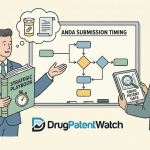
ANDAs are submitted electronically to the FDA’s Center for Drug Evaluation and Research (CDER) via the Electronic Submissions Gateway (ESG) using the eCTD format. The GDUFA user fee program, first enacted in 2012 and now in its third reauthorization cycle (GDUFA III, effective through September 2027), funds the personnel and infrastructure that make the review process function. GDUFA III performance goals require the FDA to act on 90% of original ANDAs within 10 months of receipt for applications that are substantially complete and do not require major amendments.
Current GDUFA fees are material line items in the financial model for any ANDA program. For fiscal year 2025, the base ANDA fee was approximately $266,000 per application. Drug master file annual fees and program fees for facilities add further costs. A portfolio of 20 active ANDA filings with three manufacturing sites represents a GDUFA fee obligation in the millions of dollars annually before any other development expense. These costs are sunk before first revenue and must be factored into NPV calculations at the project selection stage, not after filing.
The FDA’s goal is to minimize the number of review cycles per ANDA. Under GDUFA III, the agency has committed to providing “information requests” (IRs) and “discipline review letters” (DRLs) earlier in the review cycle to allow applicants to correct deficiencies without a full CRL. This iterative approach, while helpful, does not eliminate the risk of a CRL. Applications with major BE deficiencies or critical CMC failures that require new studies or significant reformulation work will still receive CRLs, which restart the review clock and, in competitive races for 180-day exclusivity, can be commercially fatal.
Phase 4: FDA Action Letters
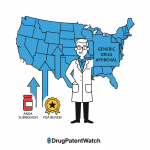
The FDA issues one of three formal actions following its review. A Final Approval letter authorizes commercial manufacturing and marketing. Tentative Approval (TA) confirms that the application meets all scientific and quality requirements but cannot receive final approval because unexpired patents or active exclusivity periods protect the RLD. A TA is not a marketable authorization. It is a placeholder indicating readiness, typically used by applicants competing for 180-day exclusivity who are waiting for patent expiry or litigation resolution.
A Complete Response Letter identifies all deficiencies preventing approval. CRLs range from minor labeling requests to requests for entirely new BE studies or additional stability data. The classification matters. A minor deficiency resolved by a labeling amendment triggers a Class 1 resubmission, which has a two-month review goal under GDUFA. A major deficiency requiring new clinical or BE data triggers a Class 2 resubmission, with a six-month review goal. In a race for 180-day exclusivity, the difference between a Class 1 and Class 2 CRL can determine whether a company captures or forfeits the exclusivity period entirely.
Key Takeaways: Section 2
Target selection requires a five-variable commercial filter before any scientific work begins. For complex products, pre-ANDA meetings are operationally necessary, not optional. Bioequivalence methodology for locally acting drugs is product-specific and often requires comparative clinical endpoint studies costing $10 million to $30 million. GDUFA III has improved FDA review predictability but has not eliminated CRL risk. A Class 2 CRL in a Paragraph IV race is a commercially fatal event that must be priced into the initial investment decision.
Investment Strategy: ANDA Portfolio Construction
For institutional investors evaluating generic drug companies, the ANDA pipeline is the primary forward indicator of revenue potential. The key metrics are: total active ANDAs filed, number of those with Paragraph IV certifications, number of first-to-file positions held, number of pending tentative approvals (which quantify near-term catalysts), and the mix of simple oral solids versus complex products (which determines development cost and competitive intensity). A company with 15 Paragraph IV certifications and 8 first-to-file positions represents a fundamentally different risk-return profile than one with 50 oral solid ANDAs and no patent challenges. The former concentrates risk in litigation outcomes; the latter distributes it across competition-level assumptions.
3. The Orange Book: Decoding the Central Intelligence Register
What the Orange Book Actually Contains
‘Approved Drug Products with Therapeutic Equivalence Evaluations,’ the Orange Book, is the FDA’s official register of all drugs approved under the NDA and ANDA pathways. For anyone working in generic drug development, IP strategy, or competitive intelligence, it is the primary map of the competitive terrain.
The Orange Book lists each approved drug product with its proprietary name, active ingredient, dosage form, route of administration, strength, applicant, NDA or ANDA number, and current marketing status. It assigns Therapeutic Equivalence (TE) codes that tell pharmacists whether a generic can be substituted for the brand. The ‘AB’ code means the FDA has determined the product to be therapeutically equivalent and substitutable. Products without a two-letter TE code beginning with ‘A’ are not substitutable, which has direct formulary placement implications for generic companies.
The patent listings section is where the competitive intelligence lives. NDA holders are required by 21 CFR 314.53 to submit information on patents that claim the drug substance, the drug product (formulation and composition), or a method of using the drug for which approval has been granted. The FDA lists these patents in the Orange Book exactly as submitted by the NDA holder, without independently evaluating whether the patents are valid or whether they actually claim what the applicant says they claim.
This passive listing mechanism has significant strategic implications. Patent listings are self-reported. NDA holders have a documented history of listing patents whose connection to the approved product is questionable, including patents on inactive metabolites, on manufacturing processes (which are explicitly not listable under 21 CFR 314.53(b)), and on devices that accompany the drug but are not integral to it. Generic challengers can and do contest improper listings through the FDA’s administrative delisting process and through litigation under 21 CFR 314.53(f)(2). A successful delisting removes the patent from the Orange Book, which eliminates the 30-month stay trigger for that patent and potentially accelerates generic market entry.
The Exclusivity Listing
Separate from patent listings, the Orange Book records all active regulatory exclusivity periods for each approved product. This includes NCE exclusivity, three-year clinical investigation exclusivity, orphan drug exclusivity (seven years for products designated for rare diseases), pediatric exclusivity (an additional six months attached to existing patents and exclusivities), and the 180-day exclusivity periods awarded to first ANDA filers with Paragraph IV certifications.
These exclusivity periods interact in ways that matter for entry timing. Pediatric exclusivity, granted under the Best Pharmaceuticals for Children Act (BPCA), tacks an additional six months onto all existing patents and exclusivities simultaneously, not just the patent that formed the basis of the pediatric study. A brand company that conducts a qualifying pediatric study on a drug with three listed patents and an active NCE exclusivity period extends all four protections by six months. The cumulative value of that pediatric exclusivity in delayed generic entry revenue can reach hundreds of millions of dollars on a blockbuster drug, far exceeding the cost of the pediatric trials.
The ‘Purple Book’ for Biologics
A parallel construct exists for biological products. The FDA’s ‘Purple Book’ (formally, the Lists of Licensed Biological Products with Reference Product Exclusivity and Biosimilarity or Interchangeability Evaluations) functions analogously to the Orange Book for biologics approved under the Public Health Service Act (351(a)). It records 12-year reference product exclusivity periods, four-year data exclusivity periods blocking biosimilar BLA submissions, and biosimilarity and interchangeability designations. The Purple Book does not list patents; patent disputes in the biosimilar space are governed by the separate BPCIA ‘patent dance’ mechanism discussed in Section 9.
Key Takeaways: Section 3
The Orange Book records patents as self-reported by NDA holders, with no independent FDA validation of claim scope or listing eligibility. Improper listings are a documented problem and a legitimate avenue of challenge for generic companies. Exclusivity periods stack and interact, most consequentially through pediatric exclusivity, which can extend all active protections simultaneously. The Purple Book governs analogous data for biologics but operates under a different patent disclosure framework entirely.
4. Patent Certifications: The Strategic Crossroads That Defines Your Market Entry Profile
The Four Certifications
For every patent listed in the Orange Book for the RLD, an ANDA applicant must certify. This is not optional and not pro forma. The certification choice determines the applicant’s legal relationship with the brand’s intellectual property, the timing of any potential approval, and the company’s exposure to patent infringement litigation.
A Paragraph I Certification states that no patent information has been submitted to the Orange Book for the RLD. This is available only when the Orange Book genuinely contains no patent listings, which is uncommon for commercially significant drugs. A Paragraph II Certification states that all listed patents have expired. This clears the path to approval immediately, subject to any active exclusivity periods. A Paragraph III Certification states that the applicant will delay marketing until the listed patent expires; the ANDA can receive final approval before that date but cannot be used commercially. A Paragraph IV (PIV) Certification states that the listed patent is invalid, unenforceable, or will not be infringed by the proposed generic drug.
The Paragraph IV certification is where the strategic complexity begins.
The Legal Fiction of ‘Artificial Infringement’
Congress built a mechanism into 35 U.S.C. 271(e)(2) that deems the filing of a PIV ANDA to constitute a technical act of patent infringement, even though no drug has been manufactured for commercial sale and no patent has been actually infringed. This ‘artificial infringement’ provision gives the brand-name company standing to bring an infringement lawsuit as soon as it receives notice of the PIV filing, rather than waiting for a commercial launch. The purpose is to resolve patent validity and infringement questions before generic entry, not after.
This mechanism is what makes the entire Hatch-Waxman litigation system function. Without artificial infringement standing, patent disputes could only be resolved in real time after a generic launch, which would expose generic companies to massive damages if a court later found the patent valid and infringed. The current system concentrates litigation into the pre-launch period, which is costly but produces a determined market entry date with legal certainty.
Section viii Statements and the Skinny Label Strategy
A variant available to ANDA filers is the Section 505(j)(2)(A)(viii) statement, colloquially called a ‘Section viii statement’ or ‘skinny label.’ This mechanism applies to method-of-use patents specifically. If a method-of-use patent claims a specific indication for the drug, and the generic applicant’s proposed label carves out that indication entirely, the applicant can submit a Section viii statement instead of a PIV certification for that patent. The generic product would be approved only for the indications not claimed by the patent.
The skinny label approach avoids the 30-month stay triggered by a PIV challenge and avoids the risk of litigation over the carved-out indication. The commercial tradeoff is that the generic cannot promote the carved-out use, though pharmacists may substitute it for all prescriptions, including those written for the patented indication. The legal boundary between permissible generic substitution (driven by pharmacy substitution laws) and impermissible induced infringement (if a generic company actively promotes off-label use of a carved-out indication) has been actively litigated. The Federal Circuit’s decision in GlaxoSmithKline v. Teva (2021) narrowed the skinny label safe harbor significantly by holding that circumstantial evidence of promotion can establish induced infringement even without explicit off-label promotion. Generic companies filing Section viii statements now require IP counsel to evaluate that risk carefully on a product-specific basis.
Key Takeaways: Section 4
The four patent certifications carry fundamentally different risk profiles, market entry timelines, and legal consequences. The PIV certification triggers artificial infringement standing and the Hatch-Waxman litigation sequence. The Section viii skinny label strategy avoids the 30-month stay but carries induced infringement risk that the GlaxoSmithKline v. Teva decision significantly elevated. The correct certification strategy requires patent-by-patent analysis, not a blanket approach.
5. The Paragraph IV Challenge: Litigation Economics, IP Valuation, and the 180-Day Exclusivity Prize
The 180-Day Exclusivity: Quantifying the Prize
The 180-day first-filer exclusivity is the financial engine of the Paragraph IV strategy. It is awarded to the applicant or applicants who file a substantially complete ANDA with a PIV certification first. Under the Medicare Modernization Act of 2003, if multiple companies file on the same calendar day, all share the exclusivity. During the exclusivity window, the FDA cannot grant final approval to any subsequent ANDA applicants for the same drug. The first filer effectively operates as a duopoly with the brand, which produces price dynamics entirely different from a fully generic market.
In a fully contested generic market with six or more entrants, generic prices typically fall to 85% to 95% below brand price within months of launch. During 180-day exclusivity with a single generic entrant, the generic price tends to settle 15% to 40% below brand price. The revenue concentration in this six-month window can be extraordinary on high-volume blockbusters. Teva’s first-to-file launch of generic Provigil (modafinil) generated over $500 million in revenue during its 180-day window. Mylan’s generic Lipitor (atorvastatin) launch generated approximately $1 billion in the exclusivity period. These figures explain why first-to-file status commands premium valuations in generic pipeline assessments.
The exclusivity is subject to forfeiture if certain statutory conditions are met, including failure to market within 75 days of final approval (or 30 months after filing, whichever is earlier), entry of a court decision finding all challenged patents invalid or not infringed, withdrawal of the ANDA, and certain settlement agreements that have been deemed to constitute a forfeiture event. The forfeiture provisions, added by the MMA in 2003 partly to address ‘parking’ of exclusivity, create a mandatory commercial timeline once litigation resolves.
The PIV Timeline: From Filing to First Sale
The statutory sequence is precise. After ANDA submission with a PIV certification, the FDA sends an acknowledgment letter. The applicant then has 20 days from the date on the acknowledgment letter to send formal written notice to both the NDA holder and each patent owner. The notice letter must provide a ‘detailed statement of the factual and legal basis’ for the certification, meaning a claim-by-claim analysis of why each asserted patent is invalid, unenforceable, or not infringed. A legally deficient notice letter can be challenged and may be deemed to have never started the 45-day clock.
Upon receiving the notice letter, the brand company has 45 days to file a patent infringement lawsuit in U.S. district court. If suit is filed within this window, a 30-month regulatory stay automatically attaches to the ANDA. The FDA cannot grant final approval (though it may grant tentative approval) until the 30 months expire, or a district court enters judgment that all relevant patents are invalid or not infringed, or both parties enter a settlement. If the brand company does not sue within 45 days, the stay does not attach, and the ANDA is eligible for approval on the merits alone.
Litigation Economics: The Cost and Probability of a PIV Campaign
Patent litigation in Hatch-Waxman cases is expensive and time-consuming. Total costs for a contested case through trial run $5 million to $15 million per party, depending on the number of patents asserted, the complexity of the technology, and the jurisdiction. The Delaware District Court and the New Jersey District Court handle the majority of Hatch-Waxman cases due to the domicile of brand-name manufacturers.
The win rate for generic challengers has historically run around 70% to 75% on invalidity grounds when cases proceed to judgment. This figure is often cited by generic companies as evidence that much of the patent protection surrounding major drugs is legally vulnerable. The number overstates the strength of generic challengers’ position somewhat because cases that proceed to judgment are a self-selected sample. Brand companies tend to settle cases they expect to lose and litigate cases they expect to win, which skews the adjudicated sample toward invalid patents. The full universe of PIV challenges, including those settled without adjudication, shows a more complex picture.
Reverse Payment Settlements: The FTC’s Enduring Target
A significant fraction of PIV disputes settle before trial. Many settlements have historically involved the brand company paying the generic challenger to delay its entry, a structure the Federal Trade Commission calls a ‘pay-for-delay’ agreement and the Supreme Court addressed in FTC v. Actavis (2013). The Actavis decision held that these agreements are not automatically legal and must be evaluated under the rule of reason antitrust standard. Since Actavis, reverse payment settlements have generally been structured to avoid cash payments that could trigger per se scrutiny, instead using ‘no-AG’ agreements (brand agrees not to launch an authorized generic), co-promotion rights, supply agreements, or early entry dates that provide value to the generic challenger without a direct cash transfer.
The FTC continues to scrutinize these structures aggressively. Companies negotiating PIV settlements should expect FTC inquiry on any agreement that contains terms providing value to the generic challenger in exchange for delayed entry, regardless of how the consideration is structured. The antitrust risk is a real cost that belongs in the legal budget for any PIV litigation program.
Case Study: Barr Laboratories, Prozac, and the Commercial Template for PIV Strategy
Barr Laboratories’ 1996 PIV challenge to Eli Lilly’s fluoxetine (Prozac) patent is the foundational case study for understanding PIV economics. Prozac was generating approximately $2 billion in annual U.S. sales when Barr filed. Lilly sued within 45 days. The 30-month stay attached. Litigation ran five years. Barr prevailed in August 2001.
The commercial consequences were immediate and dramatic. Within six months of Barr’s generic launch, Prozac had lost 82% of its prescription volume to the generic. Barr’s generic fluoxetine generated $367.5 million in revenue over the 11-month exclusivity period. The company’s gross margin nearly doubled during that window, because the exclusivity period allowed pricing well above the competitive floor that arrives with multi-source generic competition.
Lilly’s stock dropped roughly 30% on the day the patent was invalidated. The episode established the commercial template that drove PIV filings from a handful per year in the early 1990s to hundreds annually by the mid-2000s.
IP Valuation: What a PIV Challenge Does to a Brand Asset’s Worth
From the brand company’s perspective, an incoming PIV Notice Letter is a material valuation event. The market’s typical reaction, a 5% to 20% same-day equity price decline on a major product PIV notice, reflects the expected probability-weighted present value of accelerated generic entry. The precise impact depends on the challenged patent’s expiry date, the strength of the invalidity or non-infringement argument stated in the notice letter, and the historical win rate for the patent owner in similar litigation.
From the generic company’s perspective, a first-to-file PIV position on a $1 billion drug is a contingent asset that belongs on the balance sheet of any sophisticated pipeline valuation. The correct approach assigns a probability-weighted NPV to the 180-day exclusivity scenario and discounts it for litigation risk, authorized generic risk, and the probability of a forfeiture event. A first-to-file position on a $1 billion drug with a 60% probability of litigation success, a 40% probability of an authorized generic, and a 180-day exclusivity revenue capture of $150 million has a probability-weighted NPV of approximately $50 million to $70 million before development and litigation costs. At five to eight years of development and litigation duration, the IRR on these investments varies enormously, which is why the best-capitalized generic companies run large PIV portfolios rather than concentrating resources on single challenges.
Key Takeaways: Section 5
The 180-day first-filer exclusivity is earned on the submission date, not at launch. The 30-month stay is a negotiation clock, not an absolute market entry barrier. Reverse payment settlements carry FTC antitrust risk that has only increased since FTC v. Actavis. PIV litigation win rates for generics historically run 70% to 75%, but this figure reflects a self-selected adjudicated sample. First-to-file PIV positions are contingent pipeline assets and should be valued probabilistically, with authorized generic risk as a key variable.
Investment Strategy: PIV Portfolio Valuation
Generic companies with large PIV portfolios trade at a premium to companies with purely imitative generic pipelines, because PIV positions represent option value on exclusivity revenue that is unavailable to later filers. Investors should assess: the number of first-to-file positions confirmed by FDA Paragraph IV filings lists, the cumulative RLD revenue of those positions, the stage of litigation (pre-suit, in suit, post-trial, settled), the probability of authorized generic competition for each position, and the forfeiture risk profile. Companies that have forfeited exclusivity on multiple positions due to failure-to-market or settlement issues are red flags; forfeiture is a symptom of either weak litigation positions or dysfunctional commercial operations.
6. Turning Patent Intelligence Into Predictive Financial Models
The Patent Landscape Analysis: Beyond Expiry Dates
Competent patent landscape analysis for generic entry begins with the Orange Book and extends through USPTO public patent databases, PTAB proceedings, and district court dockets. The Orange Book provides the official record of listed patents and exclusivities. USPTO Patent Center provides the full prosecution history for each patent, including claim scope, prior art cited during examination, and any post-grant proceedings. PTAB records show whether any listed patents have been the subject of inter partes review (IPR) or post-grant review (PGR) petitions, which are an alternative route to patent invalidation that has become increasingly important since the America Invents Act of 2011.
IPR petitions carry a different risk-reward calculus than district court PIV litigation. IPR proceedings at the PTAB have historically resulted in at least partial invalidation of challenged claims in roughly 60% to 70% of instituted petitions, and institution rates run around 60% of filed petitions. An IPR challenge does not trigger the 30-month stay mechanism (because it is not a patent certification), but a successful IPR that cancels all claims of an Orange Book patent effectively removes that patent as a barrier to generic entry. Generic companies increasingly use IPR as a parallel track to ANDA prosecution, attacking patent validity administratively while the ANDA moves through FDA review.
Market Opportunity Quantification
Once a patent landscape analysis identifies a viable target, the next stage is market sizing. RLD net revenue is the correct starting point, not gross revenue, because managed care contracts and Medicaid rebates significantly reduce gross-to-net spreads on many drugs. For older branded products facing loss of exclusivity (LOE), the brand price in the final year before LOE may differ substantially from the brand’s historical peak revenue if formulary pressures, indication erosion, or generic alternatives in the class have already reduced market share.
Patient population size, TRx (total prescription) volume, days of therapy (DOT) per patient, and formulary tier status are the underlying drivers of revenue. A drug with 2 million annual TRx at $400 net per script generates $800 million in brand revenue but, upon generic entry with six competitors, will likely price at $20 to $40 per script within 12 months. The revenue potential for a generic entrant at that price level is constrained to the product’s volume economics, not its brand price economics.
Competitive Intensity and the PIV First-Day Filer Count
The single most important variable in a generic launch financial model is the number of competitors entering the market simultaneously. The FDA’s publicly available Paragraph IV Certifications list publishes, for each RLD with a PIV challenge, the date of the first ANDA submission and the number of applications filed on that date. A drug that attracted 20 first-day filers has, all else equal, dramatically worse economics than one with four. Even if all 20 applicants share the 180-day exclusivity, the pricing dynamic during the exclusivity period deteriorates sharply with each additional entrant.
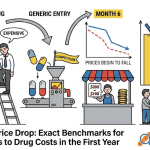
Post-exclusivity price erosion follows a documented and predictable trajectory. The relationship between competitor count and price reduction, based on FDA analysis and ASPE/HHS data, runs roughly as follows: with a single generic entrant, generic price averages 31% below brand on an invoice basis and 39% below brand on an average manufacturer price (AMP) basis. With two entrants, those figures move to approximately 44% and 54%. Four entrants produce roughly 73% and 79% reductions. With six or more entrants, the generic market typically prices at 85% to 95% or more below brand. With ten or more entrants, pricing approaches commodity levels and the market becomes loss-making for high-cost manufacturers.
This price erosion model, applied to the confirmed competitor count from the Paragraph IV Certifications list and the market size from the previous step, produces a range of revenue scenarios. Layer in development cost estimates by dosage form, GDUFA fee obligations, litigation cost if a PIV challenge is involved, and a probability-weighted authorized generic scenario, and the result is a complete NPV and IRR calculation for the investment decision.
Key Takeaways: Section 6
Patent landscape analysis must integrate Orange Book listings, USPTO prosecution history, PTAB IPR proceedings, and district court docket status. IPR proceedings are a parallel invalidation track that does not trigger a 30-month stay. Market sizing should use net revenue, not gross. Competitor count from the FDA’s Paragraph IV Certifications list is the most critical variable in a generic launch financial model. Price erosion is predictable and documented; the six-competitor threshold at which pricing approaches commodity levels is the critical breakpoint for profitability assessment.
An authorized generic (AG) is the brand-name drug marketed under a generic label, sold by the NDA holder or its designated licensee, without any additional FDA approval. Because it runs under the brand’s approved NDA, the AG requires no ANDA and faces no Orange Book patent certification requirements. An AG can launch at any time, including the day after a first-filer generic receives its final approval. Because the 180-day exclusivity only blocks other ANDA approvals, not products marketed under the original NDA, the AG occupies the first-filer’s exclusivity window as a full commercial competitor.
FTC data consistently shows that AG entry during the 180-day exclusivity period reduces the first-filer’s revenue by 40% to 52% compared to periods without AG competition. The AG is typically priced close to or at the first-filer’s price, which compresses the price premium the first-filer would otherwise command over a multi-source market. For a drug with $1 billion in annual sales, the difference between a solo 180-day exclusivity and one contested by an AG can represent $75 million to $150 million in foregone revenue for the first filer.
Recent data indicates that the incidence of AG launches has declined. A 2025 RAPS-reported study found that brand companies are less frequently exercising the AG option, in part because no-AG agreements have become a standard element of PIV settlement negotiations. Under a no-AG agreement, the brand company commits not to market an authorized generic for a defined period, typically co-extensive with or slightly beyond the 180-day exclusivity window, in exchange for the generic company agreeing to a specific delayed entry date. The FTC has challenged some no-AG agreements as components of reverse payment settlements under Actavis, but the legal status of no-AG agreements standing alone remains unresolved.
For generic companies modeling PIV ROI, AG risk is a binary variable that must be probability-weighted based on the brand company’s historical AG behavior, financial condition, and the patent litigation context. A brand company facing imminent patent expiry on its most important product, with a weak litigation position, and a strong financial position, has both the incentive and the capacity to launch an AG. Assign a high probability. A brand company that has never launched an AG and is in active no-AG settlement negotiations across its portfolio warrants a lower probability. Zero is almost never the correct assumption.
Evergreening: The Full Tactical Roadmap
Evergreening describes the collection of patent, regulatory, and commercial strategies that brand companies deploy to extend effective market exclusivity beyond the expiry of the original composition-of-matter patent. The term is often used pejoratively in policy discussions, but from an IP strategy perspective, it describes legitimate legal and scientific activity. For generic companies, understanding the evergreening playbook in advance is what allows them to anticipate and neutralize each tactical move.
The full evergreening toolkit includes the following instruments:
Formulation patents protect specific physical or chemical forms of the drug product, such as particular polymorphic forms of the API, specific salts or esters, specific particle size distributions, coating systems, or sustained-release mechanisms. These patents are often filed during or shortly after the original IND period, based on the formulation work done in early development. They typically expire 10 to 20 years after the composition patent, providing meaningful additional protection if their claims can be defended against invalidity challenges.
Method-of-use patents claim specific therapeutic applications or dosing regimens. A drug approved for a single indication may accumulate method-of-use patents as clinical evidence develops for additional applications. Each new method-of-use patent requires a separate carve-out analysis by any ANDA filer seeking a Section viii statement.
Polymorph patents claim specific crystalline or amorphous forms of the API. Because a drug’s physical form affects dissolution rate, bioavailability, and manufacturing properties, polymorph selection is a legitimate scientific activity. When polymorph patents are listed in the Orange Book and are not susceptible to easy design-around, they represent a genuine obstacle to generic development. Roflumilast (Daliresp), clopidogrel (Plavix), and esomeprazole (Nexium) all generated significant PIV litigation around polymorph and salt patents after the base compound patents expired.
Product hopping describes a brand company’s deliberate commercial shift from one formulation to another, typically from an immediate-release to an extended-release form, or from a tablet to a capsule, timed to coincide with impending patent expiry on the original form. The new formulation receives its own NDA approval, is patent-protected, and becomes the target of intense detailing and formulary activity. Prescriptions are directed to the new form before generic availability on the old form becomes commercially relevant. Abbott’s move from Tricor (fenofibrate 145 mg) to Tricor ER before generic entry is a documented example. Generic companies can and have challenged product-hopping strategies under antitrust law, but proving exclusionary intent rather than legitimate product improvement is a high evidentiary bar.
Pediatric exclusivity, as noted above, extends all existing patents and exclusivities by six months for drugs for which a qualifying pediatric study is conducted. The brand company controls the decision to seek pediatric exclusivity; once granted, it applies automatically to all listed protections. For drugs with multiple patents and active NCE exclusivity, the aggregate revenue value of the six-month extension can significantly exceed the cost of the pediatric program.
IP Valuation: Quantifying Evergreening’s Impact
For generic company IP teams, the correct analytical approach treats each evergreening instrument as a separate hypothesis to be tested rather than a barrier to be accepted. Formulation and polymorph patents can be challenged on anticipation, obviousness, and lack of enablement grounds. Method-of-use patents can be carved around with Section viii statements, subject to post-GSK v. Teva analysis. Product-hopping can be met by filing an ANDA on the original formulation and competing for the residual market share.
The question is which challenges are worth the investment. A formulation patent with claims that read precisely on the RLD’s commercial formulation, no identifiable prior art in the prosecution history, and a priority date within the past decade is expensive to challenge and unlikely to succeed on obviousness grounds. A polymorph patent with a priority date immediately following the base compound patent expiry, claims on a form that can be avoided through alternative API sourcing, and a prosecution history showing extensive prior art citation deserves serious PIV challenge analysis.
Key Takeaways: Section 7
Authorized generic risk is a probability-weighted variable, not a binary yes/no assumption; 40% to 52% revenue reduction during the exclusivity period is the FTC-documented impact. No-AG agreements have become a standard PIV settlement currency but carry unresolved antitrust exposure. Evergreening instruments (formulation patents, polymorph patents, method-of-use patents, product hopping, pediatric exclusivity) each require independent validity assessment, not blanket acceptance. The generic company’s analytical task is to identify which secondary patents are legally vulnerable, not to treat the entire secondary patent thicket as an impenetrable barrier.
8. Complex Generics: The Scientific and Regulatory Frontier
Why ‘Complex’ Matters Economically
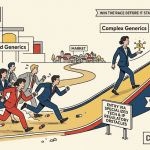
Complex generic products represent the highest-growth segment of the generic pipeline, and the most expensive. For a traditional oral solid, the total development cost runs $1 million to $5 million and the development timeline is 18 to 36 months from project initiation to ANDA filing. For a long-acting injectable microsphere formulation, an ophthalmic emulsion, a metered-dose inhaler with a device component, or a transdermal patch with complex absorption characteristics, development costs routinely run $20 million to $100 million and timelines extend to five to eight years.
The economic consequence of this cost barrier is a smaller competitor pool and slower price erosion after generic entry. The typical oral solid generic market with six competitors reaches 90% price reduction within 12 months of launch. A complex injectable with two competitors may sustain pricing at 20% to 40% below brand for two to three years. The absolute profit pool is often comparable despite the larger development investment, and the competitive moat is more durable.
Categories of Complexity and Their Technical Challenges
The FDA’s Office of Generic Drugs defines complex products across four dimensions. Products with complex active ingredients include peptides (such as semaglutide, liraglutide, or exenatide), proteins, complex mixtures of botanical origin, and polymeric compounds such as heparins. The challenge for these products is that the active ingredient itself cannot always be fully characterized by standard analytical chemistry; the biological activity is often sequence- or structure-dependent in ways that require specialized assays.
Products with complex formulations include liposomal and lipid nanoparticle (LNP) formulations, colloidal systems, polymeric microspheres and microparticles for long-acting release, and oil-in-water emulsions for ophthalmic or intravenous use. Liposomal doxorubicin (Doxil), for example, has been the subject of multiple generic development programs spanning more than a decade, because demonstrating BE for a liposomal product requires characterizing nanoparticle size distribution, encapsulation efficiency, drug release kinetics, and in vivo pharmacokinetics in parallel, using methods the FDA continues to refine.
Products with complex routes of delivery include inhaled corticosteroids, beta-agonists, and combination inhalers; intravaginal rings and implants with sustained-release characteristics; transdermal systems with complex membrane structures; and intrathecal, intra-articular, and intravitreal formulations. For inhaled products specifically, BE encompasses both the device performance (aerodynamic particle size distribution, delivered dose, device operation characterization) and the in vivo pharmacokinetic profile. The GSK v. Teva case that complicated the skinny label landscape also intersects here, because many inhaled combination products carry method-of-use patents for their individual component indications.
Products with complex drug-device combination components include auto-injectors, prefilled syringes, and metered-dose inhalers where the device is an integral part of the approved combination. For these products, the ANDA must demonstrate not only drug product equivalence but also device performance equivalence. Device equivalence is evaluated under a ‘same as’ standard that requires dimensional, mechanical, and human factors analysis. If the brand device has been updated since the original approval, determining which device iteration constitutes the reference standard for the ANDA is itself a regulatory question that may require an Agency determination.
The 505(b)(2) Hybrid Pathway for Complex Products
For products where full ANDA eligibility is not achievable because the degree of change from the innovator product requires new clinical data, the 505(b)(2) application pathway permits reliance on some published literature or existing FDA findings while submitting new studies to fill scientific gaps. This pathway is commonly used for new formulations of existing APIs, new delivery systems (e.g., reformulating an IV drug for subcutaneous use), and new dosage forms for new patient populations.
The 505(b)(2) pathway is not a generic pathway in the commercial sense. It produces a new NDA, not an ANDA. The applicant can obtain its own exclusivity periods, including three-year clinical investigation exclusivity. Products approved via 505(b)(2) compete with the innovator but are distinct approved products with their own label, often with proprietary improvements. Many specialty pharma companies have built business models around 505(b)(2) reformulation strategies, capturing mid-level development programs that are too scientifically demanding for the ANDA route but far cheaper than novel NDA development.
Key Takeaways: Section 8
Complex generic development costs are 10x to 50x the cost of oral solid development, but the smaller competitor pool and slower price erosion improve the long-run profit outlook. The four FDA categories of complexity, active ingredients, formulations, delivery routes, and drug-device combinations, each present specific scientific challenges that require product-specific regulatory strategy. The 505(b)(2) hybrid pathway is available when full ANDA eligibility is not achievable; it produces a new NDA with potential standalone exclusivity, not an ANDA approval.
Investment Strategy: Complex Generics as Portfolio Construction Tools
Generic companies with significant complex product pipelines trade at higher multiples than pure commodity oral solid players, because complex products carry higher barriers to entry and more durable competitive positions. Investors should evaluate: the proportion of the pipeline in complex dosage forms, the company’s technical capabilities and prior regulatory success in each complex product category, PSG compliance status for key pipeline products (a company developing a product without a PSG faces higher CRL risk), and device development capability for combination product programs. The absence of in-house device engineering capability for auto-injector or inhaler programs is a signal of either underinvestment or reliance on CDMOs that may introduce supply chain risk.
9. Biosimilars and the BPCIA Pathway: A Parallel Competitive Universe
The Regulatory Framework: Section 351(k) and the BPCIA
Biologic drugs approved under Section 351(a) of the Public Health Service Act (PHS Act) cannot be approved through the ANDA pathway, which applies only to drugs approved under the FD&C Act. The Biologics Price Competition and Innovation Act of 2009 (BPCIA) created a separate abbreviated pathway at 351(k) for biosimilars, the biologic analog of generic drugs.
A biosimilar is a biologic product that is highly similar to an already-licensed reference product, with no clinically meaningful differences in safety, purity, and potency. An interchangeable biosimilar meets the additional requirement that it can be expected to produce the same clinical result as the reference product in any given patient, and that switching between the reference and the interchangeable product does not present a greater risk than continuous use of the reference. Interchangeability is the biosimilar analog of the Orange Book ‘AB’ therapeutic equivalence code: it permits pharmacist substitution without prescriber intervention.
The 12-Year Reference Product Exclusivity and IP Architecture
Reference biological products receive 12 years of exclusivity from first licensure, during which the FDA cannot approve a 351(k) biosimilar application. A four-year ‘data exclusivity’ sub-period blocks the FDA from accepting a 351(k) application during the first four years. This 12-year period is significantly longer than the five-year NCE exclusivity for small-molecule drugs, reflecting the greater scientific and manufacturing complexity of biologics and the correspondingly larger R&D investment.
The IP architecture protecting biologic reference products is layered further by the BPCIA’s ‘patent dance,’ a structured patent disclosure and negotiation process that is separate from the Purple Book. Under the patent dance, the biosimilar applicant shares its 351(k) application with the reference product sponsor within 20 days of FDA acceptance. The reference sponsor then has 60 days to identify patents it believes would be infringed by the biosimilar. The parties exchange information about additional patents and litigation positions over a sequence of statutory deadlines, ultimately producing either a negotiated list of patents to be litigated immediately or triggering the sponsor’s right to seek a preliminary injunction.
The patent dance is optional for biosimilar applicants (see Sandoz v. Amgen, 2017), but skipping it removes certain statutory litigation benefits and may trigger immediate infringement actions. Most major biosimilar developers elect to engage in the dance. For reference product sponsors, the patent dance is a disclosure and litigation-preparation tool that generates earlier litigation certainty.
IP Valuation of Biologic Reference Products
A biologic drug protected by a 12-year exclusivity period, an active patent estate covering the protein sequence, manufacturing process, formulation, and antibody engineering, and a clinical program generating ongoing method-of-use patents represents one of the most defensible IP positions in the pharmaceutical industry. Humira (adalimumab, AbbVie) is the paradigm case. AbbVie accumulated more than 130 U.S. patents on Humira across sequence, formulation, manufacturing, dosing, and delivery device, and used that patent thicket to delay U.S. biosimilar entry until 2023, seven years after the primary composition patent expired.
AbbVie’s Humira IP strategy generated an estimated $100 billion in additional U.S. revenue during the delay period, at a litigation and patent prosecution cost of a fraction of that figure. The royalty income from licensing deals with biosimilar companies (who agreed to pay royalties in exchange for early entry rights in Europe, where the patent landscape is less dense) added further value while managing U.S. litigation risk. The Humira case is studied in IP strategy courses precisely because it demonstrates how a well-constructed secondary patent estate can operate as a near-permanent revenue protection mechanism long after the foundational science is in the public domain.
For biosimilar developers, the lesson is that the Purple Book exclusivity period is rarely the binding constraint on market entry timing. The BPCIA patent dance and subsequent litigation are. Biosimilar applicants should model expected litigation duration and cost as the primary determinant of entry timing, with the 12-year exclusivity period as a floor, not a ceiling.
Key Takeaways: Section 9
Biosimilars require 351(k) BPCIA applications, not ANDAs. The 12-year reference product exclusivity is the floor for biosimilar exclusion; dense secondary patent estates extend effective exclusivity substantially further. Interchangeability designation is the commercial differentiator that enables pharmacy-level substitution. AbbVie’s Humira IP defense is the definitive case study of how secondary patent architecture extends effective biologic monopoly. For biosimilar developers, litigation duration and cost are the primary entry timing variables.
10. Post-Market Obligations: Pharmacovigilance, Labeling, and REMS
Safety Surveillance: The Generic Manufacturer’s Ongoing Obligations
FDA approval ends the development phase and begins the pharmacovigilance phase. Generic manufacturers have the same post-market safety obligations as brand-name companies. These obligations are not bureaucratic formalities. Failure to fulfill them generates Warning Letters, consent decrees, and market withdrawals that can destroy a company’s reputation with the FDA and create barriers to future ANDA approvals.
Under 21 CFR 310.305 and 314.81, ANDA holders must submit individual serious and unexpected adverse event reports (ICSRs) to the FDA within 15 calendar days of becoming aware of the event. Periodic safety reports must be submitted at regular intervals, initially every quarter, then annually. The FDA’s MedWatch program is the principal collection point for spontaneous adverse event reports from healthcare practitioners and consumers.
For a generic manufacturer, adverse event surveillance requires a functioning pharmacovigilance infrastructure: medical reviewers capable of clinical causality assessment, a validated safety database compliant with ICH E2B standards, and a regulatory affairs team experienced in FDA safety report formatting and submission. Companies that scale their ANDA portfolios faster than their pharmacovigilance infrastructure can absorb the resulting safety signals are at material compliance risk.
Labeling Parity and the ‘Same As’ Standard
ANDA holders are required to maintain labeling that is the ‘same as’ the most recently approved labeling for the RLD. When the brand company updates its label, whether to add a new safety warning, modify dosing instructions, or update clinical data, the generic manufacturer must follow with corresponding labeling updates submitted to the FDA.
The labeling parity obligation creates an operational monitoring requirement: generic companies must continuously track NDA supplement approvals and FDA safety communications related to their reference products. Several consent decrees and enforcement actions have named generic manufacturers for marketing products with labeling that no longer matched the current RLD label, typically because a safety update was missed. Automated monitoring of the FDA’s drug labeling database (DailyMed) and NDA supplement tracking tools are standard practice in well-run generic regulatory affairs functions.
REMS: When the Brand’s Safety Program Follows the Generic
A Risk Evaluation and Mitigation Strategy (REMS) is a safety program the FDA requires for drugs where the benefits justify the risks only if certain risk management measures are in place. REMS requirements can include a Medication Guide, a communication plan, and Elements to Assure Safe Use (ETASU), such as prescriber certification, patient enrollment in a registry, laboratory monitoring requirements, or dispensing through certified pharmacies.
When a drug subject to a REMS receives generic competition, the generic’s REMS must be either a shared system identical to the brand’s program or an approved alternative that meets the same safety objectives. Shared REMS systems require coordination between the brand and generic manufacturers, which in practice means the brand must cooperate with its competitors in designing and operating the safety infrastructure. Brand companies have historically used REMS, particularly ETASU, as a barrier to generic competition by refusing to allow generic manufacturers access to the limited distribution systems required for REMS-compliant product dispensing and by delaying shared system negotiations.
The FDA Reauthorization Act of 2017 addressed some of these obstructive practices and the FDA has issued guidance on single, shared REMS programs. Generic companies encountering REMS-based access barriers should pursue the FDA’s administrative process for resolving single, shared REMS disputes, and document all interactions with brand companies for potential FTC referral if the obstruction appears to be designed to delay rather than ensure safety.
Key Takeaways: Section 10
Post-market pharmacovigilance obligations apply equally to generic and brand companies. Labeling parity with the RLD requires continuous monitoring of NDA supplement approvals. REMS access barriers are a documented anticompetitive tactic; the FDA’s shared REMS process and FTC referral are the correct channels for resolution.
11. Global Harmonization: FDA vs. EMA Regulatory Divergence
Generic Drug Approvals in the European Union: The ‘Hybrid Application’ Framework
In the European Union, generic drug applications are submitted under Article 10(1) of Directive 2001/83/EC, the ‘abridged application’ route, which parallels the FDA’s ANDA pathway in concept. The applicant demonstrates that its product is generically equivalent to an innovator product authorized in the EU. Bioequivalence standards are generally aligned with FDA standards (80.00% to 125.00% confidence interval for Cmax and AUC), but the EMA has its own suite of bioequivalence guidelines, most recently revised in 2022, with product-specific requirements.
The structural difference with greatest strategic impact is market authorization fragmentation. In the U.S., a single ANDA approval grants a right to sell nationally. In the EU, market authorization can be obtained through the centralized procedure (via the EMA for certain product categories), the mutual recognition procedure (one reference member state plus recognition in others), or the decentralized procedure (simultaneous submission in multiple member states). For generic drugs, the decentralized and mutual recognition procedures are most common, which means a generic launch in the EU often requires country-by-country pricing and reimbursement negotiations that can take one to three years beyond the marketing authorization.
The EMA’s scientific review process does not have a formal analog to GDUFA user fees or performance goals, which in practice means review timelines are less predictable. The EMA’s Committee for Medicinal Products for Human Use (CHMP) maintains review guidelines, but approval timelines for hybrid applications can range from 18 to 30 months depending on product complexity and the reference member state’s workload. Expedited pathways exist but are less well-defined than FDA’s priority review mechanisms.
Patent Linkage: A Critical Jurisdictional Difference
A fundamental structural difference between the U.S. and EU systems is patent linkage. In the U.S., the Orange Book patent certification system links regulatory approval to patent status, creating the Hatch-Waxman stay mechanism described throughout this piece. The EU has no equivalent patent linkage. There is no Orange Book analog in the EU, and the granting of a marketing authorization in the EU is not conditioned on patent status. A generic company in the EU can receive a marketing authorization even while patent litigation is ongoing; any restriction on launch is governed by civil patent injunction law, not a regulatory hold.
This difference has a major practical implication: EU generic launch timing is controlled entirely by civil courts, not by regulatory timelines. A generic company that prevails in a preliminary injunction hearing can launch before final patent adjudication. Conversely, a brand company that obtains a preliminary injunction in a key market can block commercial launch even after marketing authorization is granted. Companies running global generic programs must maintain parallel legal teams for each major EU market and model entry timing as a jurisdiction-by-jurisdiction probability distribution.
Key Takeaways: Section 11
EU generic approvals proceed under the abridged application route via decentralized or mutual recognition procedures, with country-specific pricing and reimbursement timelines extending post-authorization. The EU has no patent linkage system analogous to the Orange Book; launch timing is controlled by civil patent injunction law, not regulatory hold. Global generic programs require jurisdiction-specific regulatory and legal strategies, not a single global submission plan.
12. Investment Strategy: Portfolio Construction and Risk-Adjusted Return Modeling
Building a Generic Drug Investment Framework
For institutional investors, the generic drug sector offers a risk-return profile that is distinct from branded pharma. Revenue is volume-driven and relatively predictable once a product is in market, but it is also subject to rapid compression as additional competitors enter. The key investment risks are patent litigation outcome uncertainty, authorized generic timing, FDA review cycle unpredictability, manufacturing quality compliance risk (Warning Letters and consent decrees), and API supply chain concentration.
The most useful frameworks for portfolio construction in the generic sector apply a probabilistic NPV model to each pipeline asset and aggregate across the portfolio. The inputs are: probability of litigation success (for PIV assets), probability of first-to-file position confirmation, expected number of competitors at launch (from Paragraph IV filings list), projected RLD revenue at time of generic entry, applicable price erosion assumption by competitor count, development and litigation cost by asset, GDUFA fees, and working capital requirements for pre-launch inventory.
The biggest single error in sell-side and buy-side models covering generic companies is treating the pipeline as binary (either the ANDA is approved or it is not) rather than as a distribution of outcomes. An ANDA in a 20-filer race with no PIV position and a complex BE requirement is a fundamentally different asset from a PIV first-to-file position on a $1 billion drug with a well-constructed invalidity argument. Collapsing both into ‘ANDA pending’ understates the variance in the pipeline.
Key Financial Metrics for Generic Company Valuation
The metrics that best capture the economic trajectory of a generic drug company are: gross margin by product (which reflects competitive intensity and pricing power), the proportion of revenue from exclusivity-period launches versus commoditized multi-source products, R&D spend as a percentage of revenue (which indicates pipeline replenishment rate), CMC and manufacturing compliance status across all facilities (Warning Letters represent near-term revenue at risk), and the company’s net PIV litigation win rate over the prior five years (which is a proxy for the quality of its IP strategy function).
Companies with a high proportion of exclusivity revenue, a demonstrated track record of successful PIV challenges, minimal facility compliance issues, and a complex product pipeline carry the most defensible long-run earnings profiles. Companies dependent on commoditized oral solid ANDAs in overcrowded therapeutic categories with API sourced from a single supplier in a geography subject to regulatory scrutiny represent the opposite risk profile.
13. Frequently Asked Questions
What is the difference between bioequivalence and therapeutic equivalence?
Bioequivalence is a pharmacokinetic determination: the generic delivers the same amount of active ingredient to the bloodstream at the same rate as the reference product. Therapeutic equivalence is the FDA’s broader regulatory conclusion, combining pharmaceutical equivalence (same active ingredient, strength, dosage form) with the bioequivalence finding. The Orange Book ‘AB’ code signals therapeutic equivalence and is what enables pharmacist substitution.
What is the difference between tentative approval and final approval?
A Tentative Approval (TA) means the ANDA has met all scientific and quality requirements for approval but a listed patent or active exclusivity period prevents the FDA from granting final approval at that time. A TA cannot be used to market the product. Final Approval is issued once all patent and exclusivity barriers have cleared, authorizing commercial manufacturing and sale.
Can more than one company share the 180-day exclusivity?
Yes. Under the Medicare Modernization Act of 2003, all companies that file a substantially complete ANDA with a PIV certification on the same day as the first filer are co-first applicants and share the 180-day exclusivity period.
What triggers forfeiture of 180-day exclusivity?
The first filer forfeits exclusivity if it fails to commercially market within 75 days of final approval or 30 months after submission (whichever comes earlier), if a court enters a final judgment that all challenged patents are invalid or not infringed, if the FDA finds all challenged patents to be invalid through an OGD proceeding, if the ANDA is withdrawn, or if the first filer enters into an agreement the FTC or FDA determines to be a forfeiture event.
What is an authorized generic, and how does it affect the first filer’s 180-day exclusivity window?
An authorized generic is the brand-name drug marketed under the brand’s approved NDA with a generic label, requiring no additional FDA approval. Because it runs under the NDA rather than an ANDA, it is not subject to the 180-day exclusivity bar that blocks other ANDA holders. An authorized generic can enter the market simultaneously with the first-file generic, reducing the first filer’s revenues by an FTC-documented average of 40% to 52% during the exclusivity period.
What is the ‘patent dance’ in the BPCIA biosimilar framework?
The patent dance is the BPCIA’s structured patent disclosure and negotiation process. The biosimilar applicant shares its 351(k) application with the reference product sponsor shortly after FDA acceptance. The sponsor identifies patents potentially infringed by the biosimilar. The parties negotiate which patents to litigate immediately and which to defer until closer to launch. The process is optional for biosimilar applicants following the Sandoz v. Amgen (2017) Supreme Court decision, but most major developers engage in it.
Why do generic drug prices sometimes increase rather than decrease?
Generic price increases occur when competitive supply diminishes. If manufacturers exit an unprofitable market, the remaining suppliers gain pricing power. API supply chain disruptions, manufacturing quality failures that trigger recalls or production halts, and the exit of the last remaining generic supplier in a niche therapeutic area all produce this dynamic. Older drugs with low absolute price points are most vulnerable, because manufacturing cost reductions are limited and small volume changes can swing a product from marginally profitable to loss-making, prompting exit.