A technically dense, data-grounded analysis of repurposing economics, IP valuation, regulatory pathways, computational platforms, and lifecycle management tactics for existing drug assets.
Repurposing an approved compound for a new indication costs roughly $300 million and takes eight to ten years. Discovering a genuinely novel molecule from scratch costs $2 to $3 billion and takes twelve to fifteen. That gap is the entire rationale for the drug repurposing industry, and it is large enough to reshape portfolio strategy, M&A valuations, and patent management across every major therapeutic category.
What Drug Repurposing Actually Is (and What It Isn’t)
Defining the Taxonomy: Repurposing, Repositioning, Reprofiling
The pharmaceutical literature uses the terms drug repurposing, drug repositioning, drug reprofiling, and drug retasking almost interchangeably, which creates analytical confusion. For IP and commercial purposes, the distinctions matter. Drug repurposing is the broadest term: it covers identifying any new therapeutic application for a compound with established human safety data, whether or not that compound ever received marketing authorization. Drug repositioning refers specifically to compounds that were approved for one indication and are now being pursued for a second. Drug reprofiling covers candidates that completed Phase I but stalled before approval and are now re-entering development for a different target. Each category faces a distinct patent landscape, a different regulatory starting point, and a different commercial risk-reward profile.
The category also extends beyond single-molecule applications. Repurposing can involve a new formulation of an approved drug (for example, an extended-release version for a pediatric population), a fixed-dose combination of two approved agents for a condition neither treats as monotherapy, or the application of a known molecule to a new route of administration such as intrathecal or inhaled delivery that opens a distinct clinical and IP space. Each of these constitutes a separate regulatory filing and, if properly constructed, a separate exclusivity position.
The Economic Case in Hard Numbers
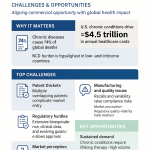
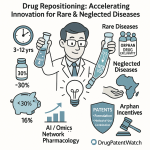
$300MAvg. repurposing development cost
$2.3BAvg. de novo development cost
5-7 yrTimeline reduction vs. de novo
30%Phase II success rate for repurposed drugs post-Phase I
<10%Overall approval rate, de novo NCEs
The cost differential between repurposing and de novo development flows from a specific set of skipped activities. A repurposed compound with an existing IND and human safety data generally bypasses target identification, lead optimization, formulation screening, in vitro ADME profiling, and Phase I dose-escalation in the original indication’s patient population. For a compound with a clean Phase I package, the development program can enter directly at Phase II with a proof-of-concept study in the new indication, eliminating an average of two to four years and $100 to $400 million in pre-clinical and Phase I spend. The 30% Phase II-to-approval success rate for repurposed compounds compares favorably to the 8 to 12% rate typically observed for novel small molecules entering Phase II for the first time, primarily because toxicity risk is already characterized and the pharmacokinetic-pharmacodynamic relationship in humans is already partially understood.
That said, these averages conceal wide variation. A compound whose original Phase I was conducted in healthy volunteers at doses far below what the new indication requires will face a more substantive safety workload. A compound being repurposed for a pediatric population from an adult indication requires dedicated pediatric safety and PK data regardless of the existing adult package. And a biologic being repurposed for a new indication faces the same complex immunogenicity and long-term safety requirements as any novel biologic, with limited time compression available.
Key Takeaways — Section 1
Drug repurposing, repositioning, and reprofiling describe distinct starting conditions with different IP and regulatory implications; conflating them leads to inaccurate valuation models.
The core economic advantage is the elimination of pre-clinical and Phase I spend for compounds with clean human safety data, not a shortcut through efficacy demonstration.
Repurposed drugs that reached Phase I achieve approval at roughly triple the rate of de novo small molecules at the same stage.
Formulation-based and combination-based repurposing constitute distinct regulatory and IP events separate from the indication-based repositioning most analysts model.
Section 02
The IP Valuation Framework for Repurposed Drug Assets
Why the Patent Clock Governs Everything
The financial value of a repurposing program depends, above any other single variable, on how much effective patent life remains at the time of approval for the new indication. A compound whose original composition-of-matter patent expired five years ago and whose data exclusivity window has closed is a materially different asset from one that still carries a blocking patent. The moment an IP team identifies a repurposing candidate, the first task is mapping the full Orange Book patent estate and any non-Orange Book patent family members: composition-of-matter patents, formulation patents, method-of-use patents, polymorph patents, and metabolite patents. Each layer affects the competitive timeline for generic or follow-on entry.
For small molecules, composition-of-matter protection is the most commercially meaningful because it blocks all uses of the molecule regardless of indication. By the time a repurposing program reaches Phase II or Phase III, the original composition-of-matter patent is typically seven to twelve years old, which means effective remaining life at NDA approval may be four to eight years. For a repurposed biologic, the equivalent reference product exclusivity under the Biologics Price Competition and Innovation Act (BPCIA) provides twelve years of exclusivity from first licensure, and the complexity of biosimilar development means competitive entry often comes later than the exclusivity expiration would suggest.
Method-of-Use Patents: Scope, Enforceability, and Carve-Out Risk
When the original composition-of-matter patent has expired or is weak, the repurposing sponsor’s primary IP tool is the method-of-use patent: a claim covering the use of the compound for the new indication, the dosing regimen, the patient population, or a specific biomarker-defined subgroup. Method-of-use patents are listed in the FDA Orange Book and require generic filers seeking an ANDA to address them with either a Paragraph III certification (agreeing to wait for expiration) or a Paragraph IV certification (asserting invalidity or non-infringement), which triggers 30-month stay provisions.
The enforceability limitation on method-of-use patents in the repurposing context is real and well-documented. Where a generic filer can secure approval with a skinny label, omitting the patented indication from its labeling while retaining approval for the original indication, the method-of-use patent covering the repurposed use may be commercially unenforceable. The ‘carve-out’ doctrine, established by case law including GlaxoSmithKline LLC v. Teva Pharmaceuticals USA, Inc., creates a landscape in which the patented repurposed indication can be freely used off-label by prescribers even after a generic launches with a carved-out label. IP teams must account for this risk explicitly when projecting the commercial durability of a method-of-use-only IP position.
Formulation and Combination Patents as Secondary Exclusivity Layers
A strategically constructed repurposing program layers multiple patent types to extend the effective exclusivity window. Formulation patents covering controlled-release profiles, bioavailability-enhancing excipients, or novel salt forms can add three to seven years of practical protection beyond the method-of-use patent, provided they are filed early and the claims are tightly scoped to the commercial product. Combination product patents, where the repurposed drug is co-formulated with a second agent or device component, create the most durable exclusivity structures because generic challengers must design around both the small molecule claims and the combination architecture.
Polymorph patents covering specific crystal forms of the API, and metabolite patents covering the active metabolite responsible for efficacy in the new indication, are additional tools available when the compound’s chemistry supports them. These are the most commonly criticized as ‘evergreening’ tactics when deployed aggressively, but from an IP portfolio management perspective they are legitimate patent claims on genuinely novel subject matter so long as the crystal form or metabolite provides a real clinical or manufacturing advantage.
The 505(b)(2) Pathway and Its IP Implications
The FDA’s 505(b)(2) pathway is the primary regulatory vehicle for most small-molecule repurposing programs in the United States. Under 21 C.F.R. 314.54, the applicant may rely on published literature or the FDA’s prior finding of safety and effectiveness for the listed drug to satisfy part of the safety and efficacy requirements, submitting new data only for what is needed to bridge the differences in indication, dose, formulation, or patient population. The IP implication is that the 505(b)(2) NDA can list new patents in the Orange Book covering the new indication, new formulation, or new dosing regimen, and these patents receive full Paragraph IV challenge rights as if the product were a brand-new NDA. The sponsor effectively gets brand-NDA IP infrastructure for a development program that relied on existing safety data. Three years of non-patent market exclusivity applies to new clinical investigations that were essential to approval, including new indication studies, even if no new patents are granted.
Key Takeaways — Section 2
The remaining effective patent life at the projected approval date is the single most important variable in any repurposing asset valuation model.
Method-of-use patents are Orange Book listable and trigger 30-month stays, but skinny-label carve-outs can render them commercially unenforceable against well-structured ANDA filers.
Layering formulation, combination, polymorph, and metabolite patents over a method-of-use base is the standard approach to maximizing exclusivity duration.
The 505(b)(2) pathway allows a repurposing applicant to access full Orange Book patent listing rights while reducing clinical development costs through reliance on existing safety data.
Investment Strategy — IP Valuation
When valuing a repurposing-stage asset, discount the net present value calculation based on the actual IP coverage structure, not the headline patent expiration date. A method-of-use-only position in a therapeutic category with multiple generics already approved for the original indication should carry a 40 to 60 percent haircut on projected revenues versus a compound still under composition-of-matter protection. Check whether the Orange Book listing includes formulation or combination patents that would require generic filers to challenge separately, as each additional patent can add 18 to 36 months of post-approval exclusivity if defended successfully.
For biosimilar-category repurposing, the 12-year BPCIA exclusivity from first licensure is counted from the original reference product approval, not the repurposed indication approval, which means a biologic repurposing program approved six years after the original reference product has six years of BPCIA exclusivity remaining regardless of how many new indications are added. This is a structural disadvantage relative to small-molecule 505(b)(2) programs and should be reflected in comparative asset valuations.Section 03
The Competitive Economics of Drug Repurposing
Development Cost and Timeline Differentials by Stage
The $300 million average repurposing cost figure published by industry bodies conceals a wide distribution. A repurposing program that requires only a single Phase II proof-of-concept study in a rare disease indication before seeking accelerated approval can cost $30 to $80 million. A repurposing program for a common indication like major depressive disorder or type 2 diabetes that requires a double-blind Phase III trial with 800 to 1,200 patients and a 52-week primary endpoint can cost $200 to $450 million. The key cost drivers are trial size (driven by the required statistical power and the magnitude of the expected treatment effect), the duration of follow-up required by the primary endpoint, the cost per patient in the relevant therapeutic area, and whether a bridging Phase II proof-of-concept study can de-risk Phase III entry.
Repurposing Scenario
Approx. Cost
Timeline
Key Risk Factor
Rare disease, Accelerated Approval (Phase II surrogate endpoint)
$30-80M
3-5 yr
Post-market confirmatory trial requirement
Oncology, basket or umbrella trial design
$80-180M
4-7 yr
Biomarker prevalence in target population
Common indication, Phase II/III required (new dose/formulation)
$150-300M
5-8 yr
Efficacy differentiation from existing SOC
Common indication, full Phase III required (new indication)
$200-450M
7-10 yr
Patient recruitment, endpoint agreement with FDA
De novo NCE, full Phase I-III
$1.5-3B
12-15 yr
Safety attrition, target validation failure
Phase Transition Probabilities vs. De Novo Programs
Published phase transition probability data consistently show that repurposed compounds outperform novel chemical entities at the Phase II-to-Phase III and Phase III-to-NDA transitions. This outperformance is concentrated in two areas. First, safety-related discontinuations, which account for roughly 30% of Phase II failures for de novo candidates, are substantially lower for repurposed compounds with established clinical safety databases. Second, dose selection failures, which account for another 15 to 20% of Phase II attrition, are less common when the compound’s human PK/PD relationship has already been characterized at therapeutic doses in the original indication. Where repurposed programs carry higher-than-average risk is in the Phase II efficacy signal itself, particularly when the biological rationale for the new indication is mechanistically indirect or when the preclinical models used to generate the hypothesis have historically poor translational validity.
Market Exclusivity Windows and Their Commercial Implications
The commercial projection for a repurposed drug depends on three interacting exclusivity clocks: patent expiration, non-patent regulatory exclusivity (three-year New Clinical Investigation or five-year NCE exclusivity under Hatch-Waxman, or seven-year orphan drug exclusivity), and the practical delay between legal exclusivity expiration and meaningful generic penetration. In oncology and rare disease categories, where payer behavior and specialty pharmacy dynamics create stickiness for branded products, real-world generic penetration after exclusivity expiration is often slower than in primary care cardiovascular or diabetes categories. This ‘soft exclusivity’ period can add one to three years of near-monopoly revenue beyond the legal exclusivity window and should appear explicitly in analyst models.
Key Takeaways — Section 3
Repurposing program costs range from $30 million for rare-disease accelerated approval paths to $450 million for common-indication full Phase III programs; the $300 million average obscures this range.
Phase transition probability advantages for repurposed drugs are concentrated in lower safety attrition and better dose selection, not in higher intrinsic efficacy signals.
Orphan drug designation, at seven years of market exclusivity in the US, is the most powerful non-patent exclusivity tool available for a repurposed compound targeting a qualifying rare disease population.
Post-exclusivity brand revenue durability varies substantially by therapeutic category; rare disease and oncology products retain significantly higher branded market share longer than primary care products.
Section 04
Target-Based Screening: Technology Roadmap and IP Considerations
High-Throughput and High-Content Screening Against Validated Targets
Target-based repurposing begins with a validated disease target: a protein, receptor, enzyme, or nucleic acid structure whose perturbation produces a measurable therapeutic effect. The screening operation queries an approved-drug library, typically 2,000 to 4,500 compounds depending on the collection used, against that target using biochemical binding assays (for enzymes and receptors) or cell-based functional assays (for targets requiring a cellular context). High-throughput screening (HTS) measures a single readout, typically percent inhibition or binding affinity, and generates hit rates of 0.1 to 2% against any given target. High-content screening (HCS) uses automated microscopy to capture multiple morphological and fluorescent parameters simultaneously, producing richer data per compound at the cost of lower throughput.
The primary approved-drug libraries used in target-based repurposing programs include the Prestwick Chemical Library (1,280 approved drugs, biased toward CNS and cardiovascular), the Selleck Approved Drug Library (approximately 3,600 compounds across all indications), the NCATS Pharmaceutical Collection (approximately 2,800 clinically approved and investigational compounds), and the Drug Repurposing Hub maintained by the Broad Institute, which contains approximately 6,600 compounds with curated mechanistic annotations. Each library has different coverage depth in biologics versus small molecules and different annotation quality for off-target pharmacology, which affects how efficiently hit compounds can be mechanistically rationalized.
In Silico Target Identification: Molecular Docking and Ligand-Based Methods
When a high-quality three-dimensional crystal structure of the target protein is available from the Protein Data Bank, molecular docking methods can virtually screen millions of approved-drug conformers against the binding site, ranking compounds by predicted binding free energy. AutoDock Vina, Glide (Schrodinger), and GOLD are the most widely deployed docking engines in repurposing workflows. Hit rates from structure-based virtual screening of approved drugs run 5 to 15% in initial docking, falling to 1 to 3% after applying pharmacokinetic filters and applying minimum-affinity cutoffs. The major limitation of docking-based repurposing is that approved drugs were optimized for their original targets, and their physical properties (typically high molecular weight, high LogP, and multiple hydrogen bond donors relative to fragment-like leads) frequently conflict with the binding site geometry of novel targets discovered by structural genomics efforts.
Ligand-based approaches apply when no structural data for the target are available. Quantitative structure-activity relationship (QSAR) models trained on known active compounds for the target use molecular fingerprints, shape descriptors, and physicochemical property vectors to score approved drugs on predicted activity. Pharmacophore models, which abstract the key interaction geometry away from molecular structure, can identify approved drugs whose three-dimensional arrangement of hydrogen bond donors and acceptors matches the pharmacophore hypothesis for a novel target even when structural similarity to known actives is low.
IP Valuation: Target-Specific Patent Estates in Target-Based Repurposing
IP Valuation Focus — Target-Based Repurposing
The most defensible IP arising from target-based repurposing programs comes from method-of-treatment patents that claim the use of a specific approved compound against a well-characterized molecular target in a defined patient population. The key claim drafting challenge is achieving specificity sufficient to withstand a prior art rejection based on the compound’s known polypharmacology while remaining broad enough to prevent design-around by competitors using structurally related approved agents. Biomarker-defined patient subpopulations (for example, a KRAS-mutant tumor cohort, or patients with a specific HLA subtype) create narrower but more defensible claims that are increasingly valuable in precision medicine indications where the FDA may require companion diagnostic co-development.
Target-based screening hits that proceed to the clinic without a composition-of-matter patent on the compound itself rely entirely on method-of-use, dosing regimen, and patient-selection patents. Competitors who identify the same target-drug interaction from the public scientific literature can file their own method-of-use applications immediately, creating interference risk. The practical defense against this is rapid, high-quality patent prosecution combined with first-to-file speed in major jurisdictions (US, EU, Japan, China).
Key Takeaways — Section 4
Target-based repurposing requires either a validated high-quality crystal structure for docking or sufficient SAR data for ligand-based virtual screening; the two approaches are not interchangeable.
The Broad Institute Drug Repurposing Hub and NCATS Pharmaceutical Collection are the broadest publicly available approved-drug libraries, but commercial screening libraries from Selleck, Prestwick, and MedChemExpress offer more curated annotation.
Method-of-use patents arising from target-based repurposing face prior art risk from published screening data; the speed of provisional patent filing after hit confirmation is a commercial-stage decision, not purely a scientific one.
Biomarker-defined patient selection claims are the most durable IP position for target-based repurposing hits in oncology and immunology indications.
Section 05
Phenotypic Screening: Platform Technologies and Patent Defensibility
Cell-Based Assay Systems: 2D Cultures Through Organoids and Organ-on-Chip
Phenotypic screening identifies compounds that alter a measurable biological readout in a cellular or organismal system without requiring prior knowledge of the mechanistic target. In a repurposing context, the approved-drug library is screened against a disease-relevant cellular model, and hits are compounds that normalize, rescue, or beneficially alter the disease phenotype. The scientific and commercial value of the phenotypic hit depends heavily on the translational fidelity of the screening model chosen.
Two-dimensional cell culture models, whether immortalized cell lines or primary cells from disease-relevant tissues, remain the workhorse of phenotypic repurposing screens because of throughput (384-well or 1,536-well plate formats), assay reproducibility, and cost per data point. Their key limitation is that they lack the three-dimensional architecture, multicellular complexity, and ECM interactions present in vivo, which reduces their ability to capture cell-extrinsic disease mechanisms. Patient-derived iPSC differentiated into disease-relevant cell types (iPSC-derived neurons for neurodegenerative disease screens, iPSC-derived cardiomyocytes for cardiac ion channel screens) addresses some of the genetic and cell-type fidelity issues with immortalized lines but introduces batch-to-batch variability that complicates hit confirmation.
Organoids, three-dimensional self-organizing structures derived from primary tissue or iPSCs that recapitulate the architecture of their organ of origin, represent the current frontier for phenotypic screening. Intestinal, lung, liver, kidney, and brain organoids are all in use for repurposing screens in academic and commercial settings. The throughput limitation of organoids (typically 96-well format at best for most established protocols) restricts their use to secondary hit confirmation rather than primary HTS. Organ-on-chip systems, microfluidic devices that couple two or more organotypic cell cultures through controlled fluid flow to model inter-organ drug metabolism and tissue crosstalk, are entering repurposing workflows for compounds where the target organ interaction with the gut, liver, or immune system is central to the disease mechanism.
In Vivo Phenotypic Models and Their Translational Validity
In vivo phenotypic repurposing programs use model organisms whose disease biology or genetic architecture is well-characterized, allowing rapid throughput testing of approved-drug libraries at a complexity level impossible to replicate in cell culture. Caenorhabditis elegans offers the highest throughput (full-organism drug testing in multi-well plates), well-characterized neuronal and metabolic biology, and direct relevance to repurposing programs targeting conserved metabolic pathways or neurodegenerative protein aggregation. Zebrafish (Danio rerio) combine vertebrate organ complexity with optical transparency (allowing direct real-time imaging of fluorescently labeled cells and proteins), relatively short generation times, and compatibility with 96-well plate drug screening formats. The major translational risk with both invertebrate and fish models is that approved drugs’ efficacy profiles in humans were shaped by human targets with distinct binding pockets, glycosylation patterns, and expression levels that may not be conserved across species.
Rodent phenotypic models are the standard for hit-to-lead validation following primary phenotypic screens in simpler systems, but their cost and throughput constraints prevent their use as primary screens for full approved-drug libraries. Non-human primate models are reserved for the final translational validation step before Phase II entry, primarily for repurposing programs where CNS distribution or immune system interaction is central to the new indication.
IP Valuation: Phenotypic Platform Defensibility
IP Valuation Focus — Phenotypic Screening Platforms
The phenotypic screening platform itself can be a separately protectable IP asset. Proprietary organoid generation protocols, patient-derived iPSC disease models with confirmed genetic fidelity, and validated organ-on-chip systems for specific disease phenotypes carry IP value independent of the specific drug hits they generate. Several biotechnology companies including Hubrecht Organoid Technology (HUB), Recursion Pharmaceuticals, and OcellO have built IP positions around their screening platforms that are distinct from, and in some cases more valuable than, their individual compound portfolios. When evaluating a phenotypic-screening-based repurposing company, the platform patent estate and the proprietary disease-model library warrant separate valuation treatment from the clinical pipeline.
Recursion Pharmaceuticals, for instance, has filed patents covering its automated cellular imaging-to-machine-learning pipeline as a system, not merely the drug hits it produces. This creates a platform-level IP moat that survives even if individual repurposing hits fail in the clinic, because the next screen can generate replacement candidates using the same proprietary infrastructure. From a licensing perspective, platform IP commands royalty structures based on usage rather than per-compound milestone payments.
Key Takeaways — Section 5
Phenotypic screening does not require target knowledge at screening time, but mechanistic target deconvolution post-hit is required for patent drafting, regulatory positioning, and combination-therapy strategy.
Organoid models offer superior disease-biology fidelity to 2D culture but face throughput constraints; their role in repurposing is primarily hit confirmation and mechanistic validation, not primary HTS.
The phenotypic screening platform itself (imaging systems, AI image analysis pipelines, proprietary iPSC disease models) can be patented and valued separately from drug candidates.
C. elegans and zebrafish phenotypic screens offer the best throughput-to-translational-biology tradeoff for primary repurposing screens; rodent confirmation is required before IND filing.
Section 06
Computational Drug Repurposing: The Full Technology Stack
Network Pharmacology and Polypharmacology Models
Network pharmacology represents one of the most conceptually rich computational approaches for repurposing. It treats the human interactome, the full set of protein-protein interactions in the cell, as a graph and models drug action as a perturbation of specific nodes (drug targets) that propagates through network edges (protein interactions) to affect disease-relevant modules. The Barabasi group at Harvard published foundational work demonstrating that drugs’ therapeutic effects can be predicted by the network distance between the drug’s known targets and the gene products causally implicated in a given disease. Drugs whose target network neighborhood is proximal to a disease module in the interactome, even if the specific targets are not the canonical disease drivers, are candidates for repurposing.
The key data inputs for network-based repurposing are high-quality protein-protein interaction data (from BioGRID, STRING, and IntAct), curated drug-target interaction databases (from ChEMBL, DrugBank, and BindingDB), and disease-gene association databases (from DisGeNET, OMIM, and the GWAS Catalog). The quality of the network model scales directly with the completeness and accuracy of the underlying interaction data, and the human interactome remains substantially incomplete. Estimates of the total number of functionally relevant protein-protein interactions in human cells range from 130,000 to 650,000, whereas current databases contain roughly 500,000 experimentally confirmed interactions of varying confidence. This incompleteness means network-based predictions carry a systematic false-positive rate that requires experimental validation of all hits.
Machine Learning Architectures Deployed in Repurposing
Supervised machine learning repurposing models train on known drug-indication pairs, treating the prediction of undiscovered drug-indication associations as a classification or link prediction problem. Logistic regression and support vector machine classifiers, trained on molecular fingerprint features of drugs and gene-expression features of disease states, produced the earliest wave of ML repurposing papers circa 2010 to 2015. Random forest and gradient-boosted tree models improved on these by handling non-linear feature interactions and providing feature importance scores useful for mechanistic interpretation. Graph neural networks (GNNs), particularly models trained on heterogeneous biomedical knowledge graphs that encode drug-target, drug-disease, gene-gene, and gene-pathway relationships simultaneously, now represent the state of the art for computational repurposing.
TxGNN, published by the Zitnik group at Harvard in 2023, is a knowledge graph-based model specifically designed for rare disease repurposing. It processes a biomedical knowledge graph of approximately 10.8 million edges connecting genes, diseases, drugs, side effects, and pathways, and achieves strong performance in predicting drug candidates for diseases with limited training data by leveraging graph-level transfer learning from well-characterized disease-drug pairs. The model’s zero-shot generalization to diseases with no approved treatments is its primary practical advantage over standard supervised models. Critically, TxGNN does not replace experimental validation: it functions as a prioritization tool that narrows a 10,000-compound search space to 50 to 100 candidates suitable for wet-lab testing.
Signature-Based Methods: CMAP, L1000, and Transcriptomic Matching
The Connectivity Map (CMAP), developed at the Broad Institute and later expanded into the LINCS L1000 dataset, is one of the most widely used computational repurposing resources available. CMAP contains the transcriptomic profiles of cell lines treated with approximately 20,000 small molecules, including most approved drugs, measured using the L1000 assay platform, which directly measures 978 landmark genes and infers expression of the remaining transcriptome by correlation. The core repurposing logic is ‘connectivity’: a compound whose gene expression signature is opposite to a disease’s expression signature may reverse the disease state and should be tested. A compound whose signature is similar to that of an existing effective treatment is a candidate for the same indication.
The limitations of CMAP-based repurposing are well-characterized. The L1000 assay measures gene expression in immortalized cancer cell lines (primarily MCF7, PC3, and A549) treated with compounds at fixed concentrations, which may not reflect the pharmacologically relevant concentration at the tissue of interest in the disease indication. The inferred transcriptome covers approximately 78% of expressed genes, leaving 22% uncharacterized. The translation from a cancer cell line expression signature to a patient tissue disease signature has variable fidelity depending on how well the cell line model recapitulates the disease’s transcriptional state. Despite these limitations, CMAP has generated experimentally validated repurposing hypotheses across neurodegeneration, metabolic disease, and oncology, and it remains the most accessible large-scale transcriptomic repurposing resource.
IP Valuation Focus — Computational Platform Companies
The commercial computational repurposing platform sector includes companies whose primary asset is the platform rather than any individual pipeline compound. Exscientia, Recursion Pharmaceuticals, BenevolentAI, Insilico Medicine, and Iktos occupy different positions in this space. Recursion has built a dataset of over 22 petabytes of biological imaging data from its phenotypic screening platform, creating a proprietary training corpus for its ML models that competitors cannot replicate from public data. Its platform patent estate, covering the automated imaging-to-ML pipeline, is a genuine moat. BenevolentAI’s primary IP asset is its biomedical knowledge graph, which ingests and curates biomedical literature at scale, and the reasoning algorithms trained on it. Exscientia’s IP is concentrated in its AI-generative chemistry platform, which is more directly applicable to de novo design than to strict repurposing but can guide analog synthesis around repurposed scaffold hits.
Institutional investors evaluating these companies need to assess platform defensibility (can the training data and architecture be replicated?), pipeline concentration risk (does the company have three or more clinical-stage programs, or is it dependent on one or two assets?), and partnership quality as a commercial validation signal. Partnerships with large pharma companies on target-specific repurposing programs, with milestone payments contingent on IND filing and Phase II entry, are the clearest market signal that a computational platform produces actionable output rather than academic-grade predictions.
Key Takeaways — Section 6
Network pharmacology models require high-quality protein-protein interaction data from BioGRID, STRING, or IntAct, and their predictive accuracy degrades as the human interactome remains only 40 to 60% mapped.
Graph neural networks trained on biomedical knowledge graphs, particularly TxGNN, outperform earlier ML architectures for rare-disease repurposing because of their zero-shot generalization capability to data-sparse diseases.
CMAP/L1000 transcriptomic matching is the most accessible large-scale repurposing resource but has known fidelity limitations arising from cancer-cell-line-to-disease-tissue translation gaps.
In commercial-stage computational platform companies, platform patent defensibility and proprietary training data corpus are the primary value drivers, not individual pipeline assets at early clinical stage.
Investment Strategy — Computational Repurposing
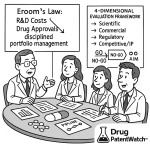
Evaluate computational repurposing platform companies on four dimensions: (1) data asset proprietary density (can the core training dataset be assembled by a competitor from public sources within three years?); (2) clinical validation rate (what percentage of the platform’s Phase I entries have reached Phase II, and what is the Phase II response rate?); (3) platform generalizability (is the model trained for one indication class, or has it been validated across multiple unrelated disease areas?); and (4) revenue diversification (is the company generating platform licensing fees from multiple large pharma partners, or is it purely pipeline-dependent?). A company that scores well on all four dimensions commands a significantly higher forward revenue multiple than one that scores well only on data asset proprietary density.Section 07
Case Studies with IP Valuation Deep Dives
Sildenafil (Pfizer / Viatris): The Three-Life Small Molecule
Sildenafil entered clinical development as UK-92,480, a PDE5 inhibitor being investigated by Pfizer for hypertension and stable angina. Its original Pfizer composition-of-matter patent, US5,250,534, covered the compound and its sildenafil citrate salt, and was filed in 1991. During the hypertension Phase II trials, male participants consistently reported penile erection as a side effect. Pfizer’s clinical team recognized the commercial opportunity and redirected the compound toward erectile dysfunction, achieving FDA approval as Viagra in March 1998. The NDA was filed under the 505(b)(1) pathway as an NCE, which conferred five years of new chemical entity exclusivity and triggered the standard Hatch-Waxman framework for Orange Book patent listing.
Pfizer listed its method-of-use patent (US5,346,901) covering sildenafil for erectile dysfunction in the Orange Book alongside the composition-of-matter patent. This generated a cascade of Paragraph IV challenges beginning in 2002 from Teva, IVAX, and other generic filers. The resulting litigation, Pfizer Inc. v. Apotex Inc., produced a district court judgment upholding the ‘901 patent’s validity, an outcome that extended Pfizer’s Viagra market exclusivity position through 2012 in the United States. Generic sildenafil entered the US market in December 2017 after final patent expiry, having generated cumulative branded revenues exceeding $20 billion globally for Pfizer over the product’s lifetime.
The third life of sildenafil came through pulmonary arterial hypertension. Pfizer obtained FDA approval of Revatio (sildenafil 20 mg tablets and injectable) for PAH in June 2005, filing a separate NDA that listed new Orange Book patents covering the PAH dosing regimen. The PAH indication required Phase III clinical data from the SUPER-1 trial (Sildenafil Use in Pulmonary Arterial Hypertension), which enrolled 278 patients and demonstrated statistically significant improvement in six-minute walk distance versus placebo. Separately, Cleveland Clinic researchers published a 2021 network medicine analysis identifying sildenafil as a candidate for Alzheimer’s disease, with population-level data suggesting PDE5 inhibitor users have a 69% lower incidence of Alzheimer’s diagnosis. Pfizer initiated a Phase II clinical trial (NCT05765097) in 2023 to formally test this hypothesis.
IP Valuation — Sildenafil Estate
The sildenafil composition-of-matter patent expired in the United States in 2012, and Pfizer divested Viagra to Viatris (formerly Mylan/Upjohn) as part of the 2020 Viatris merger. The Revatio PAH IP estate included method-of-use patents covering the 20 mg dosage for PAH that expired in 2022. Generic sildenafil for PAH (from Aurobindo, Teva, and others) achieved market penetration of approximately 80 to 85% of the PAH market by volume within 18 months of entry. The current remaining commercial IP value in the sildenafil estate sits almost entirely in the Alzheimer’s hypothesis: if the Phase II trial produces a positive signal, the method-of-use patent covering sildenafil for cognitive decline (if filed and granted before competitors) would apply to a market where branded revenue potential exceeds $5 billion annually in the US alone. The composition-of-matter window is long closed, so any Alzheimer’s indication patent would be a method-of-use claim, carrying the skinny-label carve-out risk described in Section 2.
Thalidomide and the IMiD Class (Celgene / Bristol Myers Squibb): Patent Thicket as Moat
Thalidomide’s rehabilitation from the 1950s sedative that caused limb malformations in 7,000-plus infants to a commercially successful oncology agent is one of the more instructive IP stories in twentieth-century pharma. Celgene received FDA approval of thalidomide (Thalomid) for erythema nodosum leprosum in July 1998, then for multiple myeloma in combination with dexamethasone in 2006. The regulatory mechanism enabling this re-entry was the FDA’s System for Thalidomide Education and Prescribing Safety (STEPS) program, a Risk Evaluation and Mitigation Strategy (REMS) that conditioned access on mandatory pregnancy testing, contraception enrollment, and physician-patient counseling. The REMS became not just a safety mechanism but an access-control system that generic companies would later argue was anti-competitive.
Celgene did not stop at thalidomide’s re-approval. Its medicinal chemistry teams synthesized structural analogs of thalidomide designed to enhance the anti-myeloma activity and reduce the peripheral neuropathy liability, producing lenalidomide (Revlimid) and pomalidomide (Pomalyst). These immunomodulatory imide drugs (IMiDs) were approved for myeloma and myelodysplastic syndromes and became the commercial core of Celgene’s valuation ahead of the 2019 Bristol Myers Squibb acquisition for $74 billion. The Revlimid patent estate at the time of acquisition included over 100 Orange Book-listed patents covering the compound, its formulations, its metabolites, dosing regimens, and patient-selection biomarkers. Generic manufacturers filed Paragraph IV challenges against this estate beginning in 2015; Celgene settled most of these with entry agreements that allowed generic lenalidomide from Natco Pharma starting January 2022 with volume caps, and full generic entry from other companies beginning in March 2026.
IP Valuation — Thalidomide / Lenalidomide Estate
The BMS lenalidomide estate at Revlimid patent expiry illustrates the value and limits of patent thicket evergreening. BMS collected approximately $10 billion in Revlimid revenue in 2021, its final full year of effective exclusivity. The agreed generic entry schedule, beginning with limited volume from Natco in January 2022, protected roughly 80% of Revlimid revenues through 2022 but created a pricing cliff in 2023 as full generic competition arrived. BMS had anticipated this and redirected commercial investment to next-generation IMiD analogs, combination regimens that are harder to genericize, and subcutaneous formulations with new IP and clinical differentiation. For institutional investors, the Revlimid lifecycle demonstrates the ceiling on patent thicket strategy: 100-plus patents delay but do not prevent generic entry, and the revenue collapse when entry arrives can be steep.
The pomalidomide (Pomalyst) patent estate is the remaining IMiD exclusivity anchor for BMS, with key patents expiring in the 2027 to 2029 timeframe in the United States. No Paragraph IV challenge as of early 2026 has succeeded in invalidating the core composition-of-matter claims.
Metformin: Off-Patent but Commercially Persistent
Metformin’s biguanide scaffold has been in clinical use since the late 1950s, and the last meaningful composition-of-matter patents expired decades ago. Its current status as a repurposing candidate for cancer prevention, aging, Alzheimer’s disease, and atrial fibrillation is driven entirely by academic and government-funded research rather than by branded pharmaceutical investment, precisely because the compound is off-patent and off-patent ANDA competition ensures any repurposed formulation faces immediate margin pressure. The TAME trial (Targeting Aging with Metformin), a multi-center randomized controlled trial funded in part by the American Federation for Aging Research and the National Institute on Aging, is testing metformin against a composite of aging-related clinical events in 3,000 non-diabetic adults aged 65 to 79. If TAME produces a positive result, the commercial beneficiaries will not be generic metformin manufacturers, who have essentially zero pricing power, but rather companies positioned to develop next-generation metformin analogs with novel formulations, or companies with drug-device combination products that use metformin as a component.
IP Valuation — Metformin
Metformin’s IP situation represents the ceiling case for the repurposing IP problem: a compound so thoroughly off-patent that no new indication discovery generates a commercially defensible position unless accompanied by a novel delivery mechanism, a biomarker-defined subgroup patent, or a combination product claim. The sole viable IP strategy for a metformin repurposing program is to identify a patient subpopulation defined by a pharmacogenomic biomarker (for example, OCT1 transporter genotype, which is a known determinant of metformin uptake) for which the drug demonstrates superior efficacy, and to claim a method-of-treatment patent that ties efficacy to biomarker status. This is a narrow but real IP position. The TAME trial’s broad inclusion criteria preclude this approach for its primary endpoint but may generate pharmacogenomic subgroup data that support follow-on companion-diagnostic development.
Remdesivir (Gilead Sciences): Emergency Repurposing and Patent Timing
Remdesivir (GS-5734) was synthesized by Gilead as a broad-spectrum antiviral directed against RNA-dependent RNA polymerases (RdRp), with initial clinical evaluation in the 2014 to 2016 Ebola epidemic. Its Ebola program produced inconclusive efficacy data from the PALM trial, but Gilead maintained the IND and compound supply. When SARS-CoV-2 emerged in late 2019, remdesivir’s mechanistic profile (RdRp inhibition with activity against coronaviruses in preclinical models) made it the most clinically advanced candidate for COVID-19 repurposing. FDA issued an Emergency Use Authorization for severe COVID-19 in May 2020, and full approval followed in October 2020 as Veklury, making remdesivir the first FDA-approved treatment for COVID-19.
Gilead’s patent estate on remdesivir includes composition-of-matter patents covering the compound and its prodrug form, filed between 2009 and 2016, and method-of-use patents covering antiviral administration. The composition-of-matter patent US9,724,360 was challenged by the non-profit organization Medicines Patent Pool and several generic manufacturers who argued that Gilead’s COVID-19 method-of-use patents relied on prior publications from the University of Alabama at Birmingham on coronaviral RdRp inhibition. Gilead entered into voluntary licensing agreements with 127 generic manufacturers in 101 low-income countries, effectively creating a two-tier global pricing structure: branded pricing in high-income markets and licensed generic pricing elsewhere.
IP Valuation — Remdesivir / Veklury
Remdesivir generated $2.8 billion in 2020 revenues for Gilead under Emergency Use conditions, $5.6 billion in 2021, and has declined in subsequent years as COVID-19 treatment shifted toward oral antivirals (Paxlovid, molnupiravir) and the acute hospital treatment market contracted. Gilead’s patent position on remdesivir is strong in the United States through the early 2030s for the specific prodrug formulation and the intravenous preparation, but the commercial market has shifted away from hospital-based IV therapy toward outpatient oral antivirals, which remdesivir cannot address in its current formulation. The long-term IP value in the remdesivir estate lies in potential future RNA virus outbreak applications, where Gilead’s existing IND infrastructure, clinical safety database, and manufacturing scale provide a rapid-deployment advantage that generic manufacturers cannot replicate. This stockpile-readiness value is a real but difficult-to-quantify asset for analyst models.
Fenfluramine (UCB / Zogenix): Rare Disease Repurposing and Orphan Strategy
Fenfluramine was withdrawn from the US market in 1997 following reports of cardiac valvulopathy and pulmonary hypertension associated with the fen-phen combination (fenfluramine plus phentermine). The serotonergic mechanism responsible for the cardiac adverse effects at appetite-suppressant doses was later found to be distinct from the sigma-1 receptor and serotonin receptor 2C activity responsible for seizure control at much lower doses. Zogenix (subsequently acquired by UCB in 2022) developed Fintepla (low-dose fenfluramine 2.5 mg/mL oral solution) for Dravet syndrome, a severe childhood epilepsy associated with SCN1A mutations, and obtained FDA approval in June 2020. The approved dose for Dravet (0.1 mg/kg/day, max 0.7 mg/kg/day) is a fraction of the appetite-suppressant doses associated with cardiovascular toxicity.
Fintepla received orphan drug designation, providing seven years of US market exclusivity from the 2020 approval date. UCB has since extended the program to Lennox-Gastaut syndrome, receiving FDA approval for that indication in 2022, generating a separate three-year new clinical investigation exclusivity window for the new clinical data. The combination of orphan exclusivity from the Dravet approval and the new clinical investigation exclusivity from the LGS approval creates a layered exclusivity structure extending into the late 2020s.
IP Valuation — Fintepla / Fenfluramine
UCB’s fenfluramine estate illustrates the value of orphan drug designation as an exclusivity instrument for repurposed compounds. The underlying fenfluramine composition-of-matter patent is long expired, but the orphan drug designation for Dravet syndrome generates the most robust non-patent exclusivity available for a small molecule: seven years during which the FDA cannot approve a generic fenfluramine for that indication. The REMS program required for Fintepla (covering mandatory cardiac monitoring given fenfluramine’s historical cardiovascular safety signal) adds a practical barrier for generic entry that persists even after orphan exclusivity expires, because any generic filer must demonstrate an ability to implement an equivalent cardiac surveillance program. This REMS-as-barrier dynamic is an underappreciated element of repurposed-compound IP strategy in categories with known safety signals that require risk management programs.
Key Takeaways — Section 7 Case Studies
Sildenafil’s three-indication lifecycle (angina to erectile dysfunction to PAH) with a potential fourth in Alzheimer’s demonstrates that well-characterized, well-tolerated small molecules can generate multiple separate commercial lives, but each successive life relies on progressively weaker IP (method-of-use only, once composition-of-matter expires).
Celgene’s lenalidomide patent thicket delayed but did not prevent generic entry; the revenue cliff on Revlimid’s loss of exclusivity illustrates that 100-plus patents are a delay mechanism, not a permanent barrier.
Metformin repurposing carries essentially no commercial IP value without a biomarker-defined patient selection claim or a novel formulation patent layered over it.
Orphan drug designation combined with a REMS requirement creates the most durable exclusivity architecture for repurposed compounds in rare disease with known safety signals.
Investment Strategy — Case Study Lessons
The clearest commercial template from these case studies is the Zogenix/UCB fenfluramine model: an off-patent compound with a known safety liability is repurposed at a mechanistically justified lower dose for a rare pediatric indication, obtaining orphan designation, a REMS-backed access control mechanism, and a premium-priced specialty product with minimal branded competition. The Dravet syndrome market, with an estimated 6,200 to 9,900 patients in the United States, was addressable at a price of approximately $32,500 per patient per year at launch, generating revenues that justify the full development investment. Investors should look for analogous structures: off-patent compounds with safety profiles that limit dose, rare genetically defined diseases with no approved treatments, and mechanistic rationales grounded in published human genetics or biomarker data rather than purely preclinical models.
Avoid the Celgene template when evaluating companies building solely on patent-thicket structures around repurposed compounds without underlying composition-of-matter coverage. The strategy generates years of litigation spend and eventual generic entry with a price collapse that can compress the terminal value of the asset to near zero in a short time window.Section 08
The Regulatory Playbook for Repurposed Compounds
FDA’s 505(b)(2) Pathway: Structure, Timing, and Orange Book Strategy
The 505(b)(2) NDA is the primary regulatory instrument for most small-molecule repurposing programs in the US. Section 505(b)(2) of the Federal Food, Drug, and Cosmetic Act permits an applicant to rely on data from prior FDA findings of safety and effectiveness, published scientific literature, or both, to satisfy safety and efficacy requirements for a new indication, new dosage form, new formulation, or new dosing regimen. The applicant must conduct and submit the new clinical data needed to bridge from the existing approved data package to the new proposed use, but does not need to repeat the entire clinical development program.
The 505(b)(2) NDA receives full Hatch-Waxman patent listing rights, meaning that patents covering the new indication, new formulation, or new dosing regimen can be listed in the Orange Book, triggering Paragraph IV challenge procedures. This is the core commercial advantage of 505(b)(2) over a simple supplemental NDA (sNDA), which does not allow listing of patents on new indications in the Orange Book. A repurposing sponsor choosing between 505(b)(2) and sNDA should always choose 505(b)(2) when new Orange Book patent protection is available for the repurposed use, because the 30-month stay triggered by a Paragraph IV certification provides roughly 2.5 additional years of de facto exclusivity after first generic challenge, worth hundreds of millions of dollars in high-value indications.
The timing strategy for a 505(b)(2) submission depends on the new clinical data requirements and the patent filing calendar. The three-year new clinical investigation exclusivity (covering the specific new indication or new condition of use supported by the new clinical data) begins running from the date of NDA approval, not from the date of patent filing. Coordinating the NDA approval date with the anticipated patent expiration date for each Orange Book-listed patent is a critical IP-regulatory integration exercise that should begin at the Phase II design stage, not at the NDA submission stage.
Orphan Drug Designation: The Seven-Year Exclusivity Play
Orphan drug designation (ODD) under the Orphan Drug Act of 1983 applies to drugs targeting diseases affecting fewer than 200,000 people in the United States, or diseases where no reasonable expectation of recovering development costs from US sales exists. ODD confers seven years of market exclusivity from NDA approval for the designated indication, tax credits covering 25% of qualified clinical trial expenses (reduced from 50% under the 2017 Tax Cuts and Jobs Act), waiver of the PDUFA NDA user fee (valued at approximately $4 million in FY2026), and assistance with the development program through FDA’s Office of Orphan Products Development. The seven-year exclusivity blocks any subsequent NDA or ANDA for the same drug for the same disease, regardless of whether the subsequent applicant has independent data. This is a stronger exclusivity instrument than any method-of-use patent in a therapeutic category because it does not require Orange Book listing, is not subject to Paragraph IV invalidity challenges, and cannot be designed around with a skinny label.
For a repurposed compound targeting a qualifying rare disease, obtaining ODD before beginning Phase II trials is the single highest-return IP action available. The designation is obtainable at the FDA on the basis of a plausibility argument for activity in the disease and a prevalence certification; it does not require efficacy data. Sponsors should file for ODD designation at the same time as, or shortly before, the IND filing for the repurposing program.
Breakthrough Therapy, Fast Track, and Accelerated Approval
A repurposed compound for a serious or life-threatening condition where preliminary clinical evidence suggests substantial improvement over available therapies qualifies for Breakthrough Therapy designation (BTD), which provides intensive FDA guidance, organizational commitment of senior FDA reviewers, and the eligibility for rolling NDA review. BTD is particularly valuable for repurposing programs because the FDA’s intensive guidance can substitute, in part, for the trial-and-error of clinical protocol design that de novo programs undergo; for a repurposed compound where the pharmacology in the new indication is well-understood, the FDA’s BTD guidance typically focuses on the primary endpoint and trial population, accelerating development-plan finalization.
Accelerated Approval under 21 C.F.R. 314.510, which allows approval based on a surrogate endpoint or intermediate clinical endpoint reasonably likely to predict clinical benefit, is relevant for repurposing programs in oncology and rare disease where the primary clinical endpoint would require years of follow-up. The FDA’s 2022 Accelerated Approval Program Integrity Act (FDORA Section 3210) tightened the post-market confirmatory trial requirements for Accelerated Approval products, requiring that confirmatory trials be underway at the time of approval. Repurposing sponsors planning an Accelerated Approval strategy must now incorporate the confirmatory trial design into the development plan from Phase II, not as a post-approval afterthought.
EMA Regulatory Pathways: The 8+2+1 Rule and Repurposing Incentives
The EMA’s primary data exclusivity framework grants eight years of data exclusivity from first marketing authorization, during which generic companies cannot rely on the reference product’s data for a generic application, plus two additional years of market protection during which a generic may be approved but cannot be commercially launched, plus one optional year of market protection if a new therapeutic indication is added to the reference product within the first eight years of authorization, provided the new indication delivers significant clinical benefit. This 8+2+1 rule makes the EMA framework modestly more favorable to repurposing than the FDA framework in specific scenarios: a new indication approved within eight years of the original authorization can extend the total market protection to eleven years from initial authorization, compared to FDA’s mechanism where a new sNDA indication does not extend any exclusivity not already established by a new patent filing.
The EMA’s adaptive pathways, used in several oncology and rare disease approvals, allow a phased approval process beginning with a restricted patient population where evidence is strongest, with a plan to expand the indication as post-market data accumulates. For a repurposing program where the initial data package is strong in a defined biomarker-positive subgroup but weaker in the broader population, adaptive pathways provide a viable regulatory route to initial approval with a planned expansion.
Key Takeaways — Section 8
505(b)(2) is commercially superior to a supplemental NDA for any repurposing program with patentable new indication or formulation data, because it enables full Orange Book patent listing with associated Paragraph IV 30-month stay rights.
Orphan drug designation should be filed at the IND stage for any repurposed compound targeting a qualifying rare disease; it is the most powerful non-patent exclusivity instrument available and cannot be challenged via the Paragraph IV mechanism.
Accelerated Approval under the post-FDORA 2022 framework requires the confirmatory trial design to be in place at the time of approval, which means integrating the confirmatory trial protocol into the Phase II planning stage, not after.
The EMA’s 8+2+1 rule provides one year of additional market protection for a new indication added within eight years of original authorization; this is a meaningful but narrow incentive relevant to programs with short original product timelines.
Section 09
Evergreening Tactics Through Repurposing
Life Cycle Management Roadmap for a Repurposed Asset
Drug repurposing is one pillar of the broader life cycle management strategy that large-cap pharmaceutical companies use to extend the revenue-generating window of established drug assets. The complete life cycle management toolkit includes new indication development (the focus of most repurposing programs), new formulation development (controlled-release, topical, inhaled, or depot formulations), new patient population expansion (pediatric or geriatric data packages), combination product development (fixed-dose combinations with co-administered agents), and geographic expansion to markets where original patents have expired or were never filed. Each element of this toolkit generates new regulatory exclusivity or new Orange Book patent coverage, and each is sometimes characterized by critics as ‘evergreening’ when deployed without genuine clinical benefit to patients.
Lifecycle Management Roadmap: Repurposed Small Molecule (Illustrative)
Year 0-2
Original Approval: NDA approval, 5-yr NCE exclusivity (if NCE status), composition-of-matter patent listed. Begin analog and formulation screening for LCM pipeline. File ODD for qualifying rare-disease subpopulations.
Year 2-5
Repurposing IND Filing: IND filed for new indication under 505(b)(2) framework. Biomarker-defined patient subgroup patent applications filed. Extended-release formulation patent filed. Phase II initiated with BTD (if qualifying).
Year 5-8
Repurposed Indication NDA: 505(b)(2) NDA submitted with new indication clinical data. Orange Book listing of new method-of-use and formulation patents. Orphan drug exclusivity clock starts at approval. First Paragraph IV challenges anticipated within 45 days of NDA approval publication.
Year 7-10
Combination Product & Pediatric Extensions: Fixed-dose combination NDA filed. Pediatric exclusivity application filed under PREA/BPCA (adds 6 months to all existing patents and exclusivities). Combination product patent filed. International filings in EU, Japan, China synchronized to US patent timeline.
Year 10-14
IP Cliff Management: Composition-of-matter patent expiry. Generic ANDA filings accelerate. Authorized generic launch decision evaluated. Revenue protected by formulation, combination, and method-of-use patent litigation. Transition marketing investment to combination product and next-generation analog.
Paragraph IV Litigation Risk When Repurposing Off-Patent Drugs
A Paragraph IV certification, filed by an ANDA applicant certifying that the Orange Book-listed patents are invalid, unenforceable, or will not be infringed by the generic product, triggers an automatic 30-month stay on FDA approval of the generic if the patent holder files an infringement suit within 45 days. For repurposed drugs whose Orange Book listing includes only method-of-use patents (composition-of-matter having expired), the generic filer’s strongest defense is non-infringement via the skinny-label carve-out. If the generic product’s labeling omits the patented repurposed indication, the generic filer can argue that it does not infringe the method-of-use patent because it does not instruct practitioners to use the product for the patented use.
The post-GlaxoSmithKline v. Teva landscape for skinny-label carve-out litigation is unsettled. The Federal Circuit’s 2021 reversal of the district court in that case, finding induced infringement liability even with a skinny label based on cardiomyopathy patient data in the product labeling, created uncertainty for generic filers relying on carve-outs for cardiovascular indications. Subsequent district court decisions have not uniformly followed the Federal Circuit’s reasoning, making this an active litigation risk factor for any repurposing program whose commercial value depends on the enforceability of method-of-use-only Orange Book patents.
The Authorized Generic as Defensive Hedge
When composition-of-matter or formulation patent expiry is imminent and Paragraph IV challenges are likely to succeed, the repurposing sponsor can launch an authorized generic (AG) of its branded product, distributing through a generic channel partner at a lower price point. The first-filed ANDA challenger receives 180 days of generic exclusivity from the FDA, during which no other ANDAs can receive final approval. By partnering with the first-filer to co-brand an AG during the 180-day exclusivity window, the innovator captures a share of the generic revenue while maintaining a branded product at premium pricing. This strategy is most effective when a single generic filer dominates the challenge, and less effective when multiple filers achieve the first-to-file position simultaneously, in which case no 180-day exclusivity is awarded.
Key Takeaways — Section 9
A complete life cycle management strategy for a repurposed asset layers new indications, new formulations, pediatric exclusivity extensions, and combination products in a timed sequence designed to maintain Orange Book patent coverage through each exclusivity expiry.
Paragraph IV litigation risk for method-of-use-only repurposed drugs is elevated by the skinny-label carve-out doctrine; the post-GSK v. Teva legal landscape is unsettled and jurisdiction-dependent.
The authorized generic strategy allows innovators to capture generic-market revenue during the first-filer’s 180-day exclusivity period and is most valuable when only one ANDA first-filer is challenging the patent estate.
Pediatric exclusivity under BPCA, which adds six months to all existing US patents and exclusivities, is the single highest-return regulatory exclusivity extension per dollar of development investment for repurposed compounds with pediatric use potential.
Investment Strategy — Evergreening and Life Cycle Management
When building a revenue model for a branded repurposed drug with a 10 to 15 year horizon, the LCM strategy should be modeled explicitly rather than assumed. Quantify the revenue contribution from each LCM pillar: (1) the new indication’s peak sales and loss-of-exclusivity date, (2) the pediatric exclusivity add-on if BPCA studies are planned, (3) the combination product’s incremental revenue potential and its independent LOE date, and (4) the authorized generic strategy’s contribution to terminal revenues post-patent expiry. Companies that have executed multi-pillar LCM strategies consistently outperform single-product-cycle models on revenue durability metrics over 10-year periods. Check whether the company has a published pediatric development plan or has received a Written Request from FDA under BPCA, as both are public signals of a systematic LCM approach.Section 10
AI and Big Data Platforms: A Technology-by-Technology Assessment
Large Language Models and Foundation Models in Target Identification
The application of large language models (LLMs) to biomedical text mining for repurposing hypothesis generation has accelerated substantially since the availability of PubMed-trained models (BioGPT, BioBERT, PubMedBERT) and general-purpose LLMs with scientific training data. The mechanistic logic is that a significant proportion of repurposing hypotheses exist latently in the biomedical literature as published but unconnected observations: a paper describing a drug’s off-target binding to a receptor, a separate paper characterizing that receptor’s role in a disease, and no paper connecting the two. LLM-based text mining can surface these latent connections at scale, generating candidate hypotheses that a human literature analyst would require weeks to identify manually.
The practical limitation is that LLMs trained on biomedical literature are prone to hallucination on specific factual claims (gene names, binding affinities, specific clinical outcomes) and require systematic experimental validation pipelines downstream of hypothesis generation. No LLM-generated repurposing hypothesis can proceed to IND filing without wet-lab confirmation of the mechanistic claim. The commercial value of LLM-based repurposing platforms lies in the hypothesis generation throughput and prioritization quality, not in the replacement of experimental validation.
Electronic Health Records and Real-World Data Mining
Population-level EHR data offer a distinct repurposing signal type: pharmacoepidemiological observations of reduced disease incidence or improved outcomes in patients who were prescribed a drug for an unrelated indication. The Cleveland Clinic’s 2021 sildenafil-Alzheimer’s analysis, which analyzed insurance claims data for 7.23 million patients, exemplifies this approach. The analytic framework is pharmacoepidemiological: identify patients prescribed the candidate drug, identify a matched control cohort not prescribed the drug (matched on age, sex, comorbidities, and socioeconomic indicators), and compare incidence rates of the target disease over a defined follow-up period using Cox proportional hazards models or competing risk frameworks.
EHR-based repurposing signals are correlational rather than causal and are vulnerable to confounding by indication (patients prescribed a drug may differ systematically from controls in ways not fully captured by the matching algorithm), channeling bias (drugs prescribed preferentially to healthier or sicker patient subgroups), and detection bias (patients receiving regular medical care are more likely to be diagnosed with the target disease regardless of drug exposure). These signals require Mendelian randomization analyses using genetic instruments or formal randomized controlled trials to move from correlation to causal inference. Several repurposing programs have proceeded to clinical trials on the strength of EHR signals, including the sildenafil-Alzheimer’s Phase II trial and metformin-aging trials, treating the observational data as hypothesis-generating rather than hypothesis-confirming evidence.
Multi-Omics Integration for Repurposing Signal Generation
The integration of genomic, transcriptomic, proteomic, and metabolomic datasets in repurposing workflows enables hypothesis generation at a mechanistic depth that single-omics analyses cannot achieve. Transcriptome-wide association studies (TWAS) link genetic variants to disease risk through their effects on gene expression, identifying the specific genes whose dysregulation is causal in a disease and generating druggable targets for repurposing. Proteomics data from plasma protein profiling studies (such as the UK Biobank proteomics initiative, which measured 2,923 plasma proteins in 54,219 individuals) can identify disease-associated protein changes that correspond to known drug targets in existing chemical matter databases. Metabolomics profiling connects disease states to specific metabolic pathway alterations, and drugs that modulate those pathways in the appropriate direction become repurposing candidates.
The practical challenge of multi-omics integration is data harmonization. Genomic data from GWAS studies, transcriptomic data from RNA-seq or array platforms, proteomic data from mass spectrometry or aptamer-based platforms (SomaScan, Olink), and metabolomic data from NMR or mass spectrometry each have distinct measurement units, systematic batch effects, missing data patterns, and biological confounders. Federated learning approaches, where models are trained on distributed datasets without centralizing the underlying patient data, are increasingly used to overcome data sharing barriers between institutions and jurisdictions while maintaining the analytic power of large multi-institutional datasets.
Key Takeaways — Section 10
LLM-based biomedical text mining for repurposing hypothesis generation scales hypothesis throughput dramatically but requires systematic wet-lab validation pipelines; no AI-generated hypothesis replaces IND-enabling experimental data.
EHR-based pharmacoepidemiological repurposing signals are hypothesis-generating, not hypothesis-confirming; causal inference requires Mendelian randomization or a randomized controlled trial.
Multi-omics integration (TWAS, proteomics, metabolomics) provides mechanistic depth that single-omics analyses cannot, but data harmonization across platform types remains the primary technical bottleneck.
Federated learning approaches are enabling multi-institutional multi-omics analyses without centralized patient data sharing, a critical development for European programs operating under GDPR constraints.
Section 11
Drug Repurposing in Rare and Neglected Diseases
The Orphan Drug Act Economics and Their Repurposing Implications
The Orphan Drug Act of 1983 created an incentive structure specifically designed to address the market failure in rare disease drug development: without exclusivity protections and tax incentives, the small patient populations in rare diseases make cost recovery from drug development impractical under standard pharmaceutical economics. The 2024 PDUFA fee schedule sets the NDA user fee at approximately $4.04 million; orphan drug designation waives this fee entirely, a material saving for small biotechnology companies operating on venture-scale budgets. The 25% tax credit for qualified clinical trial costs in orphan indications (reduced from 50% by the TCJA) remains economically significant for programs spending $50 million or more on clinical development.
The seven-year orphan drug exclusivity is jurisdiction-specific: the FDA grants seven years in the United States, while the EMA grants ten years in the European Union (reduced to six years if a drug is sufficiently profitable, as defined by a post-approval revenue threshold). Japan’s orphan drug system grants ten years of market exclusivity with priority review. A drug targeting a qualifying rare disease that obtains orphan designation across all three major jurisdictions gains a multi-regional exclusivity architecture that in practice can provide 20 or more years of total global exclusivity life across all markets, because the exclusivity clocks in each jurisdiction run independently from the regional approval date.
NCATS Infrastructure for Repurposing in Rare Diseases
The National Center for Advancing Translational Sciences (NCATS) at the NIH operates several programs specifically supporting rare disease repurposing. The NCATS Pharmaceutical Collection (NPC) makes approximately 2,800 clinically approved and investigational compounds available for drug screening against rare disease models through the NCATS Division of Preclinical Innovation. The Rare Diseases Clinical Research Network (RDCRN) provides investigators with access to natural history study data and patient registries for over 200 rare diseases, which serve as control datasets for single-arm repurposing trials. The TRND (Therapeutics for Rare and Neglected Diseases) program provides pharmaceutical development assistance, including IND-enabling studies, to academic groups and small companies with rare disease repurposing candidates that lack the infrastructure to navigate FDA requirements independently.
Case Studies in Rare Disease Repurposing
Nitisinone (marketed as Orfadin) was originally developed as a herbicide that inhibits 4-hydroxyphenylpyruvate dioxygenase (HPPD). Its repurposing for hereditary tyrosinemia type 1 (HT-1), an inborn error of tyrosine metabolism caused by fumarylacetoacetate hydrolase deficiency, was driven by the observation that HPPD inhibition prevents accumulation of the toxic metabolites succinylacetone and maleylacetoacetate that drive HT-1 pathology. FDA approved nitisinone for HT-1 in 2002 under the orphan drug and 505(b)(2) frameworks. The compound received seven years of orphan exclusivity and a method-of-use patent covering the HT-1 application. Investigators subsequently repurposed nitisinone for alkaptonuria (ochronosis), a separate disorder of homogentisate metabolism for which it received orphan designation in 2017 (as Nityr), generating a second distinct orphan exclusivity period from the alkaptonuria approval date.
Everolimus (Afinitor, Novartis) and sirolimus (rapamycin) were each repurposed from their original immunosuppression indications (organ transplant rejection prevention) to tuberous sclerosis complex (TSC) and other mechanistic target of rapamycin (mTOR)-driven conditions. Everolimus received FDA approval for TSC-related subependymal giant cell astrocytoma in 2010, for TSC-related renal angiomyolipoma in 2012, and for TSC-related pulmonary lymphangioleiomyomatosis in 2016. Each indication was filed as a separate supplemental NDA with separate orphan designation, generating staggered exclusivity windows across a decade.
Key Takeaways — Section 11
Multi-jurisdictional orphan designation (FDA, EMA, PMDA) creates independent exclusivity clocks that can extend total global exclusivity life to 20-plus years across all markets for a qualifying rare disease repurposing program.
NCATS infrastructure (NPC, RDCRN, TRND) provides substantive development support for academic and small-company rare disease repurposing programs that lack internal pharmaceutical development capability.
Staggered orphan indication filing strategies, where a compound obtains sequential approvals for multiple rare diseases with distinct orphan designations, can create decade-long rolling exclusivity structures as demonstrated by Novartis’s everolimus program.
The EU orphan drug exclusivity is subject to a post-approval profitability threshold test; programs expecting high revenue may see the exclusivity period shortened from ten to six years if revenue thresholds are exceeded.
Investment Strategy — Rare Disease Repurposing
Rare disease repurposing programs offer the best return-adjusted risk profile in the repurposing space for institutional investors willing to accept small absolute market sizes. The combination of orphan drug designation, 505(b)(2) regulatory efficiency, NCATS development support reducing direct investment requirements, premium pricing from payers who face no generic alternatives during the exclusivity period, and the growing willingness of FDA to grant Accelerated Approval on surrogate endpoints in rare diseases with unmet need creates a uniquely favorable risk-reward structure. Target programs where the patient population is 10,000 to 80,000 in the US (large enough to support a Phase II trial with detectable statistical power, small enough to qualify for orphan exclusivity), where the compound’s mechanism of action in the disease is supported by human genetic or biomarker evidence rather than purely preclinical data, and where no approved treatment exists for the target indication.Section 12
Pandemic Preparedness and Emergency Repurposing Frameworks
The COVID-19 Repurposing Response: What Worked and What Did Not
The SARS-CoV-2 pandemic generated the most concentrated global drug repurposing effort in history. By March 2020, over 200 clinical trials of repurposed compounds had been initiated worldwide. The scientific and regulatory lessons from this effort are directly applicable to preparedness frameworks for future pandemic pathogens. The compounds that worked, remdesivir (for hospitalized patients on supplemental oxygen) and dexamethasone (for patients requiring mechanical ventilation, per the RECOVERY trial), succeeded because they had specific and well-characterized mechanisms relevant to the disease pathophysiology: viral RNA replication inhibition and immunosuppression of the cytokine storm, respectively. The compounds that did not work in well-powered randomized controlled trials, hydroxychloroquine, lopinavir-ritonavir, azithromycin, and ivermectin, failed because the mechanistic hypothesis was either weak (based on in vitro data at unachievable tissue concentrations) or confounded by observational data quality problems.
The RECOVERY trial (Randomized Evaluation of COVID-19 Therapy) in the UK demonstrated that a large adaptive platform trial can generate definitive repurposing evidence for multiple compounds simultaneously using a shared infrastructure. RECOVERY enrolled over 45,000 patients across 185 sites and produced regulatory-grade evidence on dexamethasone, tocilizumab, baricitinib, and several other compounds within months of initiation. The platform trial model, with a shared control arm and adaptive allocation between treatment arms, is now the established template for emergency repurposing evidence generation.
Building a Repurposing-Ready Compound Library for Pandemic Preparedness
The strategic lesson from COVID-19 is that a pre-characterized, IND-active compound library with broad-spectrum antiviral activity reduces the time from pathogen identification to Phase II trial initiation from 18 to 24 months to 3 to 6 months. BARDA (Biomedical Advanced Research and Development Authority), CEPI (Coalition for Epidemic Preparedness Innovations), and the Wellcome Trust have each established or funded programs to maintain and expand such libraries. A preparedness-ready compound for pandemic repurposing has an existing IND or clinical data package, a characterized safety profile in humans at therapeutic concentrations, at least preliminary in vitro activity against a relevant viral family or host pathway, and a manufacturing scale-up plan that can reach clinical trial supply levels within 60 to 90 days of activation.
GC376 and ensitrelvir, 3CL protease inhibitors with preclinical activity across multiple betacoronaviruses, and favipiravir, an RNA polymerase inhibitor with broad RNA virus activity, are examples of pre-characterized compounds maintained in national stockpile programs for pandemic activation. The IP dimension of pandemic repurposing is politically sensitive: originator companies holding patents on compounds activated for pandemic use face pressure for voluntary licensing or compulsory licensing under TRIPS Article 31 procedures, as occurred with remdesivir pricing disputes in 2020 and 2021.
Key Takeaways — Section 12
Repurposing compounds with mechanistically sound hypotheses (viral replication inhibition for antivirals, cytokine signaling disruption for inflammatory complications) succeed in pandemic settings; compounds with weak or in-vitro-only rationales fail at high rates in well-powered RCTs.
The RECOVERY platform trial model is the template for emergency repurposing evidence generation, combining shared infrastructure, adaptive randomization, and regulatory alignment to produce definitive results at pandemic speed.
A pre-characterized, IND-active compound library with broad-spectrum antiviral coverage is the highest-value pandemic preparedness investment because it compresses Phase II activation timelines from 18-24 months to 3-6 months.
Compulsory licensing risk under TRIPS Article 31 is a real IP exposure for compounds activated under Emergency Use Authorization in pandemic settings; pandemic preparedness licensing frameworks negotiated in advance reduce this risk.
Section 13
Building a Successful Repurposing Program: Execution Framework
Portfolio Prioritization: Scoring Criteria for Repurposing Candidates
A structured scoring system for repurposing candidate prioritization must weight five independent dimensions: the strength of the biological rationale (is the mechanistic hypothesis grounded in human genetic data, clinical pharmacological observations, or primarily preclinical models?), the clinical translatability of the available data (what is the Positive Predictive Value of the preclinical model for clinical outcomes in the target indication?), the IP position (what is the remaining effective patent life at projected approval, what patent types are available, and what is the Paragraph IV litigation risk?), the development feasibility (what clinical data are required, how large must the trial be, how available is the patient population for recruitment, and what endpoints has the FDA previously accepted for the indication?), and the commercial viability (what is the peak addressable market, what competition will exist at launch, and what pricing precedents have payer organizations established in the target indication?).
Biological rationale and IP position should carry higher weighting than commercial viability estimates in early-stage prioritization, because clinical and commercial projections 8 to 10 years from current date carry enormous uncertainty while the strength of the biological hypothesis and the IP landscape are assessable with substantially higher confidence at the outset. A candidate with a strong human genetics-grounded hypothesis and a seven-year orphan exclusivity position should be prioritized over one with a moderate preclinical hypothesis and a stronger commercial opportunity, because the clinical attrition differential over the development period will consistently favor the hypothesis-stronger candidate.
Partnering and Licensing Structures for Repurposing Programs
The licensing economics of drug repurposing programs differ from de novo NCE licensing because the risk profile is different. A fully validated repurposing candidate with positive Phase II proof-of-concept data in a rare disease indication commands upfront payments of $15 to $50 million and milestones of $100 to $300 million, with royalties of 8 to 15% on net sales from a large pharma licensee. A preclinical or computational-only repurposing hypothesis commands much lower upfront payments, typically $1 to $5 million, with heavier milestone and royalty weighting to reflect the higher remaining clinical risk. The key negotiation point for a repurposing licensor with a strong Phase II dataset is the regulatory milestone structure: ensuring that milestones are triggered by NDA filing and approval rather than Phase III initiation, because the Phase III-to-approval transition for a repurposed compound with established safety data is typically faster and more predictable than for a de novo NCE, and the licensee should not capture the full value of that efficiency through a compressed milestone timeline at the licensor’s expense.
Patient Advocacy Integration
Patient advocacy organizations (PAOs) play a disproportionately large role in rare disease repurposing programs and have increasingly moved from pure awareness and fundraising roles to active drug development participation. The Parent Project Muscular Dystrophy (PPMD), the Myotonic Dystrophy Foundation (MDF), and the Cystic Fibrosis Foundation (CFF) each have funded preclinical and clinical stages of repurposing programs for their respective disease areas. The CFF’s royalty-funded model, where it provided early-stage funding for compounds developed by third parties in exchange for royalty rights on future revenues, generated returns exceeding $3 billion from the ivacaftor/lumacaftor programs developed by Vertex Pharmaceuticals and is now a template replicated by multiple PAOs. For academic and small-company repurposing developers, PAO partnerships provide preclinical development funding, patient registry access for clinical trial recruitment, regulatory advocacy support for ODD applications, and commercial validation that strengthens licensing or partnering negotiations with large pharma.
Key Takeaways — Section 13
Repurposing candidate prioritization should weight biological hypothesis strength and IP position higher than commercial opportunity estimates in early-stage scoring, because biological and IP variables are assessable with much higher confidence than commercial projections with 8 to 10-year development horizons.
Phase II proof-of-concept milestone is the most critical value inflection point in a repurposing program’s licensing negotiations; positive Phase II data from a rare disease indication typically catalyzes 5 to 15-fold upfront payment increases in partnering discussions.
Patient advocacy organizations in rare diseases are active development funders and can provide preclinical funding, patient registry access, and regulatory advocacy that materially compress the development timeline and cost for small-company repurposing programs.
Licensing milestone structures should be negotiated to capture value at NDA approval rather than Phase III initiation, because the Phase III-to-approval timeline for repurposed compounds with established safety data is faster and more predictable than for de novo NCEs.
Section 14
Future Directions: The Next Wave of Repurposing Science
Multi-Omics Precision Repurposing and Pharmacogenomics
The integration of population-scale multi-omics data (whole-exome and whole-genome sequencing, transcriptomics, proteomics, and metabolomics from biobanks including the UK Biobank, FinnGen, and the NIH All of Us program) with drug target databases will enable repurposing at a precision that the current literature-mining and phenotypic screening approaches cannot achieve. The key methodological advance is Mendelian randomization applied to drug target genes: using natural genetic variation in the gene encoding a drug’s target as a proxy for the drug’s effect on disease risk, allowing causal inference about drug-indication associations from observational data. Mendelian randomization studies of PCSK9 variants as a proxy for PCSK9 inhibitor treatment, and of HMGCR variants as a proxy for statin treatment, validated these approaches years before the clinical trials confirmed the associations. As biobank genomic resources scale to millions of participants across diverse ancestries, Mendelian randomization-based repurposing will identify causal drug-indication pairs for thousands of potential candidate-indication combinations that are currently untested.
Spatial Transcriptomics and Single-Cell Platforms in Disease Modeling
Single-cell RNA sequencing (scRNA-seq) and spatial transcriptomics have transformed the granularity with which disease-relevant cell types and their transcriptional states can be characterized. For repurposing, these technologies enable the identification of specific cell-type-level expression changes in disease that correspond to the pharmacological activity of approved drugs at the single-cell level. The Human Cell Atlas (HCA) project, which aims to characterize every cell type in the human body at single-cell resolution, provides a reference dataset against which disease state single-cell profiles can be compared. Drugs whose known transcriptional effects in a cell type match the inverse of a disease state’s transcriptional signature in that same cell type are candidates for repurposing in that disease, with substantially higher mechanistic specificity than bulk tissue CMAP analyses allow.
Public-Private Consortium Models: REMEDi4ALL and EU-REPO/SEARCH
The European Commission has funded large-scale public-private consortia specifically dedicated to drug repurposing infrastructure. REMEDi4ALL, a Horizon Europe-funded consortium involving 25 partners across academia, industry, and patient advocacy, is building an integrated repurposing platform that includes a multi-omics data analysis pipeline, a clinical trial design support service, a regulatory navigation tool, and a patient-access framework for EU member states. EU-REPO/SEARCH, a companion program, focuses specifically on developing clinical trial infrastructure for repurposing studies in rare and neglected diseases across European trial sites.
NCATS in the US has expanded its National COVID Cohort Collaborative (N3C) infrastructure into a broader real-world data resource for repurposing signal generation, making de-identified EHR data from over 18 million patients available to investigators through a controlled-access data enclave. These consortium models represent a structural shift from individual company repurposing programs toward shared pre-competitive infrastructure for hypothesis generation, with individual companies entering at the IND stage with validated candidates rather than bearing the full cost of hypothesis generation and preclinical validation independently.
Key Takeaways — Section 14
Mendelian randomization applied to drug target genes in million-participant biobanks is the most powerful emerging tool for causal drug-indication inference, enabling repurposing hypothesis validation without a clinical trial.
Single-cell and spatial transcriptomics platforms enable cell-type-specific repurposing hypothesis generation with mechanistic specificity that bulk-tissue analyses cannot provide, particularly relevant for heterogeneous diseases like cancer and neurodegeneration.
Public-private consortia including REMEDi4ALL and NCATS N3C are building shared pre-competitive infrastructure for hypothesis generation and preclinical validation, reducing the cost that individual companies must bear before IND-stage entry.
The most commercially successful repurposing programs over the next decade will likely combine Mendelian randomization causal validation with single-cell mechanistic hypothesis generation, orphan disease targeting, and 505(b)(2) regulatory efficiency into integrated development models.
‘The compounds that dominate the next generation of repurposing pipelines will not be discovered by accident. They will be identified by Mendelian randomization, validated by single-cell transcriptomics, protected by precision biomarker patents, and approved through 505(b)(2) with orphan exclusivity layered on top. The infrastructure for all four of those steps now exists at institutional scale.’
Drug repurposing began as a science of happy accidents and has become a discipline with mature intellectual property strategy, computational infrastructure, regulatory pathways, and commercial economics. The gap between what the field promises and what it consistently delivers is narrowing as multi-omics causal inference tools replace phenotypic observation as the hypothesis source, as regulatory agencies build experience with 505(b)(2) and adaptive pathways, and as patient advocacy organizations co-invest in preclinical programs that de-risk candidates before they reach commercial decision gates.
For pharma IP teams, the priority is constructing multi-layered patent estates early, before Paragraph IV challengers arrive, and understanding the structural limits of method-of-use-only positions in the post-skinny-label carve-out era. For R&D leads, the priority is matching hypothesis quality to the preclinical model’s translational track record and not advancing computationally attractive candidates whose mechanistic hypothesis rests solely on in vitro data at supraphysiological concentrations. For institutional investors, the priority is valuing the IP infrastructure accurately, distinguishing between orphan-designation exclusivity (robust, non-challengeable) and method-of-use patent exclusivity (valuable but vulnerable), and modeling the LCM roadmap as an explicit revenue contributor rather than a residual assumption.
The drug repurposing market is forecast to reach $28.9 billion globally by 2028, growing at a compound annual rate of approximately 15%, driven by oncology and rare disease indication expansion and by increasing AI platform commercialization. That growth accrues disproportionately to programs built on human-genetics-validated mechanisms, protected by durable multi-layered exclusivity structures, and developed through regulatory pathways that compress timelines without sacrificing the data quality needed to support premium pricing. The programs that meet all three criteria represent the most risk-adjusted commercial opportunity in pharmaceutical development today.