Mine the FDA Orange Book for Hidden Pharma Talent: A Sourcer’s Guide to Patent Inventors and Assignees
Every pharmaceutical patent filed with the FDA Orange Book names two things: who owns the invention, and who made it. […]
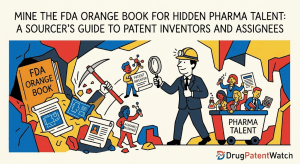
Every pharmaceutical patent filed with the FDA Orange Book names two things: who owns the invention, and who made it. […]
Most biotech executives say they allocate R&D capital rationally. Most are wrong. They favor programs with internal champions, compounds that
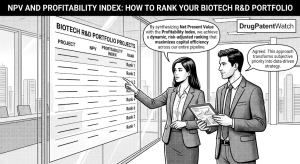
NPV and Profitability Index: How to Rank Your Biotech R&D Portfolio Read Post »
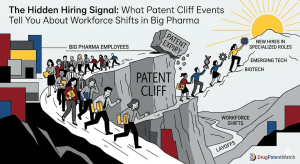
Between 2025 and 2030, the pharmaceutical industry will lose exclusivity on drugs generating more than $300 billion in annual revenue.
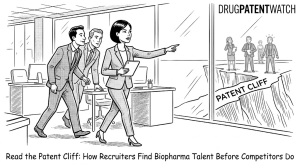
Read the Patent Cliff: How Recruiters Find Biopharma Talent Before Competitors Do Read Post »
You probably already know the number: 80 to 90 percent. That’s how much of a branded small-molecule drug’s revenue can
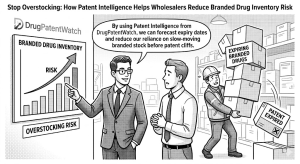
Before a pharmaceutical company files a single WARN notice, before a restructuring plan hits an SEC filing, before a CEO
Colchicine cost nine cents a pill for more than two centuries. Then, in 2009, a company ran a 185-patient trial
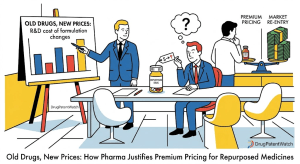
Old Drugs, New Prices: How Pharma Justifies Premium Pricing for Repurposed Medicines Read Post »
Every biosimilar switch strategy that fails, fails at the same point: someone made a sourcing decision based on the manufacturer’s
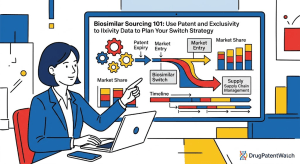
Biosimilar Sourcing 101: Use Patent and Exclusivity Data to Plan Your Switch Strategy Read Post »
How life sciences talent teams can map influence networks, identify hidden innovators, and outmaneuver competitors using publicly available IP data
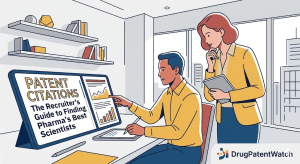
Patent Citations: The Recruiter’s Guide to Finding Pharma’s Best Scientists Read Post »
Colchicine cost nine cents a pill for more than two centuries. Then, in 2009, a company ran a 185-patient trial
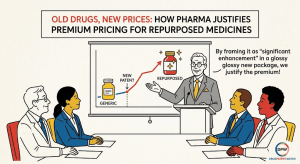
Old Drugs, New Prices: How Pharma Justifies Premium Pricing for Repurposed Medicines Read Post »
Sign in or create a free account to read this DrugPatentWatch article
