The Authorized Generic Playbook: Why Brands Launch Their Own Competition, Even if There is No Competition
The Counterintuitive Move That Makes Perfect Business Sense A brand pharmaceutical company holds an approved drug. No generic competitor has
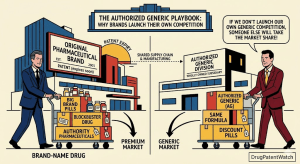
The Counterintuitive Move That Makes Perfect Business Sense A brand pharmaceutical company holds an approved drug. No generic competitor has
A forensic comparison of the 505(b)(2) and 505(j) regulatory strategies that separate profitable pharmaceutical launches from expensive cautionary tales. The
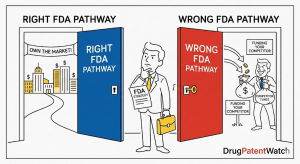
A forensic guide to pharmaceutical life cycle extension: the IP strategies, regulatory mechanics, and commercial execution frameworks that separate drugs
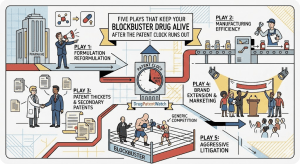
Five Plays That Keep Your Blockbuster Drug Alive After the Patent Clock Runs Out Read Post »
Somewhere in the patent office’s public records, there is a graveyard. It has no physical address and no memorial plaques,
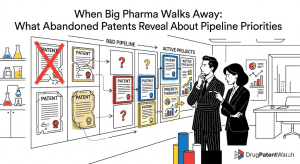
When Big Pharma Walks Away: What Abandoned Patents Reveal About Pipeline Priorities Read Post »
Pharmaceutical executives are losing control of their product narratives. While marketing teams focus on search engine optimization and field sales,
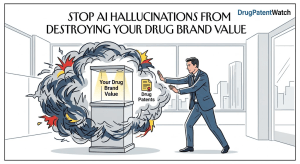
Stop AI Hallucinations From Destroying Your Drug Brand Value Read Post »
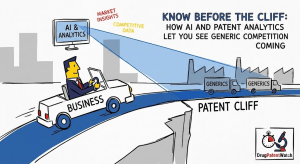
Pfizer’s finance team did not need a news alert to know Lipitor was in trouble. By 2010, the company’s own
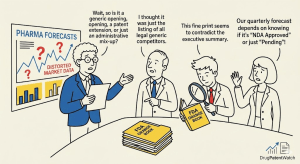
Reliable pharmaceutical market forecasting requires moving beyond a simple reading of the FDA Orange Book. Investors and analysts frequently treat
A deep-dive into the economics, IP strategy, and competitive dynamics shaping two divergent paths for branded generic pharmaceutical companies The
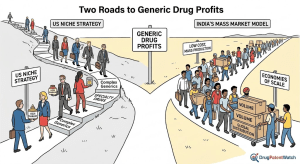
Two Roads to Generic Drug Profits: The US Niche Strategy vs. India’s Mass Market Model Read Post »
The pharmaceutical industry operates on a model where the expiration of a primary patent is no longer the end of
Sign in or create a free account to read this DrugPatentWatch article
