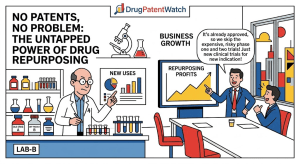
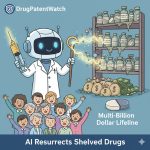
In the multi-trillion-dollar pharmaceutical industry, there’s an attic. It’s filled not with dust and forgotten relics, but with something far more valuable: thousands of molecular assets, each representing hundreds of millions, sometimes billions, of dollars in sunk research and development costs. These are the shelved compounds, the clinical trial failures, the off-patent workhorses. For decades, the industry has largely walked past this attic, its gaze fixed on the gleaming, high-risk, high-reward promise of de novo drug discovery. But the brutal economics of that model are no longer sustainable.
This is the trillion-dollar question hiding in plain sight: What if the key to solving pharma’s productivity crisis isn’t just about finding the next new molecule, but about unlocking the profound, untapped potential of the molecules we already have?
Welcome to the world of drug repurposing. Also known as drug repositioning or reprofiling, it is the strategic process of identifying new therapeutic uses for existing drugs—compounds that are already approved, have been discontinued for commercial reasons, or even those that failed in late-stage trials for their original indication.1 This is no longer a niche strategy driven by happy accidents. It has evolved into a systematic, data-driven science that is fundamentally reshaping R&D pipelines.
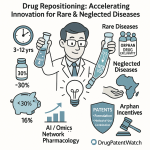
Consider the impact: repurposed products already account for an estimated 30% to 40% of new FDA approvals and generate a staggering 25% of the pharmaceutical industry’s annual revenue.4 This isn’t just about incremental line extensions. This is about finding groundbreaking new therapies in unexpected places.
Yet, for the savvy executive, investor, or IP counsel, a critical paradox lies at the heart of this opportunity. How do you build a fortress of market exclusivity and generate a compelling return on investment when your core asset—the molecule itself—is already known, potentially in the public domain, and lacks the ironclad protection of a composition-of-matter patent?
That is the central challenge this report will deconstruct and solve. We will move beyond the hype to provide a definitive strategic guide for turning known compounds into new, defensible, and highly profitable therapeutic assets. We will explore the unbeatable economics that make repurposing a necessary hedge against R&D failure, dive into the advanced discovery engines that are systematically unearthing new opportunities, and, most critically, provide a detailed playbook for mastering the IP and regulatory labyrinth. This is the new frontier of pharmaceutical innovation—where having no patent on the molecule is not the end of the story, but the beginning of a much smarter one.
Section I: The Unbeatable Economics of a Second Act
Before we delve into the strategic complexities of intellectual property and regulatory navigation, let’s establish the foundational “why.” Why has drug repurposing captured the attention of boardrooms and investors worldwide? The answer is simple and irrefutable: it fundamentally alters the brutal economics of drug development. For a data-driven audience accustomed to scrutinizing every line of an R&D budget, the numbers behind repurposing don’t just whisper a compelling story; they shout it from the rooftops.
A Tale of Two Pipelines: De Novo Discovery vs. Drug Repurposing
Imagine two parallel pipelines. One is the traditional path of de novo drug discovery—a long, winding, and treacherous road. The other is the repurposing pathway—a streamlined, de-risked expressway. The contrast in their core metrics is not just significant; it’s transformative.
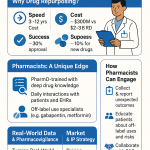
Accelerated Timelines: The journey for a new chemical entity (NCE) from lab bench to market is a 10 to 17-year marathon.7 Drug repurposing is a comparative sprint. By leveraging a compound’s existing data, developers can slash an average of 5 to 7 years from the typical timeline, bringing a therapy to patients in just 3 to 12 years.8 In a market where every day of exclusivity counts, this acceleration is a game-changing competitive advantage.
Drastic Cost Reduction: The cost of bringing a novel drug to market, factoring in the high price of failures, is astronomical, with estimates routinely landing in the $2 to $3 billion range.3 Repurposing projects operate on a completely different financial scale. The average cost to develop a repurposed drug is around $300 million—a staggering 50-60% reduction in overall development expenses.3 This isn’t just trimming the budget; it’s a fundamental shift in capital efficiency.
Higher Probability of Success: This is perhaps the most critical metric. The traditional drug development model is fraught with peril, with over 90% of candidates that enter clinical trials ultimately failing.8 The approval rate for repurposed drugs that have already completed Phase I, however, is approximately 30%—a threefold improvement over the industry average for NCEs.5
To put this in stark relief, let’s compare the two pathways head-to-head.
Table 1: De Novo Discovery vs. Drug Repurposing: A Head-to-Head Comparison
Metric
De Novo Discovery
Drug Repurposing
Average Development Time
10–17 years 7
3–12 years (avg. 5-7 years shorter) 8
Average Development Cost
~$2.6 billion (incl. failures) 5
~$300 million (50-60% lower) 3
Probability of Success (from Phase I)
<10% 3
~30% 8
Key Failure Point
Efficacy & Safety
Primarily Efficacy 5
Primary IP Protection
Composition of Matter & Method of Use
Primarily Method of Use; Formulation/Combination 3
This table distills the core economic argument into a single, undeniable conclusion. The shift from de novo to repurposing is a strategic move from a high-risk, high-cost “moonshot” model to a more predictable, efficient, and sustainable approach to building a therapeutic pipeline.
The De-Risking Premium: Why Safety Data is the Ultimate Asset
What is the source of this dramatic improvement in cost, time, and success? It all comes down to one core concept: risk. The single greatest hurdle in drug development is uncertainty, and the biggest unknown is always safety. Will a novel compound, never before tested in humans, reveal an unforeseen toxicity that kills the entire program? This is the primary reason drugs fail.
Drug repurposing flips this equation on its head. By definition, a repurposed candidate is a compound with a known human safety profile.8 This pre-existing knowledge base—covering pharmacology, toxicology, and pharmacokinetics—is the ultimate asset. It allows developers to bypass or significantly shorten the most failure-prone and time-consuming stages of development: extensive preclinical toxicology studies and Phase I human safety trials.8
This isn’t just an operational shortcut; it’s a profound financial advantage. The vast sums of money and time invested by the original developer to establish that safety profile represent a sunk cost for them. For the repurposer, however, that sunk cost becomes a massive capital efficiency gain.3 When your company in-licenses a shelved compound, you are not just buying a molecule; you are buying a significant measure of certainty.
This certainty has a quantifiable value that we can call the “De-Risking Premium.” In any standard Net Present Value (NPV) model used to value an R&D project, future cash flows are heavily discounted by the high probability of failure, particularly in the early stages. A repurposed drug enters the pipeline with the safety risk largely mitigated. This dramatically lowers the discount rate applied in the valuation model, thereby increasing the project’s present value from day one. This premium fundamentally alters the investment calculus, making repurposing projects far more palatable to venture capital and internal budget committees than their high-risk NCE counterparts. It reframes the industry’s “attic” of failed or shelved drugs not as a graveyard of liabilities, but as a strategic portfolio of de-risked, high-potential opportunities.
Section II: The Discovery Engine: Finding Gold in Existing Molecules
The economic case for repurposing is clear. But how do you systematically find these hidden opportunities? The days of relying solely on serendipity—the happy accidents that gave us blockbuster drugs from unexpected side effects—are over. While serendipity will always play a role, the modern repurposing landscape is defined by a powerful convergence of big data, computational biology, and advanced experimental techniques. This has transformed discovery from a game of chance into a predictive science.
From Serendipity to Strategy: The Evolution of Discovery
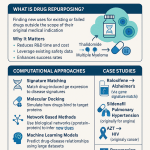
To appreciate the modern toolkit, it’s worth remembering the classics. The story of sildenafil is legendary. Originally developed by Pfizer in the early 1990s to treat hypertension and angina, male participants in clinical trials reported an unusual and persistent side effect. This clinical observation led to its spectacular rebirth as Viagra, a revolutionary treatment for erectile dysfunction.14 Similarly, thalidomide, a drug with a tragic past as a sedative that caused catastrophic birth defects, was redeemed decades later. A fortuitous clinical observation in 1964 revealed its potent ability to treat a painful inflammatory complication of leprosy, and later research uncovered its anti-angiogenic properties, leading to its approval as a cornerstone therapy for multiple myeloma.14
These stories are powerful, but they represent an old paradigm. Today’s discovery engine is far more deliberate and hypothesis-driven, powered by technologies that can systematically sift through vast biological landscapes to identify promising new drug-disease connections.17
The Computational Toolkit: In Silico Alchemy
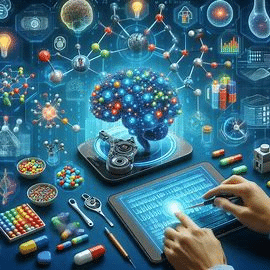
The explosion of biomedical data—from genomics and proteomics to electronic health records—has created an unprecedented opportunity for computational approaches. These in silico methods use sophisticated algorithms to find non-obvious patterns and predict new therapeutic uses for existing compounds.2
Network-Based Approaches
Imagine a vast biological social network. In this network, nodes represent drugs, genes, proteins, and diseases, and the edges connecting them represent known interactions. Network-based algorithms analyze the topology of this complex map to infer new relationships.18 Using principles like “guilt-by-association,” these models can predict that a drug known to interact with proteins in one disease pathway might also be effective in a different disease that shares overlapping network neighborhoods. This approach allows researchers to see the systemic effects of a drug far beyond its single, primary target.5
Signature-Based Methods
This powerful technique works by comparing “signatures.” A disease state, such as a specific type of cancer, has a unique gene expression signature—a pattern of genes that are over-expressed or under-expressed compared to healthy tissue. Researchers can then consult massive databases, like the Connectivity Map (CMAP), which contain the gene expression signatures produced by thousands of different drugs when applied to human cell lines. The goal is to find a drug that induces a transcriptional profile that is the inverse of the disease signature, suggesting it could counteract and reverse the disease pathology at a molecular level.5
The AI & Machine Learning Revolution
Artificial intelligence and machine learning (ML) represent the cutting edge of computational repurposing. Algorithms like support vector machines (SVMs), random forests, and deep neural networks can be trained on enormous, heterogeneous datasets containing everything from chemical structures and clinical trial data to scientific literature.18 These models excel at identifying subtle, complex patterns that would be impossible for a human researcher to detect, allowing them to predict novel drug-indication pairs with ever-increasing accuracy.23 This is moving repurposing from a process of educated guessing to one of data-driven prediction.
The Experimental Proving Ground: From Petri Dish to Patient
While computational methods are brilliant at generating hypotheses, they are not infallible. The predictions must be tested and validated in the real world of biology. This is where advanced experimental screening comes in, providing the crucial link between in silico prediction and clinical reality.
Target-Based vs. Phenotypic Screening: Two Sides of the Same Coin
There are two primary philosophies in experimental screening. The target-based approach is hypothesis-driven. It starts with a specific, known molecular target—like an enzyme or receptor that is critical to a disease—and then screens a library of existing drugs to find one that effectively modulates that target.21 This is a rational and focused method, but it’s limited by what we already know about disease biology.
The phenotypic approach, in contrast, is “target-agnostic”.27 Instead of focusing on a single target, it asks a more holistic question: can this drug produce a desired biological outcome? In a phenotypic screen, compounds are tested on a complex biological system—such as patient-derived cell cultures, 3D organoids, or even whole organisms—that models the disease. The goal is to identify drugs that cause a beneficial change in the system’s phenotype (its observable characteristics), such as killing cancer cells while sparing healthy ones, or restoring normal function to diseased neurons.27 The key advantage is that you don’t need to know the drug’s mechanism of action beforehand. This makes phenotypic screening an incredibly powerful tool for repurposing, as it can uncover entirely new and unexpected mechanisms for old drugs, leading to first-in-class therapies.29
The synergy between these computational and experimental approaches creates a powerful, self-improving discovery engine. The process begins with AI and machine learning algorithms sifting through massive datasets to generate a prioritized list of high-probability repurposing candidates. This step is broad and fast but can produce false positives. The top candidates from this in silico screen are then advanced to the next stage: experimental validation using high-content phenotypic screening in biologically relevant models, such as organoids grown from a specific patient’s tumor cells. This provides a rigorous test of the computational hypotheses. Crucially, the results from these experiments—both the hits and the misses—are then fed back into the AI models. This feedback loop retrains and refines the algorithms, making their next round of predictions even more accurate.23 This iterative cycle of prediction and validation is what allows a small, agile biotech to compete with the brute-force screening capabilities of a pharmaceutical giant. It’s a strategy built on being smarter, not just bigger.
Section III: “No Patent, New Moat”: Mastering the IP Labyrinth for Known Compounds
We now arrive at the heart of the matter, the central premise of our title: “No Patents, No Problem.” This is, of course, a strategic provocation. The lack of a composition-of-matter patent on the active pharmaceutical ingredient (API) is a very real and significant commercial challenge. However, it is not an insurmountable one. For the sophisticated developer, it simply shifts the strategic focus. The goal is no longer to protect the what—the molecule itself—but to master the art of protecting the how: the novel application, the specific formulation, the precise dosage, and the unique combination. This section provides a practical playbook for constructing a robust and defensible intellectual property “moat” around a repurposed drug, transforming an apparent vulnerability into a source of competitive strength.
The Central Challenge: Protecting the Known
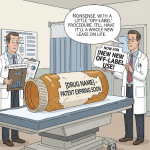
Let’s be clear about the problem. When you repurpose an existing drug, particularly one that is off-patent, the API is in the public domain. This means you cannot obtain the most powerful form of pharmaceutical IP: a composition-of-matter patent that grants a 20-year monopoly on the molecule itself.3 This opens the door to the single greatest threat to your return on investment: off-label prescribing. A physician can legally prescribe a cheap, generic version of the original drug for your newly discovered indication, potentially siphoning away your entire market.17
Therefore, your entire IP strategy must be designed to counter this threat. To secure new patents, you must overcome two fundamental legal hurdles:
Novelty: The new use, formulation, or dosage must not have been previously disclosed in the prior art (which includes scientific literature, previous patents, and public use).5
Non-Obviousness: This is typically the higher and more difficult barrier. You must demonstrate that your discovery would not have been obvious to a “person having ordinary skill in the art” at the time the invention was made. Simply finding that a known anti-inflammatory drug has an effect on another inflammatory disease might be considered obvious. Finding that it has an unexpected effect on a neurological disorder, however, might not be.5
Successfully navigating these challenges requires a multi-layered approach, building a portfolio of secondary patents that, together, create a formidable barrier to entry.
The Four Pillars of the Repurposing Patent Moat
Think of your IP strategy not as a single wall, but as a series of concentric defenses—a deep and wide moat. Each layer of protection serves a different strategic function, and their combined strength is far greater than the sum of their parts.
Pillar 1: Method-of-Use (MoU) Patents – The Cornerstone
The foundational tool in the repurposing IP arsenal is the method-of-use (MoU) or method-of-treatment patent. This patent does not protect the drug itself, but rather a specific method of using it. The claim is typically structured as: “A method of treating Disease X, comprising administering a therapeutically effective amount of Drug Y”.31
Strategic Function: The MoU patent is the cornerstone of your IP position. It establishes the legal basis for your claim to the new indication and is absolutely essential.
Limitations: On its own, an MoU patent is often considered a weaker form of protection than a composition patent. Enforcement can be challenging because the direct infringer is technically the patient taking the drug or the doctor prescribing it. Suing thousands of individuals is commercially and reputationally untenable.32 Therefore, the MoU patent must be reinforced by other, stronger pillars.
Pillar 2: Formulation Patents – The Physical Barrier
This is one of the most powerful and effective strategies for building your moat. A formulation patent protects a new, specific physical form of the drug that is tailored to the new indication.5 This could be an extended-release tablet, a transdermal patch, an injectable suspension, a topical gel, or an orally disintegrating strip.33
Strategic Function: A new formulation creates a physically distinct product. If you can demonstrate that your novel formulation provides a significant clinical advantage for the new indication—for example, improved bioavailability, reduced side effects, or better patient compliance (e.g., a once-daily pill versus a three-times-daily pill)—it creates a powerful barrier to generic substitution.3 A doctor cannot simply substitute a generic version of the old immediate-release tablet if the prescription is written for your patented extended-release formulation.
Pillar 3: Dosage & Regimen Patents – The Precision Weapon
A more subtle but highly effective strategy is to patent a specific dose or dosing schedule that is novel and non-obvious for the new indication.5 This is particularly potent if the therapeutic window for the new disease requires a dose that is significantly different—either much higher or much lower—than the dose used for the original indication.
Strategic Function: This patent protects the precise “how-to” of using the drug effectively and safely for the new purpose. If clinical data shows that only your specific, patented dosing regimen achieves the desired efficacy without unacceptable toxicity, it makes it clinically risky for a physician to try and replicate that effect by prescribing the old generic form off-label.
Pillar 4: Combination Patents – The Synergistic Shield
Another robust approach is to patent a new combination of the repurposed drug with one or more other known drugs, often in a single, fixed-dose combination pill.3
Strategic Function: This strategy creates an entirely new therapeutic entity. The key to patentability here is often demonstrating unexpected synergy—that the combined effect of the drugs is greater than the sum of their individual effects. This provides a very strong argument against obviousness and creates a product that cannot be replicated by simply co-prescribing two separate generic pills.
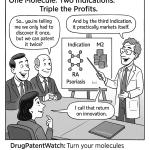
The true power of this approach lies in layering these pillars to create a web of protection. The goal is not to prevent a generic version of the original drug from existing. The goal is to make off-label substitution of that generic for your new, branded product commercially, clinically, and legally unattractive.
Imagine you repurpose an old, off-patent drug (Drug Y) for a new chronic neurological condition (Disease X). Your layered IP strategy might look like this:
You secure a broad MoU patent for using Drug Y to treat Disease X.
You develop and patent a new extended-release formulation that maintains stable blood levels of Drug Y over 24 hours, which your clinical data shows is essential for efficacy in Disease X and avoids the peak-trough side effects of the old immediate-release version.
You discover that the optimal therapeutic effect is achieved at a very specific daily dose of 37.5 mg, a dose that was never used for the original indication, and you secure a dosage patent.
Now, when a competitor’s generic 10 mg immediate-release tablet of Drug Y is on the market, what happens? A doctor treating Disease X will be clinically and legally compelled to prescribe your branded, once-daily 37.5 mg extended-release product. Payers will be more likely to reimburse it because of its superior clinical data. The generic is still available, but it has been effectively locked out of your new, protected market. You have successfully built your moat.
Table 2: The Repurposing IP Toolkit: Building a Defensible Moat
Patent Type
Description
Strategic Function
Hypothetical Example
Method-of-Use (MoU)
Protects the use of a known drug for a new, specific medical indication.
Establishes the core, foundational claim to the new market.
“A method of treating Alzheimer’s disease by administering Drug Y.”
New Formulation
Protects a novel delivery system or composition of the drug.
Creates a physically distinct product, building a strong barrier to generic substitution.
“An extended-release tablet of Drug Y for treating chronic pain, where Drug Y was previously an immediate-release pill for acute headaches.”
New Dosage/Regimen
Protects a specific dose or dosing schedule required for the new indication.
Makes off-label use of old dosage forms clinically risky and less effective.
“A method of treating psoriasis using a 5 mg daily dose of Drug Y, where the original approved dose was 50 mg for arthritis.”
New Combination
Protects a fixed-dose combination of the repurposed drug with another active ingredient.
Creates a new therapeutic entity with potentially synergistic effects, making it difficult to replicate.
“A single pill containing Drug Y and Drug Z for the treatment of diabetic neuropathy.”
Section IV: Beyond Patents: The Power of Regulatory Exclusivity
A robust patent portfolio is the offensive line of your commercial strategy, actively pushing back against competitors. But to win the game, you also need a strong defense. In the world of pharmaceuticals, that defense comes in the form of regulatory exclusivity. These are periods of government-granted market protection that are entirely separate from patents. For a repurposed drug, especially one based on an off-patent compound, mastering the art of securing and stacking these exclusivities is not just an advanced tactic—it’s an absolute necessity for maximizing your period of monopoly and ensuring a viable return on investment.
The Regulatory Arsenal: Your Non-Patent Monopoly
Regulatory exclusivities are granted by agencies like the U.S. Food and Drug Administration (FDA) and the European Medicines Agency (EMA) as incentives for conducting research that serves a public health need. Unlike patents, which protect an invention, exclusivities prevent the regulatory agency from approving a competing product for a specific period of time.35 For the repurposing strategist, there are three key weapons in this arsenal.
Orphan Drug Exclusivity (ODE) – The Gold Standard for Rare Diseases
This is the most powerful form of regulatory exclusivity and a major driver of the repurposing boom in rare diseases.
Definition: ODE is granted to drugs developed to treat a “rare disease or condition,” defined in the U.S. as one affecting fewer than 200,000 people.37 Upon approval, the drug receives 7 years of market exclusivity in the U.S. and 10 years in the EU.35
The Power of the Block: What makes ODE so potent is the nature of its protection. During the exclusivity period, the FDA is barred from approving another application for the same drug for the same orphan indication.35 This is a hard market block that applies even if a competitor submits a full application with their own data. It effectively creates a guaranteed monopoly for that specific use, providing the commercial certainty needed to invest in developing a therapy for a small patient population.
Pediatric Exclusivity – The Six-Month Extension
This is a valuable incentive offered to encourage drug development for children.
Definition: If a company conducts pediatric studies that are requested by the FDA in a Formal Written Request, it is granted an additional 6 months of exclusivity.40
Strategic Value: The magic of pediatric exclusivity is that it “stacks” onto the end of all existing patent and exclusivity periods for that active moiety.38 For a drug generating billions in annual sales, those extra six months of monopoly can be worth a fortune. It’s a powerful tool for lifecycle management that can be applied to both novel and repurposed drugs.
New Clinical Investigation Exclusivity – The Three-Year Shield
This is the most common form of exclusivity granted to repurposed drugs that are not for orphan indications.
Definition: This exclusivity is granted for drug applications (including many 505(b)(2) applications, which we will discuss next) that contain reports of new clinical investigations (other than bioavailability studies) that were essential to the approval. It provides 3 years of market exclusivity.3
Strategic Value: While shorter than ODE, this three-year period provides a crucial head start. It prevents a generic manufacturer from gaining approval for the same change (e.g., the new indication) by relying on your newly generated clinical data. It creates a foundational period of protection to establish the product in the market.
The true genius of a sophisticated commercial strategy lies not in pursuing any single one of these protections, but in strategically layering them to create the longest possible runway of market exclusivity. Patents and regulatory exclusivities are not mutually exclusive; they are synergistic tools that operate on parallel tracks.
Consider this scenario: Your company decides to repurpose an off-patent small molecule for a rare pediatric cancer. You cannot get a composition-of-matter patent, but your R&D team develops a novel liquid formulation that is easier for children to take and shows better absorption. Your strategic plan for market protection would be to:
File for Orphan Drug Designation early in development.
File a formulation patent on the new liquid version (potential 20-year term).
File a method-of-use patent for treating the specific rare cancer.
Conduct the required pediatric studies in response to an FDA request.
Upon approval, you would have a powerful, stacked monopoly. The 7-year Orphan Drug Exclusivity provides a guaranteed period of protection to launch the product and establish its value. The formulation patent provides a longer-term defense that extends well beyond the ODE period, preventing a competitor from launching a similar liquid version. And because you conducted the pediatric studies, you get an additional 6 months of exclusivity tacked onto the end of your formulation patent’s life. This “stacking” of protections is the hallmark of sophisticated lifecycle management and is absolutely critical for maximizing the ROI on any repurposing venture.
Section V: The Global Gauntlet: Navigating Regulatory Pathways
Securing a formidable IP portfolio is a critical step, but it’s meaningless without a clear path to regulatory approval. For any company with global ambitions, this means mastering the distinct and divergent regulatory landscapes of the world’s two largest pharmaceutical markets: the United States and the European Union. While both the FDA and the EMA are committed to ensuring the safety and efficacy of medicines, their approaches to drug repurposing reflect different philosophies, creating unique challenges and strategic opportunities in each jurisdiction. This section provides a practical, comparative guide for your regulatory affairs and clinical development teams.
The US Approach: The FDA 505(b)(2) Pathway
In the United States, the primary and most powerful regulatory tool for drug repurposing is the 505(b)(2) New Drug Application (NDA) pathway. It is a strategic linchpin that enables the very efficiency that makes repurposing so attractive.
What is 505(b)(2)? The “Hybrid” Application
The 505(b)(2) pathway, created by the landmark Hatch-Waxman Amendments of 1984, was designed to avoid the unnecessary and unethical duplication of research.41 It functions as a “hybrid” application, occupying a strategic middle ground between a full 505(b)(1) NDA for a new chemical entity and a 505(j) Abbreviated NDA (ANDA) for a generic.
A 505(b)(2) application contains full reports on safety and effectiveness, but with a critical distinction: it allows the applicant to rely on data that they did not conduct themselves. This can include the FDA’s own previous findings of safety and efficacy for a previously approved “listed drug,” as well as data from published scientific literature.42
The Strategic Advantage: Speed, Cost, and Reduced Burden
The value of this pathway is immense. It allows developers to leverage the vast body of existing knowledge about a drug’s active ingredient, thereby avoiding the need to repeat many costly and time-consuming preclinical and clinical studies.4 The key to a successful 505(b)(2) application is establishing a scientific “bridge” that justifies the reliance on the listed drug’s data. This often involves conducting targeted studies—such as pharmacokinetic/pharmacodynamic (PK/PD) or bioavailability/bioequivalence (BA/BE) studies—to demonstrate how your new product relates to the original.43
This pathway is ideally suited for the classic repurposing scenarios:
New Indications: The most common use.
Changes in Dosage Form, Strength, or Route of Administration: E.g., creating an oral solution from a tablet.41
New Combination Products: Combining two or more existing drugs.
Branded Generics and Orphan Drugs.41
Navigating the Process: Key Requirements and Challenges
While streamlined, the 505(b)(2) pathway is not a simple checkbox exercise. It demands a sophisticated and proactive regulatory strategy. Success hinges on early and frequent communication with the FDA, typically through a pre-Investigational New Drug (pre-IND) meeting, to align on the development plan and the specific bridging studies required.43 A well-executed 505(b)(2) strategy can not only accelerate approval but also secure valuable market exclusivity—typically three years for a new indication or formulation requiring new clinical studies, or seven years for an orphan drug.41
The European Union Approach: A More Complex Landscape
Navigating the regulatory environment in the European Union presents a different set of challenges. Unlike the U.S., the EU does not have a single, direct equivalent to the 505(b)(2) pathway.47 Instead, developers must navigate a more fragmented landscape of different articles and initiatives.
Key EMA Pathways and Initiatives
Several routes can be used to gain approval for a repurposed medicine in the EU:
Article 10(5) of Directive 2001/83/EC: This provision allows for the addition of a new indication for an “established active substance”—one with a well-established medicinal use in the EU for at least 10 years. The application can rely on data from published scientific literature to support the new use.48
Orphan Medicinal Product Authorisation: Similar to the U.S., this is a widely used mechanism for repurposing drugs to treat rare diseases, offering the powerful incentive of 10 years of market exclusivity.48
The STAMP Pilot Project: Recognizing the market failure for repurposing off-patent drugs with limited commercial appeal, the EMA and Heads of Medicines Agencies (HMA) launched a pilot project as part of the Safe and Timely Access to Medicines for Patients (STAMP) expert group.49 This initiative is specifically designed to support non-profit organizations and academic researchers (termed “champions”) by providing free scientific advice and helping to facilitate partnerships with a Marketing Authorisation Holder (MAH).50
The Central Role of the Marketing Authorisation Holder (MAH)
A critical distinction in the EU framework is the central role of the MAH. In Europe, only the company that holds the marketing authorisation for a drug can apply to vary its license to add a new indication.50 This means that an academic group or non-profit that discovers a new use for an off-patent drug cannot get it approved on their own. They
must partner with an existing MAH (often a generic manufacturer) who is willing to take on the legal and pharmacovigilance responsibilities for the new indication. This makes industry collaboration not just beneficial, but essential.
This divergence between the US and EU systems is not merely procedural; it reflects a fundamental difference in philosophy. The US 505(b)(2) pathway is, at its core, a commercial incentive. It is a tool designed for for-profit sponsors to create new, branded assets with their own period of market exclusivity, thereby encouraging private investment in repurposing. The EU’s framework, particularly initiatives like the STAMP pilot, is structured more as a public health tool. It is designed to address the market failure of repurposing cheap, off-patent generics by supporting the non-commercial entities that are often the only ones willing to conduct the necessary research.46
This creates a clear strategic implication for any global repurposing company. The optimal approach is often a bifurcated one: pursue commercially attractive opportunities for specialty and rare diseases via the well-defined 505(b)(2) pathway in the U.S. to generate revenue and secure market protection. Simultaneously, in the EU, collaborate with academic groups and leverage programs like the STAMP pilot to advance therapies with high public health value but lower commercial potential. This allows a company to strategically leverage the unique strengths of both regulatory systems.
Table 3: Global Regulatory Pathways for Repurposed Drugs at a Glance
Feature
U.S. Food and Drug Administration (FDA)
European Medicines Agency (EMA)
Primary Pathway
505(b)(2) “Hybrid” NDA
Multiple options (e.g., Art. 10(5), Orphan) 48
Ability to Reference Prior Data
Explicitly allowed and central to the pathway 42
Allowed, but on a more case-by-case basis (e.g., for “established use”) 48
Role of Non-Commercial Sponsors
Can be the NDA holder and own the marketing authorization.
Must partner with a Marketing Authorisation Holder (MAH) to get an indication added to the label.50
Key Initiatives
Expedited programs (Fast Track, Breakthrough); Orphan Drug Act.
STAMP Pilot Project to support academic/non-profit “champions”.49
Section VI: The Business of Second Chances: Models, Money, and Markets
With a firm grasp of the scientific, intellectual property, and regulatory foundations, we now turn to the commercial ecosystem where these strategies are deployed. How are companies structuring themselves to capitalize on the repurposing opportunity? Where is the investment capital flowing? And what does the overall market landscape look like? Understanding this business context is essential for any leader aiming to turn a repurposing concept into a commercial success.
The Repurposing Playbook: Business Model Archetypes
The drug repurposing space is not monolithic. It is populated by a diverse range of players, each with a distinct business model tailored to a specific part of the value chain.
Specialty Pharma & Niche Biotech: This is a classic and highly successful model. These companies typically in-license or acquire shelved assets from larger pharmaceutical companies—compounds that have passed initial safety testing but were discontinued for strategic or efficacy reasons in their original indication. They then apply their focused expertise to develop these de-risked assets for new, often rare or orphan, diseases where they can build a strong commercial franchise.53
AI-Driven Discovery Platforms: A new and rapidly growing category is the technology-centric company. Firms like Recursion Pharmaceuticals have built proprietary computational platforms that use AI, machine learning, and high-throughput biology to systematically screen thousands of compounds and generate a pipeline of high-potential repurposing candidates.55 Their business model is often partnership-driven; they use their platform to generate assets and then collaborate with larger pharma companies for late-stage development and commercialization.
Non-Profits and Public-Private Partnerships: A crucial part of the ecosystem addresses the “market failure” of repurposing cheap, off-patent generic drugs. Since the financial incentives for a single company are often lacking, non-profit organizations like Every Cure and government-backed initiatives are stepping in. Their model is to conduct the necessary clinical trials to prove efficacy for a new indication and then work with regulatory bodies and public health organizations to get the new use incorporated into standard-of-care guidelines.46
Big Pharma Internal Units: Many large pharmaceutical companies have established their own internal “Indications Discovery” units to systematically mine their own vast compound libraries.54 However, these internal efforts can face significant cultural and bureaucratic hurdles. It can be challenging to persuade management to allocate significant resources to a compound that previously failed, especially if the new potential indication falls outside of the company’s core strategic therapeutic areas.59
Following the Money: Investment and Market Trends
The commercial viability of drug repurposing is clearly reflected in its market size and investment trends. This is no longer a cottage industry; it is a significant and growing segment of the pharmaceutical landscape.
Market Size and Growth
The global drug repurposing market is already a substantial enterprise.
According to a 2022 systematic review, inadequate resources (financial and subject matter expertise), barriers to accessing shelved compounds and their trial data, and the lack of traditional IP protections for repurposed compounds are the key barriers to drug repurposing.
17
Market analyses value the sector at approximately $34-35 billion in 2024.8 Looking forward, the growth trajectory is robust, with projections estimating the market will reach between $50 billion and $59 billion by 2032-2034, expanding at a compound annual growth rate (CAGR) of roughly 5% to 8%.61 The key drivers of this growth are clear: oncology and rare/orphan diseases are the fastest-growing therapeutic segments, where the high unmet need and specialized markets make the repurposing model particularly effective.64
Venture Capital and Financing Trends
Venture capital investment in the life sciences has rebounded strongly in 2024 after a post-pandemic dip, and drug repurposing is a key beneficiary of this renewed enthusiasm.65 Investors are particularly drawn to two areas:
AI-Driven Platforms: The ability of AI and machine learning to de-risk and accelerate the discovery process is attracting significant VC funding. Startups with powerful computational engines are seen as scalable platforms capable of generating multiple therapeutic assets.55
Rare and Orphan Diseases: There has been a notable surge in funding for companies focused on rare diseases.64 The combination of high unmet need, premium pricing potential, and the powerful market protection offered by Orphan Drug Exclusivity makes this a highly attractive space for investors, and drug repurposing is the primary development strategy for many of these companies.
For the persistent challenge of repurposing generics, innovative financing models are emerging. These include Social Impact Bonds (SIBs), where impact investors fund the clinical trials, and are repaid by healthcare payers (like governments or insurers) only if the repurposed drug successfully improves patient outcomes and generates healthcare savings.66
The Role of Patent Intelligence in a Repurposing Strategy
In this data-rich environment, the ability to effectively mine patent databases for competitive intelligence is a critical skill. This is where professional-grade services like DrugPatentWatch become indispensable tools for business development, R&D, and IP teams. A systematic approach to patent intelligence can uncover strategic opportunities and mitigate risks long before they become public knowledge.5
Using a platform like DrugPatentWatch, a strategic team can:
Identify Prime Repurposing Targets: Systematically track drugs that are approaching their “patent cliff.” The loss of composition-of-matter exclusivity makes these compounds ideal candidates for a repurposing strategy aimed at creating new, defensible market niches.67
Anticipate Competitor Strategies: Monitor the secondary patent filings (MoU, formulation, dosage) of competitors. A sudden cluster of new formulation patents around an old drug is a clear signal that a competitor is pursuing a repurposing strategy. This early warning allows you to adjust your own strategy accordingly.5
Discover “White Space” Opportunities: Analyze the patent landscape for a given disease or biological pathway. By mapping existing drugs to their known mechanisms, you can identify areas where a known drug’s activity could be applied to a disease that currently lacks significant patent activity, representing an untapped opportunity.5
Build a Comprehensive Business Case: Integrate patent data with other critical information provided by the platform, such as clinical trial status, API suppliers, and regulatory data, to build a complete and robust business case for a potential repurposing project.68
The drug repurposing market is clearly bifurcating. On one side, there is a high-growth, commercially-driven ecosystem focused on on-patent or recently off-patent drugs for high-value specialty indications like oncology and rare diseases. This is where the venture capital is flowing and where the IP and regulatory strategies we’ve discussed can generate a clear ROI. On the other side, a nascent, public health-driven ecosystem is forming around non-profits and government-backed initiatives, struggling to solve the incentive problem for repurposing low-cost, widely available generic drugs. For any business professional in this space, understanding which of these two ecosystems you are operating in is the first and most critical step in defining your strategy, seeking the right funding, and measuring success.
Conclusion: From Afterthought to Arsenal
For decades, drug repurposing was treated as an afterthought in the grand theater of pharmaceutical R&D—a source of occasional, fortunate windfalls but rarely a central pillar of corporate strategy. That era is definitively over. The convergence of unsustainable R&D costs, relentless pressure from patent cliffs, and a technological revolution in data science has elevated repurposing from a niche tactic to an indispensable component of the modern innovation arsenal.
The journey we have taken through this report demonstrates that drug repurposing has matured into a rigorous and systematic discipline.
The Economics are Undeniable: The evidence is overwhelming. Repurposing offers a faster, cheaper, and profoundly de-risked pathway to bring therapies to patients. The ability to leverage known human safety data provides a quantifiable “De-Risking Premium” that fundamentally improves the value and financeability of an R&D asset from its inception.
The Technology is Here: The discovery process has been transformed. A powerful synergy between computational tools—from network biology to artificial intelligence—and advanced experimental methods like phenotypic screening has created a self-improving engine for systematically and predictively identifying new therapeutic opportunities.
The “No Patent” Problem is Solvable: The central challenge of protecting a known compound is not a deal-breaker but a strategic puzzle. A sophisticated, layered strategy that combines method-of-use, formulation, dosage, and combination patents can build a formidable commercial moat. When reinforced by the powerful, non-patent protections of regulatory exclusivities like Orphan Drug and Pediatric Exclusivity, this moat can secure a long and profitable market life.
The Pathways are Defined: While the regulatory landscapes of the U.S. and EU differ in their philosophies and procedures, both offer clear, navigable pathways to approval. The U.S. 505(b)(2) route provides a powerful commercial incentive, while the EU’s framework and initiatives like the STAMP pilot offer unique opportunities for public-private collaboration.
Looking ahead, the power of repurposing will only grow. As we move deeper into the era of personalized medicine, our ability to stratify patients based on their unique genetic and molecular profiles will unlock countless new uses for old drugs in highly targeted populations.5 A drug that failed in a broad population may prove to be a miracle cure for the 5% of patients with a specific biomarker. Repurposing is the key that will unlock that potential.
The ultimate call to action for every executive, investor, and scientist in the life sciences is to fundamentally shift their perspective. It is time to look at your company’s portfolio of existing assets, shelved compounds, and even past failures not as a history of sunk costs, but as a strategic arsenal of future opportunities. The attic is open. The value is there for the taking. The only question is who will be smart enough to climb the ladder and claim it.
Key Takeaways
Repurposing is a Core Strategy, Not a Tactic: Drug repurposing offers a 5-7 year reduction in development time, a 50-60% cost savings (avg. $300M vs. $2-3B), and a threefold increase in the probability of success (~30% vs. <10%) compared to de novo discovery. These metrics make it an essential strategy for sustainable pipeline growth.
Safety Data is a Quantifiable Financial Asset: The pre-existing human safety profile of a repurposed drug is its greatest asset. This “De-Risking Premium” lowers the risk profile of an R&D project, increases its Net Present Value (NPV), and makes it significantly more attractive to investors.
Build a “Moat” with Layered IP: Since composition-of-matter patents are often unavailable, commercial success depends on building a defensible IP portfolio. This requires layering multiple types of secondary patents—Method-of-Use, New Formulation, New Dosage, and New Combination—to make off-label generic substitution clinically and commercially unviable.
Master and Stack Regulatory Exclusivities: Non-patent exclusivities are critical for market protection. Strategically securing and stacking Orphan Drug Exclusivity (7 years US / 10 years EU), Pediatric Exclusivity (6-month extension), and New Clinical Investigation Exclusivity (3 years) can create a long and robust period of monopoly.
Navigate Global Pathways Strategically: The US (FDA 505(b)(2)) and EU (EMA) have different regulatory pathways. The US pathway is a powerful commercial tool for for-profit entities, while the EU framework is more geared toward public-health-driven initiatives by non-profits. A successful global strategy must leverage the unique strengths of both systems.
AI and Data are the New Discovery Engines: Modern repurposing is driven by a convergence of computational and experimental science. AI/ML algorithms generate high-potential hypotheses, which are then validated by advanced phenotypic screening, creating a powerful, self-improving discovery loop.
Patent Intelligence is Competitive Intelligence: Systematically using professional tools like DrugPatentWatch to monitor the patent landscape is crucial. It allows you to identify patent cliff opportunities, anticipate competitor moves, and find “white space” for new development.
Frequently Asked Questions (FAQ)
1. If a repurposed drug is off-patent, what really stops a doctor from just prescribing the cheap generic version off-label?
This is the central commercial challenge, and the answer lies in a multi-pronged strategy. While a doctor can legally prescribe off-label, a successful repurposing company makes this option unattractive. First, a strong clinical case is built showing that a new, patented formulation (e.g., extended-release) or dosage is significantly safer or more effective for the new indication than the old generic form. Second, layered IP (formulation, dosage, and method-of-use patents) makes the new product legally distinct and protected. Third, payer reimbursement is secured for the new, branded product based on its superior clinical data, while reimbursement for the off-label generic use may be restricted. Together, these factors create a powerful clinical, legal, and economic incentive for physicians to prescribe the new, approved product.
2. Isn’t the “low-hanging fruit” of repurposing already picked? Are there still significant opportunities left?
While the era of simple, serendipitous discoveries may be waning, we are just entering the golden age of systematic, data-driven repurposing. The “low-hanging fruit” was what we could see with the naked eye. The new opportunities are being revealed by powerful “microscopes”—AI, genomics, and network biology. These tools are uncovering non-obvious connections between drugs and diseases at a massive scale. With only about 500 unique drug targets addressed by all approved medicines out of over 20,000 genes in the human genome, the vast majority of biological space remains to be explored by existing, well-characterized molecules.70 The opportunity is not shrinking; it’s expanding exponentially with our data capabilities.
3. My company is focused on novel biologics. Why should we care about repurposing old small molecules?
There are several strategic reasons. First, repurposing can be a highly capital-efficient way to generate near-term revenue and proof-of-concept for a new therapeutic area, which can then fund more expensive, long-term biologics research. Second, many complex diseases require combination therapy. Repurposing a small molecule to be used in conjunction with your novel biologic can enhance efficacy, overcome resistance, and create a new, patent-protected combination product. Finally, the computational platforms and biological insights gained from a successful small molecule repurposing program can be directly applied to de-risk and accelerate the development of your biologics pipeline.
4. AI-driven repurposing sounds promising, but how many AI-predicted drugs have actually made it to market?
It’s true that we are still in the early innings of seeing AI-native drugs gain approval. However, the impact of AI is already being felt profoundly in the discovery and preclinical stages. AI platforms are successfully identifying candidates that are now entering and progressing through clinical trials at an accelerated pace. For example, during the COVID-19 pandemic, AI-driven network medicine approaches were used to rapidly screen thousands of drugs, identifying candidates that were then experimentally validated with a much higher hit rate than unguided screening.71 The ultimate validation is regulatory approval, and while the number is small today, the pipeline of AI-prioritized repurposed candidates is growing rapidly, suggesting that this will become a major source of new therapies in the coming years.
5. The business case for rare diseases seems clear, but can repurposing work for large, primary care indications like diabetes or heart disease where the market is crowded with generics?
It is more challenging, but absolutely possible with the right strategy. The key is not to compete with existing generics on their own terms, but to identify and serve a specific, unmet need within that large population. This often involves precision medicine. For example, a company might use genomic data to discover that an old drug is uniquely effective in a sub-population of diabetic patients with a specific genetic marker. By developing a companion diagnostic and seeking approval for this targeted patient group, they can carve out a new, high-value niche within the broader market. The strategy shifts from a blockbuster approach to one of targeted value, which is where the future of medicine is heading.