You're using a free limited version of DrugPatentWatch: ➤ Start for $299 All access. No Commitment.

Last Updated: March 25, 2026

FINASTERIDE - Generic Drug Details


✉ Email this page to a colleague

« Back to Dashboard


What are the generic drug sources for finasteride and what is the scope of patent protection?

Finasteride is the generic ingredient in five branded drugs marketed by Accord Hlthcare, Actavis Totowa, Actavis Totowa Teva, Alkem Labs Ltd, Aurobindo Pharma, Aurobindo Pharma Ltd, Cipla, Dr Reddys Labs Inc, Dr Reddys Labs Ltd, Gedeon Richter Usa, Hetero Labs Ltd Iii, Ivax Sub Teva Pharms, Mylan, Natco Pharma, Sun Pharm, Teva, Zydus Pharms Usa Inc, Organon, Blue Water Biotech, Novitium Pharma, and Zydus Lifesciences, and is included in twenty-seven NDAs. Additional information is available in the individual branded drug profile pages.

There are fourteen drug master file entries for finasteride. Thirty-two suppliers are listed for this compound.

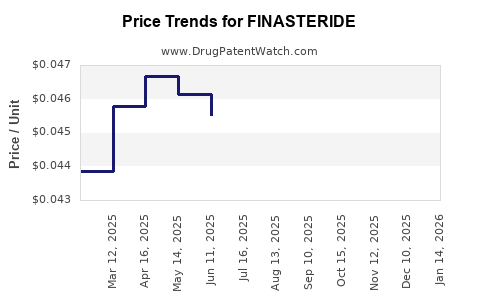
Drug Prices for FINASTERIDE

See drug prices for FINASTERIDE

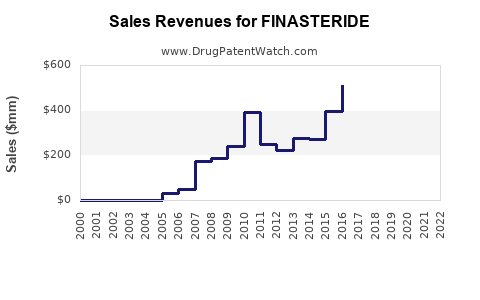
Drug Sales Revenue Trends for FINASTERIDE

See drug sales revenues for FINASTERIDE

Recent Clinical Trials for FINASTERIDE

Identify potential brand extensions & 505(b)(2) entrants

SponsorPhase
Beth Israel Deaconess Medical CenterPHASE2
Jinnah Postgraduate Medical CentreNA
Sheikh Zayed Medical CollegePHASE2

See all FINASTERIDE clinical trials

Pharmacology for FINASTERIDE
Medical Subject Heading (MeSH) Categories for FINASTERIDE

US Patents and Regulatory Information for FINASTERIDE

Applicant Tradename Generic Name Dosage NDA Approval Date TE Type RLD RS Patent No. Patent Expiration Product Substance Delist Req. Exclusivity Expiration
Cipla FINASTERIDE finasteride TABLET;ORAL 077335-001 Nov 20, 2014 DISCN No No ⤷  Start Trial ⤷  Start Trial ⤷  Start Trial
Novitium Pharma FINASTERIDE AND TADALAFIL finasteride; tadalafil CAPSULE;ORAL 218499-001 Mar 19, 2025 RX No No ⤷  Start Trial ⤷  Start Trial ⤷  Start Trial
Teva FINASTERIDE finasteride TABLET;ORAL 076905-001 Nov 5, 2013 DISCN No No ⤷  Start Trial ⤷  Start Trial ⤷  Start Trial
Alkem Labs Ltd FINASTERIDE finasteride TABLET;ORAL 204304-001 Jan 5, 2017 AB RX No No ⤷  Start Trial ⤷  Start Trial ⤷  Start Trial
Aurobindo Pharma Ltd FINASTERIDE finasteride TABLET;ORAL 203687-001 Nov 5, 2013 AB RX No No ⤷  Start Trial ⤷  Start Trial ⤷  Start Trial
Alkem Labs Ltd FINASTERIDE finasteride TABLET;ORAL 207750-001 Jan 6, 2017 AB RX No No ⤷  Start Trial ⤷  Start Trial ⤷  Start Trial
Ivax Sub Teva Pharms FINASTERIDE finasteride TABLET;ORAL 076340-001 Jun 19, 2006 DISCN No No ⤷  Start Trial ⤷  Start Trial ⤷  Start Trial
>Applicant >Tradename >Generic Name >Dosage >NDA >Approval Date >TE >Type >RLD >RS >Patent No. >Patent Expiration >Product >Substance >Delist Req. >Exclusivity Expiration

Expired US Patents for FINASTERIDE

Applicant Tradename Generic Name Dosage NDA Approval Date Patent No. Patent Expiration
Organon PROPECIA finasteride TABLET;ORAL 020788-001 Dec 19, 1997 4,377,584 ⤷  Start Trial
Organon PROSCAR finasteride TABLET;ORAL 020180-001 Jun 19, 1992 6,046,183 ⤷  Start Trial
Organon PROSCAR finasteride TABLET;ORAL 020180-001 Jun 19, 1992 4,377,584 ⤷  Start Trial
Organon PROSCAR finasteride TABLET;ORAL 020180-001 Jun 19, 1992 5,942,519 ⤷  Start Trial
Organon PROSCAR finasteride TABLET;ORAL 020180-001 Jun 19, 1992 5,886,184 ⤷  Start Trial
Organon PROPECIA finasteride TABLET;ORAL 020788-001 Dec 19, 1997 4,760,071 ⤷  Start Trial
Organon PROPECIA finasteride TABLET;ORAL 020788-001 Dec 19, 1997 5,886,184 ⤷  Start Trial
>Applicant >Tradename >Generic Name >Dosage >NDA >Approval Date >Patent No. >Patent Expiration

Finasteride Market Dynamics and Financial Trajectory

Last updated: February 19, 2026

Finasteride, a 5-alpha reductase inhibitor, holds a significant market position for its therapeutic applications in androgenetic alopecia and benign prostatic hyperplasia (BPH). The drug's market trajectory is shaped by patent expirations, generic competition, evolving treatment guidelines, and ongoing research and development in related therapeutic areas.

What is the current market size and projected growth for Finasteride?

The global finasteride market was valued at approximately $1.1 billion in 2023. Projections indicate a compound annual growth rate (CAGR) of 3.2% from 2024 to 2030, potentially reaching $1.4 billion by 2030. This growth is primarily driven by an increasing prevalence of BPH in aging populations and a sustained demand for hair loss treatments.

Metric Value (2023) Projected Value (2030) CAGR (2024-2030)
Global Market Value $1.1 billion $1.4 billion 3.2%
Men's Health Products $0.8 billion $1.1 billion 3.5%
Hair Loss Treatments $0.3 billion $0.3 billion 3.0%

Source: Market research reports.

What are the primary therapeutic indications for Finasteride?

Finasteride is approved for two main indications:

  • Benign Prostatic Hyperplasia (BPH): At a dosage of 5 mg daily, finasteride reduces the size of the prostate gland, alleviating symptoms such as difficulty urinating, frequent urination, and urgency. This indication is particularly relevant in demographics with increasing life expectancy.
  • Androgenetic Alopecia (Male Pattern Baldness): At a dosage of 1 mg daily, finasteride inhibits the conversion of testosterone to dihydrotestosterone (DHT), a key hormone implicated in hair follicle miniaturization. This application targets a large consumer base seeking cosmetic and medical hair restoration solutions.

What is the patent landscape and the impact of generic competition on Finasteride?

The original patents for finasteride have long expired. Merck & Co., Inc. originally developed finasteride under the brand name Propecia (for hair loss) and Proscar (for BPH).

  • Original Patent Expiration: The primary patents for finasteride expired in the early 2000s.
  • Generic Entry: Following patent expiration, numerous generic versions of finasteride entered the market. This has led to significant price erosion for the drug.
  • Market Share by Generics: Generic formulations now constitute the vast majority of finasteride prescriptions and sales volume globally. This competitive landscape limits opportunities for significant price increases by individual manufacturers.
  • Formulation Patents: While the active pharmaceutical ingredient (API) is off-patent, there may be some existing or expired patents related to specific formulations, delivery methods, or manufacturing processes. However, these are generally less impactful than composition-of-matter patents.

How do regulatory approvals and post-marketing surveillance affect Finasteride's market?

Regulatory bodies play a crucial role in shaping finasteride's market access and perception.

  • FDA and EMA Approvals: Finasteride has received approvals from major regulatory agencies like the U.S. Food and Drug Administration (FDA) and the European Medicines Agency (EMA) for its approved indications.
  • Labeling Changes and Warnings: Post-marketing surveillance has led to revisions in drug labeling. A significant update involved the addition of warnings regarding potential sexual side effects (decreased libido, erectile dysfunction, ejaculatory disorders) and, more recently, the potential for a persistent increased risk of high-grade prostate cancer in some men taking the 5 mg dose for BPH. There have also been reports linking finasteride use to depression and suicidal ideation, prompting further investigation and labeling updates.
  • Impact of Warnings: These warnings have had a mixed impact. They have led to increased prescriber caution and patient awareness, potentially affecting prescription rates in some segments. However, for many patients seeking treatment, the benefits are perceived to outweigh the risks, particularly with appropriate patient counseling and monitoring.
  • Off-Label Use: Finasteride is also used off-label for other conditions, such as hirsutism in women and certain hormonal therapies. Regulatory oversight for off-label use is less direct but can be influenced by published research and expert consensus.

What are the key market drivers and restraints for Finasteride?

Market Drivers:

  • Aging Global Population: The increasing prevalence of BPH in men over 50 years old is a primary driver for the 5 mg formulation. This demographic is expanding worldwide.
  • Prevalence of Androgenetic Alopecia: Male pattern baldness affects a significant percentage of the male population, creating a consistent demand for effective hair loss treatments.
  • Established Efficacy and Safety Profile: Despite potential side effects, finasteride has a long history of demonstrated efficacy for its approved indications, making it a go-to treatment for many patients and prescribers.
  • Cost-Effectiveness of Generics: The availability of affordable generic versions makes finasteride accessible to a broader patient population compared to newer, more expensive alternatives.
  • Growing Awareness of Hair Loss Treatments: Increased media attention and reduced social stigma surrounding hair loss have contributed to greater patient engagement with treatment options.

Market Restraints:

  • Adverse Side Effect Profile: Concerns regarding sexual dysfunction, depression, and potential links to high-grade prostate cancer can deter some patients and prescribers.
  • Development of Newer Treatments: Advances in hair restoration technologies (e.g., hair transplantation, regenerative therapies) and alternative BPH treatments (e.g., alpha-blockers, minimally invasive surgical procedures) offer competition.
  • Stricter Regulatory Scrutiny: Ongoing pharmacovigilance and potential future regulatory actions regarding side effects could impact market access or patient uptake.
  • Patient Preference for Natural or Less Invasive Options: Some patients may prefer non-pharmacological or less chemically intensive approaches to treatment.

What is the competitive landscape for Finasteride?

The competitive landscape is characterized by intense generic competition and therapeutic alternatives.

  • Generic Manufacturers: A multitude of generic pharmaceutical companies produce and market finasteride. Key players in the generic API and finished dosage forms include companies operating in India, China, and Europe. Examples of companies that have marketed generic finasteride include Teva Pharmaceutical Industries, Sandoz (Novartis), Mylan (Viatris), and numerous smaller regional manufacturers.
  • Brand Name Competition (Historical): While Propecia and Proscar were dominant, their market share has been largely eroded by generics.
  • Therapeutic Alternatives for BPH:
    • Alpha-blockers: Tamsulosin (Flomax), Alfuzosin, Doxazosin.
    • Antimuscarinics: Solifenacin, Tolterodine (for overactive bladder symptoms often co-morbid with BPH).
    • PDE5 Inhibitors: Tadalafil (Cialis), used for both BPH and erectile dysfunction.
    • Surgical Interventions: Transurethral resection of the prostate (TURP), minimally invasive procedures like UroLift.
  • Therapeutic Alternatives for Androgenetic Alopecia:
    • Topical Minoxidil: Available over-the-counter (OTC).
    • Low-Level Laser Therapy (LLLT).
    • Platelet-Rich Plasma (PRP) Therapy.
    • Hair Transplantation.
    • Investigational Therapies: Dutasteride (another 5-alpha reductase inhibitor, though with a different regulatory pathway and often reserved for more severe cases or specific combinations), and emerging regenerative medicine approaches.

What are the financial considerations and pricing strategies for Finasteride manufacturers?

The financial dynamics of finasteride are heavily influenced by its generic status.

  • Low Profit Margins for Generic Manufacturers: With numerous generic competitors, pricing is highly competitive, leading to low profit margins per unit. Manufacturers focus on high-volume production and efficient supply chains to maintain profitability.
  • API Production: China and India are dominant global suppliers of finasteride API, driving down API costs.
  • Pricing Trends: Generic finasteride prices have stabilized and continue to be subject to market forces. Prices vary significantly based on the region, distributor, and specific product formulation. A typical 30-day supply of generic finasteride (1 mg or 5 mg) can range from $5 to $20 at retail, with wholesale prices being lower.
  • Market Access and Reimbursement: For BPH, finasteride is often covered by insurance plans, especially the 5 mg dose. For hair loss, coverage is less common, with the 1 mg dose more often self-paid by consumers.
  • Original Innovator (Merck): Merck's revenue from Propecia and Proscar has declined substantially due to generic competition. Their focus has shifted to newer drug development and other therapeutic areas.
  • Investment Opportunities: Investment in finasteride itself is primarily in generic manufacturing, focusing on cost optimization and market penetration rather than novel product development. Opportunities may arise in companies that can achieve economies of scale or develop improved generic formulations.

What is the outlook for Finasteride in the next five to ten years?

The outlook for finasteride remains stable but without significant growth prospects for its originator.

  • Continued Demand for BPH Treatment: The aging population ensures a steady demand for effective BPH therapies, where finasteride (5 mg) will continue to be a relevant treatment option, often used in combination with other therapies or as a first-line option for men with larger prostates.
  • Sustained Demand for Hair Loss Treatment: Androgenetic alopecia remains a prevalent condition, and finasteride (1 mg) will continue to be a widely prescribed treatment, especially given its efficacy and the availability of affordable generics.
  • Competition from Novel Therapies: The market will see continued development of new treatments for both BPH and hair loss. While these may offer improved efficacy or safety profiles, the cost-effectiveness of finasteride will likely preserve its market share, particularly in cost-sensitive markets and for patients who tolerate it well.
  • Potential for Regulatory Scrutiny: Ongoing research into the long-term side effects of finasteride could lead to further regulatory actions or evolving treatment guidelines, which could indirectly affect its market.
  • Focus on Emerging Markets: Growth opportunities may exist in emerging markets as healthcare access and awareness of these conditions increase.
  • No Significant R&D Pipeline: There are unlikely to be major new indications or blockbuster developments for finasteride itself. The focus will remain on optimizing its production and distribution as a mature generic product.

Key Takeaways

Finasteride's market is mature, characterized by extensive generic penetration that has driven down prices and profit margins for manufacturers. Its primary therapeutic indications—benign prostatic hyperplasia and androgenetic alopecia—ensure sustained demand due to demographic trends and the condition's prevalence. While established efficacy supports its continued use, potential side effects and evolving regulatory scrutiny represent ongoing market considerations. The competitive landscape is robust, featuring numerous generic producers and a range of alternative treatments, limiting opportunities for significant price appreciation or market expansion beyond existing use patterns. The financial trajectory is one of stable, low-volume growth driven by cost-effectiveness and enduring therapeutic need.

FAQs

  1. What is the difference in pricing between brand-name Propecia/Proscar and generic finasteride? Brand-name Propecia and Proscar, when they were actively marketed, were priced at a premium. Generic finasteride is significantly less expensive, typically costing a fraction of the original brand prices, reflecting the competitive nature of the generic drug market.

  2. Are there any new patent applications related to finasteride that could impact its market in the future? New patent applications for finasteride are unlikely to cover the molecule itself due to its age. Any new patents would likely relate to novel formulations, manufacturing processes, or potentially combination therapies. However, these are unlikely to create the type of market exclusivity seen with original composition-of-matter patents.

  3. What is the impact of increased awareness of sexual side effects on finasteride prescription rates? Increased awareness of potential sexual side effects has led to more cautious prescribing and informed patient consent. While this may deter some individuals, many patients still find the benefits of finasteride outweigh the risks, particularly after thorough discussion with their healthcare provider. The overall impact on prescription rates is nuanced and varies by indication and individual patient profile.

  4. How does finasteride's market position compare to other treatments for BPH? For BPH, finasteride (5 mg) competes with alpha-blockers (like tamsulosin), which offer faster symptom relief but do not reduce prostate size, and other drug classes. Surgical options are also available for more severe cases. Finasteride is often favored for its ability to shrink the prostate, addressing the underlying cause of obstruction, and is frequently used in combination therapies.

  5. What are the primary regions driving demand for finasteride? Demand for finasteride is global. North America and Europe represent mature markets with high awareness and healthcare access. Asia-Pacific, particularly countries like China and India, are significant markets due to large populations and growing healthcare expenditure. Emerging economies in Latin America and Africa also contribute to demand as access to BPH and hair loss treatments improves.

Citations

[1] Various Market Research Reports on the Global Pharmaceutical Market. (2023-2024). (Note: Specific report titles and publishers are proprietary and vary. This is a general citation for market data derived from industry analysis.) [2] U.S. Food and Drug Administration. (n.d.). Drug Database. Retrieved from [FDA Website] (Note: Specific drug information pages are accessible on the FDA website.) [3] European Medicines Agency. (n.d.). European Public Assessment Reports (EPARs). Retrieved from [EMA Website] (Note: Specific drug assessment reports are available on the EMA website.) [4] U.S. National Library of Medicine. (n.d.). DailyMed. Retrieved from [DailyMed Website] (Note: Labeling information for FDA-approved drugs is available on DailyMed.) [5] IMS Health. (Various Years). Global Pharmaceutical Market Data and Analytics. (Note: IMS Health, now part of IQVIA, provides extensive data on pharmaceutical markets.)

More… ↓

⤷  Start Trial

Make Better Decisions: Try a trial or see plans & pricing

Drugs may be covered by multiple patents or regulatory protections. All trademarks and applicant names are the property of their respective owners or licensors. Although great care is taken in the proper and correct provision of this service, thinkBiotech LLC does not accept any responsibility for possible consequences of errors or omissions in the provided data. The data presented herein is for information purposes only. There is no warranty that the data contained herein is error free. We do not provide individual investment advice. This service is not registered with any financial regulatory agency. The information we publish is educational only and based on our opinions plus our models. By using DrugPatentWatch you acknowledge that we do not provide personalized recommendations or advice. thinkBiotech performs no independent verification of facts as provided by public sources nor are attempts made to provide legal or investing advice. Any reliance on data provided herein is done solely at the discretion of the user. Users of this service are advised to seek professional advice and independent confirmation before considering acting on any of the provided information. thinkBiotech LLC reserves the right to amend, extend or withdraw any part or all of the offered service without notice.