Last updated: July 27, 2025
Introduction
Diphenhydramine, widely recognized by its brand name Benadryl, is a first-generation antihistamine utilized primarily for allergy relief, sedation, and cold symptom management. With an established presence in the pharmaceutical landscape, Diphenhydramine's market dynamics and financial trajectory offer insights into the evolution of antihistamines, OTC drug proliferation, and potential growth avenues amid changing regulatory and consumer preferences. This analysis delineates the current landscape, key drivers, challenges, and future prospects for Diphenhydramine within the global pharmaceutical sector.
Market Overview and Current Status
Diphenhydramine remains one of the most recognized over-the-counter (OTC) antihistamines globally, with a market valuation exceeding USD 1 billion annually. Its extensive usage, affordability, and familiarity contribute significantly to its market dominance, particularly in North America, Europe, and select Asian markets. Despite the advent of second-generation antihistamines like loratadine and cetirizine, Diphenhydramine retains substantial market share owing to its sedative effects, efficacy, and long-standing consumer trust.
The OTC drug segment accounts for a significant proportion of Diphenhydramine sales, benefiting from widespread self-medication trends. Its utility extends into formulations for sleep aids, cold remedies, and allergy treatments, broadening its application scope.
Market Drivers Influencing DIPHEN Dynamics
1. Consumer Preference and Demographic Trends
Growing awareness of allergy management and cold symptoms sustains demand. Additionally, the aging global population and increasing prevalence of allergic conditions propel consistent consumption. Diphenhydramine's sedative properties make it a go-to OTC sleep aid among older adults, though concerns over cognitive side effects are tempering usage.
2. Regulatory Landscape
Regulatory authorities such as the FDA in the United States and EMA in Europe enforce stringent guidelines concerning OTC drugs, impacting formulations and marketing. Regulatory decisions, including restrictions on dosing or labeling, influence market accessibility and financial prospects.
3. Competition with Second-Generation Antihistamines
Second-generation antihistamines offer fewer sedative effects and improved safety profiles, gradually encroaching on Diphenhydramine’s market share. Industry shifts favor non-sedating options, but Diphenhydramine’s low cost and efficacy underpin its ongoing relevance.
4. Patent and Formulation Lifecycle
Diphenhydramine’s patent expiration decades ago facilitated generic proliferation, undercutting pricing and amplifying mass-market penetration. While generic dominance fuels volume-based revenue, it constrains profit margins.
Challenging Factors Impacting Market Trajectory
1. Safety and Side Effect Profiles
Concerns over anticholinergic burden associated with long-term use—such as cognitive impairment in elderly populations—prompt regulatory advisories and consumer caution, potentially dampening demand.
2. Shift Toward Prescribed and Safer Alternatives
Many healthcare providers recommend second-generation antihistamines for allergy management, reducing OTC Diphenhydramine reliance. Moreover, heightened awareness of adverse effects discourages habitual consumption.
3. Market Saturation and Price Erosion
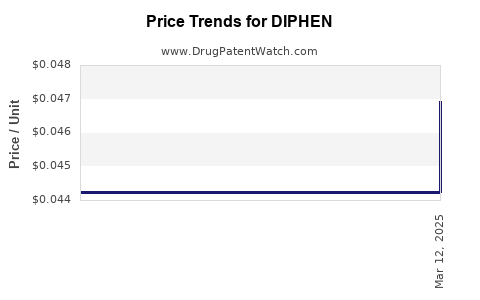
The mature nature of Diphenhydramine’s market results in saturation, with limited scope for organic growth. Price competition within generics further compresses margins.
Financial Trajectory and Investment Outlook
1. Revenue Trends
While global OTC antihistamine markets demonstrate resilience, growth rates for Diphenhydramine have plateaued or declined marginally in mature markets due to regulatory scrutiny and consumer preferences. However, emerging markets exhibit promising expansion potential owing to rising health awareness and affordability constraints.
2. R&D and Formulation Innovation
Pharmaceutical companies explore novel formulations—such as combination products, extended-release formulations, or derivatives with reduced sedative effects—to extend product lifecycle and reinvigorate sales.
3. Strategic Market Penetration
Expansion into emerging economies and OTC channels remains pivotal. Strategic partnerships with local distributors and regulatory compliance facilitate market access.
4. Patent and Regulatory Impact on Revenue
As a generic drug, Diphenhydramine's revenue depends heavily on price competition. Patent losses early in its lifecycle prompted a pivot to volume-focused strategies, emphasizing economies of scale rather than innovation.
Future Market Trends and Opportunities
1. Growing OTC and Self-Medication Demand
The global self-care trend fuels OTC product sales. Diphenhydramine, as an established staple, is positioned to benefit from consumer-driven healthcare models, especially in regions with limited healthcare access.
2. Digitalization and E-commerce
The rise of online pharmacies and direct-to-consumer marketing facilitates broader distribution, enhances brand visibility, and fosters consumer engagement—sectors that pharmaceutical marketers can leverage for increased sales.
3. Regulatory Developments and Safety Enhancements
Updates favoring safer antihistamine options could compel tailor-made formulations minimizing side effects, thus unlocking new markets or extending product relevance.
Conclusion
Diphenhydramine's market dynamics are shaped by a complex interplay of consumer preferences, regulatory environments, competitive forces, and innovation pathways. While second-generation antihistamines present formidable competition, Diphenhydramine maintains a significant foothold due to its established efficacy, affordability, and versatility. Financial prospects hinge on strategic adaptation—expanding into emerging markets, innovating formulations, and fostering consumer trust—particularly amid regulatory and safety considerations.
Key Takeaways
- Despite facing declining growth in mature markets, Diphenhydramine retains significant revenue due to its entrenched position in OTC treatments.
- Increasing regulatory scrutiny and safety concerns necessitate formulation innovations and targeted safety communications.
- Emerging markets offer substantial growth opportunities driven by affordability, self-medication trends, and healthcare access limitations.
- Competitive pressures from second-generation antihistamines necessitate differentiation through product innovation and marketing strategies.
- Digital health channels and e-commerce present strategic avenues to expand market reach and consumer engagement.
FAQs
1. What are the primary therapeutic uses of Diphenhydramine?
Diphenhydramine is primarily used for allergy relief, cold symptom alleviation, and as a sedative/hypnotic for short-term sleep aid.
2. How does regulatory safety concern impact Diphenhydramine sales?
Safety advisories focusing on anticholinergic effects, especially in elderly populations, lead to label updates and usage restrictions, potentially reducing consumption in certain demographics.
3. Are there any emerging formulations for Diphenhydramine?
Yes—research is ongoing into extended-release formulations, combination therapies with other OTC agents, and derivatives that offer reduced sedative effects.
4. How does market competition influence Diphenhydramine’s financial trajectory?
Second-generation antihistamines' improved safety profiles and prescription convenience challenge Diphenhydramine's market share, intensifying price competition and urging product differentiation.
5. What strategies can companies adopt to sustain profitability for Diphenhydramine?
Expanding into untapped markets, leveraging e-commerce channels, innovating formulations, and emphasizing safety and efficacy messaging are vital strategies.
Sources
[1] Transparency Market Research, “Antihistamines Market,” 2022.
[2] U.S. Food and Drug Administration (FDA), OTC Drug Warnings and Labeling Updates.
[3] Pharma Intelligence, “OTC Drug Market Analysis,” 2021.
[4] Euromonitor International, “Global OTC Healthcare Market,” 2022.
[5] Statista, “Over-the-Counter (OTC) Market Revenue Forecasts,” 2023.