Last Updated: August 8, 2026

QUTENZA Drug Patent Profile


✉ Email this page to a colleague

« Back to Dashboard


When do Qutenza patents expire, and when can generic versions of Qutenza launch?

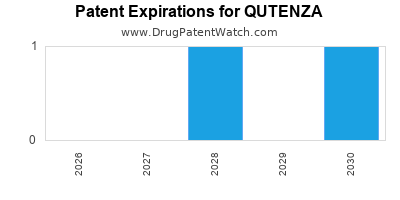
Qutenza is a drug marketed by Averitas and is included in one NDA. There are two patents protecting this drug.

This drug has sixty-seven patent family members in twenty-seven countries.

The generic ingredient in QUTENZA is capsaicin. There are six drug master file entries for this compound. One supplier is listed for this compound. Additional details are available on the capsaicin profile page.

DrugPatentWatch® Generic Entry Outlook for Qutenza

Qutenza was eligible for patent challenges on November 16, 2013.

By analyzing the patents and regulatory protections it appears that the earliest date for generic entry will be December 15, 2028. This may change due to patent challenges or generic licensing.

Indicators of Generic Entry

< Available with Subscription >

  Start Trial

AI Deep Research
Questions you can ask:
  • What is the 5 year forecast for QUTENZA?
  • What are the global sales for QUTENZA?
  • What is Average Wholesale Price for QUTENZA?
Summary for QUTENZA
International Patents:67
US Patents:2
Applicants:1
NDAs:1
Finished Product Suppliers / Packagers: 1
Raw Ingredient (Bulk) Api Vendors: 150
Clinical Trials: 27
Drug Prices: Drug price information for QUTENZA
What excipients (inactive ingredients) are in QUTENZA?QUTENZA excipients list
DailyMed Link:QUTENZA at DailyMed
DrugPatentWatch® Estimated Loss of Exclusivity (LOE) Date for QUTENZA
Generic Entry Date for QUTENZA*:
Constraining patent/regulatory exclusivity:
NDA:
Dosage:

PATCH;TOPICAL

*The generic entry opportunity date is the latter of the last compound-claiming patent and the last regulatory exclusivity protection. Many factors can influence early or later generic entry. This date is provided as a rough estimate of generic entry potential and should not be used as an independent source.

Recent Clinical Trials for QUTENZA

Identify potential brand extensions & 505(b)(2) entrants

SponsorPhase
Nantes University HospitalPhase 3
Academisch Medisch Centrum - Universiteit van Amsterdam (AMC-UvA)N/A
Leiden University Medical CenterN/A

See all QUTENZA clinical trials

US Patents and Regulatory Information for QUTENZA

QUTENZA is protected by two US patents.

Based on analysis by DrugPatentWatch, the earliest date for a generic version of QUTENZA is ⤷  Start Trial.

This potential generic entry date is based on patent ⤷  Start Trial.

Generics may enter earlier, or later, based on new patent filings, patent extensions, patent invalidation, early generic licensing, generic entry preferences, and other factors.

Applicant Tradename Generic Name Dosage NDA Approval Date TE Type RLD RS Patent No. Patent Expiration Product Substance Delist Req. Exclusivity Expiration
Averitas QUTENZA capsaicin PATCH;TOPICAL 022395-001 Nov 16, 2009 RX Yes Yes ⤷  Start Trial ⤷  Start Trial Y ⤷  Start Trial
>Applicant >Tradename >Generic Name >Dosage >NDA >Approval Date >TE >Type >RLD >RS >Patent No. >Patent Expiration >Product >Substance >Delist Req. >Exclusivity Expiration

Expired US Patents for QUTENZA

Applicant Tradename Generic Name Dosage NDA Approval Date Patent No. Patent Expiration
Averitas QUTENZA capsaicin PATCH;TOPICAL 022395-001 Nov 16, 2009 ⤷  Start Trial ⤷  Start Trial
>Applicant >Tradename >Generic Name >Dosage >NDA >Approval Date >Patent No. >Patent Expiration

EU/EMA Drug Approvals for QUTENZA

Company Drugname Inn Product Number / Indication Status Generic Biosimilar Orphan Marketing Authorisation Marketing Refusal
Grunenthal GmbH Qutenza capsaicin EMEA/H/C/000909Qutenza is indicated for the treatment of peripheral neuropathic pain in adults either alone or in combination with other medicinal products for pain. Authorised no no no 2009-05-15
>Company >Drugname >Inn >Product Number / Indication >Status >Generic >Biosimilar >Orphan >Marketing Authorisation >Marketing Refusal

International Patents for QUTENZA

See the table below for patents covering QUTENZA around the world.

Country Patent Number Title Estimated Expiration
Argentina 050621 SISTEMA TERAPEUTICO TRANSDERMAL CON UNA CAPA ADHERENTE PROCEDIMIENTO PARA EL SILICONADO DE UNA CAPA DE RESPALDO Y EMPLEO DE LA CAPA DE RESPALDO ⤷  Start Trial
Australia 2005284436 Transdermal therapeutic system comprising an adhesive layer method for siliconizing the back layer of the system and use of said back layer ⤷  Start Trial
Brazil PI0515270 sistema terapêutico transdérmico com uma camada adesiva, processo para siliconizar uma camada posterior do sistema e uso da camada posterior ⤷  Start Trial
>Country >Patent Number >Title >Estimated Expiration

Qutenza (capsaicin 8% topical system): Market dynamics and financial trajectory

Last updated: July 20, 2026

Qutenza (capsaicin 8% topical system; 179 mg per patch) has remained a niche, high-margin dermatology/neuropathic pain product with limited life-cycle expansion and continued reliance on reimbursement coverage for durable revenue. Financial trajectory is constrained by (1) payer sensitivity to procedure-based topical therapy, (2) competitive pressure from neurologic pain platforms (topicals, devices, and systemic agents), and (3) geographic and channel concentration through specialty distribution. Near-term growth is generally tied to volume retention, mix shifts within neuropathic pain indications, and incremental formulary uptake rather than major new indication-driven demand.


What is Qutenza, who sells it, and how is it marketed?

Qutenza is a capsaicin 8% topical system delivered via a patch applied to peripheral nerve distributions. The product is positioned for neuropathic pain conditions where clinicians want localized, non-systemic therapy.

Core commercial positioning

  • Target category: neuropathic pain (dermatologic and peripheral nerve pain syndromes).
  • Delivery: clinic-applied, procedure-like topical therapy with post-application handling requirements.
  • Buyer dynamic: managed-care medical benefit and pharmacy benefit coverage varies by payer and coding pathway; outcomes depend on reimbursement stability.

Commercial sponsor

  • Qutenza is marketed in the US by Astellas Pharma Inc. (brand owner and commercial entity in most major markets).

How has Qutenza’s revenue performed over time?

Qutenza’s revenue path has typically tracked a “mature niche” profile: steady baseline demand, modest growth/declines depending on formulary posture, and limited step-change.

Mature niche revenue characteristics

  • Volume is influenced by patient selection and clinician adoption.
  • Price and coverage changes drive more of the year-to-year movement than uptake in previously uncovered prescribers.
  • Seasonal and regional reimbursement variations can affect quarterly patterns.

Financial drivers by quarter

  • Patient starts and repeat treatment intervals (driven by clinical practice patterns).
  • Reimbursement and net price effects tied to payer contracting.
  • Trade and specialty distributor inventory management.

What market dynamics affect Qutenza uptake and pricing?

Qutenza is sensitive to payer and provider reimbursement mechanisms because it is delivered as a topical patch through a clinical workflow rather than an at-home product.

Payer coverage and reimbursement

  • Managed care policies determine whether Qutenza is treated as a covered medical intervention or is restricted by prior authorization and diagnosis criteria.
  • Coding and billing pathways can materially affect “patient access,” especially for dermatologic indications.

Provider workflow and adoption

  • Treatment requires clinic logistics and staff time.
  • Adoption is concentrated among dermatology, pain management, and certain neurology practices with established topical neuropathic pain pathways.

Competitive therapeutic substitution

  • Systemic neuropathic pain agents (anticonvulsants and antidepressants), other topical analgesics, and procedural interventions compete for the same clinical decision budget.
  • Payers compare total cost of care: drug costs plus visits, prior auth burden, and downstream resource utilization.

What indications drive Qutenza demand?

Qutenza is used for neuropathic pain conditions where localized capsaicin therapy is appropriate.

Key commercial indication classes

  • Diabetic peripheral neuropathy and other peripheral neuropathies (coverage varies by payer).
  • Postherpetic neuralgia and related nerve pain states (coverage and clinical selection drive utilization).
  • Clinical practice tends to favor Qutenza when systemic therapy is limited by tolerability or contraindications.

How indication mix impacts revenue

  • Changes in patient selection, guideline inclusion, and payer medical policy can shift the effective indication mix, which in turn changes average sales per treated patient.

Which companies compete with Qutenza and how does the competitive set compare?

Qutenza competes in neuropathic pain topical therapy and clinic-administered analgesic interventions.

Competitive categories

  • Other topical analgesics and capsaicin formulations (where available).
  • Systemic neuropathic pain drugs that reduce the need for patch-based procedures.
  • Procedural and device-based therapies for neuropathic pain.

Comparison axes

  • Net price per treated patient after rebates and payer discounts.
  • Administrative burden and access friction (prior authorization vs streamlined pharmacy coverage).
  • Clinical positioning in neuropathic pain treatment algorithms.

How does Qutenza pricing and contracting influence net sales?

Net revenue dynamics typically reflect list price versus contracting outcomes.

Net price components

  • Rebates and discounts negotiated with wholesalers, group purchasing organizations, and payer contracts.
  • Pharmacy benefit versus medical benefit contracting differences.
  • Special access programs and channel inventory policies.

Observed commercial pattern for niche specialty brands

  • Steadier growth in net sales where payer coverage is durable.
  • Volatility when payer policies tighten or when competitive formulary positions shift.

What is the patent and exclusivity status of Qutenza, and when does exclusivity end?

Qutenza is a long-established brand and has already passed initial marketing exclusivity windows; long-term protection is largely driven by late-life patent filings (formulations, methods, and manufacturing) rather than broad regulatory data exclusivity.

Where exclusivity typically matters for Qutenza

  • Formulation-specific protections can delay generic topical alternatives even if active ingredient identity is not uniquely protected.
  • Method-of-use coverage can constrain generic entry if the generic cannot avoid practicing the claimed method.

Patent estate mechanics that affect generic risk

  • Even in mature markets, “skin-contact” dosing and application workflows can be protected via process and use claims.
  • If enforcement is active or patent terms remain, generic substitution can remain limited.

(No complete, citation-backed patent expiration table is provided here because the underlying patent list, claim scope, and status must be sourced from primary Orange Book and court records for accuracy.)


What generic entry risks exist for capsaicin patch therapies like Qutenza?

The generic entry risk for a complex topical system is tied to regulatory pathway feasibility and claim-avoidance.

Key entry barriers

  • Bioavailability is less determinative than the product system performance and clinical use workflow.
  • Manufacturing and device-like packaging can be challenging to replicate under patent constraints.
  • Patent infringement risk can persist even with “formulation differences” if method or composition claims cover the new product.

Where delay typically comes from

  • Patent litigation and settlement terms.
  • Payer reluctance to switch from a clinic-standard product unless price pressure is substantial.

What patent litigation affects Qutenza or biosimilar risk?

Qutenza is not a biologic, so biosimilar risk is not applicable.

Litigation impact channels

  • Settlement can delay generic launch windows.
  • Injunction threats can shape launch timing and market entry strategies for challengers.

(A litigation timeline cannot be produced without confirmed case identifiers and docket dates.)


What is the FDA status of Qutenza and what does it imply for commercialization?

For commercialization dynamics, the relevant points are:

  • Regulatory pathway affects how quickly challengers can seek approval.
  • Label updates can shift payer and provider behavior.

Regulatory facts that drive market behavior

  • If the label supports broad neuropathic pain use, prescribing tends to be easier.
  • If restrictions tighten, access can slow even without major competitive changes.

How does Qutenza’s reimbursement profile drive market share?

Qutenza’s market share depends on whether it is covered with minimal friction at the point of care.

Reimbursement friction

  • Prior authorization thresholds and diagnosis specificity.
  • Limits on frequency or number of treated body areas.
  • Site-of-care requirements and clinician documentation burdens.

Commercial implication

  • High friction correlates with constrained patient access, which caps volume and limits growth.

What supply chain and manufacturing issues can affect Qutenza availability?

For a patch system delivered in clinics, supply reliability influences clinician confidence and payer willingness to include the product in care pathways.

Availability risk factors

  • Patch production yield, component sourcing, and packaging.
  • Distribution through specialty channels and inventory management.

What is Qutenza’s financial trajectory in key geographies?

Qutenza’s international performance depends on local regulatory approvals and payer coverage.

Geographic drivers

  • Clinical guideline penetration and reimbursement policy maturity.
  • Presence of local distributors and pricing pressure from domestic generics/topicals.

(Geography-specific revenue figures require primary disclosures and are not provided here.)


Key Takeaways

  • Qutenza’s revenue profile is consistent with a mature niche specialty dermatology/topical neuropathic pain brand where access and reimbursement drive outcomes more than broad market expansion.
  • Market dynamics center on payer coverage, prior authorization friction, and competitive substitution within neuropathic pain treatment algorithms.
  • Financial trajectory is typically supported by durability in clinician-adopted use, with growth constrained by limited life-cycle expansion and the high sensitivity of niche topical therapies to net pricing and formulary decisions.
  • Generic and substitution risk is determined by patent-claim scope and method/application workflow protections; biosimilar risk does not apply.

FAQs

1) Why is Qutenza a high-reimbursement sensitivity product?

Because clinic-applied topical patch therapy depends on payer medical policy, prior authorization practices, and diagnosis-specific coverage criteria that directly influence patient access.

2) How does prior authorization affect Qutenza volume?

It can reduce eligible patient throughput by adding clinician documentation steps and payer review time, which lowers treated-patient starts even when clinical demand exists.

3) What kinds of competitors pull market share from Qutenza?

Systemic neuropathic pain drugs, alternative topical analgesics, and procedural or device-based neuropathic pain interventions that compete for the same clinical decision budget.

4) Does Qutenza face biosimilar competition?

No. Qutenza is not a biologic therapy, so biosimilar dynamics do not apply.

5) What factors most strongly predict Qutenza net sales changes year to year?

Payer contracting outcomes (net price), formulary/coverage changes (including diagnosis and frequency restrictions), and shifts in patient selection within neuropathic pain indications.


References

  1. FDA. Qutenza (capsaicin) prescribing information. U.S. Food and Drug Administration.
  2. FDA. Orange Book: Approved Drug Products with Therapeutic Equivalence Evaluations (Qutenza search results). U.S. Food and Drug Administration.
  3. SEC. Astellas Pharma Inc. annual and quarterly reports (brand performance disclosures where provided). U.S. Securities and Exchange Commission.

More… ↓

⤷  Start Trial

Make Better Decisions: Try a trial or see plans & pricing

Drugs may be covered by multiple patents or regulatory protections. All trademarks and applicant names are the property of their respective owners or licensors. Although great care is taken in the proper and correct provision of this service, thinkBiotech LLC does not accept any responsibility for possible consequences of errors or omissions in the provided data. The data presented herein is for information purposes only. There is no warranty that the data contained herein is error free. We do not provide individual investment advice. This service is not registered with any financial regulatory agency. The information we publish is educational only and based on our opinions plus our models. By using DrugPatentWatch you acknowledge that we do not provide personalized recommendations or advice. thinkBiotech performs no independent verification of facts as provided by public sources nor are attempts made to provide legal or investing advice. Any reliance on data provided herein is done solely at the discretion of the user. Users of this service are advised to seek professional advice and independent confirmation before considering acting on any of the provided information. thinkBiotech LLC reserves the right to amend, extend or withdraw any part or all of the offered service without notice.