Last updated: February 19, 2026
This analysis examines the market dynamics and financial trajectory of Chlorpheniramine Maleate (CPM), an established antihistamine. The market is characterized by generic competition and a mature product lifecycle. Key drivers include its broad availability and established efficacy for allergy relief. Challenges stem from price erosion due to generics and the emergence of newer, more targeted therapies.
What is Chlorpheniramine Maleate?
Chlorpheniramine Maleate is a first-generation antihistamine belonging to the alkylamine class. It acts as an H1 receptor antagonist, blocking the action of histamine, a substance in the body that causes allergic symptoms. CPM is primarily used to treat symptoms of the common cold and allergic rhinitis, including sneezing, runny nose, itchy throat, and watery eyes. It is available in various formulations, including tablets, capsules, syrups, and injectables.
Chemical Structure and Mechanism of Action
The chemical formula for Chlorpheniramine Maleate is C16H19ClN2·C4H4O4. It is the maleate salt of chlorpheniramine, which is a racemic mixture of two enantiomers. The active enantiomer is dextrochlorpheniramine. CPM exerts its therapeutic effect by competitively inhibiting histamine from binding to H1 receptors. This blockade reduces vasodilation, capillary permeability, and smooth muscle contraction, thereby alleviating allergic symptoms.
Therapeutic Indications and Applications
CPM is indicated for the symptomatic relief of conditions mediated by histamine. These include:
- Allergic rhinitis (seasonal and perennial)
- Urticaria (hives)
- Angioedema
- Allergic conjunctivitis
- Pruritus (itching) due to mild allergic reactions
- Symptomatic relief of cough and cold symptoms in combination products
It is important to note that CPM does not treat the underlying cause of the allergy but rather provides symptomatic relief.
Market Size and Growth Trajectory
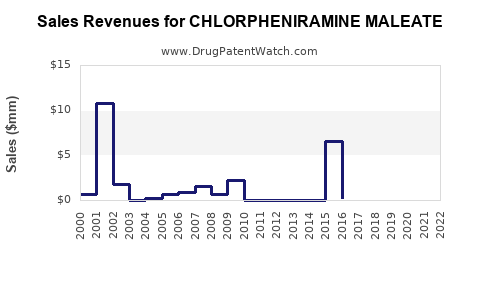
The global market for Chlorpheniramine Maleate is substantial, driven by its long history of use and widespread availability as a generic medication. Precise current market valuation figures are difficult to isolate due to its inclusion in numerous combination products and the fragmented nature of the generic drug market. However, estimates suggest the global antihistamine market, within which CPM plays a role, is valued in the billions of dollars.
Historical Market Performance
CPM has been available for decades, with its market presence predating the advent of many second and third-generation antihistamines. Its market share has been relatively stable, characterized by consistent demand for its cost-effectiveness. Growth has been largely incremental, influenced by population growth and the prevalence of allergic conditions.
Projected Market Growth
The projected growth for CPM is moderate, estimated to be in the low single digits annually. This is primarily due to its mature product status and intense competition within the generic segment. Factors that may influence future growth include:
- Increasing prevalence of allergic diseases globally.
- The cost-effectiveness of CPM compared to newer, branded alternatives, particularly in emerging markets.
- The continued inclusion of CPM in widely prescribed over-the-counter (OTC) cold and allergy remedies.
- The development of new fixed-dose combination therapies incorporating CPM.
The market is unlikely to experience significant expansion due to the availability of newer antihistamines with improved side-effect profiles and greater specificity.
Regional Market Distribution
North America and Europe represent mature markets with a high prevalence of allergic conditions and established healthcare infrastructures. The Asia-Pacific region is experiencing significant growth due to increasing disposable incomes, rising healthcare awareness, and a large population base. Latin America and the Middle East and Africa (MEA) also present growing markets, albeit with a greater emphasis on affordability.
Competitive Landscape
The competitive landscape for Chlorpheniramine Maleate is dominated by generic manufacturers. The drug's patent protection expired long ago, allowing for widespread generic production and distribution.
Key Manufacturers and Suppliers
A significant number of pharmaceutical companies globally manufacture and supply CPM. Prominent players in the generic API (Active Pharmaceutical Ingredient) and finished dosage forms include companies from India, China, and established generic manufacturers in Western markets.
- API Manufacturers: Companies specializing in the production of bulk pharmaceutical ingredients.
- Finished Dosage Formulators: Companies that produce tablets, syrups, and other formulations for direct consumer or prescription use.
Due to the generic nature of CPM, market share is highly fragmented, with no single entity holding a dominant position. Pricing is a primary competitive factor.
Market Segmentation and Positioning
CPM is primarily positioned as a cost-effective, first-line treatment for mild to moderate allergy and cold symptoms. Its market segmentation is largely driven by:
- Over-the-Counter (OTC) Products: A significant portion of CPM sales occur through OTC channels as standalone products or in combination therapies.
- Prescription Products: While less common for standalone CPM, it is prescribed in certain formulations or for specific patient populations.
- Geographic Markets: The demand and pricing vary significantly by region.
Newer antihistamines, such as cetirizine, loratadine, and fexofenadine, compete by offering reduced sedation and improved safety profiles. However, CPM maintains a strong position due to its established track record and low cost.
Barriers to Entry
For new entrants, the primary barriers to entry in the CPM market are:
- Established Supply Chains: Existing manufacturers have well-established relationships with raw material suppliers and distribution networks.
- Economies of Scale: Large-scale production allows existing players to achieve lower per-unit costs, making it difficult for smaller competitors to match prices.
- Regulatory Hurdles: While the drug itself is well-established, obtaining manufacturing and marketing approvals in different jurisdictions requires significant investment and time.
- Brand Recognition (for combination products): Even in the generic space, established brands for common cold remedies can hold an advantage.
Pricing Dynamics and Revenue Generation
The pricing of Chlorpheniramine Maleate is significantly influenced by its generic status. Prices are generally low and subject to intense competition among manufacturers.
Average Selling Price (ASP)
The ASP for CPM varies widely depending on the region, dosage form, and specific product formulation (e.g., standalone vs. combination). In highly competitive generic markets, the ASP for a standard tablet formulation might range from a few cents to a dollar or two per unit, depending on the quantity purchased.
Revenue Streams
Revenue generation for CPM is primarily through:
- Bulk API Sales: Manufacturers selling the active ingredient to formulators.
- Finished Dosage Form Sales: Companies selling the final product (tablets, syrups, etc.) to wholesalers, pharmacies, and retailers.
- Combination Product Sales: Revenue derived from products containing CPM alongside other active ingredients (e.g., decongestants, analgesics).
Factors Influencing Pricing
Several factors impact CPM pricing:
- Raw Material Costs: Fluctuations in the cost of precursor chemicals can affect production costs.
- Manufacturing Efficiency: Companies with more efficient production processes can offer lower prices.
- Competition Intensity: The number of manufacturers in a specific market directly influences pricing.
- Regulatory Compliance Costs: Adherence to Good Manufacturing Practices (GMP) and other regulatory requirements adds to costs.
- Volume Discounts: Large orders typically command lower per-unit prices.
Financial Projections
Given the mature nature of CPM and its generic status, significant revenue growth for individual manufacturers is unlikely. Financial performance will be largely dependent on achieving high production volumes at competitive cost structures. Profit margins are typically slim in the generic drug market, necessitating efficient operations.
Regulatory Landscape and Intellectual Property
As an established drug, Chlorpheniramine Maleate's intellectual property landscape is characterized by expired patents.
Patent Expiration
The original patents for Chlorpheniramine Maleate have long expired. This has paved the way for the widespread production and marketing of generic versions by multiple pharmaceutical companies worldwide.
Regulatory Approvals
CPM is approved for marketing by regulatory agencies globally, including:
- U.S. Food and Drug Administration (FDA): Approved for various indications.
- European Medicines Agency (EMA): Approved in European Union member states.
- Other National Regulatory Bodies: Approval from agencies in Canada, Japan, Australia, and numerous other countries.
Manufacturers must adhere to current Good Manufacturing Practices (cGMP) and submit appropriate regulatory filings (e.g., Abbreviated New Drug Applications - ANDAs in the U.S.) to market generic versions.
Post-Market Surveillance and Safety Monitoring
Regulatory agencies conduct post-market surveillance to monitor the safety and efficacy of approved drugs. Manufacturers are required to report adverse events and other safety data. Changes in regulatory requirements or the identification of new safety concerns could impact the availability or usage of CPM.
Pharmacovigilance Requirements
Manufacturers must maintain robust pharmacovigilance systems to collect, detect, assess, and prevent adverse drug reactions. This includes reporting serious adverse events to regulatory authorities within specified timelines.
Emerging Trends and Future Outlook
The market for Chlorpheniramine Maleate, while mature, is subject to evolving healthcare trends.
Shift Towards Newer Antihistamines
There is a discernible trend towards the use of second and third-generation antihistamines (e.g., loratadine, cetirizine, fexofenadine) due to their improved safety profiles, particularly reduced sedation. This trend may gradually erode CPM's market share, especially in developed markets where patient choice and physician preference are influenced by these newer options.
Role in Combination Therapies
CPM is likely to retain a significant role in OTC combination products for cold and cough relief. Its affordability and efficacy in addressing multiple symptoms make it a cost-effective component in these widely used remedies. The development of new, fixed-dose combinations could offer renewed avenues for its application.
Emerging Markets
Growth in emerging markets will be a key driver for CPM. The drug's low cost makes it an accessible treatment option for a large segment of the population in these regions, where healthcare budgets are often constrained. Increasing awareness of allergic conditions and improved access to healthcare services will further support demand.
Generic Competition and Price Pressures
The highly competitive generic landscape will continue to exert downward pressure on CPM prices. Manufacturers will need to focus on operational efficiency and cost optimization to maintain profitability.
Potential for Repurposing
While unlikely to be a primary driver, ongoing research into drug repurposing could potentially identify new therapeutic applications for CPM, although this is a low-probability event for a drug with such a well-defined mechanism of action and history.
Key Takeaways
Chlorpheniramine Maleate is a mature, generic antihistamine with a stable but moderately growing market. Its primary competitive advantage is its low cost, making it a staple in OTC allergy and cold remedies, particularly in emerging markets. The market is characterized by intense generic competition, leading to price sensitivity and slim profit margins for manufacturers. While newer antihistamines offer improved safety profiles, CPM's established efficacy and affordability ensure its continued relevance, especially in cost-sensitive regions and combination product formulations. Future growth is projected to be incremental, driven by population increases and the demand in developing economies.
Frequently Asked Questions
-
What is the primary factor driving demand for Chlorpheniramine Maleate?
The primary driver is its established efficacy in relieving allergy and cold symptoms at a significantly lower cost compared to newer antihistamines.
-
Are there any significant patent protections remaining for Chlorpheniramine Maleate?
No, all primary patents for Chlorpheniramine Maleate have long expired, allowing for extensive generic manufacturing.
-
How does Chlorpheniramine Maleate's side effect profile compare to newer antihistamines?
As a first-generation antihistamine, CPM is associated with a higher incidence of side effects, most notably drowsiness and anticholinergic effects, compared to second-generation agents like loratadine or cetirizine.
-
What is the typical profit margin for manufacturers of Chlorpheniramine Maleate?
Due to intense generic competition and price pressures, profit margins for CPM are generally low, necessitating high production volumes and cost efficiency.
-
In which geographic regions is Chlorpheniramine Maleate expected to see the most significant growth?
Emerging markets, particularly in the Asia-Pacific and Latin American regions, are anticipated to experience the most substantial growth due to increasing healthcare access and affordability concerns.
Citations
[1] S. Indian Pharmacopoeia Commission. (2018). Indian Pharmacopoeia 2018. Government of India.
[2] U.S. Food and Drug Administration. (n.d.). Approved Drug Products with Therapeutic Equivalence Evaluations (Orange Book). Retrieved from [FDA Website]
[3] European Medicines Agency. (n.d.). Human medicines. Retrieved from [EMA Website]
[4] World Health Organization. (n.d.). International Classification of Diseases (ICD). Retrieved from [WHO Website]
[5] Global Allergy and Asthma Report. (2023). Global Asthma and Allergy Report 2023. Global Initiative for Asthma.