Last updated: April 17, 2026
What is Teva Pharmaceuticals' place in the global generic and specialty drug markets?
Teva Pharmaceuticals International (Teva) ranks among the leading companies in global generics and specialty pharmaceuticals. It has substantial revenue from off-patent medicines, biosimilars, and innovative specialty drugs, with total revenue approximating $16.7 billion in 2022. The company's geographic footprint spans North America, Europe, and emerging markets, providing a diversified revenue base. Teva’s strategic focus on generics and biosimilars positions it as a key player in cost-containment healthcare systems, especially in Europe and North America.
Market share overview:
| Segment |
Market Share (2022) |
Key Competitors |
| Generics |
8-10% globally |
Novartis, Sandoz, Mylan |
| Biosimilars |
12-15% in selected regions |
Samsung Bioepis, Amgen, Celltrion |
| Specialty Drugs |
Less than 20% |
Pfizer, Johnson & Johnson, Roche |
What are Teva’s core strengths?
Broad Portfolio
Teva maintains approximately 3,500 marketed products, covering a wide range of therapeutic areas such as neuropsychiatry, respiratory, and oncology. Its portfolio includes well-known franchises like Copaxone (multiple sclerosis), which generated $1.4 billion in 2022 despite patent expirations and competitive biosimilar entries.
Manufacturing Expertise
Teva operates 23 manufacturing sites worldwide, focusing on high-volume APIs and finished dosage forms. Its scale allows for cost efficiencies, enabling competitive pricing in the generics space.
Focus on Biosimilars
Teva has invested heavily in biosimilar R&D, aiming to capture 15-20% market share in key regions over the next five years. Its biosimilar pipeline encompasses products for autoimmune diseases, oncology, and growth hormone deficiencies.
Geographic Diversification
Revenue diversification limits regional risk exposure. North America accounts for approximately 50% of revenue, Europe 25%, with the remaining coming from emerging markets.
What strategic challenges does Teva face?
Patent Expirations
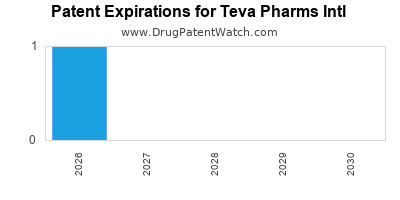
Teva relies on blockbuster drugs like Copaxone, facing generic erosion post-patent expiration. Patent cliffs threaten to reduce revenue by over $4 billion over the next three years.
Price Pressures
Global healthcare systems push for lower drug costs, leading to price cuts and increased competition in the generics segment.
Regulatory Risks
Stringent approval processes, especially for biosimilars, and legal disputes over generic patent assertion impact Teva’s R&D and commercialization timelines.
Debt Levels
Teva holds approximately $25 billion in debt, constraining capital allocation and limiting acquisitions or further R&D investment.
Competition Landscape
Major competitors include Mylan (now part of Viatris), Novartis, and newly emerging biosimilar manufacturers from South Korea and China. The biosimilar segment is becoming increasingly crowded, pressuring margins.
What are the key strategic initiatives moving forward?
Portfolio Optimization
Teva aims to divest non-core assets to reduce debt and fund pipelines. Recent disposals include its assets in South America and certain non-branded medicines.
R&D Acceleration
Investment in biosimilars is prioritized, with a pipeline of 20+ biosimilar candidates for the next five years, focusing on autoimmune and oncology indications.
Geographic Expansion
Teva seeks to strengthen its presence in emerging markets, especially in Asia and Latin America, where healthcare infrastructure improves and unmet needs grow.
Digital & Manufacturing Innovation
Adoption of digital tools for supply chain management and manufacturing efficiency offers cost reductions and quality improvements.
Strategic Partnerships and Acquisitions
Teva explores alliances with biotech firms and potential acquisitions to bolster its specialty pipeline, targeting innovation in rare diseases.
How does Teva compare with primary competitors?
| Company |
Main Focus |
Revenue (2022) |
Market Share (Generics) |
Key Differentiator |
| Teva |
Generics, biosimilars, specialty |
$16.7B |
8-10% |
Large portfolio, biosimilar pipeline |
| Novartis |
Branded, generics (Sandoz) |
$52.9B |
15-20% (generics) |
Innovation, brand strength |
| Mylan (Viatris) |
Generics, biosimilars |
$11.4B (2022) |
8-10% |
Cost-effective manufacturing |
| Samsung Bioepis |
Biosimilars |
Not publicly disclosed |
12-15% |
Leading biosimilar pipeline |
What are the recent regulatory and legal developments impacting Teva?
- Patent litigations: Multiple patent disputes for Copaxone and other key products persist, delaying biosimilar entry.
- FDA and EMA approvals: Teva’s biosimilars, including trastuzumab and adalimumab, received approvals in 2022, positioning for commercialization.
- Legal settlements: Recent agreements in patent challenges helped avoid lengthy litigations, enabling faster market entries.
What are the growth prospects for Teva?
- Biosimilar Market Penetration: Estimated to reach 20%+ market share in select biologic segments by 2027, driven by pipeline expansion.
- Emerging Markets: Projected CAGR of 7-10% in Latin America, Middle East, and Asia-Pacific through 2025.
- Specialty Drugs: Growth in rare diseases and specialty niche segments expected to compensate for erosion in traditional generics.
Key Takeaways
- Teva’s diversified portfolio and manufacturing scale provide competitive advantages but face challenges from patent expirations and pricing pressures.
- Strategic focus on biosimilars, geographic expansion, and portfolio optimization are central to future growth.
- Competitive positioning is challenged by larger firms with more robust innovation pipelines and stronger brand recognition.
- Debt levels constrain aggressive investment but strategic divestments aim to reallocate capital.
- Regulatory and legal developments significantly influence market entry timelines and revenue projections.
FAQs
1. How does Teva’s biosimilar pipeline compare to competitors? Teva’s biosimilar pipeline includes over 20 candidates targeting autoimmune and oncology indications, comparable to or exceeding recent offerings from Samsung Bioepis and Pfizer.
2. What are Teva’s key revenue drivers? Copaxone remains a significant revenue contributor despite patent loss, with emerging biosimilars, respiratory, and neuropsychiatric products contributing to growth.
3. Which regions are most critical for Teva’s expansion? North America and Europe generate most revenue, but Asia-Pacific and Latin America are growing markets with high unmet needs.
4. How vulnerable is Teva to patent litigation? Patent disputes, especially over Copaxone and biosimilars, pose risks but recent legal settlements have mitigated some delays.
5. What is the outlook for Teva’s debt management? Plans include asset sales and strategic portfolio adjustments to reduce debt from approximately $25 billion, improving financial flexibility.
References
- Bloomberg. (2023). Teva Pharmaceuticals Financials. Retrieved from https://www.bloomberg.com
- Teva Pharmaceuticals. (2022). Annual Report 2022. https://www.tevapharm.com
- IQVIA. (2023). Global biosimilars market analysis.
- Statista. (2022). Top pharmaceutical companies by revenue.
- U.S. Food and Drug Administration. (2022). Biosimilar approvals list.