Last updated: November 7, 2025
Introduction
Astellas Pharma Inc., headquartered in Tokyo, Japan, ranks among the global leaders in the pharmaceutical industry. Known for its focus on innovative therapies across multiple therapeutic areas—including oncology, urology, immunology, and cardiovascular diseases—Astellas consolidates its market presence through strategic R&D investments, strategic acquisitions, and global commercialization efforts. This analysis evaluates Astellas’ current market position, core strengths, competitive challenges, and strategic outlook to guide stakeholders in decision-making processes within the competitive pharmaceutical landscape.
Market Position of Astellas
Astellas' market position is characterized by its robust portfolio of marketed drugs, aggressive pipeline development, and expanding international footprint. As of 2023, it ranks among the top 20 global pharmaceutical companies by revenue, with approximately $14 billion in annual sales (source: IQVIA, 2022). Its strategic focus on high-growth therapeutic areas and targeted therapies has positioned it competitively against industry giants like Pfizer, Merck, and Novartis.
Therapeutic Focus and Revenue Contribution
Astellas predominantly excels in oncology and urology segments. Key marketed products such as Xospata (for acute myeloid leukemia), Xtandi (prostate cancer), and Adenuric (gout) contribute sizeable revenue streams. Notably, Xtandi, acquired through its 2016 takeover of Medivation, now accounts for over 50% of its oncology revenues, underpinning its strategic emphasis on prostate cancer therapies.
Global Footprint and Market Penetration
While Astellas maintains a strong foothold in Japan and Asia-Pacific, it has significantly expanded its presence in North America and Europe through acquisitions and local partnerships. The company’s international revenues constitute approximately 55-60% of total sales, reflecting its successful globalization strategy (source: Astellas Annual Report, 2022).
R&D and Pipeline Development
Astellas invests about 14-15% of its annual revenue into R&D, focusing on innovation in immuno-oncology, regenerative medicine, and rare diseases. Its pipeline features over alliance collaborations, with more than 50 candidates at various stages—highlighting its commitment to long-term growth and competitive differentiation.
Core Strengths of Astellas
1. Robust Portfolio of Approved Drugs
Astellas benefits from a diversified portfolio, balancing mature products with new launches. Its flagship offerings, such as Xtandi and Xospata, enjoy significant market exclusivity, providing sustained revenue streams. The company's diversification reduces dependence on single therapeutic areas and buffers against market volatility.
2. Strategic Acquisitions and Collaborations
The acquisition of Medivation, Pfizer’s invested into Xtandi, is a pivotal milestone, enabling Astellas to bolster its oncology capabilities. Furthermore, collaborations with biotech firms and licensing deals, including partnerships with Genentech and AstraZeneca, facilitate access to promising therapeutics and innovative technologies.
3. Focus on Innovation in High-Growth Areas
Astellas’s strategic emphasis on immuno-oncology, regenerative medicine, and rare diseases aligns with global healthcare trends. Investment in gene therapy, cell therapy, and novel biologics positions the company at the forefront of personalized medicine.
4. Strong Market Presence in Asia-Pacific
With roots in Japan and a leading position in Asia, Astellas leverages regional expertise, cost advantages, and local regulatory familiarity to expand in emerging markets. This regional advantage provides a competitive buffer against Western-centric rivals.
5. Sustainable Manufacturing and Supply Chain
Astellas maintains high standards for manufacturing excellence and supply chain robustness, ensuring product availability and compliance with global quality standards. This operational strength supports its international expansion and reputation.
Challenges and Competitive Risks
1. Patent Expirations and Generic Competition
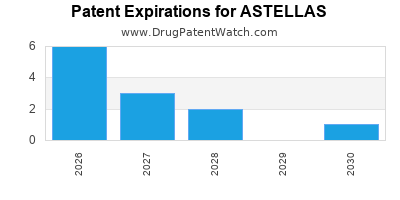
Product patents for key drugs such as Adenuric and Xospata face imminent expiry, risking erosion of market share and revenue. The challenge of competing with generics and biosimilars remains significant, demanding accelerated pipeline deployment and life-cycle management strategies.
2. Intense Industry Competition
Major pharmaceutical firms are pursuing similar therapeutic innovations, leading to competitive overlaps and pricing pressures. Large rivals such as Pfizer, Roche, and Novartis invest heavily in R&D, threatening Astellas’s growth trajectory.
3. Regulatory and Pricing Pressures
Global regulatory environments are increasingly stringent, especially concerning pricing and reimbursement policies. Changes in Japanese and US healthcare reimbursement landscapes could impact profitability.
4. Challenges in Innovation Translation
Despite high R&D investments, translating pipeline candidates into successful marketed therapeutics remains uncertain. The high attrition rate in clinical trials poses strategic execution risks.
5. Geopolitical and Market Risks
Geopolitical tensions, particularly US-China trade and regulatory conflicts, can create operational uncertainties. Currency fluctuations and trade restrictions may impact profitability.
Strategic Insights
1. Emphasize Life-Cycle Management and Patent Strategy
To sustain revenue, Astellas must accelerate life-cycle extensions of key products through new indications, formulations, and combination therapies. A proactive patent strategy minimizing generic competition is essential.
2. Expand in Emerging Markets
Further investment in Asia, Latin America, and Africa can diversify revenue streams and leverage untapped markets, especially where healthcare infrastructure is rapidly evolving.
3. Prioritize Innovative and Personalized Therapies
Focusing R&D efforts on biologics, cell, and gene therapies aligns with global shifts toward personalized medicine. Strategic alliances with biotech startups can enhance innovation without heavy internal R&D costs.
4. Accelerate Digital Transformation
Digital health tools, real-world evidence, and AI platforms can optimize clinical trials, enhance patient adherence, and inform market access strategies.
5. Maintain Agile Portfolio Management
Regular portfolio assessment to discard underperforming assets and prioritize high-potential candidates ensures resource optimization and high R&D ROI.
Key Takeaways
-
Market Position: Astellas is a significant player with a diversified, high-value portfolio rooted in oncology and urology, bolstered by strategic acquisitions like Medivation.
-
Strengths: Core strengths include a robust pipeline, strategic collaborations, regional market dominance in Asia-Pacific, and operational excellence.
-
Challenges: Patent expiries, intense competition, regulatory complexities, and geopolitical risks require proactive strategic planning.
-
Strategic Outlook: Emphasis on pipeline innovation, market expansion, especially into emerging economies, and digital transformation is central to maintaining competitive advantage.
-
Actionable Insights: Stakeholders should monitor patent cliffs, accelerate life-cycle management, forge new biotech partnerships, and adapt to evolving regulatory and market conditions.
FAQs
Q1: How does Astellas differentiate its products in a competitive market?
A1: Astellas leverages targeted therapy platforms and strategic acquisitions, such as Xtandi, to secure exclusivity and market leadership. Its focus on innovative, high-value therapeutics and emphasis on personalized medicine further distinguish its offerings.
Q2: What are Astellas’s primary growth areas moving forward?
A2: The primary growth areas include immuno-oncology, regenerative medicine (gene and cell therapies), and expansion into emerging markets where healthcare demand is rising.
Q3: How significant is digital health integration for Astellas?
A3: Digital health initiatives are vital for optimizing clinical trials, improving patient engagement, and streamlining regulatory processes, thereby enhancing overall competitiveness.
Q4: What strategies can Astellas adopt to mitigate patent expiration impacts?
A4: Strategies include developing next-generation formulations, pursuing new indications, forming licensing agreements, and diversifying the portfolio to include innovative biologics and biosimilars.
Q5: How does geopolitical risk influence Astellas’s strategic decisions?
A5: Geopolitical factors affect regulatory approvals, supply chains, and market access. Astellas must maintain flexible operations, diversify manufacturing bases, and strengthen local partnerships to mitigate these risks.
Sources:
- IQVIA, 2022. Global Pharmaceutical Market Data.
- Astellas Pharma Inc., Annual Report 2022.