VIVLODEX Drug Patent Profile
✉ Email this page to a colleague
Which patents cover Vivlodex, and what generic alternatives are available?
Vivlodex is a drug marketed by Iceutica Operations and is included in one NDA. There are three patents protecting this drug and one Paragraph IV challenge.
The generic ingredient in VIVLODEX is meloxicam. There is one drug master file entry for this compound. Forty-eight suppliers are listed for this compound. Additional details are available on the meloxicam profile page.
DrugPatentWatch® Litigation and Generic Entry Outlook for Vivlodex
A generic version of VIVLODEX was approved as meloxicam by AVONDALE PHARMS on June 1st, 2004.
AI Deep Research
Questions you can ask:
- What is the 5 year forecast for VIVLODEX?
- What are the global sales for VIVLODEX?
- What is Average Wholesale Price for VIVLODEX?
Summary for VIVLODEX
| US Patents: | 3 |
| Applicants: | 1 |
| NDAs: | 1 |
| Raw Ingredient (Bulk) Api Vendors: | 112 |
| Patent Applications: | 2,542 |
| Drug Prices: | Drug price information for VIVLODEX |
| Patent Litigation and PTAB cases: | See patent lawsuits and PTAB cases for VIVLODEX |
| What excipients (inactive ingredients) are in VIVLODEX? | VIVLODEX excipients list |
| DailyMed Link: | VIVLODEX at DailyMed |

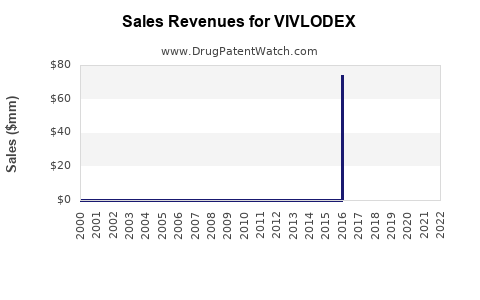
US Patents and Regulatory Information for VIVLODEX
VIVLODEX is protected by four US patents.
| Applicant | Tradename | Generic Name | Dosage | NDA | Approval Date | TE | Type | RLD | RS | Patent No. | Patent Expiration | Product | Substance | Delist Req. | Exclusivity Expiration |
|---|---|---|---|---|---|---|---|---|---|---|---|---|---|---|---|
| Iceutica Operations | VIVLODEX | meloxicam | CAPSULE;ORAL | 207233-001 | Oct 22, 2015 | DISCN | Yes | No | 9,808,468 | ⤷ Start Trial | ⤷ Start Trial | ||||
| Iceutica Operations | VIVLODEX | meloxicam | CAPSULE;ORAL | 207233-002 | Oct 22, 2015 | DISCN | Yes | No | 9,526,734 | ⤷ Start Trial | Y | ⤷ Start Trial | |||
| Iceutica Operations | VIVLODEX | meloxicam | CAPSULE;ORAL | 207233-001 | Oct 22, 2015 | DISCN | Yes | No | 9,649,318 | ⤷ Start Trial | Y | ⤷ Start Trial | |||
| Iceutica Operations | VIVLODEX | meloxicam | CAPSULE;ORAL | 207233-002 | Oct 22, 2015 | DISCN | Yes | No | 9,649,318 | ⤷ Start Trial | Y | ⤷ Start Trial | |||
| Iceutica Operations | VIVLODEX | meloxicam | CAPSULE;ORAL | 207233-001 | Oct 22, 2015 | DISCN | Yes | No | 9,526,734 | ⤷ Start Trial | Y | ⤷ Start Trial | |||
| >Applicant | >Tradename | >Generic Name | >Dosage | >NDA | >Approval Date | >TE | >Type | >RLD | >RS | >Patent No. | >Patent Expiration | >Product | >Substance | >Delist Req. | >Exclusivity Expiration |
EU/EMA Drug Approvals for VIVLODEX
| Company | Drugname | Inn | Product Number / Indication | Status | Generic | Biosimilar | Orphan | Marketing Authorisation | Marketing Refusal |
|---|---|---|---|---|---|---|---|---|---|
| Norbrook Laboratories (Ireland) Limited | Loxicom | meloxicam | EMEA/V/C/000141DogsAlleviation of inflammation and pain in both acute and chronic musculoskeletal disorders. To reduce postoperative pain and inflammation following orthopaedic and soft-tissue surgery.CatsAlleviation of inflammation and pain in chronic musculoskeletal disorders in cats. To reduce postoperative pain after ovariohysterectomy and minor soft-tissue surgery.CattleFor use in acute respiratory infection with appropriate antibiotic therapy to reduce clinical signs in cattle. For use in diarrhoea in combination with oral rehydration therapy to reduce clinical signs in calves of over one week of age and young, non-lactating cattle. For adjunctive therapy in the treatment of acute mastitis, in combination with antibiotic therapy.PigsFor use in noninfectious locomotor disorders to reduce the symptoms of lameness and inflammation. For adjunctive therapy in the treatment of puerperal septicaemia and toxaemia (mastitis-metritis-agalactia syndrome) with appropriate antibiotic therapy.HorsesFor use in the alleviation of inflammation and relief of pain in both acute and chronic musculoskeletal disorders.For the relief of pain associated with equine colic. | Authorised | yes | no | no | 2009-02-10 | |
| Le Vet Beheer B.V. | Novaquin | meloxicam | EMEA/V/C/003866Alleviation of inflammation and relief of pain in both acute and chronic musculo-skeletal disorders in horses. | Authorised | no | no | no | 2015-09-08 | |
| Le Vet Beheer B.V | Meloxidolor | meloxicam | EMEA/V/C/002590DogsAlleviation of inflammation and pain in both acute and chronic musculoskeletal disorders.Reduction of postoperative pain and inflammation following orthopaedic and soft-tissue surgery.CatsReduction of postoperative pain after ovariohysterectomy and minor soft-tissue surgery.CattleFor use in acute respiratory infection with appropriate antibiotic therapy to reduce clinical signs.For use in diarrhoea in combination with oral rehydration therapy to reduce clinical signs in calves of over one week of age and young, non-lactating cattle.For adjunctive therapy in the treatment of acute mastitis, in combination with antibiotic therapy.PigsFor use in noninfectious locomotor disorders to reduce the symptoms of lameness and inflammation.For the relief of postoperative pain associated with minor soft-tissue surgery such as castration.For adjunctive therapy in the treatment of puerperal septicaemia and toxaemia (mastitis-metritis-agalactia syndrome) with appropriate antibiotic therapy.HorsesFor use in the alleviation of inflammation and relief of pain in both acute and chronic musculoskeletal disorders.For the relief of pain associated with equine colic. | Authorised | yes | no | no | 2013-04-22 | |
| Boehringer Ingelheim Vetmedica GmbH | Novem | meloxicam | EMEA/V/C/000086Novem 5-mg/ml solution for injection for cattle and pigs:CattleFor use in acute respiratory infection with appropriate antibiotic therapy to reduce clinical signs in cattle.For use in diarrhoea in combination with oral rehydration therapy to reduce clinical signs in calves of over one week of age and young, non-lactating cattle.For the relief of postoperative pain following dehorning in calves.PigsFor use in noninfectious locomotor disorders to reduce the symptoms of lameness and inflammation.For the relief of postoperative pain associated with minor soft-tissue surgery such as castration.Novem 20-mg/ml solution for injection for cattle and pigs:CattleFor use in acute respiratory infection with appropriate antibiotic therapy to reduce clinical signs in cattle.For use in diarrhoea in combination with oral rehydration therapy to reduce clinical signs in calves of over one week of age and young, non-lactating cattle.For adjunctive therapy in the treatment of acute mastitis, in combination with antibiotic therapy.For the relief of postoperative pain following dehorning in calves.PigsFor use in noninfectious locomotor disorders to reduce the symptoms of lameness and inflammation.For adjunctive therapy in the treatment of puerperal septicaemia and toxaemia (mastitis-metritis-agalactia syndrome) with appropriate antibiotic therapy.Novem 40 mg/ml solution for injection for cattle:For use in acute respiratory infection with appropriate antibiotic therapy to reduce clinical signs in cattle.For use in diarrhoea in combination with oral re-hydration therapy to reduce clinical signs in calves of over one week of age and young, non-lactating cattle.For adjunctive therapy in the treatment of acute mastitis, in combination with antibiotic therapy. | Authorised | no | no | no | 2004-03-02 | |
| Boehringer Ingelheim Vetmedica GmbH | Metacam | meloxicam | EMEA/V/C/000033Cats:Alleviation of mild to moderate post-operative pain and inflammation following surgical procedures, e.g. orthopaedic and soft tissue surgery.Alleviation of pain and inflammation in acute and chronic musculo-skeletal disorders.Reduction of post-operative pain after ovariohysterectomy and minor soft tissue surgery.Cattle:For use in acute respiratory infection with appropriate antibiotic therapy to reduce clinical signs.For use in diarrhoea in combination with oral re-hydration therapy to reduce clinical signs in calves of over one week of age and young, non-lactating cattle.For the relief of post-operative pain following dehorning in calves.For adjunctive therapy in the treatment of acute mastitis, in combination with antibiotic therapy.Dogs:Alleviation of inflammation and pain in both acute and chronic musculo-skeletal disorders.Reduction of post-operative pain and inflammation following orthopaedic and soft tissue surgery.Horses:For use in the alleviation of inflammation and relief of pain in both acute and chronic musculo-skeletal disorders.For the relief of pain associated with equine colic.Alleviation of inflammation and relief of pain in both acute and chronic musculo-skeletal disorders.Pigs: For use in non-infectious locomotor disorders to reduce the symptoms of lameness and inflammation.For the relief of post-operative pain associated with minor soft tissue surgery such as castration.For adjunctive therapy in the treatment of puerperal septicaemia and toxaemia (mastitis-metritis-agalactia syndrome) with appropriate antibiotic therapy.Guinea pigs:Alleviation of mild to moderate post-operative pain associated with soft tissues surgery such as male castration. | Authorised | no | no | no | 1998-01-07 | |
| >Company | >Drugname | >Inn | >Product Number / Indication | >Status | >Generic | >Biosimilar | >Orphan | >Marketing Authorisation | >Marketing Refusal |
International Patents for VIVLODEX
See the table below for patents covering VIVLODEX around the world.
| Country | Patent Number | Title | Estimated Expiration |
|---|---|---|---|
| Australia | 2015274838 | A novel formulation of meloxicam | ⤷ Start Trial |
| Brazil | 112016027435 | formulação inovadora de meloxicam | ⤷ Start Trial |
| Canada | 2951383 | NOUVELLE FORMULATION DE MELOXICAM (A NOVEL FORMULATION OF MELOXICAM) | ⤷ Start Trial |
| China | 107073010 | 新型美洛昔康制剂 (A novel formulation of meloxicam) | ⤷ Start Trial |
| Eurasian Patent Organization | 201692392 | НОВАЯ ЛЕКАРСТВЕННАЯ ФОРМА МЕЛОКСИКАМА | ⤷ Start Trial |
| >Country | >Patent Number | >Title | >Estimated Expiration |
More… ↓
Make Better Decisions: Try a trial or see plans & pricing
Drugs may be covered by multiple patents or regulatory protections. All trademarks and applicant names are the property of their respective owners or licensors. Although great care is taken in the proper and correct provision of this service, thinkBiotech LLC does not accept any responsibility for possible consequences of errors or omissions in the provided data. The data presented herein is for information purposes only. There is no warranty that the data contained herein is error free. We do not provide individual investment advice. This service is not registered with any financial regulatory agency. The information we publish is educational only and based on our opinions plus our models. By using DrugPatentWatch you acknowledge that we do not provide personalized recommendations or advice. thinkBiotech performs no independent verification of facts as provided by public sources nor are attempts made to provide legal or investing advice. Any reliance on data provided herein is done solely at the discretion of the user. Users of this service are advised to seek professional advice and independent confirmation before considering acting on any of the provided information. thinkBiotech LLC reserves the right to amend, extend or withdraw any part or all of the offered service without notice.
ISSN: 2162-2639

Privacy and Cookies
Terms & Conditions
Site Map
DrugPatentWatch Alternatives
LOE / Major Patent Expirations 2026 - 2027
NCE-1 Patent Challenge Dates 2026 - 2027
Friedman, Yali. "DrugPatentWatch" DrugPatentWatch, thinkBiotech, 2026, www.DrugPatentWatch.com.
See Primary Research Papers Citing DrugPatentWatch