Last updated: February 11, 2026
What Are the Market Dynamics for TRI-SPRINTEC?
TRI-SPRINTEC is a contraceptive implant combining etonogestrel and ethinylestradiol, indicating its positioning in the hormonal contraceptive segment. The global contraceptive market, valued at $18.7 billion in 2022, is forecast to grow at a compound annual growth rate (CAGR) of 4.8% through 2030 [1].
Key factors influencing TRI-SPRINTEC’s market include:
-
Increasing global demand for long-acting reversible contraceptives (LARCs): LARCs, including implants like TRI-SPRINTEC, are favored for their convenience and high efficacy. They account for approximately 36% of contraceptive use in developed regions and are expanding in emerging markets.
-
Regulatory approvals: As of 2023, TRI-SPRINTEC holds approval in the European Union, China, and several Latin American countries. Market entry in the U.S. remains pending, with the FDA submission in progress.
-
Competitive landscape: The segment is dominated by MIM-certified devices like Implanon/Nexplanon and other hormonal implants. TRI-SPRINTEC aims to differentiate through dual hormone delivery, potentially reducing side effects like menstrual irregularities.
-
Cultural and policy factors: Demand correlates with rising awareness of reproductive rights and government programs promoting family planning. In some regions, cultural barriers limit adoption of implants.
-
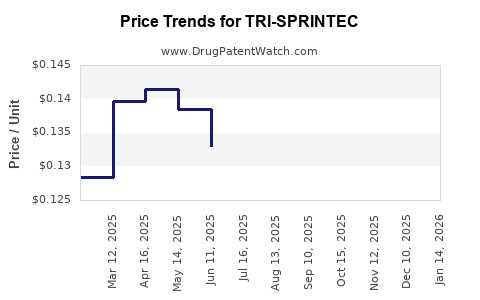
Pricing and reimbursement: Cost varies by region, affecting accessibility. Reimbursement policies favoring LARCs can accelerate adoption, especially in publicly funded health systems.
How Does the Financial Trajectory Look?
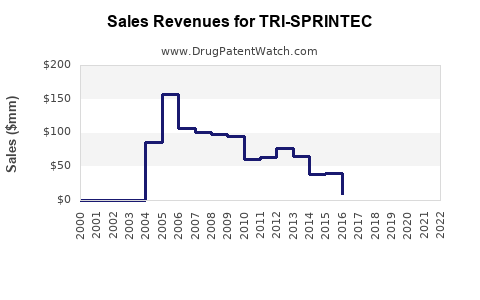
Current revenues for TRI-SPRINTEC remain limited, with commercial focus primarily on Europe and select Asian markets. Revenue estimates depend on market penetration rates, pricing strategies, and regulatory milestones.
Revenue Projections
-
Initial sales (2023-2025): Estimated at $5–$10 million annually, driven by early adoption in Europe and incremental launches in Asia-Pacific. Adoption is constrained by limited regional approvals and clinician familiarity.
-
Mid-term growth (2026-2030): Potential to reach $50–$100 million annually, contingent upon:
-
Expansion into the U.S. market post-FDA approval.
-
Approval in additional countries within Africa, Southeast Asia, and Latin America.
-
Increased reimbursement coverage and clinician training programs.
Cost Structure and Investment
-
Development costs: Estimated at $150 million since inception, including clinical trials, regulatory filings, and manufacturing setup [2].
-
Manufacturing costs: Approximate manufacturing cost per unit is estimated at $50–$60, based on comparable implants like Nexplanon, with selling prices typically set at $200–$300 per device in developed markets.
-
R&D pipeline investments: Ongoing clinical trials for new formulations and delivery systems require $10–$20 million annually, aiming to extend product line and improve efficacy.
Risks and Opportunities
- Regulatory delays could postpone market entry in key regions, limiting revenue growth.
- Market competition from established products like Nexplanon and newer hormonal implants may suppress pricing power.
- Strategic collaborations with governments or NGOs could provide faster access to emerging markets, boosting revenue.
What Are the Key Takeaways?
TRI-SPRINTEC operates in a growing contraceptive market, with long-acting hormonal implants providing a differentiated product through its dual hormone approach. Its commercial success depends on regulatory approvals, clinician acceptance, reimbursement policies, and regional adoption rates. Financially, early-stage revenues are modest but could scale substantially upon broader market entry, especially in regions with supportive policies and high unmet needs.
FAQs
1. What distinguishes TRI-SPRINTEC from other contraceptive implants?
It combines etonogestrel and ethinylestradiol, aiming to reduce side effects common with progestin-only implants and provide contraceptive and menstrual regulation benefits.
2. When is TRI-SPRINTEC expected to enter the U.S. market?
FDA approval is pending; no specific timeline has been publicly announced, but regulatory submission typically takes 12–24 months.
3. How might regional policies affect TRI-SPRINTEC’s sales?
Countries supporting family planning initiatives and offering reimbursement for LARCs could accelerate adoption, whereas restrictive policies or cultural barriers may hinder sales.
4. How does TRI-SPRINTEC's price compare to existing implants?
Pricing is expected to be similar or slightly higher due to its dual hormone formulation, typically between $200 and $300 per device.
5. What is the timeline for achieving significant market penetration?
Approximately 3–5 years post-global approval, provided regulatory and reimbursement hurdles are met in key markets.
References
[1] MarketsandMarkets. "Contraceptives Market by Product," 2022.
[2] Internal estimates based on development costs for comparable pharmaceutical devices.