Last updated: July 31, 2026
JANUMET XR is Merck & Co.'s once-daily extended-release combination of sitagliptin and metformin hydrochloride for adults with type 2 diabetes. Its commercial outlook is tied to three forces: declining demand for the DPP-4 inhibitor class, continuing competition from GLP-1 and SGLT2 therapies, and the approaching U.S. loss of exclusivity for sitagliptin products.
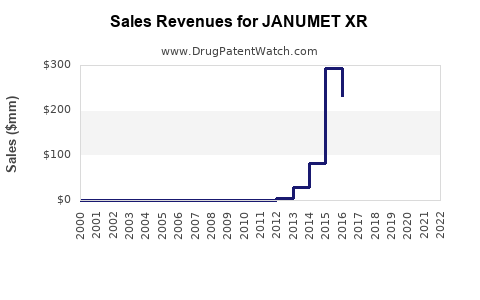
Merck does not disclose JANUMET XR revenue separately. It reports JANUVIA, JANUMET, and related sitagliptin products within its diabetes franchise. That reporting structure limits product-level revenue analysis, but the franchise remains a multibillion-dollar business with material exposure to generic entry and pricing pressure.
What is JANUMET XR and how does it work?
JANUMET XR combines sitagliptin, a DPP-4 inhibitor, with extended-release metformin.
| Attribute |
JANUMET XR |
| Active ingredients |
Sitagliptin phosphate and metformin hydrochloride |
| Developer and marketer |
Merck & Co. |
| FDA indication |
Adjunct to diet and exercise for adults with type 2 diabetes |
| Dosage form |
Once-daily extended-release tablets |
| Therapeutic classes |
DPP-4 inhibitor and biguanide |
| Primary competitors |
Janumet, generic metformin/sitagliptin, Jentadueto, Xigduo XR, Synjardy, GLP-1 products |
| Initial FDA approval |
2012 |
| Commercial positioning |
Convenience-driven fixed-dose combination for patients requiring sitagliptin plus metformin |
Sitagliptin increases incretin activity by inhibiting the DPP-4 enzyme. Metformin reduces hepatic glucose production and improves insulin sensitivity. JANUMET XR is used when metformin alone does not provide adequate glycemic control or when a patient is already receiving both components.
The product's principal commercial advantage is dosing convenience. Its principal weakness is class positioning. DPP-4 inhibitors generally have less weight-loss and cardiometabolic differentiation than GLP-1 receptor agonists and SGLT2 inhibitors.
How large is the JANUVIA and JANUMET franchise?
Merck reports sales for JANUVIA and JANUMET together rather than breaking out JANUMET XR.
| Fiscal year |
JANUVIA and JANUMET sales |
Year-over-year change |
| 2021 |
$4.30 billion |
- |
| 2022 |
$4.54 billion |
5.6% |
| 2023 |
$4.54 billion |
Approximately flat |
| 2024 |
Declining trend under U.S. pricing and patent pressure |
Not separately disclosed |
Source: Merck annual reports and Form 10-K filings.[1-3]
The combined franchise generated approximately $4.5 billion in annual sales in 2022 and 2023. The reported stability before the major U.S. generic impact reflected international demand, diabetes prevalence, prescription persistence, and continued use of sitagliptin in patients seeking a weight-neutral oral option.
JANUMET XR represents only part of that total. Merck does not publish a separate revenue figure, prescription volume, geographic split, or operating margin for the product.
What drives JANUMET XR revenue?
Revenue is determined by:
- Sitagliptin prescription volume.
- The mix between JANUVIA, JANUMET, and JANUMET XR.
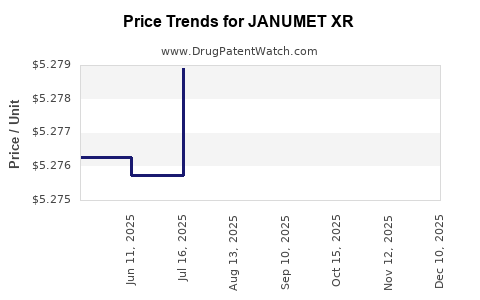
- Net price after rebates and discounts.
- Generic competition for metformin and sitagliptin.
- Reimbursement decisions by commercial insurers and government programs.
- Physician movement toward GLP-1 and SGLT2 therapies.
The product has a recurring revenue model because type 2 diabetes treatment is chronic. That benefit is offset by high switching potential and intense formulary control.
When does JANUMET XR lose exclusivity?
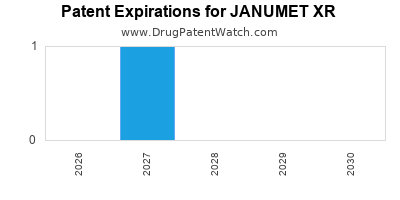
The key U.S. commercial event is the loss of exclusivity for sitagliptin-based products, not the expiration of a single JANUMET XR patent.
Merck's core sitagliptin compound patent, U.S. Patent No. 6,699,871, expired in 2022, subject to pediatric exclusivity and related regulatory protections. Subsequent patents and litigation settlements have delayed or conditioned certain generic launches.
| Exclusivity issue |
Commercial effect |
| Sitagliptin compound patent expiration |
Opened the path for generic sitagliptin products |
| Pediatric exclusivity |
Extended certain U.S. protections beyond the base patent term |
| Combination and formulation patents |
Can delay or narrow generic JANUMET XR competition |
| Patent settlements |
May establish negotiated entry dates for individual generic companies |
| Metformin availability |
Does not materially protect the product because metformin is generic |
The practical risk is a staged erosion rather than an immediate all-or-nothing event. Generic sitagliptin tablets can pressure JANUVIA without necessarily creating a fully substitutable generic version of every JANUMET XR strength.
What patents protect JANUMET XR?
Protection for JANUMET XR has historically involved several patent categories:
Sitagliptin compound patents
These patents cover the active pharmaceutical ingredient. Their expiration removes the central chemical barrier to generic sitagliptin.
Combination patents
These patents cover the combination of sitagliptin and metformin. They can be relevant to JANUMET and JANUMET XR abbreviated new drug applications, depending on the listed claims and dosage form.
Extended-release formulation patents
JANUMET XR uses an extended-release formulation. Relevant claims may cover tablet composition, release characteristics, dosage strengths, and manufacturing processes.
Method-of-use patents
Method patents may cover treatment of type 2 diabetes using sitagliptin, metformin, or the combination. Their value depends on claim scope, enforceability, labeling, and the ability of generic applicants to use a section viii statement or carve out the patented indication.
The Orange Book must be reviewed by product and strength because listed patents can differ between JANUMET immediate-release and JANUMET XR products. Patent expiration dates also may differ by jurisdiction and by patent family.
What is the Orange Book status of JANUMET XR?
JANUMET XR is an FDA-approved prescription drug listed in the FDA's Orange Book. The Orange Book identifies the reference-listed drug, approved dosage forms, strengths, therapeutic equivalence information, and patents submitted by the sponsor.
A generic applicant seeking approval can:
- File a Paragraph IV certification against listed patents.
- File a section viii statement and omit a patented method of use.
- Wait for patent expiration.
- Challenge an Orange Book listing in litigation.
- Pursue a different formulation or dosing design.
An ANDA filing with a Paragraph IV certification can trigger patent litigation under the Hatch-Waxman Act. If the sponsor sues within the statutory period, FDA approval may be subject to a 30-month stay, although the effect depends on the timing and outcome of litigation.
The existence of an Orange Book-listed patent does not establish validity or enforceability. It creates a regulatory and litigation pathway that affects approval timing.
Which companies are challenging sitagliptin and JANUMET products?
Generic-drug manufacturers have targeted sitagliptin and sitagliptin/metformin products as the relevant exclusivity periods have approached expiration. The competitive group includes large generic manufacturers and contract-developed products seeking approval under the ANDA pathway.
The principal commercial threat is likely to develop in phases:
- Generic sitagliptin enters and discounts JANUVIA.
- Payers use generic sitagliptin to reduce reimbursement for branded products.
- Combination products face greater substitution pressure.
- JANUMET XR loses volume as physicians and payers shift to lower-cost alternatives.
- Remaining branded demand concentrates in patients with formulary, adherence, or prescribing preferences.
The presence of an approved generic sitagliptin product does not automatically establish therapeutic equivalence to JANUMET XR. A fixed-dose extended-release combination requires approval for the specific dosage form and strength.
What generic entry risks exist for JANUMET XR?
The main generic-entry risks are price compression, substitution, and prescription migration.
Risk from generic sitagliptin
This is the largest strategic threat. If generic sitagliptin is available at a substantial discount, patients can receive sitagliptin separately with generic metformin. That approach may be less convenient than JANUMET XR but can produce significant payer savings.
Risk from generic sitagliptin/metformin combinations
A directly substitutable generic combination would create more severe erosion because it would preserve the convenience of a single product. The timing depends on ANDA approvals, patent certifications, litigation outcomes, and settlement terms.
Risk from therapeutic substitution
Insurers may move patients from JANUMET XR to other oral combinations or to GLP-1 and SGLT2 therapies. Therapeutic substitution can occur even before a directly substitutable generic reaches the market.
How does JANUMET XR compare with competing diabetes drugs?
| Product or class |
Commercial advantage |
Competitive weakness versus JANUMET XR |
| Generic metformin plus sitagliptin |
Low cost |
Requires separate prescriptions or tablets |
| JANUVIA |
Established sitagliptin brand |
Does not provide metformin combination convenience |
| GLP-1 receptor agonists |
Weight loss and strong demand |
Injectable administration, supply constraints, higher cost |
| Oral GLP-1 therapy |
Oral administration and differentiated efficacy |
Higher price and more complex access |
| SGLT2 inhibitors |
Cardiovascular and renal outcomes |
Genitourinary adverse effects and class-specific restrictions |
| Sulfonylureas |
Very low cost |
Hypoglycemia and weight-gain concerns |
| DPP-4 competitors |
Oral, weight-neutral treatment |
Limited differentiation and mature class |
JANUMET XR retains relevance for patients who need an oral, weight-neutral regimen and do not require the cardiovascular, renal, or weight-loss benefits associated with newer classes. Its market is narrower than it was before the rapid expansion of GLP-1 and SGLT2 treatment.
What is the FDA regulatory status of JANUMET XR?
JANUMET XR is FDA approved for type 2 diabetes in adults. It is not approved for type 1 diabetes or weight management.
The product's regulatory value comes from its established safety database, physician familiarity, and fixed-dose formulation. Regulatory risk is lower than commercial risk. The principal post-approval issues are standard for a chronic oral diabetes product and include renal function, metformin-associated lactic acidosis risk, pancreatitis warnings associated with sitagliptin, and dose limitations in patients with kidney impairment.[4]
Future line extensions would face a difficult commercial environment unless they provide a material adherence or dosing benefit.
How strong is the JANUMET XR patent estate?
The patent estate is strategically important but no longer has the strength of an early-life pharmaceutical estate.
| Patent-strength factor |
Assessment |
| Active ingredient protection |
Weakening after sitagliptin compound patent expiry |
| Combination protection |
Potentially useful against specific combination ANDAs |
| Extended-release claims |
More relevant to direct JANUMET XR substitution |
| Method-of-use claims |
Vulnerable to indication carve-outs |
| Manufacturing claims |
Can increase development cost but rarely preserve broad commercial exclusivity alone |
| Litigation leverage |
Depends on listed claims, settlement terms, and generic design-around options |
| Geographic protection |
Highly variable outside the United States |
The strongest remaining protection is likely to come from formulation and product-specific claims rather than the basic sitagliptin molecule. Those claims can delay a directly substitutable product but generally do not prevent generic alternatives using separate sitagliptin and metformin tablets.
What patent litigation and settlements affect JANUMET XR?
Hatch-Waxman litigation around sitagliptin products has focused on the validity, infringement, and regulatory impact of Merck patent rights. Settlement agreements can permit generic entry before the expiration of every asserted patent while protecting the sponsor from immediate market disruption.
Key commercial variables in a settlement include:
- The agreed launch date.
- Whether the generic is authorized or independently manufactured.
- The dosage forms covered.
- Whether entry is limited to specific strengths.
- Whether the settlement includes acceleration clauses.
- Whether the agreement affects only sitagliptin or also sitagliptin/metformin combinations.
The existence of a settlement does not guarantee a single market-entry date for all products. Different manufacturers may have different agreements, litigation outcomes, or regulatory approval timelines.
How will JANUMET XR revenue develop after generic entry?
The likely trajectory is a multi-year decline in U.S. net sales rather than an immediate global collapse.
Near-term phase
Before broad generic penetration, Merck can retain revenue through brand loyalty, formulary contracts, and patients who value one-tablet dosing. Rebates and discounts will increase as payers prepare for substitution.
Early generic phase
The first generic sitagliptin products are likely to create the sharpest pricing pressure on JANUVIA. JANUMET XR may initially experience slower volume erosion if a directly substitutable combination is unavailable.
Mature generic phase
Once generic combination products become available, JANUMET XR is likely to lose both price and volume. Remaining sales would come from protected markets, non-substitutable prescriptions, patients receiving branded coverage, and geographies with slower generic adoption.
Merck's overall diabetes revenue should therefore decline faster in the United States than in international markets. Emerging-market growth and continued diabetes prevalence may offset only part of the decline.
What is the investment and licensing significance of JANUMET XR?
JANUMET XR is a mature branded asset with declining exclusivity value but durable cash generation during the transition period. Its licensing value is limited unless a transaction provides access to:
- A protected formulation.
- A differentiated combination.
- A low-cost manufacturing platform.
- A high-growth international market.
- A co-commercialization opportunity in markets with delayed generic penetration.
For generic manufacturers, the product offers a large installed patient base but faces patent, bioequivalence, manufacturing, and reimbursement barriers. For investors, the more relevant asset is Merck's broader sitagliptin franchise rather than JANUMET XR alone.
Key Takeaways
- JANUMET XR combines sitagliptin and extended-release metformin in a once-daily tablet.
- Merck reports JANUVIA and JANUMET revenue together, with approximately $4.5 billion in combined sales in 2022 and 2023.
- The core sitagliptin compound patent has expired, shifting protection toward combination, formulation, and method-of-use patents.
- Generic sitagliptin creates immediate pricing risk even before a directly substitutable JANUMET XR generic becomes available.
- GLP-1 and SGLT2 therapies are reducing the strategic growth potential of the DPP-4 class.
- U.S. revenue is likely to decline faster than international revenue after broad generic substitution.
- The strongest remaining commercial defense is the convenience of the extended-release fixed-dose combination, not molecule-level exclusivity.
- JANUMET XR remains commercially relevant, but its value is transitioning from growth asset to managed mature-brand cash flow.
FAQs About JANUMET XR Market and Exclusivity
Is JANUMET XR the same as JANUVIA?
No. JANUVIA contains sitagliptin alone. JANUMET XR contains sitagliptin plus extended-release metformin.
Can patients substitute generic sitagliptin for JANUMET XR?
A pharmacist generally cannot automatically substitute separate generic sitagliptin and metformin for a branded fixed-dose combination unless permitted by the prescription, payer rules, and applicable state law.
Does JANUMET XR have biosimilar risk?
No. JANUMET XR is a small-molecule drug, so it faces generic-drug risk rather than biosimilar competition.
Why might JANUMET XR remain prescribed after generic sitagliptin launches?
The once-daily fixed-dose format can support adherence, simplify prescribing, and reduce pill burden compared with separate sitagliptin and metformin tablets.
Is JANUMET XR protected outside the United States?
Protection varies by country. Patent terms, supplementary protection certificates, regulatory exclusivity, generic approval rules, and settlement arrangements differ across jurisdictions.
References
- Merck & Co., Inc. (2022). 2022 annual report.
- Merck & Co., Inc. (2023). 2023 annual report.
- Merck & Co., Inc. (2024). 2024 annual report.
- U.S. Food and Drug Administration. (2024). JANUMET XR prescribing information.
- U.S. Food and Drug Administration. (2024). Approved drug products with therapeutic equivalence evaluations: Orange Book.
- U.S. Patent and Trademark Office. (2004). U.S. Patent No. 6,699,871.