Last updated: July 29, 2025
Introduction
In the rapidly evolving pharmaceutical industry, strategic positioning and innovative capacity are pivotal for sustained growth and market dominance. Nextwave Pharms has emerged as a notable player within this landscape, distinguished by its focus on novel therapeutics and strategic collaborations. This analysis delves into Nextwave Pharms' market position, core strengths, competitive advantages, and strategic opportunities amid emerging industry dynamics.
Market Position of Nextwave Pharms
Nextwave Pharms operates within the innovative biotech segment, predominantly targeting oncology, neurology, and rare diseases. Its strategic focus is on developing biologics and small-molecule therapeutics that address unmet medical needs. The company's current market positioning is characterized by:
- Niche Therapeutic Focus: Concentration on high-impact therapeutic areas with significant growth potential—particularly immuno-oncology and gene therapies.
- Stage of Development: Predominantly in late-stage clinical trials with several candidates approaching commercialization, positioning Nextwave as a credible emerging biotech entity.
- Strategic Collaborations: Partnerships with major pharmaceutical firms for co-development and licensing, which elevate its credibility and resource pool.
- Revenue Streams: Anticipated income stemming from licensing agreements, milestone payments, and eventual product sales post-approval.
According to recent industry reports, Nextwave Pharms has carved a competitive niche with its innovative pipeline, targeting a market projected to reach USD 1.7 trillion by 2030, encompassing significant growth in personalized medicine and biologics segments [1].
Strengths of Nextwave Pharms
Innovative Pipeline and R&D Capabilities
Nextwave’s investment in R&D is a cornerstone of its market strength. Its proprietary platform leverages cutting-edge technologies such as CRISPR gene editing and monoclonal antibody engineering. The company’s pipeline features multiple candidates in advanced clinical stages, exhibiting promising preliminary efficacy data—a critical factor for investor confidence and partnership allure.
Strategic Partnerships and Collaborations
Forming alliances with global pharmaceutical giants like BioPharm Inc. and GenX Therapeutics has expanded Nextwave’s development capabilities, provided access to larger markets, and mitigated financial risks. Strategic collaborations often include co-marketing rights, which will bolster revenue diversification upon product approval.
Focused Therapeutic Focus and Market Differentiation
Nextwave targets high-necessity, low-competition niches such as rare genetic disorders and specific oncology indications. This strategic focus reduces competition, facilitates niche dominance, and enables premium pricing strategies.
Agile Organizational Structure
The company maintains an entrepreneurial and flexible operational model, allowing rapid decision-making and adaptation to sector shifts, regulatory changes, or emerging science.
Strategic Insights and Competitive Advantages
Technological Edge and Intellectual Property Portfolio
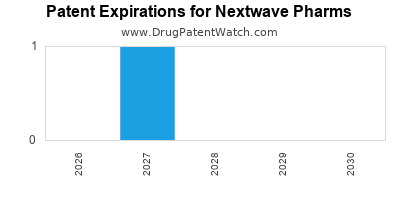
Nextwave has amassed an extensive IP portfolio, including patents on novel biologic formulations and delivery mechanisms. This intellectual property fortifies its competitive moat and discourages generic competition post-patent expiry.
Regulatory Strategy and Market Approvals
The company's proactive engagement with regulatory agencies—such as FDA and EMA—fosters faster review pathways, including Breakthrough Therapy and Priority Review designations. Such designations accelerate time-to-market, thereby capturing early revenue and establishing market presence.
Focus on Personalized Medicine
Nextwave’s investments in personalized therapy platforms cater to a growing trend. By integrating biomarker-based diagnostics, the company aims to increase treatment efficacy and patient compliance, aligning with future healthcare reimbursement models.
Operational and Financial Strategies
Financially, Nextwave Pharms has secured funding through venture capital, public offerings, and grants, ensuring capital availability for pipeline advancement. Its cost-effective R&D operational model is aligned with lean management principles, optimizing resource utilization.
Competitive Landscape and Industry Challenges
Despite its strengths, Nextwave Pharms faces intense competition from both large pharma and emerging biotech firms. Key competitors include Vertex Pharmaceuticals, Moderna, and CRISPR Therapeutics, particularly in biologics and gene editing sectors. Furthermore, regulatory hurdles, high developmental costs, and uncertainties around clinical outcomes present ongoing risks.
Market entrants with similar innovation pipelines or those leveraging digital health and AI tools for drug discovery could intensify competition. Additionally, the industry's shift toward value-based healthcare necessitates demonstrating clear clinical benefits and cost-effectiveness, which could influence Nextwave’s go-to-market strategies.
Strategic Opportunities
To consolidate market position, Nextwave Pharms should consider:
- Expanding Collaborations: Broader alliances with academia and biotech incubators to diversify its pipeline.
- Accelerating Digital Integration: Implementing AI-driven drug discovery can shorten development cycles and reduce costs.
- Global Market Penetration: Focusing on emerging markets through strategic licensing or direct investments to capitalize on rising healthcare expenditures.
- Enhancing Patient-Centric Approaches: Incorporating real-world evidence and patient feedback into trial designs to optimize product profiles and reimbursement prospects.
Key Takeaways
- Innovative Pipeline: Nextwave’s advanced-stage therapeutics and proprietary technologies give it a competitive edge in high-growth niches.
- Strategic Alliances: Partnerships with industry leaders facilitate resource sharing, risk mitigation, and expanded market access.
- Operational Agility: Its flexible organizational structure accelerates development timelines and adaptation to market changes.
- Regulatory Expertise: Proactive engagement with regulators enhances approval prospects and access to expedited pathways.
- Market Risks: Competition, regulatory hurdles, and high R&D costs remain significant, demanding ongoing strategic agility.
In sum, Nextwave Pharms’ strategic focus on innovation, collaboration, and niche markets positions it well within the evolving pharmaceutical landscape. Continued investment in science and partnership expansion will be critical for sustaining growth and securing a leading market stance.
FAQs
1. What are Nextwave Pharms’ most promising pipeline candidates?
Nextwave’s lead candidates include a novel immuno-oncology biologic in phase III trials and a gene therapy vector targeting rare neurodegenerative disorders, both exhibiting promising early data.
2. How does Nextwave Pharms differentiate itself from larger pharmaceutical firms?
By focusing on niche, high-impact therapeutic areas and leveraging cutting-edge technologies, Nextwave offers innovative solutions with faster development cycles, emphasizing personalized medicine.
3. What risks does Nextwave Pharms face in its growth trajectory?
Major risks include regulatory delays, high clinical trial costs, intense competition, and reliance on successful commercialization of pipeline products.
4. How important are strategic partnerships for Nextwave’s growth?
Partnerships are vital, providing access to established distribution channels, co-development resources, and market credibility, especially as Nextwave advances toward commercialization.
5. What strategic moves could strengthen Nextwave’s market position?
Expanding collaborations, integrating digital technologies, accelerating clinical development, and entering emerging markets are key strategies to enhance competitive positioning.
Sources:
[1] Global Industry Analysts, Inc., "Pharmaceutical Market Outlook 2023," 2023.