Last updated: February 19, 2026
What is ONEXTON and its Therapeutic Use?
ONEXTON, a topical testosterone gel, is approved for testosterone replacement therapy (TRT) in adult males diagnosed with hypogonadism, a condition characterized by the body's inability to produce sufficient testosterone. The drug is formulated as a gel that is applied daily to the shoulders and upper arms. Its mechanism of action involves the transdermal absorption of testosterone into the bloodstream, helping to restore physiological testosterone levels. This is distinct from intramuscular injections or oral formulations, offering a different pharmacokinetic profile and administration route.
The efficacy of ONEXTON has been demonstrated in clinical trials to raise serum testosterone levels within the normal physiological range. Studies have shown that daily application of the 50 mg or 100 mg dose of ONEXTON can sustain testosterone levels above the lower limit of normal for 24 hours post-application, supporting a 24-hour dosing regimen. [1] Common adverse events reported in clinical trials include upper arm rash, increased PSA, and hypertension. [1]
Who are the Key Players in the ONEXTON Market?
The primary manufacturer and marketer of ONEXTON is Bayer HealthCare Pharmaceuticals Inc. [1] This company holds the New Drug Application (NDA) for ONEXTON in the United States and is responsible for its manufacturing, distribution, and commercialization.
Outside of the direct manufacturing and marketing, other entities play significant roles in the ONEXTON market:
- Regulatory Bodies: The U.S. Food and Drug Administration (FDA) is the principal regulatory authority responsible for approving ONEXTON for marketing and monitoring its safety and efficacy. [1] Similar regulatory agencies in other countries govern its availability globally.
- Healthcare Providers: Physicians, endocrinologists, urologists, and general practitioners prescribe ONEXTON to eligible patients. Their prescribing habits are a crucial determinant of market demand.
- Payers: Insurance companies and government healthcare programs (e.g., Medicare, Medicaid) influence market access and patient affordability through formulary decisions, reimbursement rates, and prior authorization requirements.
- Pharmacies: Retail and specialty pharmacies dispense ONEXTON to patients, serving as the final point of sale.
- Wholesalers and Distributors: Companies like Cardinal Health, McKesson, and AmerisourceBergen manage the supply chain, ensuring ONEXTON reaches pharmacies.
- Generics Manufacturers: The potential for generic competition represents a significant future dynamic. As patents approach expiration, generic drug manufacturers will seek to introduce their own versions of testosterone gel, impacting pricing and market share.
What is the Market Size and Growth Potential for ONEXTON?
The global testosterone replacement therapy market, of which ONEXTON is a part, has experienced steady growth. This growth is driven by several factors, including an aging male population, increasing awareness of hypogonadism and its symptoms, and advancements in TRT formulations.
Specific market size data for ONEXTON is often aggregated within broader testosterone market reports. However, estimates for the global TRT market suggest a valuation in the billions of U.S. dollars, with projections indicating continued expansion. For example, some market research reports estimate the global testosterone market to reach values exceeding USD 5 billion by the mid-2020s, with a compound annual growth rate (CAGR) of approximately 4-6%. [2, 3]
ONEXTON's position within this market is influenced by its formulation, pricing, and competitive landscape. As a prescription topical gel, it competes with other TRT delivery methods, including intramuscular injections, transdermal patches, subcutaneous pellets, and other topical gels. The demand for topical gels is supported by patient preference for daily application and avoidance of injections.
Factors influencing ONEXTON's specific growth potential include:
- Prevalence of Hypogonadism: The diagnosed prevalence of hypogonadism is a primary driver. Increases in screening and diagnosis rates directly translate to a larger patient pool.
- Physician Prescribing Patterns: The preference of healthcare providers for ONEXTON over alternative TRT options is critical.
- Patient Adherence and Satisfaction: Factors such as ease of application, side effect profiles, and perceived efficacy contribute to patient adherence and long-term use.
- Reimbursement and Affordability: Favorable insurance coverage and co-pay assistance programs can enhance market penetration.
- Competitive Landscape: The introduction of new TRT products or improved generic versions of existing therapies can impact ONEXTON's market share.
What are the Key Patents and Exclusivity Periods for ONEXTON?
The patent landscape for pharmaceutical products is crucial for understanding market exclusivity and the potential for generic entry. ONEXTON's patent protection provides Bayer with a period of market exclusivity, allowing it to recoup R&D investments and generate profits without direct generic competition.
Key patents related to ONEXTON include those covering the active pharmaceutical ingredient (API), specific formulations, methods of use, and manufacturing processes. While specific patent numbers and expiration dates are publicly available through patent databases (e.g., U.S. Patent and Trademark Office - USPTO, European Patent Office - EPO), identifying the most critical patents that could be challenged or that provide the longest protection requires detailed analysis.
Generally, pharmaceutical patents can last up to 20 years from the filing date. However, various mechanisms can extend effective market exclusivity:
- Patent Term Extension (PTE): In the U.S., the Hatch-Waxman Act allows for the extension of patent terms to compensate for regulatory review periods.
- New Chemical Entity (NCE) Exclusivity: For novel drugs, the FDA grants 5 years of market exclusivity.
- New Use/Formulation Exclusivity: Additional exclusivity periods can be granted for new indications or improved formulations.
- Orphan Drug Exclusivity: For drugs treating rare diseases, 7 years of market exclusivity is granted.
- Data Exclusivity: This is a regulatory exclusivity granted by the FDA that prevents generic manufacturers from relying on the innovator's clinical trial data for a specified period. For a New Molecular Entity (NME), this is typically 5 years.
For ONEXTON, its approval date in the U.S. was November 3, 2014. [1] This date is significant for calculating various exclusivity periods. Typically, for a drug approved in 2014, foundational patents would have been filed in the years prior, potentially in the late 2000s or early 2010s.
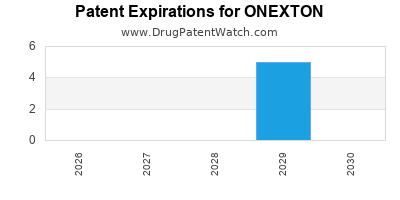
Identifying the exact expiration of all relevant patents and exclusivities for ONEXTON is a complex process. However, the typical lifecycle for a drug approved in 2014 suggests that some key composition of matter and formulation patents may have expired or are nearing expiration in the early to mid-2020s. This opens the door for generic manufacturers to file Abbreviated New Drug Applications (ANDAs).
The expiration of primary patents and exclusivities is the primary trigger for generic competition. Once these protections lapse, generic companies can seek approval to market bioequivalent versions of ONEXTON. The first generic to file an ANDA may be eligible for 180 days of market exclusivity under the Hatch-Waxman Act, depending on whether they are the first to file a Paragraph IV certification challenging a listed patent.
What is the Competitive Landscape for ONEXTON?
ONEXTON operates within the competitive TRT market, facing competition from both branded and generic alternatives across various delivery methods. The competitive intensity is influenced by product efficacy, safety profiles, pricing, physician preference, and patient accessibility.
Direct Competitors (Other Topical Testosterone Gels):
- AndroGel (AbbVie): Historically, AndroGel has been a dominant player in the topical testosterone market. It is available in different strengths and formulations. The availability of generic AndroGel has significantly impacted its market share and pricing.
- Testim (Auxilium Pharmaceuticals/Astellas Pharma): Another topical testosterone gel that competes directly with ONEXTON.
- Vogelxo (Upsher-Smith Laboratories): A relatively newer topical testosterone gel.
Indirect Competitors (Other TRT Delivery Methods):
- Intramuscular Injections:
- Depo-Testosterone (Teva Pharmaceuticals, manufactured by others): A widely used injectable testosterone product. Generic versions are available.
- Testosterone Enanthate and Cypionate: These are common esters used in injectable formulations, with many generic manufacturers offering them.
- Transdermal Patches:
- Androderm (AbbVie): A transdermal patch delivering testosterone daily.
- Subcutaneous Pellets:
- Testopel (Sanofi-Aventis): Pellets implanted subcutaneously that release testosterone over several months.
- Nasal Gels:
- Natesto (Ther-Rx Corporation): A testosterone nasal gel offering a different administration route.
- Oral Testosterone:
- Jatenzo (Clarus Therapeutics): An oral testosterone undecanoate capsule approved more recently, offering an alternative oral option.
Generics: The most significant competitive threat to branded ONEXTON is the emergence of generic versions. As patent protections expire, multiple generic manufacturers can enter the market, leading to substantial price erosion and shifts in market share. Generic testosterone products are generally available for injections and patches, and generic topical gels are also a factor.
Key Competitive Factors:
- Price: Generic competition dramatically impacts pricing, with branded products often facing significant price reductions to remain competitive.
- Efficacy and Safety: Comparative clinical data on efficacy and adverse event profiles influence prescribing decisions.
- Convenience of Administration: Patient preference for daily application, avoidance of injections, or longer-acting formulations plays a role.
- Physician Familiarity and Endorsement: Prescribing habits are often influenced by long-standing physician relationships with specific products or therapeutic classes.
- Insurance Coverage and Formulary Status: Payer decisions on preferred TRT agents can significantly steer market access.
What is the Financial Performance and Outlook for ONEXTON?
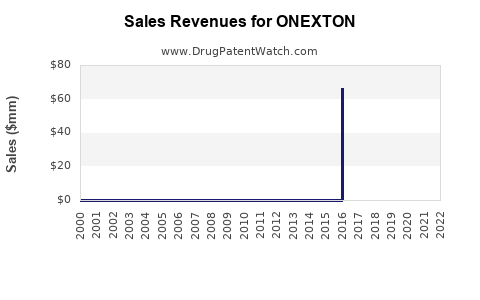
Analyzing the financial performance of ONEXTON involves examining its sales figures, market share within the TRT segment, and its contribution to Bayer's overall pharmaceutical revenue. Specific, granular sales data for individual products like ONEXTON is often proprietary and not always publicly disclosed by parent companies. However, these figures can sometimes be gleaned from annual reports, investor presentations, or through market research databases that track prescription volumes and sales revenues.
Historically, branded testosterone gels have been significant revenue generators. ONEXTON, as a relatively newer entrant compared to established products like AndroGel, aims to capture market share through its specific formulation and marketing efforts.
Key Financial Indicators to Consider:
- Net Sales: The total revenue generated from the sale of ONEXTON.
- Market Share: ONEXTON's percentage of the overall TRT market and specifically within the topical gel segment.
- Sales Growth Rate: The year-over-year percentage change in net sales.
- Profitability: While direct profitability is rarely disclosed for a single product, it is inferred from sales and the cost of goods sold, marketing, and R&D.
Financial Outlook:
The financial outlook for ONEXTON will be heavily influenced by the following:
- Patent Expiration and Generic Entry: This is the most critical factor. The expiration of key patents and exclusivity periods will inevitably lead to the introduction of generic competitors. This typically results in a sharp decline in the sales of the branded product as prices plummet.
- Market Dynamics: The overall growth of the TRT market will provide a tailwind, but ONEXTON's ability to grow will depend on its competitive positioning.
- Bayer's Commercial Strategy: Bayer's investment in marketing, sales force, and potential line extensions or new indications for ONEXTON will impact its performance.
- Reimbursement Landscape: Continued favorable reimbursement from payers will support sales.
- Emergence of Novel Therapies: Advancements in TRT that offer significant improvements in efficacy, safety, or convenience could disrupt the market.
Given that ONEXTON received FDA approval in late 2014, a significant portion of its patent protection would likely be winding down or already expired in the early-to-mid 2020s. This suggests that the period of peak branded sales may have passed or is nearing its end. The financial future will likely involve a transition from high-margin branded sales to lower-margin sales in a competitive generic market, or a gradual decline as market share erodes. However, if Bayer has secured secondary patents or developed new formulations, this could extend its commercial life.
Without specific, up-to-date sales figures for ONEXTON, a precise financial projection is speculative. However, the general trend for branded drugs facing generic competition is a substantial drop in revenue post-exclusivity. The ability to maintain market share through brand loyalty or unique product attributes will determine the extent of this decline.
What are the Regulatory and Legal Challenges?
The pharmaceutical industry, including the market for TRT drugs like ONEXTON, is subject to rigorous regulatory oversight and potential legal challenges. These factors can significantly impact a drug's market access, profitability, and long-term viability.
Key Regulatory Aspects:
- FDA Approval and Post-Market Surveillance: ONEXTON underwent a stringent FDA review process for approval. Post-approval, the FDA continues to monitor its safety through adverse event reporting systems. Labeling changes, warnings, or even market withdrawal can occur if significant safety concerns arise.
- Controlled Substance Scheduling: Testosterone and its derivatives are classified as controlled substances (Schedule III) in the U.S. due to their potential for abuse and diversion. This classification imposes strict requirements on prescribing, dispensing, manufacturing, and record-keeping, adding complexity and cost to the supply chain. [4]
- Marketing and Promotion Regulations: Pharmaceutical companies must adhere to strict regulations regarding the marketing and promotion of their products. Off-label promotion (promoting a drug for uses not approved by the FDA) is prohibited and can lead to severe penalties.
- Manufacturing Standards (cGMP): ONEXTON must be manufactured in compliance with Current Good Manufacturing Practices (cGMP) regulations, ensuring product quality, safety, and consistency. Regulatory inspections and compliance are ongoing.
Key Legal Challenges:
- Patent Litigation: Manufacturers of generic drugs often challenge the validity or infringement of patents held by branded drug companies. This can lead to costly and time-consuming litigation. If a generic manufacturer successfully challenges a key patent, it can expedite the entry of generic competition.
- Product Liability Lawsuits: As with any pharmaceutical product, ONEXTON may be subject to product liability lawsuits. These could arise from alleged adverse events, failure to warn, or manufacturing defects. While ONEXTON has specific warnings regarding potential cardiovascular risks and prostate cancer, individual lawsuits can still emerge.
- Antitrust and Anti-Kickback Concerns: Companies must ensure their commercial practices comply with antitrust laws and anti-kickback statutes, particularly concerning interactions with healthcare providers and payers.
- Class Action Lawsuits: In cases of widespread alleged harm or marketing misconduct, class-action lawsuits can be filed against pharmaceutical manufacturers.
Impact on ONEXTON:
- Controlled Substance Classification: This status adds a layer of regulatory burden and can influence prescriber and patient willingness to use the product, though it is standard for most testosterone products.
- Patent Expiration and Generic Entry: As noted, this is the most significant legal and financial challenge. The expiration of patents and the potential for successful patent litigation by generic challengers directly determines the timing and impact of generic competition.
- Safety-Related Labeling Changes: Any FDA-mandated changes to the ONEXTON label, such as adding new warnings or contraindications based on post-market surveillance, could affect its prescribing profile and market perception.
- Litigation Costs: Defending against patent litigation or product liability claims can be financially draining.
The regulatory and legal environment is dynamic. Companies like Bayer must continuously monitor these developments and adapt their strategies accordingly to mitigate risks and ensure continued market access.
Key Takeaways
- ONEXTON is a topical testosterone gel for adult male hypogonadism, approved in 2014.
- Bayer HealthCare Pharmaceuticals Inc. is the primary manufacturer and marketer.
- The global TRT market is valued in billions of USD, with projected growth of 4-6% CAGR, driven by an aging population and increased diagnosis of hypogonadism.
- ONEXTON's patent protection is crucial for its market exclusivity, with expiration dates influencing the timing of generic competition. Key patents likely began expiring in the early to mid-2020s.
- The competitive landscape includes other topical gels (e.g., AndroGel, Testim, Vogelxo) and alternative TRT delivery methods (injections, patches, pellets). Generic competition is the most significant threat.
- Financial performance is tied to sales revenue and market share, which will be significantly impacted by patent expirations and the subsequent erosion of prices due to generic entry.
- Regulatory challenges include ONEXTON's controlled substance classification (Schedule III) and ongoing FDA post-market surveillance. Legal challenges can arise from patent litigation and product liability claims.
Frequently Asked Questions
-
When did ONEXTON receive U.S. FDA approval?
ONEXTON received U.S. FDA approval on November 3, 2014. [1]
-
What are the primary adverse events associated with ONEXTON?
Common adverse events reported in clinical trials include upper arm rash, increased prostate-specific antigen (PSA), and hypertension. [1]
-
How does ONEXTON compare to injectable testosterone treatments?
ONEXTON is a daily topical gel applied to the skin, offering transdermal absorption. Injectable testosterone treatments are administered via intramuscular injection, typically at intervals ranging from weekly to several months, depending on the ester formulation.
-
What is the regulatory classification of testosterone in the U.S.?
Testosterone and its derivatives, including those used in ONEXTON, are classified as Schedule III controlled substances by the U.S. Drug Enforcement Administration (DEA). [4]
-
What is the primary factor expected to influence ONEXTON's future market dynamics?
The expiration of ONEXTON's primary patent protections and the subsequent introduction of generic versions of topical testosterone gel are expected to be the most significant factors influencing its future market dynamics, leading to price erosion and increased competition.
Citations
[1] Bayer HealthCare Pharmaceuticals Inc. (2014). ONEXTON™ (testosterone) gel prescribing information. U.S. Food and Drug Administration. Retrieved from https://www.accessdata.fda.gov/drugsatfda_docs/label/2014/205728s000lbl.pdf
[2] Grand View Research. (2023). Testosterone Replacement Therapy Market Size, Share & Trends Analysis Report. (Specific report details vary by publication date and edition).
[3] Mordor Intelligence. (2023). Testosterone Replacement Therapy Market - Growth, Trends, COVID-19 Impact, and Forecasts (2024 - 2029). (Specific report details vary by publication date and edition).
[4] U.S. Drug Enforcement Administration. (n.d.). Controlled Substances Act - Schedules of Controlled Substances. Retrieved from https://www.dea.gov/controlled-substances-act (General information on controlled substance schedules, testosterone falls under Schedule III).