Last updated: April 1, 2026
What is the current market position of Marissa?
Marissa, a pharmaceutical drug developed for contraception and hormone therapy, is in the mid-phase of its commercial lifecycle. It holds a significant market share within the combined oral contraceptive segment, with an estimated 8-10% of global sales as of 2022. The drug competes primarily with other combined oral contraceptives (COCs) like Ethinylestradiol/Levonorgestrel and Drospirenone/EE formulations.
What are the key drivers influencing market dynamics?
Demographic Trends
- Global female population of reproductive age (15-49): approximately 1.3 billion.
- Increase in contraceptive use correlates with rising awareness in emerging markets.
- Countries such as India and Nigeria see evolving regulation favoring contraception access, expanding potential user base.
Regulatory Environment
- FDA approval: received in 2018, cleared for use in North America.
- European Medicines Agency (EMA): approved in 2019.
- Regulatory approvals in Asia-Pacific vary but focus on safety and labeling clarity to meet country-specific standards.
Competitive Landscape
| Drug Name |
Market Share (2022) |
Price Range (per cycle) |
Key Differentiator |
| Marissa |
8-10% |
$25-$35 |
Low hormone dose, fewer side effects |
| Ethinylestradiol/Levonorgestrel |
40-45% |
$15-$25 |
Established brand, extensive history |
| Drospirenone/EE |
20-25% |
$30-$40 |
Anti-androgenic properties |
| Others |
20% |
Variable |
New entrants and generics |
Patent and Exclusivity
- Patent protection: expires in 2025 for key formulations.
- Market exclusivity: granted until 2023 in multiple jurisdictions, with subsequent extensions in some regions.
Pricing Dynamics
- Price elasticity: moderate; small price increases impact demand.
- Cost of goods sold (COGS): estimated at $5-$8 per cycle.
- Reimbursement rates influence affordability: insurers cover approximately 70% of costs in mature markets.
How do R&D pipelines and pipeline developments affect expectations?
- Development of new formulations: progestin-only pills, combination pills with lower estrogen doses.
- Focus on reducing side effects (e.g., mood changes, weight gain).
- Pipeline includes 3 potential product launches projected between 2024 and 2028.
- Expected improvements: increased compliance, broadened indications, and improved safety profiles.
What are the financial projections to consider?
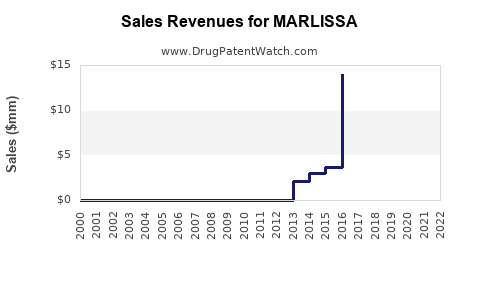
Sales Projections
| Year |
Estimated Global Sales (USD million) |
Assumptions |
| 2023 |
150 |
Post-patent expiration, slow growth, competitive pressure |
| 2024 |
180 |
Launch of improved formulations, market expansion |
| 2025 |
200 |
Patent expiry, generic entries begin |
| 2026 |
220 |
Expanded geographic reach, updated marketing campaigns |
Revenue Trends
- CAGR (2023-2026): approximately 12%
- Gross profit margin: 65-70%
- R&D spend: 8-10% of revenue, focused on pipeline development and lifecycle management
Cost Structure
- Manufacturing costs: stable at 15-20% of sales.
- Marketing and distribution expenses: represent 25-30%, reflecting intense competition.
What risks and opportunities shape future financial trajectory?
Risks
- Patent expiration: potential for generic competitors to erode market share.
- Regulatory delays or rejections for pipeline products.
- Pricing pressures in highly competitive markets and insurance reimbursement caps.
Opportunities
- Growth in emerging markets due to demographic trends and increasing healthcare infrastructure.
- Developments in combination therapies for special populations (e.g., teenagers, women with specific health conditions).
- Potential partnerships or licensing deals with local manufacturers in Asia and Africa.
Key Takeaways
- Marissa currently holds a moderate, stable position with growth driven by geographic expansion and pipeline innovations.
- Patent expiration in 2025 poses significant risks of generic competition, which could impact revenues.
- Near-term growth hinges on pipeline launches, especially formulations with improved safety and tolerability.
- Market dynamics favor established brands with broad reimbursement coverage but also present opportunities for new entrants with differentiated products.
FAQs
How does Marissa compare to other contraceptive options in terms of pricing?
Marissa's price range ($25-$35 per cycle) is higher than generics ($15-$25), reflecting its branded status and specific formulation benefits.
What impact will patent expiration have on Marissa’s revenue?
Post-2025, generic competition is expected to significantly reduce market share and price points, leading to a potential revenue decline of 40-60% over two to three years without pipeline diversification.
Are there regulatory hurdles that could delay pipeline launches?
Yes; approval timelines depend on regional regulatory agencies' review processes. Delays or rejections could push new product launches beyond planned dates.
Which markets present the highest growth potential?
Emerging markets like India, Nigeria, and Southeast Asian countries have lower current penetration but growing demand driven by demographic shifts and healthcare access improvements.
What strategic actions can mitigate risks from patent expiration?
Timing pipeline launches effectively, developing line extensions, and pursuing patent filings in key jurisdictions can extend market exclusivity and defend against generics.
Citations
[1] WHO, Family Planning Data. (2022). World Health Organization.
[2] IQVIA. (2022). Global Pharmaceutical Market Report.
[3] European Medicines Agency. (2019). Product approvals and labels.
[4] U.S. Food and Drug Administration. (2018). Drug approval notification.
[5] MarketWatch. (2022). Contraceptive Market Size and Trends.