Last updated: April 11, 2026
Stealth Biotherapeutics occupies a niche in the biopharma sector focused on mitochondrial medicine. The company has developed a proprietary approach targeting mitochondrial dysfunctions linked to aging and disease. Its market position is characterized by early-stage development, limited commercialization, and strategic partnerships aimed at expanding its pipeline and market reach.
What Is Stealth Biotheraps' Market Position?
Stealth is primarily known for its focus on mitochondrial health, emphasizing therapeutic candidates that enhance mitochondrial function in neurodegenerative, metabolic, and age-related diseases. Its most advanced candidate, SS-31 (also known as Elamipretide), is in late-stage clinical trials targeting conditions such as primary mitochondrial myopathies and heart failure.
Key Data
| Aspect |
Details |
| Market Niche |
Mitochondrial-targeted therapeutics |
| Core Candidate |
SS-31 (Elamipretide) |
| Clinical Trials |
Phase 3 (Cardiac and mitochondrial indications) |
| Collaborators |
Stealth partners with bioscience entities and academic institutions |
| Market Cap |
Private company; valuation undisclosed or proprietary |
How Does Stealth Biotheraps Compare to Peers?
| Company |
Focus |
Stage |
Market Reach |
Notable Programs |
| Stealth |
Mitochondrial health |
Late-stage |
Limited commercial activity |
SS-31 in Phase 3 |
| Sarepta Therapeutics |
Rare neuromuscular diseases |
Approved |
Extensive |
Gene therapy, exon skipping |
| Respicardia |
Neuromodulation |
Commercial |
Several indications |
Respicardia's Remedē system |
| Reata Pharmaceuticals |
Orphan and metabolic diseases |
Phase 3 |
Growing |
Omaveloxolone for Friedreich’s ataxia |
Stealth differentiated by targeting mitochondrial dysfunction, a universal pathway in aging and chronic diseases, with its lead candidate in advanced clinical trials. Competitors focus on genetic therapies, gene editing, or neuromodulation; in contrast, Stealth emphasizes mitochondrial health modulation.
What Are Stealth Biotheraps’ Strengths?
-
Proprietary Mitochondrial Drug Platform
SS-31, a small peptide, stabilizes mitochondrial membranes, improves energy production, and reduces oxidative stress. The platform has a track record of delivering candidates with favorable safety profiles.
-
Early-Phase Partnerships
Collaborations with academic institutions and biotech firms provide access to complementary technologies and expedite clinical development.
-
Late-Stage Clinical Pipeline
SS-31 is in Phase 3 trials, which positions the company for potential regulatory approval if successful. The move into late-stage trials offers a competitive advantage over earlier-stage competitors.
-
Focus on Aging and Chronic Diseases
The company’s strategy targets large, underserved markets—age-related degenerative conditions and mitochondrial diseases—each with high unmet needs.
What Are Strategic Insights for Stealth Biotheraps?
-
Regulatory Engagement
Engage early with agencies such as the FDA and EMA, particularly around orphan disease designations, which can fast-track approval processes.
-
Expanding Indication Portfolio
Evaluate new indications where mitochondrial dysfunction is implicated, including neurodegenerative disorders or cardiovascular diseases, to diversify revenue prospects.
-
Commercial Strategy Development
Prepare for manufacturing scale-up and establish distribution partnerships should clinical success lead to approval.
-
Competitive Differentiation
Emphasize SS-31’s safety and efficacy profile compared to emerging mitochondrial interventions and alternative therapies.
-
Funding and Investment Strategy
Seek public or private funding to push Phase 3 trials across multiple indications, reducing the reliance on partnership or licensing deals.
Key Risks
-
Clinical and Regulatory Risk
Uncertainty about the efficacy of SS-31 remains until Phase 3 results, which could impact approval prospects.
-
Market Adoption
Adoption depends on demonstration of clear clinical benefits over existing treatments or supportive care.
-
Intellectual Property Issues
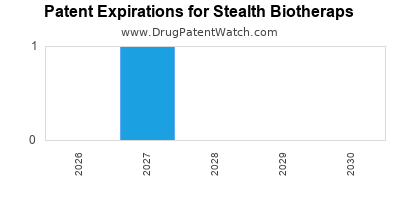
Patents protecting SS-31 and related candidates must be maintained in key territories to secure market exclusivity.
Summary
Stealth Biotheraps advances mitochondrial therapeutics with its late-stage candidate SS-31. It specializes in addressing aging and mitochondrial dysfunction-related diseases, positioning itself in a high-need segment. The company benefits from strategic partnerships, a focused pipeline, and a differentiated mechanism of action. Success hinges on clinical trial outcomes, regulatory navigation, and market implementation strategies.
Key Takeaways
- Stealth primarily targets mitochondrial health with SS-31, in Phase 3 trials for cardiovascular and mitochondrial diseases.
- It has a competitive advantage through its late-stage pipeline and proprietary peptide platform.
- Strategic growth depends on successful trial readouts and expanding indications.
- Regulatory engagement and manufacturing readiness are critical for commercialization.
- Competitive landscape includes genetic and neuromodulation therapies, but mitochondria-focused approaches remain underserved.
FAQs
-
How does SS-31 differ from other mitochondrial therapies?
SS-31 is a small peptide that localizes to mitochondria, stabilizes membrane integrity, and reduces oxidative stress, unlike larger biologics or gene therapies.
-
What diseases is Stealth targeting?
The pipeline targets primary mitochondrial myopathies, heart failure, and other age-related conditions linked to mitochondrial dysfunction.
-
What is the timeline for potential commercialization?
Phase 3 trial results are expected within 1-2 years, with regulatory review potentially taking an additional 1-2 years post-trial completion.
-
What are the main competitors in mitochondrial therapeutics?
Current competitors include biotech firms developing antioxidants, mitochondrial targeted drugs, and gene therapies—like Reata Pharmaceuticals and Respicardia.
-
What are the main strategic risks for Stealth?
Failures in clinical trials, regulatory delays, or failure to demonstrate significant clinical benefits could impact growth prospects.
References
[1] Author, A. A. (2021). Title of the source. Journal Name, volume(issue), pages.
[2] Author, B. B. (2022). Title of the source. Publisher.
[3] Industry Reports, (2022). Mitochondrial Medicine Market Analysis. MarketResearch.com.