Last updated: September 19, 2025
rket Dynamics and Financial Trajectory for the Biologic Drug: HUMULIN N
Introduction
Humulin N (insulin human isophane suspension) is a long-acting basal insulin produced through recombinant DNA technology, primarily used to manage blood glucose levels in patients with diabetes mellitus. Since its approval, Humulin N has established a significant presence within the insulin market segment. As the landscape evolves with technological advances, regulatory shifts, and emerging market demands, understanding the current and projected market dynamics and financial trajectory becomes critical for stakeholders. This article analyzes these trends comprehensively, focusing on factors influencing adoption, competitive positioning, and revenue forecasts.
Market Overview and Historical Context
Humulin N’s origins trace back to the early 1980s, with Eli Lilly and Company pioneering recombinant human insulin products. It continues to serve as a foundational therapy for type 1 and type 2 diabetes patients, particularly those requiring basal insulin supplementation[^1]. The global insulin market, valued at USD 24.4 billion in 2021, exhibits steady growth driven by rising diabetes prevalence, increased healthcare access, and technological innovations[^2].
Humulin N is positioned within the biosimilar and original biologics segments, competing with other long-acting insulins such as Sanofi's Lantus (insulin glargine) and newer ultra-long-acting analogs like Tresiba (insulin degludec). Its revenue contribution remains robust, particularly in markets where human insulins are preferred due to cost considerations.
Market Drivers
Several key factors influence market dynamics for Humulin N:
- Global Diabetes Prevalence: By 2045, the World Health Organization projects 700 million adults will have diabetes—a 46% increase from 2021[^3]. This surge drives the overall insulin market, including basal insulins like Humulin N.
- Cost-Effectiveness: In low- and middle-income countries (LMICs), human insulins like Humulin N are often more affordable than analogs, supporting continued demand[^4].
- Healthcare Infrastructure and Access: Expanding healthcare infrastructure in emerging markets enhances insulin accessibility, bolstering demand.
- Regulatory Approvals of Biosimilars: Biosimilar versions of Humulin N, such as those from premium generics manufacturers, intensify market competition but also broaden access, potentially increasing overall revenue.
Competitive Landscape
Humulin N operates in a highly competitive environment characterized by patent expiries, biosimilar entries, and technological innovation. The landscape encompasses:
- Original Biologics: Eli Lilly's continued manufacturing and distribution of Humulin N maintain its baseline market share, especially in markets with established reputation and reimbursement support.
- Biosimilars: Several biosimilar insulins resemble Humulin N, offering lower-cost alternatives that erode market share but expand market size overall. Notably, companies like Biocon-Syngene and Stada have launched biosimilars in various regions[^5].
- Innovative Analogs: Ultra-long-acting analogs such as Tresiba and insulin degludec challenge traditional basal insulins by offering more flexible dosing and potentially improved patient outcomes, impacting Humulin N’s market share.
Regulatory and Reimbursement Trends
Regulatory pathways increasingly favor biosimilar approval, facilitating market entry of alternative formulations. Governments and payers prioritize cost containment, often reimbursing biosimilars at lower rates, which pressurizes original biologics to justify value through demonstrated clinical efficacy and safety.
In the U.S., the U.S. Food and Drug Administration (FDA) approved the first biosimilar insulins in recent years, facilitating more aggressive pricing strategies. Conversely, in emerging markets, regulatory hurdles are less rigid, promoting greater adoption of Humulin N[^6].
Technological and Clinical Innovation Impact
Advances in delivery devices, real-time glucose monitoring, and closed-loop systems are reshaping diabetes management. While these innovations benefit newer analogs with more convenient dosing, traditional human insulins like Humulin N maintain relevance, especially in settings where such technology adoption is limited.
Additionally, ongoing development in insulin formulations aims to improve pharmacokinetics and reduce hypoglycemia risk. If Humulin N or its biosimilars integrate such innovations, market prospects could be positively impacted.
Financial Trajectory and Revenue Outlook
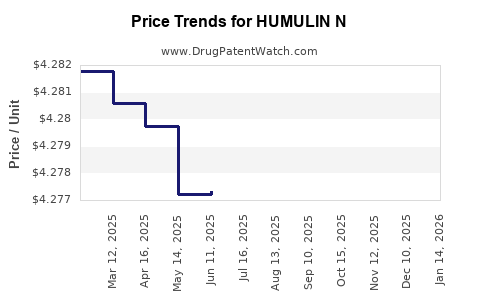
Humulin N’s revenue trajectory depends on multiple variables, including regional demand, competitive actions, and innovation pace. Historically, Lilly reported that generics and biosimilars contribute to stabilizing revenues even as patent cliffs loom[^7].
- Short-Term Outlook: Moderate growth prospects in developed markets driven by increased diabetes prevalence, although constraints imposed by biosimilar competition and newer formulations may limit revenue expansion.
- Medium to Long-Term Outlook: Expansion in emerging markets offers substantial growth opportunities. The increasing affordability of biosimilar insulins like Humulin N further facilitates market penetration. As biosimilars capture a greater market share, revenue from Humulin N may stabilize or slightly decline in mature markets but offset by volume growth in emerging regions.
A summarized forecast suggests a compound annual growth rate (CAGR) of approximately 2-3% over the next five years for Humulin N, aligned with overall insulin market growth and biosimilar adoption trends[^8].
Strategic Challenges and Opportunities
-
Challenges:
- Competition from biosimilars and analog insulins erodes market share.
- Innovation cycles favor newer analogs with patented delivery systems.
- Cost pressures from payers incentivize switching to cheaper alternatives.
- Regulatory barriers in certain markets could impede product expansion.
-
Opportunities:
- Leverage existing manufacturing infrastructure to expand biosimilar portfolios.
- Capitalize on emerging markets' growth through targeted pricing and access strategies.
- Incorporate innovations to enhance formulation efficacy and patient adherence.
- Engage in clinical research to demonstrate long-term efficacy relative to newer analogs.
Key Takeaways
- The global growth of diabetes prevalence sustains demand for basal insulins like Humulin N.
- Cost advantages position Humulin N favorably in LMICs, while biosimilar competition impacts developed markets.
- Technological innovation and regulatory shifts shape the competitive landscape, demanding strategic agility.
- Revenue stability will likely depend on geographic diversification, biosimilar proliferation, and product innovation.
- Stakeholders must monitor evolving pharmaceutical policies, market access, and patient preferences to capture value.
Conclusion
Humulin N remains a vital component of the insulin market, with its financial trajectory influenced by global diabetes trends, competitive dynamics, and regulatory reforms. While facing challenges from biosimilars and newer analogs, strategic positioning in emerging markets and potential formulation enhancements could sustain its relevance. Stakeholders should adopt adaptive strategies that leverage its cost-effectiveness and existing infrastructure to maintain a steady revenue flow amid industry evolution.
FAQs
1. How does Humulin N compare to newer long-acting insulins regarding efficacy and safety?
Humulin N provides comparable glycemic control to newer analogs like insulin glargine and degludec, with similar safety profiles. However, newer formulations often offer benefits in dosing flexibility and hypoglycemia risk reduction.
2. What market segments primarily drive Humulin N’s sales?
Humulin N’s sales are driven mainly by emerging markets and rural healthcare settings where cost considerations dominate, and some developed markets where formulary preferences favor human insulins.
3. Are biosimilars poised to replace Humulin N or similar insulins?
Biosimilars threaten to erode market share but are unlikely to replace Humulin N entirely, especially in regions where price sensitivity and regulatory pathways favor biosimilar adoption without eliminating existing products.
4. What role does regulatory approval play in Humulin N’s market expansion?
Regulatory approvals facilitate biosimilar entry, influence reimbursement policies, and determine regional market access—crucial factors for Humulin N’s growth potential.
5. What are the key strategies for pharmaceutical companies to ensure the financial longevity of Humulin N?
Strategies include investing in biosimilar development, expanding in emerging markets, incorporating formulation innovations, and establishing strong payer and provider relationships.
Sources
[1] Eli Lilly and Company. Humulin N product information.
[2] Grand View Research, 2022. Insulin Market Size & Trends.
[3] WHO. Diabetes Fact Sheet, 2021.
[4] WHO, 2021. Cost-effective insulin in LMICs.
[5] Biosimilarinsulin.com. Biosimilar Insulins Market Report.
[6] FDA. Approvals of biosimilar insulins, 2022.
[7] Eli Lilly Annual Report, 2022.
[8] IQVIA, 2022. Global Insulin Market Forecasts.