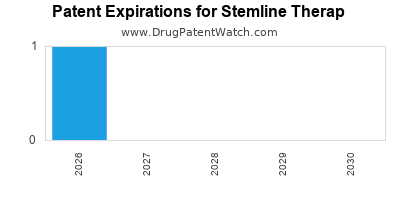
Last updated: July 30, 2025
Introduction
Stemline Therapeutics, a specialized biopharmaceutical company, has gained notable attention within the oncology and hematology sectors for its innovative pipeline and targeted therapies. This analysis dissects Stemline's position within the highly competitive pharmaceutical landscape, emphasizing its market standing, core competencies, strategic initiatives, and future growth prospects.
Company Overview and Market Context
Founded in 2007 and acquired by Lisa Bonds LLC in 2020, Stemline Theraps has centered its R&D efforts on developing therapies for rare cancers and hematologic malignancies. The company's key product, Lumoxantrone (LUMOX), primarily addresses specific types of leukemia and lymphoma, while its pipeline includes promising candidates such as SL-101, targeting CD-123-positive malignancies.
The oncology market is characterized by rapid innovation and high unmet needs, especially in rare and difficult-to-treat cancers. Stemline’s strategic focus on precision medicine and targeted therapy aligns well with industry trends toward personalized treatment approaches, positioning it as a notable competitor among both emerging biotech firms and established pharmaceutical giants.
Market Position
Competitive Standing within Oncology and Hematology
Stemline operates in a niche yet rapidly expanding segment of oncology focusing on targeted therapies for hematologic malignancies. While its market presence is smaller compared to industry giants like Novartis or Gilead, its specialization enables a focused strategy with a potential for high-margin, differentiated products.
According to recent market data, the global hematologic oncology drugs market is projected to reach $36.4 billion by 2027[1], driven by a rising prevalence of leukemia, lymphoma, and myelodysplastic syndromes. Stemline’s targeting of specific biomarkers enhances its competitiveness, enabling tailoring of treatments tailored to unique genetic profiles, which is increasingly preferred in clinical practice.
Partnerships and Acquisitions
Stemline’s strategic collaborations with larger pharmaceutical companies have bolstered its market reach. For instance, its acquisition of rights to LUMOX and other candidates with the involvement of partners expands its commercial footprint. Strategic alliances often provide crucial visibility and funding, aiding both regulatory approvals and commercialization efforts.
Regulatory Milestones and Approvals
While Stemline has not yet achieved extensive FDA approval for all its products, its pivotal trials are advancing, positioning it on a trajectory toward registration and commercialization. Regulatory validation enhances credibility and market valuation, attracting investor confidence and partnership interest.
Strengths of Stemline Therapeutics
Specialized Focus on Rare Cancers
Stemline's emphasis on rare hematologic malignancies offers a significant competitive edge, as these diseases often lack effective therapies and are underserved in clinical research. This focus aligns with regulatory incentives, such as orphan drug designations, which can accelerate approval processes and provide market exclusivity.
Pipeline Innovation and Biomarker-Driven Therapy
The company’s pipeline underscores its commitment to precision medicine. Its lead candidate, SL-101, a CD-123 targeting antibody-drug conjugate, exemplifies cutting-edge approaches tailored to molecular profiles, heightening potential for therapeutic success and market differentiation.
Agile R&D and Smaller Organizational Structure
Compared to sprawling pharmaceutical entities, Stemline benefits from a lean structure that supports rapid decision-making and adaptive R&D strategies—vital in the fast-evolving landscape of cancer therapeutics.
Regulatory Incentives and Orphan Drug Designation
Most of Stemline's targeted therapies fall into orphan drug categories, granting benefits such as market exclusivity, fee waivers, and expedited review pathways, all of which bolster commercial potential.
Strategic Insights and Opportunities
1. Focused Pipeline Development and Diversification
Expanding indications beyond hematologic cancers into other oncology areas offers growth avenues. Diversification, coupled with continued precision medicine research, could mitigate risks associated with single-therapy failures.
2. Strategic Partnerships and Licensing
Forming alliances with larger pharma firms can aid in advancing clinical trials, navigating regulatory pathways, and expanding commercialization efforts. Such collaborations can augment financial resources and technical expertise.
3. Investment in Biomarker and Companion Diagnostic Development
Advancing companion diagnostics enhances personalized treatment efficacy and patient stratification, increasing the likelihood of regulatory success and commercial adoption.
4. Global Market Expansion
While regulatory pathways are well-established in North America and Europe, emerging markets represent substantial growth opportunities, especially for orphan drugs with high unmet needs.
5. Emphasis on Clinical Trial Efficiency
Adopting innovative trial designs, such as basket and umbrella studies, can accelerate data collection, reduce costs, and hasten time to market, ultimately improving competitive positioning.
Challenges and Risks
- High Clinical and Development Risks: Given the experimental nature of its therapies, unexpected trial outcomes may delay or impede regulatory approval.
- Market Penetration Barriers: Competition from larger firms with established oncology portfolios may hinder market entry and patient adoption.
- Funding and Capital Management: Sustained R&D requires significant investment; market volatility can impact access to funding.
- Regulatory Hurdles: Navigating complex regulatory landscapes for rare disease treatments remains a challenge, particularly when expanding indications.
Competitive Landscape
Stemline faces fierce competition from both biotech startups and established pharmaceutical giants. Key competitors are:
- Gilead Sciences: With its acquisition of Immunomedics and its flagship therapies like Trodelvy.
- Novartis: Focused on targeted oncology therapies, including CAR T-cell products.
- Deciphera Pharmaceuticals: Specializes in kinase inhibitors for similar indications.
- Amplimmune and Miltenyi Biotec: Emerging contenders developing CD-123 targeting therapies.
Market differentiation hinges upon validation of clinical efficacy, regulatory success, and strategic alliances. The relative agility of Stemline's offerings can enable rapid adaptation, but it must counterbalance limited market reach compared to industry giants.
Future Outlook and Recommendations
- Enhance Clinical Development: Prioritize successful completion of pivotal trials for lead candidates and seek regulatory approvals with accelerated pathways.
- Leverage Orphan Drug Status: Maximize benefits from orphan designations to expedite commercialization.
- Strengthen Industry Partnerships: Cultivate strategic alliances for clinical development, manufacturing, and global commercialization.
- Expand Focus: Gradually consider diversification into complementary oncology niches to broaden market footprint.
- Invest in Diagnostics: Support the development of biomarker and companion diagnostic tools to enhance personalized therapy success.
Key Takeaways
- Stemline Therapeutics occupies a strategic niche in targeted hematologic cancer therapy, with promising pipeline candidates and a focus on rare diseases.
- Its strengths lie in specialization, regulatory incentives, and agile R&D, positioning it well for future growth.
- Strategic partnerships, clinical trial success, and expansion into broader oncology markets remain critical for capitalizing on its potential.
- Competition is intense; differentiation hinges upon efficacy, regulatory milestones, and market access strategies.
- To maintain its trajectory, Stemline should prioritize pipeline progression, operational efficiency, and global expansion opportunities.
FAQs
1. What are the primary therapeutic areas for Stemline Therapeutics?
Stemline focuses on hematologic malignancies, especially rare cancers like leukemia and lymphoma, through targeted therapies and antibody-drug conjugates.
2. How does Stemline’s focus on orphan drugs benefit its market strategy?
Orphan drug designations provide market exclusivity, regulatory incentives, and financial benefits, facilitating quicker and more profitable drug launches in niche markets.
3. What are the main challenges faced by Stemline in gaining market share?
Key challenges include clinical success risks, competition from larger firms, regulatory hurdles, and limited capital resources compared to industry giants.
4. Which strategic actions could enhance Stemline’s competitive position?
Developing additional therapies, forging strategic partnerships, expanding indications, and investing in companion diagnostics are vital strategies.
5. How does Stemline’s pipeline compare to competitors?
While innovative, Stemline’s pipeline is smaller and less diversified than major competitors; however, its focus on high-need areas offers distinct advantage if clinical results are favorable.
References
[1] Grand View Research. "Hematologic Oncology Drugs Market Size, Share & Trends Analysis Report," 2022.