Last updated: March 28, 2026
What is Sanofi Aventis US’s current market position?
Sanofi Aventis US ranks among the top ten pharmaceutical companies by revenue in the US outpatient prescription drug market. In 2022, it generated approximately $18.5 billion in US prescription sales, holding an estimated 3.8% market share. Its core portfolio includes vaccines, diabetes treatments, and specialty care drugs.
What are Sanofi Aventis US’s key strengths?
Diverse Portfolio and Leading Products
Sanofi’s US portfolio includes diabetes medications such as Lantus (insulin glargine), multiple vaccines like Fluzone and Dengvaxia, and specialty drugs including Sarclisa for multiple myeloma. These products have sustained revenues and high market penetration.
R&D Capabilities and Pipeline
The company invests roughly 20% of revenue into R&D, amounting to over $3.7 billion in 2022. Its pipeline comprises 125 active compounds focused on immunology, oncology, and rare diseases. Strategic collaborations enhance its innovation capabilities.
Regulatory Approvals and Market Access
Sanofi has secured FDA approval for multiple drugs in recent years, including Entresto (heart failure) in 2019. Its vaccine segment benefits from CDC-backed immunization programs, ensuring broad market access.
Strategic Alliances
Partnerships with biotechnology firms and academic institutions augment its R&D and commercialization efforts. Collaborations with Regeneron have yielded blockbuster drugs such as Dupixent (atopic dermatitis).
How does Sanofi Aventis US compare with key competitors?
| Company |
US Market Share (2022) |
Core Focus Areas |
Notable Products |
R&D Investment (2022) |
| Pfizer |
11.2% |
Vaccines, Oncology, Rare Diseases |
Comirnaty, Ibrance |
$13.8 billion |
| Johnson & Johnson |
8.7% |
Vaccines, Immunology, Oncology |
Darzalex, Janssen vaccines |
$8.7 billion |
| Merck & Co. |
8.1% |
Oncology, Vaccines, Infectious Diseases |
Keytruda, Gardasil |
$11.4 billion |
| Sanofi Aventis US |
3.8% |
Vaccines, Diabetes, Specialty Care |
Lantus, Dupixent, Fluzone |
$3.7 billion |
Sanofi’s niche focus on vaccines and rare diseases differentiates it from peers. Its vaccine sales are resilient, accounting for roughly 25% of total revenue, compared to significant declines in other segments.
What strategic initiatives are shaping Sanofi Aventis US’s future?
Expanding Vaccine Portfolio
Sanofi invests in next-generation vaccines targeting respiratory diseases and emerging infectious threats. The launch of mRNA-based vaccine candidates aims to compete with Moderna and Pfizer.
Focus on Rare Diseases and Oncology
Pipeline expansion emphasizes gene therapies and monoclonal antibodies. Sanofi’s recent FDA approval of Altuvii for hemophilia A demonstrates its commitment to innovative treatments.
Digital Transformation and Data Analytics
Implementation of digital clinical trials and real-world evidence platforms enhances R&D efficiency. Collaborations with tech firms improve data-driven decision-making.
Market Access and Pricing Strategies
Sanofi adopts value-based pricing models, aligns with payers on reimbursement policies, and increases patient assistance programs. It aims to mitigate pricing pressures from biosimilar entrants.
What are recent challenges and risks?
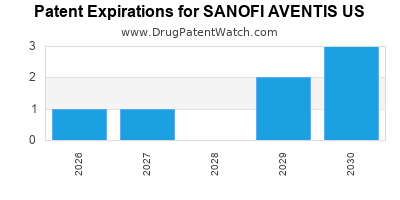
- Patent expirations of key products like Lantus in 2024 threaten revenue declines.
- Competition intensifies in diabetes and immunology segments from biosimilar entrants.
- Regulatory hurdles and delays in pipeline approvals may impact market entry strategies.
- Pricing and reimbursement pressures from insurers and government programs increase financial risk.
What are the implications for investors or partners?
Sanofi’s balanced portfolio, strategic pipeline, and focus on vaccines position it to maintain relevance amid competitive pressures. Its investments in innovation and market access aim to stabilize revenue streams. However, patent expirations and market competition require active management and strategic agility.
Key Takeaways
- Sanofi Aventis US holds a significant but smaller share of the US pharmaceutical market, focusing on vaccines, diabetes, and rare diseases.
- Strengths include a diversified product portfolio, substantial R&D investments, and strategic alliances.
- The company aims to expand its vaccine offerings, advance its rare disease pipeline, and leverage digital tools.
- Challenges involve patent cliffs, biosimilar competition, and regulatory delays.
- Sustained growth depends on pipeline development, market access strategies, and adaptation to competitive dynamics.
FAQs
1. How does Sanofi’s vaccine segment impact its overall revenue?
Vaccine sales account for 25% of Sanofi’s total revenue in the US, providing stability amid declines in other segments.
2. What are the next key product approvals expected for Sanofi US?
Pipeline candidates in immunology and oncology, including gene therapies and monoclonal antibodies, anticipate FDA review over the next 12-24 months.
3. How competitive is Sanofi’s pipeline?
With 125 active compounds and collaborations, Sanofi’s pipeline is robust but faces competition from big biotech and pharmaceutical firms.
4. What market risks could affect Sanofi US’s growth?
Patent expirations, biosimilar competition, pricing pressures, and regulatory delays pose primary risks.
5. How does Sanofi differentiate itself from competitors?
Sanofi’s focus on vaccines and rare diseases, coupled with strategic alliances and innovative pipeline, distinguishes it from larger peers primarily focused on oncology and general medicine.
References
[1] Sanofi annual report 2022.
[2] IQVIA. (2022). US prescription market data.
[3] EvaluatePharma. (2022). R&D investment report.
[4] U.S. Food and Drug Administration. (2023). Drug approvals and guidance.