Immedica Pharma Company Profile
✉ Email this page to a colleague
What is the competitive landscape for IMMEDICA PHARMA
IMMEDICA PHARMA has one approved drug.
There are eleven US patents protecting IMMEDICA PHARMA drugs.
Summary for Immedica Pharma
| US Patents: | 11 |
| Tradenames: | 1 |
| Ingredients: | 1 |
| NDAs: | 1 |
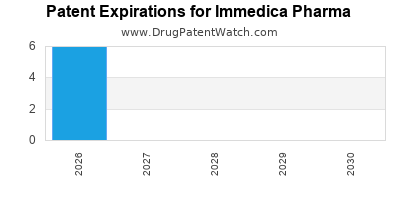
Drugs and US Patents for Immedica Pharma
| Applicant | Tradename | Generic Name | Dosage | NDA | Approval Date | TE | Type | RLD | RS | Patent No. | Patent Expiration | Product | Substance | Delist Req. | Exclusivity Expiration |
|---|---|---|---|---|---|---|---|---|---|---|---|---|---|---|---|
| Immedica Pharma | ZTALMY | ganaxolone | SUSPENSION;ORAL | 215904-001 | Jun 1, 2022 | RX | Yes | Yes | 8,618,087 | ⤷ Start Trial | ⤷ Start Trial | ||||
| Immedica Pharma | ZTALMY | ganaxolone | SUSPENSION;ORAL | 215904-001 | Jun 1, 2022 | RX | Yes | Yes | 7,858,609 | ⤷ Start Trial | Y | ⤷ Start Trial | |||
| Immedica Pharma | ZTALMY | ganaxolone | SUSPENSION;ORAL | 215904-001 | Jun 1, 2022 | RX | Yes | Yes | 8,318,714 | ⤷ Start Trial | Y | ⤷ Start Trial | |||
| Immedica Pharma | ZTALMY | ganaxolone | SUSPENSION;ORAL | 215904-001 | Jun 1, 2022 | RX | Yes | Yes | ⤷ Start Trial | ⤷ Start Trial | |||||
| Immedica Pharma | ZTALMY | ganaxolone | SUSPENSION;ORAL | 215904-001 | Jun 1, 2022 | RX | Yes | Yes | 9,056,116 | ⤷ Start Trial | ⤷ Start Trial | ||||
| Immedica Pharma | ZTALMY | ganaxolone | SUSPENSION;ORAL | 215904-001 | Jun 1, 2022 | RX | Yes | Yes | 8,367,651 | ⤷ Start Trial | Y | ⤷ Start Trial | |||
| >Applicant | >Tradename | >Generic Name | >Dosage | >NDA | >Approval Date | >TE | >Type | >RLD | >RS | >Patent No. | >Patent Expiration | >Product | >Substance | >Delist Req. | >Exclusivity Expiration |
International Patents for Immedica Pharma Drugs
| Country | Patent Number | Estimated Expiration |
|---|---|---|
| South Korea | 20120107533 | ⤷ Start Trial |
| South Korea | 101415329 | ⤷ Start Trial |
| South Korea | 20130123471 | ⤷ Start Trial |
| World Intellectual Property Organization (WIPO) | 2007062266 | ⤷ Start Trial |
| South Korea | 101415329 | ⤷ Start Trial |
| China | 109715151 | ⤷ Start Trial |
| >Country | >Patent Number | >Estimated Expiration |
Supplementary Protection Certificates for Immedica Pharma Drugs
| Patent Number | Supplementary Protection Certificate | SPC Country | SPC Expiration | SPC Description |
|---|---|---|---|---|
| 1959966 | C202430002 | Spain | ⤷ Start Trial | PRODUCT NAME: GANAXOLONA; NATIONAL AUTHORISATION NUMBER: EU/1/23/1743; DATE OF AUTHORISATION: 20230726; NUMBER OF FIRST AUTHORISATION IN EUROPEAN ECONOMIC AREA (EEA): EU/1/23/1743; DATE OF FIRST AUTHORISATION IN EEA: 20230726 |
| 1959966 | 122024000005 | Germany | ⤷ Start Trial | PRODUCT NAME: GANAXOLON; REGISTRATION NO/DATE: EU/1/23/1743 20230726 |
| >Patent Number | >Supplementary Protection Certificate | >SPC Country | >SPC Expiration | >SPC Description |
Similar Applicant Names
Applicants may be listed under multiple names.
Here is a list of applicants with similar names.
Here is a list of applicants with similar names.
