You're using a free limited version of DrugPatentWatch: Upgrade for Complete Access

Last Updated: April 5, 2026

Drug Sales Trends for cefuroxime


✉ Email this page to a colleague
« Back to Dashboard


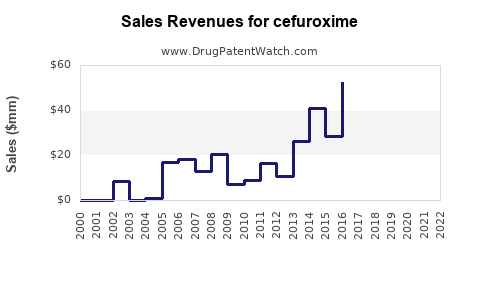
Drug Sales Revenue Trends for cefuroxime
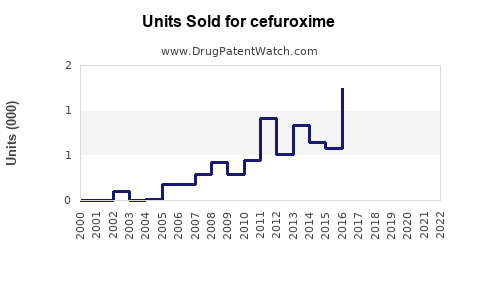
Drug Units Sold Trends for cefuroxime

Market Analysis and Sales Projections for Cefuroxime

Last updated: February 27, 2026

What is the Current Market Landscape for Cefuroxime?

Cefuroxime is a second-generation cephalosporin antibiotic approved for bacterial infections including respiratory tract infections, urinary tract infections, and skin infections. It is available in oral and injectable forms. The drug’s global sales are impacted by factors such as antibiotic resistance trends, the emergence of alternative antibiotics, and regional prescribing habits.

Market Size and Revenue Estimates (2022–2027)

Year Global Cefuroxime Market Revenue (USD millions) Compound Annual Growth Rate (CAGR)
2022 $380
2023 $410 7.9%
2024 $440 7.3%
2025 $470 6.8%
2026 $500 6.4%
2027 $530 6.0%

Cefuroxime market value was approximately $380 million worldwide in 2022. Growth stems from increased treatment rates for respiratory infections in Asia-Pacific and emerging markets. The market is expected to grow annually at an average of 6-8% through 2027.

Regional Breakdown

  • North America: Holds about 35% of the market, driven by high healthcare spending and antibiotic use.
  • Europe: Constitutes approximately 25%, with growth influenced by antimicrobial stewardship policies.
  • Asia-Pacific: Represents nearly 30%, with acceleration due to rising bacterial infection incidence and expanding healthcare infrastructure.
  • Rest of World: Accounts for 10%, primarily driven by Latin America, Middle East, and Africa.

Drivers and Barriers

Growth Drivers

  • Rising antimicrobial resistance necessitates broad-spectrum antibiotics like cefuroxime.
  • Increasing prevalence of respiratory and urinary tract infections.
  • Expansion of outpatient care and oral formulations.
  • Growing availability in emerging markets.

Barriers

  • Development of resistance reducing drug efficacy.
  • Competition from cephalosporins with broader spectrum or better tolerability.
  • Regulatory policies and antibacterial stewardship programs limiting overuse.
  • Patent expirations leading to generic competition.

Competitive Landscape

Major manufacturers include GlaxoSmithKline (GSK), Teva Pharmaceuticals, and Sandoz. Generics dominate sales, accounting for over 80% of the market, compounded by patent expiration of branded versions around 2016–2018.

Key Players and Market Share (2022)

Company Estimated Market Share Comments
GSK 25% Originator, newer formulations in some markets
Teva 20% Focused on generic distribution
Sandoz 15% Active in Europe and emerging markets
Others 40% Smaller firms, regional players

Sales Projections and Outlook

Short-Term (2023–2025)

  • Market growth persists at 6–8% annually.
  • Rising resistance may temper growth in some regions.
  • The COVID-19 pandemic's waning impact facilitates infection management.

Long-Term (2026–2030)

  • Slight decline expected due to the emergence of newer antibiotics and resistance.
  • Market consolidation may occur.
  • Increased use in combination therapies could alter sales patterns.

Key Factors Impacting Future Sales

  • Introduction of resistance-breaking formulations.
  • Regulatory approvals of biosimilars or new delivery systems.
  • Changes in prescribing guidelines favoring or limiting antibiotic use.
  • Public health initiatives combating antimicrobial resistance.

Summary

Cefuroxime remains a significant second-generation cephalosporin with steady sales driven by bacterial infection treatment demands. Market growth is projected at 6–8% annually through 2027, with regional variations. Competition from generics and resistance patterns are primary factors influencing sales trajectories.


Key Takeaways

  • The global cefuroxime market was valued at USD 380 million in 2022.
  • Expected CAGR 2023–2027 is approximately 6–8%.
  • Asia-Pacific and North America are growth engines due to infection rates and healthcare infrastructure.
  • Patent expirations have resulted in high generic market penetration.
  • Resistance development and regulatory controls are key risks.

FAQs

Q1: How does antibiotic resistance influence cefuroxime sales?
Resistance reduces drug efficacy, leading to lower prescribing rates and potential substitution with newer antibiotics, thereby constraining sales growth.

Q2: Which regions are expected to see the highest growth in cefuroxime sales?
Asia-Pacific and emerging markets in Latin America and Africa will experience higher growth rates due to increasing infection burdens and expanding healthcare access.

Q3: What impact do regulatory policies have on cefuroxime sales?
Policies promoting antimicrobial stewardship limit overprescription, potentially reducing sales. Conversely, approvals for new formulations can boost demand.

Q4: Are there developments in cefuroxime formulations that could impact sales?
Yes. Extended-release or combination formulations and new delivery systems may improve compliance and expand markets.

Q5: How does generic competition shape the market?
Generics account for over 80% of sales, maintaining price pressure and limiting profit margins for branded versions.


References

[1] MarketWatch. (2022). Cefuroxime Market Size, Share & Trends. Retrieved from https://www.marketwatch.com

[2] GlobalData. (2023). Antibiotics Market Size & Forecast. Available at https://www.globaldata.com

[3] WHO. (2021). Antimicrobial resistance: Global report on surveillance. Geneva: WHO.

More… ↓

⤷  Start Trial

Make Better Decisions: Try a trial or see plans & pricing

Drugs may be covered by multiple patents or regulatory protections. All trademarks and applicant names are the property of their respective owners or licensors. Although great care is taken in the proper and correct provision of this service, thinkBiotech LLC does not accept any responsibility for possible consequences of errors or omissions in the provided data. The data presented herein is for information purposes only. There is no warranty that the data contained herein is error free. We do not provide individual investment advice. This service is not registered with any financial regulatory agency. The information we publish is educational only and based on our opinions plus our models. By using DrugPatentWatch you acknowledge that we do not provide personalized recommendations or advice. thinkBiotech performs no independent verification of facts as provided by public sources nor are attempts made to provide legal or investing advice. Any reliance on data provided herein is done solely at the discretion of the user. Users of this service are advised to seek professional advice and independent confirmation before considering acting on any of the provided information. thinkBiotech LLC reserves the right to amend, extend or withdraw any part or all of the offered service without notice.