Market analysis and sales projections for ALREX (lefamulin)
Last updated: February 14, 2026
Overview
ALREX (lefamulin) is a broad-spectrum antibiotic approved by the FDA in August 2019 for treating community-acquired bacterial pneumonia (CABP). It is administered intravenously and orally. Its unique pharmacokinetic profile and efficacy position ALREX within the niche of acute bacterial infection management, primarily targeting hospital settings.
Market Landscape
Target Indications & Patient Population
Primary: CABP, affecting approximately 3 million cases annually in the U.S. (CDC, 2020).
Secondary: Other respiratory infections and SSTIs (skin and soft tissue infections).
Competitive Position
Competes with antibiotics such as moxifloxacin, levofloxacin, ceftriaxone, amoxicillin-clavulanate.
Lacks peer-based oral/IV formulations with the same spectrum of activity.
Advantages include efficacy against drug-resistant strains like MRSA and atypicals.
Market Dynamics
Rising antibiotic resistance increases demand for new antibiotics like lefamulin.
The global antibiotics market was valued at USD 48.9 billion in 2020, projected to reach USD 56 billion by 2025 (MarketsandMarkets).
Regulatory & Reimbursement Environment
FDA approval provides pathway to U.S. reimbursement.
Antibiotics often face pricing pressures; however, orphan designation and limited competition may moderate this.
Sales Projections
Initial Adoption Phase (Year 1-2)
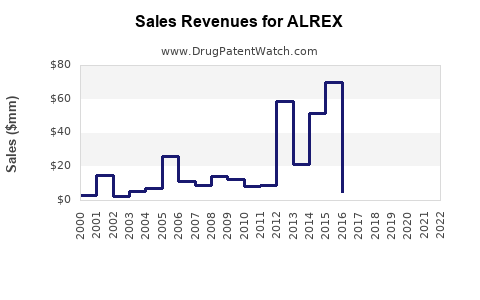
Estimated U.S. sales in 2023: USD 50-70 million.
Factors: Physician acceptance, hospital formulary inclusion, and insurance reimbursement.
Growth Phase (Year 3-5)
Projected U.S. sales: USD 150-250 million by 2025.
International expansion scoped to European markets and select Asia-Pacific countries.
Additional approvals needed for global sales.
Long-term Outlook (Year 5 and beyond)
Peak U.S. sales estimate: USD 300-500 million.
Driven by increased indications, resistance management, and potential combination therapies.
Market Share & Revenue Drivers
Adoption rate depends on:
Competitive pricing relative to existing therapies.
Institutional marketing and key opinion leader endorsement.
Key resistance considerations:
Ensuring efficacy against resistant strains for sustained market relevance.
Potential generic entry is unlikely soon due to patent protections.
Risks & Challenges
Clinical adoption may lag due to conservative prescribing behaviors.
Competition from established antibiotics with broader historical use.
Potential regulatory or reimbursement hurdles in non-U.S. markets.
Summary
ALREX enters a growing antibiotics market with clear niche advantages in resistant infections. Early sales depend on hospital adoption, with substantial growth possible if clinical data supports expanded indications and international approvals are secured. Long-term success hinges on resistance trends and competitive positioning.
Key Takeaways
ALREX targets resistant bacterial pneumonia with limited direct competition.
Initial U.S. sales are expected at USD 50-70 million, reaching up to USD 250 million by year 5.
International market expansion remains a significant growth opportunity.
Pricing and insurance reimbursement will influence market penetration.
Resistance patterns and clinical acceptance are fundamental to long-term sales.
FAQs
What are the main barriers to ALREX’s market penetration?
Regulatory approval delays outside the U.S., clinical adoption resistance, and pricing pressures.
How does ALREX compare to existing antibiotics?
It offers activity against resistant strains and has a dual oral-intravenous formulation, which existing drugs may lack.
What is the likelihood of global expansion?
High, contingent on regulatory approval and proven superior efficacy or safety profiles.
How do resistance trends influence sales?
Increasing resistance enhances demand, strengthening ALREX’s position as a treatment for difficult infections.
What is the main competitive advantage?
Efficacy against resistant bacteria and ease of administration.
References
[1] CDC. (2020). Antibiotic Use in the United States.
[2] MarketsandMarkets. (2021). Antibiotics Market by Route of Administration, Type.
Drugs may be covered by multiple patents or regulatory protections. All trademarks and applicant names are the property of their respective owners or licensors.
Although great care is taken in the proper and correct provision of this service, thinkBiotech LLC does not accept any responsibility for possible consequences of errors or omissions in the provided data.
The data presented herein is for information purposes only. There is no warranty that the data contained herein is error free.
We do not provide individual investment advice. This service is not registered with any financial regulatory agency. The information we publish is educational only and based on our opinions plus our models.
By using DrugPatentWatch you acknowledge that we do not provide personalized recommendations or advice.
thinkBiotech performs no independent verification of facts as provided by public sources nor are attempts made to provide legal or investing advice. Any reliance on data provided herein is done solely at the discretion of the user.
Users of this service are advised to seek professional advice and independent confirmation before considering acting on any of the provided information. thinkBiotech LLC reserves the right to amend, extend or withdraw any part or all of the offered service without notice.
Alerts Available With Subscription
Alerts are available for users with active subscriptions.