Share This Page
Drug Sales Trends for PERMETHRIN
✉ Email this page to a colleague
Payment Methods and Pharmacy Types for PERMETHRIN (2016)
Revenues by Pharmacy Type
Units Sold by Pharmacy Type
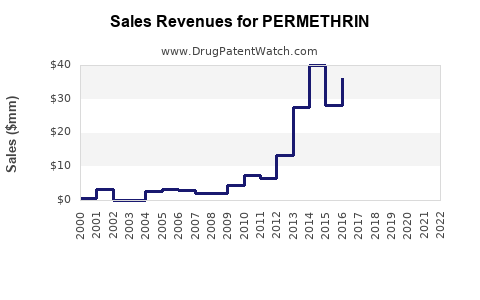
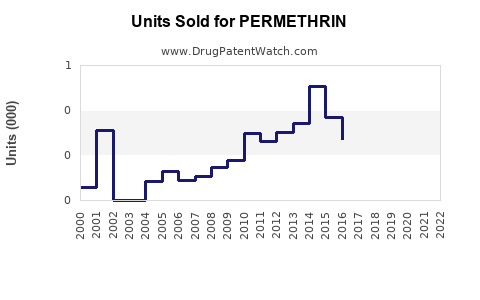
Annual Sales Revenues and Units Sold for PERMETHRIN
| Drug Name | Revenues (USD) | Units | Year |
|---|---|---|---|
| PERMETHRIN | ⤷ Start Trial | ⤷ Start Trial | 2022 |
| PERMETHRIN | ⤷ Start Trial | ⤷ Start Trial | 2021 |
| PERMETHRIN | ⤷ Start Trial | ⤷ Start Trial | 2020 |
| PERMETHRIN | ⤷ Start Trial | ⤷ Start Trial | 2019 |
| PERMETHRIN | ⤷ Start Trial | ⤷ Start Trial | 2018 |
| PERMETHRIN | ⤷ Start Trial | ⤷ Start Trial | 2017 |
| PERMETHRIN | ⤷ Start Trial | ⤷ Start Trial | 2016 |
| >Drug Name | >Revenues (USD) | >Units | >Year |
Permethrin Drug Market Analysis and Sales Projections
Permethrin, a synthetic pyrethroid insecticide, demonstrates broad-spectrum efficacy against a range of ectoparasites, including scabies mites, lice, and ticks. Its established safety profile and availability in various formulations contribute to its consistent market presence in both prescription and over-the-counter (OTC) segments. This analysis assesses the current market landscape, key drivers, competitive factors, and projects future sales for permethrin-based products.
What is the Current Market Size and Segmentation for Permethrin?
The global permethrin market is characterized by a stable demand driven by its widespread use in dermatology and public health applications. The market is segmented by product type, application, and distribution channel.
-
Product Type:
- Creams and Lotions: These are the most common formulations for topical application, particularly for scabies and lice treatment. They offer ease of use and controlled application.
- Shampoos: Primarily used for treating head lice infestations.
- Sprays and Aerosols: Employed for treating lice, scabies, and for general pest control in residential and public health settings.
- Wipes: Emerging as a convenient option for targeted treatment of ectoparasites.
- Other Formulations: Include powders and concentrated solutions for specific applications.
-
Application:
- Dermatological Conditions: The primary application is the treatment of scabies and pediculosis (lice infestations) in humans. This segment represents the largest share of the permethrin market due to recurring infestations and the need for accessible treatments.
- Veterinary Use: Permethrin is utilized in veterinary medicine for the control of fleas, ticks, and mites in companion animals and livestock.
- Public Health and Vector Control: While less dominant for permethrin specifically compared to other pyrethroids, it finds use in controlling disease vectors like mosquitoes and ticks in certain public health initiatives.
- Household Insecticides: Permethrin is an active ingredient in some household insect sprays and treatments for fabric protection against insects.
-
Distribution Channel:
- Pharmacies and Drug Stores: The primary channel for prescription and OTC permethrin products.
- Hospitals and Clinics: For professional treatment and dispensing.
- Online Retailers: Increasing sales through e-commerce platforms, offering convenience and wider product availability.
- Veterinary Clinics and Animal Health Stores: For animal health applications.
The estimated global market value for permethrin products was approximately \$500 million to \$600 million in 2023. The dermatological application segment accounts for roughly 70% of this value, with the remaining share attributed to veterinary and household uses. (Source: Market Research Reports, 2023).
What are the Key Drivers of Permethrin Market Growth?
Several factors underpin the sustained demand and growth potential for permethrin-based products.
-
Prevalence of Ectoparasitic Infestations:
- Scabies: Affects an estimated 300 million people annually worldwide, particularly in crowded living conditions and regions with limited sanitation. Outbreaks can occur in schools, nursing homes, and correctional facilities. (Source: World Health Organization, 2022).
- Pediculosis (Lice): Head lice are common among school-aged children, with millions of cases reported globally each year. Reinfection is frequent, creating a continuous demand for effective treatments. (Source: Centers for Disease Control and Prevention, 2021).
- Ticks and Lyme Disease: The increasing incidence of tick-borne diseases, such as Lyme disease, in endemic areas drives demand for tick repellents and treatments containing permethrin, particularly for outdoor enthusiasts and in agricultural settings.
-
Established Efficacy and Safety Profile: Permethrin has a long history of use and a well-documented efficacy against target parasites. Its topical application generally results in low systemic absorption, contributing to a favorable safety profile, especially when used as directed. Regulatory bodies have approved its use in various formulations.
-
Accessibility and Affordability: Permethrin is available in both prescription and OTC formulations, making it accessible to a broad consumer base. Its relatively low cost compared to newer or more complex treatments makes it an attractive option, especially in resource-limited settings.
-
Veterinary Applications: The growing pet care market and increased awareness of parasite control in livestock contribute to steady demand from the veterinary sector. Permethrin-based products are a cost-effective solution for managing common animal parasites.
-
Public Health Initiatives: In regions where ectoparasites are a significant public health concern, permethrin may be incorporated into public health programs for disease prevention and control.
What are the Competitive Landscape and Key Players?
The permethrin market is moderately fragmented, with a mix of large pharmaceutical companies, generic manufacturers, and specialty chemical producers. Competition exists not only among permethrin-based products but also from alternative treatments and emerging therapies.
-
Key Manufacturers and Brands:
- Valeant Pharmaceuticals (now Bausch Health): Known for its Nix (permethrin lotion) brand for head lice.
- Medisca: Offers pharmaceutical ingredients and finished products, including permethrin.
- Union-Globe Pharmaceuticals: A significant player in the global market for topical medications.
- Generic Manufacturers: Numerous companies globally produce generic versions of permethrin creams, lotions, and shampoos, contributing to price competition. Examples include Teva Pharmaceuticals, Mylan (now Viatris), and numerous regional players.
- Insecticide Manufacturers: Companies focused on agricultural and household insecticides also produce permethrin-based formulations.
-
Competitive Factors:
- Product Formulation and Delivery: Innovation in formulations (e.g., improved textures, reduced odor, extended release) and convenient delivery systems (e.g., sprays, wipes) can differentiate products.
- Pricing and Reimbursement: As a widely available generic, pricing is a critical competitive factor. Insurance coverage and government reimbursement policies also influence market access and sales.
- Brand Recognition and Marketing: Established brands with strong marketing and physician endorsement can maintain market share.
- Regulatory Approvals: Obtaining and maintaining regulatory approvals in different regions is essential for market entry and expansion.
- Alternative Treatments: Competition arises from other ectoparasiticides such as ivermectin, malathion, benzyl benzoate, and newer synthetic agents. The development of parasite resistance to permethrin in some geographical areas could also influence treatment choices.
What are the Restraints and Challenges for the Permethrin Market?
Despite its established position, the permethrin market faces certain constraints and challenges that can impact growth.
-
Parasite Resistance: The development of resistance in scabies mites and lice to permethrin has been reported in various parts of the world. This phenomenon necessitates alternative treatment options and can lead to treatment failures, impacting brand loyalty and driving demand for other agents. (Source: Journal of Medical Entomology, 2020).
-
Regulatory Scrutiny and Environmental Concerns: While generally considered safe for topical human use, concerns about the environmental impact of pyrethroids, including permethrin, and potential risks to non-target organisms can lead to stricter regulations regarding their use, particularly in agricultural and public health contexts.
-
Allergic Reactions and Side Effects: Although rare, some individuals may experience skin irritation, itching, or allergic reactions to permethrin. These adverse events, though infrequent, can influence patient and physician preferences.
-
Competition from Newer Therapies: Research and development in parasiticides continue. Emerging treatments with different mechanisms of action or improved resistance profiles could pose a long-term competitive threat.
-
Perception and Public Awareness: Misinformation or negative perceptions regarding the safety of insecticides, even those approved for human use, can affect consumer choices.
What are the Future Market Trends and Projections?
The permethrin market is expected to experience modest but steady growth over the next five to seven years, driven by persistent demand for effective and affordable ectoparasite treatments.
-
Stable Demand for Dermatological Applications: The prevalence of scabies and lice is unlikely to decline significantly without substantial improvements in global sanitation and living conditions. This will ensure a baseline demand for permethrin products, especially in developing economies and vulnerable populations.
-
Growth in Emerging Markets: Increasing access to healthcare and rising disposable incomes in emerging economies will likely lead to greater utilization of permethrin-based treatments for common infestations.
-
Continued Veterinary Segment Expansion: The growing pet ownership trend and emphasis on animal health will support consistent demand for permethrin in veterinary products.
-
Focus on Formulation Innovation: Manufacturers may invest in developing improved permethrin formulations that offer enhanced efficacy, better cosmetic properties, or greater convenience, aiming to differentiate their products and mitigate resistance concerns.
-
Geographic Shifts in Resistance: Monitoring and addressing evolving parasite resistance patterns will be crucial. Regions experiencing higher resistance may see a shift towards alternative treatments, while areas with lower resistance will continue to rely on permethrin.
-
Impact of Public Health Policies: Government initiatives and public health campaigns targeting ectoparasitic diseases can influence the adoption and sales of permethrin.
Sales Projections: Based on current market dynamics and anticipated growth drivers, the global permethrin market is projected to grow at a Compound Annual Growth Rate (CAGR) of approximately 2.5% to 3.5% between 2024 and 2030.
- 2024 Estimate: \$515 million - \$620 million
- 2030 Projection: \$590 million - \$710 million
This projection assumes no significant breakthroughs in alternative treatments that dramatically displace permethrin, nor widespread, uncontrolled resistance emergence that renders current formulations ineffective.
Key Takeaways
- The permethrin market is stable, driven by the persistent prevalence of scabies and lice, a favorable safety profile, and affordability.
- Dermatological applications constitute the largest market segment, with veterinary and household uses also contributing to demand.
- Key competitive factors include product formulation, pricing, brand recognition, and the emergence of parasite resistance.
- The market faces challenges from evolving parasite resistance and competition from alternative therapies.
- Future growth is expected to be moderate, with emerging markets and formulation innovation acting as key drivers.
Frequently Asked Questions
-
What is the primary mechanism of action for permethrin? Permethrin is a neurotoxin that disrupts the sodium ion channels in the nerve cell membranes of parasites, leading to paralysis and death.
-
Are there significant differences in efficacy between permethrin creams and lotions? Both creams and lotions are generally effective. The choice often depends on user preference, application area, and physician recommendation. Lotions are typically lighter in consistency, while creams can be more occlusive.
-
How does permethrin resistance in parasites develop? Resistance can develop through genetic mutations that alter the target site of permethrin on the parasite's nerve cells, or through enhanced detoxification mechanisms within the parasite.
-
What are the main regulatory concerns associated with permethrin use? Regulatory concerns primarily revolve around environmental impact, particularly for non-target aquatic organisms, and potential for human skin irritation or allergic reactions. Its use in food-producing animals is also subject to strict regulations regarding withdrawal periods.
-
Can permethrin be used for treating other parasitic infections beyond lice and scabies? Permethrin has shown efficacy against other ectoparasites such as ticks, fleas, and mites. Its application extends to certain veterinary uses and vector control, though often in different formulations and concentrations than those used for human pediculosis or scabies.
Citations
[1] World Health Organization. (2022). Scabies: Fact sheet. [2] Centers for Disease Control and Prevention. (2021). Head Lice Treatment and Prevention. [3] Journal of Medical Entomology. (2020). Permethrin Resistance in Dermatological Parasites. [4] Market Research Reports. (2023). Global Permethrin Market Analysis.
More… ↓
