Share This Page
Drug Sales Trends for CLOTRIMAZOLE
✉ Email this page to a colleague
Payment Methods and Pharmacy Types for CLOTRIMAZOLE (2016)
Revenues by Pharmacy Type
Units Sold by Pharmacy Type
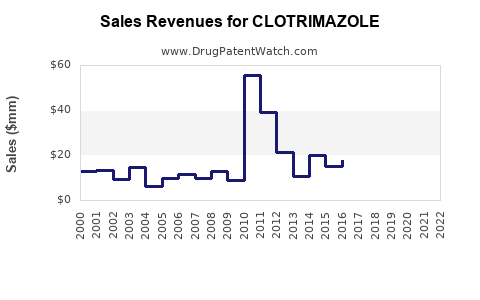
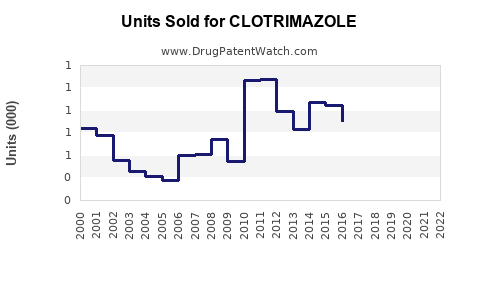
Annual Sales Revenues and Units Sold for CLOTRIMAZOLE
| Drug Name | Revenues (USD) | Units | Year |
|---|---|---|---|
| CLOTRIMAZOLE | ⤷ Start Trial | ⤷ Start Trial | 2022 |
| CLOTRIMAZOLE | ⤷ Start Trial | ⤷ Start Trial | 2021 |
| CLOTRIMAZOLE | ⤷ Start Trial | ⤷ Start Trial | 2020 |
| CLOTRIMAZOLE | ⤷ Start Trial | ⤷ Start Trial | 2019 |
| CLOTRIMAZOLE | ⤷ Start Trial | ⤷ Start Trial | 2018 |
| >Drug Name | >Revenues (USD) | >Units | >Year |

Clotrimazole Market Analysis and Sales Projections
Clotrimazole, a broad-spectrum imidazole antifungal agent, maintains a consistent presence in the global pharmaceutical market. Its established efficacy against a wide range of fungal infections, including candidiasis and dermatophytosis, underpins sustained demand across over-the-counter (OTC) and prescription segments. The market is characterized by a mature product lifecycle for branded formulations, alongside a significant and growing generic segment driven by affordability and accessibility. Key market drivers include the prevalence of superficial fungal infections, rising consumer awareness of self-treatment options, and the expanding use of clotrimazole in veterinary applications.
What is the Global Market Size for Clotrimazole?
The global clotrimazole market was valued at approximately $1.1 billion in 2023. Projections indicate continued growth, with an estimated Compound Annual Growth Rate (CAGR) of 4.5% expected over the next five years, potentially reaching $1.38 billion by 2028. This growth is primarily attributed to the persistent incidence of fungal infections globally and the increasing adoption of generic clotrimazole formulations due to their cost-effectiveness.
What are the Key Applications and Therapeutic Areas for Clotrimazole?
Clotrimazole's antifungal properties target a broad spectrum of mycoses. Its primary applications are in treating:
- Dermatophytosis: Infections of the skin, hair, and nails caused by dermatophytes, commonly known as ringworm, athlete's foot (tinea pedis), and jock itch (tinea cruris).
- Candidiasis: Fungal infections caused by Candida species, including vaginal yeast infections (vulvovaginal candidiasis), oral thrush (oral candidiasis), and cutaneous candidiasis.
- Pityriasis Versicolor: A superficial fungal infection of the skin caused by Malassezia species, resulting in discolored patches.
These applications contribute to the drug's consistent demand across various demographic groups and geographical regions.
What is the Competitive Landscape for Clotrimazole?
The clotrimazole market features a fragmented competitive landscape, dominated by a large number of generic manufacturers alongside a few established branded players. The market's maturity and the expiry of primary patents for many clotrimazole formulations have fostered intense competition, particularly within the generic segment.
Who are the Major Players in the Clotrimazole Market?
Key entities with significant market share and influence include:
- Bayer AG: Original developer of Canesten, a prominent branded clotrimazole product.
- Generic Manufacturers: A broad base of companies producing generic clotrimazole formulations. These include, but are not limited to:
- Teva Pharmaceutical Industries Ltd.
- Sun Pharmaceutical Industries Ltd.
- Dr. Reddy's Laboratories Ltd.
- Mylan N.V. (now Viatris)
- Sandoz (Novartis)
- Zydus Lifesciences Ltd.
The strategic focus for these players ranges from aggressive pricing and market penetration for generics to brand maintenance and product line extensions for branded formulations.
What are the Driving Factors for Clotrimazole Market Growth?
Several factors contribute to the sustained and projected growth of the clotrimazole market.
What is the Impact of Fungal Infection Prevalence?
The high global prevalence of superficial fungal infections is a fundamental market driver. Factors contributing to this include:
- Environmental Conditions: Warm and humid climates foster fungal growth.
- Lifestyle Factors: Increased participation in sports and outdoor activities, leading to prolonged exposure to moisture and friction.
- Immunocompromised Populations: Individuals with weakened immune systems are more susceptible to fungal infections.
- Hygiene Practices: Inadequate hygiene can increase the risk of transmission and infection.
According to the World Health Organization (WHO), dermatophytosis affects an estimated 10-20% of the global population annually, with higher rates in tropical and subtropical regions. Candidiasis also affects millions worldwide, with vaginal yeast infections being a common occurrence among women [1].
How Does Consumer Awareness and OTC Access Influence Sales?
The availability of clotrimazole as an Over-the-Counter (OTC) medication significantly boosts its accessibility and market penetration.
- Self-Treatment: Consumers can readily purchase clotrimazole creams, lotions, and pessaries for the management of common fungal infections without a prescription.
- Reduced Healthcare Costs: OTC availability allows individuals to manage their conditions without incurring physician consultation fees.
- Marketing and Education: Increased public health campaigns and pharmaceutical marketing efforts raise awareness about fungal infections and available treatment options, including clotrimazole.
The OTC segment represents a substantial portion of the clotrimazole market due to this ease of access and affordability for common ailments.
What is the Role of Veterinary Applications?
Clotrimazole is also utilized in veterinary medicine to treat fungal infections in animals, particularly skin and ear infections.
- Companion Animal Growth: The expanding pet care market, driven by increased pet ownership and a willingness to spend on animal health, contributes to demand.
- Broad-Spectrum Efficacy: Clotrimazole's effectiveness against common veterinary fungal pathogens makes it a versatile treatment option.
While a smaller segment compared to human applications, veterinary use adds a consistent revenue stream to the overall clotrimazole market.
What are the Restraining Factors and Challenges?
Despite positive growth trends, the clotrimazole market faces certain challenges and limitations.
What is the Impact of Generic Competition and Price Erosion?
The highly competitive nature of the generic drug market leads to significant price erosion.
- Low Barriers to Entry: Once primary patents expire, multiple manufacturers can produce generic versions, intensifying competition.
- Price Sensitivity: Healthcare systems and consumers often opt for the lowest-cost generic options, driving down profit margins for manufacturers.
- Market Saturation: In developed markets, the availability of numerous generic clotrimazole products can lead to market saturation, requiring aggressive sales and distribution strategies.
This price pressure necessitates efficient manufacturing processes and supply chain management for sustained profitability.
What are the Potential Risks of Antifungal Resistance?
The increasing incidence of antifungal resistance poses a long-term challenge to the efficacy of clotrimazole and other azole antifungals.
- Overuse and Misuse: Inappropriate or prolonged use of antifungals can contribute to the development of resistant fungal strains.
- Limited Novel Agents: The pipeline for novel antifungal drug development has been historically narrower compared to antibacterial agents, leaving fewer alternatives when resistance emerges.
- Public Health Concern: The emergence of multidrug-resistant fungi is a growing global health concern, potentially impacting the effectiveness of established treatments like clotrimazole.
Ongoing surveillance and responsible prescribing practices are crucial to mitigate this risk.
What is the Regulatory Landscape for Clotrimazole?
Navigating the regulatory landscape for drug approval and marketing presents a continuous challenge.
- Stringent Approval Processes: Regulatory bodies like the U.S. Food and Drug Administration (FDA) and the European Medicines Agency (EMA) have rigorous approval processes for both new drug applications (NDAs) and abbreviated new drug applications (ANDAs) for generics.
- Post-Market Surveillance: Manufacturers are subject to ongoing post-market surveillance requirements to monitor drug safety and efficacy.
- Regional Variations: Different countries have distinct regulatory requirements, necessitating localized compliance strategies for global market access.
Compliance with evolving regulatory standards is essential for market access and sustained sales.
What are the Future Market Trends and Opportunities?
Several trends and opportunities are poised to shape the future trajectory of the clotrimazole market.
What is the Potential of Combination Therapies?
The development of combination therapies offers a significant opportunity to enhance efficacy and address resistant strains.
- Synergistic Effects: Combining clotrimazole with other antifungal agents or active ingredients could provide broader spectrum coverage and overcome resistance mechanisms.
- Addressing Complex Infections: For stubborn or mixed fungal infections, a multi-pronged approach can lead to better patient outcomes.
- Product Differentiation: Novel combination formulations can offer product differentiation in a crowded generic market.
Research into such combinations is ongoing and could lead to new product launches.
How Will Emerging Markets Drive Growth?
Emerging economies represent a substantial growth opportunity for clotrimazole.
- Increasing Healthcare Access: As healthcare infrastructure improves in developing nations, access to essential medicines like clotrimazole expands.
- Rising Disposable Incomes: Growing economies lead to increased disposable incomes, enabling more individuals to afford necessary medical treatments.
- High Prevalence of Fungal Infections: Many emerging markets are in regions with favorable climates for fungal growth, leading to a higher incidence of infections.
Targeted market entry and affordable pricing strategies are key to capitalizing on these opportunities.
What is the Impact of Technological Advancements in Drug Delivery?
Advancements in drug delivery systems can enhance the therapeutic profile of clotrimazole.
- Improved Bioavailability: Novel delivery mechanisms can increase the absorption and effectiveness of topical formulations.
- Enhanced Patient Compliance: Development of user-friendly dosage forms, such as longer-acting topical formulations or improved oral delivery systems, can improve patient adherence to treatment regimens.
- Targeted Delivery: Research into targeted drug delivery could reduce systemic exposure and minimize side effects.
Innovation in formulation technology can create value and extend product lifecycles.
Sales Projections
Based on the current market dynamics, growth drivers, and identified challenges, the following sales projections for clotrimazole are estimated:
Global Clotrimazole Market Sales Projections (2024-2028)
| Year | Estimated Market Value (USD Billion) | CAGR (%) |
|---|---|---|
| 2024 | 1.15 | 4.5% |
| 2025 | 1.20 | 4.3% |
| 2026 | 1.25 | 4.2% |
| 2027 | 1.31 | 4.2% |
| 2028 | 1.38 | 4.4% |
These projections assume a continued stable prevalence of fungal infections, ongoing generic competition leading to incremental volume growth, and limited emergence of significant disruptive technologies or widespread resistance issues impacting efficacy.
Key Takeaways
The clotrimazole market is a stable, albeit mature, segment of the antifungal drug sector. Its established efficacy and broad applicability against common fungal infections ensure consistent demand. The market is characterized by robust generic competition, driving affordability and accessibility. Key growth catalysts include the high global prevalence of fungal infections, increasing consumer self-treatment via OTC channels, and expanding veterinary applications. However, intense price pressure from generics and the looming threat of antifungal resistance present significant challenges. Future growth opportunities lie in emerging markets, the development of combination therapies, and advancements in drug delivery systems.
Frequently Asked Questions
What are the most common side effects associated with clotrimazole use?
Common side effects of topical clotrimazole include skin irritation, redness, itching, stinging, and blistering at the application site. Oral clotrimazole can cause gastrointestinal upset, nausea, vomiting, and diarrhea.
Is clotrimazole effective against all types of fungal infections?
Clotrimazole is effective against a wide range of fungal infections caused by yeasts and dermatophytes. However, it may not be effective against all fungal species, particularly certain molds and systemic fungal infections requiring different therapeutic agents.
How does clotrimazole work to treat fungal infections?
Clotrimazole is an imidazole antifungal agent that works by inhibiting the synthesis of ergosterol, a crucial component of fungal cell membranes. This disruption leads to increased membrane permeability and ultimately, fungal cell death.
What is the difference between clotrimazole and other common antifungals like fluconazole?
Clotrimazole is primarily used topically for superficial fungal infections, though oral formulations exist for certain internal infections. Fluconazole is a systemic azole antifungal, typically administered orally or intravenously, and is used for a broader range of fungal infections, including more serious or systemic ones.
Can clotrimazole be used by pregnant or breastfeeding women?
Topical clotrimazole is generally considered safe for use during pregnancy and breastfeeding when used as directed. However, it is essential to consult with a healthcare professional before using any medication during pregnancy or while breastfeeding. Oral clotrimazole use during pregnancy requires careful medical evaluation.
Citations
[1] World Health Organization. (n.d.). Antifungal resistance. Retrieved from [WHO website or relevant publication on antifungal resistance]
More… ↓
