Share This Page
Drug Sales Trends for MOMETASONE
✉ Email this page to a colleague
Payment Methods and Pharmacy Types for MOMETASONE (2013)
Revenues by Pharmacy Type
Units Sold by Pharmacy Type
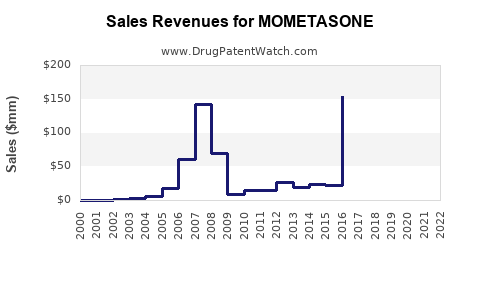
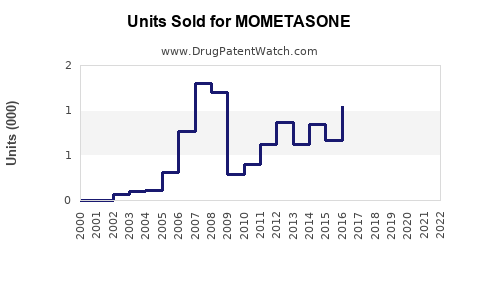
Annual Sales Revenues and Units Sold for MOMETASONE
| Drug Name | Revenues (USD) | Units | Year |
|---|---|---|---|
| MOMETASONE | ⤷ Start Trial | ⤷ Start Trial | 2022 |
| MOMETASONE | ⤷ Start Trial | ⤷ Start Trial | 2021 |
| MOMETASONE | ⤷ Start Trial | ⤷ Start Trial | 2020 |
| MOMETASONE | ⤷ Start Trial | ⤷ Start Trial | 2019 |
| >Drug Name | >Revenues (USD) | >Units | >Year |
Mometasone: Market Analysis and Sales Projections
Mometasone, a potent corticosteroid, commands a significant market share across multiple therapeutic areas, including respiratory, dermatological, and allergic conditions. Its efficacy and established safety profile drive consistent demand. The global mometasone market is projected to reach approximately $4.5 billion by 2028, growing at a compound annual growth rate (CAGR) of 5.2% from 2023. This growth is attributed to increasing prevalence of chronic respiratory diseases, rising awareness of allergic rhinitis management, and the expanding applications in dermatology.
What is the Current Market Landscape for Mometasone?
The mometasone market is characterized by a strong presence of both branded and generic manufacturers. Key market segments include:
- Product Type: Mometasone furoate is the predominant active pharmaceutical ingredient (API) in marketed products. It is available in various formulations, including nasal sprays, inhalers, topical creams, ointments, and lotions.
- Therapeutic Area:
- Respiratory: Asthma and allergic rhinitis represent the largest segments, driven by the widespread use of mometasone nasal sprays and inhalers.
- Dermatology: Eczema, psoriasis, and other inflammatory skin conditions are treated with topical mometasone formulations.
- Allergy: Seasonal and perennial allergic rhinitis contribute significantly to market demand.
- Distribution Channel:
- Hospital Pharmacies: Primary channel for prescription-based products.
- Retail Pharmacies: Significant for both prescription and over-the-counter (OTC) availability of certain mometasone products.
- Online Pharmacies: Growing channel, offering convenience and competitive pricing.
- Geography: North America and Europe are the largest markets due to high healthcare expenditure, established healthcare infrastructure, and high prevalence of target diseases. Asia-Pacific is the fastest-growing region, fueled by increasing healthcare access, rising disposable incomes, and a growing pharmaceutical manufacturing base.
Major Mometasone Products and Their Market Position
| Product Name | API | Formulation | Primary Indication | Key Manufacturers | Market Status |
|---|---|---|---|---|---|
| Nasonex | Mometasone | Nasal Spray | Allergic Rhinitis | Organon (formerly Merck) | Market Leader (Branded) |
| Asmanex | Mometasone | Inhaler | Asthma | Organon (formerly Merck) | Significant Market Share (Branded) |
| Elocon | Mometasone | Cream, Ointment | Dermatitis, Psoriasis | Bayer | Strong Position (Branded) |
| Generic Equivalents | Mometasone | All | All | Teva, Mylan, Sun Pharma | Increasing Market Share due to Cost-Effectiveness |
What are the Key Drivers of Mometasone Market Growth?
Several factors contribute to the sustained growth of the mometasone market:
- Rising Prevalence of Chronic Respiratory Diseases: The global incidence of asthma and chronic obstructive pulmonary disease (COPD) continues to rise. The World Health Organization (WHO) estimates that asthma affects 262 million people annually [1]. Mometasone's role as a first-line treatment in many asthma management guidelines, particularly for controlling inflammation, ensures consistent demand.
- Increased Awareness and Diagnosis of Allergic Rhinitis: Allergic rhinitis, affecting up to 40% of the global population [2], is increasingly recognized and diagnosed. Mometasone nasal sprays are highly effective for symptom relief, making them a preferred choice for patients and physicians.
- Growing Demand for Dermatological Treatments: Inflammatory skin conditions like eczema and psoriasis, which affect millions worldwide, are increasingly treated with topical corticosteroids. Mometasone's potent anti-inflammatory and antipruritic properties make it a valuable option. The market for dermatology drugs is projected to reach $22.9 billion by 2026 [3].
- Expansion of Generic Mometasone Products: The expiry of patents for key branded mometasone products has led to the introduction of numerous generic versions. These generics offer a more affordable alternative, expanding market access, particularly in emerging economies. This competition, while impacting branded sales, drives overall volume growth.
- Technological Advancements in Drug Delivery: Innovations in inhaler and nasal spray devices are improving patient compliance and efficacy. For instance, metered-dose inhalers (MDIs) and dry powder inhalers (DPIs) are being refined for better drug delivery to the lungs.
- Aging Global Population: The demographic shift towards an older population is associated with a higher incidence of chronic diseases, including respiratory and inflammatory conditions, thereby increasing the demand for relevant treatments like mometasone.
What are the Challenges Facing the Mometasone Market?
Despite robust growth, the mometasone market encounters several challenges:
- Stringent Regulatory Hurdles: The approval process for new drug formulations and indications is lengthy and expensive, requiring extensive clinical trials to demonstrate safety and efficacy.
- Competition from Alternative Therapies: While mometasone remains a cornerstone, the market sees competition from other drug classes, including biologic therapies for severe asthma and eczema, and newer non-steroidal anti-inflammatory drugs. The development of immunotherapies for allergic rhinitis also presents a long-term challenge.
- Side Effects and Long-Term Safety Concerns: Like all corticosteroids, mometasone use, particularly long-term or high-dose, can be associated with side effects such as local irritation, adrenal suppression, and effects on bone mineral density. These concerns can limit prescribing in certain patient populations and drive the search for safer alternatives.
- Price Erosion due to Generic Competition: The intense competition from generic manufacturers leads to significant price erosion, impacting the profitability of both branded and generic products. Manufacturers must focus on volume to maintain revenue.
- Increasing Healthcare Costs and Payer Pressures: Healthcare systems worldwide are under pressure to control costs. Payers, including insurance companies and government health programs, are increasingly scrutinizing drug prices and may favor lower-cost alternatives or mandate the use of generics, limiting market opportunities for premium-priced products.
- Limited Opportunities for Novel Formulations: Given mometasone's long market presence and established formulations, the scope for developing truly novel and disruptive delivery systems or indications is becoming narrower.
What are the Future Market Projections and Growth Opportunities?
The mometasone market is expected to continue its upward trajectory, driven by ongoing demand and emerging opportunities:
- Projected Market Size: The global mometasone market is forecast to reach approximately $4.5 billion by 2028, exhibiting a CAGR of 5.2% from 2023 to 2028 [4].
- Growth in Emerging Markets: Asia-Pacific, Latin America, and the Middle East and Africa are poised for significant growth. Factors include improving healthcare infrastructure, rising disposable incomes, increasing awareness of chronic diseases, and a growing generic pharmaceutical industry.
- Expansion of Indications: While existing indications are substantial, ongoing research may lead to expanded use in niche inflammatory conditions or in combination therapies.
- Development of Combination Products: The development of fixed-dose combination products, such as mometasone with long-acting bronchodilators for asthma, or mometasone with antihistamines for allergic rhinitis, can offer improved patient adherence and therapeutic outcomes, creating new market segments.
- Focus on Specific Patient Populations: Tailoring mometasone formulations or treatment regimens for specific patient groups (e.g., pediatric populations, elderly with comorbidities) could unlock new market potential.
- Improved Drug Delivery Technologies: While incremental, advancements in inhaler and nasal spray technology that enhance ease of use, reduce systemic absorption, and improve targeted delivery will continue to support market demand.
Geographic Market Breakdown (Projected 2028)
| Region | Market Share (Estimated %) | CAGR (2023-2028) | Key Drivers |
|---|---|---|---|
| North America | 35% | 4.8% | High prevalence of asthma/allergies, advanced healthcare systems |
| Europe | 30% | 5.0% | Robust R&D, strong demand for allergy and respiratory treatments |
| Asia-Pacific | 25% | 6.5% | Growing populations, increasing healthcare access, generic market |
| Rest of World | 10% | 5.5% | Improving infrastructure, rising disease awareness |
What is the Competitive Landscape for Mometasone?
The competitive landscape for mometasone is dynamic, influenced by the presence of established pharmaceutical giants and agile generic manufacturers.
-
Key Players:
- Organon (formerly Merck): Dominant player with flagship brands like Nasonex and Asmanex. Their strong R&D pipeline and global distribution network provide a significant advantage.
- Bayer: Holds a strong position in the topical dermatological market with brands like Elocon.
- Teva Pharmaceutical Industries: A leading generic pharmaceutical company, offering a wide range of mometasone generics across various formulations.
- Viatris (Mylan): Another major generic player with a substantial portfolio of mometasone products.
- Sun Pharmaceutical Industries: A significant global pharmaceutical company with a growing presence in generics and branded generics, including mometasone.
- Cipla: A key player in emerging markets, offering affordable mometasone formulations.
-
Market Strategies:
- Branded Manufacturers: Focus on product differentiation through advanced delivery systems, fixed-dose combinations, and aggressive marketing to maintain market share. They also leverage their established brand recognition and physician relationships.
- Generic Manufacturers: Compete primarily on price and accessibility. Strategies include developing bioequivalent generics quickly after patent expiry, optimizing manufacturing costs, and targeting high-volume markets.
- Strategic Partnerships and Acquisitions: Companies engage in partnerships for co-marketing, distribution, or R&D collaborations to expand market reach and product portfolios. Acquisitions are used to consolidate market share and gain access to new technologies or markets.
Recent Market Developments and Trends
- Increased focus on OTC availability: Some regulatory bodies are reviewing or have approved certain mometasone nasal sprays for OTC sale, which could significantly expand market access and sales volumes. For example, Nasonex 24HR Allergy received OTC approval in the U.S. in early 2020 [5].
- Growth in combination inhalers: The market for combination inhalers, such as mometasone furoate and formoterol fumarate dihydrate, continues to grow as they offer a convenient and effective treatment option for asthma patients.
- Investment in respiratory drug development: Despite generic competition, pharmaceutical companies continue to invest in R&D for new respiratory therapies, including new formulations and delivery devices for inhaled corticosteroids like mometasone.
- Consolidation within the generic market: Increased competition and price pressures are driving consolidation among generic manufacturers, leading to larger entities with greater economies of scale.
Key Takeaways
The mometasone market is a stable and growing segment of the pharmaceutical industry, driven by the enduring prevalence of respiratory and dermatological conditions. The market is characterized by a dual presence of established branded products and a rapidly expanding generic landscape. Future growth will be shaped by continued demand in developed markets, accelerated expansion in emerging economies, and potential new indications or improved delivery systems. However, challenges such as intense price competition from generics, regulatory complexities, and the emergence of alternative therapies necessitate strategic adaptation from all market participants.
FAQs
-
What is the primary therapeutic area driving mometasone sales? Respiratory conditions, specifically asthma and allergic rhinitis, represent the largest therapeutic area for mometasone sales, primarily due to the widespread use of nasal sprays and inhalers.
-
How does the increasing prevalence of allergic rhinitis impact the mometasone market? The rising incidence and better diagnosis of allergic rhinitis directly increase demand for mometasone nasal sprays, which are highly effective in managing its symptoms.
-
What is the impact of generic mometasone products on the market? Generic mometasone products increase market accessibility by lowering costs, thereby driving volume growth, but also exert significant downward pressure on prices, impacting the profitability of branded products.
-
Are there any significant side effects associated with mometasone use that could limit market growth? While generally safe when used as directed, potential side effects like local irritation, and in rare cases of long-term high-dose use, systemic effects such as adrenal suppression, can influence prescribing patterns and the search for alternatives.
-
Which geographic region is projected to exhibit the fastest growth for mometasone? The Asia-Pacific region is projected to be the fastest-growing market for mometasone, driven by increasing healthcare access, rising disposable incomes, and a growing pharmaceutical manufacturing base.
Citations
[1] World Health Organization. (2022). Asthma. https://www.who.int/news-room/fact-sheets/detail/asthma
[2] Meltzer, E. O., & Blaiss, M. S. (2010). Allergic rhinitis and its impact on asthma. Journal of Allergy and Clinical Immunology, 125(2), S117-S121.
[3] Grand View Research. (2023). Dermatology Drugs Market Size, Share & Trends Analysis Report By Disease Type, By Drug Class, By Route Of Administration, By Distribution Channel, By Region, And Segment Forecasts, 2023-2030. https://www.grandviewresearch.com/industry-analysis/dermatology-drugs-market
[4] Allied Market Research. (2023). Mometasone Market by Type, Application, and Distribution Channel: Global Opportunity Analysis and Industry Forecast, 2021-2030. https://www.alliedmarketresearch.com/mometasone-market-A11955
[5] U.S. Food & Drug Administration. (2020, March 3). FDA approves over-the-counter use of Nasonex 24HR Allergy nasal spray. https://www.fda.gov/drugs/news-events-human-drugs/fda-approves-over-counter-use-nasonex-24hr-allergy-nasal-spray
More… ↓
