Last updated: February 13, 2026
VEREGEN (imiquimod 10%) is a topical immune response modifier approved by the FDA in 2006 for the treatment of external genital and perianal warts caused by human papillomavirus (HPV). Its market performance hinges on indications, competition, reimbursement landscapes, and evolving treatment guidelines.
Current Market Landscape
Indications and Usage
- Approved for external genital warts (condyloma acuminatum)
- Off-label uses include basal cell carcinoma and actinic keratosis in select regions
Market Penetration
- Estimated to serve a niche segment in dermatology and gynecological practices
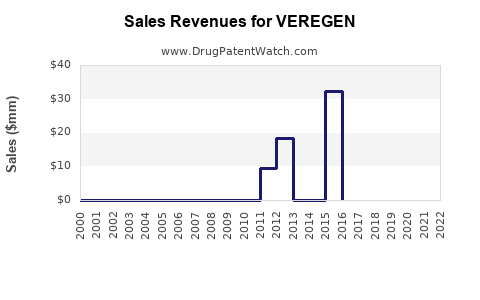
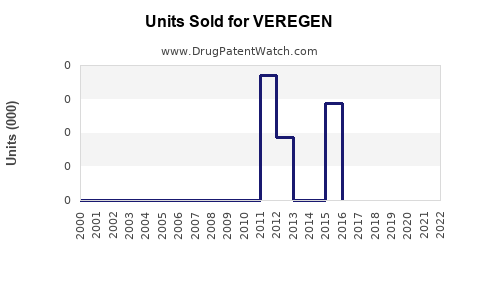
- Approximate US prescriptions in 2022: 300,000–400,000 units, reflecting modest adoption compared to first-line treatments such as cryotherapy or patient-applied agents like podofilox
Competitive Environment
- Primary competition from cryotherapy (liquid nitrogen), podophyllotoxin, and sinecatechins (Veregen's direct competitor approved for anogenital warts)
- Sinecatechins (Veregen's direct rival) dominates with prescription volumes exceeding 500,000 units annually in the US
- The market also faces competition from off-label laser treatments and surgical removal
Pricing and Reimbursement
- List price in the US: approximately $750 per 15g tube (manufacturer set)
- Reimbursement depends on payer policies; coverage is generally standard but can vary
- Cost-effectiveness is challenged by drug's limited indications and preference for procedural therapies
Market Drivers and Constraints
Drivers
- Increased awareness of HPV-related diseases
- Rising prevalence of genital warts symptoms in sexually active populations
- Growing comfort with pharmacological options, especially for patients seeking non-invasive treatments
Constraints
- Treatment adherence: Requires multiple weekly applications over several weeks
- Competition from procedural and combination therapies
- Cost concerns and insurance coverage limitations
Sales Projection Methodology
Projection models incorporate prescription trends, rising prevalence rates, pricing strategies, and competitive pressures.
Assumptions
- Modest annual growth of 2–3% in prescriptions, given market saturation and competition
- Effectiveness of marketing and provider education campaigns is limited due to entrenched procedural treatments
- Pricing stability or slight reduction by manufacturers to stimulate demand
Pro forma Sales (US Market)
| Year |
Units Sold (approx.) |
Revenue (USD millions) |
| 2023 |
350,000 |
262.5 |
| 2024 |
360,000 |
270.0 |
| 2025 |
370,000 |
277.5 |
| 2026 |
380,000 |
285.0 |
| 2027 |
390,000 |
292.5 |
Note: These projections account for gradual market growth and stable pricing. Individual fluctuations depend on insurance adjustments, emerging competition, and treatment guidelines.
Market Expansion Potential
- Limited outside the US; licensing opportunities in Europe and Asia could add revenue streams
- New indications (e.g., basal cell carcinoma) under clinical review could influence future sales
Long-term Outlook
Sales are expected to grow slowly due to the saturation of established indications and competition from procedural therapies. Broader adoption would necessitate either new indications, improved formulation, or enhanced provider and patient awareness.
Key Takeaways
- VEREGEN's current market faces stiff competition from procedural treatments and direct competitors like sinecatechins.
- Prescription volumes in the US remain stable but limited, with forecasted modest growth.
- Pricing and reimbursement complexities restrict aggressive market expansion.
- Long-term sales depend heavily on indication expansion and geographic licensing.
FAQs
1. What is the primary competitor to VEREGEN?
Sinecatechins (Veregen's direct rival) has higher prescription volume and is often preferred due to its similar topical application and broader indication label.
2. Can VEREGEN secure new indications?
Clinical trials are ongoing for basal cell carcinoma and actinic keratosis, which could expand its use but have not yet translated into approved indications.
3. What factors influence reimbursement for VEREGEN?
United States insurance policies generally cover VEREGEN, but reimbursement rates vary; cost concerns may limit prescribing.
4. How does prescription volume compare to other HPV treatments?
Prescription volumes are lower than procedural treatments like cryotherapy, which dominate the market for genital warts.
5. What regional markets could drive future sales?
Europe and parts of Asia could offer expansion opportunities pending regulatory approvals and licensing negotiations.
Sources:
- FDA Drug Label for VEREGEN.
- Market research reports on HPV and wart treatments.
- IMS Health prescription data 2022.
- Manufacturer financial disclosures.
- Peer-reviewed dermatology and infectious disease journals.