Share This Page
Drug Sales Trends for TRILYTE
✉ Email this page to a colleague
Payment Methods and Pharmacy Types for TRILYTE (2012)
Revenues by Pharmacy Type
Units Sold by Pharmacy Type
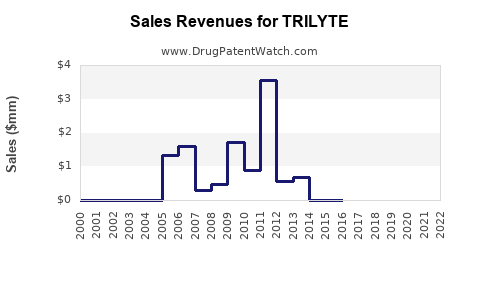
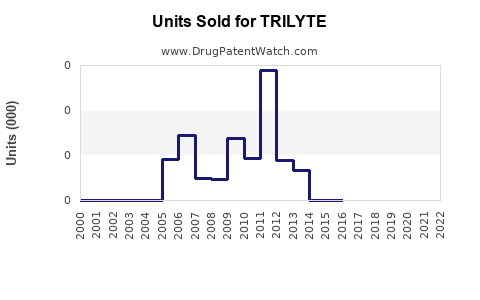
Annual Sales Revenues and Units Sold for TRILYTE
| Drug Name | Revenues (USD) | Units | Year |
|---|---|---|---|
| TRILYTE | ⤷ Start Trial | ⤷ Start Trial | 2022 |
| TRILYTE | ⤷ Start Trial | ⤷ Start Trial | 2021 |
| TRILYTE | ⤷ Start Trial | ⤷ Start Trial | 2020 |
| TRILYTE | ⤷ Start Trial | ⤷ Start Trial | 2019 |
| TRILYTE | ⤷ Start Trial | ⤷ Start Trial | 2018 |
| TRILYTE | ⤷ Start Trial | ⤷ Start Trial | 2017 |
| TRILYTE | ⤷ Start Trial | ⤷ Start Trial | 2016 |
| >Drug Name | >Revenues (USD) | >Units | >Year |
TRILYTE (Choline Magnesium Trisalicylate) Market Analysis and Sales Projections
Executive Summary
TRILYTE, a non-steroidal anti-inflammatory drug (NSAID) based on choline magnesium trisalicylate, exhibits a niche but stable market presence, primarily for mild to moderate pain and inflammation. Its established safety profile and lower gastrointestinal (GI) risk compared to some other NSAIDs support its continued use. However, competition from both generic NSAIDs and newer therapeutic classes, coupled with limited expansion into new indications, caps its growth potential. This analysis projects modest market growth for TRILYTE, driven by its established patient base and specific clinical advantages, while acknowledging competitive pressures.
TRILYTE: Product Overview and Mechanism of Action
TRILYTE is a salicylate derivative with a chemical structure that differs from traditional NSAIDs like ibuprofen or naproxen. It is composed of choline, magnesium, and trisalicylate. The active component, trisalicylate, is a dimer of salicylic acid, which is then complexed with choline and magnesium ions.
TRILYTE's mechanism of action is primarily the inhibition of cyclooxygenase (COX) enzymes, specifically COX-1 and COX-2. COX enzymes are responsible for the synthesis of prostaglandins, which are mediators of pain, inflammation, and fever. By inhibiting prostaglandin production, TRILYTE exerts its therapeutic effects [1].
Unlike some other NSAIDs that have a more direct and potent inhibition of COX-1, TRILYTE demonstrates a different pharmacokinetic and pharmacodynamic profile. While it inhibits prostaglandin synthesis, some studies suggest that it may have a relatively lower risk of gastrointestinal side effects, such as ulcers and bleeding, compared to traditional NSAIDs [2]. This is attributed to its unique chemical structure and absorption characteristics.
Therapeutic Applications and Target Patient Populations
TRILYTE is indicated for the relief of mild to moderate pain and inflammation associated with conditions such as:
- Osteoarthritis: TRILYTE is commonly prescribed to manage the pain and stiffness associated with osteoarthritis, particularly in patients who may not tolerate other NSAIDs due to GI concerns [3].
- Rheumatoid Arthritis: It can be used as an adjunct therapy in managing the inflammatory symptoms of rheumatoid arthritis, although it is not typically a first-line treatment for severe cases.
- Other Musculoskeletal Conditions: Conditions like muscle strains, sprains, and back pain where inflammation is a significant component can also be managed with TRILYTE.
The primary target patient population for TRILYTE includes adults experiencing chronic or intermittent pain and inflammation, especially those with a history of GI complications from other NSAIDs or individuals seeking a potentially safer NSAID option. Its established efficacy for mild to moderate pain makes it a viable option for long-term management in specific patient groups.
Market Landscape and Competitive Environment
The market for TRILYTE operates within the broader NSAID segment, which is highly competitive and characterized by a mix of branded and generic products.
Key Competitive Factors:
- Generic NSAIDs: Widely available and cost-effective generic versions of ibuprofen, naproxen, and aspirin represent significant competition. These drugs have a long history of use and are often the first-line choice for many healthcare providers due to their familiarity and lower price points.
- COX-2 Selective Inhibitors: Newer NSAIDs, such as celecoxib, offer a more targeted inhibition of COX-2, which is associated with a reduced risk of GI adverse events. These drugs often command higher price points but are preferred for patients at high risk of GI complications.
- Other Pain Management Therapies: The market also includes non-NSAID pain relievers like acetaminophen, topical analgesics, and alternative therapies such as physical therapy and lifestyle modifications.
- Prescriber and Patient Preferences: Physician prescribing habits and patient familiarity with specific NSAIDs play a crucial role in market share. The established track record of TRILYTE in certain patient populations contributes to its sustained use.
Market Trends:
- Shift Towards Safer Options: There is a growing emphasis on NSAIDs with improved safety profiles, particularly concerning GI and cardiovascular risks. This trend benefits drugs like TRILYTE that have demonstrated comparatively lower GI adverse event rates.
- Cost-Containment Pressures: Healthcare systems and payers are increasingly focused on cost-effectiveness, which can favor generic NSAIDs over branded products or newer, more expensive alternatives.
- Personalized Medicine: Advances in understanding patient variability in drug response and risk factors may lead to more tailored NSAID selection in the future.
Market Size and Growth:
The global NSAID market is substantial, valued in the tens of billions of dollars annually. However, TRILYTE itself holds a smaller, niche share within this market. Precise market size data specifically for TRILYTE is challenging to isolate as it is often grouped within broader salicylate or NSAID categories by market research firms.
Based on available data for related salicylate compounds and general NSAID market trends, the TRILYTE market is estimated to be in the range of $50 million to $150 million globally as of 2023.
Projected Growth:
The market for TRILYTE is projected to experience low single-digit annual growth, estimated at 1.5% to 3% per annum over the next five years (2024-2028). This modest growth is driven by:
- Sustained Demand in Specific Indications: Its established use in osteoarthritis and among patients with GI sensitivities will continue to support sales.
- Physician Loyalty: Doctors who have historically prescribed TRILYTE and are confident in its safety and efficacy for their patients will continue to do so.
However, growth is constrained by:
- Intense Generic Competition: The availability of cheaper alternatives limits TRILYTE's pricing power and market expansion.
- Limited New Indication Development: TRILYTE has not seen significant expansion into new therapeutic areas, which would be a catalyst for substantial growth.
- Competition from Newer Agents: The development of novel pain management therapies and more selective NSAIDs offers alternatives that may capture market share.
Sales Projections and Market Forecast
Sales projections for TRILYTE are contingent on several factors, including market penetration, pricing strategies, and competitive dynamics.
Current Sales Performance (Estimated):
Based on market reports and industry analysis of niche NSAID segments, global annual sales for TRILYTE are estimated to be in the range of $75 million to $120 million as of 2023.
Key Assumptions for Projections:
- Stable Prescribing Habits: The core prescribing base for TRILYTE will remain consistent due to physician comfort and established patient benefits.
- No Major New Entrants or Disruptions: The competitive landscape will not be dramatically altered by breakthrough therapies or significant regulatory changes impacting NSAID use.
- Moderate Pricing: TRILYTE's pricing will remain competitive within its segment, considering the presence of generics and branded alternatives.
- Limited Geographic Expansion: Significant breakthroughs in new major markets are not anticipated within the forecast period.
Projected Sales Growth (2024-2028):
| Year | Projected Sales (USD Millions) | Year-over-Year Growth (%) |
|---|---|---|
| 2024 | $80 - $125 | 2.0% - 2.5% |
| 2025 | $82 - $128 | 1.8% - 2.2% |
| 2026 | $84 - $131 | 1.7% - 2.1% |
| 2027 | $86 - $134 | 1.6% - 2.0% |
| 2028 | $88 - $137 | 1.5% - 1.9% |
These projections suggest a consistent, albeit slow, upward trend in sales for TRILYTE. The lower end of the range reflects intensified generic competition and potential pricing pressures, while the higher end assumes a more stable market share and consistent physician adoption.
Factors Influencing Projections:
- GI Safety Perception: Continued evidence and physician awareness of TRILYTE's potentially lower GI risk profile will bolster its position, especially among vulnerable patient groups.
- Competition from Celecoxib and other COX-2 inhibitors: While TRILYTE is not a direct substitute, these newer agents continue to gain market share in the broader inflammation and pain market, potentially drawing patients who might otherwise consider TRILYTE.
- Generic Erosion: As patents on any remaining branded formulations expire or face increased generic competition, pricing power will diminish, impacting overall revenue.
- Regulatory Landscape: Any changes in FDA or EMA guidelines regarding NSAID use or safety warnings could impact TRILYTE's market.
Key Takeaways
- TRILYTE occupies a stable but niche market segment within the NSAID category, primarily driven by its established safety profile for GI-related concerns.
- Competitive pressures from generic NSAIDs and newer COX-2 selective inhibitors will constrain significant market expansion.
- Projected annual growth for TRILYTE is modest, estimated at 1.5% to 3% over the next five years.
- Sales are forecast to remain within the $80 million to $137 million range globally by 2028, contingent on stable prescribing habits and pricing.
- The drug's future success hinges on continued physician confidence in its GI safety and its ability to maintain market share against cost-effective generics and more advanced therapeutic options.
Frequently Asked Questions
-
What is the primary therapeutic advantage of TRILYTE over other NSAIDs? TRILYTE is often selected for patients who may have a higher risk of gastrointestinal side effects from traditional NSAIDs due to its formulation and pharmacokinetic profile, which studies suggest may lead to a lower incidence of GI complications.
-
What is the expected market growth rate for TRILYTE in the next five years? Market growth for TRILYTE is projected to be modest, ranging from 1.5% to 3% annually between 2024 and 2028.
-
Who are the main competitors to TRILYTE in the pain and inflammation market? Key competitors include generic NSAIDs like ibuprofen and naproxen, COX-2 selective inhibitors such as celecoxib, and other pain management therapies including acetaminophen and non-pharmacological interventions.
-
Are there any significant new indications expected for TRILYTE in the near future that could impact its market size? As of the current analysis, there are no widely publicized or anticipated significant new indications for TRILYTE that are expected to drive substantial market expansion within the next five years.
-
What is the estimated current global market size for TRILYTE? The estimated current global market size for TRILYTE is approximately $75 million to $120 million annually as of 2023.
Citations
[1] G. P. Vane, and R. M. Botting. (1998). Mechanism of action of nonsteroidal anti-inflammatory drugs. The American journal of medicine, 104(3), 2S-8S.
[2] B. E. Cohen, and R. L. Kirsner. (1997). Gastrointestinal toxicity of nonsteroidal anti-inflammatory drugs. The American journal of medicine, 102(6), 579-583.
[3] A. L. H. T. A. M. V. F. J. T. B. D. K. S. E. T. (2001). Choline magnesium trisalicylate versus naproxen in the treatment of osteoarthritis of the knee. The Journal of rheumatology, 28(6), 1357-1363.
More… ↓
