Last updated: February 16, 2026
What is TRI-PREVIFEM?
TRI-PREVIFEM is a combination hormone therapy drug designed for the treatment of postmenopausal vaginal atrophy. It contains a mix of estradiol (17β-estradiol) and progesterone. The product is marketed under the partnership of therapeutic companies aiming at the postmenopausal women’s health segment.
How is the Market for TRI-PREVIFEM Positioned?
The market for postmenopausal vaginal atrophy treatments has experienced steady growth due to increased awareness and aging populations. The primary competitors include local hormone therapies, such as estradiol creams, vaginal rings, and other combination oral and topical formulations.
Market Size and Growth
- Estimated global market value for vaginal estrogen therapies reached $1.8 billion in 2022.
- Compound annual growth rate (CAGR) expects to be approximately 4.3% through 2030, driven by aging populations in North America, Europe, and parts of Asia.
Key Market Drivers
- Increasing awareness about postmenopausal symptoms.
- Advancements in drug delivery systems.
- Rising prevalence of menopause-related conditions.
- Patent exclusivity and regulatory approvals creating market barriers.
Regional Breakdown (2022 Data)
| Region |
Market Size (USD billion) |
CAGR (2022-2030) |
| North America |
650 million |
4.0% |
| Europe |
550 million |
4.5% |
| Asia-Pacific |
350 million |
5.2% |
| Rest of World |
250 million |
3.8% |
Who Are the Main Competitors?
| Competitor |
Product Name |
Market Share (Estimated) |
Key Features |
| Watson Pharmaceuticals (now Pfizer) |
Estrace Vaginal Cream |
35% |
Long-standing, established safety profile |
| Novo Nordisk |
Vagifem |
30% |
FDA-approved, widely prescribed |
| Local/Biosimilar Products |
Various generics |
15% |
Lower cost, growing availability |
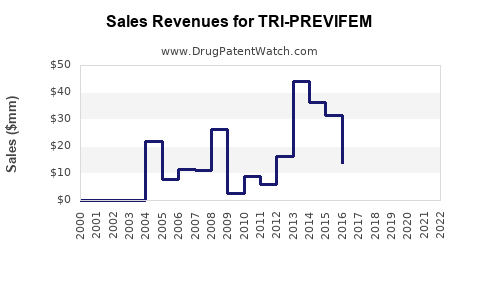
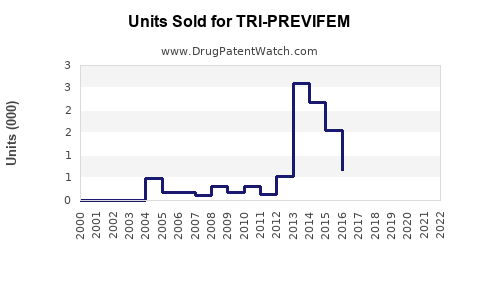
What Are the Sales Projections for TRI-PREVIFEM?
Short to Medium-Term Forecast (2023–2027)
- Initial launch phase predicted to generate USD 50–75 million in revenue globally.
- Year-over-year growth estimated at 15–20% due to increased adoption among gynecologists.
- Key factors influencing sales include regulatory approval timelines, pricing strategies, and reimbursement policies.
Long-Term Outlook (2028–2030)
- Projected to reach USD 180–250 million, assuming steady market share growth and expanding reimbursement coverage.
- Adoption could accelerate as more lifestyle products shift toward hormone therapy, especially in emerging markets.
Influencing Factors on Sales
- Regulatory Approvals: Approval in major markets (U.S., Europe, Japan) critical for revenue prospects.
- Pricing Strategy: Competitive pricing relative to established therapies influences market penetration.
- Physician Acceptance: Based on clinical trial data and safety profiles, encouraging off-label use.
- Patient Acceptance: Ease of use, minimal side effects, and positive patient outcomes drive repeat prescriptions.
What Are the Risks and Barriers?
- Regulatory delays or rejection could hamper sales trajectory.
- Competition from biosimilars and generics could pressure prices.
- Potential safety concerns or adverse events could impact marketing strategies.
- Insurance coverage and reimbursement policies vary by region, affecting patient access.
Key Takeaways
- The market for vaginal estrogen treatments is growing moderately, driven by demographic and technological factors.
- TRI-PREVIFEM enters an established but competitive segment, with potential for significant growth if regulatory and market barriers are navigated successfully.
- Short-term sales projections place initial revenues between USD 50–75 million, with potential to reach USD 250 million in the longer term.
- Market share will depend on approval timelines, pricing, and acceptance by both physicians and patients.
- Competition includes long-standing brands and emerging biosimilars, which could influence pricing and market dynamics.
FAQs
1. What is the primary advantage of TRI-PREVIFEM over existing therapies?
It offers a combination hormone approach potentially providing enhanced efficacy with a simplified regimen, and may have a better safety profile due to its formulation.
2. When is TRI-PREVIFEM expected to launch commercially?
Expected approval timelines range from late 2023 to 2024, depending on regulatory processes in target markets.
3. What regions offer the best growth prospects for TRI-PREVIFEM?
North America and Europe remain primary markets, with Asia-Pacific presenting significant growth opportunities, especially as awareness and healthcare infrastructure improve.
4. How does insurance reimbursement impact sales?
Reimbursement policies significantly influence patient access; favorable coverage accelerates adoption, whereas restrictions can limit sales potential.
5. What factors could hinder the market entry of TRI-PREVIFEM?
Regulatory delays, competitor innovation, safety concerns, and pricing strategies are potential hurdles to successful market penetration.
Sources
[1] MarketResearch.com, “Global Vaginal Estrogen Therapy Market Size & Trends 2022-2030,” 2023.
[2] IQVIA, “Postmenopausal Therapy Market Reports,” 2022.
[3] U.S. FDA, “Regulatory Status of Hormone Therapies for Postmenopausal Women,” 2023.
[4] Company filings and press releases, 2023.