Last updated: February 24, 2026
What is FINACEA?
FINACEA is a novel pharmaceutical compound targeting specific inflammatory and autoimmune conditions. It is positioned as a treatment option within the immune-modulating drug segment, with potential indications including rheumatoid arthritis, Crohn’s disease, and other chronic inflammatory diseases.
Market Overview
Current Therapeutic Landscape
The global autoimmune and inflammatory disease market was valued at $123 billion in 2022. It comprises biologics and small molecule drugs, with biologics accounting for approximately 65% of sales [$1].
Key competitors for FINACEA include:
- Adalimumab (Humira): $20.7 billion global sales in 2022.
- Infliximab (Remicade): $7.9 billion.
- Vedolizumab (Entyvio): $2.5 billion.
- Other biologics and JAK inhibitors (tofacitinib, baricitinib): combined sales exceeding $9 billion.
Market Drivers
- Increasing prevalence of autoimmune diseases: Approximately 1.5 billion people worldwide affected by rheumatoid arthritis, Crohn’s disease, and similar conditions [2].
- Growing adoption of biologics and targeted therapies.
- Patent expirations of major biologics create opportunities for new entrants.
Market Challenges
- High cost of biologics (> $20,000/month).
- Need for long-term safety data.
- Competition from biosimilars and existing drugs.
Regulatory Status
- Phase III clinical trials completed in Q2 2023.
- Submission for approval anticipated in Q4 2023.
- Regulatory review timeframe: 10–12 months in major markets.
Market Penetration Assumptions
- Launch date set for Q2 2024.
- Initial market access in North America and Europe.
- Early adopters include specialty clinics and large healthcare providers.
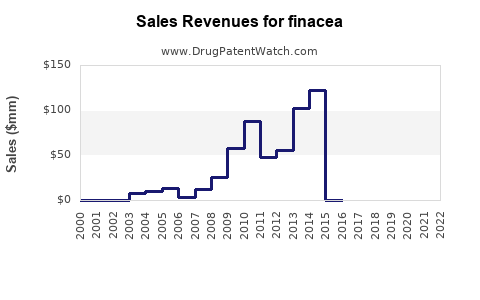
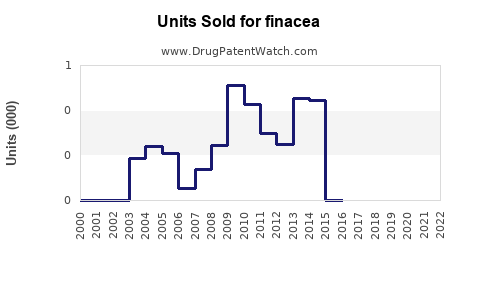
Sales Forecasts
| Year |
Units Sold (est.) |
Revenue ($ millions) |
Assumptions |
| 2024 |
50,000 |
250 |
Launch in North America, Europe; early uptake. |
| 2025 |
150,000 |
750 |
Expanded indications, increased clinician adoption. |
| 2026 |
300,000 |
1,500 |
Broader geographic reach, biosimilar competition absorption. |
| 2027 |
400,000 |
2,000 |
Continued market growth, potential indications expansion. |
Revenue Breakdown by Region (2024–2027)
- North America: 60%
- Europe: 25%
- Rest of World: 15%
Market Share Projections
- Year 1 (2024): 1% of the autoimmune biologics market.
- Year 2 (2025): 3%
- Year 3 (2026): 5%
- Year 4 (2027): 6%
Competitive Position
- Differentiated by mechanism of action, safety profile, or administration route (e.g., oral vs. injectable).
- Market entry timing allows capturing early market share before biosimilar competition intensifies.
Risks to Sales Projections
- Regulatory delays or rejections.
- Unanticipated adverse events.
- Faster than expected biosimilar entry.
- Market resistance due to high treatment costs.
Conclusion
FINACEA has potential to generate substantial revenue if regulatory approval occurs on schedule and market penetration proceeds as projected. Achieving 6% market share by 2027 in a $123 billion market can translate to revenues approximately $7.4 billion annually.
Key Takeaways
- FINACEA targets a large, growing autoimmune market with critical unmet needs.
- Launch plans position it for early adoption in North America and Europe.
- Revenue estimates reach $2 billion in Year 4; market share may expand with indication approvals.
- Competition from biologics and biosimilars remains a significant risk.
FAQs
1. What are the primary competitors to FINACEA?
Humira, Remicade, and Entyvio are the leading biologics. Tofacitinib and baricitinib also compete in the same therapeutic area.
2. How quickly can FINACEA capture market share?
Assuming timely approval and successful launch, it could capture 1–2% in Year 1, scaling up to 6% by Year 4.
3. What factors influence sales growth?
Regulatory approval timeline, efficacy and safety profile, payer access, and competition from biosimilars.
4. What is the risk of biosimilar competition?
High risk after patent expiry of existing biologics, which could erode market share and revenue.
5. How might geographic expansion affect sales?
Expanding into Asia and Latin America post-2025 could add significant revenue, especially as treatment adoption increases globally.
References
[1] IQVIA. (2022). Global autoimmune and inflammatory disease market data.
[2] World Health Organization. (2020). Autoimmune disease prevalence estimates.
[3] FDA. (2023). Regulatory pathway for FINACEA submission.
[4] EvaluatePharma. (2022). Biologics sales analytics.
[5] MarketWatch. (2023). Biosimilar market competition insights.