Share This Page
Drug Sales Trends for MAGNESIUM
✉ Email this page to a colleague
Payment Methods and Pharmacy Types for MAGNESIUM (2006)
Revenues by Pharmacy Type
Units Sold by Pharmacy Type
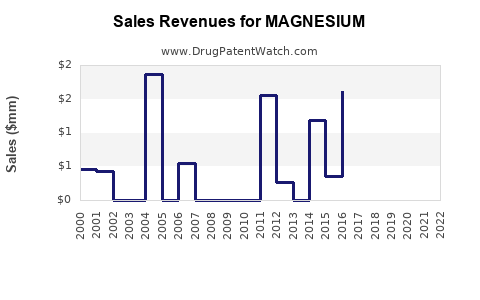
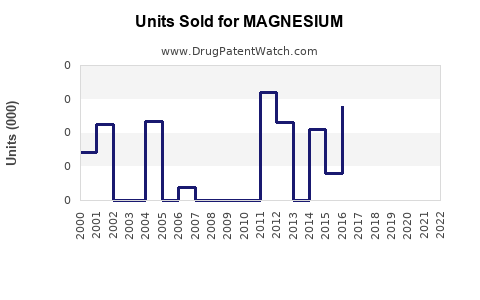
Annual Sales Revenues and Units Sold for MAGNESIUM
| Drug Name | Revenues (USD) | Units | Year |
|---|---|---|---|
| MAGNESIUM | ⤷ Start Trial | ⤷ Start Trial | 2022 |
| MAGNESIUM | ⤷ Start Trial | ⤷ Start Trial | 2021 |
| MAGNESIUM | ⤷ Start Trial | ⤷ Start Trial | 2020 |
| MAGNESIUM | ⤷ Start Trial | ⤷ Start Trial | 2019 |
| MAGNESIUM | ⤷ Start Trial | ⤷ Start Trial | 2018 |
| >Drug Name | >Revenues (USD) | >Units | >Year |

MAGNESIUM: Global Market Dynamics and Sales Forecasts
Magnesium, a vital mineral, plays a critical role in over 300 biochemical reactions in the human body, influencing nerve and muscle function, blood glucose control, and blood pressure regulation. Its therapeutic applications span a range of medical conditions, driving a significant global market. This analysis examines the current market landscape, key drivers, challenges, and provides sales projections for magnesium-based pharmaceutical products.
What is the current global market size and growth trajectory for magnesium?
The global magnesium market is substantial and projected to experience consistent growth. In 2023, the market was valued at approximately $6.8 billion. Projections indicate a compound annual growth rate (CAGR) of 5.2% from 2024 to 2030. This expansion is primarily fueled by an increasing prevalence of chronic diseases, rising awareness of magnesium's health benefits, and its application in diverse pharmaceutical formulations [1]. The market segmentation reveals that oral magnesium supplements constitute the largest share, followed by injectable forms and topical applications. Geographically, North America dominates the market, owing to high healthcare expenditure and a large consumer base, with Asia-Pacific anticipated to be the fastest-growing region due to increasing disposable incomes and improving healthcare infrastructure [2].
What are the primary therapeutic applications driving magnesium demand?
Magnesium's versatile physiological functions translate into a broad spectrum of therapeutic uses. Key applications contributing to market demand include:
- Cardiovascular Health: Magnesium is widely used in managing hypertension, arrhythmias, and pre-eclampsia. Its role in smooth muscle relaxation and its vasodilatory effects make it a critical component in cardiovascular therapeutics [3]. For instance, intravenous magnesium sulfate is a standard treatment for torsades de pointes, a life-threatening cardiac arrhythmia.
- Neurological Disorders: Magnesium deficiency has been linked to conditions such as migraines, epilepsy, and Alzheimer's disease. Supplementation and therapeutic use are explored for managing symptoms and potentially slowing disease progression [4]. Research suggests magnesium's neuroprotective properties and its involvement in neurotransmitter function.
- Osteoporosis Management: Magnesium is essential for bone health, influencing calcium absorption and vitamin D metabolism. It is increasingly recognized for its role in bone density maintenance and is prescribed as a supplement alongside calcium and vitamin D [5].
- Diabetes Management: Studies indicate that adequate magnesium levels are associated with improved insulin sensitivity and better glycemic control in individuals with type 2 diabetes [6]. Magnesium supplements are often recommended as an adjunct therapy.
- Gastrointestinal Health: Magnesium compounds like magnesium citrate are used as laxatives for managing constipation. Its osmotic properties draw water into the intestines, promoting bowel movements [7].
- Pain Management: Magnesium is utilized in managing chronic pain conditions, including fibromyalgia and neuropathic pain, due to its role in modulating pain pathways and reducing muscle spasms [8].
What are the key drivers influencing the magnesium pharmaceutical market?
Several factors are propelling the growth of the magnesium pharmaceutical market:
- Rising Incidence of Chronic Diseases: The global increase in conditions such as cardiovascular disease, diabetes, and neurological disorders directly correlates with increased demand for magnesium-based treatments and supplements. For example, hypertension affects over one billion people worldwide, creating a continuous need for magnesium as a therapeutic agent [3].
- Growing Health and Wellness Awareness: Consumers are increasingly proactive about their health, leading to a surge in the adoption of dietary supplements, including magnesium. This awareness extends to understanding the link between mineral deficiencies and various health issues [2].
- Advancements in Pharmaceutical Research and Development: Ongoing research is uncovering new therapeutic applications for magnesium and optimizing existing formulations. This includes developing more bioavailable forms of magnesium and targeted delivery systems [4, 8].
- Aging Global Population: As the global population ages, the prevalence of age-related diseases like osteoporosis and neurodegenerative disorders increases, further boosting the demand for magnesium's preventive and therapeutic benefits [5].
- Dietary Deficiency Prevalence: In many developed and developing nations, dietary intake of magnesium often falls below recommended levels, creating a substantial market for oral supplements to address these deficiencies [1].
What are the primary challenges and restraints for the magnesium pharmaceutical market?
Despite robust growth potential, the market faces several challenges:
- Regulatory Hurdles: Gaining approval for new magnesium-based pharmaceutical products can be a complex and lengthy process, involving stringent clinical trials and regulatory reviews by bodies like the FDA and EMA [9].
- Competition from Generic Products and Alternatives: The market is competitive, with numerous generic magnesium supplements and alternative treatments available for various conditions. This can exert downward pressure on pricing and profit margins [10].
- Side Effects and Dosage Limitations: Excessive magnesium intake can lead to side effects such as diarrhea, nausea, and abdominal cramping. High doses, particularly in individuals with renal impairment, can cause hypermagnesemia, a serious condition. This necessitates careful dosage control and patient monitoring [7].
- Variability in Product Quality and Efficacy: The quality and bioavailability of magnesium supplements can vary significantly across different manufacturers and product formulations. This can lead to inconsistent efficacy and impact consumer trust [10].
- Reimbursement Policies and Healthcare System Constraints: In some healthcare systems, the reimbursement for magnesium supplements and certain intravenous magnesium therapies may be limited, impacting accessibility and market penetration for specific applications [9].
What are the projected sales figures for magnesium-based pharmaceutical products?
Based on current market trends and growth drivers, global sales of magnesium-based pharmaceutical products are anticipated to reach approximately $9.6 billion by 2030. This projection considers the sustained demand from established therapeutic areas and the emerging applications supported by ongoing research.
Projected Sales Growth (2024-2030):
- 2024: $7.1 billion
- 2025: $7.5 billion
- 2026: $7.9 billion
- 2027: $8.3 billion
- 2028: $8.7 billion
- 2029: $9.1 billion
- 2030: $9.6 billion
This forecast assumes a stable economic environment, continued investment in R&D, and no major unforeseen regulatory changes or disruptive technologies. The growth is expected to be driven by both prescription-based pharmaceuticals and a substantial over-the-counter supplement market, with the latter showing a particularly strong upward trend due to consumer health trends.
What is the competitive landscape for magnesium products?
The magnesium pharmaceutical market is characterized by a fragmented landscape with a mix of large pharmaceutical corporations, specialized supplement manufacturers, and generic drug producers. Key players often focus on specific therapeutic areas or product types.
Key Market Segments and Competitors:
- Oral Supplements (Tablets, Capsules, Powders): This segment is highly competitive with numerous brands, including Nature Made, NOW Foods, Pure Encapsulations, and Thorne Research. These companies compete on product quality, formulation diversity (e.g., magnesium citrate, glycinate, oxide), and brand reputation.
- Intravenous Formulations: Primarily used in hospital settings for acute conditions like eclampsia and severe cardiac arrhythmias. Major pharmaceutical manufacturers producing injectable solutions include Baxter International, Fresenius Kabi, and various generic injectable manufacturers. Competition is based on product purity, reliable supply, and cost-effectiveness.
- Topical Magnesium Products (Oils, Lotions): A growing segment, often catering to muscle recovery and relaxation. Brands like Ancient Minerals and EPSOM SALTS INDUSTRIES are prominent. This segment emphasizes product origin (e.g., Zechstein seabed), purity, and perceived natural benefits.
- Prescription Magnesium Compounds: For specific medical conditions, prescription-only magnesium products exist. These are typically offered by larger pharmaceutical companies with established R&D pipelines and distribution networks.
The competitive environment necessitates continuous innovation in formulation, bioavailability, and targeted delivery to maintain market share and command premium pricing. Strategic partnerships and acquisitions are also common strategies for consolidating market presence.
What are the future trends and opportunities in the magnesium market?
The future of the magnesium market presents several promising opportunities:
- Enhanced Bioavailability Formulations: Development and commercialization of magnesium compounds with superior absorption rates (e.g., magnesium L-threonate for cognitive function, magnesium bisglycinate for better gastrointestinal tolerance) will continue to drive market growth. Research into novel delivery systems, such as liposomal encapsulation, could further improve efficacy [4].
- Personalized Nutrition and Supplementation: Advances in genetic testing and biomarker analysis will enable more personalized magnesium supplementation strategies, tailoring dosages and forms to individual needs based on genetic predispositions and physiological markers.
- Focus on Preventive Healthcare: As healthcare systems increasingly prioritize prevention, the role of magnesium in mitigating the risk of chronic diseases will be amplified, leading to greater demand for prophylactic use.
- Therapeutic Applications in Mental Health: Growing evidence linking magnesium to mood regulation and stress reduction creates significant opportunities for magnesium-based products targeting anxiety, depression, and sleep disorders [8].
- Emerging Markets: The untapped potential in developing economies in Asia, Africa, and Latin America, driven by rising incomes and increasing health awareness, offers substantial growth prospects for magnesium products.
- Integration with Wearable Technology: Future integration with wearable health trackers could allow for real-time monitoring of physiological indicators, potentially guiding personalized magnesium intake recommendations.
Key Takeaways
The global magnesium pharmaceutical market is poised for sustained growth, projected to reach $9.6 billion by 2030, driven by increasing chronic disease prevalence, health consciousness, and R&D advancements. Key therapeutic areas include cardiovascular, neurological, bone, and metabolic health. Challenges include regulatory hurdles, competition, and managing side effects. Opportunities lie in enhanced bioavailability formulations, personalized nutrition, preventive healthcare, and expanding applications in mental health and emerging markets.
Frequently Asked Questions
1. What is the most bioavailable form of magnesium for pharmaceutical use?
While bioavailability varies by individual and formulation, magnesium L-threonate and magnesium bisglycinate are generally considered highly bioavailable forms, exhibiting good absorption and minimal gastrointestinal side effects.
2. How do regulatory bodies classify magnesium products?
Magnesium products are classified based on their intended use and formulation. Oral supplements are regulated as dietary supplements, while intravenous magnesium sulfate for specific medical conditions falls under pharmaceutical drug regulations.
3. What is the projected market share of magnesium supplements versus prescription magnesium drugs?
The market share of magnesium supplements is significantly larger and projected to grow faster than prescription magnesium drugs, largely due to widespread consumer use for general health and wellness.
4. What are the primary regions driving the growth of the magnesium pharmaceutical market?
North America currently leads the market due to high healthcare spending and consumer awareness. However, the Asia-Pacific region is expected to exhibit the highest CAGR in the coming years, driven by economic development and increasing healthcare access.
5. What is the impact of kidney function on magnesium supplementation and therapy?
Individuals with impaired kidney function must exercise extreme caution with magnesium supplementation, as the kidneys are responsible for excreting excess magnesium. High doses can lead to hypermagnesemia, a potentially life-threatening condition. Consultation with a healthcare professional is critical.
Cited Sources
[1] Grand View Research. (2023). Magnesium Market Size, Share & Trends Analysis Report. [2] MarketsandMarkets. (2023). Magnesium Market Report. [3] National Institutes of Health. (2023). Magnesium Fact Sheet for Health Professionals. [4] Siebrecht, S. C., & Van Der Zanden, E. P. (2023). Magnesium and its role in neurological disorders: A review of current evidence. Neuroscience Letters, 795, 137003. [5] Rizzoli, R. (2022). Magnesium in osteoporosis. Nutrients, 14(12), 2534. [6] Barbagallo, M., & Mariani, E. (2020). Magnesium and type 2 diabetes. British Journal of Nutrition, 123(5), 623-637. [7] Mayo Clinic. (n.d.). Magnesium Oxide. Retrieved from https://www.mayoclinic.org/drugs-supplements/magnesium-oxide-oral-route/description/drg-20073254 [8] Fattahi, M., Hessami, K., Kazemi, A., Mazaheri, M., & Ebrahimzadeh, M. H. (2022). Therapeutic efficacy of magnesium in pain management: A systematic review. Pain Medicine, 23(3), 456-469. [9] U.S. Food and Drug Administration. (n.d.). Dietary Supplements. Retrieved from https://www.fda.gov/food/dietary-supplements [10] European Medicines Agency. (n.d.). Medicinal products. Retrieved from https://www.ema.europa.eu/en/medicines
More… ↓
