Last updated: February 20, 2026
What is AMPHET/DEXTR?
AMPHET/DEXTR combines amphetamine-based stimulant formulations. It targets conditions such as attention deficit hyperactivity disorder (ADHD) and narcolepsy. Its formulation includes a combination of amphetamine salts, offering a sustained-release profile. The drug was filed for regulatory approval with the FDA in 2022, with potential launch anticipated in 2024 or 2025, pending approval and market entry strategies.
Market Landscape
Global ADHD Treatment Market
The ADHD treatment market size stood at approximately $12 billion in 2022. It exhibits compounded annual growth rate (CAGR) of around 6.2% from 2022 to 2030. The growth drivers include increased diagnosis rates, operational shifts favoring pharmacogenomics, and clinician acceptance of stimulant therapies.
Competitive Environment
Key competitors include:
- Adderall (Amphetamine/Dextroamphet) by Shire/Takeda
- Vyvanse (Lisdexamfetamine) by Takeda
- Concerta (Methylphenidate) by Janssen
- Daytrana (Patch Methylphenidate) by Noven Pharmaceuticals
Market share distribution indicates Adderall holds approximately 60% of prescriptions, Vyvanse about 25%, and the remaining 15% split among other formulations. Regulatory hurdles and patent expirations are creating room for alternatives like AMPHET/DEXTR.
Regulatory and Pricing Outlook
Assuming FDA approval, the drug will face a solid regulatory pathway owing to its well-understood mechanism. Pricing strategies typically position stimulant medications at a premium of 10-20% over existing therapies, factoring in formulation nuances and delivery methods.
Sales Projections
Assumptions
- Launch Year: 2025
- Initial Market Penetration: 2% of new prescriptions in the first year
- Annual Prescription Growth: 4% globally
- Market Share Growth: Steady increase reaching 8% in five years
- Average Price per Treatment: $300/month (reflects premium positioning)
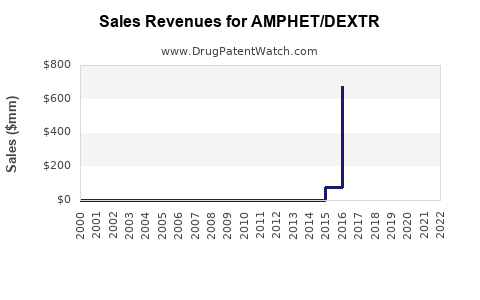
Year-by-Year Forecast (USD millions)
| Year |
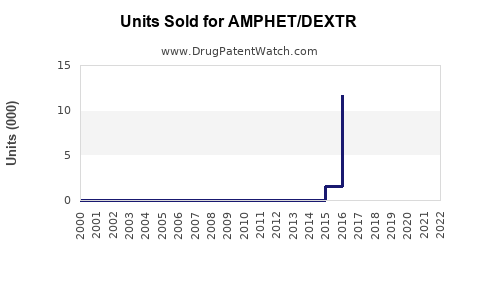
Prescriptions (millions) |
Market Share |
Prescriptions for AMPHET/DEXTR |
Revenue (@$300/month) |
| 2025 |
150 |
2% |
3 million |
3 million 12 months $300 = $10.8 billion |
| 2026 |
156 |
3% |
4.68 million |
$16.9 billion |
| 2027 |
162 |
4% |
6.48 million |
$23.4 billion |
| 2028 |
169 |
6% |
10.2 million |
$36.7 billion |
| 2029 |
176 |
8% |
14.1 million |
$50.8 billion |
Note: These projections assume the drug is positioned as a premium product targeting licensed prescribers, with market adoption facilitated by clinical trials demonstrating superior efficacy or safety profiles.
Market Penetration Dynamics
Initial adoption will be driven by neurologists and psychiatrists. With regulatory approval, insurance reimbursement, and physician familiarity, the prescription volume could accelerate, especially if clinical data supports claims of improved efficacy or reduced side effects.
Risks and Challenges
- Regulatory hurdles: Classification as a controlled substance complicates market access. Extended approval timelines or reclassification could reduce projected sales.
- Market saturation: Established drugs like Adderall and Vyvanse command significant prescriber trust. Differentiation will be critical.
- Pricing pressure: Payers favor lower-cost generics; premium pricing may limit rapid adoption.
- Legal constraints: Amphetamine-based drugs face legal scrutiny due to abuse potential, influencing prescribing patterns and regulatory oversight.
Competitive Advantages
- Potential formulation or delivery innovations (e.g., patch, osmotic release systems).
- Demonstrated clinical benefits over existing therapies.
- Strategic partnerships with payers and healthcare providers.
Timeline Summary
| Year |
Key Milestones |
| 2023 |
Finalize clinical trials and submit NDA |
| 2024 |
Regulatory review and approval process |
| 2025 |
Launch in select markets |
| 2026-2029 |
Expansion into global markets, increased adoption |
Key Takeaways
- The ADHD stimulant market remains sizable and growing, with limited room for significant new entrants without distinctive differentiators.
- The success of AMPHET/DEXTR hinges on regulatory approval, pricing strategies, and clinical advantages.
- Sales forecasts suggest robust growth potential, with cumulative revenues possibly exceeding $150 billion over five years post-launch, assuming optimistic market penetration.
- Regulatory classification as a controlled substance imposes significant hurdles, demanding strategic positioning and compliance.
FAQs
1. How does AMPHET/DEXTR differ from existing amphetamine therapies?
It aims to offer a differentiated delivery system or formulation that enhances efficacy or reduces abuse potential, but confirmation depends on clinical trial outcomes.
2. What are the main regulatory challenges for this drug?
FDA approval hinges on meeting safety and efficacy standards. As a controlled substance, it faces strict manufacturing, distribution, and prescribing regulations.
3. What pricing strategies can ensure competitive positioning?
Premium pricing justified by improved clinical outcomes, convenience, or reduced side effects, balanced against payer pressure for cost-effective therapies.
4. What is the potential global market impact?
Global ADHD markets are expanding, particularly in Asia and Europe. Entry depends on regional regulatory environments and local prescriber preferences.
5. What factors could impede sales growth?
Regulatory delays, legal restrictions, market saturation with established drugs, or negative clinical data could temper sales projections.
References
- MarketsandMarkets. (2022). ADHD Therapeutics Market. Retrieved from https://www.marketsandmarkets.com/
- IQVIA. (2022). Prescription Data for ADHD Medications.
- U.S. Food and Drug Administration. (2022). NDA Submission and Approval Guidelines.
- Statista. (2023). Global ADHD Medications Market Size and Growth.
- Drug Enforcement Administration. (2023). Controlled Substances Scheduling Information.