Last updated: July 29, 2025
Introduction
Baclofen, a muscle relaxant and antispastic agent, plays a pivotal role in managing spasticity associated with multiple sclerosis (MS), spinal cord injuries, and other neurological conditions. Since its initial approval, the drug has maintained a steady market presence, driven by expanding therapeutic applications and demographic trends. This report provides a detailed analysis of the current market landscape and projects future sales trajectories based on recent developments, market drivers, and competitive dynamics.
Market Overview
Global Therapeutic Context
Baclofen was first approved in the 1970s for spasticity management. The drug’s mechanism involves GABA-B receptor agonism, leading to neuromuscular inhibition. Currently, it is available in oral and intrathecal formulations, with the latter used for severe spasticity cases refractory to oral therapy. The global prevalence of multiple sclerosis and spinal cord injuries, particularly in aging populations, sustains demand for baclofen.
Market Size and Historical Sales
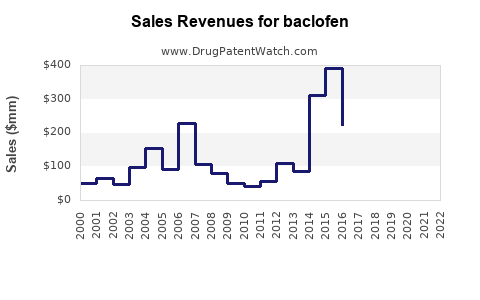
In 2022, the global market for baclofen was valued at approximately $350 million, with steady growth driven primarily by increased diagnoses of neurological disorders and technological advances in delivery methods. North America accounted for a significant share (~45%) due to high diagnosis rates and healthcare infrastructure, followed by Europe (~30%) and Asia-Pacific (~15%). The remaining share belonged to Latin America and the Middle East/Africa.
Key Market Players
Major manufacturers include Pfizer, MediGene, Sandoz, and generic manufacturers offering oral formulations. Intrathecal preparations are often compounded, though some pharma companies have developed commercial injectable devices, like the Lioresal Intrathecal Pump.
Market Drivers
-
Rising Prevalence of Neurological Disorders:
According to the World Health Organization, MS affects approximately 2.8 million globally, with rising incidences attributed to better diagnostics and aging demographics. Spinal cord injuries also increase with traffic and workplace accidents, fueling baclofen demand.
-
Expanding Indications and Off-label Uses:
Beyond traditional spasticity, emerging evidence supports baclofen’s utility in alcohol withdrawal management, tics, and other movement disorders. Off-label use broadens market potential.
-
Advancements in Delivery Technologies:
The integration of intrathecal baclofen pumps offers targeted therapy with reduced systemic side effects, bolstering sales in severe cases.
-
Increasing Awareness and Diagnosis:
Enhanced clinician awareness promotes earlier intervention, increasing medication utilization.
Market Challenges
-
Generic Competition:
The availability of generic baclofen formulations suppresses prices and margins, impacting overall revenue.
-
Side Effect Profile:
Adverse effects such as drowsiness, dizziness, and withdrawal issues limit patient tolerability and adherence.
-
Regulatory and Reimbursement Hurdles:
Variability in healthcare policies impacts accessibility, especially in emerging markets.
-
Limited Innovation:
Lack of new formulations or delivery methods hampers growth compared to markets like biologics or gene therapies.
Future Market Projections (2023–2030)
Assumptions for Projections:
- A compound annual growth rate (CAGR) of approximately 4.2% in the global baclofen market.
- Continued expansion in intrathecal formulations owing to technological advancements and increased clinical adoption.
- Market penetration in emerging economies facilitated by generic competition and healthcare infrastructure improvements.
Sales Growth Drivers:
- Demographic Trends: Aging populations will increase prevalence of spasticity, notably in North America and Europe.
- Healthcare Policies: Reimbursement expansions and guideline endorsements (e.g., NICE guidelines for MS treatment) will sustain and grow demand.
- Research and Development: Ongoing clinical trials exploring baclofen's off-label applications could open new markets, especially if regulatory approvals are secured.
Projected Market Valuation
By 2030, the global baclofen market could reach $520–$600 million, representing a CAGR of approximately 4.0–4.5% during the period. A significant share of this growth will stem from Western markets, while Asia-Pacific and Latin America are expected to contribute robust incremental sales due to increased disease awareness and healthcare investments.
Competitive Landscape & Market Opportunities
The market landscape is characterized by a mix of branded and generic offerings. Major pharmaceutical companies are focusing on intrathecal pump systems, aiming to differentiate through device innovation. Additionally, combined therapies or formulations offering improved tolerability may carve niche segments.
Opportunities include:
- Developing long-acting formulations to improve patient compliance.
- Enhancing pump device technology for better delivery accuracy.
- Expanding indications through clinical research, especially in alcohol dependence or movement disorders.
- Penetrating emerging markets through strategic pricing and partnerships.
Regulatory and Reimbursement Outlook
Regulatory agencies like the FDA and EMA continue to approve new delivery systems and indications. Reimbursement policies increasingly favor home-based intrathecal therapy, which could accelerate adoption. However, price pressures and healthcare budget constraints, especially in cost-sensitive regions, necessitate strategic positioning by manufacturers.
Key Takeaways
- The global baclofen market is poised for moderate growth (~4% CAGR) driven by demographic trends, technological advancements, and expanding indications.
- North America and Europe will continue to dominate, but Asia-Pacific offers significant growth potential owing to increasing healthcare access.
- Generic competition pressures margins but increases accessibility, expanding overall market size.
- Innovation in delivery methods and off-label applications present opportunities for growth.
- Market entrants should focus on device integration, long-acting formulations, and emerging markets to optimize future sales.
FAQs
-
What is the current global market size for baclofen?
The global baclofen market was valued at approximately $350 million in 2022.
-
What are the primary drivers of market growth?
Rising prevalence of neurological disorders, technological advancements in delivery systems, and expanded indications drive growth.
-
Which regions offer the most significant growth opportunities?
North America and Europe are established markets, but Asia-Pacific and Latin America exhibit substantial potential due to healthcare infrastructure improvements.
-
How does competition impact market dynamics?
The prevalence of generics reduces prices but broadens access. Innovation in formulations and delivery methods provides differentiation and growth avenues.
-
What future developments could influence the market?
Advances in intrathecal pump technology, new clinical indications, and regulatory approvals for novel formulations could significantly influence future sales.
References
[1] World Health Organization. (2021). Multiple Sclerosis Fact Sheet.
[2] United Nations. (2022). World Population Ageing.
[3] MarketWatch. (2023). Global Baclofen Market Analysis.
[4] NICE Guidelines, National Health Service (2023). Spasticity Management.
[5] Markets and Markets. (2022). Neurological Disorder therapeutics Market.